
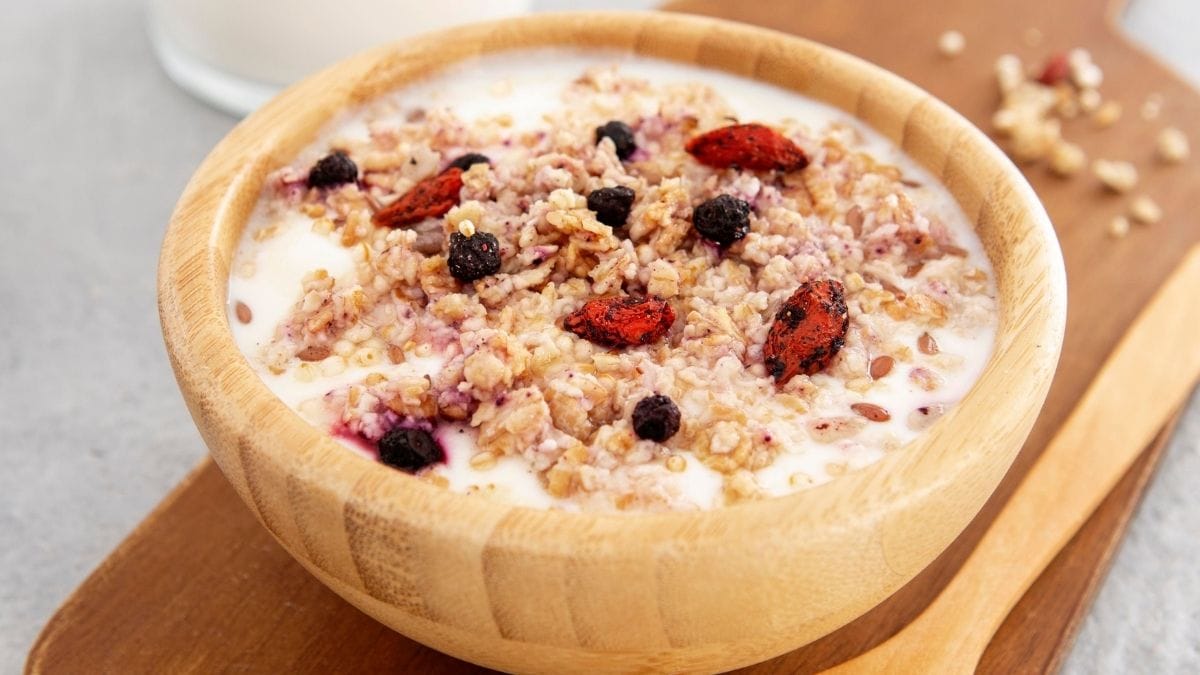
Walk into any nutrition conference and ask researchers what they eat for breakfast. The answers cluster around one food more than any other: oats.
A recent survey of longevity researchers found that 73% eat oatmeal at least four mornings per week. Not fancy superfoods.
Not expensive protein powders. Just plain oats with a few additions. There’s a reason this pattern holds across cultures and dietary philosophies.
What Makes Oats Different
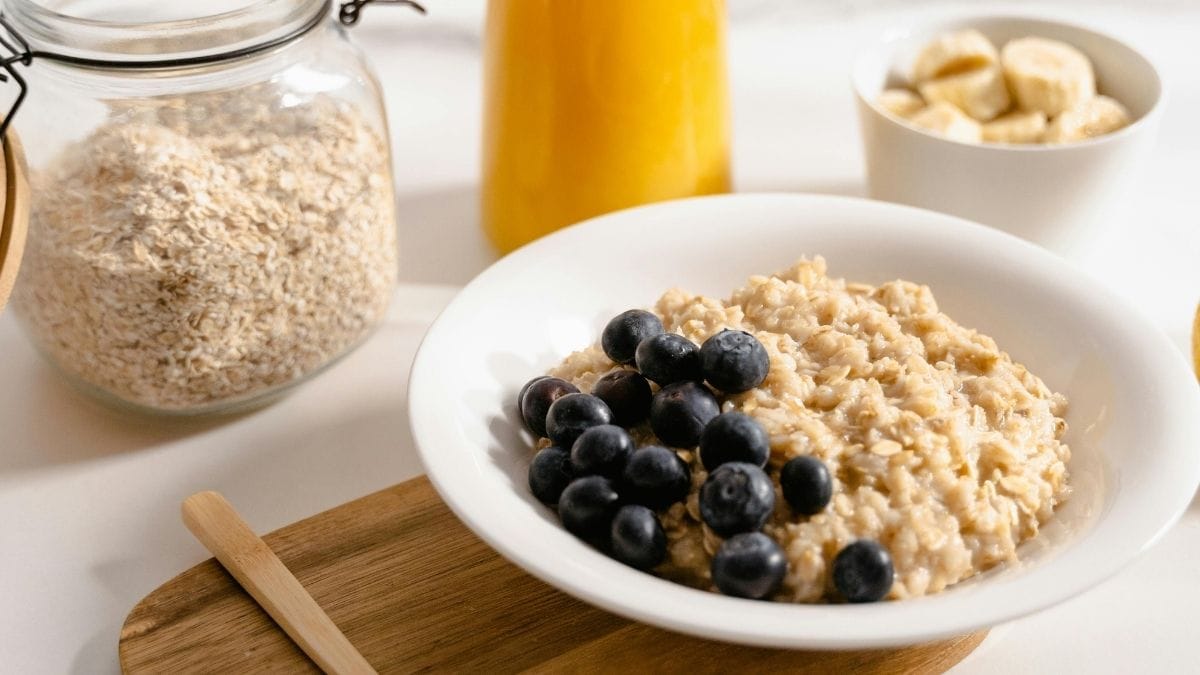
Oats contain a specific type of fiber called beta-glucan that behaves differently from fiber in most other foods. This soluble fiber forms a gel in your digestive system, slowing how quickly sugar enters your bloodstream and feeding beneficial gut bacteria.
The effect is measurable. Studies show a bowl of oats can reduce blood sugar spikes by up to 30% compared to typical breakfast options. That steadier energy means no mid-morning crash, no reaching for a second coffee at 10 AM.
But beta-glucan does more than manage blood sugar. It binds to cholesterol in your digestive tract and removes it before absorption. Eating oats regularly can lower LDL cholesterol by 5-10%, enough to meaningfully reduce heart disease risk over time.
The Longevity Connection
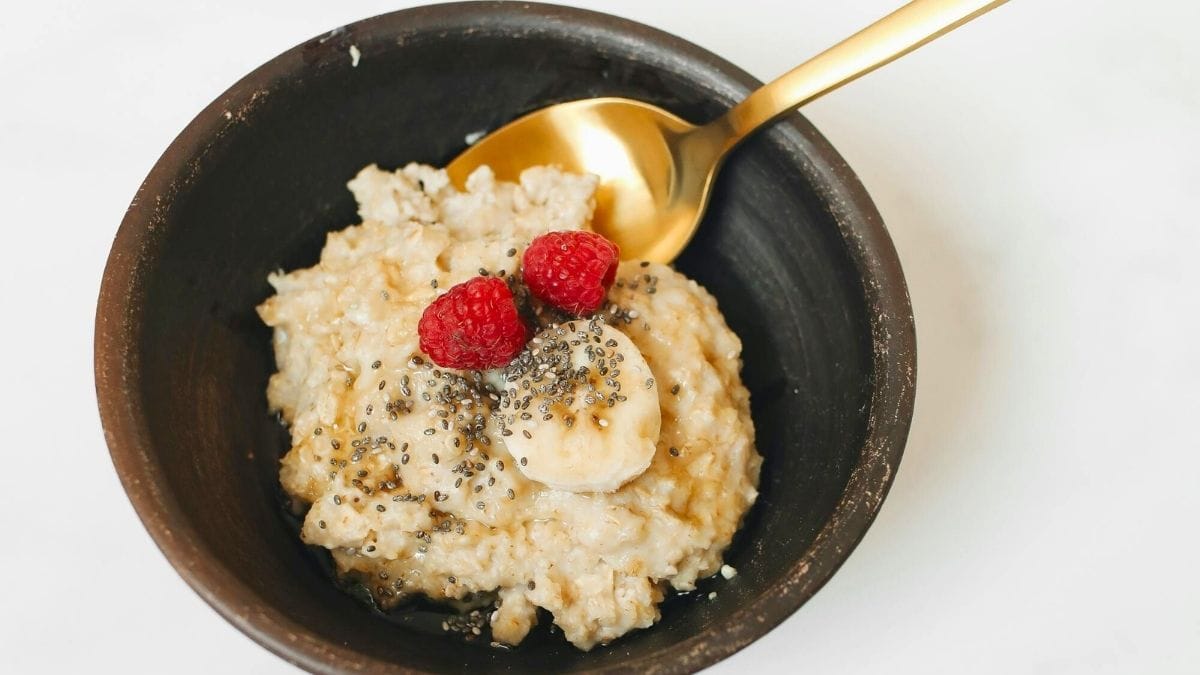
Researchers who study aging look for foods that address multiple health markers at once. Oats check several boxes: they reduce inflammation, support gut health, stabilize metabolism, and provide sustained energy without taxing your system.
Blue Zone populations—those regions where people routinely live past 100—don’t all eat oats specifically, but they share a pattern: whole grains as a foundation.
Oats fit this template perfectly. They’re inexpensive, shelf-stable, and work with almost any flavor preference.
The polyphenols in oats, particularly avenanthramides, act as antioxidants that protect cells from damage. These compounds are unique to oats. You won’t find them in rice, quinoa, or other grains.
How to Make Them Work for You

Plain oats need help. They’re nutritionally solid but lack protein and healthy fats for a complete meal. The experts who eat oats daily aren’t eating them plain.
Common additions that show up repeatedly: nuts or seeds for healthy fats and protein, berries for antioxidants and flavor, a spoonful of nut butter for satiety. Some add a soft-boiled egg on the side. Others stir in Greek yogurt after cooking.
The preparation matters less than you’d think. Steel-cut, rolled, and quick oats have similar nutritional profiles. Steel-cut takes longer to cook but has a chewier texture.
Rolled oats cook in five minutes. Quick oats work when you’re rushed. All deliver the same beta-glucan and minerals.
Skip the instant packets with added sugar and flavoring. They’re processed differently and often contain less fiber. Plain oats cost a fraction of the price and let you control what goes in.
Common Mistakes to Avoid
The biggest error is making oats too sweet. Adding honey, maple syrup, or dried fruit cancels out the blood sugar benefits. Your body processes those sugars the same way it processes table sugar.
Fresh fruit works better. Berries add sweetness without spiking blood sugar as much. A mashed banana provides creaminess and natural sweetness. Cinnamon adds flavor with zero calories and may help with insulin sensitivity.
Portion size trips people up too. A serving of dry oats is about half a cup, which cooks to roughly one cup. That’s enough for most people when you add toppings. Making a giant bowl defeats the purpose—you’ll spike blood sugar anyway and feel heavy afterward.
Some people cook oats in milk for extra creaminess and protein. This works, but watch the temperature. Boiling milk directly can scorch. Use low heat or add milk after cooking.
The Practical Reality
Oats won’t transform your health overnight. No single food does that. But as a daily foundation, they create steady energy and support the body systems that matter for longevity: cardiovascular health, metabolic stability, gut function.
The researchers eating oats every morning aren’t following a trend. They’re applying what decades of nutrition science consistently shows: simple whole foods, eaten regularly, build health over time.
Oats happen to be one of the most efficient ways to do that at breakfast.
You don’t need a special recipe or expensive ingredients. Plain oats, some nuts, fresh berries. Five minutes in the morning. That’s the pattern that holds across 73% of people who spend their careers studying what helps humans live longer, healthier lives.