
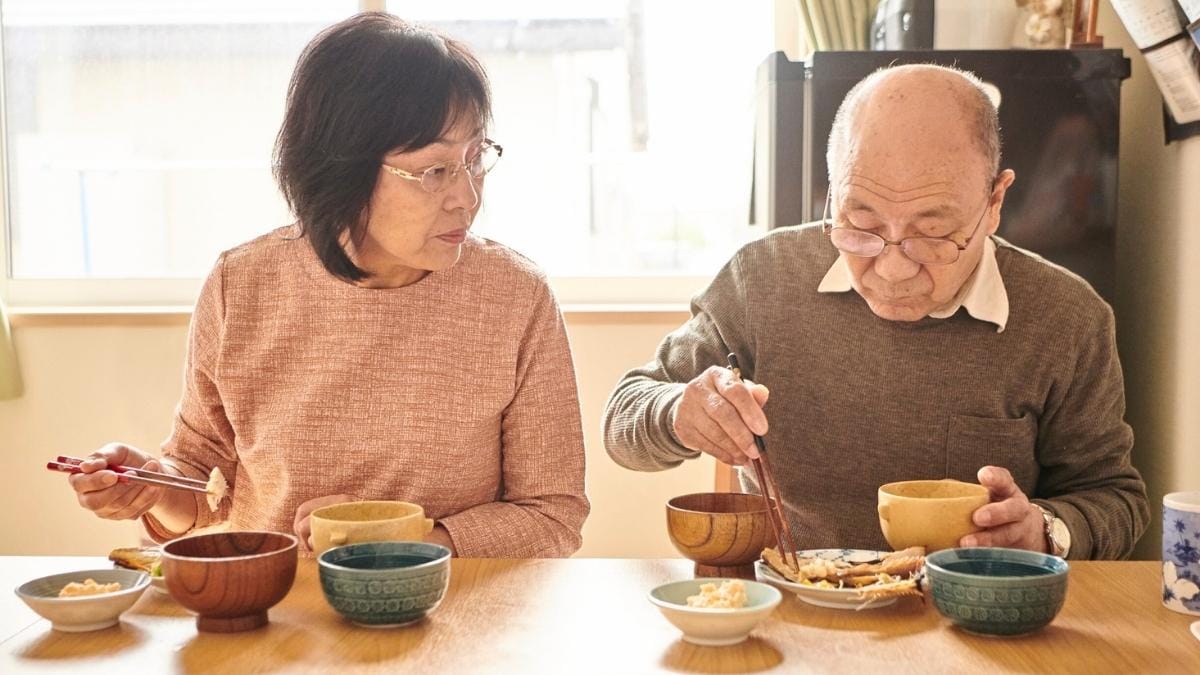
If longevity had a marketing team, it would look very different.
It would not be neon smoothies or miracle capsules. It would look like beans simmering quietly in a pot. A bowl of oats. A plate of cabbage. Foods so simple they rarely appear in headlines.
Yet when researchers study long-living communities, a pattern appears again and again. The strongest signals do not come from trendy foods. They come from staples that support the body gently, every day, for decades.
Longevity is less about excitement. More about consistency.
Understanding real longevity foods means learning to respect the ordinary.
Why the Most Powerful Foods Look Boring
Human psychology loves novelty. We assume rare equals powerful.
But the body prefers reliability.
The digestive system thrives on foods it recognizes. The immune system stabilizes when meals are predictable. Blood sugar behaves better with steady fuel instead of spikes.
This is why traditional diets often outperform modern experiments. They evolved slowly, shaped by survival rather than marketing.
The foods linked to long life are not dramatic. They are repeatable.
And repeatable habits are what build decades of health.
Beans: The Quiet Longevity Engine
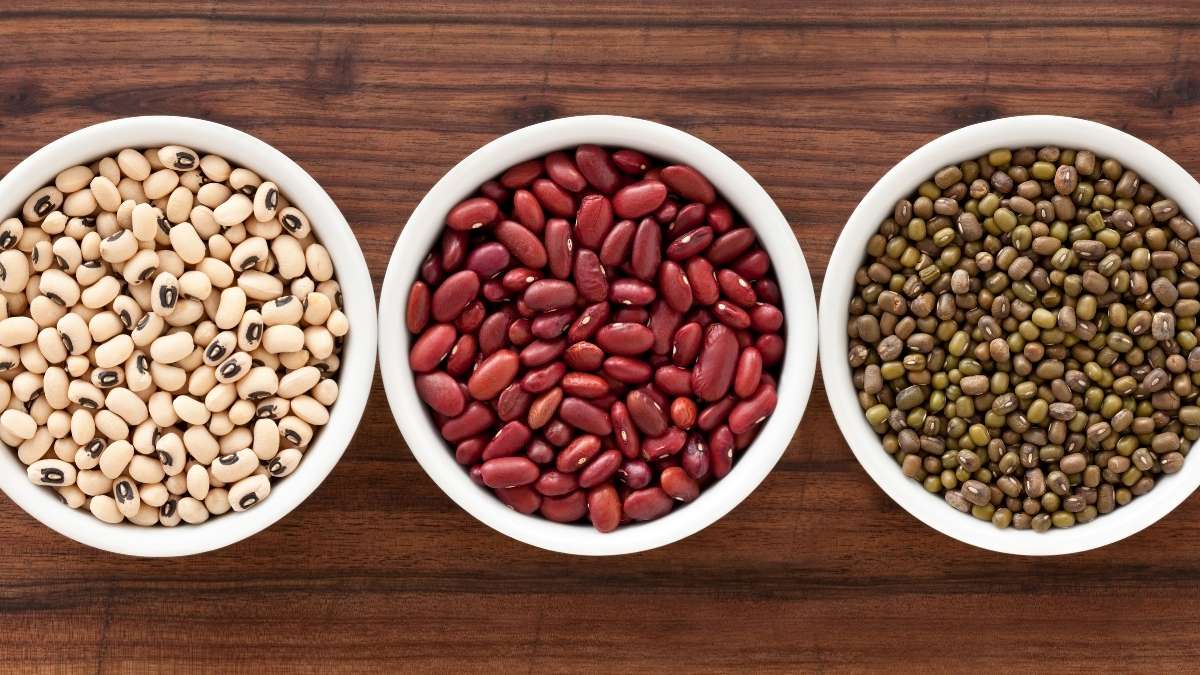
If one food deserves the title of longevity backbone, it is beans.
Beans provide:
- plant protein
- slow carbohydrates
- fiber
- minerals
- anti-inflammatory compounds
They stabilize blood sugar and feed gut bacteria. A healthy microbiome is one of the strongest predictors of aging well.
Long-living regions eat beans almost daily. Not occasionally. Daily.
They are affordable, filling, and deeply protective.
Beans are not glamorous. They are effective.
Oats: Slow Energy for a Long Life
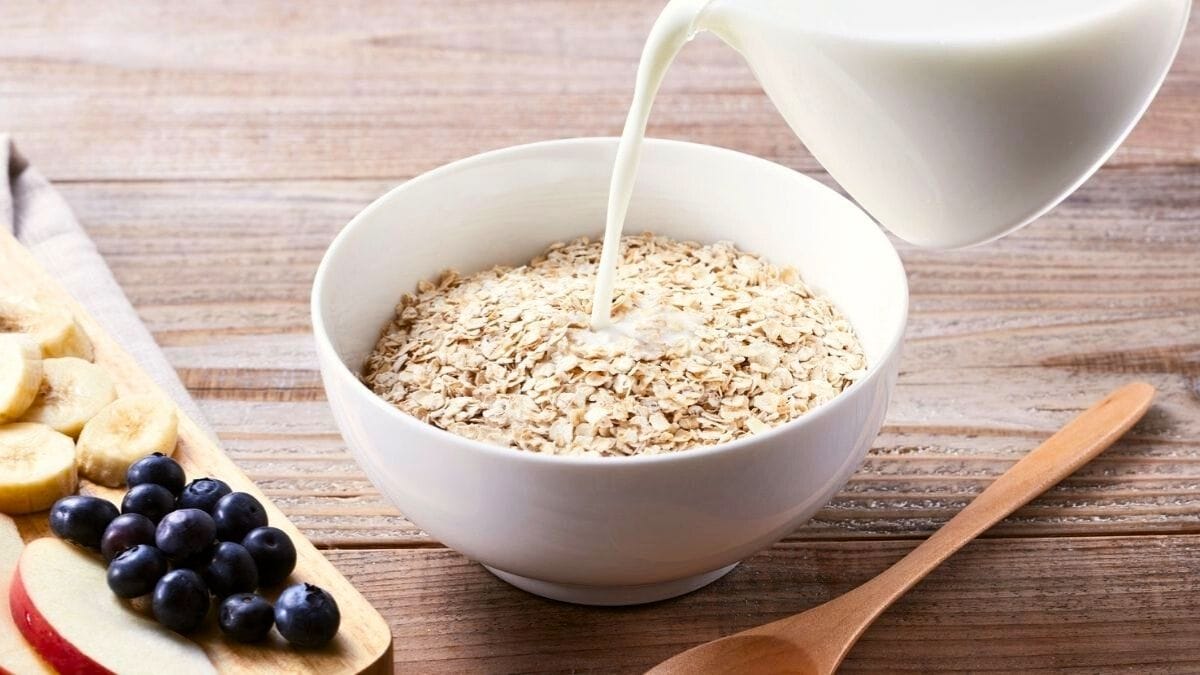
Oats are often treated as breakfast filler. In reality, they are metabolic medicine.
The soluble fiber in oats forms a gel that slows digestion. This improves cholesterol, supports gut lining health, and keeps energy steady for hours.
Longevity is not just about lifespan. It is about stable energy across the day.
Oats reduce the peaks and crashes that wear the body down over time.
They are gentle fuel. And gentle fuel wins long races.
Fermented Foods: Invisible Protection
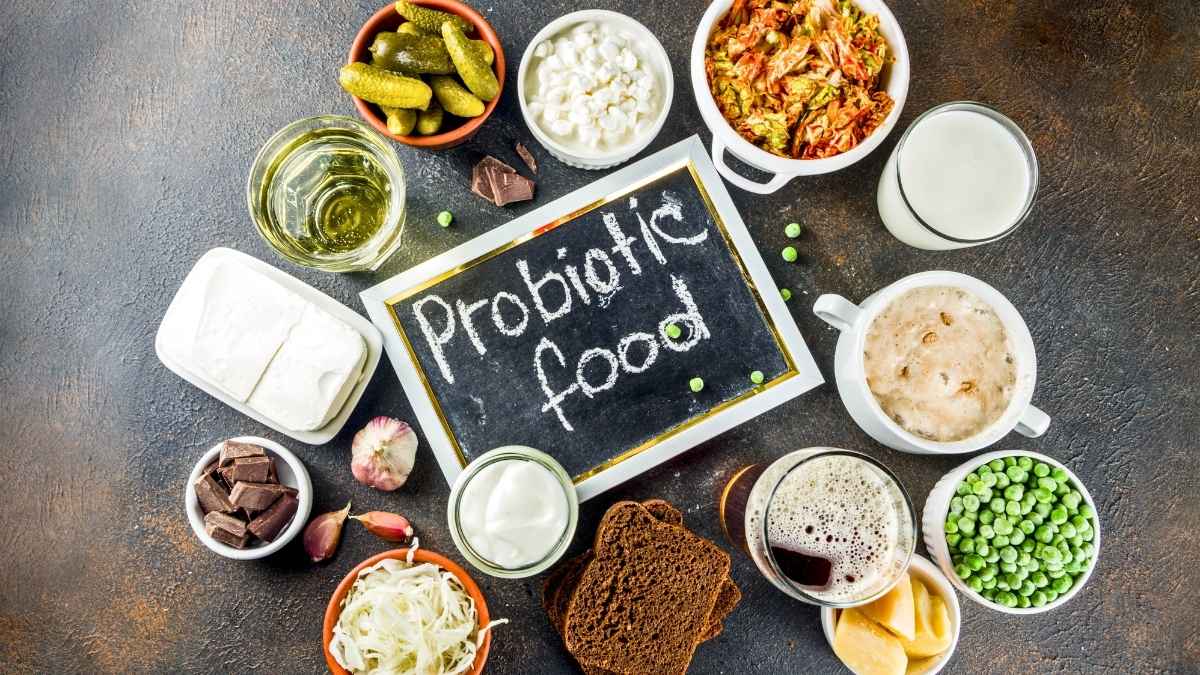
Fermented foods rarely look impressive. A spoon of yogurt. A bite of sauerkraut. A cup of kefir.
But inside these foods live active bacteria that train the immune system.
As we age, microbial diversity shrinks. This weakens resilience. Fermented foods rebuild that ecosystem.
A strong gut influences inflammation, mood, and nutrient absorption. It is a control center, not just digestion.
Adding fermented foods is like reinforcing the body’s internal defense network.
Small food. Large effect.
Leafy Greens: Cellular Maintenance
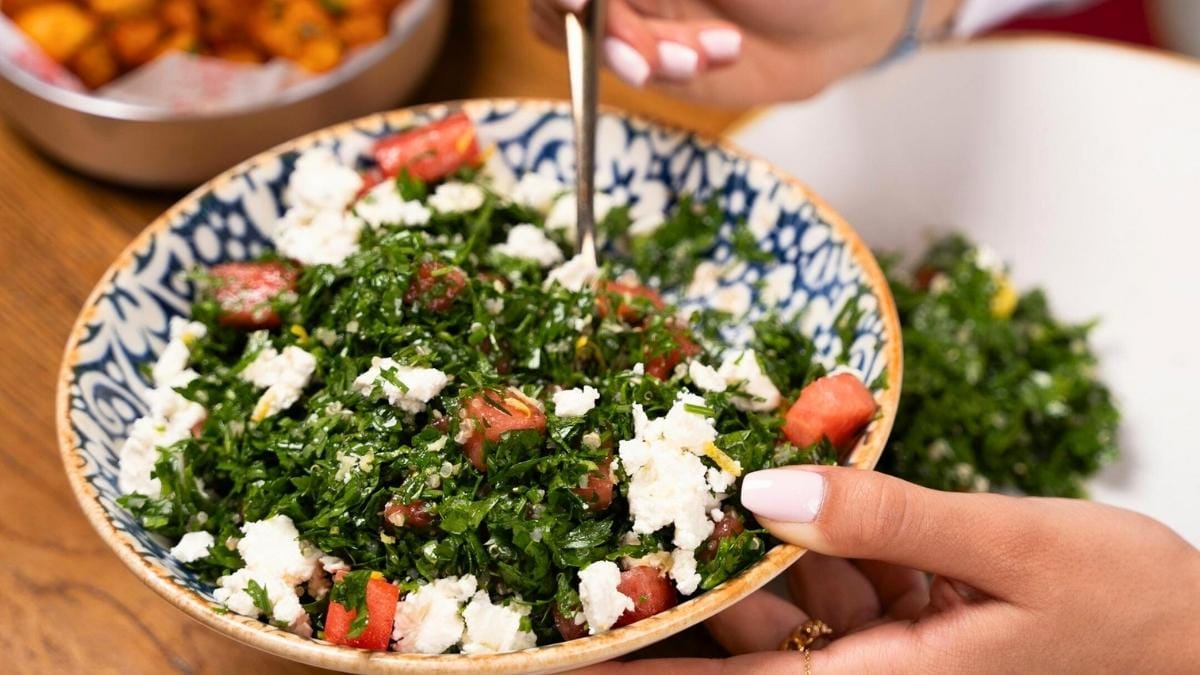
Dark greens are not exciting. They are maintenance tools.
Spinach, kale, collards, and cabbage supply folate, magnesium, and antioxidants that protect cells from damage. This slows the accumulation of wear that defines aging.
Think of leafy greens as rust protection for the body.
They do not create dramatic bursts of energy. They quietly prevent breakdown.
Longevity is often invisible work happening beneath the surface.
Root Vegetables: Stability Over Time
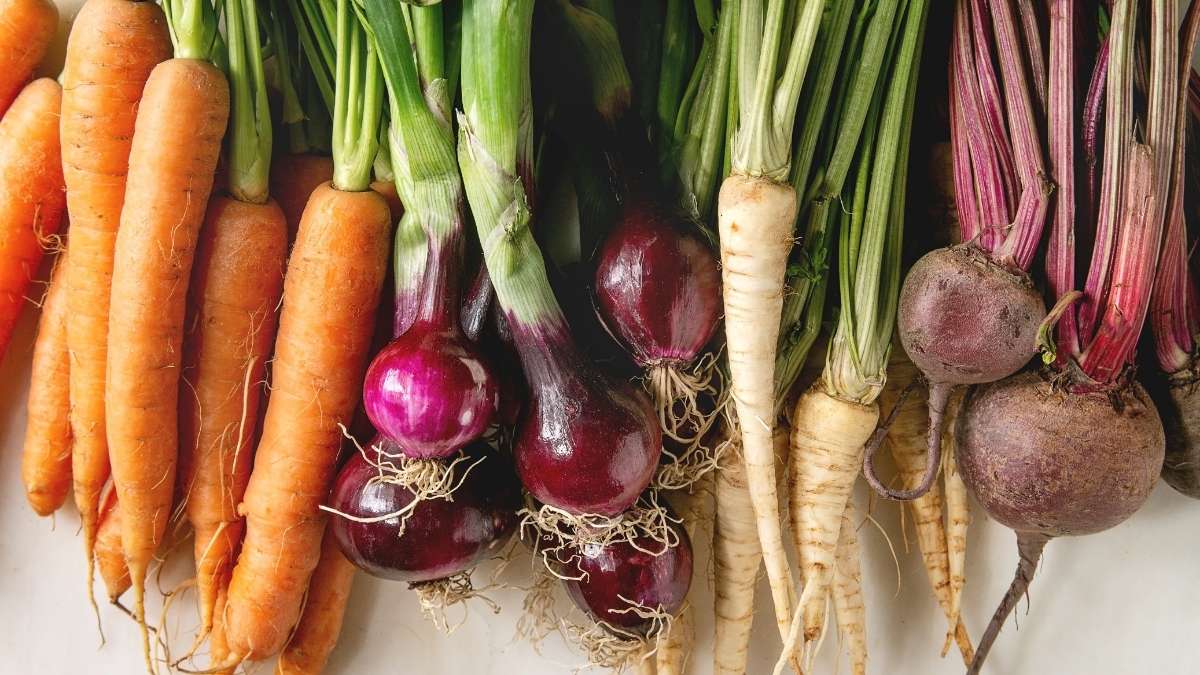
Sweet potatoes, carrots, and squash appear humble. Yet they provide complex carbohydrates, fiber, and protective plant compounds.
These foods digest slowly. They keep blood sugar calm. Chronic spikes accelerate aging. Stability preserves function.
Long-living cultures rely heavily on root vegetables. They are reliable energy without metabolic chaos.
The body ages best in calm conditions.
Olive Oil: Anti-Inflammatory Armor
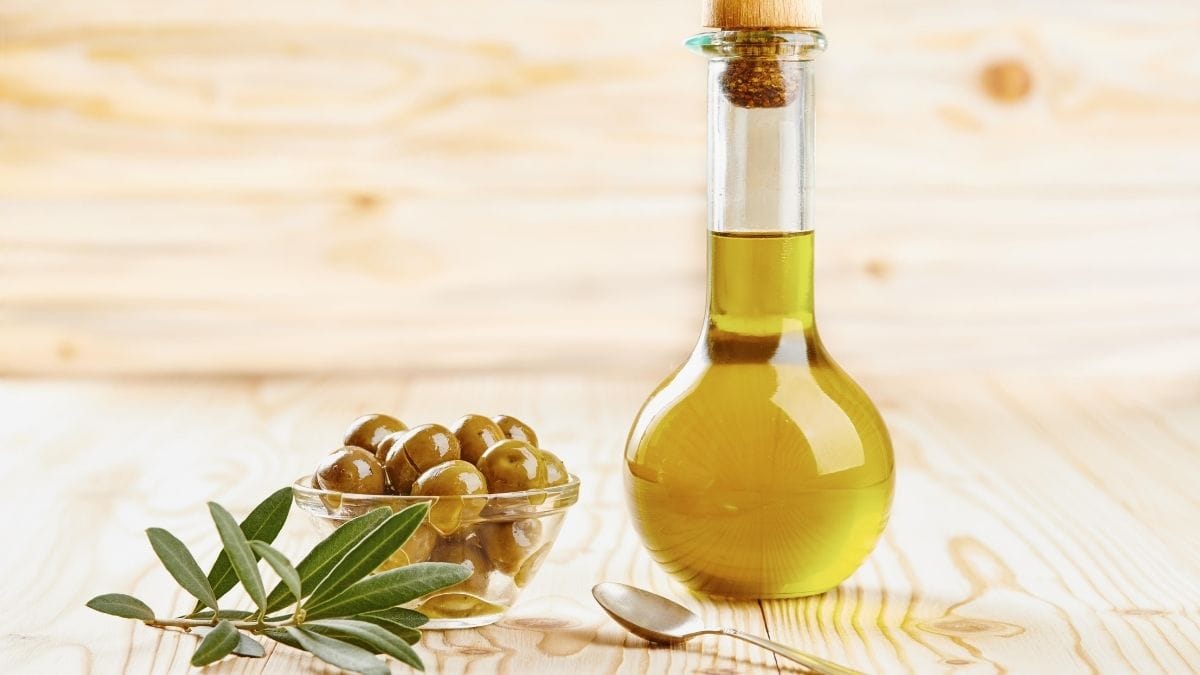
Olive oil is one of the clearest dietary signals in longevity research.
Its fats reduce inflammation and support cardiovascular health. Chronic inflammation is a silent accelerator of aging.
A small drizzle daily has measurable impact over years.
Longevity is built from tiny protections repeated thousands of times.
Olive oil is one of those protections.
The Real Pattern Behind Longevity Foods
These foods share traits:
- high fiber
- low processing
- steady energy release
- anti-inflammatory compounds
- gut support
- nutrient density
They do not overwhelm the body. They cooperate with it.
The body does not need constant stimulation. It needs consistent support.
This is why traditional eating patterns outperform modern extremes.
The formula is simple. The discipline is repetition.
Why Flashy Superfoods Distract Us
Superfoods are not useless. Turmeric and berries are healthy.
But obsession with single ingredients creates a dangerous illusion. People think adding one miracle food can cancel an unstable diet.
Longevity does not come from highlights. It comes from background habits.
The foods you eat every day matter more than the foods you post online.
Consistency beats intensity.
Every time.
The Emotional Side of Eating for Longevity
Longevity foods also share a psychological trait. They feel grounding.
Warm oats. Stewed beans. Soup with greens. These foods calm the nervous system. They signal safety.

Chronic stress accelerates aging. Meals that create comfort slow that process indirectly.
Food is chemistry, but it is also emotion.
The longest-lived cultures do not just eat wisely. They eat peacefully.
There is no rush in their kitchens.
A Simple Longevity Plate
Instead of chasing trends, build meals around a template:

Half the plate: vegetables and greens
Quarter: beans or legumes
Quarter: whole grains or root vegetables
Healthy fat: olive oil
Side: fermented food
This pattern covers most nutritional needs without complexity.
You do not need perfection. You need rhythm.
Rhythm builds decades.
Longevity Is Built From Repetition
The human body rewards habits, not heroics.
Eating a perfect meal once does nothing. Eating supportive meals for years changes your biological trajectory.
This is good news. It means longevity is accessible. It is not hidden in rare supplements. It lives in grocery stores and kitchens.
It lives in foods people overlook because they seem too ordinary to matter.
Ordinary foods, repeated daily, create extraordinary outcomes.
That is the real secret.
Final Thought:
The strongest longevity signals do not come from exotic ingredients. They come from foods that quietly support the body year after year. Beans, oats, greens, roots, fermented staples, and olive oil are not exciting. They are dependable. And dependability is what the aging body trusts.
Longevity is not built on novelty. It is built on steady nourishment that respects how the body actually works.
The future of health looks surprisingly simple.