
Most people think a longer, healthier life comes from big changes.
New diets. Strict rules. Perfect routines.
But research keeps pointing to something simpler.
Small foods you already recognize. Foods you already eat.
When chosen the right way, they quietly support the body for decades. making them everyday foods for healthy aging.
This article explains which everyday foods are linked to longer, healthier lives, and why they matter more than trendy superfoods or extreme plans.
Why Food Patterns Matter More Than “Superfoods”
Longevity is not about one magic ingredient.
It is about patterns repeated over years.
Studies of long-living populations show a clear theme:

- Simple meals
- Consistent habits
- Familiar foods eaten often
These people do not eat perfectly.
They eat predictably and wisely.
That is why everyday foods matter.
They are easy to keep eating.
What “Longer, Healthier Life” Really Means
Living longer is not useful if health is poor.
Healthy aging means:
- More energy
- Better movement
- Sharper thinking
- Fewer chronic issues
The goal is not just years added to life.
It is life added to years.
The foods below support the systems that control aging:
- Heart
- Metabolism
- Inflammation
- Gut health
Together, they help explain why these everyday foods are linked to longer, healthier lives.
Point-1 Beans and Lentils: The Quiet Foundation
Beans appear again and again in longevity research.
Not because they are exciting.
Because they work.
Why they matter
- High in fiber
- Plant protein
- Slow digestion
- Feed gut bacteria
Fiber lowers inflammation and improves blood sugar control.
Protein supports muscle as we age.
People in long-living regions eat beans almost daily.
Not occasionally. Regularly.
How to use them
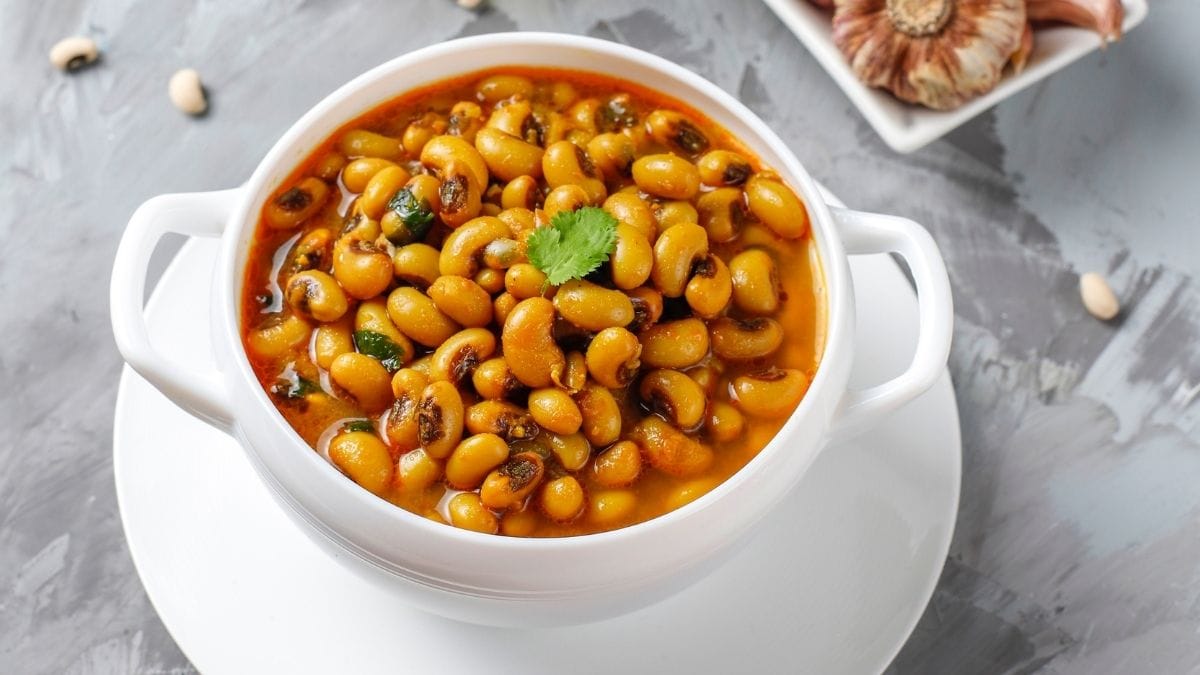
- Lentil soup
- Chickpeas in salads
- Beans with rice or vegetables
They are cheap, filling, and powerful over time.
Point-2 Whole Grains That Stay Close to Nature
Not all grains help health.
Refined grains cause spikes and crashes.
Whole grains do the opposite.
Why whole grains support health
- Slow energy release
- Better gut health
- Improved cholesterol levels
Whole grains help the body stay stable.
Stability matters as we age.
Better choices
- Oats
- Barley
- Brown rice
- Quinoa
They work best when paired with protein and vegetables.
Point-3 Fermented Foods and the Aging Gut
Gut health plays a bigger role in aging than most people think.
As we age:
- Gut bacteria diversity drops
- Digestion weakens
- Inflammation rises
Fermented foods help restore balance.
Why fermentation helps
- Supports digestion
- Improves immune response
- Reduces inflammation
Everyday options
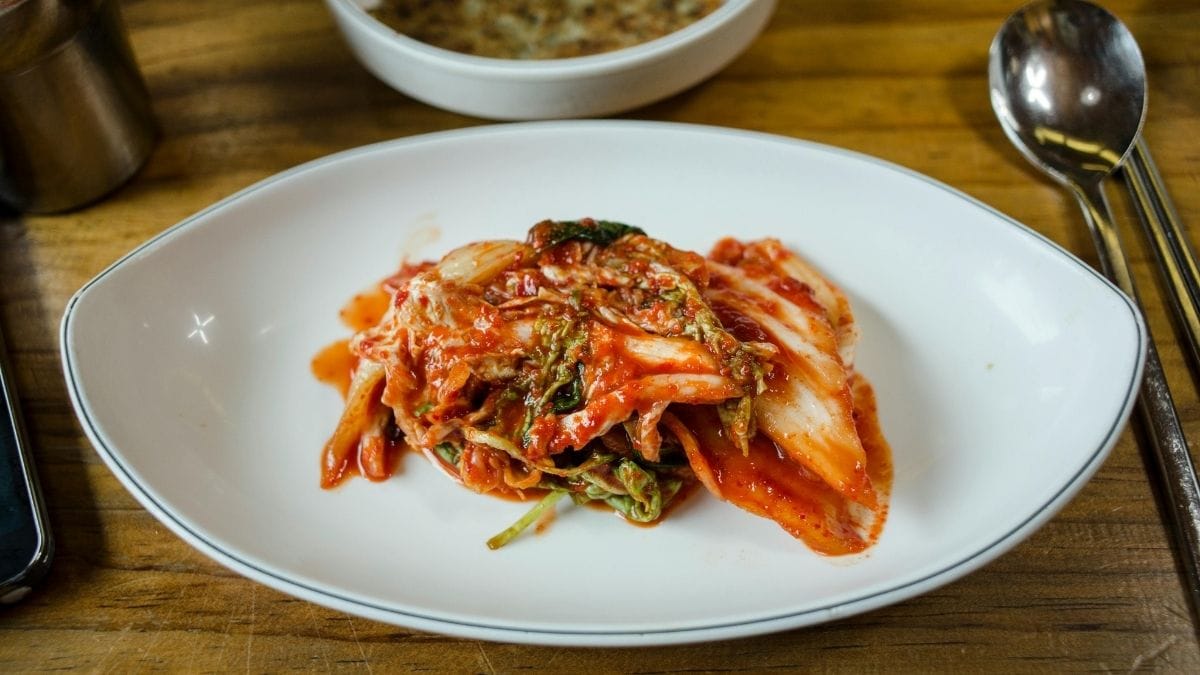
- Yogurt
- Kefir
- Sauerkraut
- Kimchi
Small daily amounts matter more than large servings once in a while.
Point-4 Vegetables That Support Cellular Health
Vegetables supply nutrients the body cannot make on its own.
They protect cells from damage over time.
What matters most
- Variety
- Color
- Regular intake
Vegetables provide:
- Vitamins
- Minerals
- Plant compounds
These compounds help cells repair and resist stress.
Practical approach
You do not need exotic vegetables.
Common ones work well:
- Carrots
- Onions
- Cabbage
- Tomatoes
Consistency matters more than perfection.
Point-5 Fruit as a Supporting Player, Not the Main Act
Fruit often gets misunderstood.
It is healthy, but portion and timing matter.
Why fruit helps longevity
- Antioxidants
- Fiber
- Natural sweetness
Fruit supports heart and brain health when eaten wisely.
Best way to eat fruit
- With meals
- With protein or fat
- Not as a sugary snack alone
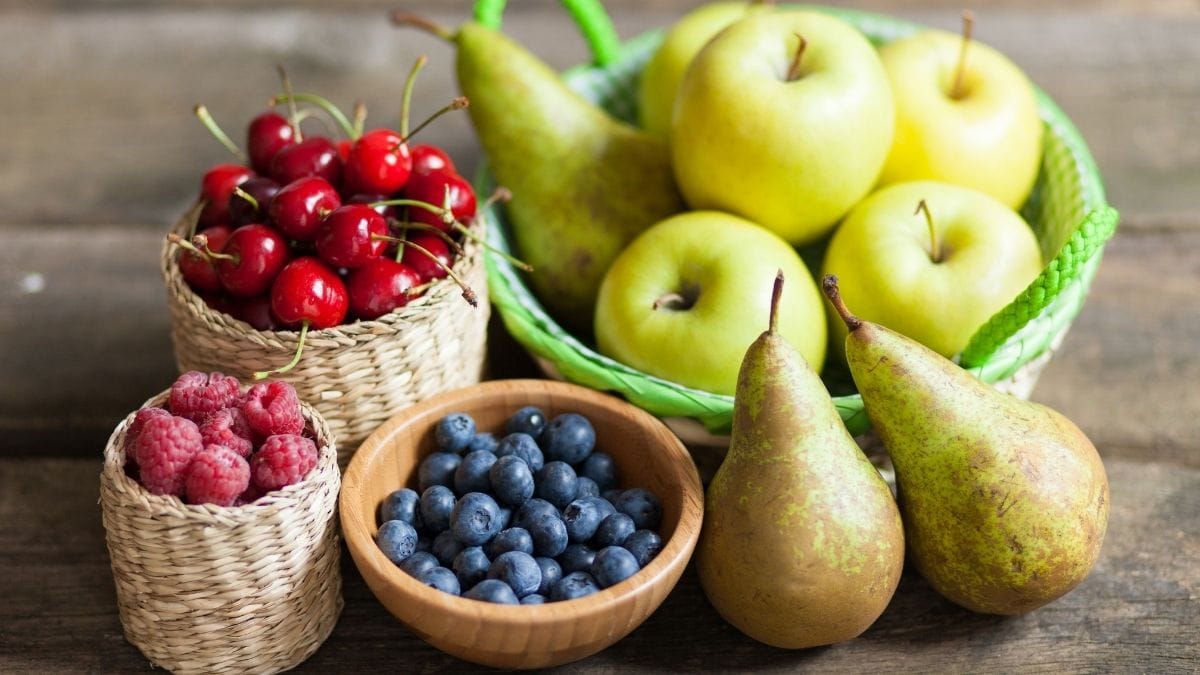
Berries, apples, and citrus fruits are common in long-living diets.
Point-6 Healthy Fats That Reduce Inflammation
Inflammation speeds aging.
Healthy fats slow it down.
Why fat quality matters
- Supports heart health
- Helps absorb vitamins
- Reduces chronic inflammation
Everyday sources
- Olive oil
- Avocado
- Small amounts of butter from quality sources
These fats replace processed oils, not add extra calories.
Point-7 Protein That Preserves Muscle With Age
Muscle loss is one of the biggest aging risks.
Protein helps slow that process.
Why protein matters
- Preserves strength
- Supports metabolism
- Improves recovery
People who age well maintain muscle.
Practical protein sources
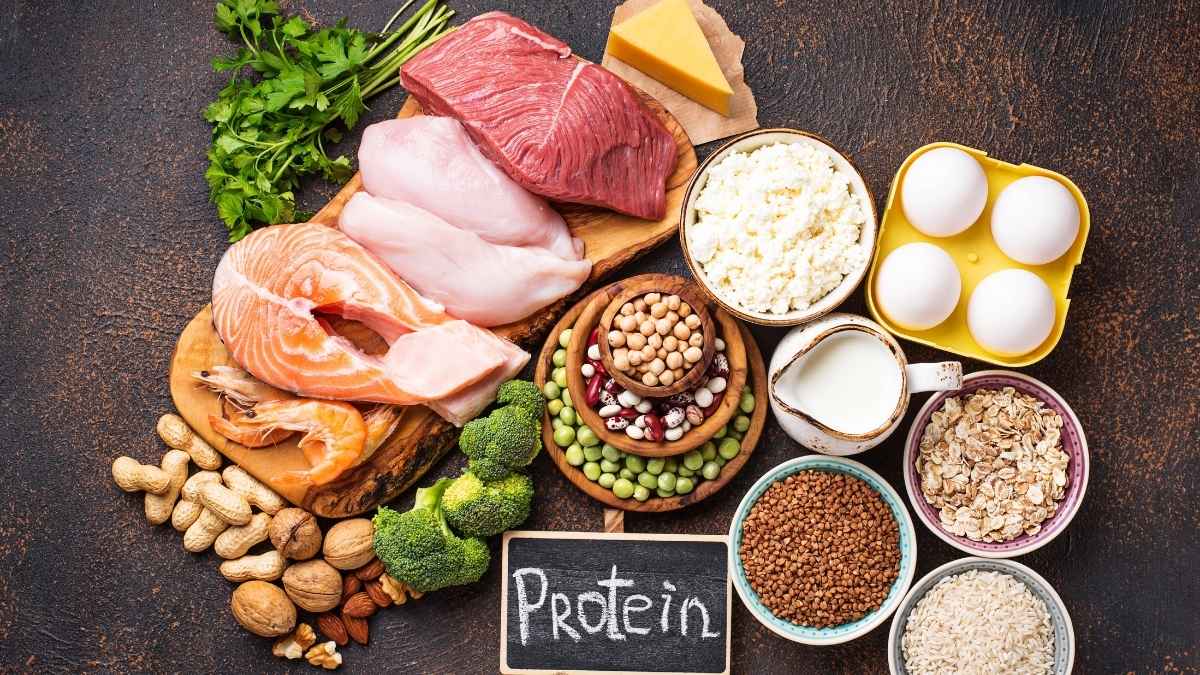
- Eggs
- Yogurt
- Fish
- Beans
Protein does not need to be extreme.
It needs to be consistent.
Point-8 Herbs, Spices, and Small Additions That Add Up
Longevity diets often include herbs and spices.
Not in large amounts. In steady use.
Why they help
- Anti-inflammatory effects
- Antioxidant compounds
- Better digestion
Common examples
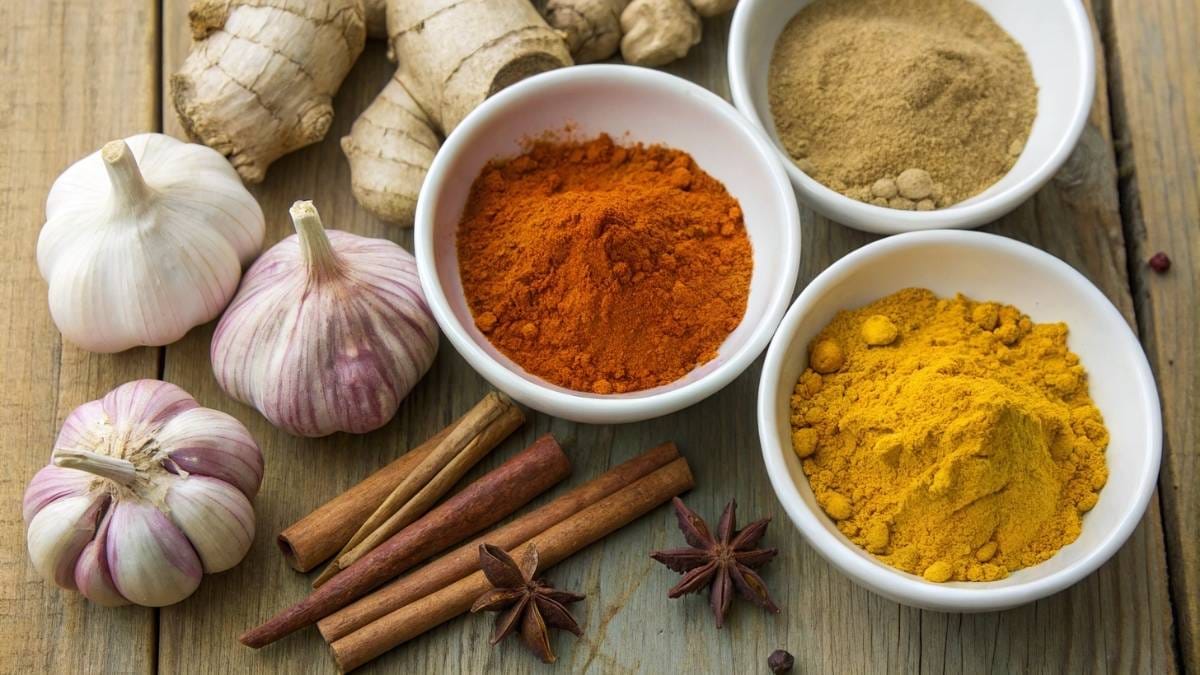
- Garlic
- Turmeric
- Ginger
- Cinnamon
They enhance food and health without extra calories.
Point-9 Simple Meals Beat Complicated Diets
One clear pattern stands out in long-living cultures:
Meals are simple.
They usually include:
- One main carbohydrate
- One protein
- Vegetables
- Healthy fat
No extreme restriction.
No constant novelty.
This simplicity makes habits easier to keep.
The Role of Eating Habits, Not Just Foods
What you eat matters.
How you eat also matters.
Healthy aging is linked to:
- Eating slowly
- Stopping before full
- Regular meal times
These habits reduce stress on digestion and metabolism.
Why Ultra-Processed Foods Shorten Health Span
Ultra-processed foods:
- Increase inflammation
- Disrupt gut health
- Add empty calories
They replace nourishing foods instead of supporting the body.
Limiting them makes room for foods that support longevity naturally.
A Simple Daily Plate for Long-Term Health
A practical structure:
- Half vegetables
- One quarter protein
- One quarter whole grains or beans
- Healthy fat in moderation
This pattern supports the systems that age us slowly.
Common Myths About Longevity Foods
Myth 1: You need expensive superfoods
Truth: Everyday foods work better because people keep eating them.
Myth 2: One food can fix everything
Truth: Patterns matter more than any single item.
Myth 3: Healthy eating must be strict
Truth: Consistency beats perfection.
How These Foods Work Together Over Time
Individually, each food helps a little.
Together, they create:
- Lower inflammation
- Better metabolism
- Stronger gut health
That is why these everyday foods are linked to longer, healthier lives.

The effect builds quietly.
Year after year.
How Long Before Benefits Appear?
Some changes happen fast:
- Better digestion
- Steadier energy
Others take time:
- Heart health
- Metabolic stability
Longevity is a long game.
Small daily choices matter most.
Who Benefits Most From These Foods?
These patterns help:
- Adults over 30
- People with low energy
- Those wanting sustainable health
You do not need perfect health to start.
You need consistency.
Final Thoughts:
Longer, healthier lives are not built on extremes.
They are built on everyday choices repeated for years.
The foods discussed here are not trends.
They are familiar, affordable, and proven over time.
These everyday foods for healthy aging work best when eaten consistently, not perfectly.
When you focus on patterns, not perfection,
you give your body the best chance to age well.