

You’re pregnant. Or you’re trying to be. And suddenly everyone has an opinion about what you should eat.
Your mom says eat more red meat. Your friend says go vegan. A blog says take 10 different supplements. It gets confusing fast.
Here’s the good news. The World Health Organization has already done the research. They’ve tested what works. They’ve published clear guidelines on exactly which nutrients your body needs during pregnancy.
This article breaks it all down in plain language. No medical jargon. No guessing. Just the nutrients that matter, how much you need, and where to get them.
By the end, you’ll know exactly what to focus on and what to ask your doctor at your next visit.
Why WHO’s Pregnancy Guidelines Actually Matter
The World Health Organization isn’t just another health website. They review thousands of studies. Then they publish official guidelines that doctors around the world follow.
Their Antenatal Care guidelines cover 49 recommendations. Fourteen of those are about nutrition alone. That tells you how important what you eat really is.
Here’s a number that should stop you cold. Around 40% of pregnant women worldwide are anaemic. That means their blood doesn’t carry enough oxygen.
The highest rates are in South-East Asia at 49% and Africa at 46%. But this isn’t just a problem in other countries. It happens everywhere.
The first 1,000 days — from conception to your child’s second birthday — are when nutrition matters most.
What happens in that window shapes your child’s brain, immune system, and health for life. WHO’s job is to tell you exactly what your body needs during that time. And they have.
Folic Acid — Start This Before You Even Get a Positive Test
Most women wait until they see two lines on a test before they think about prenatal nutrition. That’s too late for folic acid.
Your baby’s neural tube — the part that becomes the brain and spine — forms and closes within the first 28 days of pregnancy.
Many women don’t even know they’re pregnant at 28 days. If you’re low on folic acid during that window, the damage is already done.
WHO recommends 400 micrograms of folic acid every single day. Start at least one month before you plan to conceive. Continue through the first trimester.
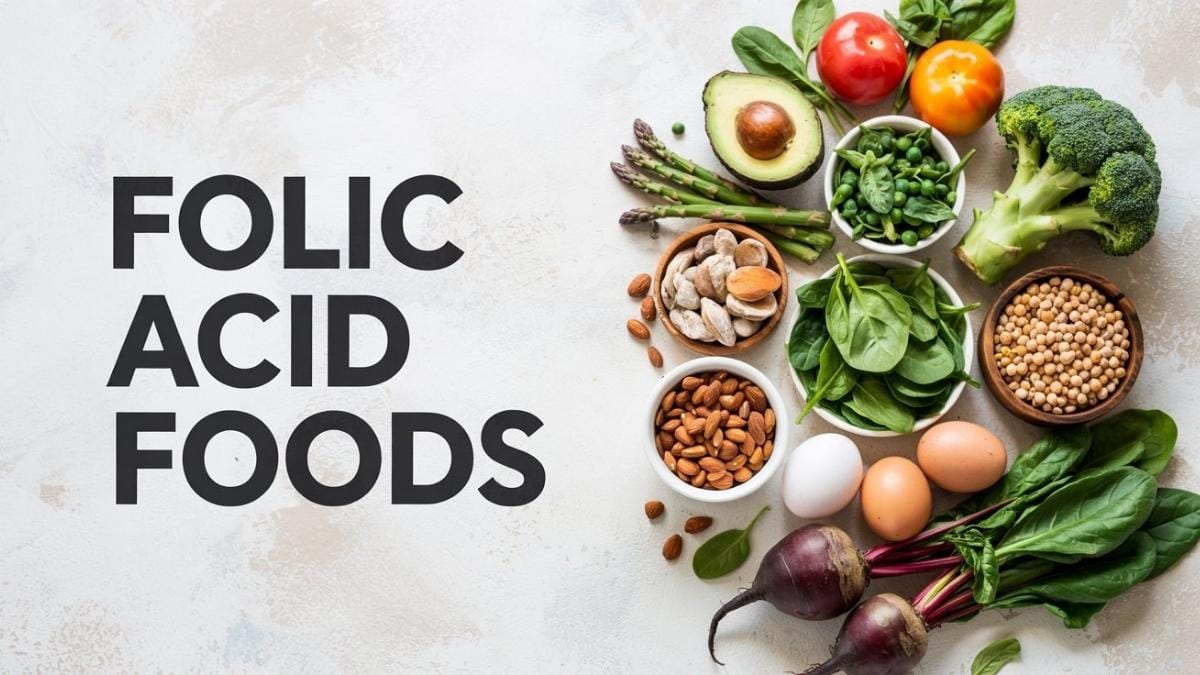
Good food sources include spinach, lentils, asparagus, and fortified cereals. But food alone usually isn’t enough. You need a supplement too.

The honest takeaway here is simple. If you’re trying to get pregnant — or even think you might be — start 400 mcg of folic acid today. Not next week. Today.
Iron — Why Nearly Half of All Pregnant Women Come Up Short

Your body is doing something extraordinary during pregnancy. It’s producing about 50% more blood than normal. That extra blood supplies your placenta and your growing baby with oxygen.
Iron is what makes that possible. Without enough iron, your blood can’t carry oxygen properly. That’s called anaemia — and it’s dangerous for both you and your baby.
WHO recommends 30 to 60 mg of elemental iron every day during pregnancy. In areas where anaemia is very common, the higher dose of 60 mg is preferred.
The consequences of deficiency are serious. Premature birth. Low birth weight. Babies born with less than half the normal iron reserves they need to thrive.
One practical tip that most people miss: don’t take your iron supplement with calcium or dairy. Calcium blocks iron from being absorbed.
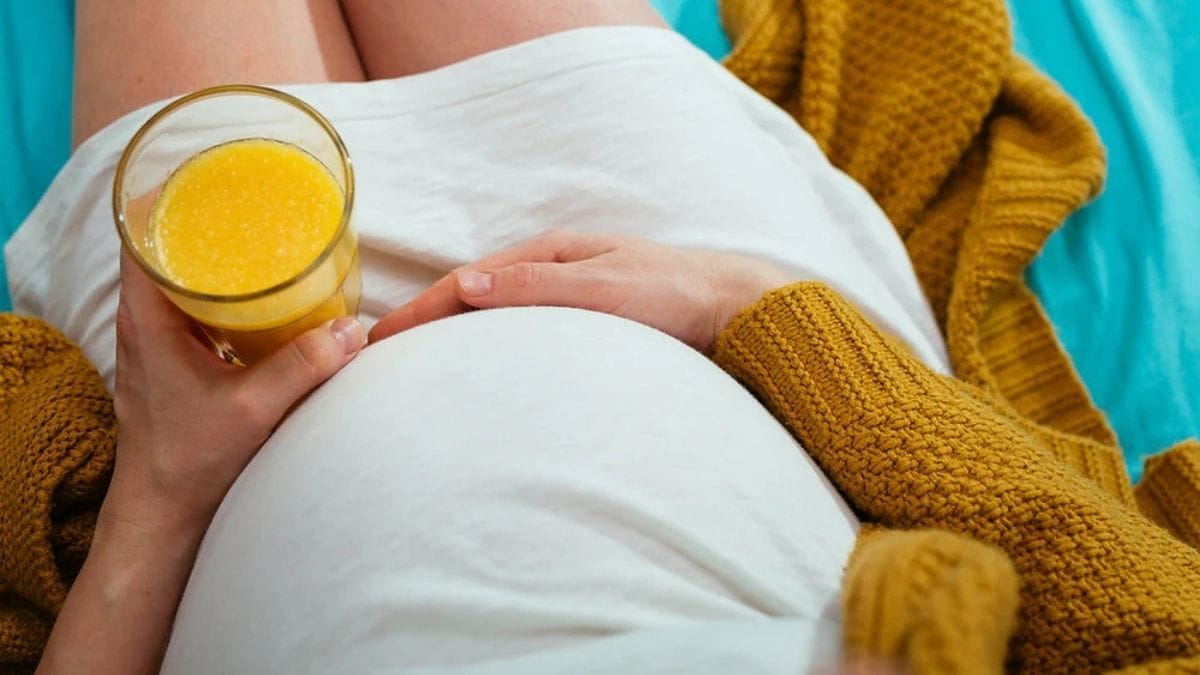
Take iron with a glass of orange juice instead. Vitamin C helps your body absorb iron much more effectively.
Calcium — It Does More Than Build Bones
You already know calcium builds strong bones. But during pregnancy, it does something else most people don’t know about.
Getting enough calcium can help prevent pre-eclampsia. That’s a serious condition where your blood pressure spikes dangerously high during pregnancy. It’s one of the leading causes of maternal death worldwide.
WHO recommends 1,000 mg of calcium daily for most pregnant women. For women who don’t eat much dairy — or live in areas where calcium-rich foods aren’t common — WHO raises that recommendation to 1,500–2,000 mg per day.
If you’re a pregnant teenager, your target is 1,300 mg daily because your own bones are still developing too.
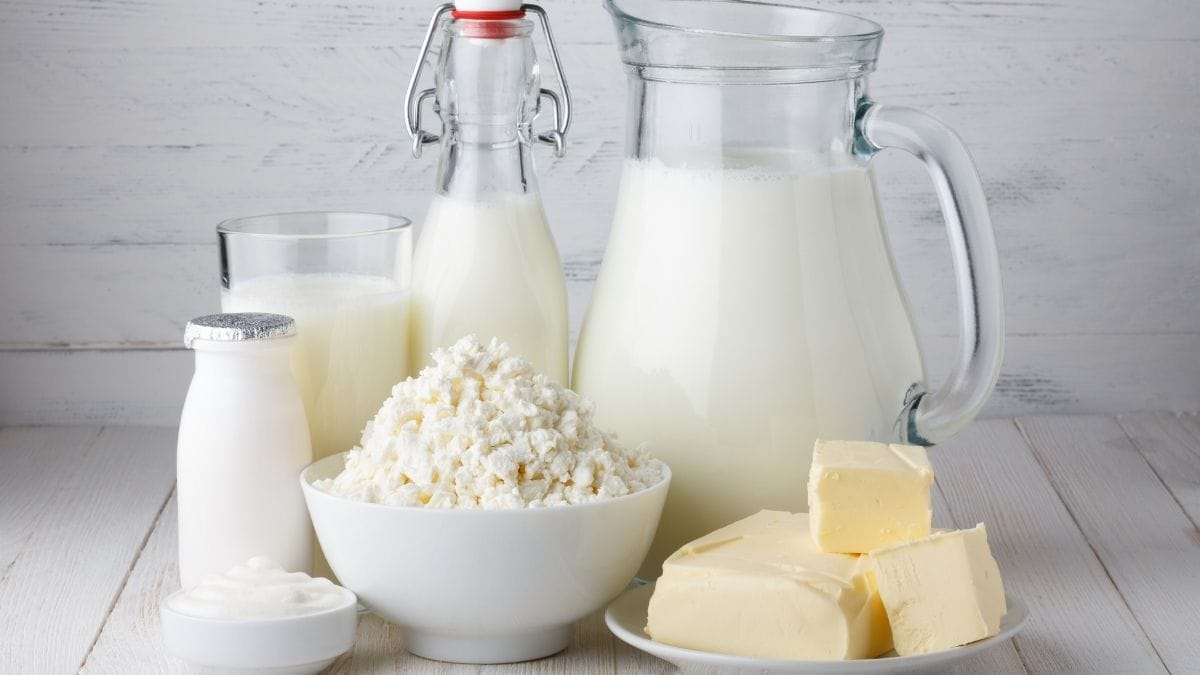
Good sources include dairy products like milk, yogurt, and cheese. If you’re lactose intolerant or vegan, try fortified plant milks, kale, broccoli, almonds, and sardines.
And if you’re not sure you’re getting enough, talk to your doctor about a supplement.
Iodine, Vitamin D, and Zinc — The Three Nutrients Most People Forget
These three don’t get as much attention as iron or folic acid. But your baby needs all three.
Iodine supports your baby’s thyroid and brain development.
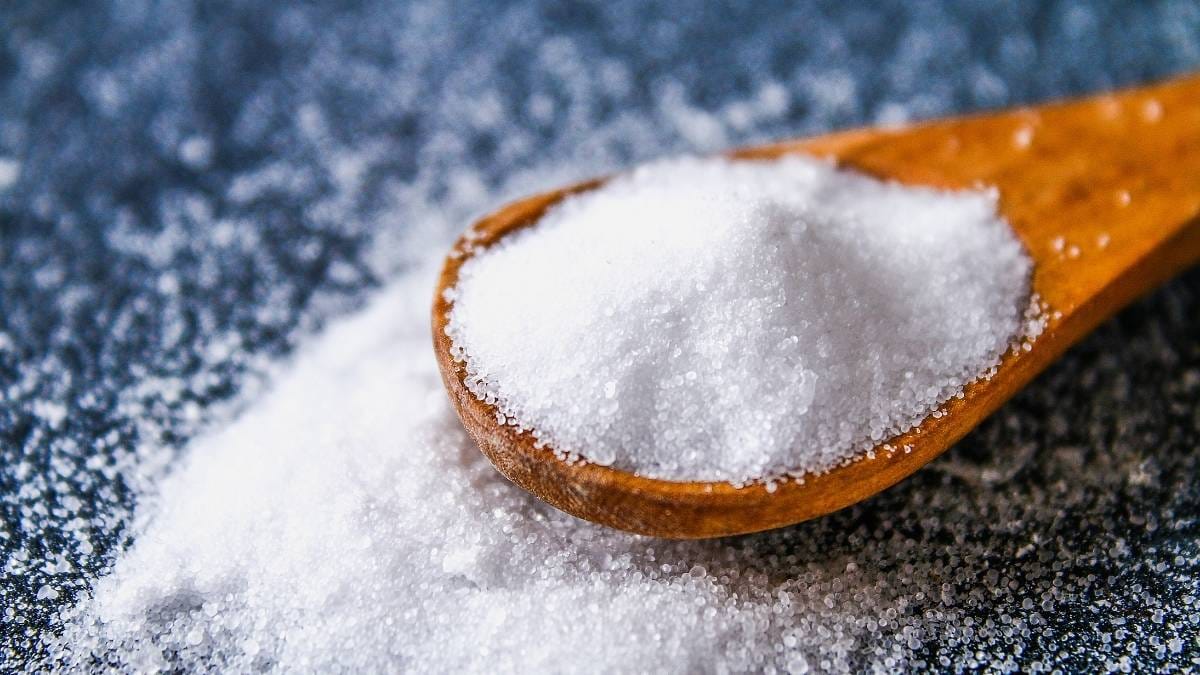
Being low in iodine is one of the leading preventable causes of intellectual disability in the world. Get it from iodized salt, dairy, eggs, and seafood.
Important note: most “fancy” sea salts are NOT iodized. Check your prenatal vitamin label too — many don’t include iodine.
Vitamin D works with calcium to build your baby’s bones and teeth.

The standard recommendation is 600 IU per day. Many experts now suggest 1,000–4,000 IU for pregnant women, though research is still ongoing.
Ask your doctor to test your levels — deficiency is more common than most people expect.
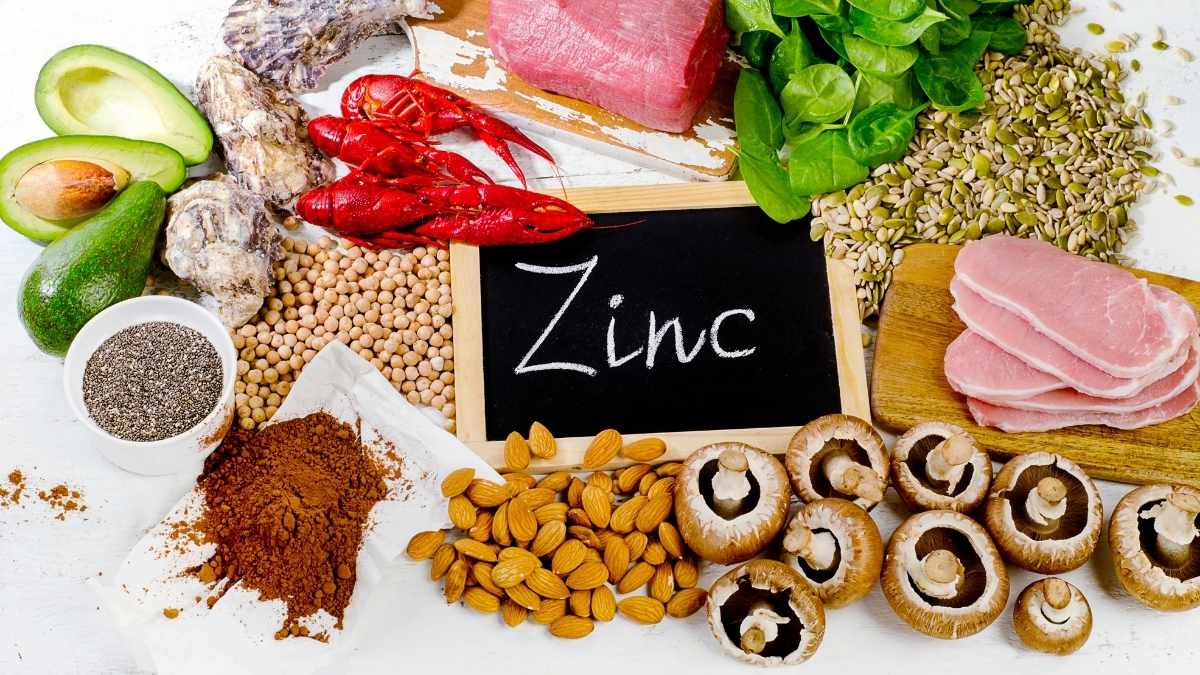
Zinc supports cell growth, immune function, and your baby’s DNA development. Get it from meat, shellfish, legumes, seeds, and whole grains.
WHO says standalone zinc supplements aren’t routinely recommended — a good prenatal vitamin and a balanced diet usually cover it.
Food First — But Supplements Are Your Safety Net
WHO is clear on this. A varied, nutrient-rich diet is the foundation. No supplement replaces real food.
But here’s the honest reality. Most pregnant women don’t hit every daily target through food alone. Life gets in the way. Morning sickness happens. Cravings take over.
That’s why WHO officially recommends iron and folic acid supplements for all pregnant women — every single one, regardless of diet quality.
In 2021, WHO added something new to its Essential Medicines List. It’s called Multiple Micronutrient Supplementation, or MMS.
This is a single supplement that contains 15 nutrients — not just iron and folic acid. It’s a bigger safety net, and it’s becoming more widely available.

When choosing a prenatal vitamin, look for folic acid (400–800 mcg), iron (at least 27 mg), calcium, iodine (150 mcg), and vitamin D (600–1,000 IU).
Bring the label to your next appointment and ask your provider if it covers what you need.
5 Mistakes Pregnant Women Make With Nutrition (And How to Fix Them)

Mistake 1: Starting folic acid after a positive test. The neural tube closes at day 28. Start folic acid before conception — not after.
Mistake 2: Taking iron and calcium together. Calcium blocks iron absorption. Take them at different times of day. Iron in the morning with orange juice works well.
Mistake 3: Assuming a healthy diet is enough. Even women eating well often fall short of key nutrients. A prenatal vitamin fills the gaps you can’t see.
Mistake 4: Ignoring iodine. It’s missing from many prenatal vitamins. Check the label. If you use non-iodized salt or avoid dairy, you may be low without knowing it.
Mistake 5: Stopping supplements after the first trimester. Your iron and calcium needs stay high throughout pregnancy. The third trimester is when your baby’s bones are developing most rapidly. This is not the time to stop.
Final Thought:
Your baby’s health is being built right now — one nutrient at a time. Folic acid, iron, calcium, iodine, and vitamin D are not optional. Start with food. Back it up with a quality prenatal vitamin. And talk to your doctor about your levels today.