
You already own a pharmacy. It sits in your kitchen and costs under $30 a week.
Most people think eating healthy means buying expensive supplements, cutting out entire food groups, or following some complicated plan.
Here is the truth. You do not need any of that.
Five everyday foods — oats, garlic, eggs, blueberries, and coffee — are backed by real science. They are cheap.
They are already in most kitchens. And each one targets a specific health problem. This article will show you exactly what each food does and how much of it you actually need.
Oats — The Cholesterol Fighter in Your Breakfast Bowl
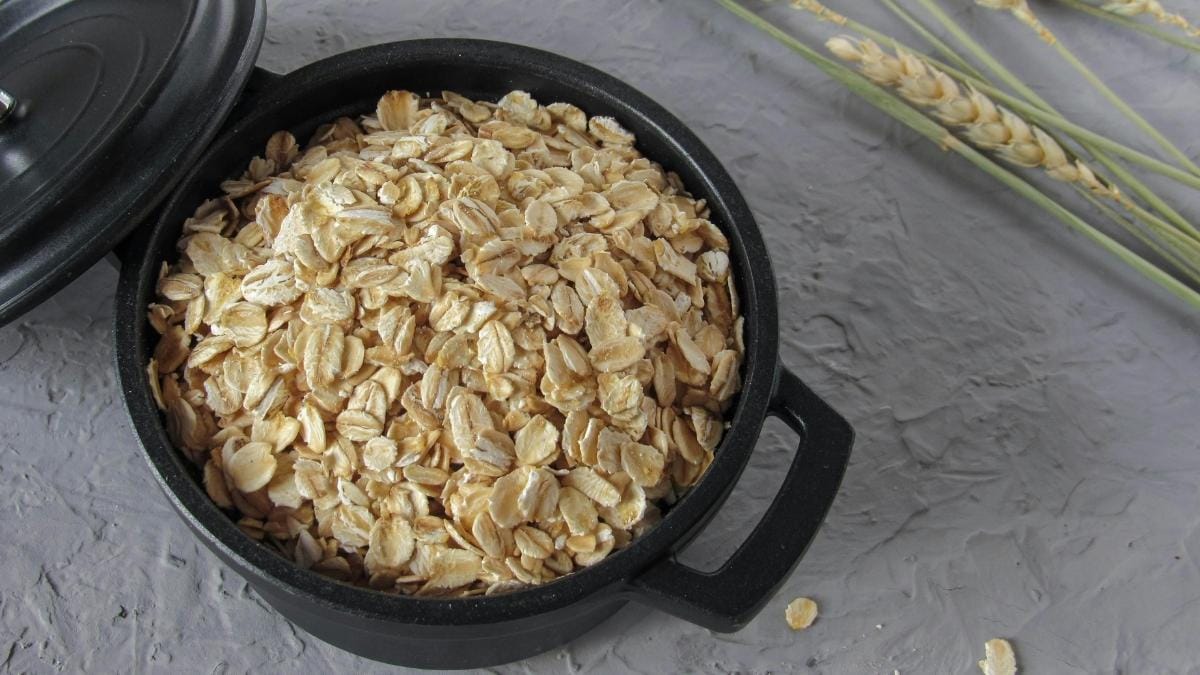
In 1997, oats became the first food ever to receive an official FDA health claim. That claim was specifically for lowering cholesterol. Almost 30 years later, the science is even stronger.
Oats contain a soluble fiber called beta-glucan. A review published in early 2025 found that beta-glucan significantly reduced total cholesterol and LDL cholesterol.
The effective dose used in most studies was 3 grams — the exact amount in one cup of uncooked oats.
Oats also contain avenanthramides, a polyphenol that exists almost exclusively in oats. These compounds help with insulin response and blood sugar control. The beta-glucan also feeds good gut bacteria, which helps regulate hunger hormones.
One cup of rolled oats costs about $0.30. That is it.
What to do: Buy steel-cut or rolled oats. Skip the instant flavoured packets — they have added sugar and less fiber. Add a handful of blueberries on top and you have two of the five foods in one bowl.
Garlic — One Clove That Talks to Your Gut and Your Heart
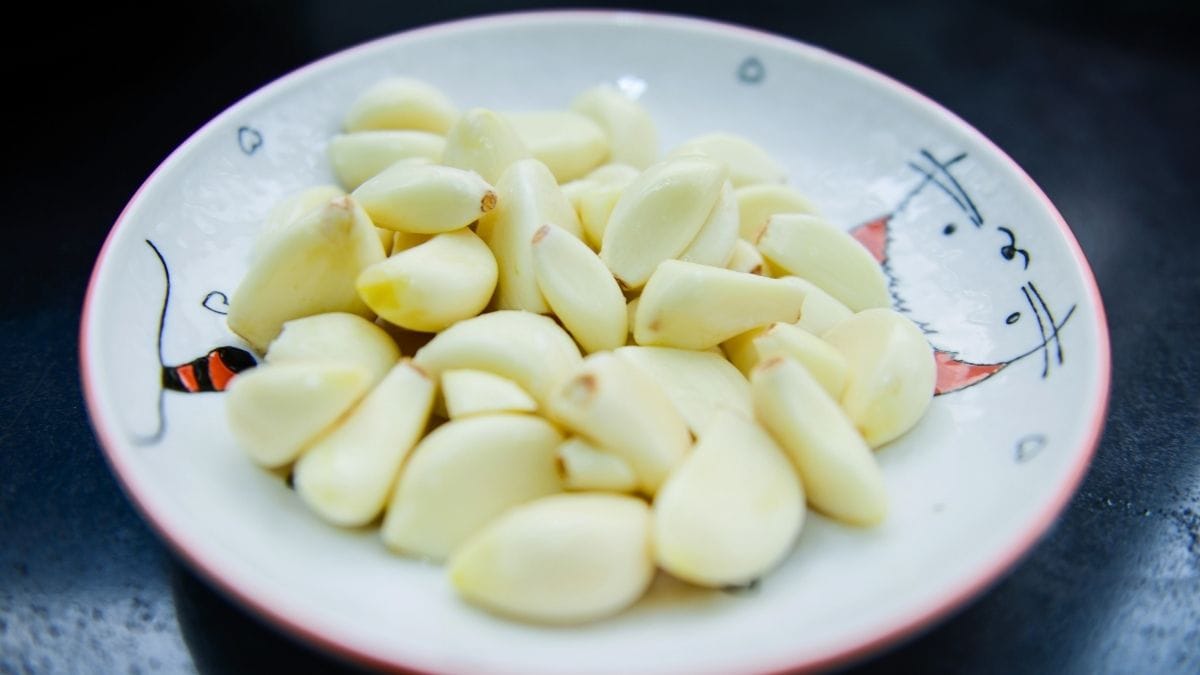
Most people add garlic for flavor. What they do not know is that they are also adding allicin — a compound that researchers are studying for its cardiovascular and gut health properties.
Allicin is released when garlic is crushed or chopped. According to a Monash University review, allicin has antimicrobial, antioxidant, and immune-supporting activity in the gut.
It can pass through the stomach acid without breaking down, which means it actually reaches the gut where it works.
A peer-reviewed study published in a Nature journal found something specific and important.
In people with high levels of TMAO — a compound linked to artery disease — raw garlic juice taken for one week reduced TMAO production, improved gut bacteria diversity, and increased beneficial bacterial strains.
What to do: Crush one clove. Let it sit for 10 minutes. Heat destroys allicin fast, so add it at the end of cooking, or mix it raw into a salad dressing. That 10-minute wait is where the reaction happens.
Eggs — The Breakfast That Keeps You Full and Fuels Your Brain
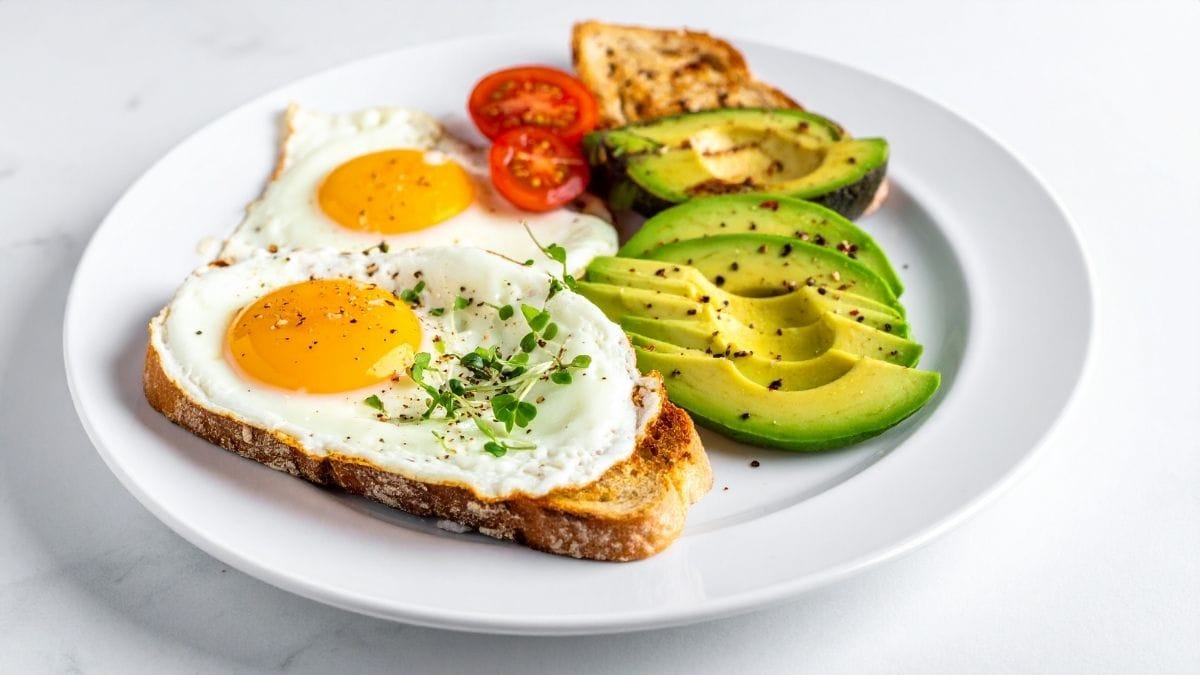
For decades, doctors told people that eggs were bad for the heart because of cholesterol. That advice has been quietly reversed. Here is what the actual studies found.
A randomized crossover study with 25 participants showed that people who ate eggs at breakfast had greater decreases in appetite. They also consumed fewer calories at their next meal and throughout the rest of the day.
A separate 11-week study with 50 people found that two eggs per day did not harm cardiovascular biomarkers — but did increase fullness compared to oatmeal.
Two eggs also give you roughly 60% of your daily choline. Choline is a nutrient most people do not get enough of. It supports memory, brain function, and liver health.
Two large eggs contain 12–13 grams of complete protein with all nine essential amino acids. They cost less than $0.50 in most stores.
What to do: Swap your cereal or plain toast for two eggs at breakfast. The protein and fat together slow your blood sugar rise and keep hunger away until lunch.
Blueberries — The Tiny Fruit With an Outsized Impact on Your Brain and Heart
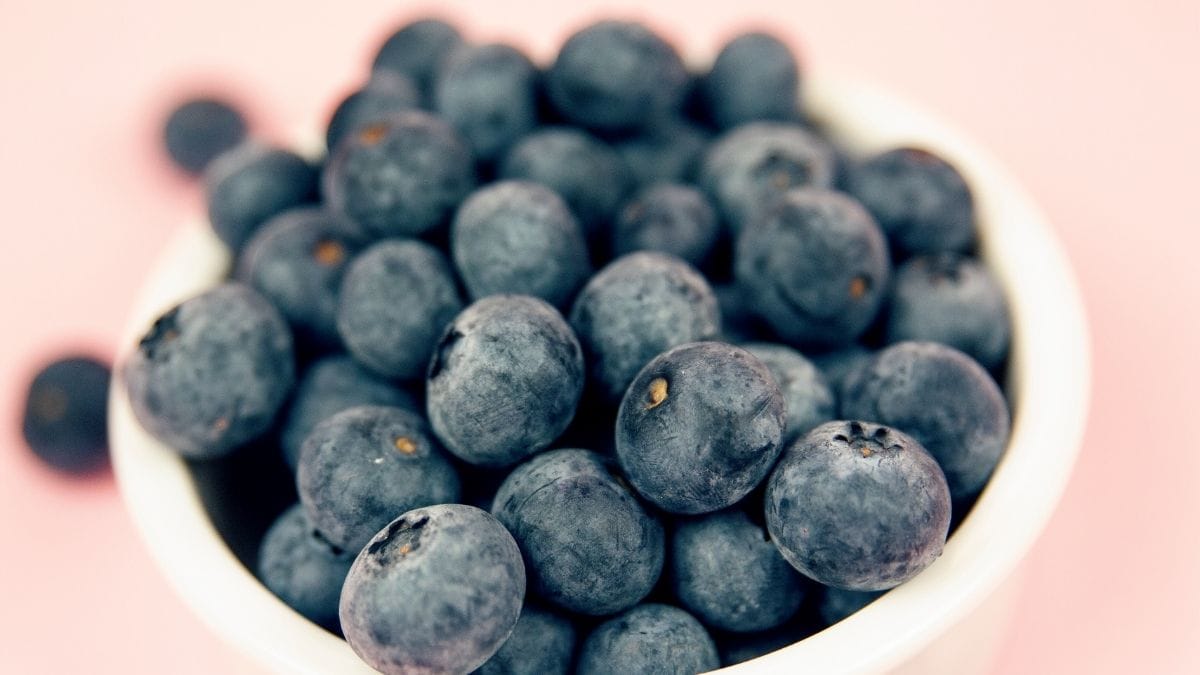
Blueberries are one of the most studied fruits in nutrition science. And the research keeps building year after year.
A peer-reviewed study in PubMed Central found that regular blueberry consumption is linked to protection against cardiovascular disease, pre-diabetes, type 2 diabetes, and cognitive decline.
The key compounds are anthocyanins — the pigments that give blueberries their deep blue color.
A 2026 scientific review highlighted in ScienceDaily called wild blueberries a standout food for cardiometabolic health. The strongest results were seen in blood vessel function — a key factor in long-term heart health.
Frozen blueberries hold essentially the same polyphenol content as fresh ones. That makes this one of the most affordable health choices on this list, year-round.
What to do: Add half a cup — about 75 grams — to your oats, yogurt, or a smoothie every morning. Frozen works fine. That dose matches what the clinical studies used.
Coffee — The Morning Habit That Science Just Upgraded
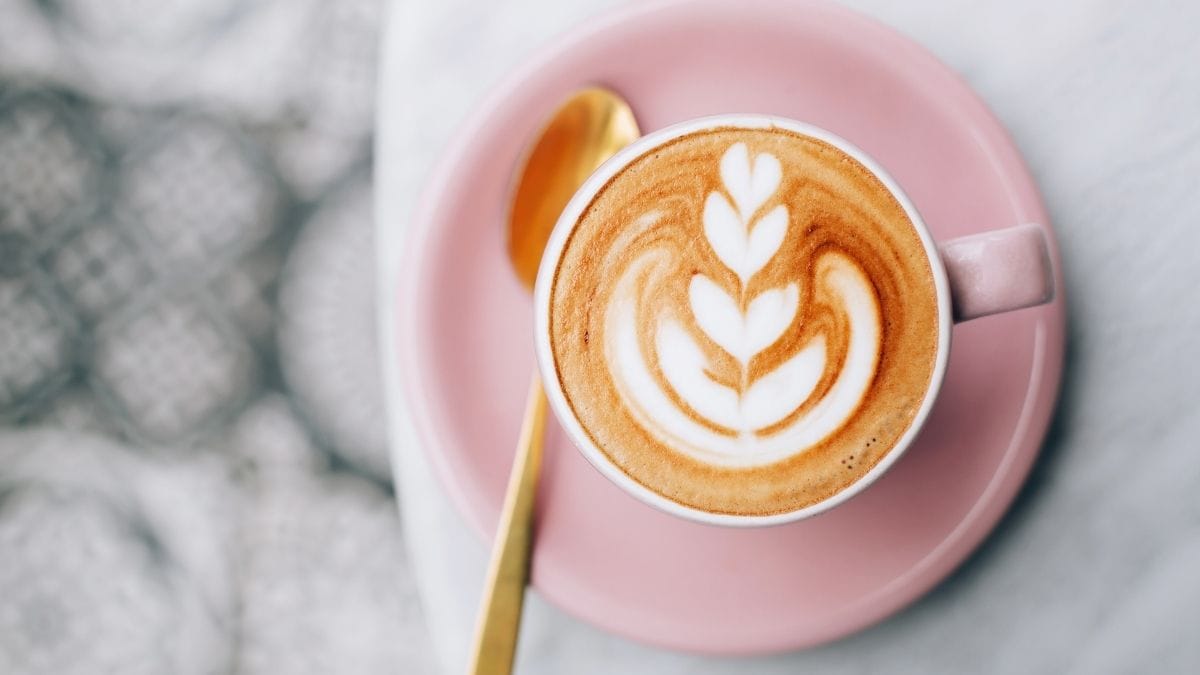
For years, doctors told heart patients to cut out coffee. A landmark clinical trial published in JAMA in November 2025 just changed that conversation.
The DECAF trial was the first randomized controlled study to test the link between caffeinated coffee and atrial fibrillation. People who drank coffee had a 39% lower risk of recurring AFib episodes.
The researchers suggested that caffeine and polyphenols in coffee may reduce inflammation, lower blood pressure, and support physical activity habits.
AFib affects more than 6 million Americans and raises the risk of stroke, blood clots, and heart failure. That 39% reduction is not a small number.
Coffee also contains antioxidants with anti-inflammatory properties that support overall health.
Important note: This study involved people who already drank coffee regularly. If you have a heart condition, talk to your doctor before making any changes.
What to do: One cup of plain black coffee in the morning is what the research supports. The benefits are in the coffee itself — not in flavored syrups or heavy creamers.
How to Actually Use These Foods Every Day
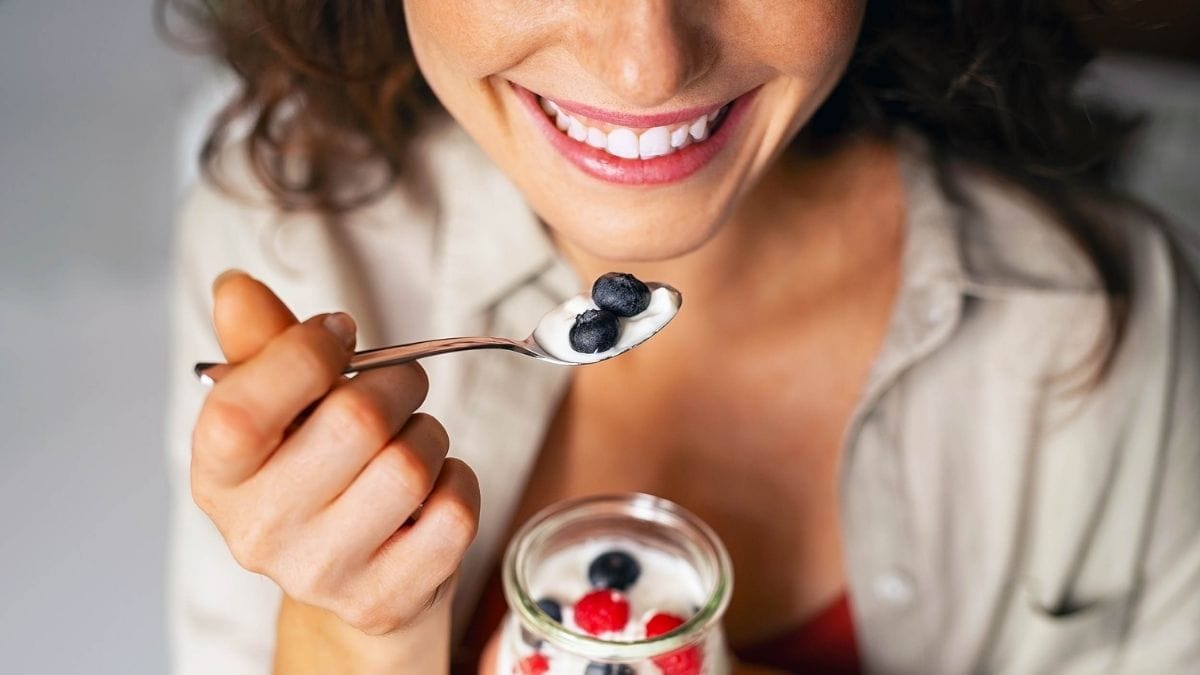
Knowing which foods work is step one. Fitting them into real life without overthinking it is step two.
You do not need all five every single day. Rotating them across the week is enough. Monday could be eggs and oats. Tuesday, oats and blueberries. Wednesday, a garlic-heavy dinner. Coffee can be every morning if you already drink it.
The Dietary Guidelines for Americans make one thing clear — no single food covers everything. These five are a strong base, not the whole picture. They work best as part of a varied diet that you can actually stick to.
Consistency beats perfection every time. Eating these foods 80% of the time, week after week, is what produces real results. Skipping one day does not erase your progress.
What to do: Pick just one food from this list. Add it to tomorrow’s breakfast. Build from there. That is it.
Lastly:
You do not need a complicated diet. Oats, garlic, eggs, blueberries, and coffee are all backed by current science and available at any grocery store.
Each one solves a real problem — cholesterol, gut health, hunger, brain function, or heart rhythm. Start with one. The best diet is built around everyday foods that actually work.