
Your body doesn’t age all at once. It happens in small ways, through thousands of quiet processes you never feel—cells replicating, proteins folding, inflammation rising or falling.
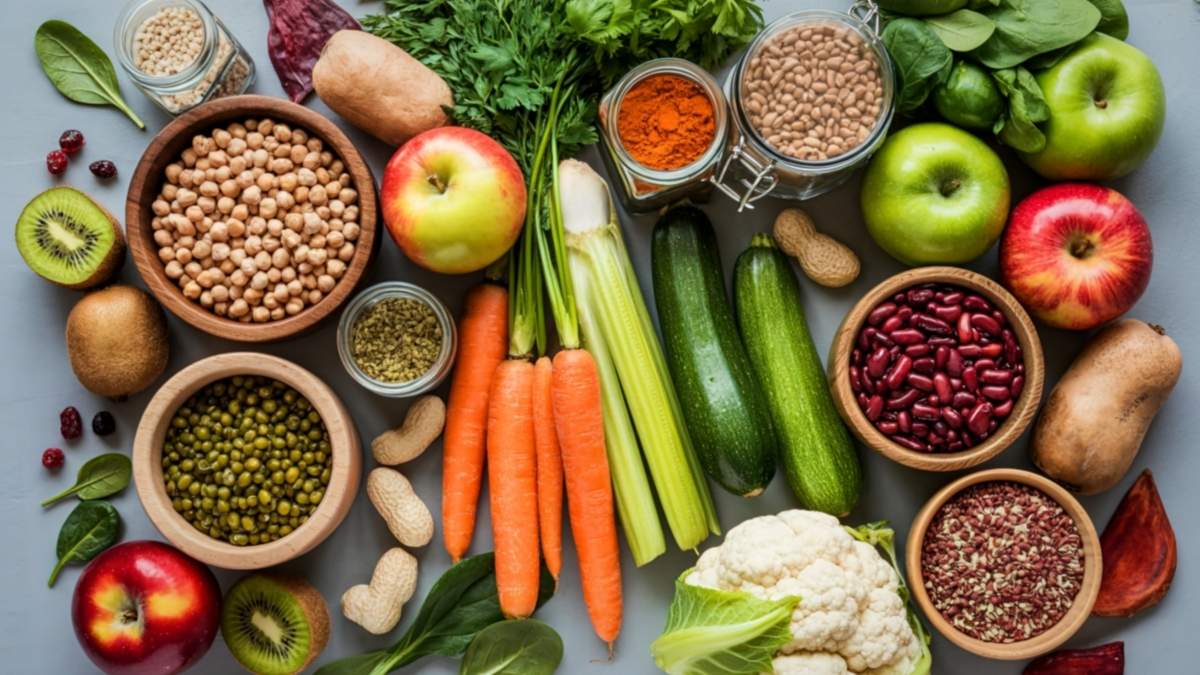
Most of these processes respond to what you eat, not once in a while, but consistently. And one food group keeps showing up in research on people who age more slowly: fiber-rich whole foods.
Not supplements. Not superfoods flown in from distant mountains. Just fiber.
Why Fiber Actually Matters
Fiber doesn’t work like a vitamin. It doesn’t get absorbed into your bloodstream and fix a deficiency.
Instead, it feeds the trillions of bacteria in your gut, which in turn produce compounds that reduce inflammation, support immune function, and help regulate blood sugar.
When researchers measure biological age—how old your cells act, not how many birthdays you’ve had—they consistently find that people who eat more fiber show younger markers.
The mechanism is straightforward. Chronic low-grade inflammation accelerates aging.
It damages tissues, hardens arteries, and degrades cellular function. Fiber, especially from vegetables, legumes, and whole grains, dampens that inflammation.
It also slows glucose spikes, which over time protect your cells from oxidative stress.
What Most People Get Wrong
The average person eats about 15 grams of fiber daily. The target for meaningful health benefits is closer to 30 to 40 grams. That gap doesn’t come from lack of information. It comes from how we structure meals.
Breakfast is often refined carbs with little fiber. Lunch might be a sandwich on white bread. Dinner includes vegetables, but as a side thought, not a foundation.
Snacks are processed. By the end of the day, fiber intake stays low without anyone noticing.
The other mistake is thinking fiber means eating bland food or following restrictive diets. It doesn’t.
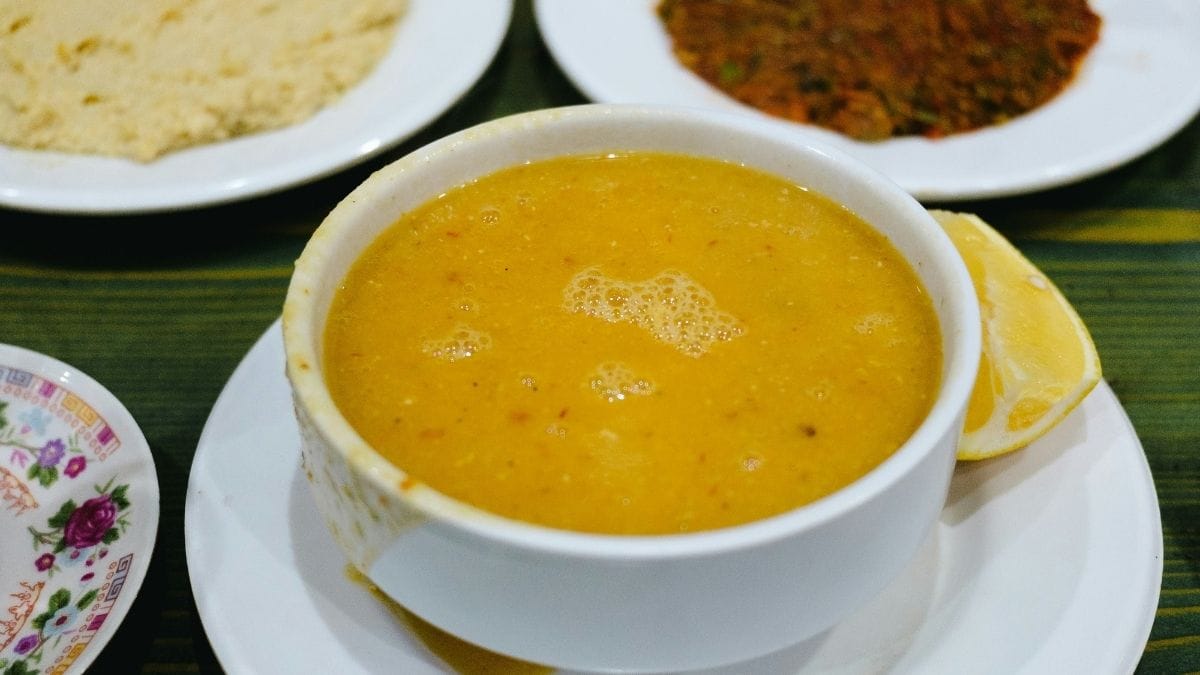
Lentils in a stew, black beans in a taco, oats in the morning, an apple in the afternoon—these aren’t sacrifices. They’re normal foods that happen to contain what your body needs.
How to Actually Eat More Fiber
Start with what you already eat and adjust it. If you eat toast, switch to whole grain. If you eat rice, try adding half brown rice or farro. If you snack on crackers, keep nuts or fruit nearby instead.
Add one high-fiber food to each meal. Berries with breakfast. Hummus with lunch. A cup of lentils or chickpeas with dinner.
You don’t need to overhaul everything at once. Small, repeated changes compound.
Vegetables matter, but so do legumes. Beans, lentils, and peas deliver more fiber per serving than most vegetables, and they’re inexpensive and filling. If you’re not used to them, start with small amounts. Your gut bacteria need time to adapt.
Don’t rely on fiber bars or powders as a shortcut. Whole foods come with vitamins, minerals, and phytochemicals that work together. Isolated fiber doesn’t have the same effect.
The Bigger Picture
Aging isn’t something that happens to you later. It’s happening now, shaped by what you do routinely. The research on fiber and longevity doesn’t promise that eating beans will add decades to your life.
It shows that people who consistently eat fiber-rich foods tend to have less disease, better metabolic health, and cellular markers that look younger.
That’s not magic. It’s just what happens when you give your body what it evolved to run on. The choice isn’t dramatic. It’s daily. And it adds up in ways you won’t see immediately but will feel over time.