
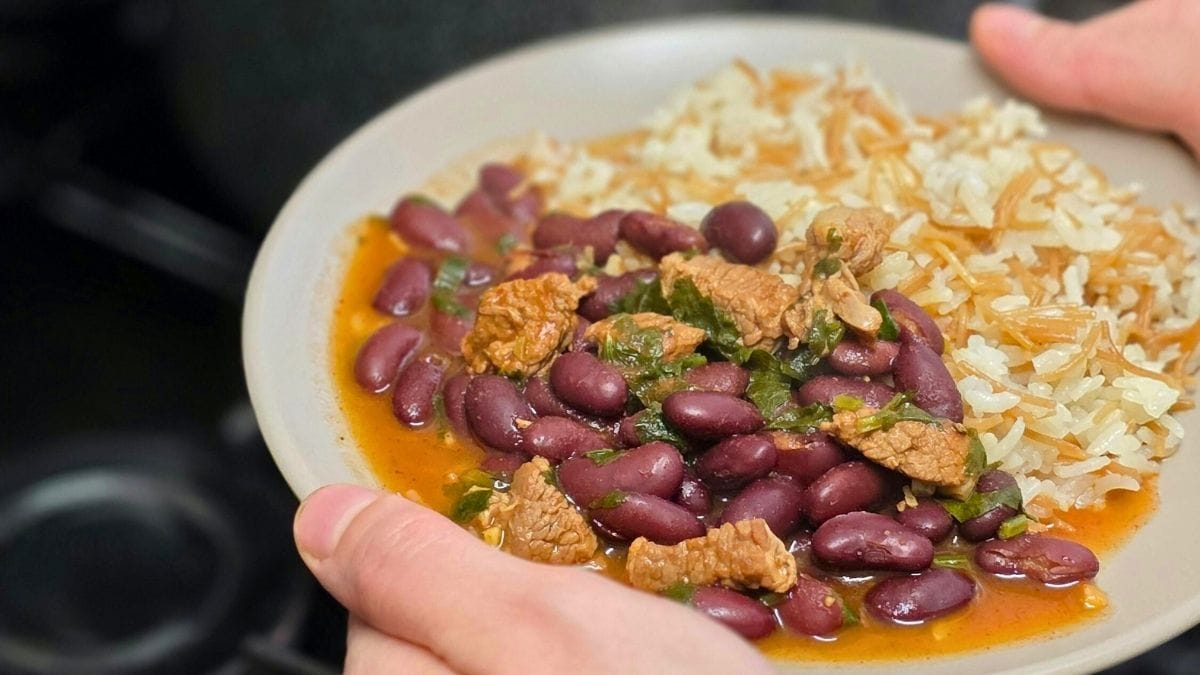
What if cutting your bacon in half and adding walnuts to breakfast could give you 10 more years of healthy life? That’s not wishful thinking. It’s science.
You want to live longer and feel better. But diet advice is confusing. One expert says eat this. Another says avoid it. You’re worried that eating healthy means giving up foods you love. And if you’re over 40, you wonder if it’s even worth changing now.
Here’s the truth: Small food swaps can add years to your life. Research from 2024 tracked people in 7 countries.
The results show specific foods that extend life expectancy. You don’t need a perfect diet. You need smart swaps. This guide shows you exactly which ones work and how to start today.
The Science Behind the 10-Year Claim
A study in the American Journal of Clinical Nutrition tracked eating habits across 7 countries: China, France, Germany, Iran, Norway, the UK, and the US. The results were clear. People who made dietary modifications lived longer.
For 40-year-olds, life expectancy gains ranged from 6.2 to 9.7 years. American men saw the biggest benefit: 9.7 extra years. Why? Americans eat more processed meat and sugar than people in other countries. They also eat fewer whole grains and beans.
A separate McGill University longevity study found that cutting red meat by half added 9 months to life. Even small changes add up.
The Three Foods to Add to Your Diet Today
The good news? You’re adding foods, not just cutting them out. These three foods deliver the biggest longevity benefits.
Legumes (Beans, Lentils, Chickpeas, Peas)
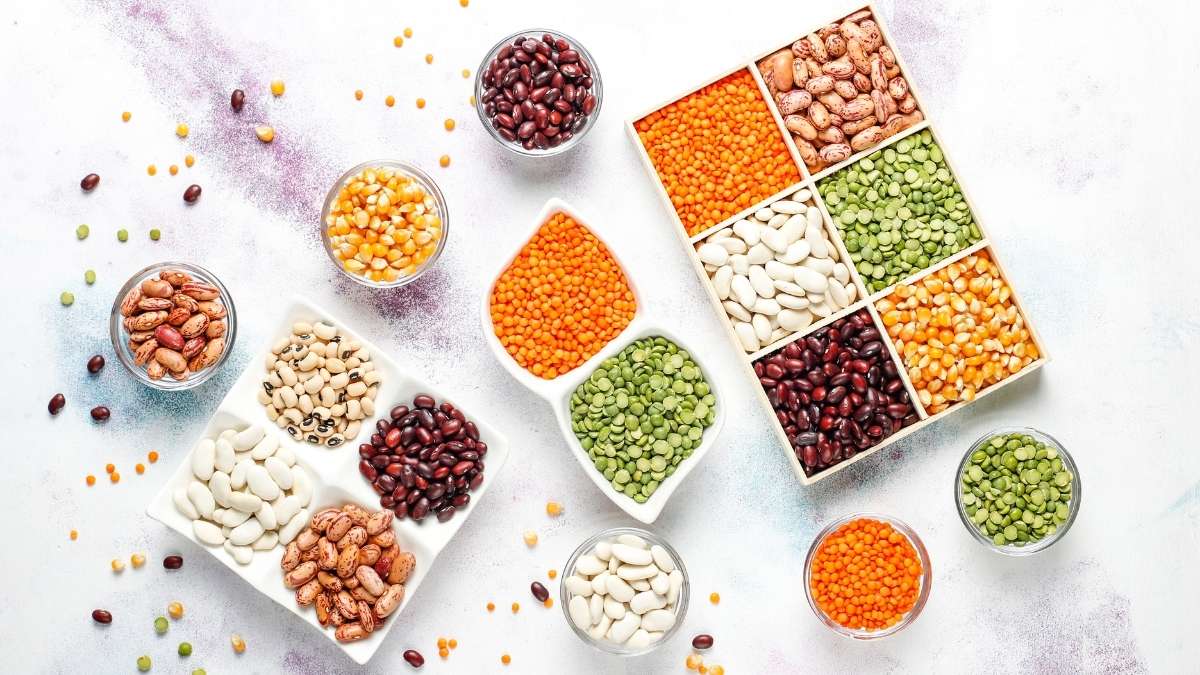
Adding more legumes provides the largest life expectancy gains: 2.2 years for women and 2.5 years for men. That’s huge. Legumes are packed with plant protein, fiber, vitamins, and minerals. They have a low glycemic index, which means they won’t spike your blood sugar.
Try black beans, kidney beans, chickpeas, lentils, or split peas. Add them to soups, salads, or tacos. A half cup of cooked beans counts as one serving.
Whole Grains (Brown Rice, Quinoa, Oats, Barley)
Eating more whole grains adds 2.0 years for women and 2.3 years for men. Just one ounce daily is linked to 14% lower risk of heart disease death and 9% lower overall death risk.
The whole grains benefits come from keeping all three parts of the grain: the bran, germ, and endosperm.
Swap white rice for brown rice. Try quinoa, farro, bulgur, or whole grain pasta. Look for “100% whole grain” on bread labels. These swaps are simple and taste great.
Nuts (Walnuts, Almonds, Cashews)
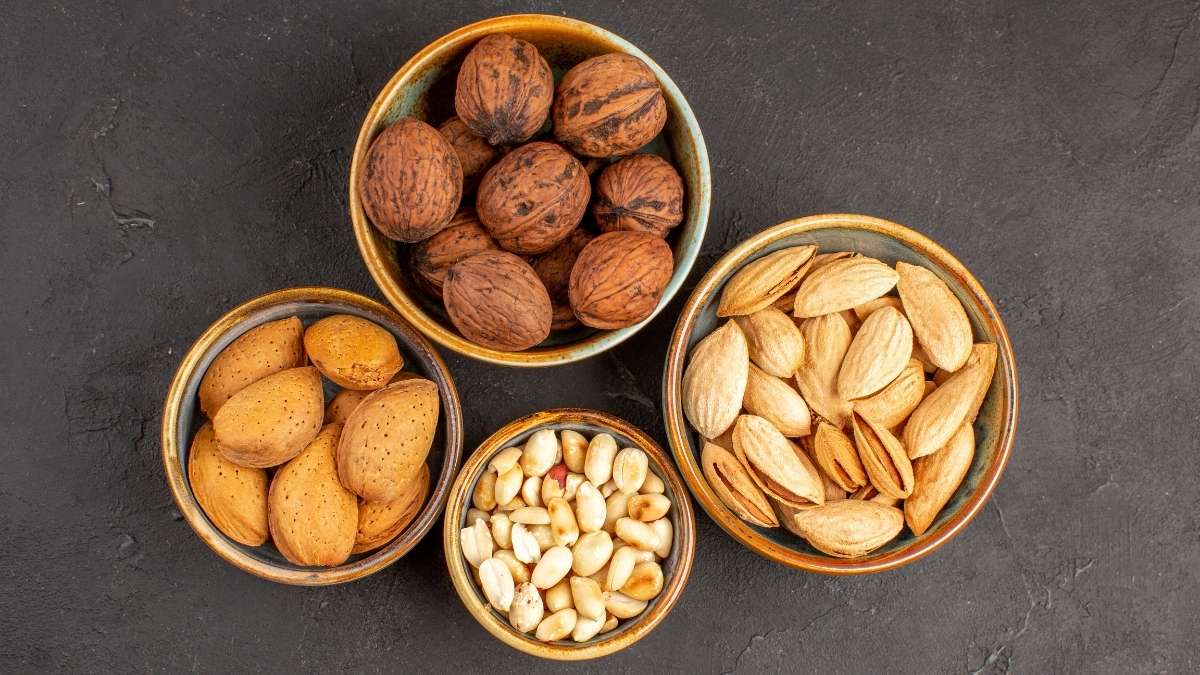
Adding more nuts increases life expectancy by 1.7 years for women and 2.0 years for men. Nuts are rich in healthy fats, protein, and antioxidants. One ounce is about a quarter cup or a small handful.
Walnuts, almonds, pistachios, cashews, and pecans all work. Eat them as snacks. Add them to oatmeal or salads. Keep a bag in your car or desk drawer.
These three foods add up to real years. Start with one today.
The Foods to Reduce (Not Eliminate)
Before you panic—reduce doesn’t mean eliminate. You don’t have to give up these foods forever. Cutting back is enough.
Processed Meat (Bacon, Hot Dogs, Deli Meat, Sausage)

Eating less processed meat adds 1.6 years for women and 1.9 years for men. The processed meat health risks are serious.
Each daily serving increases your death risk by 20%. Eating a quarter serving or more daily is linked to 14% higher dementia risk and an extra 1.6 years of cognitive aging. The WHO classifies processed meat as a Group 1 carcinogen.
Cut your bacon portions in half. Choose fresh chicken over deli meat twice a week. Small changes matter.
Red Meat (Beef, Pork, Lamb)
If you reduce red meat, you add 1 years for women and 1.3 years for men. Each daily serving of red meat increases death risk by 13%. You don’t need to go vegetarian. Just eat less. Have steak twice a week instead of four times.
Sugar-Sweetened Beverages (Soda, Sweetened Tea, Energy Drinks)

These drinks are a major source of added sugar. They’re linked to obesity, diabetes, and heart disease. Swap soda for sparkling water with lemon. Your body will thank you.
Refined Grains (White Bread, White Rice, Regular Pasta)
Refined grains are stripped of fiber and nutrients. They spike your blood sugar fast. Choose brown rice over white. Pick whole grain bread. These simple swaps add years to your life.
How Much of a Difference Does This Really Make?
Does it matter when you start? Yes. But maybe not how you think.
If you start at age 20, women gain 10.7 years and men gain 13 years from optimal diet changes. That’s more than a decade of life. But here’s the part most people don’t know: it’s never too late.
Start at age 40? You still gain 6 to 7 years depending on where you live. That could mean seeing your grandkids graduate college. That could mean more years with your spouse. Those years matter.
Even at age 60, sustained dietary changes add about 4.5 years for both women and men. Think about what you could do with 8 extra years of healthy aging. Travel. Hobbies. Time with family.
At age 80, you can still gain 2.8 years. Even small changes count. Cutting red meat by half adds 9 months to your life expectancy age.
The message is clear: Start now. Your age doesn’t matter as much as you think. Every year you gain is a gift. Don’t waste another day thinking it’s too late.

Common Questions and Concerns Answered
Let’s address the concerns you’re probably thinking.
“Isn’t this too restrictive?”
No. The study author says we don’t need to go to major extremes or completely eliminate foods. This is about balance, not perfection. Cut your bacon in half. Eat steak twice a week instead of five times. Small changes add years.
“Can I get enough protein without meat?”
Yes. Christopher Gardner from Stanford says consuming a reasonable variety of plant-based protein sources means meeting protein needs is no problem.
Combine legumes and whole grains. Together, they give you complete protein. A bean burrito with brown rice covers your bases.
“What about gas from beans?”
Start small. Your body needs time to adjust. Rinse canned beans well before cooking. This removes some of the compounds that cause gas. After a few weeks, your digestive system adapts. The discomfort goes away.
“Is canned as good as dried beans?”
Both are nutritious. Canned beans are convenient and save time. Just rinse them to cut sodium by 40%. Dried beans cost less but take longer to cook. Pick what fits your life.
“Will whole grains make me gain weight?”
Not if you swap instead of add. Replace white rice with brown rice. Use the same portion size. Whole grain nutrition includes fiber, which helps you feel full longer. Focus on portion control, not avoiding grains.
Start Today, Live Longer Tomorrow
The science is clear. Adding whole grains, legumes, and nuts while cutting processed and red meat can add 6 to 10 years to your life. This works at any age, even if you’re 80. You don’t need a complete diet overhaul. Simple swaps are enough.
Choose one swap this week. Add beans to tonight’s dinner. Buy whole grain bread. Grab almonds instead of chips. Making these food swaps isn’t about perfection—it’s about progress toward a longer, healthier life.