

You reach for that banana and energy bar after lunch, expecting a boost—but thirty minutes later, you’re fighting to keep your eyes open at your desk.
You’re eating healthy foods. The right snacks. All the things blogs say give you energy. But you still crash every afternoon.
Here’s what’s really happening. Your body doesn’t care about food labels. It cares about blood sugar, protein balance, and timing. When these are off, even “energy-boosting” foods make you tired after eating.
You’ll learn exactly why energy foods backfire. And how to fix it without giving up the foods you like.

The Blood Sugar Rollercoaster Hidden in “Healthy” Foods
You blend a smoothie bowl with banana, berries, and granola. It tastes great. An hour later, you can barely keep your eyes open.

Here’s what’s happening inside your body. That smoothie was packed with simple carbohydrates. They break down fast. Your blood sugar shoots up within 15 minutes.
Your body panics. It releases a wave of insulin to handle all that sugar. The insulin does its job too well. Your blood sugar crashes below where it started.
This is called a blood sugar crash. And it happens with foods you thought were healthy.
Fruit juice does this. White bread does this. “Energy” bars loaded with dates and honey do this too. Sports drinks are some of the worst offenders.
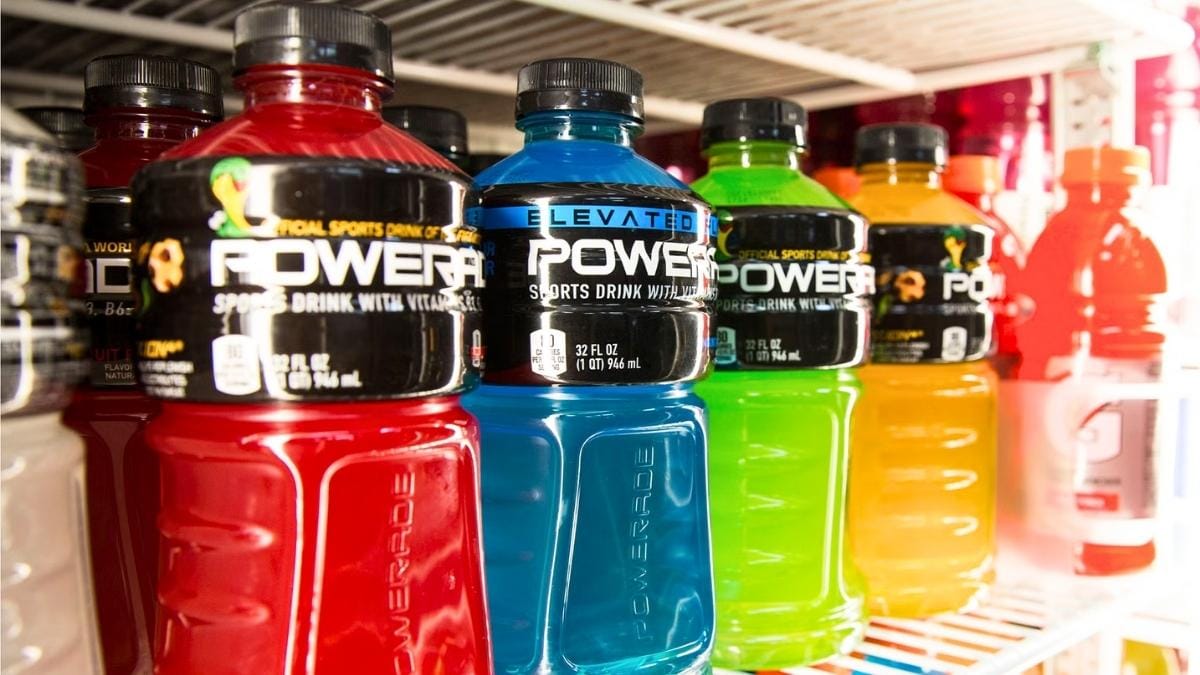
The problem isn’t that these foods are bad. It’s that they’re pure carbs without anything to slow them down. Your body absorbs them as fast as candy.
When your blood sugar drops below 70 mg/dL, that’s hypoglycemia. You feel it hard. Your brain runs on glucose, so when it drops, everything slows down.
You can’t focus. Words on your screen blur together. Simple tasks feel impossible. Some people get shaky or confused.
This is reactive hypoglycemia.

It typically hits within 4 hours after eating. But you’ll feel the energy crash within 30 minutes of your meal.
Here’s the timeline:
- 0 minutes: You eat your “healthy” snack
- 15 minutes: Blood sugar spikes fast
- 30 minutes: Insulin spike kicks in
- 60 minutes: Blood sugar crashes
- 90 minutes: You’re exhausted and reaching for more food
The worst part? Most people fix this by eating more carbs. Another banana. Another granola bar. It feels like it helps for 20 minutes. Then you crash again.
Your body gets stuck on a blood sugar rollercoaster. Up and down all day. Each crash makes you more tired than the last one.
But blood sugar isn’t the only culprit behind your post-meal fatigue.
The Protein-Fat Balance Your Body Actually Needs
Remember when everyone said eat low-fat everything? That advice is making you tired.
Your energy crashes often come from protein deficiency. Not just low carbs. When you don’t get enough protein, your body starts breaking down your own muscles for energy. That’s why you feel weak all afternoon.
Here’s what most people miss. Eating more carbs won’t fix a protein problem. You need actual protein. And you need it with every meal.
Protein is three times better than fat at controlling your blood sugar. When you pair protein with carbs, it slows everything down. Your blood sugar rises gently instead of spiking. No crash later.
Most adults need about 0.8 grams of protein per kilogram of body weight daily.
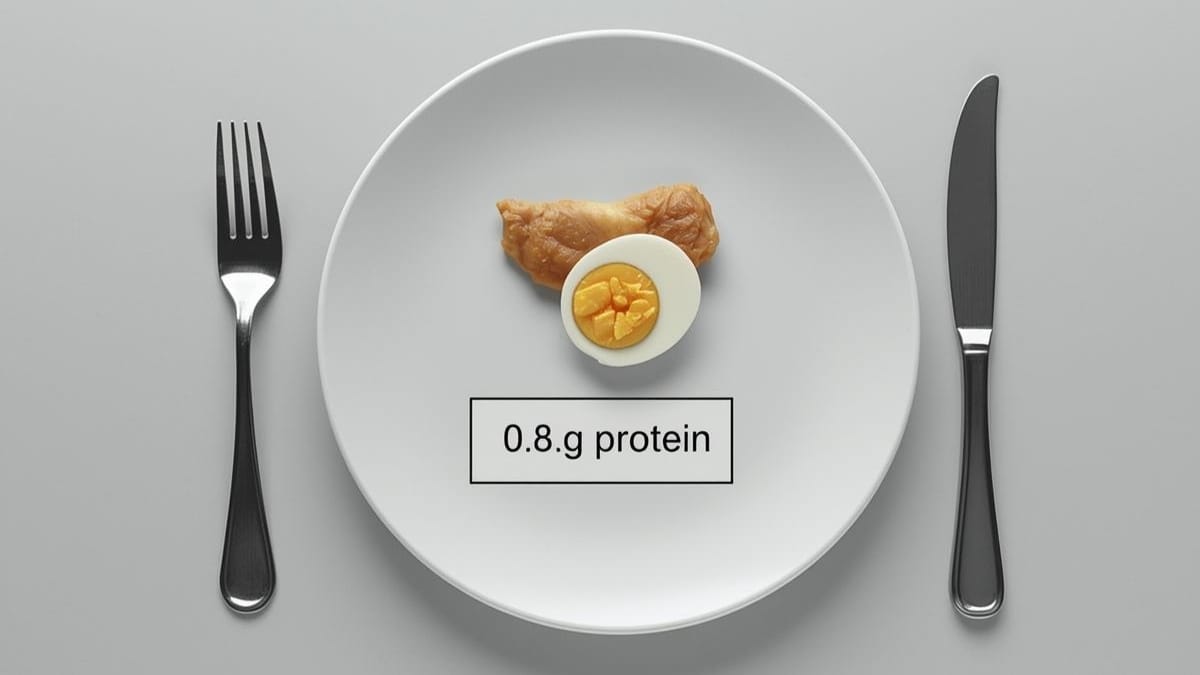
If you weigh 150 pounds, that’s about 55 grams per day. Active people need more.
But here’s the catch. Protein alone isn’t enough either.
When you skip the fat, protein digests too fast. A plain chicken breast with rice? That’s going to spike your blood sugar almost like the carbs were alone. Your body needs healthy fats to slow everything down even more.
Fats take the longest to digest. They keep your blood sugar stable for hours. This is why you need balanced meals with all three macronutrients: carbs, protein, and fat.
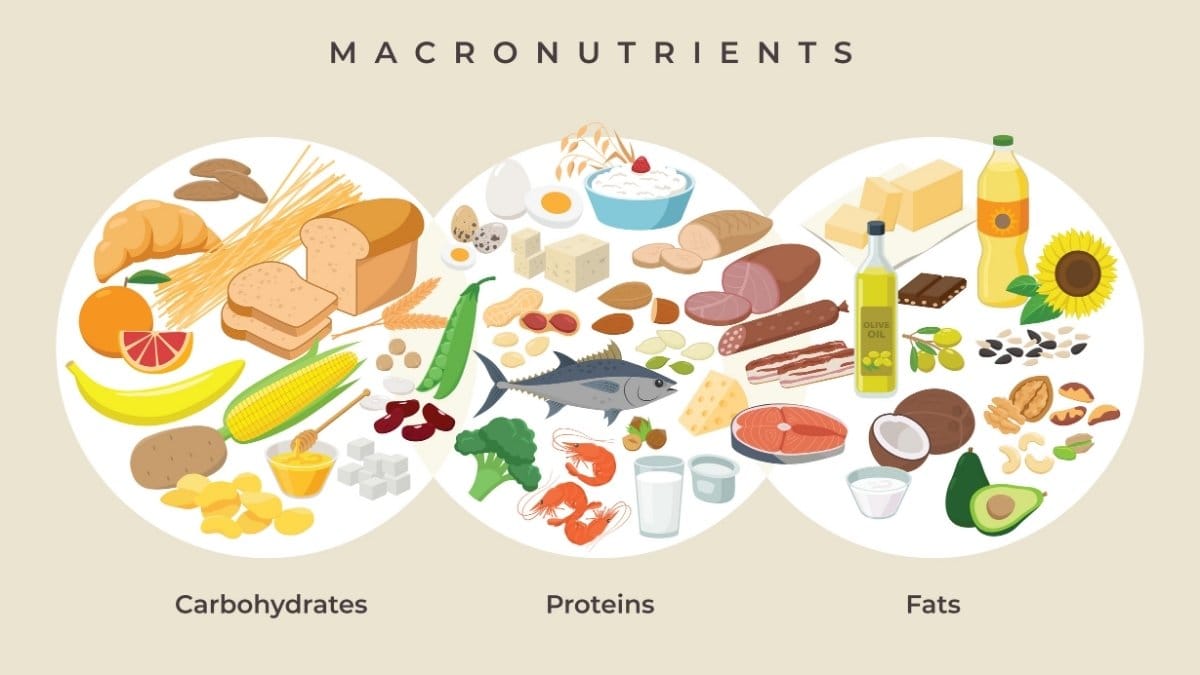
Here’s what works:
- Salmon with avocado and brown rice
- Eggs cooked in olive oil with vegetables and toast
- Greek yogurt with nuts and berries
- Chicken thigh (not breast) with roasted vegetables in olive oil
Here’s what doesn’t work:
- Low-fat protein bars (just sugar in disguise)
- Protein shakes without any fat added
- Skinless chicken breast by itself
- Egg whites without the yolks
When you eat lean protein without fat, you’re setting yourself up to crash.
Your body processes it too quickly. Blood sugar goes up, then crashes down.
This is why that grilled chicken salad with fat-free dressing leaves you starving an hour later. No fat means no sustained energy.
Your body needs all three. Carbs for quick energy. Protein to stabilize blood sugar and rebuild tissue. Fat to keep everything steady for hours.
Even with perfect macronutrient balance, when you eat matters just as much.
Why Meal Timing Sabotages Your Energy (Even With Perfect Foods)
Scientists tested something wild. They gave people the exact same meal at 8am and again at 8pm. Same food. Same portions. Different results.
Your body processes food completely differently based on when you eat it. This is your circadian rhythm at work.
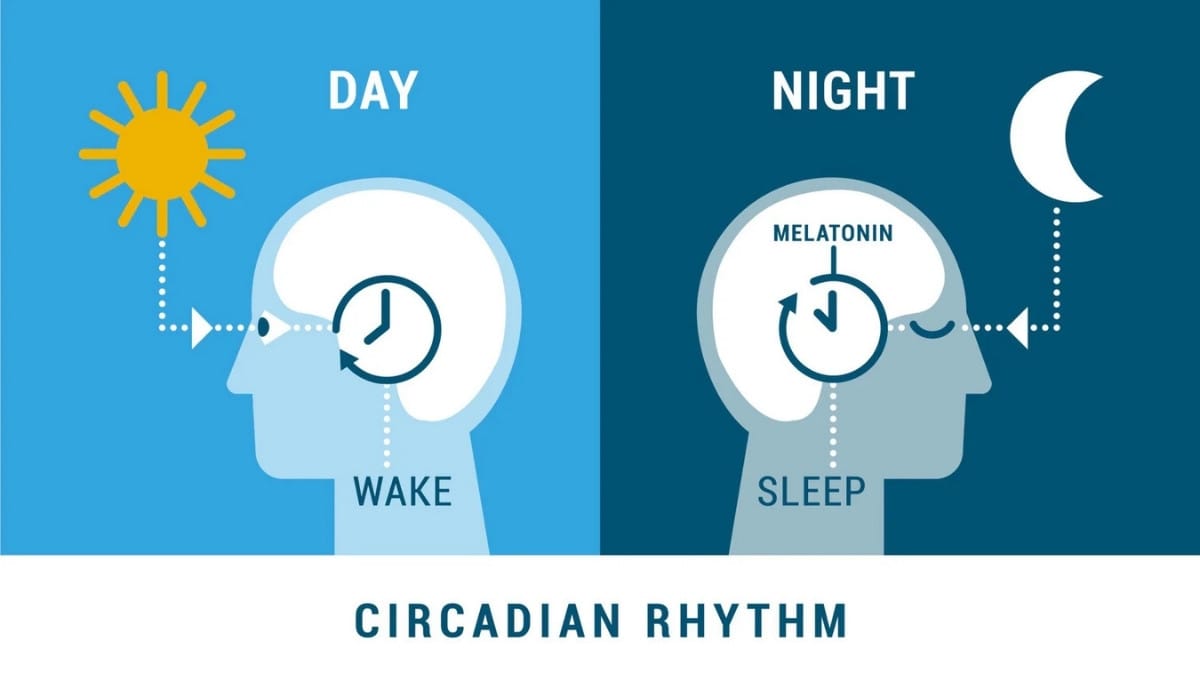
It’s not just for sleep. It controls your metabolism too.
Eating a big meal at lunch sets you up for an afternoon crash. Your blood sugar spikes higher than it would from the same meal at breakfast. Then it crashes harder. This is why you’re nodding off at 2pm.
Your body burns food better in the morning. Food-induced thermogenesis is higher early in the day. That means your metabolism runs faster and more efficiently after breakfast than after dinner.
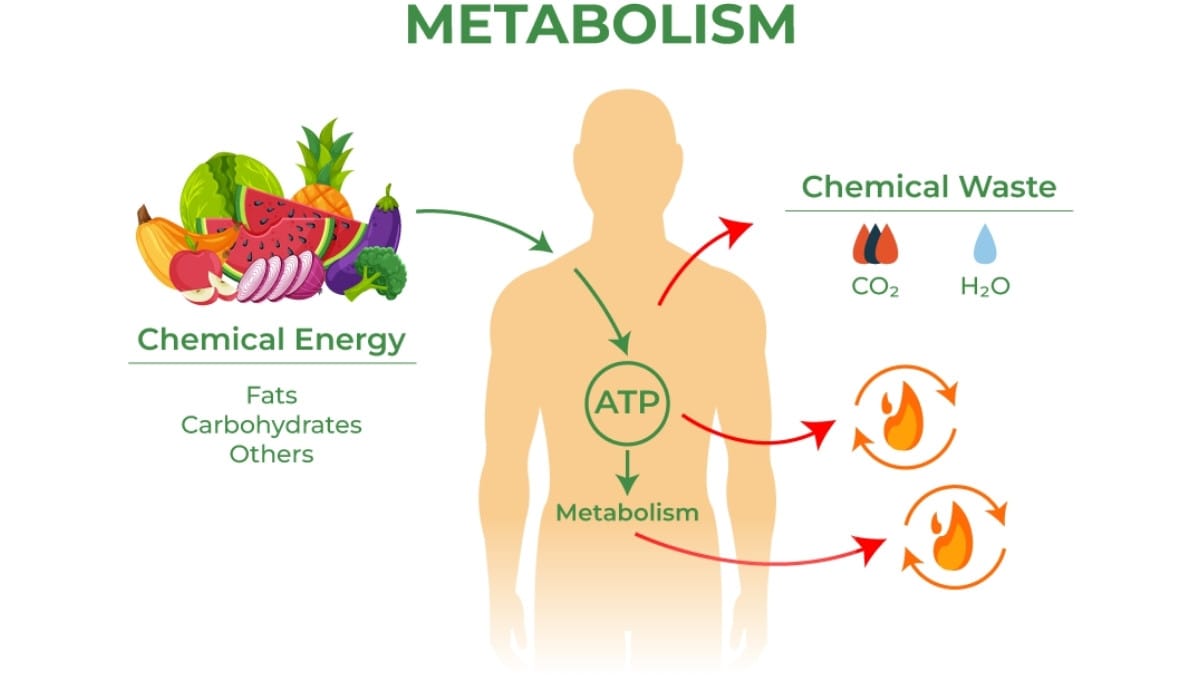
When you skip meals, your blood sugar drops too low. Then you’re starving. You grab whatever’s quick. Usually something loaded with simple carbs. And the crash cycle starts again.
The ideal gap between meals is 3-4 hours. This keeps your blood sugar steady. It also gives your body time to absorb protein properly. Wait longer than 5 hours and you’re asking for trouble.
Here’s a meal timing schedule that works:
- 7am: Breakfast with protein and fat
- 10am: Small snack
- 1pm: Balanced lunch (not huge)
- 4pm: Afternoon snack
- 7pm: Dinner
Most people do this wrong. They skip breakfast. Grab coffee. Eat a massive lunch. Then wonder why they crash hard at 3pm.
Eating smaller meals more often keeps your brain fed.

Your brain runs on glucose. When levels drop, you feel it immediately. Brain fog. Fatigue. Can’t focus.
Large meals cause large blood sugar swings. Small, frequent meals keep everything stable. It’s that simple.
But there’s one more hidden factor that could be draining your energy.
The Hidden Micronutrient Deficiencies Stealing Your Energy
You eat salads. Whole grains. Lean protein. But you’re still exhausted. Here’s the hard truth: you can eat perfectly and still be deficient.
The problem isn’t what you’re eating. It’s what your body can’t absorb.
Iron deficiency is one of the biggest energy killers.
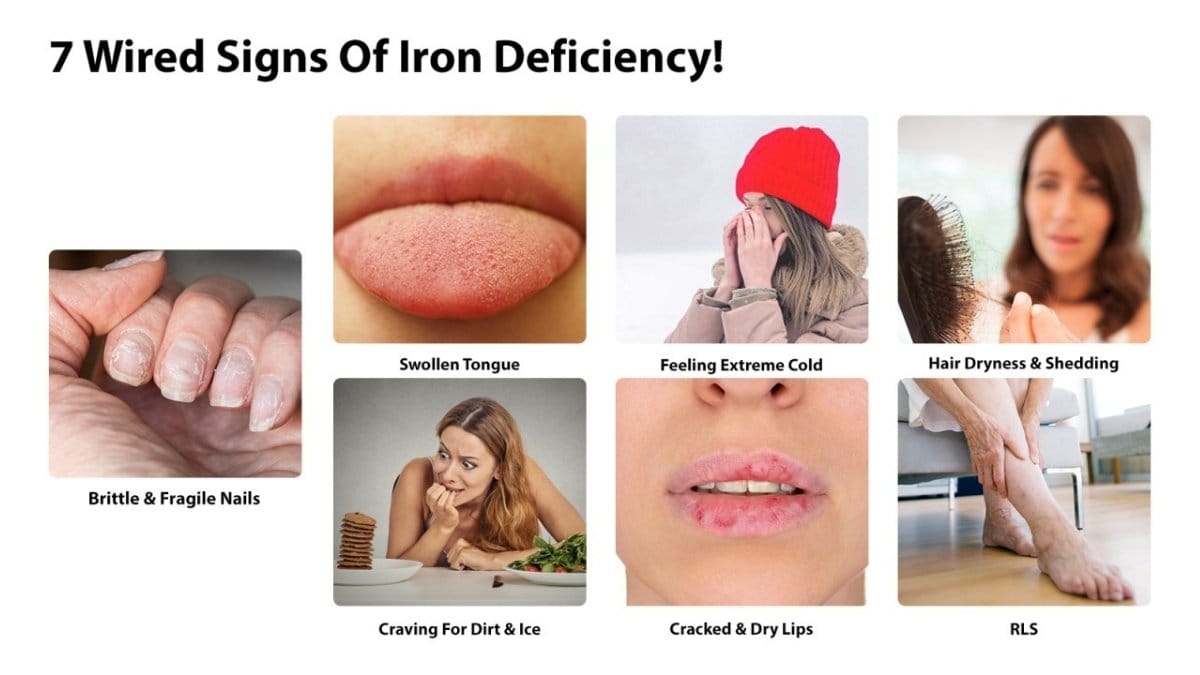
Your cells need oxygen to make energy. Iron carries that oxygen through your blood. Without enough iron, your cells suffocate. You feel tired no matter how much you sleep or eat.
Women lose iron every month through menstruation. Vegetarians and vegans often don’t get enough from plants alone. Even if you eat iron-rich foods, your body might not absorb it properly.
Vitamin B12 is just as critical. It helps make red blood cells that carry oxygen. At least 4% of people between 40 and 59 are deficient in B12. Many more are borderline.
Here’s the problem. B12 needs stomach acid to get absorbed. If you take heartburn medications like PPIs, your stomach acid drops. No acid means no B12 absorption. You can eat all the meat and eggs you want. Your body still can’t use the B12.
People on metformin for diabetes have the same issue. The medication blocks B12 absorption. As you age, your stomach makes less acid naturally. This is why older adults often become deficient.
Other micronutrient deficiencies that drain your energy:
- Magnesium: Helps convert food to energy
- Zinc: Supports metabolism and immune function
- B vitamins: Critical for energy production
- Vitamin C: Helps absorb iron from food
You also need water. Dehydration slows every function in your body. Even mild dehydration makes you sluggish and tired.

If you’ve fixed your blood sugar, protein, fat, and meal timing but still feel tired, get tested. Ask your doctor to check your iron, ferritin (stored iron), B12, and magnesium levels.
Don’t guess. Blood tests show exactly what you’re missing. Sometimes you need supplements. Sometimes you need to fix absorption issues first.
Now that you understand all the hidden factors, you can finally fix your energy for good.
Final Thought:
Energy food labels don’t matter if your blood sugar crashes. Protein and fat prevent those crashes better than carbs alone. When you eat matters as much as what you eat. Hidden deficiencies can sabotage everything.
Start tomorrow morning. Add protein and healthy fat to your usual breakfast carbs. Notice how you feel at 11am. Track your energy for three days, then adjust your meal timing.
Still tired after two weeks? Ask your doctor to test your B12, iron, and ferritin levels.
The solution to being tired after eating energy foods isn’t eating more of them—it’s learning how your body actually processes energy.