

What if living into your 90s wasn’t luck — but daily food choices?
Many people worry about aging. You may wonder if long life is just genetics. That belief can feel discouraging. But research shows your daily habits matter more than you think.
This guide explains what people in their 90s eat regularly and what they avoid.
You’ll see patterns from long-living communities studied by Blue Zones, plus data from the National Institute on Aging, Harvard T.H. Chan School of Public Health, and the World Health Organization.
You’ll learn what a real longevity diet looks like. You’ll see simple foods for long life. And you’ll get habits you can start this week.
Because living longer should feel practical. Not confusing.
What People in Their 90s Eat Regularly (Core Longevity Foods)

If you want to know what people in their 90s eat regularly, look at patterns. Not trends.
In long-living regions, meals are mostly plants. Research from Blue Zones shows many centenarians eat about 80–90% plant-based foods. That means vegetables, beans, grains, nuts, and fruit fill most of the plate.
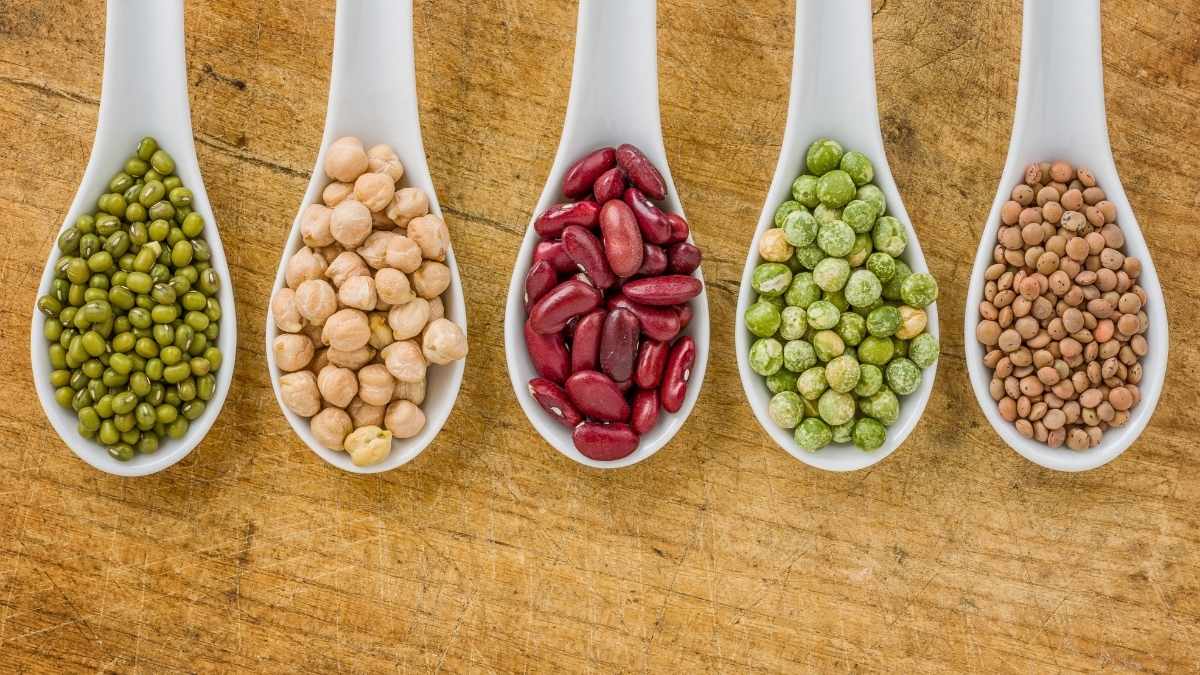
Beans are a daily staple. Lentils in Sardinia. Black beans in Nicoya. Chickpeas in Ikaria. These are affordable and rich in fiber and plant protein. They are a core part of the longevity diet.
Whole grains matter too. Oats and barley in Okinawa. Whole wheat sourdough in Mediterranean regions. Harvard research links whole grain intake with lower risk of early death.
Leafy greens show up often. Spinach, wild greens, and seasonal vegetables are common.
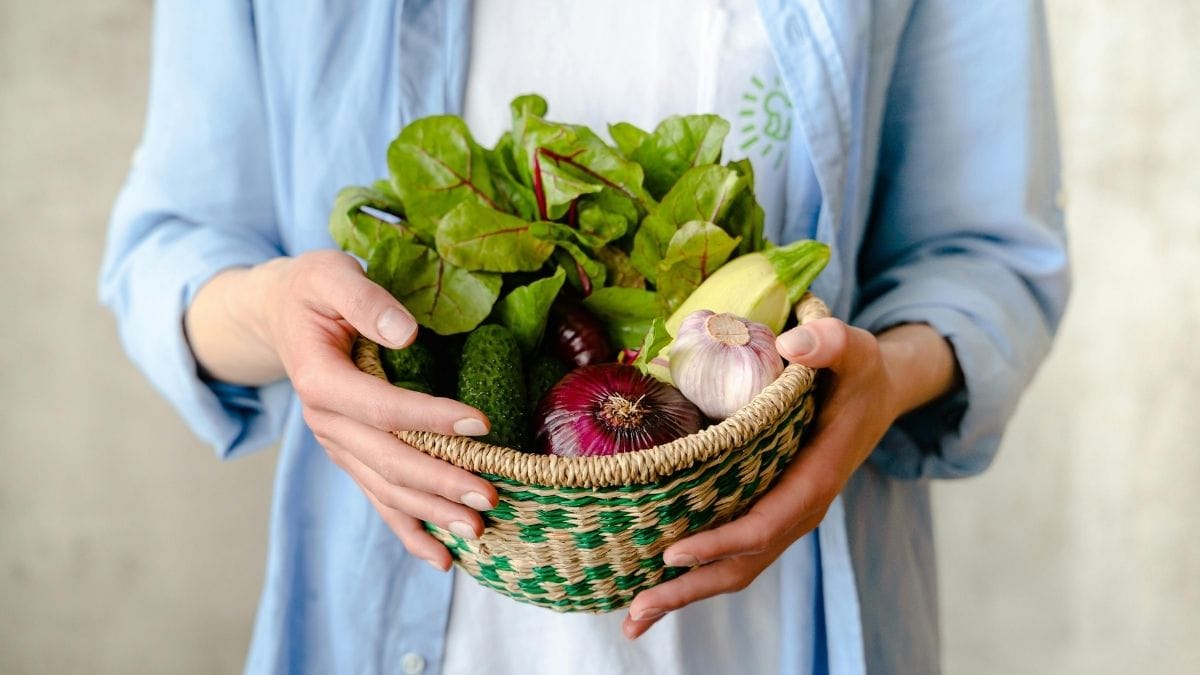
The National Institute on Aging supports plant-heavy diets for lowering chronic disease risk.
And olive oil or nuts are used in small amounts. Simple foods. Cooked at home. Repeated daily.
That’s what foods for long life actually look like.
Protein in Your 90s: How Much Is Enough?
Many people think aging means eating more meat. The data shows a different story.
In long-living areas, plant protein is the base. Beans, lentils, and peas provide steady protein and fiber. This supports heart and gut health.
Fish is eaten in small amounts. Often two to three times per week. Usually local and simply prepared.
Red meat is rare. Blue Zones research suggests traditional intake was about five times per month or less. It was used as a side dish, not the main event.
Eggs appear occasionally. Maybe a few per week. Not daily for most people.
Harvard studies show replacing some animal protein with plant protein lowers mortality risk. That matters as you age.
So when thinking about protein for seniors, focus on balance. The longevity diet is moderate. Not extreme.
What People in Their 90s Avoid (And Why It Matters)
What you remove from your plate can matter more than what you add.
Ultra-processed foods are mostly absent in traditional long-living regions. Packaged snacks, fast food, and ready-made desserts are rare.
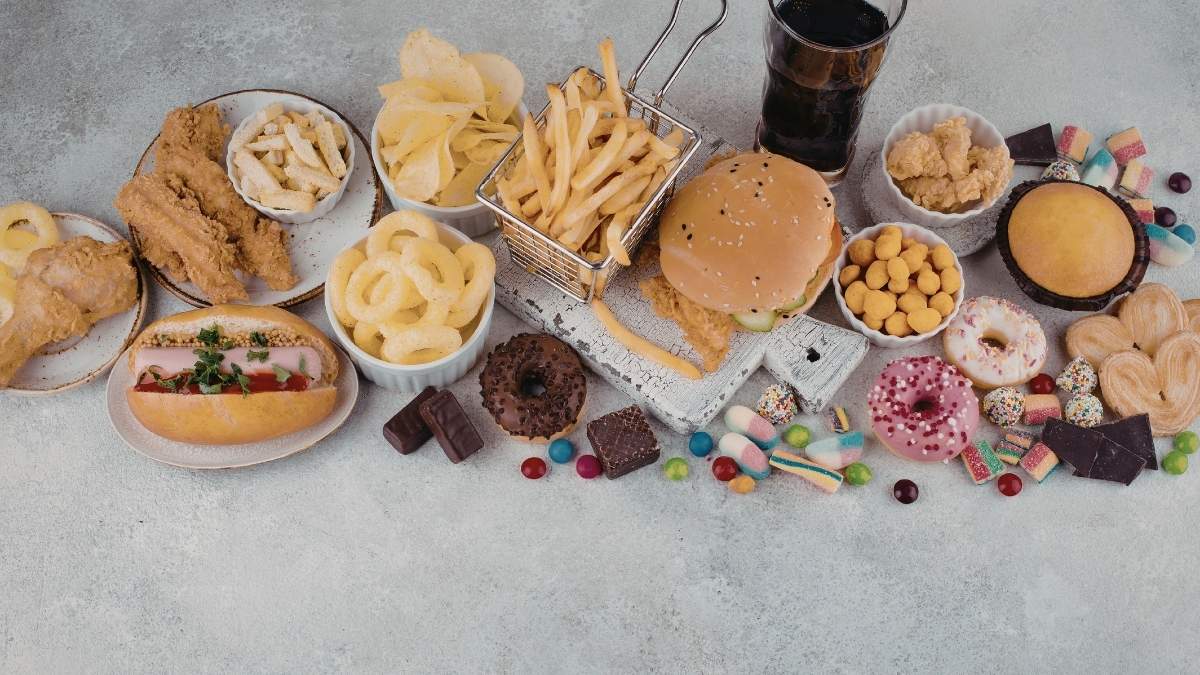
Sugary drinks are almost nonexistent. Water, herbal tea, or coffee are common. Soda is not.
Refined flour products are limited. White bread and pastries are occasional treats. Not daily staples.
The World Health Organization reports that high intake of processed meat increases cancer risk. Global Burden of Disease studies link ultra-processed food intake to heart disease and diabetes.
Portion sizes are smaller too. Meals are modest. Seconds are not automatic.
If you’re wondering what to avoid after 90, start here: processed meat, sugary drinks, oversized portions, and daily packaged foods.

These are key foods to avoid for longevity.
Eating Habits That Protect You More Than Superfoods
There is no magic berry for long life. Habits matter more.
In Okinawa, many elders practice “Hara Hachi Bu.” This means eating until you are about 80% full. It helps control calories without strict dieting.
Dinner is often light. Soup, vegetables, or beans. Large late-night meals are rare.
Meals are social. People eat with family or friends. Studies link strong social ties with longer life expectancy.

Food is usually home-cooked. This reduces hidden sugar, salt, and additives.
The National Institute on Aging highlights portion control and steady eating patterns as helpful for metabolic health.
These longevity diet habits are simple. Eat slowly. Stop before you feel stuffed. Share meals when possible.
That is what a healthy aging diet looks like in real life.
A Simple Day of Eating in Your 90s
So what does this look like on a normal day?
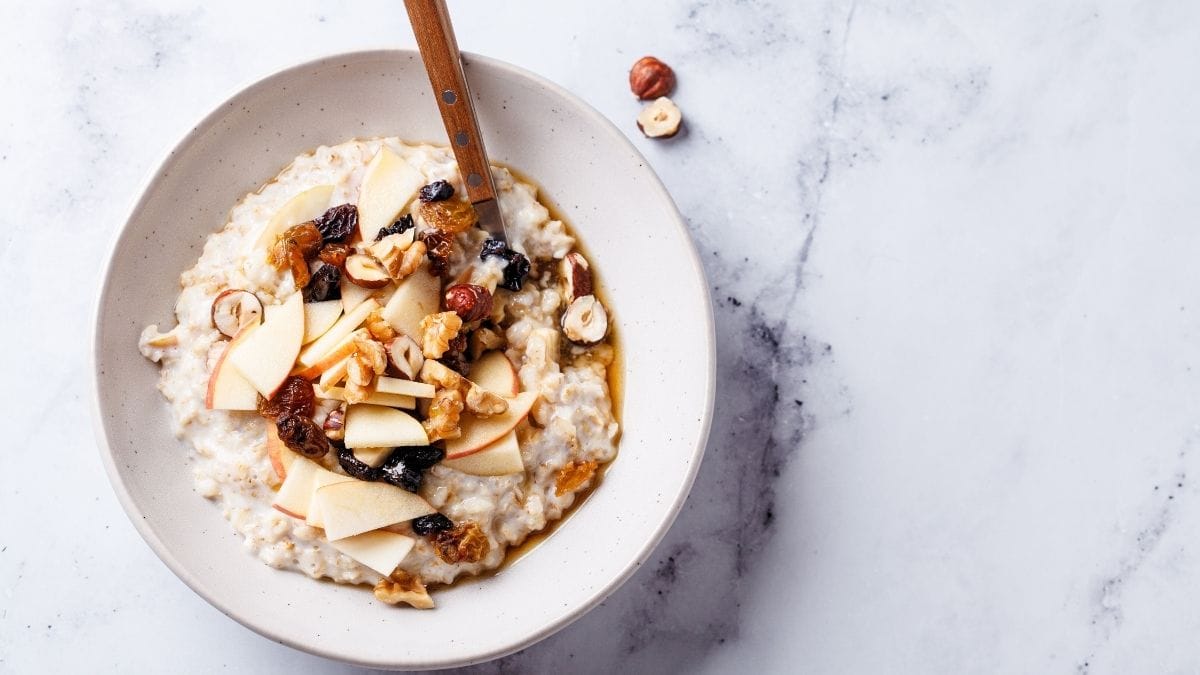
Breakfast might be oats topped with nuts and fruit. Oats and barley are common in Okinawa. They provide fiber and steady energy.
Lunch could be beans with vegetables and olive oil. Maybe lentil soup with whole grain bread.
A snack might be a small handful of almonds.
Dinner is often light. Vegetable soup and a slice of whole grain bread. Simple. Warm. Easy to digest.
In Mediterranean regions, a small glass of red wine is sometimes included with meals.

Research tied to Mediterranean diet patterns, supported by Harvard and WHO findings, links this pattern with lower heart disease risk. Moderation is key.
This is what people in their 90s eat regularly. Nothing fancy. Just repeated consistency.
Why Genetics Is Only Part of the Story
It’s easy to blame genetics. That feels safer.
But Blue Zones research shows lifestyle and environment play a huge role. People with average genes often outlive others because of daily habits.

Studies suggest genetics may account for only part of lifespan. Diet, movement, stress, and social ties shape the rest.
Epigenetics research shows food and lifestyle can influence how genes behave over time. Your choices affect how your body ages.
You can’t change your DNA. But you can change your plate.
And that is hopeful.
Conclusion
People who live into their 90s follow simple patterns. A plant-heavy longevity diet. Beans most days. Very little processed food. Moderate portions. Shared meals.
If you want to copy what people in their 90s eat regularly, start small. Add beans this week. Cut one processed snack. Build from there.