
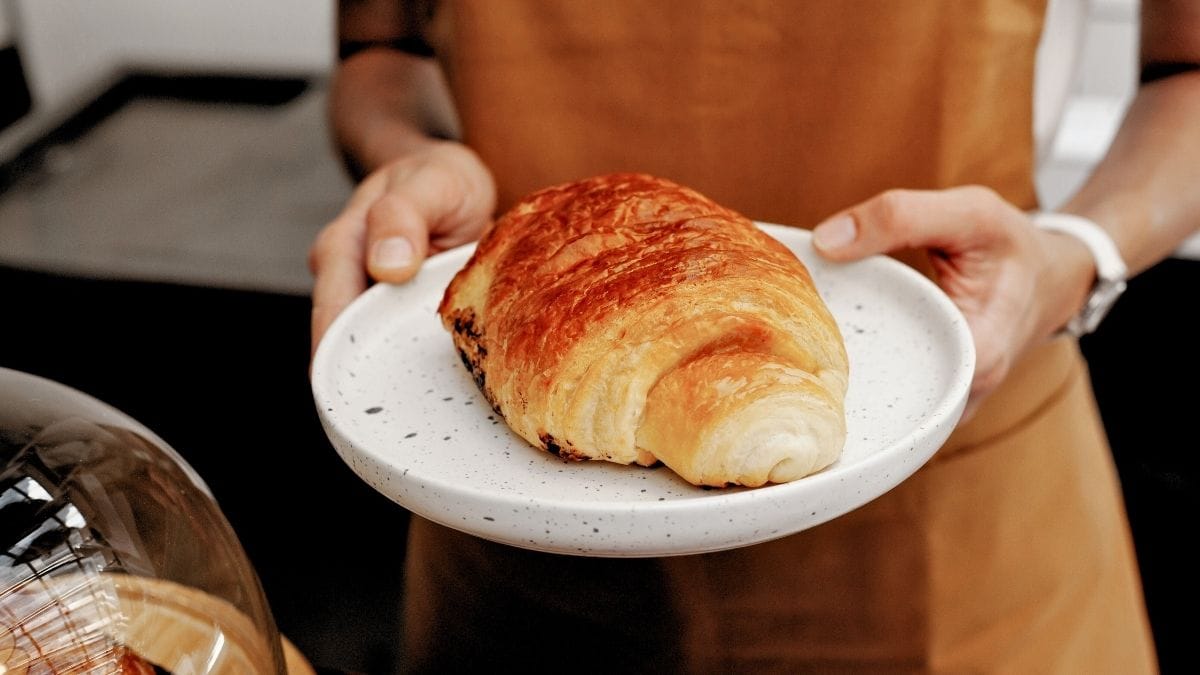
In five regions around the world, people reach age 100 at ten times the rate of Americans, and their secret starts at breakfast.
Most of us grab cereal or skip breakfast completely. Research shows this habit raises heart disease risk by 21%.
You know breakfast matters. But you don’t know what the world’s healthiest people actually eat each morning. And you don’t know how to make it work when you’re rushing out the door.
This guide shows you exactly what centenarians eat for their first meal. You’ll learn why breakfast timing protects your heart more than you think.
You’ll discover seven specific Blue Zone breakfast foods backed by longevity research. You’ll see how to make these breakfasts in under 15 minutes.
And you’ll understand the science behind why these choices help people live past 100.
The Blue Zone Breakfast Philosophy: Front-Load Your Calories
Blue Zone residents do breakfast backwards from us. They eat their biggest meal in the morning and get smaller as the day goes on. Many eat early dinner and then fast until breakfast the next day.
Your breakfast should pack in protein, complex carbs from beans or vegetables, and healthy fats from nuts or seeds.
A 2023 Nature Communications study found that eating your first meal after 9 AM raises your cardiovascular risk.
The CARDIA study showed daily breakfast eaters had 26 percent lower blood pressure risk and 37 percent lower metabolic syndrome risk.

Here’s how different Blue Zones do it. Nicoyans eat two breakfasts with a light dinner. Ikarians and Sardinians make lunch their big meal.
Okinawans often skip dinner completely. Daily breakfast consumption cuts diabetes risk by 46 percent.
This timing works because it syncs with your circadian rhythm. Your body processes food better in the morning when your metabolism runs strongest.
What Blue Zone Breakfast Looks Like (NOT American Breakfast)
Forget eggs and bacon. Blue Zone breakfasts look nothing like what you’re used to. These are plant-based breakfast foods that most Americans would call lunch or dinner.
Dan Buettner, the researcher who discovered Blue Zones, challenges people to try minestrone stew or rice and beans for breakfast for one week.
The Blue Zone diet is 95 percent plant-based. Think beans, sweet potatoes, leafy greens, nuts, and seeds. Skip the Pop-Tarts, sugary cereals, and flavored yogurts that fill American grocery stores.
In Costa Rica, beans start the day. Okinawans eat miso soup, rice, seaweed, and fermented natto.
Ikarians have yogurt from grass-fed sheep with honey, fruit, nuts, and whole grain bread dipped in olive oil.
Sardinians eat leftover bread soaked in milk or twice-baked bread topped with fresh tomatoes and olive oil.
This isn’t what you grew up eating. But it’s what centenarians eat.
7 Blue Zone Breakfast Foods That Support Longevity
These seven foods show up on breakfast tables across all five Blue Zones. Each one brings specific health benefits that help people live past 100.
You don’t need all seven at once. Start with two or three that appeal to you and build from there.
Sweet Potatoes (Okinawa)
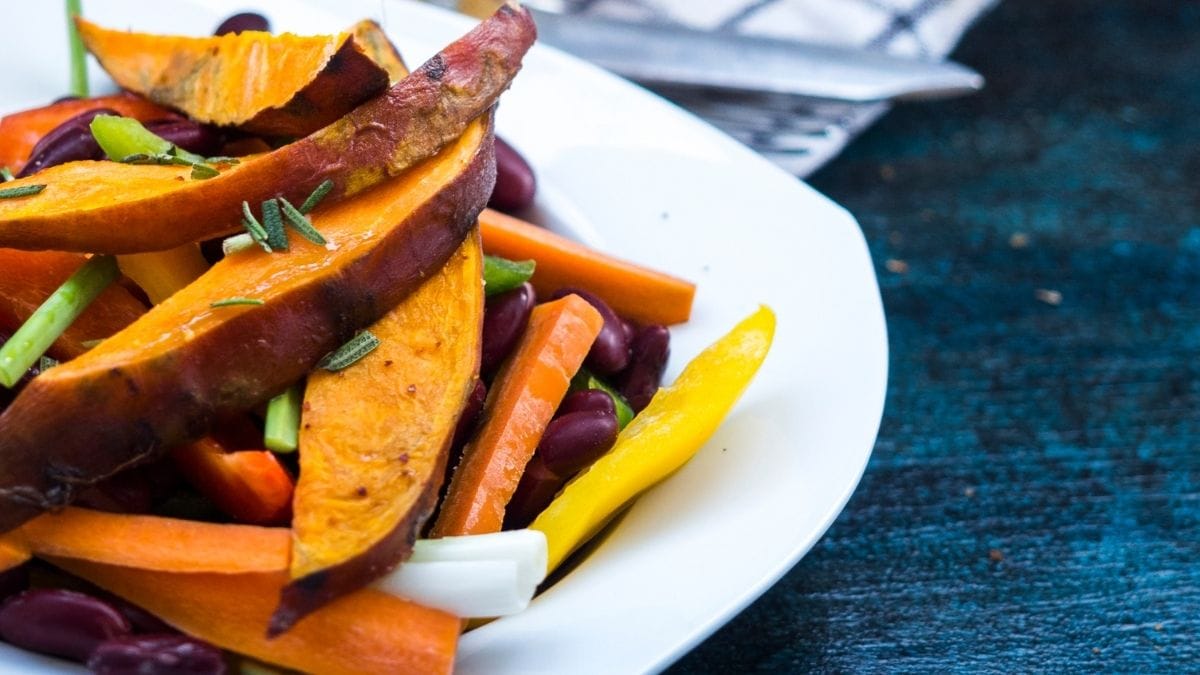
Sweet potatoes are the breakfast star in Okinawa, where more people live past 100 than almost anywhere on Earth.
These aren’t the candied yams you see at Thanksgiving. Okinawans prefer purple sweet potatoes that pack fiber and vitamin A into every bite.
Here’s how to make them work for busy mornings. Roast five or six sweet potatoes on Sunday while you’re doing other things.
Store them in your fridge. Each morning, reheat one and top it with fresh ginger, turmeric, and walnuts. The whole meal takes three minutes to assemble.
Steel-Cut Oats (Loma Linda)
Loma Linda residents, many of them Seventh-day Adventists, swear by steel-cut oats for breakfast.
These are different from the quick oats in packets. Steel-cut oats are less processed and keep you full longer because your body digests them slowly.
Make a batch in your slow cooker overnight. You wake up to hot oatmeal ready to eat. Top it with fresh fruit and walnuts for brain health. The prep time is two minutes before bed.
Beans and Legumes (All Blue Zones)
Beans appear at breakfast tables in every single Blue Zone. In Costa Rica’s Nicoya Peninsula, black beans and rice start most mornings.
Black beans, chickpeas, and lentils give you fiber and plant protein without any meat.
Cook a big pot of beans on the weekend. They last five days in your fridge. Reheat a scoop each morning with rice, avocado, and salsa. This breakfast costs less than a dollar and fills you up until lunch.
Miso Soup (Okinawa)
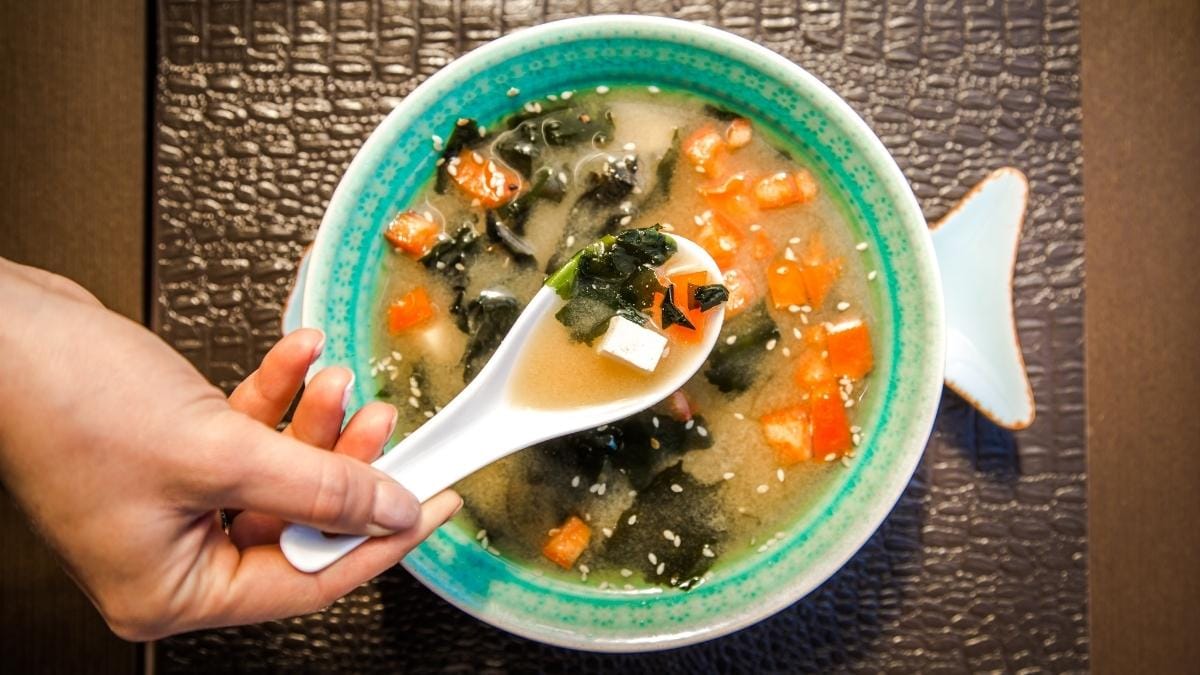
Miso is fermented soy paste that tastes savory and salty. It’s full of probiotics that help your gut health. Traditional Okinawan breakfast includes a bowl of miso soup with tofu cubes and seaweed floating in it.
Making miso soup is easier than you think. Boil water, stir in miso paste, add tofu and dried seaweed. The whole process takes five minutes. You can find miso paste at most grocery stores now in the international aisle.
Greek Yogurt with Honey (Ikaria, Greece)
Ikarians eat yogurt made from grass-fed sheep milk. This yogurt is easier to digest than cow’s milk yogurt.
Goat’s milk versions work too and contain less lactose, which helps if dairy bothers your stomach. The yogurt gives you probiotics, protein, and calcium.
Top your yogurt with local honey, fresh fruit, nuts, and a slice of whole grain bread drizzled with olive oil. This breakfast takes two minutes to put together and tastes like dessert.
Whole Grain Sourdough Bread (Sardinia, Ikaria)
Sardinians and Ikarians eat naturally fermented sourdough bread. The fermentation process makes the bread easier to digest than regular bread. They serve it with extra virgin olive oil for dipping.
Sometimes they top the bread with fresh tomatoes for lycopene, which protects your heart.
You can buy good sourdough at most bakeries now. Toast it, drizzle olive oil, and add sliced tomatoes. Done in three minutes.
Seaweed (Okinawa)
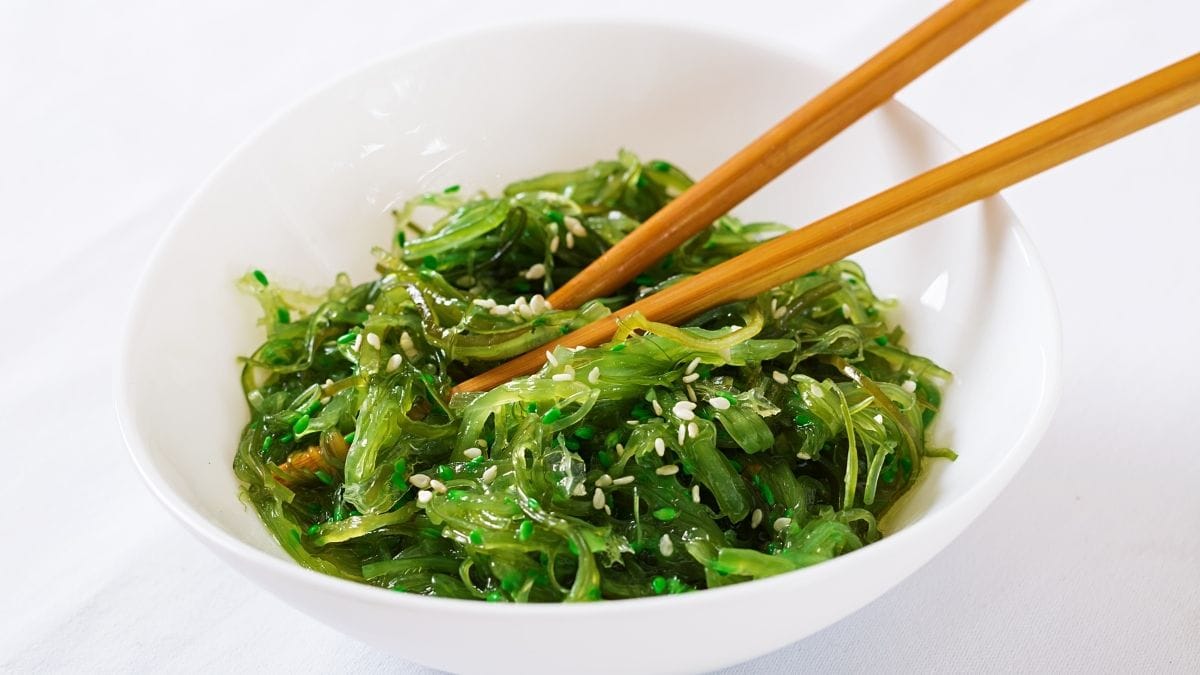
Seaweed sounds weird for breakfast to most Americans. But this marine algae is packed with iodine, nutrients, and antioxidants that protect your cells.
The soluble fiber in seaweed lowers cholesterol and supports heart health.
Add dried seaweed to your miso soup or eat it as a side dish. You can buy seaweed snacks at the store that taste salty and crispy. Start small if seaweed is new to you.
The Science: Why Blue Zone Breakfasts Protect Your Heart
The research on breakfast and heart health is clear. People who eat breakfast daily have 26 percent lower blood pressure risk and 37 percent lower metabolic syndrome risk.
Men who skip breakfast show 27 percent higher rates of coronary heart disease. Skipping breakfast raises your overall heart disease risk by 21 percent.
Timing matters as much as eating itself. A 2023 Nature study found that eating your first meal after 9 AM increases cardiovascular risk, especially for women.
Scientists in 2024 discovered specific changes in your blood chemistry when you skip breakfast. These metabolite changes link directly to heart failure risk.
Here’s why this happens. Your body runs on a 24-hour clock called your circadian rhythm.
This internal clock controls when your heart beats strongest, when your blood pressure drops, and when your metabolism works best.
Breakfast syncs your body clock with your eating schedule.

When you eat breakfast, you tell your circadian clock genes to start managing your metabolism, blood pressure, and heart function for the day.
Skip breakfast and these genes get confused. Your body doesn’t know when to regulate blood pressure or process nutrients efficiently.
Blue Zone residents who follow these breakfast patterns show 20 percent lower cardiovascular death rates.
Daily breakfast consumption also cuts diabetes risk by 46 percent. Your morning meal sets the rhythm for your entire day’s health.
5 Simple Blue Zone Breakfast Recipes You Can Make This Week
You don’t need chef skills to eat like a centenarian. These five recipes take 15 minutes or less of active work. If you can boil water and chop vegetables, you can make these Blue Zone breakfasts.
Okinawan-Inspired Sweet Potato Bowl
Put a sweet potato in the oven at 400 degrees while you shower and get dressed. After 40 minutes, it’s ready.
Split it open and top with fresh spinach, chopped green onions, and a splash of soy sauce. The heat wilts the spinach perfectly.
Prep tip: bake six sweet potatoes on Sunday and store them in your fridge. Each morning just reheat one for three minutes.
Costa Rican Black Bean Breakfast
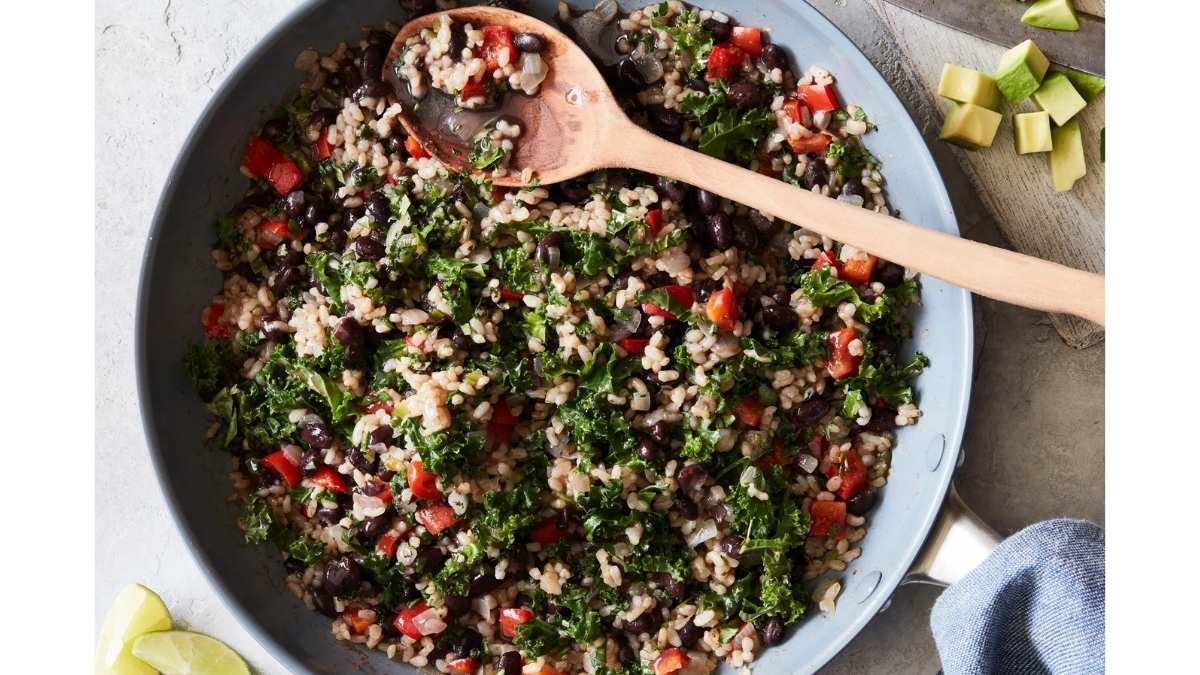
Mix cooked black beans with brown rice, sliced avocado, and fresh cilantro. Add one egg on top if you want extra protein.
This is the breakfast that fuels Nicoya Peninsula residents past age 100. Cook a big batch of rice and beans on Saturday. Store them separately in containers.
Each morning, scoop some of each into a bowl and microwave for two minutes.
Greek-Style Yogurt Bowl
Spoon Greek yogurt into a bowl. Drizzle local honey on top. Add whatever fresh fruit is in season and a handful of walnuts.
Toast a slice of whole grain bread and drizzle it with olive oil. This breakfast takes five minutes to assemble and tastes like you’re sitting in a café in Ikaria.
Sardinian Tomato Toast
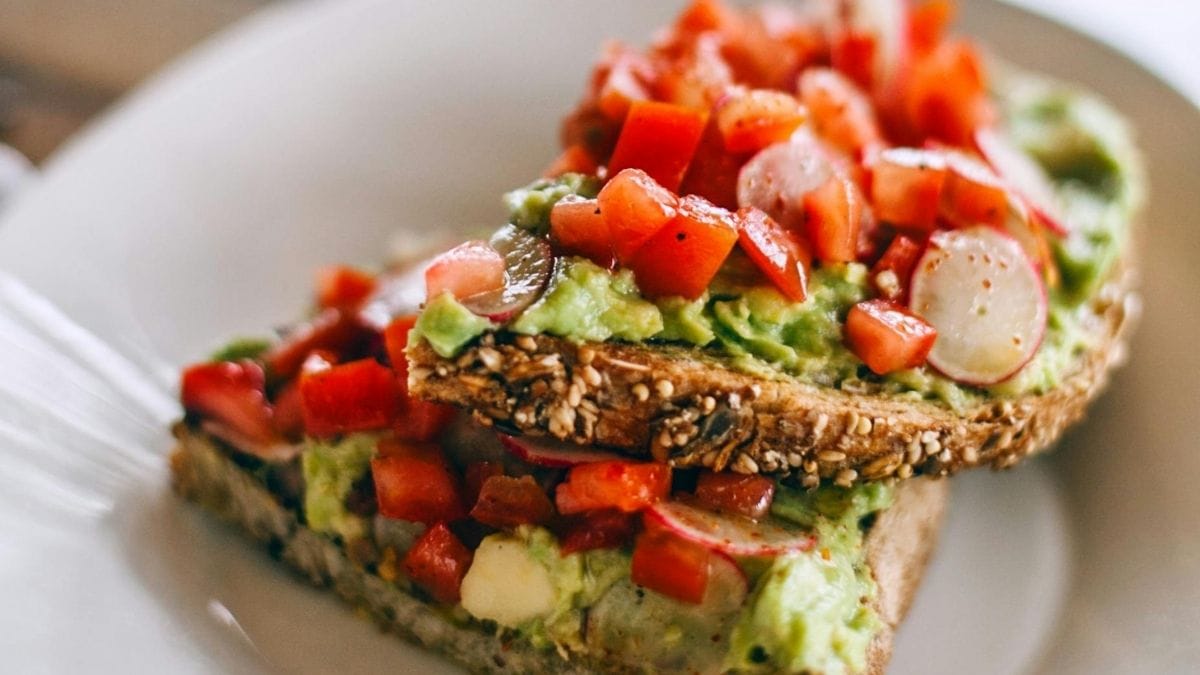
Toast thick slices of whole grain sourdough bread. Chop fresh tomatoes and pile them on top. Drizzle everything with extra virgin olive oil.
Add a pinch of salt. Optional: warm up some white beans and spoon them over the tomatoes for more protein. Total time is seven minutes.
Japanese-Inspired Miso Bowl
Put miso paste, tofu cubes, dried seaweed, and water in your slow cooker before bed. Set it on low. You wake up to hot miso soup.
Serve it over brown rice with whatever vegetables you have. Carrots, mushrooms, and bok choy all work great.
Lastly:
The world’s longest-living people have proven that breakfast sets the foundation for a long, healthy life.
Blue Zone residents reach age 100 at ten times the rate of Americans, and their morning eating habits play a major role in that success.
When you front-load your calories with plant-based whole foods like sweet potatoes, beans, steel-cut oats, and fermented miso, you’re following an eating pattern backed by decades of longevity research and current cardiovascular science. The evidence is clear and consistent across multiple studies.
Here’s your next step. Pick one Blue Zone breakfast food from this guide and eat it three times this week. Notice how you feel two hours after eating.
Track your energy levels, when you get hungry again, and your overall sense of wellbeing throughout the day.
Small changes you repeat consistently create lasting results. Start your Blue Zone breakfast routine today with these centenarian-approved morning meals that fuel your body for the long, healthy life you want to live.