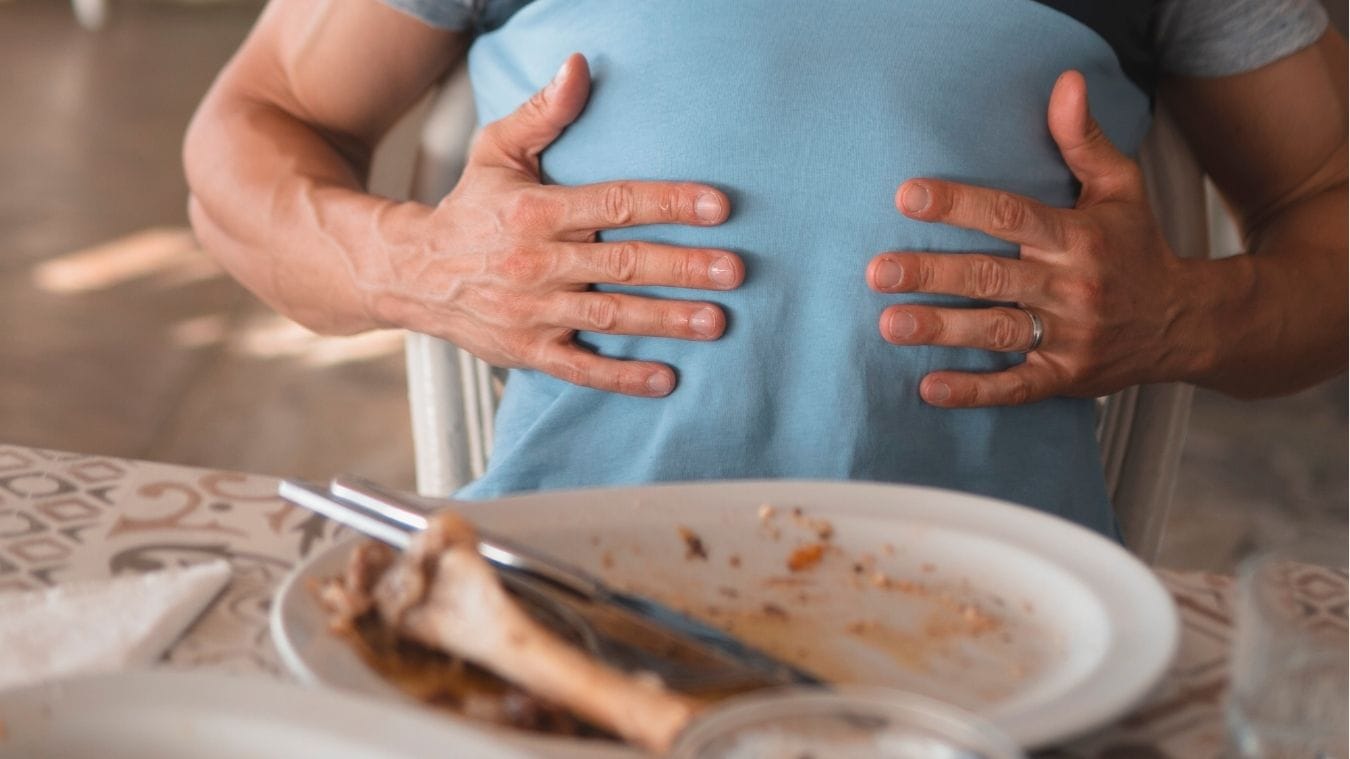
You know that feeling. You’ve just finished dinner, and suddenly your stomach feels like it might burst. Your jeans feel too tight. You need to sit back and breathe. Bloated After Meals?
You’re not alone. Bloating happens to most of us. The good news? There’s usually a simple reason for it.
You’re Eating Too Fast
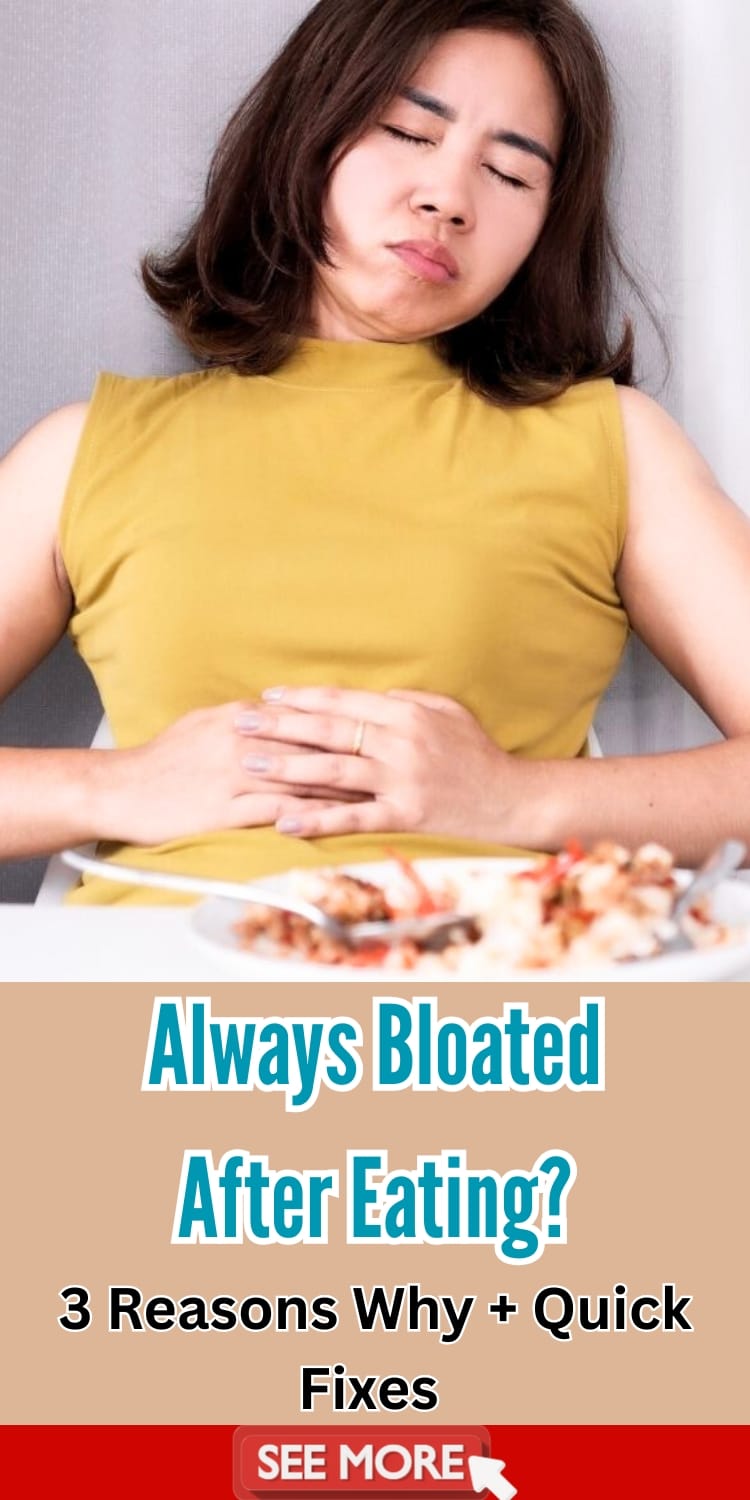
Life gets busy. Sometimes you grab your food and eat it in five minutes flat. Maybe you’re starving. Maybe you’re rushing between tasks. Either way, you’re not slowing down.
Here’s what happens. When you eat fast, you swallow air. Lots of it. That air gets trapped in your stomach. It builds up. It makes you feel full and uncomfortable.
This problem has a name: aerophagia. It means swallowing air. And it’s more common than you think.
Talking while eating causes the same problem. Every time you speak with food in your mouth, more air goes down.
Fast eating creates another issue too. Your stomach needs time to tell your brain it’s full.
When you eat quickly, those signals don’t arrive in time. You end up eating more than you need. That makes bloating worse.
The fix is simple. Slow down. Put your fork down between bites. Chew your food well. Give yourself time.
Gas-Producing Foods Are the Culprit: Bloated After Meals
Some foods naturally create gas in your gut. Fizzy drinks are obvious ones. Every bubble in that soda becomes trapped air in your stomach.
But other foods cause gas too. Broccoli, beans, lentils, and onions all create gas as they break down. Your body works hard to digest them. Gas is a side effect.
This doesn’t mean these foods are bad for you. Many of them are incredibly healthy. But if you eat large portions, expect some bloating.
Food sensitivities play a role here too. If you’re lactose intolerant, dairy products will make you bloated. If gluten bothers you, bread and pasta will do the same.
Pay attention to patterns. Do you feel bloated after ice cream? After beans? After certain vegetables? Your body is telling you something.
If you suspect a food intolerance, keep a food diary. Write down what you eat and how you feel afterward. The pattern will become clear. Then you can make changes.
Your Hormones Are Shifting
For people who menstruate, hormones can cause bloating. It’s not about what you ate. It’s about where you are in your cycle.
Bloating often shows up right before your period starts. It continues through the first few days of bleeding. This happens because changing hormones make your body hold onto water and salt.
It’s temporary. It’s normal. And it will pass.
When to See a Doctor
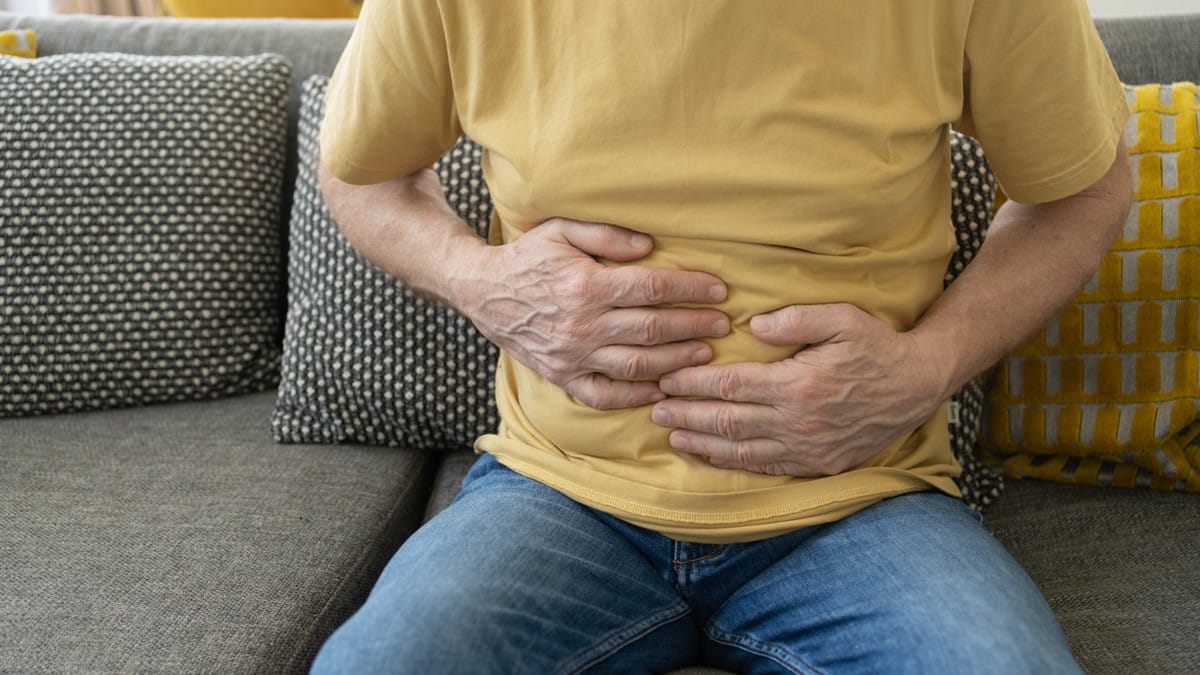
Most bloating is harmless. It’s uncomfortable but not dangerous. Usually, you can figure out the cause and fix it.
But sometimes bloating signals something more serious. See your doctor if:
- Bloating doesn’t go away
- You have other symptoms like vomiting or fever
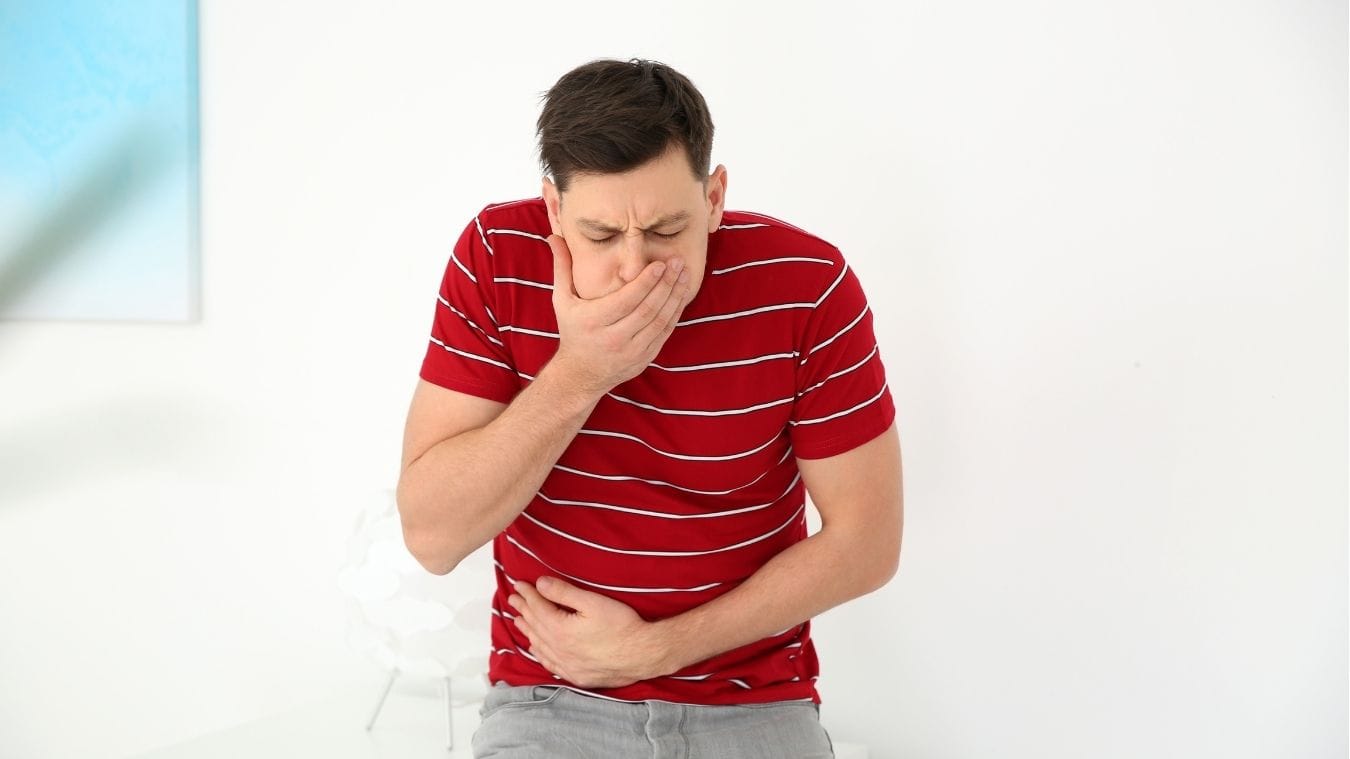
- The pain is severe
- Your symptoms are getting worse
Your doctor can run tests. They can rule out serious conditions. And they can help you find real solutions.
Lastly; Small Changes Help
You don’t need to overhaul your entire life to reduce bloating. Small steps work.
Eat slower. Chew more. Drink less soda. Notice which foods bother you. Track your cycle if you menstruate.
These simple changes can make a big difference. Your stomach will thank you.