
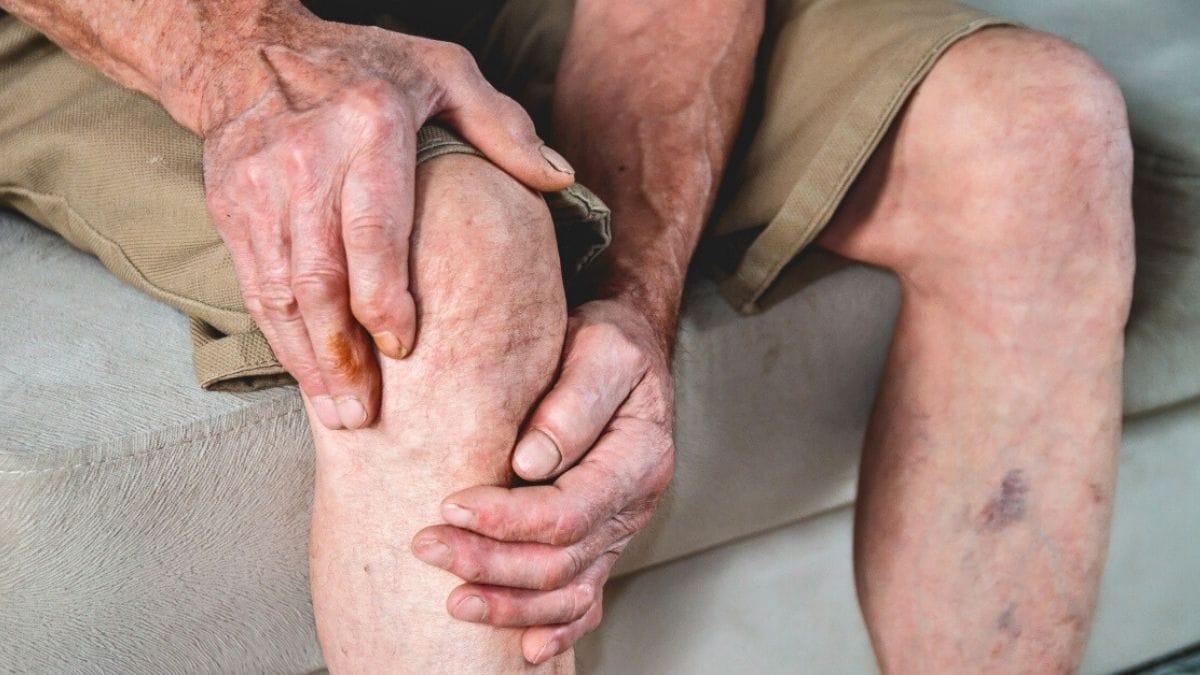
After 60, many people notice something small but scary.
Climbing stairs feels harder. Carrying groceries feels heavy. Getting up from a chair takes effort.
You may wonder why seniors lose strength after 60 even if life hasn’t changed much. The truth is, muscle loss after 60 can happen quietly. And many people don’t notice it until daily tasks feel difficult.
This change has a name: sarcopenia in older adults. It is common. But it is not hopeless.
In this guide, you’ll learn why strength drops with age, what sarcopenia really means, and which foods may help protect your muscles.
You’ll also get simple, science-backed steps you can use in 2026 to stay strong and steady.
Why Seniors Lose Strength After 60 (The Science)

Strength loss does not start at 60. It often begins around age 30. Adults lose about 3–8% of muscle mass per decade after 30, according to the National Institute on Aging.
After 60, the drop can speed up. Some research shows losses may reach up to 10% per decade.
This happens for several reasons.
Hormone levels fall. Testosterone, estrogen, and growth hormone all decline with age. These hormones help maintain muscle.
Your body also becomes less efficient at building muscle from protein. This is called reduced muscle protein synthesis.
Many older adults move less. Less movement means weaker muscles.
Chronic low-grade inflammation also rises with age. That can break down muscle tissue over time.
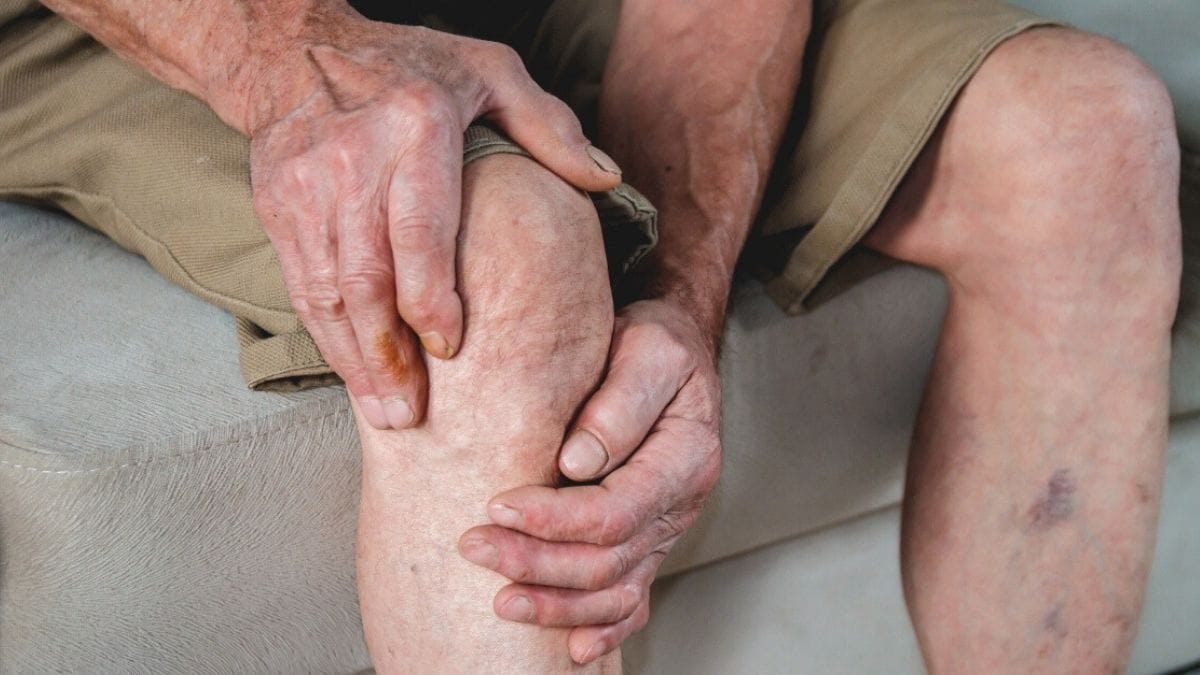
Put together, these changes explain why seniors lose strength after 60 and why muscle loss after 60 becomes more noticeable.
What Is Sarcopenia in Older Adults?
Doctors use the term sarcopenia in older adults to describe age-related loss of muscle mass and strength. It is more than “just getting older.” It is a measurable medical condition.
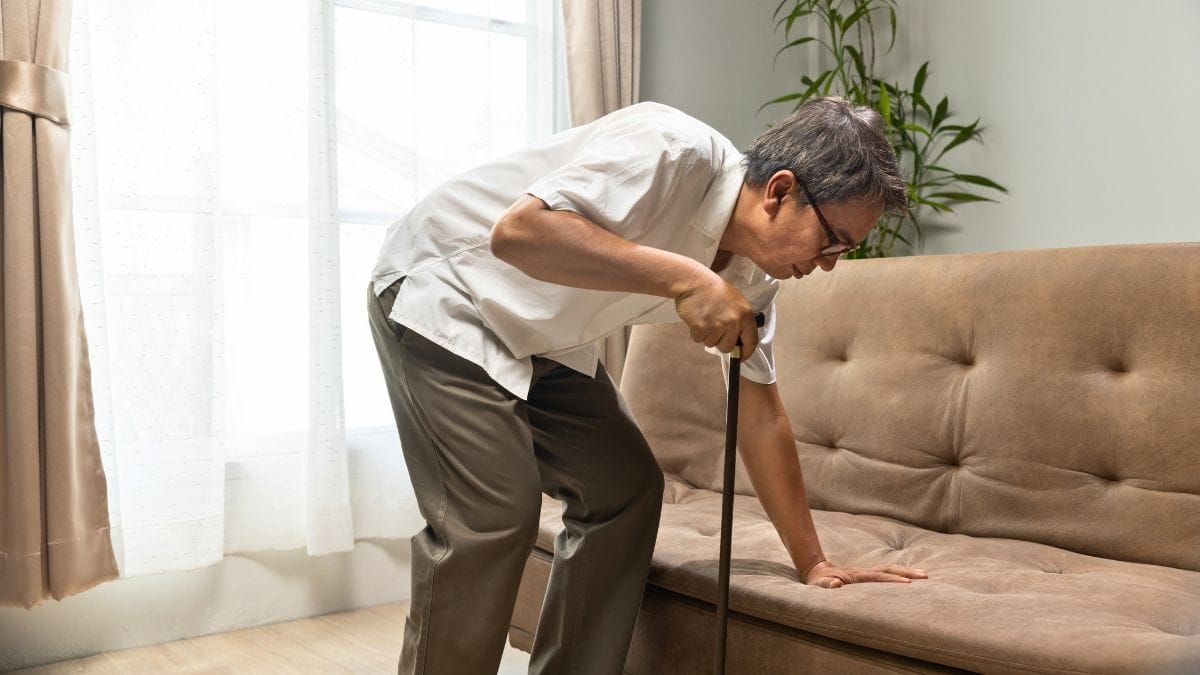
The European Working Group on Sarcopenia (EWGSOP2) defines it as low muscle strength first, then low muscle mass and performance.
Common signs include weak grip strength, slower walking speed, and trouble standing up from a chair without using your hands. If this sounds familiar, you are not alone.
Studies estimate that 10–16% of adults over 60 may have sarcopenia. Risk rises with age.
This matters because weak muscles increase fall risk. The CDC reports that 1 in 4 adults over 65 falls each year. Falls often lead to hospital stays and loss of independence.
The good news is that early action can help prevent muscle loss and protect your strength.
The Hidden Causes of Muscle Loss After 60
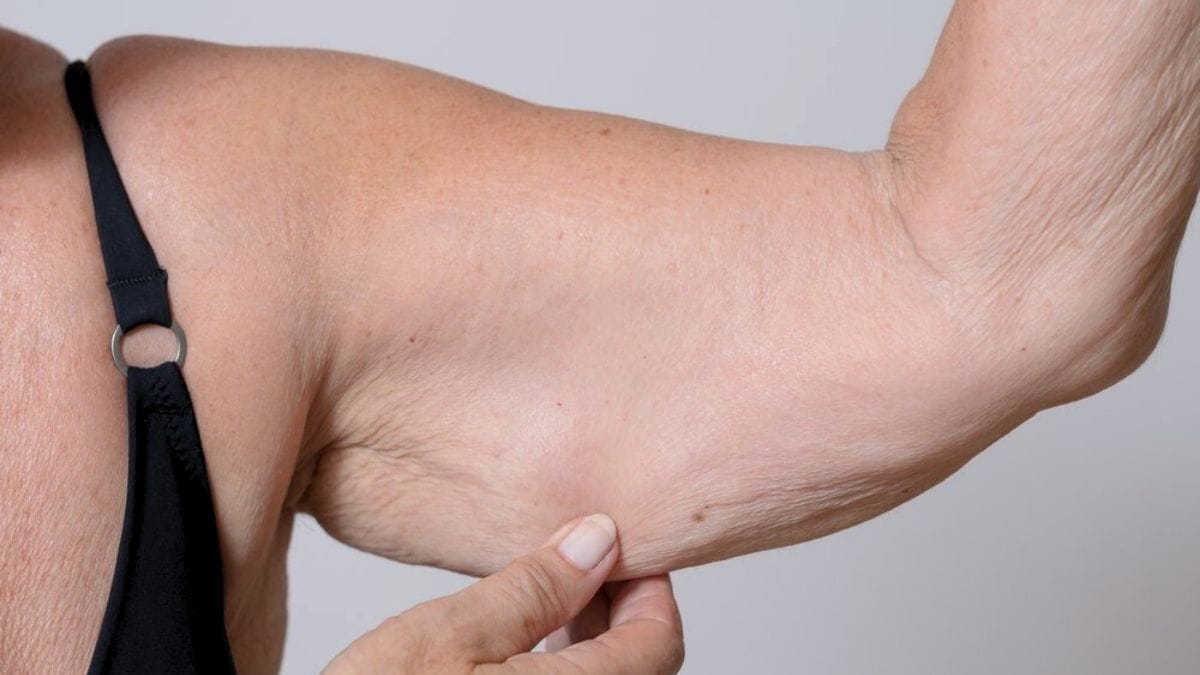
Age is part of the story. But lifestyle plays a big role.
First, many older adults do not eat enough protein. Data from NHANES surveys show that protein intake often drops with age, especially at breakfast.
Second, the body becomes less responsive to protein. This is called anabolic resistance. You may need more protein than you did at 40 to get the same muscle-building effect.
Vitamin D deficiency is also common in older adults. Low vitamin D is linked with muscle weakness and poor balance.
Physical inactivity speeds up muscle loss after 60. Muscles shrink when they are not used.
Chronic inflammation and insulin resistance also harm muscle health over time.
Experts from the PROT-AGE Study Group suggest older adults aim for 1.0–1.2 grams of protein per kilogram of body weight daily. That is higher than the basic 0.8 g/kg RDA.
Foods That May Help Prevent Muscle Loss
Food is one of your strongest tools.
1. High-Quality Protein Sources
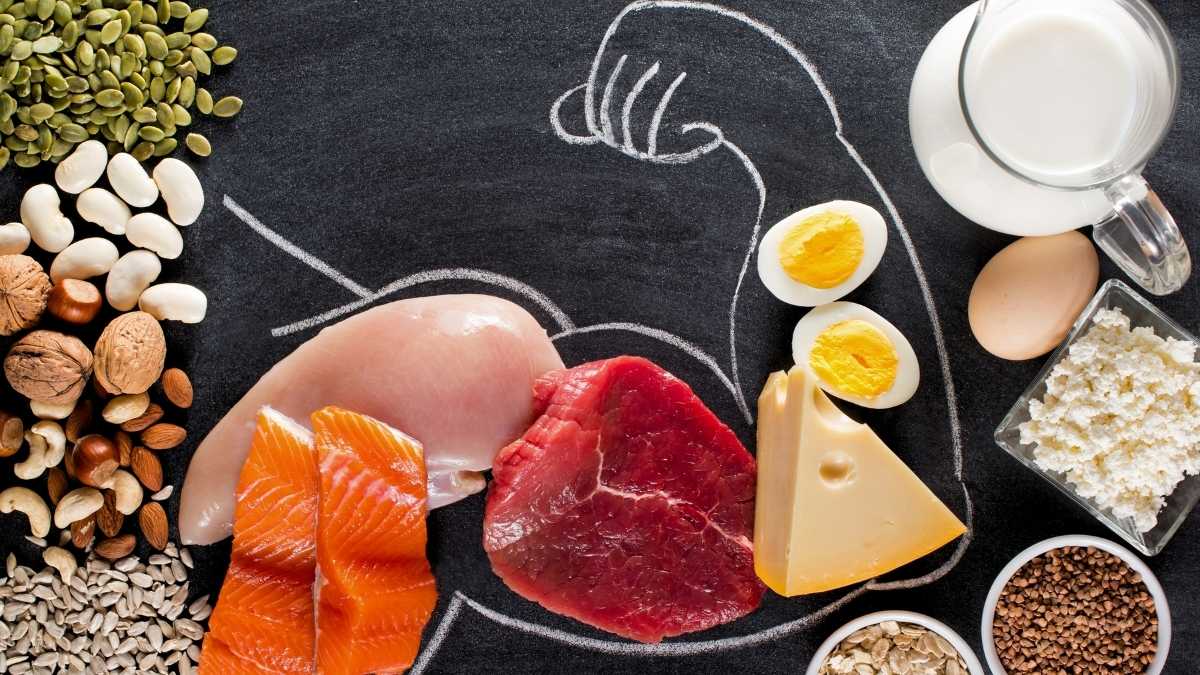
Protein helps repair and build muscle. Research in the American Journal of Clinical Nutrition shows that about 25–30 grams of protein per meal can support muscle protein synthesis in older adults.
Good options include eggs, Greek yogurt, lentils, fish, and lean poultry. These foods contain leucine, an amino acid that helps trigger muscle building.
2. Omega-3 Fatty Acids
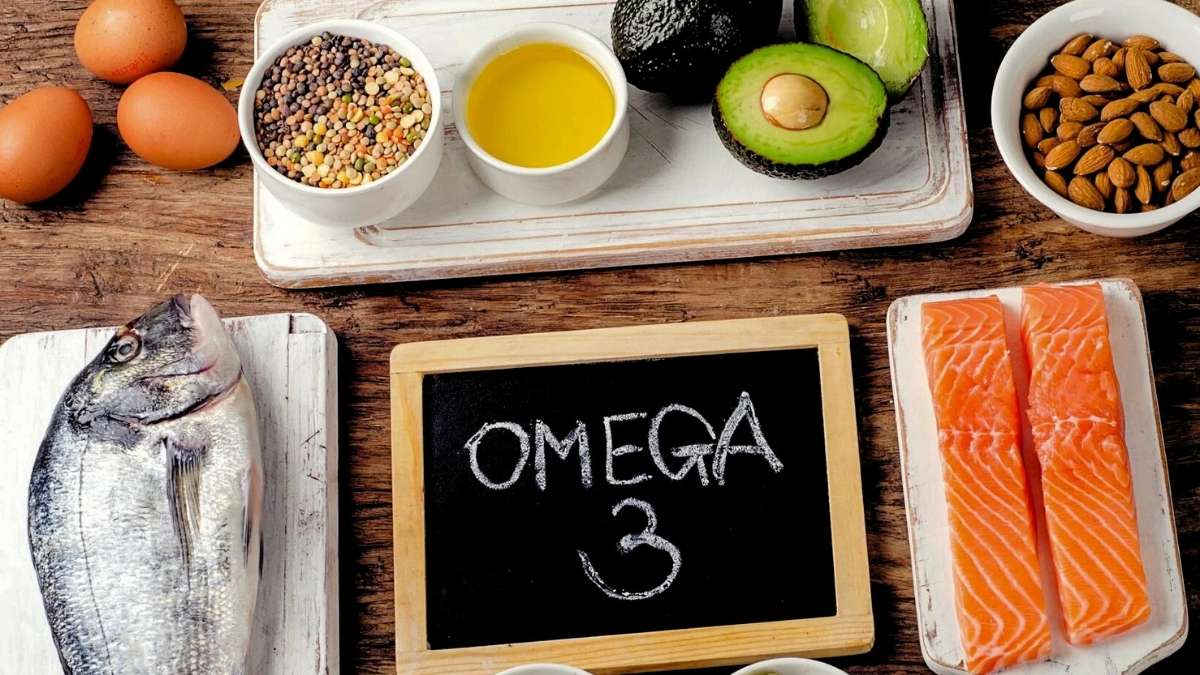
Fatty fish like salmon and sardines contain omega-3s. Some studies suggest omega-3s may improve the muscle-building response to protein in older adults.
3. Vitamin D-Rich Foods

Sunlight helps your body make vitamin D. You can also get it from fortified dairy, mushrooms, and fatty fish. Adequate vitamin D is linked with better muscle strength and lower fall risk.
4. Anti-Inflammatory Foods
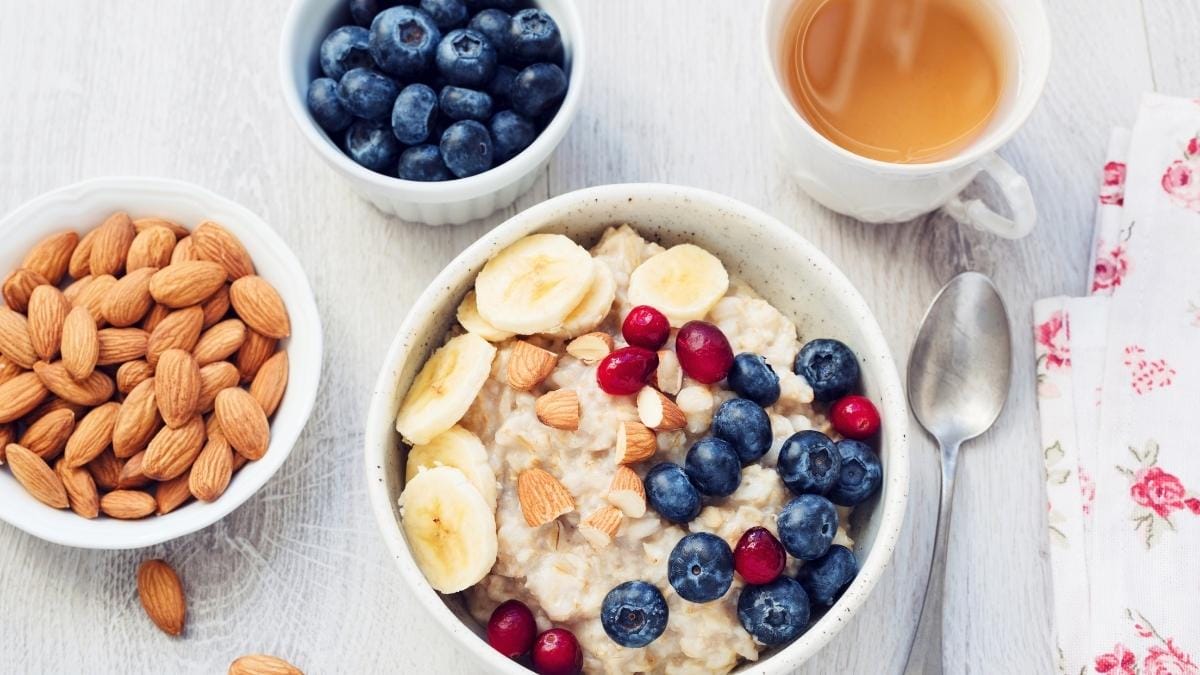
Berries, leafy greens, olive oil, and nuts may help lower chronic inflammation. Lower inflammation supports senior nutrition for strength and may help prevent muscle loss after 60.
How Much Protein Do Seniors Really Need?

The basic RDA for protein is 0.8 grams per kilogram of body weight. But many experts say older adults need more.
Current research suggests 1.0–1.2 g/kg per day for healthy seniors. If you weigh 70 kg (about 154 pounds), that equals 70–84 grams of protein daily.
Spread this across meals. Aim for 25–30 grams at breakfast, lunch, and dinner. This helps overcome anabolic resistance.
Example day:
Breakfast: Greek yogurt with nuts and seeds (25g).
Lunch: Lentil soup with whole-grain bread (25g).
Dinner: Grilled salmon with vegetables (30g).
Tracking your intake for a week can reveal gaps. Protein intake for seniors is often lowest in the morning. Fixing that alone can help slow muscle loss after 60.
Simple 7-Day Strength-Supporting Food Plan
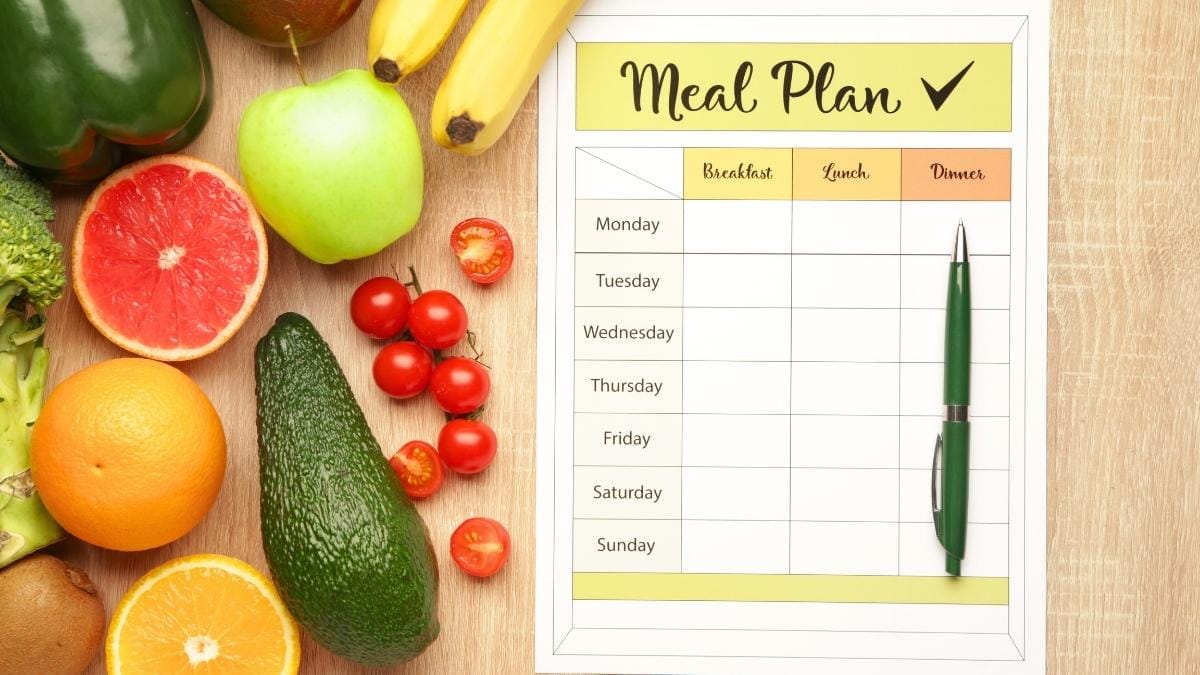
You do not need a perfect diet. You need consistency.
Day 1
Breakfast: Scrambled eggs and whole-grain toast.
Lunch: Chickpea salad with olive oil.
Dinner: Baked salmon, spinach, and quinoa.
Day 2
Breakfast: Greek yogurt with berries and almonds.
Lunch: Turkey and avocado wrap.
Dinner: Lentil curry with mixed vegetables.
Day 3
Breakfast: Protein smoothie with milk and peanut butter.
Lunch: Tuna salad with leafy greens.
Dinner: Grilled chicken, sweet potatoes, and broccoli.
Rotate similar meals through the week. Focus on protein at every meal and include anti-inflammatory foods.
These small steps help prevent muscle loss and support strength as you age.
Final Thought:
Seniors lose strength after 60 because muscle naturally declines with age. Hormones drop. Activity slows. Protein needs rise.
But diet makes a real difference. Enough protein, omega-3s, vitamin D, and whole foods support muscle health.
Start today — because preventing muscle loss after 60 is far easier than rebuilding it.