

Most people do not worry about aging in their twenties or thirties.
It feels far away. Something to deal with later.
But one day, usually in midlife or beyond, small changes begin to show up.
Energy drops faster. Recovery takes longer. Joints feel stiffer. Sleep feels lighter.
This is the moment many people start searching for answers.
And most of the advice they find feels overwhelming, extreme, or unrealistic.
What often gets missed is something simpler and far more powerful:
the way you eat today quietly shapes how well you age tomorrow.
Not through strict rules.
Not through perfect diets.
But through small, repeatable food choices that add up over time.
Aging Does Not Happen All at Once
Aging is not a sudden event.
It is a slow biological process that begins years before symptoms appear.
Long-term research shows that three internal changes play a major role:
- Low-grade inflammation slowly increases
- Muscle and cell repair becomes less efficient
- Blood sugar regulation becomes harder for the body to manage
None of these changes happen overnight.
They build gradually, influenced by daily habits — especially food.
This is why two people of the same age can look, feel, and function very differently.
Why Food Matters More Than People Realize

Food is often treated as fuel or enjoyment.
But biologically, it is information.
Every meal sends signals to the body:
- how much to repair
- how much inflammation to produce
- how efficiently cells should function
Over time, these signals either support aging well or quietly accelerate decline.
This is not about eating perfectly.
It is about eating consistently well enough.
The Problem With Most Aging Advice

Many older adults feel frustrated with health advice — and for good reason.
Common problems include:
- Overfocus on supplements instead of food
- Strict plans that are hard to maintain
- Conflicting headlines that change every year
This creates decision fatigue.
People either give up or jump from one trend to another.
The truth is far calmer.
The most reliable findings in nutrition research are not flashy.
They repeat the same message: simple foods eaten regularly matter more than extreme strategies.
What Long-Term Research Keeps Showing
When scientists study populations that age well — physically and mentally — patterns emerge.
Across different cultures and regions, these groups tend to:
- Eat mostly whole foods
- Rely on familiar, everyday ingredients
- Avoid heavy processing and excess sugar
The specific cuisines vary, but the core food principles remain surprisingly similar.
That consistency is not an accident.
Everyday Foods That Support Aging Well
1. Colorful Fruits (Especially Berries)

Berries are rich in natural compounds that protect cells from damage.
They are consistently linked to better brain health and slower cognitive decline.
A small serving a day is enough.
Fresh or frozen both work.
Sweetened products do not offer the same benefit.
2. Healthy Fats From Plants and Fish
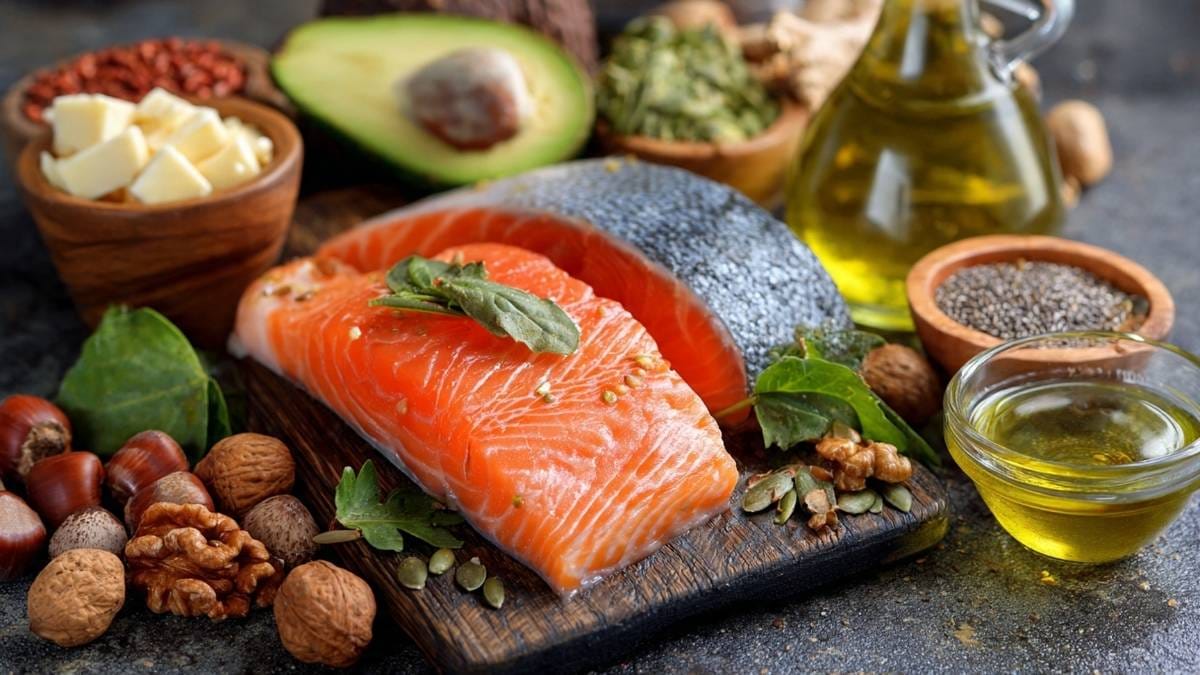
Fats are often misunderstood, especially by older generations.
Healthy fats:
- support brain structure
- reduce chronic inflammation
- help absorb essential nutrients
Sources that show up repeatedly in healthy aging research include:
- extra virgin olive oil
- fatty fish like salmon or sardines
- nuts and seeds
These are not special foods.
They are everyday foods used with intention.
3. Leafy Greens and Vegetables

Vegetables support blood flow, digestion, and cellular repair.
Leafy greens in particular provide nutrients that help maintain:
- muscle function
- circulation
- metabolic balance
You do not need large portions.
Regular exposure matters more.
4. Beans, Lentils, and Simple Plant Proteins
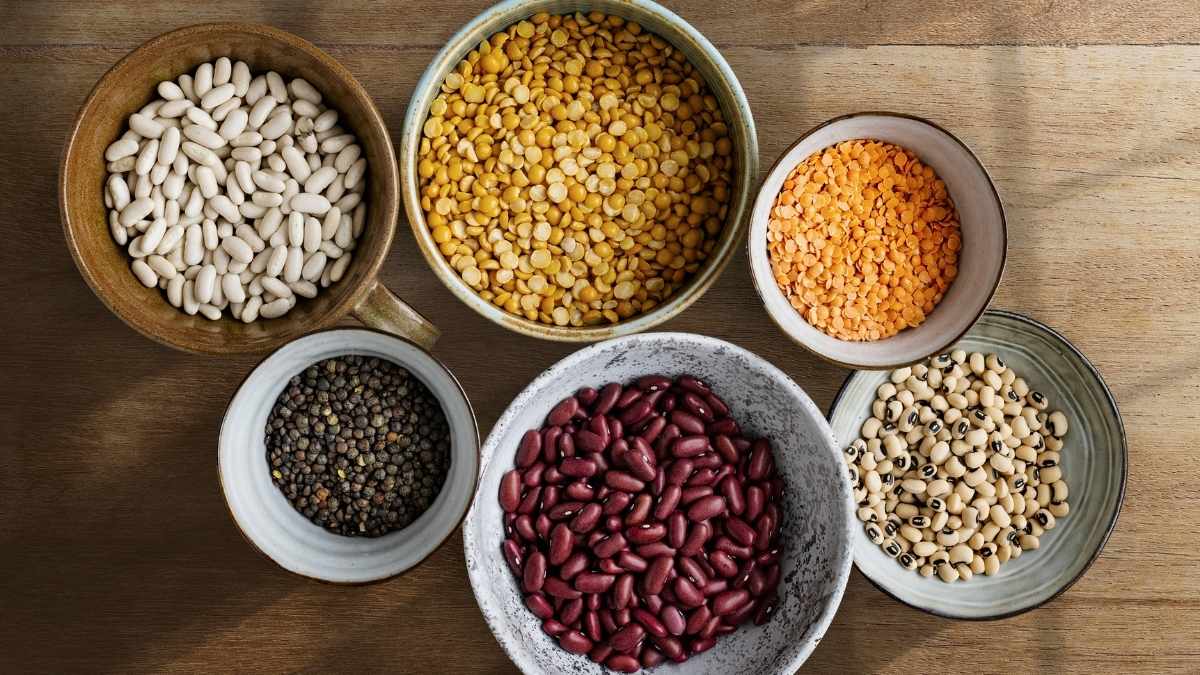
Beans and lentils appear in nearly every long-living culture.
They help:
- stabilize blood sugar
- support gut bacteria
- provide steady energy
They are inexpensive, flexible, and easy to prepare.
For many people, replacing a few meat-heavy meals each week with beans makes a noticeable difference over time.
5. Fermented and Cultured Foods

Gut health influences inflammation, immunity, and even mood.
Foods like plain yogurt, kefir, and traditionally fermented vegetables support a healthier gut environment.
The key is moderation and simplicity.
Small amounts, eaten regularly, work best.
Why Consistency Beats Perfection
Many people delay improving their diet because they feel they must do everything at once.
This mindset backfires.
Aging well is not built on dramatic changes.
It is built on habits that feel boring — and sustainable.
Eating reasonably well most days:
- reduces stress
- improves long-term adherence
- creates real biological change
This is why consistency appears again and again in successful aging patterns.
The Role of Blood Sugar and Energy
One overlooked factor in aging is energy stability.
Frequent blood sugar spikes and crashes:
- increase inflammation
- stress the cardiovascular system
- worsen fatigue over time
Meals built around whole foods tend to release energy more slowly.
This helps:
- maintain focus
- protect blood vessels
- reduce wear on the body
It is one reason people who age well often report steadier energy, not higher energy.
Building a Simple Daily Pattern
You do not need a complex plan.
A practical pattern that supports aging well looks like this:
- Half the plate from vegetables or fruit
- A clear protein source (fish, beans, eggs)

- Whole grains or starchy vegetables in moderate amounts
- Healthy fats added deliberately
This structure is flexible.
It works across cultures and preferences.
Small Changes That Add Up Over Time
Instead of focusing on what to remove, focus on what to replace.
Examples:
- Replace sugary breakfast foods with oats and fruit
- Use olive oil instead of solid fats
- Snack on nuts instead of processed snacks
- Include beans a few times per week
These shifts feel small.
Biologically, they are not.
Aging Well Is About Reducing Friction
The easier a habit is, the longer it lasts.
People who age well tend to:
- repeat simple meals
- rely on familiar foods
- avoid constant decision-making
This reduces mental and physical stress.
Food becomes supportive instead of exhausting.
A Note on Expectations
Food does not stop aging.
It does not guarantee perfect health.
What it does is tilt the odds in your favor.
People who eat in ways that support aging well often experience:
- better mobility
- steadier energy
- clearer thinking
- greater independence
These outcomes matter more than numbers on a scale.
Safety and Individual Needs
Every body is different.
If you have medical conditions or take medication, dietary changes should be discussed with a healthcare professional.
Food supports health, but it does not replace medical care.
Why the Way You Eat Today Truly Matters

Aging well is not decided at retirement.
It is shaped quietly, years earlier, through daily choices.
The way you eat today:
- influences how your body repairs itself
- affects how inflammation behaves
- shapes how resilient you feel later
This is why aging well is less about chasing solutions and more about supporting the body consistently.
Lastly:
Aging is unavoidable.
Decline is not always inevitable.
When you focus on foods that support aging well, you are not trying to be perfect.
You are giving your body steady support it can actually use.
Start where you are.
Choose foods you recognize.
Repeat what works.
Over time, those simple choices matter more than you might think.