

Most people don’t lose their vision suddenly. They lose it slowly, quietly — while telling themselves it’s just part of getting older.
You squint at the menu. Night driving feels tense. Colors look a little flat. You figure it’s normal.
Maybe it is. But here’s the problem — some of the most serious eye diseases have zero early symptoms. Your eyes can be losing function right now, and you’d feel nothing.
This article explains what’s actually happening inside your eyes after 60. It covers the four diseases that steal sight without warning. And it gives you real, simple changes — backed by research — that can genuinely slow things down.
You don’t need expensive treatments to start. You need the right information.
What Actually Happens to Your Eyes After 60
Picture trying to focus an old camera with a stiff, cloudy lens. That’s basically what’s happening inside your eye.
The lens loses flexibility over time. Focusing on close objects — like a book or your phone — gets harder. This starts in your 40s but gets noticeably worse after 60. Your eye doctor will call it presbyopia.

Your pupil also shrinks and reacts slower to light changes. That’s why walking from a bright parking lot into a dim restaurant feels disorienting. And why headlights from oncoming cars seem so harsh at night.
Color starts fading too. Blues and purples look duller. Some people struggle to tell dark navy from black.
Tear production drops — especially in women — leaving eyes dry, scratchy, and blurry by the afternoon.
And contrast sensitivity fades. That means steps, curbs, and faces against similar backgrounds become harder to read clearly.
Here’s the key fact: at least 8 million Americans 65 and older have vision impairment or blindness. That’s roughly 60% of all cases in the U.S. (Source: PubMed Central)
These changes are real. Most are manageable. But the real danger is what you can’t feel at all.
The 4 Eye Diseases That Steal Sight With No Warning
Most serious eye diseases don’t hurt. They don’t announce themselves. By the time you notice something is wrong, real damage has already been done.
Age-Related Macular Degeneration (AMD) attacks the center of your retina — the part you use for reading faces and fine detail.
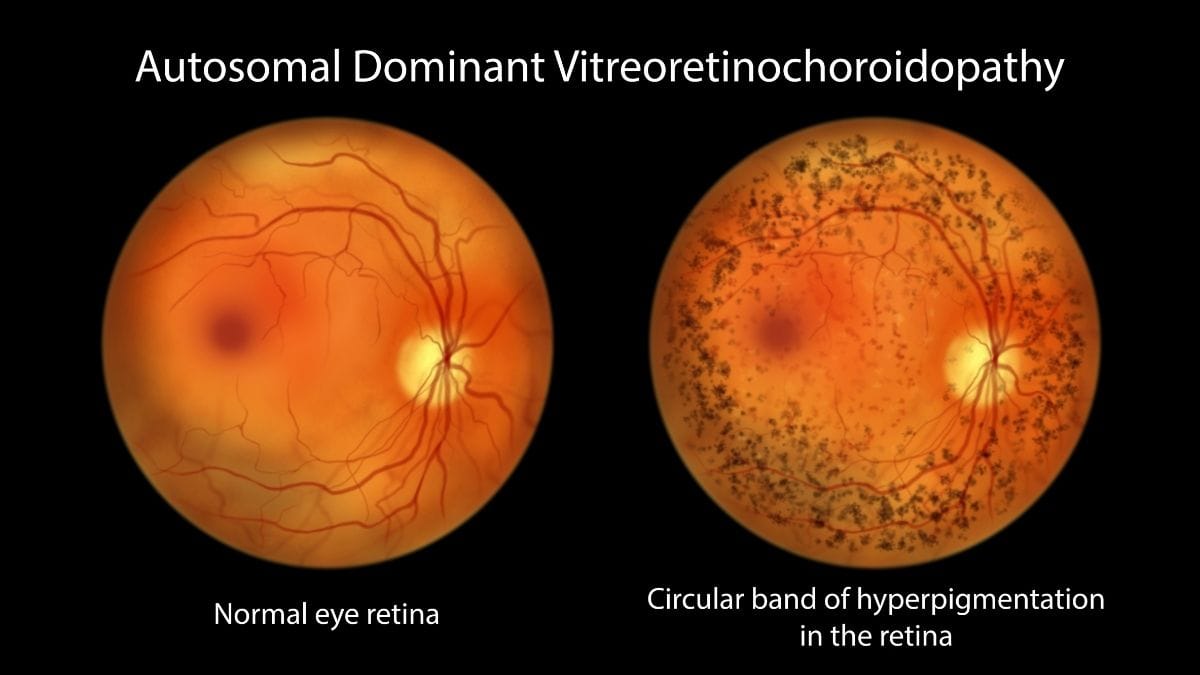
Around 20 million Americans 40 and older have it. 1.49 million have the advanced, vision-threatening version. Risk goes up sharply after 60. Smoking, high blood pressure, and a poor diet all make it worse.
Glaucoma damages your optic nerve — usually from rising pressure inside the eye.
Your side vision disappears first. That loss is permanent. About 4.22 million Americans have it, and nearly half don’t know. It’s called the “Silent Thief of Sight” for a real reason.
Cataracts cloud the lens slowly. Everything looks hazy, yellowed, or blurry — like frosted glass.
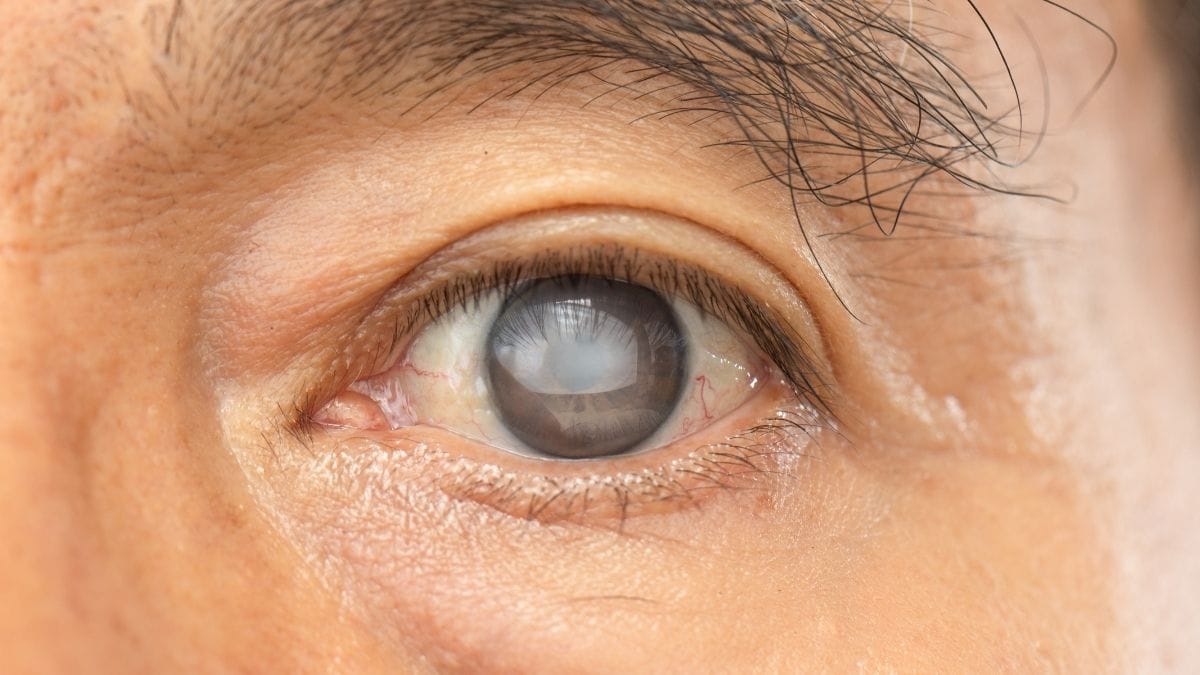
More than half of people over 80 have some degree of it. The good news: surgery works well when caught in time.
Diabetic Retinopathy destroys tiny blood vessels inside the eye.
1 in every 12 people with diabetes aged 40+ has the vision-threatening form. You feel nothing until serious damage is done.
The same truth runs through all four: catching them early changes everything.
5 Small Daily Changes That Actually Protect Your Eyes
You’ve probably been told to “eat better” a hundred times. That’s not helpful on its own. Here’s what the research actually says to do — and why it works.
1. Eat for your retina.
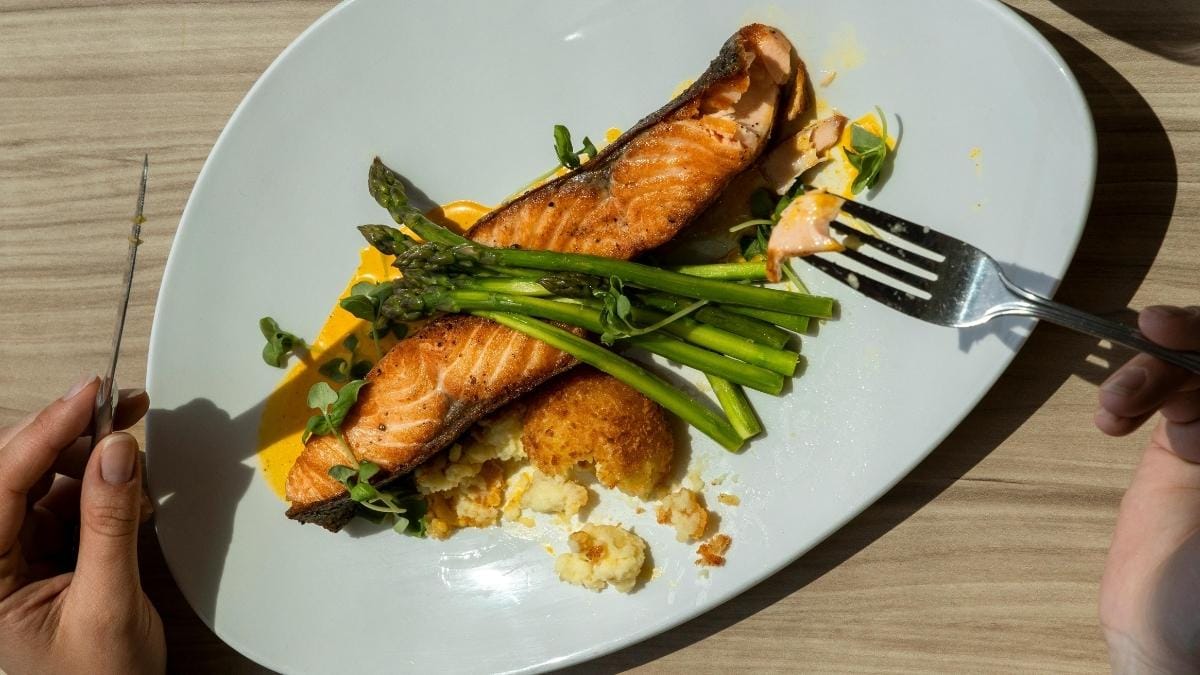
Kale, spinach, eggs, salmon, almonds, oranges, and red peppers all carry nutrients your eyes need — lutein, zeaxanthin, vitamins C and E, and zinc.
People who follow a Mediterranean-style diet rich in fish show a real reduction in AMD progression. (Source: American Academy of Ophthalmology)
2. Wear UV-blocking sunglasses every day.

UV light speeds up both cataracts and AMD. Get sunglasses that block 99–100% of UVA and UVB. Wear them on cloudy days too. Winter too. This is cheap protection that actually works.
3. Stop smoking.

Smoking doubles your AMD risk. It also increases your risk for cataracts and glaucoma. This isn’t a general health warning — it’s a direct, documented threat to your eyesight.
4. Control blood pressure and blood sugar.
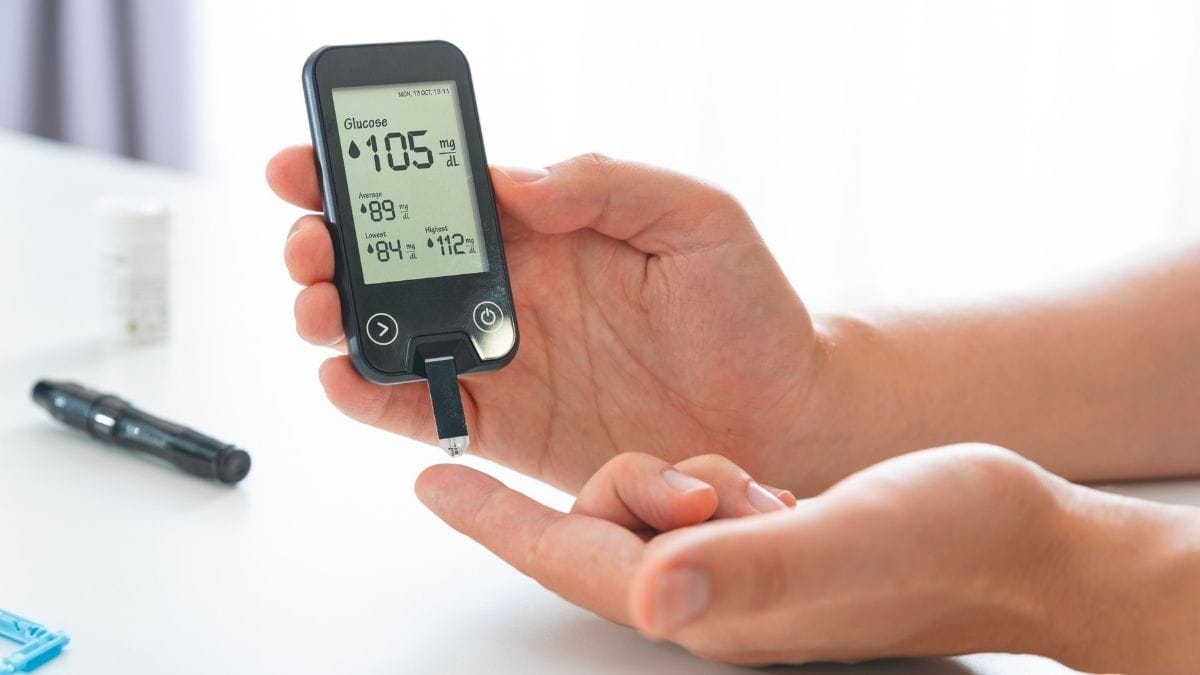
Both conditions destroy the tiny vessels inside your eyes. Managing them is vision protection — full stop.
5. Follow the 20-20-20 rule.
Every 20 minutes, look at something 20 feet away for 20 seconds. This cuts eye strain and helps with dry eyes, which get worse with age.
None of this requires a prescription. Most of it is free. It just requires doing it consistently.
How Often Should You See an Eye Doctor After 60?
Most people only go when something hurts. That logic doesn’t work for your eyes.
The American Optometric Association recommends a full eye exam every year for adults over 60. Not every few years — every year. Because most eye diseases develop silently, you won’t notice anything until the damage is advanced.
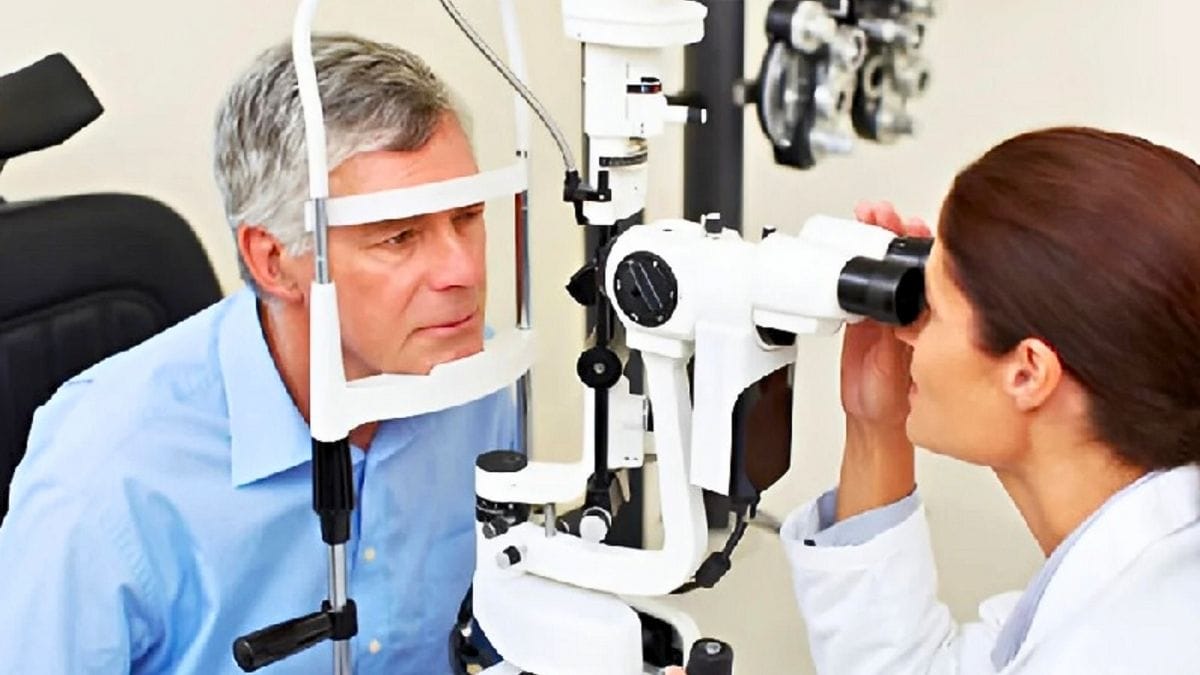
The National Institute on Aging is even clearer: everyone over 50 should get a dilated eye exam annually, even with good vision. If you have diabetes or high blood pressure, this is not optional.
A dilated exam is the only way a doctor can actually look inside your eye and catch problems early.
When you go, tell your doctor:
- Every medication you take (many affect vision)
- Any family history of glaucoma or macular degeneration
- Any new floaters, flashes, or trouble with night vision
And remember this: if you suddenly see a flood of new floaters, flashing lights, or a shadow spreading across your vision — don’t wait for an appointment. Go the same day. That can be a retinal detachment, and it is a genuine emergency.
At least half of people with glaucoma don’t know they have it. An annual exam is how you find out before the damage is done.
CONCLUSION:
Vision loss after 60 isn’t entirely inevitable. Some changes are normal. But the dangerous ones are preventable — or at least manageable — when caught early.
Eat for your eyes. Block UV light. Control your blood pressure. And book a dilated eye exam every year. That’s protecting your vision after 60 in the most honest, practical way possible.
Book your eye exam this week. Not next month — this week.