

Do you often feel tired, slow, or unfocused around 2 PM? This afternoon crash is very common. Many people think it happens because of food, sleep, or too much work. But there is another hidden reason: your “movement gap.”
A movement gap means long hours of sitting without enough physical activity. When your body stays still for too long, your blood flow slows down. Your brain gets less oxygen and energy. As a result, your focus drops, your mood changes, and you feel mentally drained.
This article will help you understand how this quiet habit affects your brain energy and what simple steps you can take to stay active, alert, and productive throughout the day.
What Is a Movement Gap?
A movement gap is the long period when your body stays still without any activity. It often happens when you sit for hours at a desk, use your phone, or watch screens.
Your body is designed to move many times during the day. When you stop moving, even for a few hours, your system slows down. Muscles become inactive, blood flow reduces, and your brain does not get the steady support it needs to stay sharp.
This gap is not always easy to notice, but it quietly affects your energy, focus, and overall performance.
Why the 2 PM Crash Happens
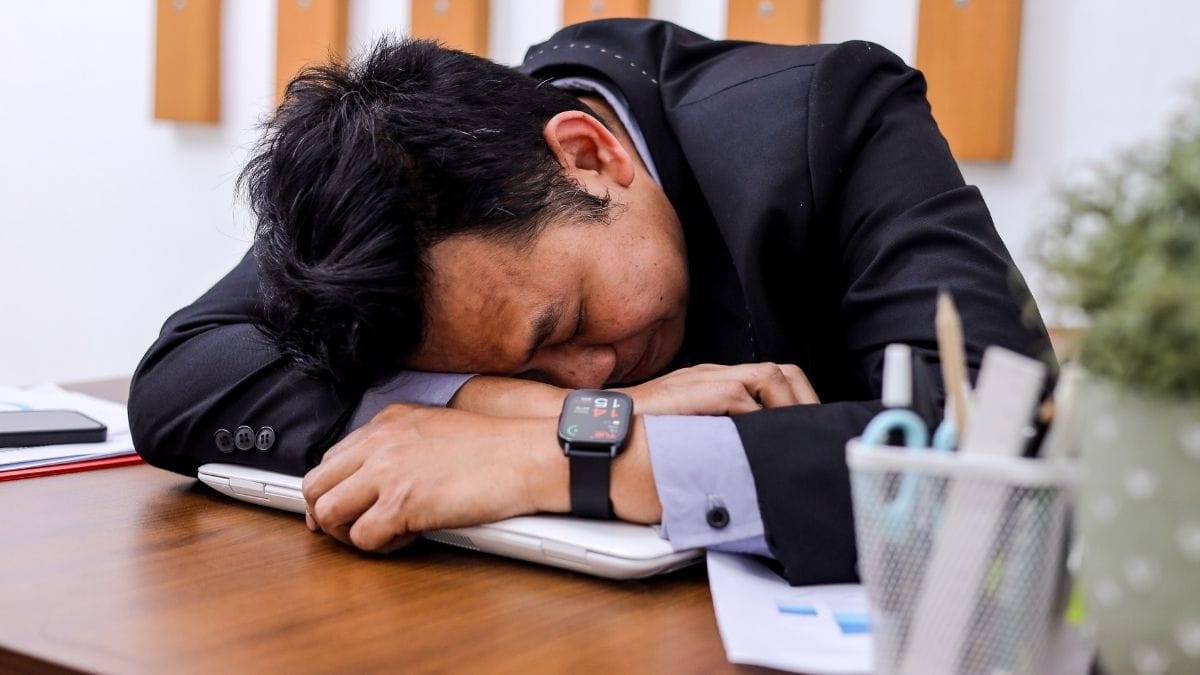
Many people feel a strong drop in energy in the afternoon. This is not only because of lunch or poor sleep. Lack of movement plays a major role.
When you sit for too long:
- Blood circulation becomes slower
- Oxygen supply to the brain decreases
- Blood sugar levels can become unstable
Because of this, your brain starts to feel tired. You may find it hard to concentrate, make decisions, or stay motivated. Your body feels heavy, and your mind becomes foggy.
This is the “2 PM crash” that many people experience every day.
How Sitting Too Much Drains Brain Energy
Your brain depends on a constant flow of oxygen and nutrients. Movement helps push blood through your body and up to your brain.
When you stop moving:
- Your heart rate stays low
- Your muscles do not help pump blood
- Your brain receives less fresh oxygen
This leads to:
- Slower thinking
- Lower alertness
- Reduced creativity
Over time, this habit can make your daily work feel harder, even if the tasks are simple.
Signs You Have a Movement Gap
You may not realize you have a movement gap, but your body gives clear signals.
Common signs include:
- Feeling sleepy in the afternoon
- Trouble focusing on simple tasks
- Low motivation to continue work
- Stiff neck, back, or shoulders
- Feeling tired even without heavy work
If you notice these signs often, your body may be asking for more movement.
Simple Ways to Break the Movement Gap
You do not need a gym or long workouts to fix this problem. Small and regular movements can make a big difference.
Here are easy steps you can follow:
- Stand up every 30 to 60 minutes
- Walk for 2 to 5 minutes
- Stretch your arms, neck, and legs
- Use stairs instead of elevators when possible
- Drink water and walk while doing it
These small actions help your body stay active and your brain stay alert.
Quick 5-Minute Energy Reset
When you feel the 2 PM crash, try this simple routine:
- Stand up and stretch your body
- Walk around your room or office
- Take slow, deep breaths
- Move your shoulders and neck gently
- Drink a glass of water
This short reset can quickly improve blood flow and bring fresh energy to your brain.
Building a Daily Movement Habit
The key is consistency, not intensity. You do not need to do everything at once. Start small and build a simple routine.
You can:
- Set a timer to remind you to move
- Pair movement with daily tasks (like calls or breaks)
- Keep your environment movement-friendly
Over time, these small habits become natural. Your body stays active, and your energy levels remain steady throughout the day.
Your Next Step:
The 2 PM crash is not just about food or sleep. It is often caused by a hidden movement gap. Sitting for long hours slows your body and quietly drains your brain energy.
The good news is that the solution is simple. By adding small, regular movements into your day, you can improve focus, boost energy, and feel more in control of your work.
Start with one small step today. Your brain and body will respond faster than you expect.