

ou’re eating yogurt every morning, spending money on probiotic supplements, and doing a gut cleanse every few months. And your energy is still terrible.
Here’s the uncomfortable truth: most popular gut health advice is not backed by science. A 2025 peer-reviewed paper in the journal Nutrients (MDPI) identified ten widespread misconceptions about the gut microbiome that people still believe today.
The gut health industry is worth over $50 billion globally, and much of what it sells is built on myths.
This article uses current research to separate fact from fiction. No hype, no marketing language. Just what the science actually says about your gut microbiome, your digestive health, and your energy levels.
By the end, you’ll know exactly what’s hurting your gut. And what to do about it.
Point 1- Any Probiotic Will Fix Your Gut
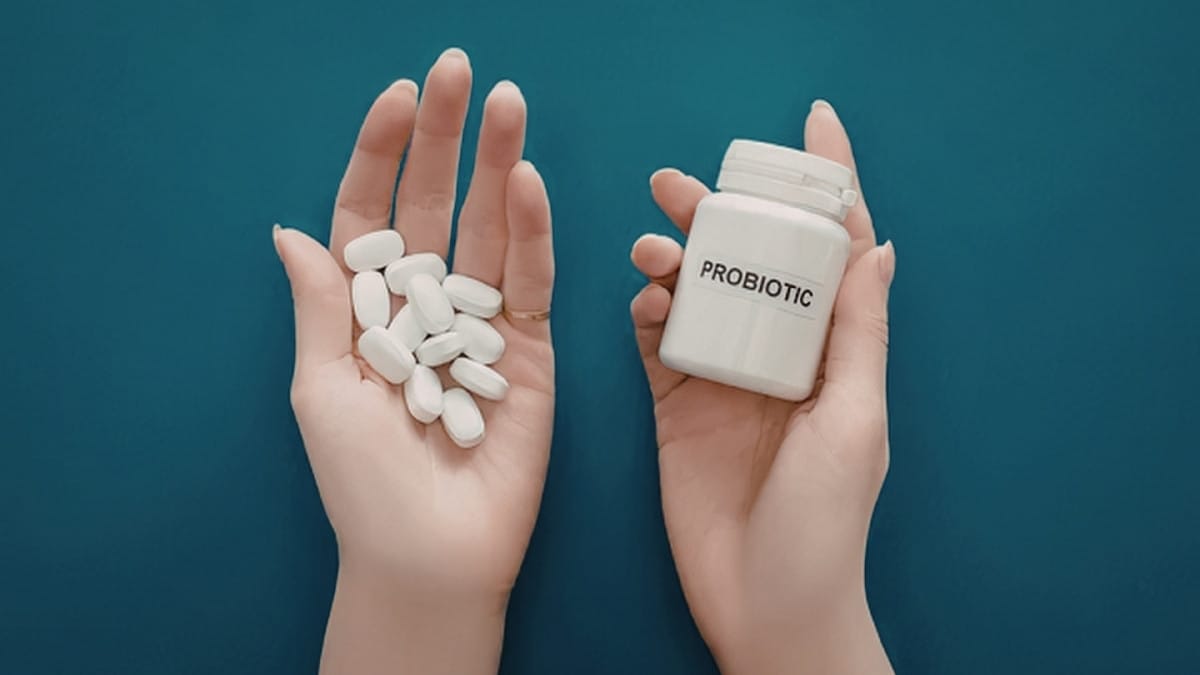
Walk into any pharmacy and you’ll see shelves full of probiotic supplements. Billions of CFUs. Dozens of strains. It all sounds powerful. But here’s the problem. Not all probiotic strains do the same thing. Each strain has a specific job, and taking the wrong one for your situation does very little.
A January 2026 systematic review published in BMC Medicine found that probiotic supplements do not produce statistically significant changes in gut microbiota diversity in healthy people. That’s a huge gap between what you’re sold and what science shows.
Dr. Neil Stollman, a gastroenterologist at UCSF, put it plainly in Scientific American: “The average person likely doesn’t need probiotics and is unlikely to benefit from them for day-to-day use.”
Probiotics do work, but for specific conditions. There’s solid evidence for antibiotic-associated diarrhea, IBS symptoms, and traveler’s diarrhea. Outside of that, results are mixed.
What to do instead: Look for a probiotic that lists the exact strain name (like Lactobacillus rhamnosus GG) and the condition it was studied for. Don’t buy based on the CFU count alone.
Two Tips:
- Check the label for a specific strain name, not just “probiotic blend”
- Ask your doctor or pharmacist which strain fits your specific digestive complaint
Point 2- Your Gut Needs Regular Detoxing

Detox teas, colon cleanses, juice fasts. They promise to flush out toxins and give your gut a fresh start. Sounds reasonable. But your body already has a detox system built in, and it runs 24 hours a day without any help from a $60 cleanse kit.
Your liver breaks down toxins and converts them into substances your body can safely remove. Your kidneys filter your blood constantly. Your intestines move waste out on their own schedule. These processes never stop. They don’t need a reset button.
Arnot Health (2025) confirms there is no scientific evidence that extra detox regimens improve health. In fact, many detox products cause real problems. Electrolyte imbalances, dehydration, and disruption to the gut microbiome you’re trying to protect.
Juice cleanses are especially misleading. Most are high in sugar and low in fiber. That’s the opposite of what your gut bacteria actually need to thrive.
What to do instead: Drink enough water. Eat 25 to 38 grams of fiber daily. Move your body. That’s your real gut reset.
Two Tips:
- Skip detox teas and spend that money on fiber-rich foods like lentils, oats, and apples
- Read the sugar content on any juice product before buying. Most have more sugar than a soda
Point 3- “Leaky Gut Syndrome” Is an Official Diagnosis
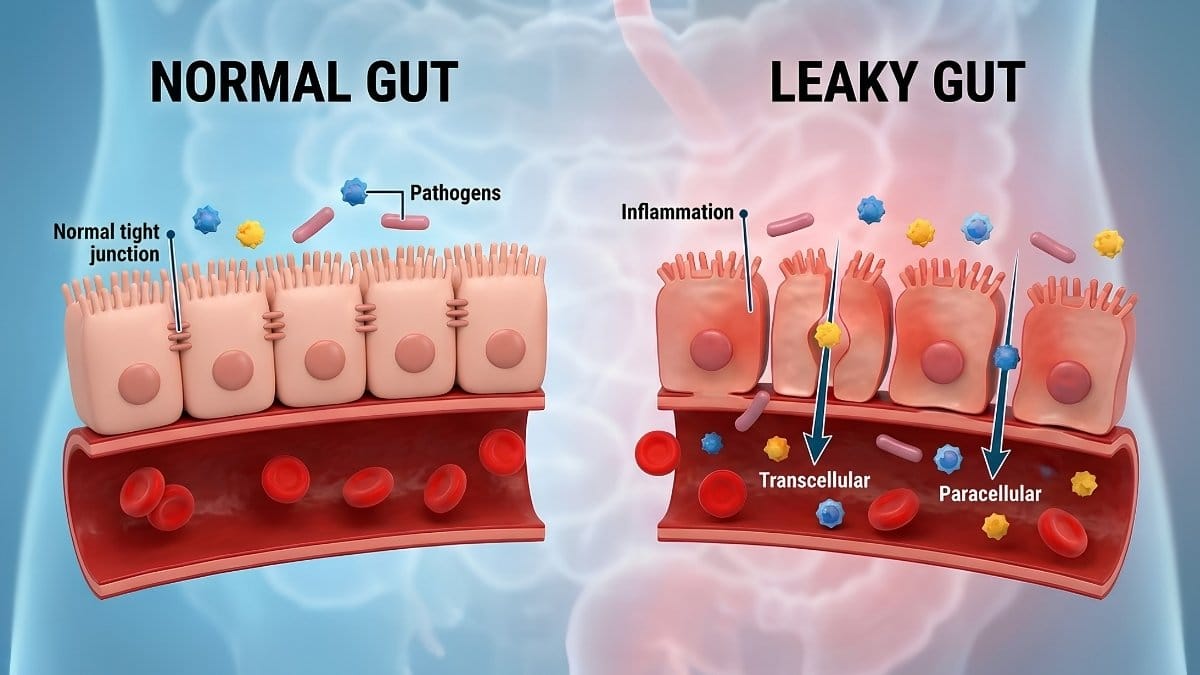
You’ve seen it everywhere online. Leaky gut is blamed for fatigue, skin issues, brain fog, weight gain, and more. But here’s what most wellness blogs won’t tell you. Leaky gut syndrome is not a formal medical diagnosis. No standard test exists to confirm it.
A 2024 paper in Gastroenterology and Hepatology by Dr. Brian E. Lacy found that patients being told they have leaky gut are often pushed toward expensive, unproven, and sometimes dangerous treatments. That’s a serious problem.
Intestinal permeability is a real biological thing. When the gut lining becomes inflamed, it can allow bacteria and toxins into the bloodstream. That is real. But the label “leaky gut syndrome” is not a recognized clinical diagnosis, and self-diagnosing from a TikTok video puts you at risk of wasting money and missing a real condition.
What to do instead: If you have chronic bloating, abdominal pain, or loose stools lasting more than two weeks, see a gastroenterologist. The symptoms are real. The label is not reliable.
Two Tips:
- Do not buy a home “leaky gut test kit” without a doctor’s recommendation. None are validated
- Keep a symptom diary for two weeks before your appointment to give your doctor useful information
Point 4- More Gut Bacteria Diversity Always Means Better Health
More diversity, better gut. It sounds logical. But science says it’s more complicated than that.
A 2025 peer-reviewed paper in Nutrients (MDPI) makes this clear: increased microbial diversity does not automatically mean better health. Diversity is context-dependent and varies a lot between individuals. What looks “diverse” in one person’s gut may be completely different in another healthy person’s gut.
In February 2026, a large international study led by the University of Cambridge identified a bacteria group called CAG-170 that showed up consistently in healthy people across 11,115 global samples. This shows we are still figuring out what a “healthy” microbiome actually looks like.
The Firmicutes/Bacteroidetes ratio, once promoted as a universal health marker, has also been discredited by current research. Composition and function matter more than a raw count of different bacteria.
What to do instead: Eat 30 or more different plant foods per week. This is backed by the American Gut Project and feeds a wide range of beneficial bacteria without needing to test your microbiome.
Two Tips:
- Count your plant variety, not just servings. A walnut, a blueberry, and a lentil each count separately
- Skip commercial microbiome tests unless a clinician specifically recommends one for your situation
Point 5- All Fermented Foods Deliver Probiotic Benefits

Kombucha, kimchi, kefir, yogurt. These foods are everywhere now. And yes, fermented foods can support gut health. But not all of them do what the label implies.
Here’s the issue. Many commercial yogurts are pasteurized after fermentation, which kills the live bacteria. Many kombucha drinks on store shelves are high in sugar and contain far fewer live cultures than advertised. There are no regulatory standards for how many live bacteria a fermented food product must contain, or whether those bacteria survive digestion at all.
Dr. Russell Havranek, MD, points this out clearly: not all fermented foods contain probiotics that benefit your health or survive the journey through your stomach acid.
That doesn’t mean you should avoid fermented foods. They are still a healthy addition to your diet. But they are not the same as a clinically studied probiotic supplement for a specific condition.
What to do instead: Look for labels that say “contains live and active cultures.” Choose plain kefir or kimchi over sweetened kombucha or flavored yogurts with added sugar.
Two Tips:
- Plain, unsweetened kefir has some of the strongest evidence for surviving digestion and supporting gut bacteria
- Check yogurt labels for the NSF or “Live and Active Cultures” seal before buying
Point 6- Gut Problems Only Show Up as Bloating or Stomach Pain

Most people only think about their gut when their stomach hurts. But your gut does far more than digest food. When it’s not working properly, the signs often show up far from your stomach.
Dr. Gretchen Evans, an interventional gastroenterologist at Banner Health, describes the digestive system as “the foundation of your energy.” When it isn’t working properly, you feel drained and fatigued, even if your stomach feels fine.
Here’s why. Gut bacteria produce B vitamins like B12, folate, and biotin. These vitamins power the Krebs cycle, which is the process your cells use to make energy. When your gut microbiome is off balance, your body can’t make or absorb these vitamins properly. Research from Medical Daily (2026) links microbiome imbalance to chronic low energy in up to a third of adults.
Your gut also connects directly to your brain through the vagus nerve. Imbalances in gut bacteria have been linked to anxiety, depression, and sleep problems.
What to do instead: If you have unexplained tiredness, mood swings, or brain fog, your gut is worth looking into. A simple food diary tracking meals and energy levels is a free starting point.
Two Tips:
- Track how you feel 2 to 3 hours after eating. Patterns often reveal problem foods
- Low B12 is easy to test for. Ask your doctor to check your levels at your next visit
Point 7- You Can “Reset” Your Gut in 3 Days
Social media loves a quick fix. “3-Day Gut Reset.” “7-Day Microbiome Cleanse.” These programs are everywhere, and they almost always overpromise.
Yes, your gut bacteria can shift within days of changing your diet. That part is true. But long-term balance and resilience take weeks to months to build. The 2025 gut microbiome research review from Gut Microbiota for Health found that longitudinal tracking is essential for understanding real diet-microbiome changes. A three-day program cannot show you that.
Conditions like IBS, post-antibiotic gut disruption, or chronic bloating need sustained, consistent effort. Not extreme short-term restriction that often makes things worse.
Think of it this way: fixing your gut in three days is like fixing ten years of poor sleep with one good night. It helps a little, but it doesn’t solve anything.
What to do instead: Give yourself a 4 to 8 week window of consistent dietary change. Track your fiber intake, sleep, and stress levels, not just what you eat.
Two Tips:
- Set a 30-day goal, not a 3-day one. Real gut changes need time to stick
- Use a free app like Cronometer to track fiber intake and spot gaps in your diet
Lastly
Your gut health directly affects your energy, mood, and digestion. Most of what is marketed to you is built on myths. Stop buying detoxes your body doesn’t need. Stop taking probiotics that don’t match your situation. Focus on fiber, sleep, plant variety, and consistency. That is what the science actually supports.