Nobody warns you that stress doesn’t always look like stress. Sometimes it looks like forgetting why you walked into a room. Or snapping at someone over nothing. Or sleeping eight hours and waking up just as tired.
Your body is trying to tell you something. And coffee isn’t the answer — it’s probably making things worse.
There are 7 herbal teas that researchers have actually studied in clinical trials — not just assumed were helpful because they smell nice. Some target the stress hormone cortisol directly.
One was shown in a 2025 university study to increase blood flow to the part of your brain responsible for focus and memory — after a single cup. This guide breaks all seven down in plain language: what each one does, why it works, and exactly when to drink it. No fluff. Just what you need to know.
Why Herbal Teas Actually Work (It’s Not Just Placebo)
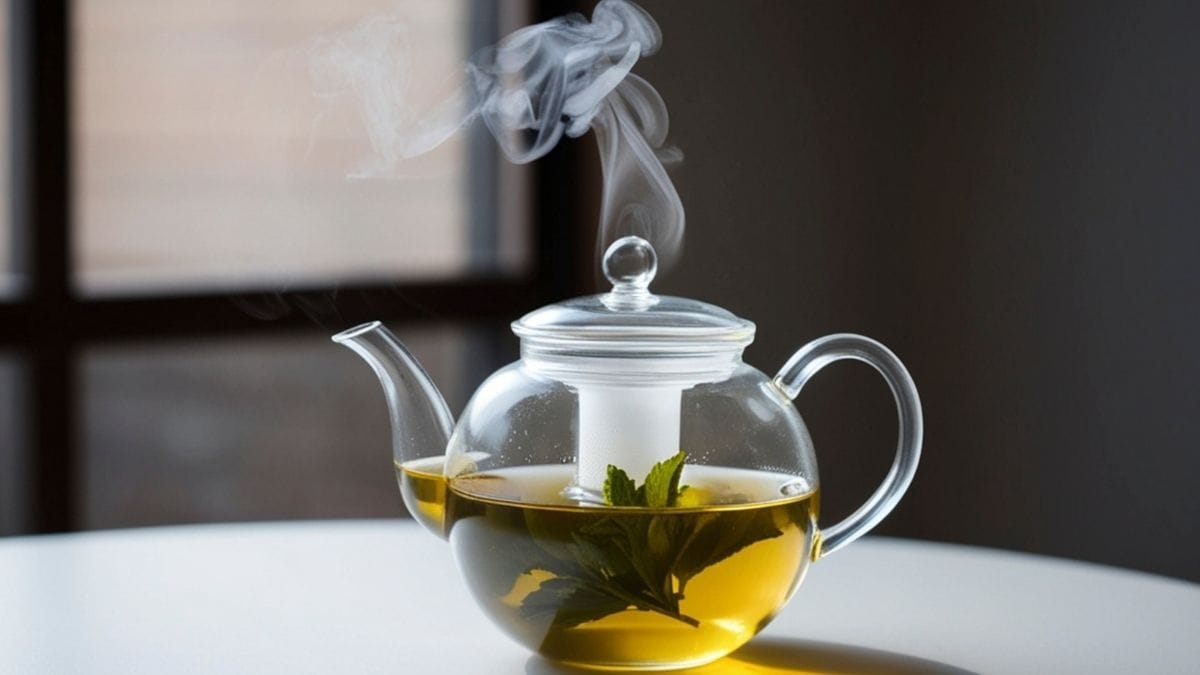
A lot of people think herbal tea is just a cozy habit with no real effect. The science says otherwise.
A 2024 review published in Food Science & Nutrition looked at herbal tea research spanning 1980 to 2024. It confirmed that these teas contain bioactive compounds with real measurable effects on the body.
A 2025 study in Scientific Reports also found that herbal teas are rich in polyphenols, which fight oxidative stress and support immune defense.
There are two types of herbs in this list. The first group — chamomile, lavender, and lemon balm — are called calming herbs. They bind to GABA receptors in the brain, the same receptors that anti-anxiety medications target, just in a much gentler way.
The second group — ashwagandha and tulsi — are adaptogens. They help your body regulate cortisol.
Knowing which type you need is half the battle.
1- Chamomile Tea — For Anxiety and Poor Sleep
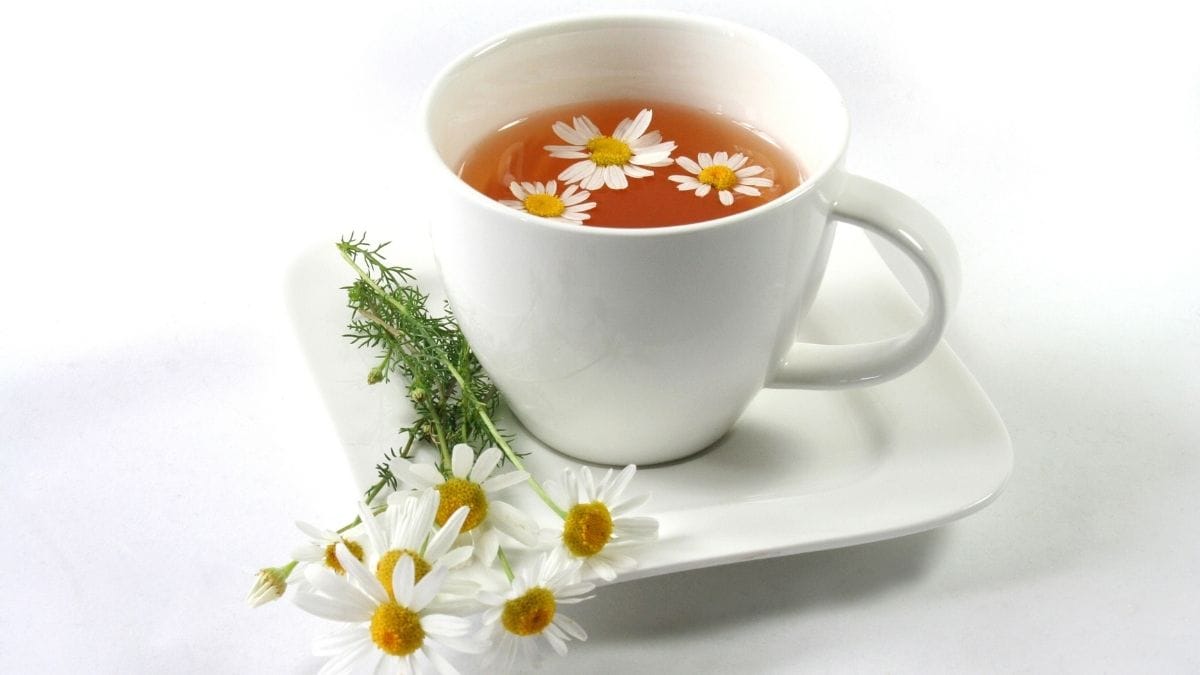
If you struggle to fall asleep or feel anxious for no clear reason, chamomile is the right place to start.
Chamomile contains a compound called apigenin. It binds to the same brain receptors as anti-anxiety medications — but in a mild, non-habit-forming way. Think of it as a gentle off switch for an overactive nervous system.
A 2024 systematic review published in Complementary Therapies in Medicine confirmed that chamomile consistently improves both sleep quality and anxiety scores across multiple clinical trials.
A separate study found that 400 mg of chamomile extract taken twice daily for just 4 weeks led to significant sleep improvements in elderly patients.
For daily tea use, 1–2 cups work well. Drink it 30 minutes before bed for the best sleep benefit.
One honest caution: chamomile belongs to the Asteraceae plant family. If you’re allergic to ragweed or daisies, speak to your doctor before making this a daily habit.
Bottom line: Chamomile is the most studied tea on this list for sleep and anxiety.
2- Peppermint Tea — For Focus and Sharp Thinking
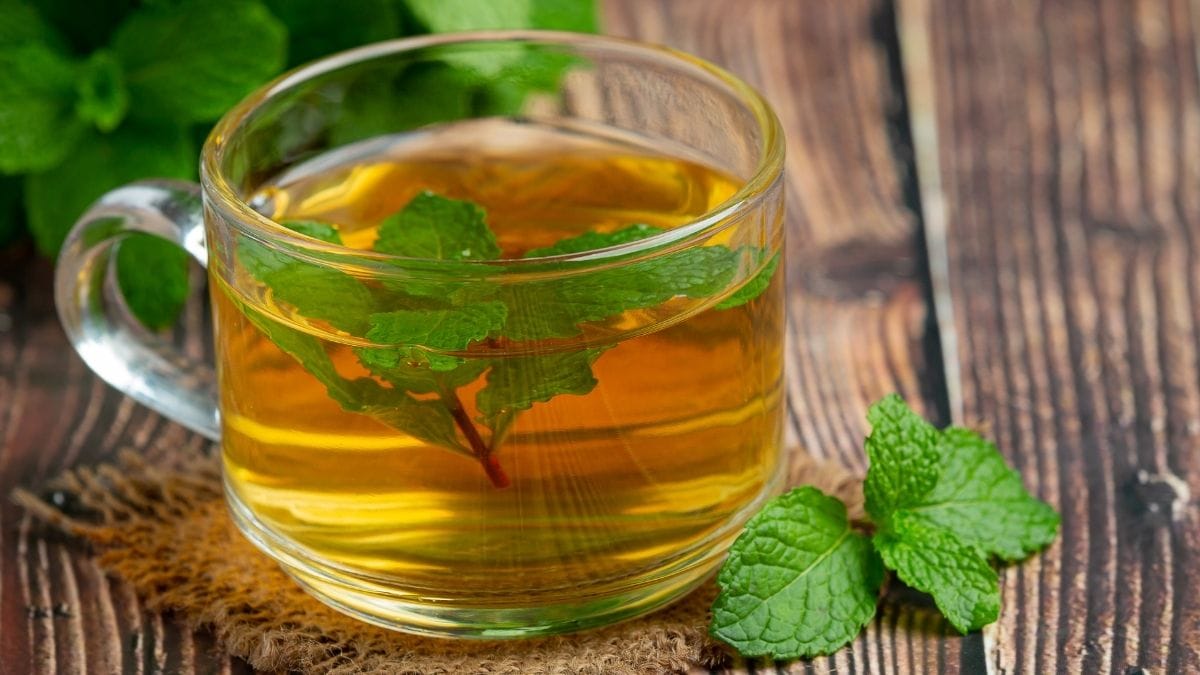
You’ve been staring at the same task for 20 minutes and nothing is happening. That’s where peppermint comes in.
In May 2025, researchers at Northumbria University published a randomized, placebo-controlled trial in Human Psychopharmacology.
They found that just one cup (200 ml) of peppermint tea improved memory and attention in healthy adults. This was a proper clinical trial — not a survey or a self-report study.
The same research showed increased blood flow to the prefrontal cortex, the part of your brain that handles focus and decision-making. The brain literally gets more oxygen and nutrients after one cup.
The active compound here is menthol. It influences neurotransmitter systems linked to thinking and attention. You don’t need a supplement — a brewed cup is enough.
Practical tip: brew peppermint for 5 to 7 minutes. Drink it in the morning or right before focused work. It’s caffeine-free, so no jitters.
Bottom line: Peppermint is your best caffeine-free option for an immediate mental boost.
3- Green Tea — Calm Energy Without the Crash
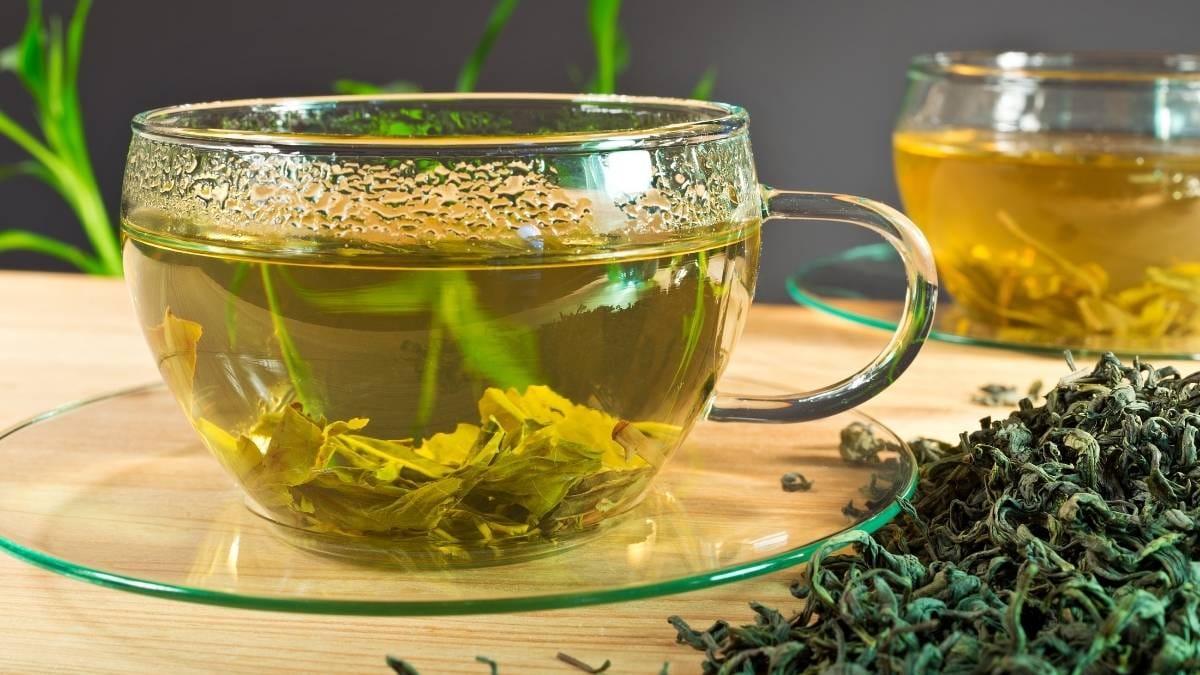
Green tea is different from everything else on this list. It contains caffeine, but it doesn’t hit you the same way coffee does. The reason is L-theanine.
A 2025 study in PLOS ONE found that green tea rapidly improved task performance, reduced mental fatigue, and helped young adults get into a flow state during mentally demanding work. It outperformed both water and no drink at all.
Here’s why: caffeine blocks the brain signal that makes you feel tired. L-theanine increases alpha brain wave activity, which creates a state of relaxed focus. Together, they work better than either one alone.
A 2025 review in Nutrition Research confirmed that L-theanine has strong evidence for reducing brain-related anxiety and supporting sustained attention.
If you want a stronger effect, choose matcha. It’s powdered green tea and contains higher amounts of both L-theanine and caffeine than a regular tea bag.
Bottom line: Green tea gives you real energy and focus without the crash or the jitters coffee causes.
4- Ginger Tea — Calm the Body from the Inside Out
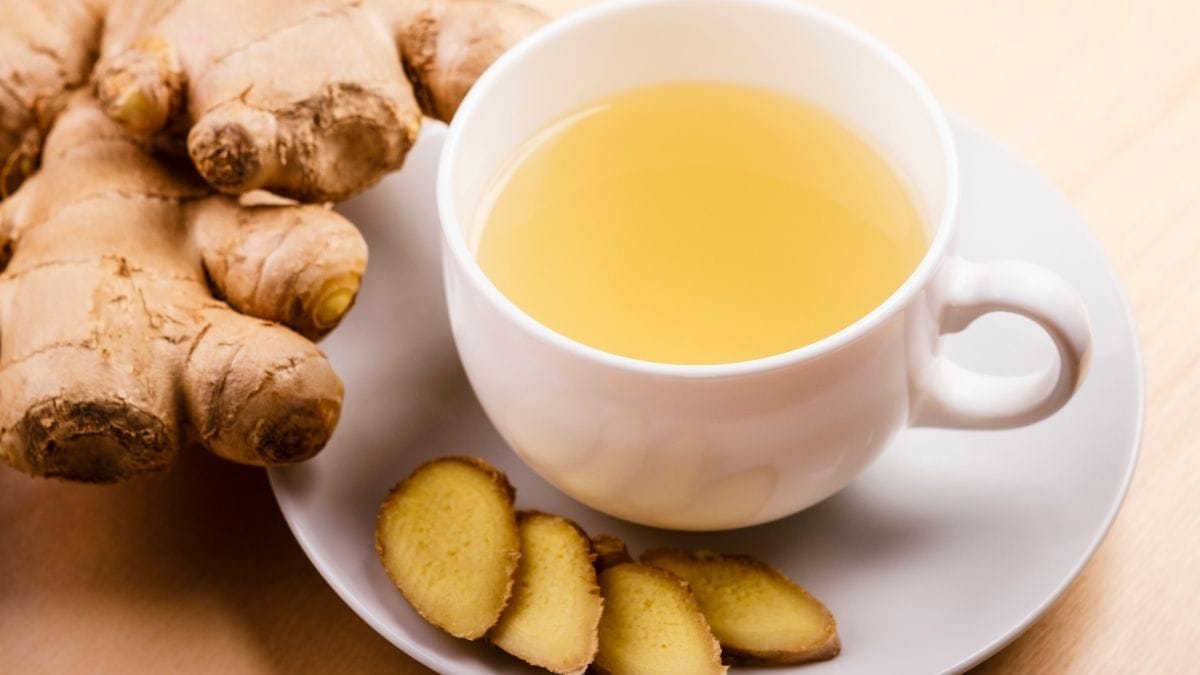
Ginger tea doesn’t calm your mind directly. It calms your body — and that matters more than people think.
A 2024 review published in Frontiers in Nutrition covered ginger studies from 2000 to 2024. It found that ginger’s active compounds — particularly 6-gingerol and 6-shogaol — block the same inflammation pathways that common pain medications target. And it does this with fewer gut side effects than NSAIDs.
A 2025 registered clinical trial (ISRCTN#74292348) published in Nutrients found that ginger supplementation reduced pain, improved physical function, and lowered inflammation markers in adults with mild to moderate joint and muscle pain after just 30 days.
When your gut is settled and your body isn’t sore, your stress response drops naturally. That’s the connection between ginger and calm.
How to make it: steep fresh ginger slices in hot water for 10 minutes. Add honey and lemon if you want. Drink it after meals for the best digestive benefit.
Bottom line: If physical discomfort is fueling your stress, ginger addresses the root cause.
5- Lemon Balm Tea — Turn Down the Mental Noise
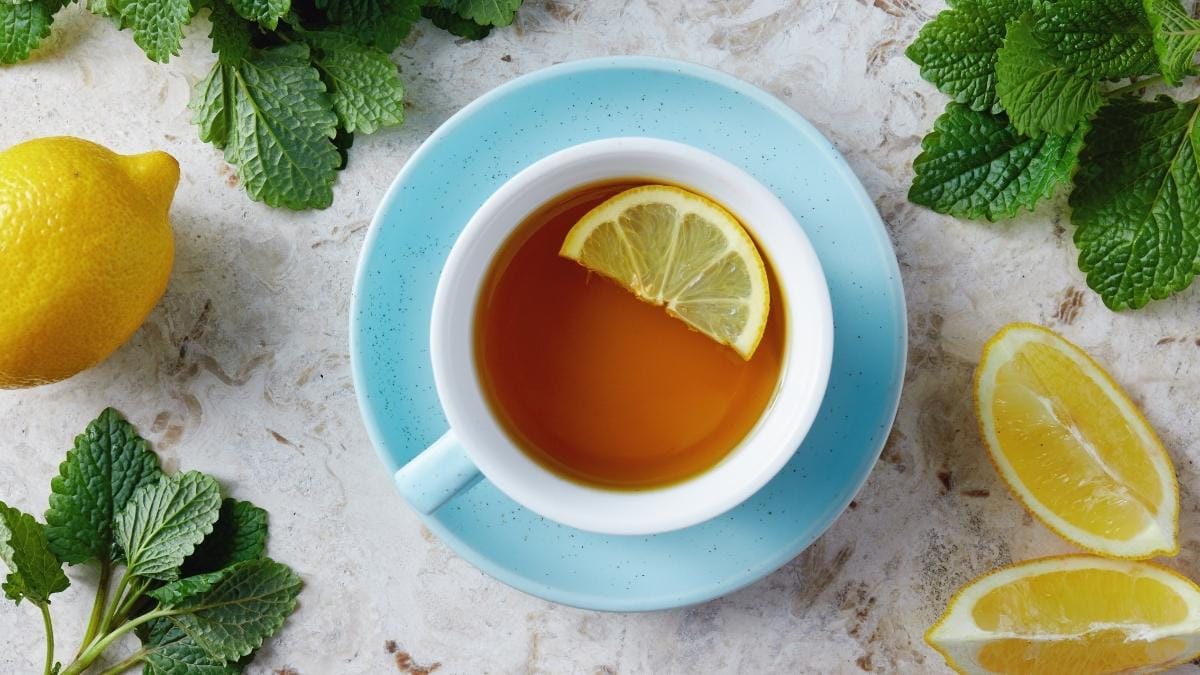
Some days your brain just won’t quiet down. Lemon balm is built for exactly that.
A 2024 meta-analysis covered 7 randomized controlled trials and found that lemon balm (Melissa officinalis) produced an 18% reduction in stress scores. It works by increasing GABA activity in the brain — reducing the overfiring signals that create restlessness and worry.
What makes lemon balm different from chamomile is timing. Chamomile is best at night. Lemon balm is suited for daytime use. You can drink it when things feel overwhelming but you still need to function and get things done.
The flavor is mild and naturally pleasant — a light lemony mint taste. Most people enjoy it without any sweetener.
Dose: 1 to 2 cups daily. It also combines well with lavender if you want a stronger calming effect in the evening.
Bottom line: Lemon balm is the best option on this list for daytime stress and mental scattered-ness.
6- Lavender Tea — Your Wind-Down Signal
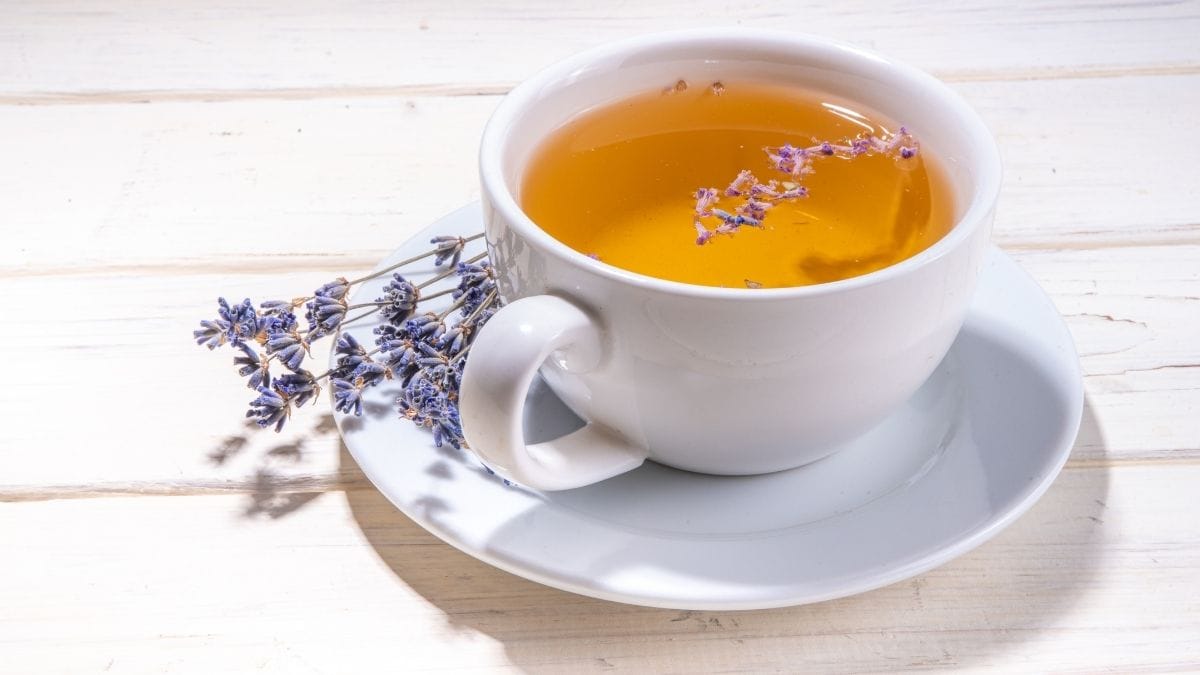
Lavender tea is not the most studied tea on this list. But the research it does have is solid enough to take seriously.
A 2024 clinical trial published in BMC Complementary Medicine and Therapies found that lavender reduced anxiety and improved heart rate measurements in cardiac patients — showing it creates real physiological changes, not just a mood shift.
The honest truth: most strong lavender research is from aromatherapy, not from drinking the tea. But regular tea drinking still delivers aromatic compounds through steam and taste, and many people report consistent relaxation effects.
Lavender works best as a bedtime ritual. Drink it 30 minutes before sleep, away from screens, as part of a quiet wind-down routine. The effect builds when the habit is consistent.
One caution worth noting: lavender can interact with sedative medications. If you take sleep aids or anti-anxiety prescriptions, check with your doctor before adding lavender tea daily.
Bottom line: Lavender is most effective as a consistent nighttime habit, not a one-time fix.
7- Ashwagandha Tea — Long-Term Stress Protection
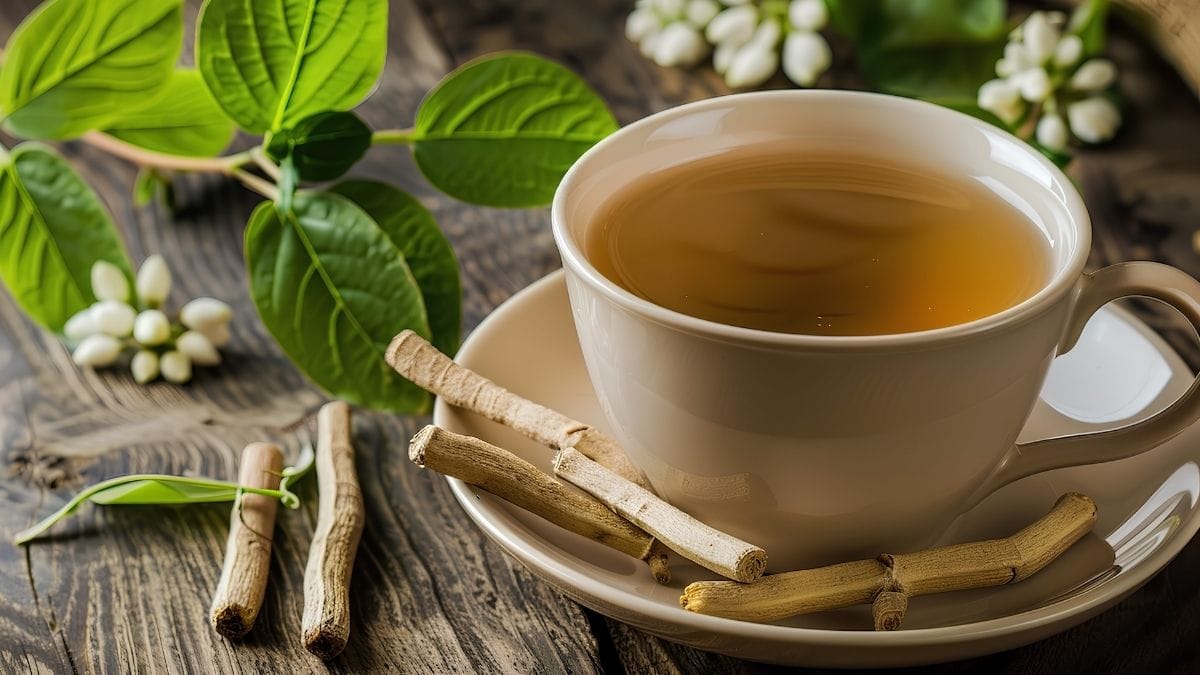
The first six teas on this list work in the short term. Ashwagandha plays a longer game.
A study published in the Indian Journal of Medical Research found that taking 300 mg of ashwagandha extract twice daily led to a 27.9% drop in serum cortisol levels compared to a placebo group.
Cortisol is the main stress hormone. When it stays high for too long, it damages sleep, immunity, focus, and mood.
A 2025 systematic review and meta-analysis looked at 7 RCTs involving 488 people and confirmed that ashwagandha significantly reduces measured cortisol levels. That’s biological evidence — not just people saying they “feel less stressed.”
Be honest with yourself about expectations here. Ashwagandha tea bags contain lower doses than the capsules used in studies. The effects are real but subtle, and they build over weeks — not days.
Best use: 1 to 2 cups daily. Do not take if you’re pregnant or on thyroid medication without first asking your doctor.
Bottom line: Ashwagandha is the only tea on this list targeting your stress hormone directly, over time.
Quick Guide — When to Drink Each Tea
| Tea | Best Time | Best For |
|---|---|---|
| Green Tea | Morning | Calm energy + focus |
| Peppermint | Mid-morning | Attention + memory |
| Ginger | After meals | Digestion + body calm |
| Lemon Balm | Afternoon | Stress + mental quiet |
| Ashwagandha | Anytime daily | Long-term cortisol control |
| Chamomile | Evening | Anxiety + sleep |
| Lavender | Bedtime | Deep relaxation |
As a Conclusion:
Go back to the quick guide table in this article. Find your biggest struggle — sleep, focus, or stress. Write down that one tea. Buy it this week, not someday. Drink it at the time the table recommends, not randomly.
Give it 14 days before you judge it. One tea, one problem, two weeks. That’s a real experiment. And real experiments give you real answers.