
![Constipation Relief Foods: Top [5 Items] to Instantly Clear Your Stomach](https://wobblewink.com/wp-content/uploads/Untitled-design-2025-11-03T214805.176.jpg)
Constipation is more common than most people admit. According to Cleveland Clinic, more than half of adults deal with it from time to time.
The good news? You don’t always need pills or harsh cleanses. There are constipation relief foods that are proven to work, and they’re easy to add to your day.
This article will show you 5 foods that help you poop fast, how much to eat, the best time to eat them, and simple safety tips. These are real natural laxative foods, backed by research—not internet myths.
Prunes — The Most Clinically Proven for Constipation Relief Foods
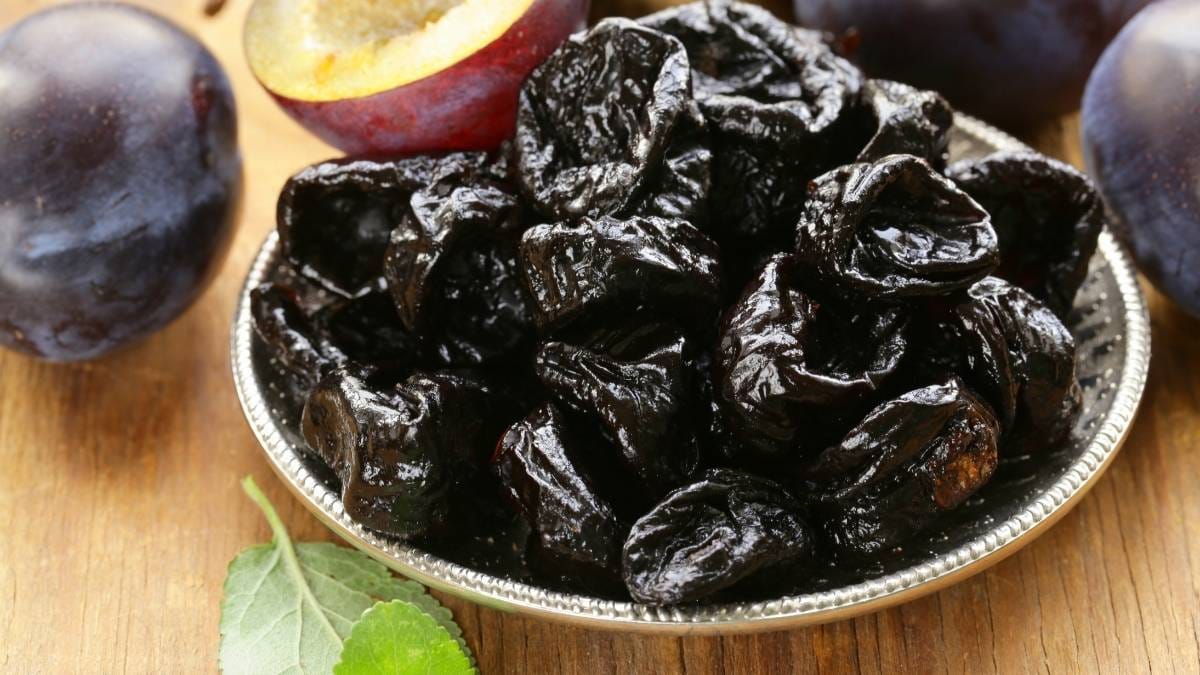
If you’re tired of feeling stuck and bloated, prunes are one of the few natural laxative foods that are backed by real science. They’re not just a “grandma remedy.” They work because prunes contain fiber plus sorbitol, a natural sugar alcohol that pulls water into your intestines and makes stool easier to pass.
Prunes contain 6.1g of fiber per ½ cup (USDA 2024).
They also contain 14.7g of sorbitol per 100g (NIH data).
That combo is why doctors recommend them instead of overusing laxatives. A 2024 study in the American Journal of Clinical Nutrition found that eating 50g of prunes a day (about 4–6 prunes) improved stool frequency and softness in just 7 days.
How Much to Eat for Fast Relief
- 4–6 prunes a day is enough for most people.
- You don’t need a full bowl. More is not better (can cause cramping).
- Drink water with them — hydration makes the fiber work faster.

Best Ways to Eat Them
- Eat prunes with warm water in the morning.
- Soak prunes overnight to soften them and make digestion easier.
- Blend into smoothies if you don’t like the texture.
One Important Warning
Prunes are high in natural sugar. People with diabetes should talk to a doctor before eating them daily.
If you’re looking for a quick, proven fix, prunes are one of the safest foods to start with. They work naturally, they’re easy to find, and they’re backed by real data — not random health claims.
Kiwi — The Digestive “Activator” Fruit Doctors Recommend
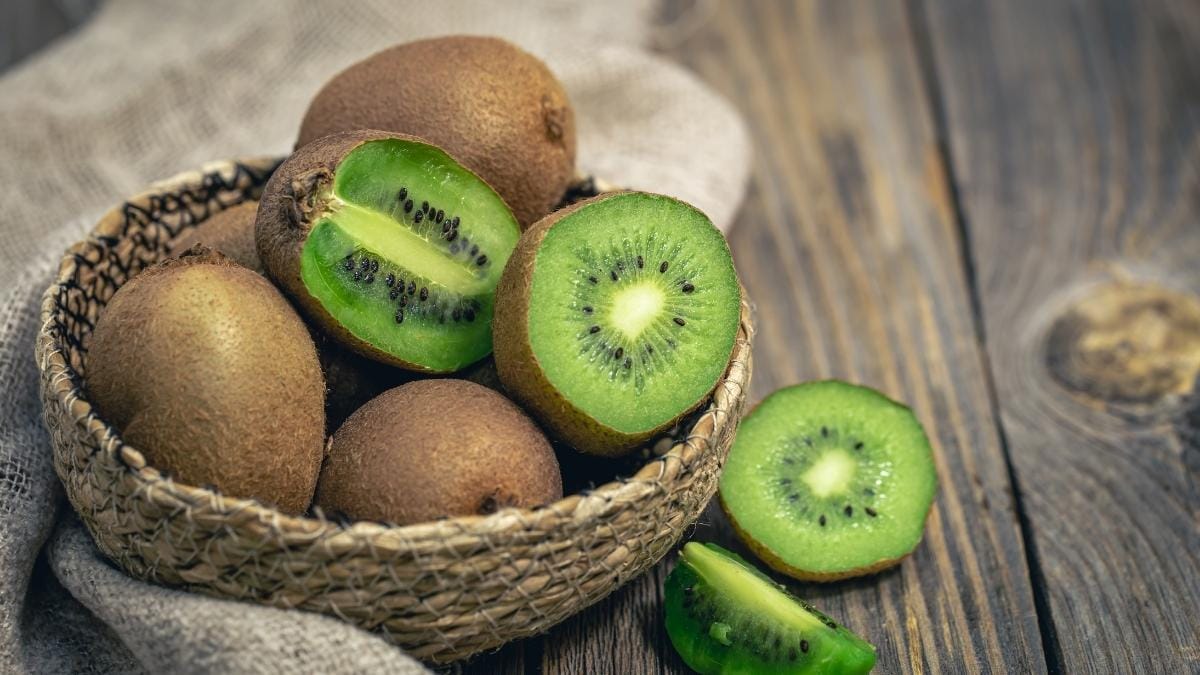
If prunes feel too heavy or sugary for you, kiwi is a lighter option that still works fast. Many people don’t know this, but kiwi has a special enzyme called actinidin. This enzyme helps break down food in the stomach and speeds up digestion, which is why kiwi is one of the foods that help you poop fast without bloating.
A 2023 study in the journal Gut found that eating 2 kiwis a day improved bowel movements in just 3–5 days.
A New Zealand study showed kiwi increased stool softness by 33% compared to a fiber supplement like psyllium.
That means kiwi doesn’t just add fiber — it actually helps the gut move better.
Why Kiwi Works So Well
- Contains fiber + actinidin, so food moves through the gut faster
- Helps soften stool naturally
- Works even when other foods feel too heavy
- More gentle on the stomach than prunes or bran
Safe for IBS and Sensitive Stomachs
Many fruits can trigger gas, but kiwi is low FODMAP — approved by Monash University (2024). This makes it one of the few fruits safe for people with IBS or chronic bloating.
How to Use It for Constipation Relief foods
- Eat 2 kiwis a day, with or without skin (skin has extra fiber)
- Best time: morning or before bed
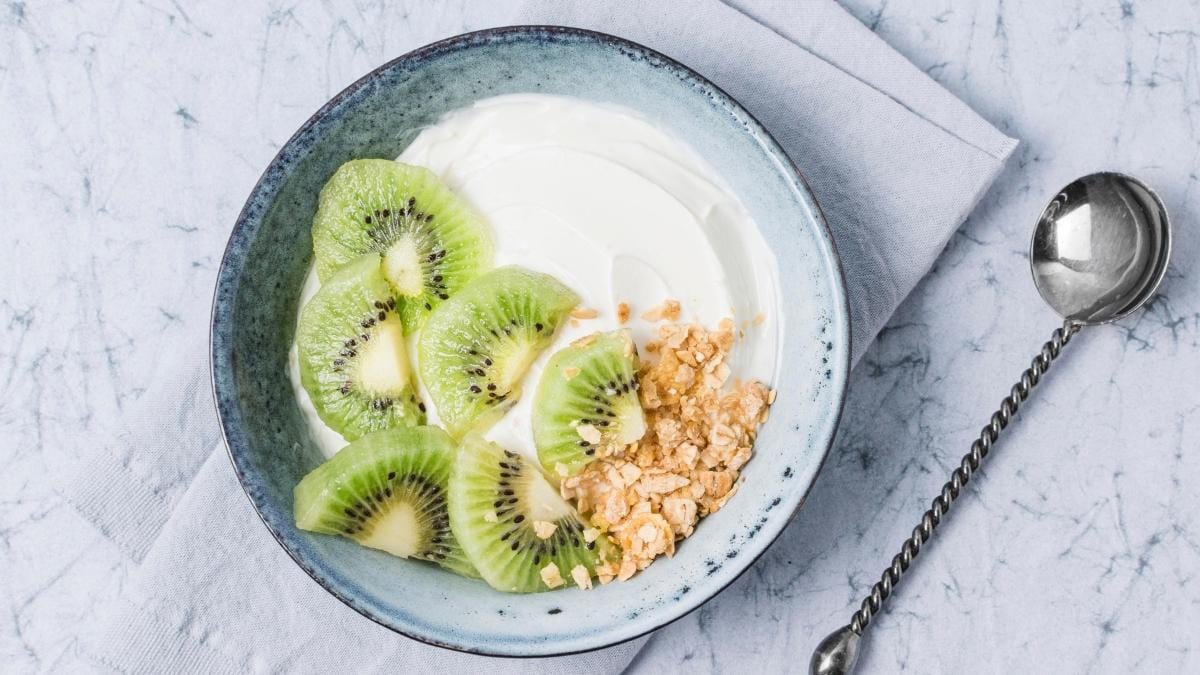
- Add to yogurt, oatmeal, or eat whole
Oatmeal — The Best Morning Meal for Stool Bulk + Movement
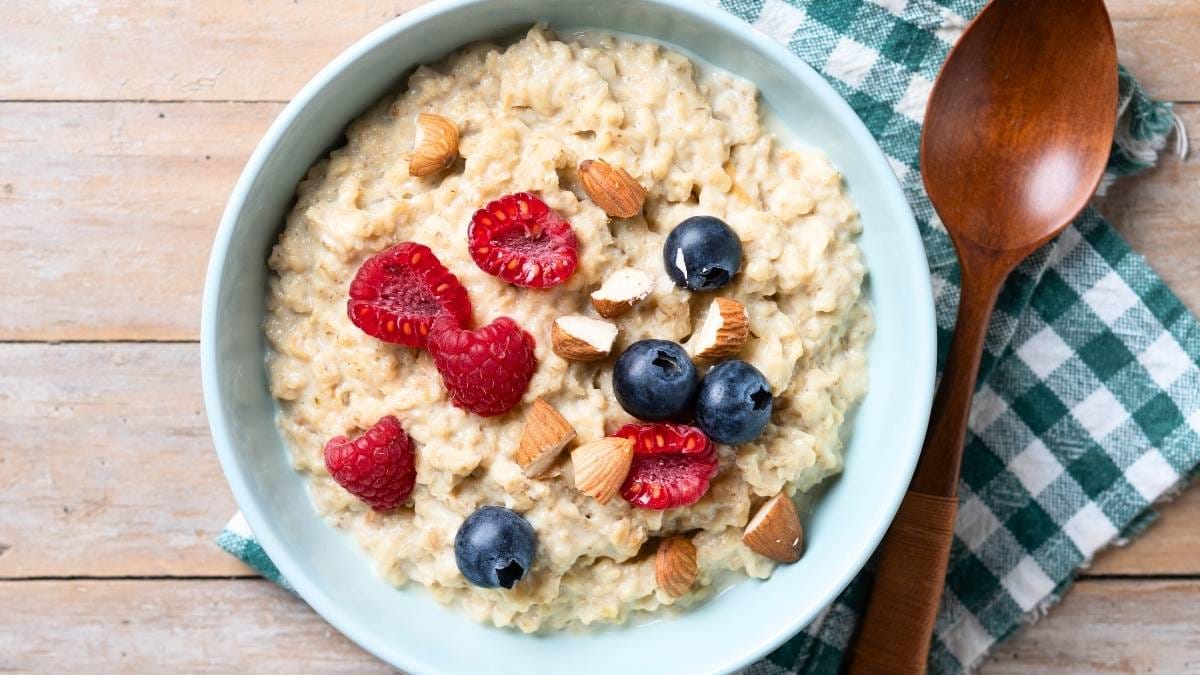
If your bowels feel slow in the morning, oatmeal is one of the easiest fixes you can start tomorrow. It works because oats are rich in beta-glucan, a type of soluble fiber that pulls water into your stool and makes it softer and easier to pass. This is different from “rough” fiber like bran, which can feel too harsh for some people.
One cup of cooked oatmeal gives about 4g of fiber.
Harvard Health reports that eating 25–30g of fiber a day can cut constipation risk by 40% (2024).
So even a single bowl in the morning helps you get closer to that fiber target.
Why Oatmeal Works for Constipation
- Soluble fiber → forms a gel in the gut
- Adds bulk without gas or cramping
- Helps move stool along instead of drying it out
- Gentle for kids, seniors, and sensitive stomachs
The Best Way to Eat Oatmeal for Relief
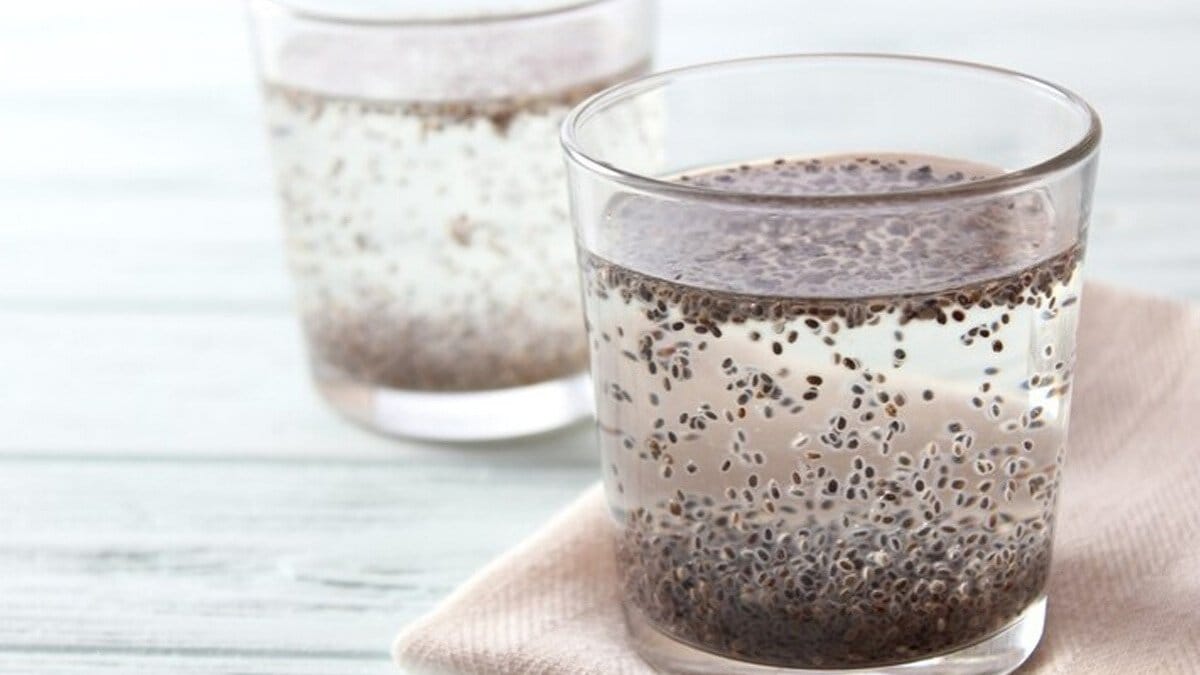
The real magic happens when you pair oatmeal with chia seeds and warm water.
- 1 cup cooked oatmeal
- 1 tbsp chia seeds (adds 5g extra fiber)
- Warm water or tea on the side
This combo helps push waste through the intestines instead of letting it sit.
When to Eat It
- Best time: breakfast, before coffee
- Works even better when eaten daily for 3–5 days
- Avoid instant oatmeal with added sugar — it slows digestion
If you want a high fiber breakfast that’s quick, cheap, and proven, oatmeal is one of the simplest habits to start for long-term constipation relief.
Chia Seeds — Tiny Seeds With 10x Their Weight in Water
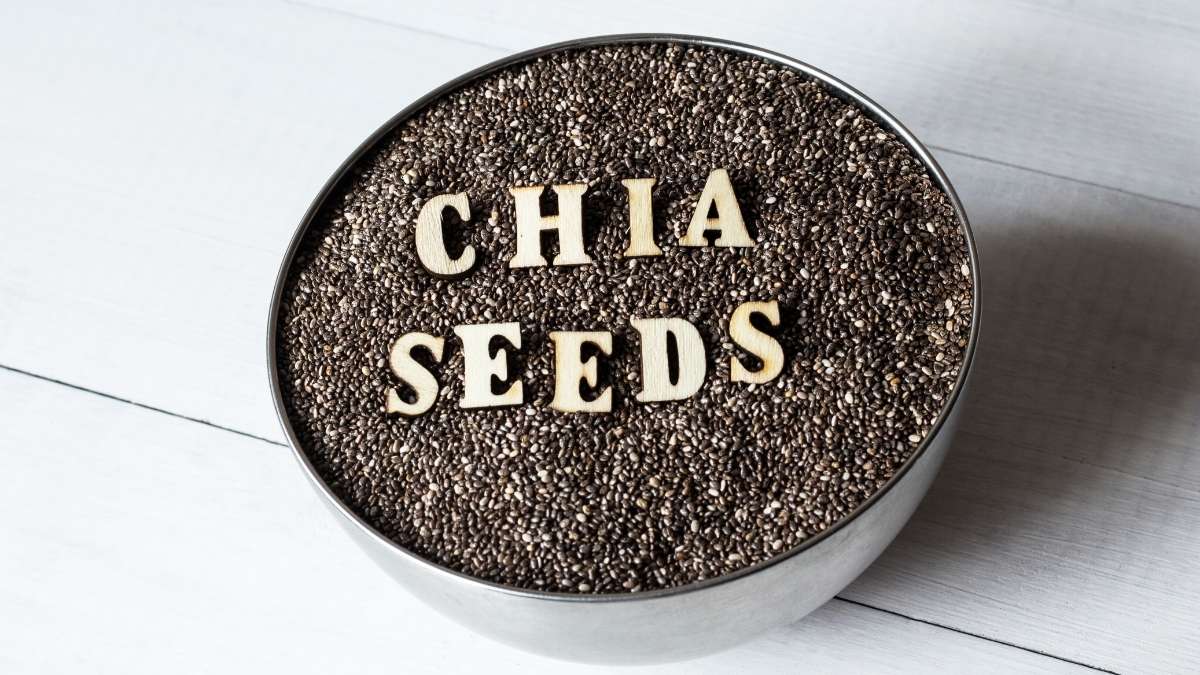
If you feel dry, backed up, and nothing seems to “move,” chia seeds are one of the quickest ways to add moisture back into your stool. These seeds can absorb up to 10 times their weight in water, which helps create a natural gel inside your gut. That gel softens stool and makes it easier to pass without cramping.
Just 1 tablespoon of chia seeds contains about 5.5g of fiber (USDA 2024).
But chia only works if you mix it with enough water. Eating dry chia can actually make constipation worse.
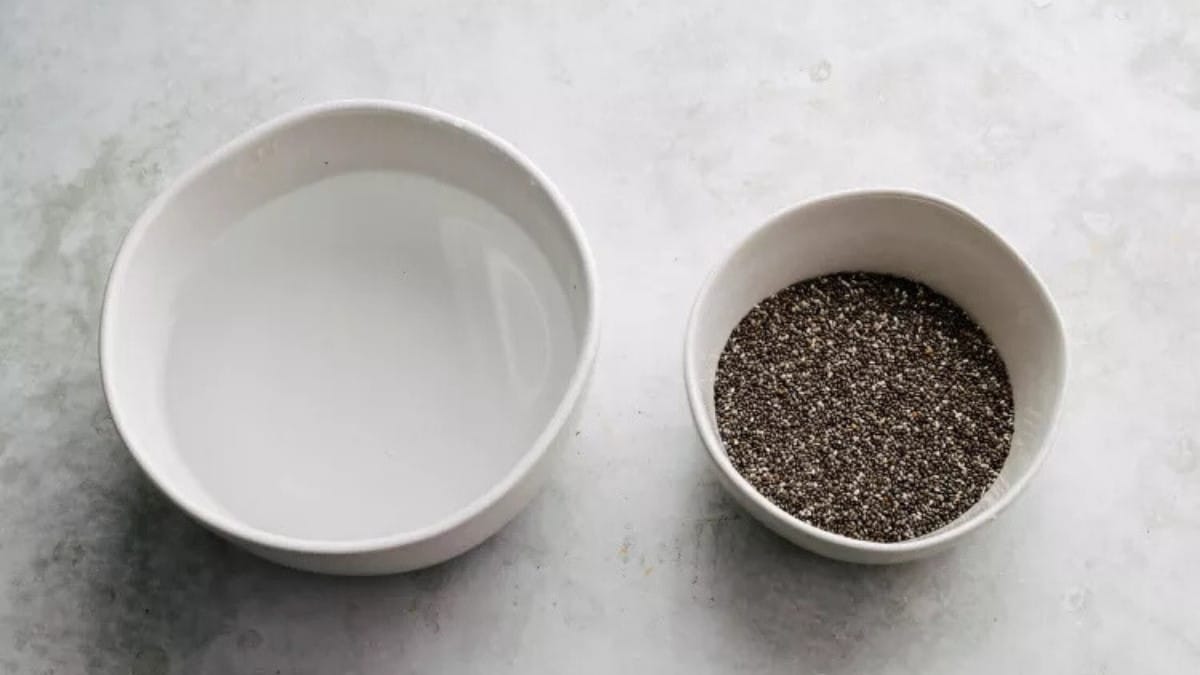
Why Chia Helps Constipation
- Swells in the stomach → adds bulk and moisture
- Gives both soluble + insoluble fiber
- Works for people who can’t handle heavy bran or wheat fiber
- Easy to add to any meal — no cooking needed
Best Ways to Use Chia Seeds
- Chia water
- Chia overnight oats
- Chia + yogurt + fruit
- Blended into smoothies
Quick How-To Drink
1 tbsp chia + 1 cup warm water + fresh lemon.
Stir. Wait 10 minutes. Drink.
Do this in the morning or before bed for gentle relief.
Kefir — Fermented Drink That Restores Gut Motility
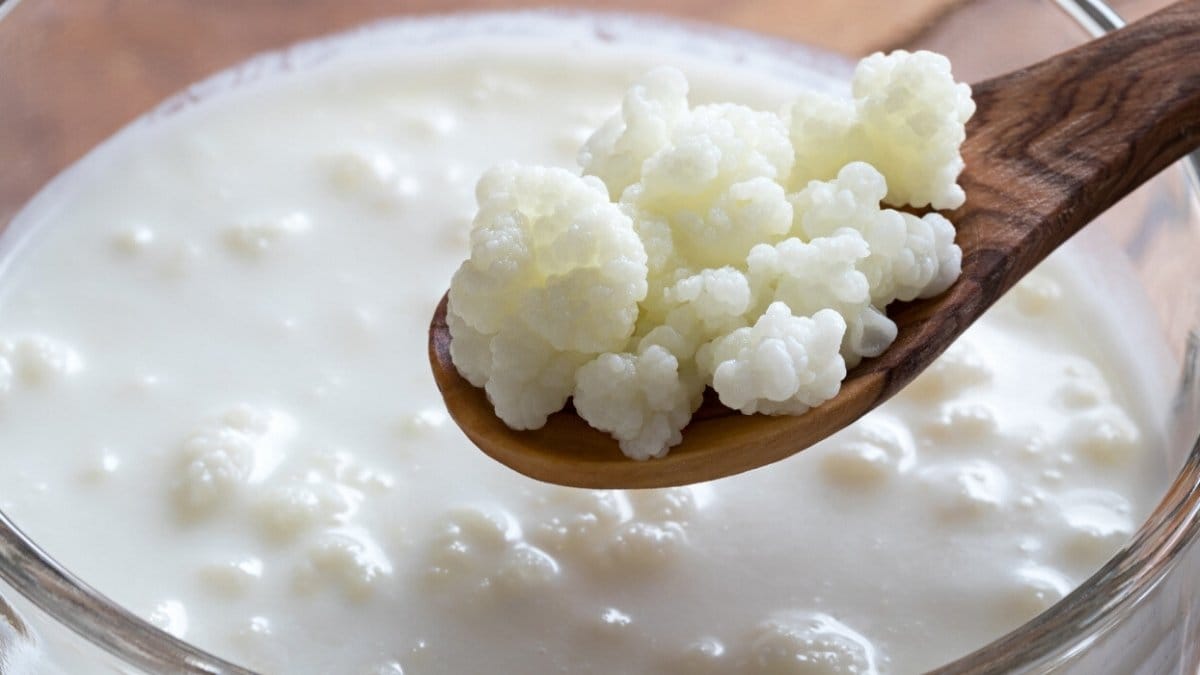
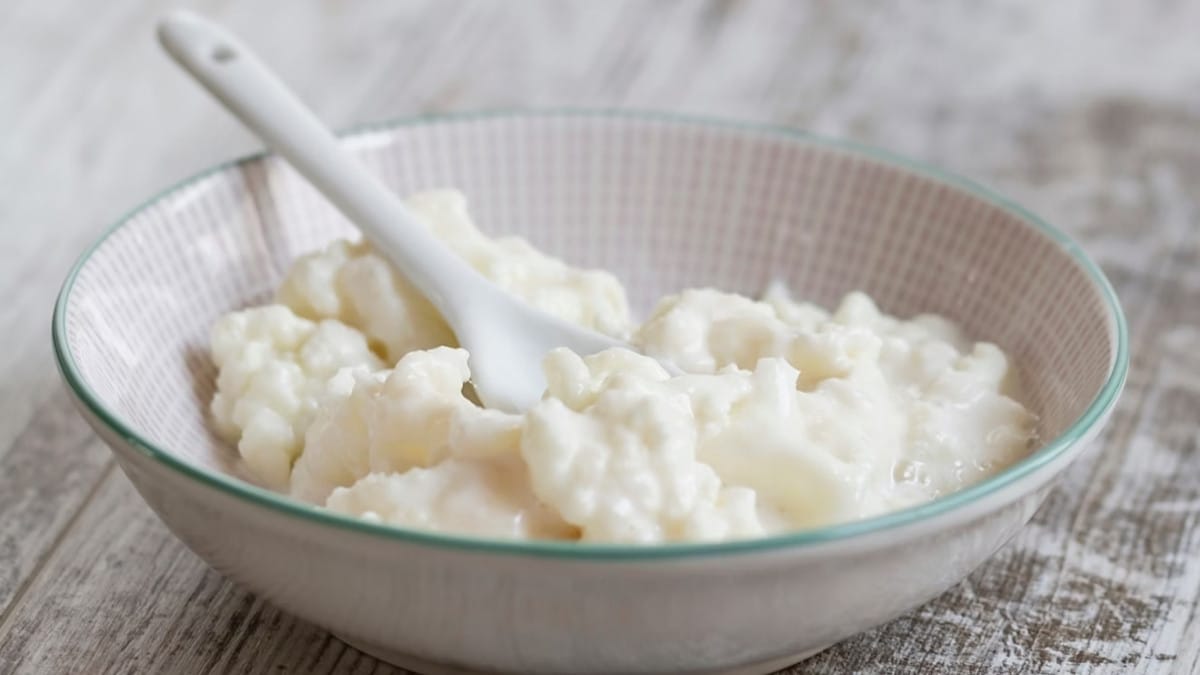
If your constipation is linked to slow digestion or gut imbalance, kefir may work better for you than fiber alone. Kefir is a fermented milk drink that contains 12+ probiotic strains, which help improve bowel movement speed and stool softness by balancing gut bacteria.
A 2024 Cleveland Clinic review confirms that probiotic foods can increase stool frequency in many adults.
A 2023 study in the Journal of Dairy Science found that drinking 150ml of kefir daily improved bowel regularity in just 2 weeks.
That means kefir doesn’t just “add fiber” — it helps your intestines move the way they should.
Why Kefir Works Better Than Yogurt
- Yogurt has 2–3 probiotic strains
- Kefir has 12+ strains plus yeast cultures
- Kefir is liquid, so it passes through the gut faster
- Helps with both constipation and bloating
How to Use Kefir for Constipation Relief
- Drink ½ cup to 1 cup a day
- Best time: morning or bedtime
- Choose unsweetened, low-fat kefir for best results
- Can blend with fruit, oats, or drink plain
Note Before You Start
Some people may feel mild gas for the first few days. That’s normal while the gut adjusts.
If you want a probiotic foods for constipation option that actually changes gut function—not just adds fiber—kefir is one of the strongest kefir for gut health choices backed by real studies.
Final Thought:
All the foods in this list are backed by real studies and you can find them in any grocery store. You don’t need to rely on pills every time you feel blocked. Food can help your body work the way it should.
Here’s a simple next step: pick ONE food from the list and eat or drink it every day for the next 3 days. Notice how your body responds. Small changes can lead to real relief.
These constipation relief foods are some of the best foods for digestion—and they’re easy to start today.