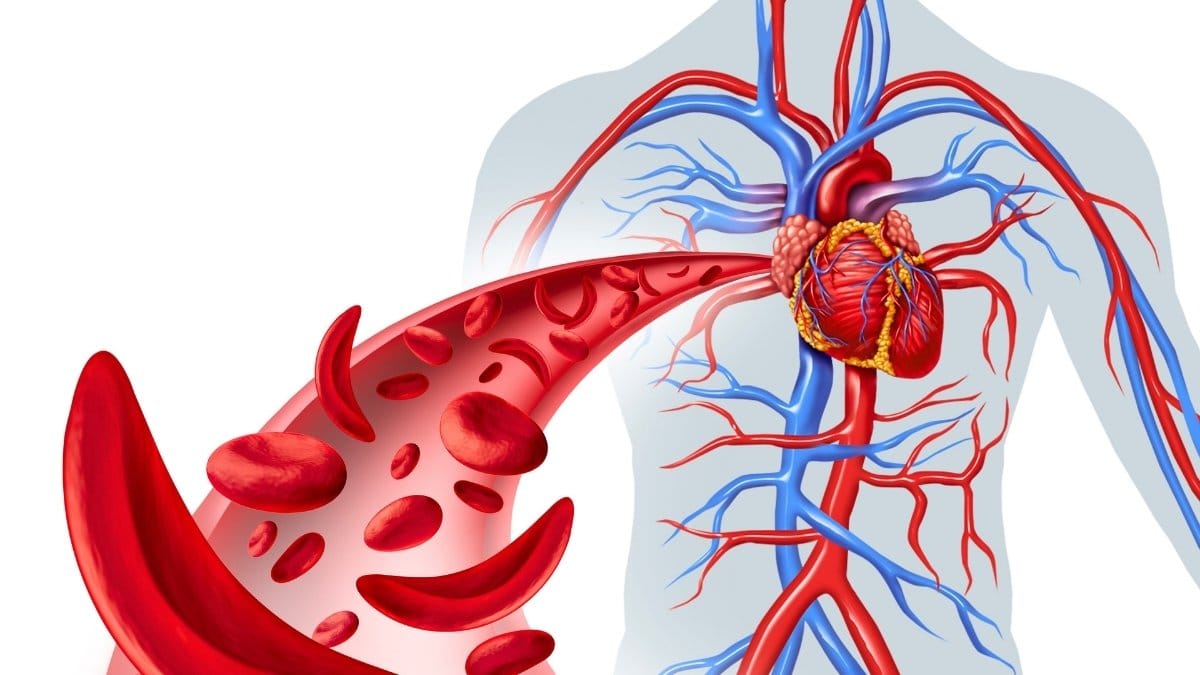
Iron deficiency affects over 1.6 billion people globally. It’s the leading cause of anemia worldwide, responsible for 50% of all cases. Without enough iron, your body can’t make hemoglobin—the protein that carries oxygen through your blood. The result? Crushing fatigue, pale skin, shortness of breath, and brain fog that gets worse over time.
This guide shows you five iron-rich foods for anemia that raise hemoglobin fast. You’ll learn which iron type works best, how to boost absorption by 300%, and the common mistakes that block iron (even if you’re eating the right foods). While supplements take three to six months to work, smart food choices help you feel better in weeks.
The Critical Difference: Heme vs. Non-Heme Iron
Not all iron works the same way in your body. There are two types, and one absorbs way better than the other.
Heme iron comes from meat, poultry, and seafood—and your body absorbs 15-35% of it. It’s found in animal blood and muscle proteins. Other foods you eat won’t mess with heme iron absorption. It just works.
Non-heme iron comes from plants and only absorbs at 2-20%. Spinach, beans, and fortified cereals contain this type. The problem? Other foods in your meal can block it from absorbing. This is why vegetarians need to be smarter about their meals.
Here’s what this means for you. If you eat meat, prioritize heme iron foods for the best results. A serving of beef gives you iron that’s 3-7 times more absorbable than the same amount from spinach.
If you’re vegetarian or vegan, don’t worry. Adding lean meat, fish, or poultry to your beans or leafy greens boosts plant-based iron absorption by up to three times. Even small amounts of animal protein help.
1-Red Meat and Organ Meats—The Iron Absorption Champions
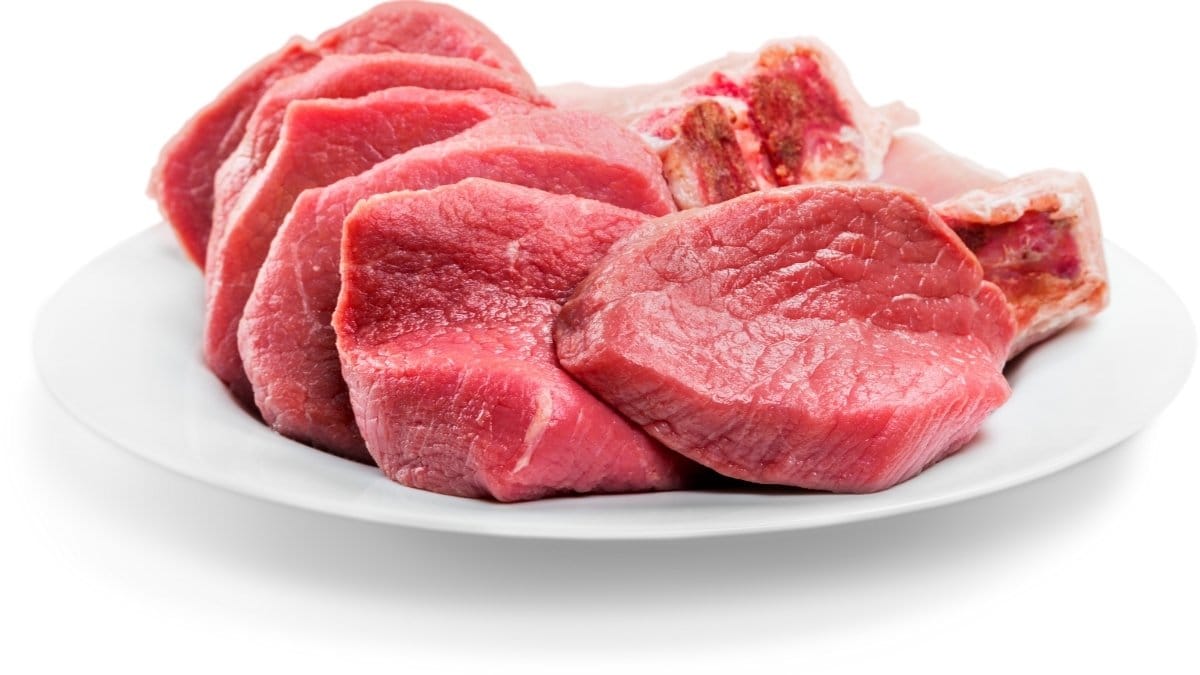
A small serving of lean beef gives you almost half your daily iron needs. That’s because beef contains heme iron, the type your body absorbs best. This is why red meat tops every iron-rich foods list.
Organ meats pack even more iron than regular beef. Three ounces of beef liver delivers 5 mg of iron, while the same amount of ground beef gives you 2.5 mg. But liver does more than boost iron—it’s loaded with vitamin B12, folate, copper, and vitamin A. These nutrients work together to fight anemia and strengthen your immune system.
Don’t like the taste of liver? You have options. Try pâté, which has a milder flavor. Or mix small amounts of ground liver into your burger or meatball recipes. You won’t taste it, but you’ll get the benefits.
How to eat more red meat without overdoing it: Have a 3-4 oz serving of lean beef with dinner three to four times per week. Add liver once or twice weekly if you can.
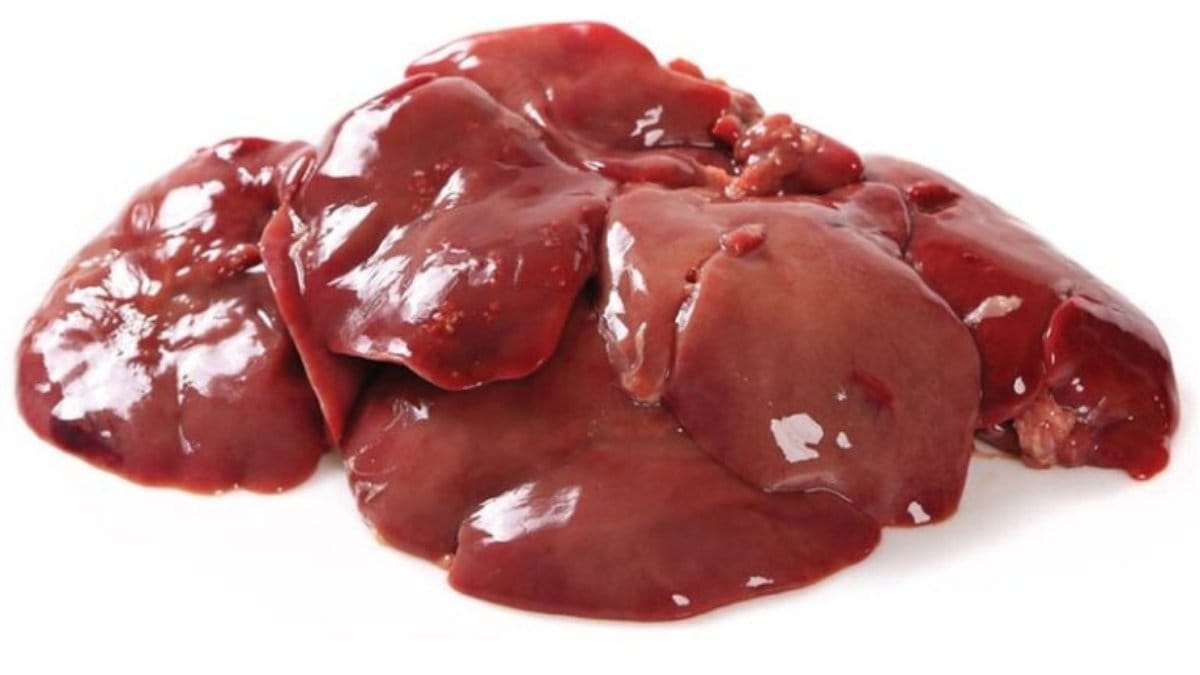
Cook it by grilling, pan-searing, or slow-cooking to keep the iron intact. Just don’t overcook it—tough meat loses nutrients.
2-Shellfish—Clams, Oysters, and Mussels
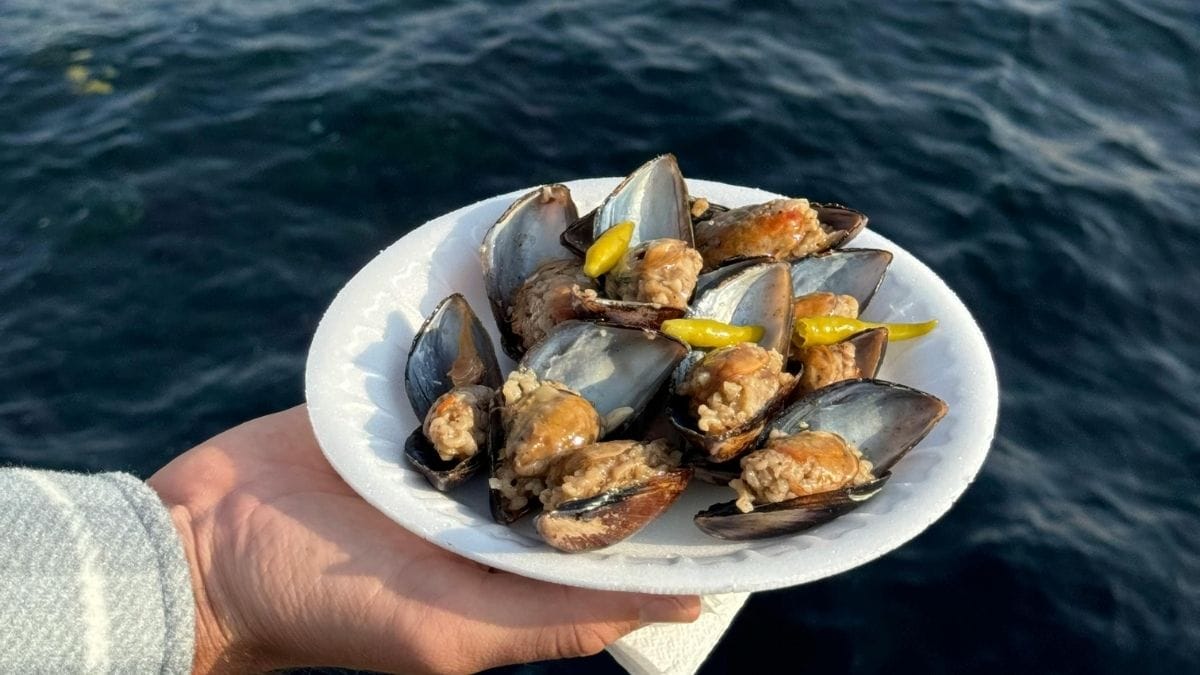
Three ounces of clams give you 23.8 mg of iron—that’s 132% of your daily needs. Six medium oysters deliver 8 mg (44% daily value). No other food packs this much iron into such a small serving. This is the fastest way to boost your hemoglobin through diet.
Shellfish do more than fix iron deficiency. They’re loaded with vitamin B12, zinc, selenium, and omega-3 fatty acids. Your heart, brain, and immune system all benefit from eating iron-rich shellfish regularly.
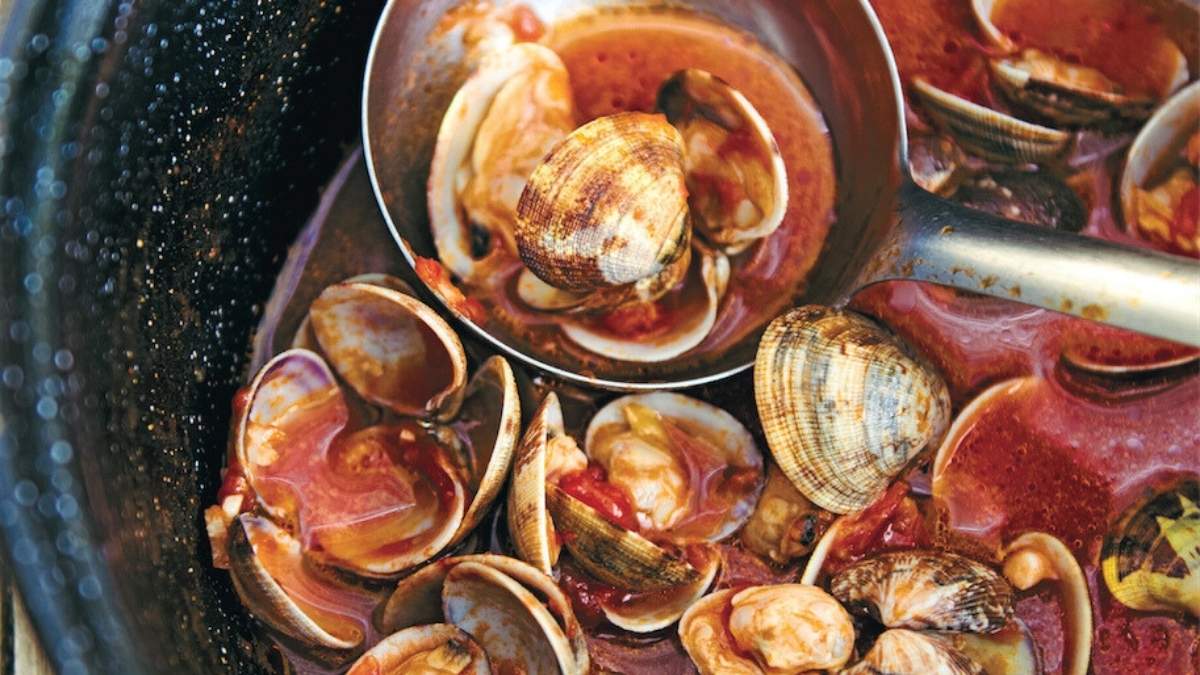
Fresh, canned, or frozen—all work equally well. Canned clams keep their iron content and cost less than fresh. Stock your pantry and you’ll always have a quick iron boost ready.
Easy ways to eat more shellfish: Toss canned clams into your pasta sauce for linguine with clam sauce. Order oysters on the half shell when you eat out. Steam mussels with white wine and garlic for a 15-minute dinner. Keep canned oysters in your desk for a protein-packed snack on crackers.
The bottom line? Shellfish give you more iron per bite than almost any other food.
3-Dark Poultry Meat (Turkey and Chicken)
Skip the chicken breast—go for the thighs and legs instead.
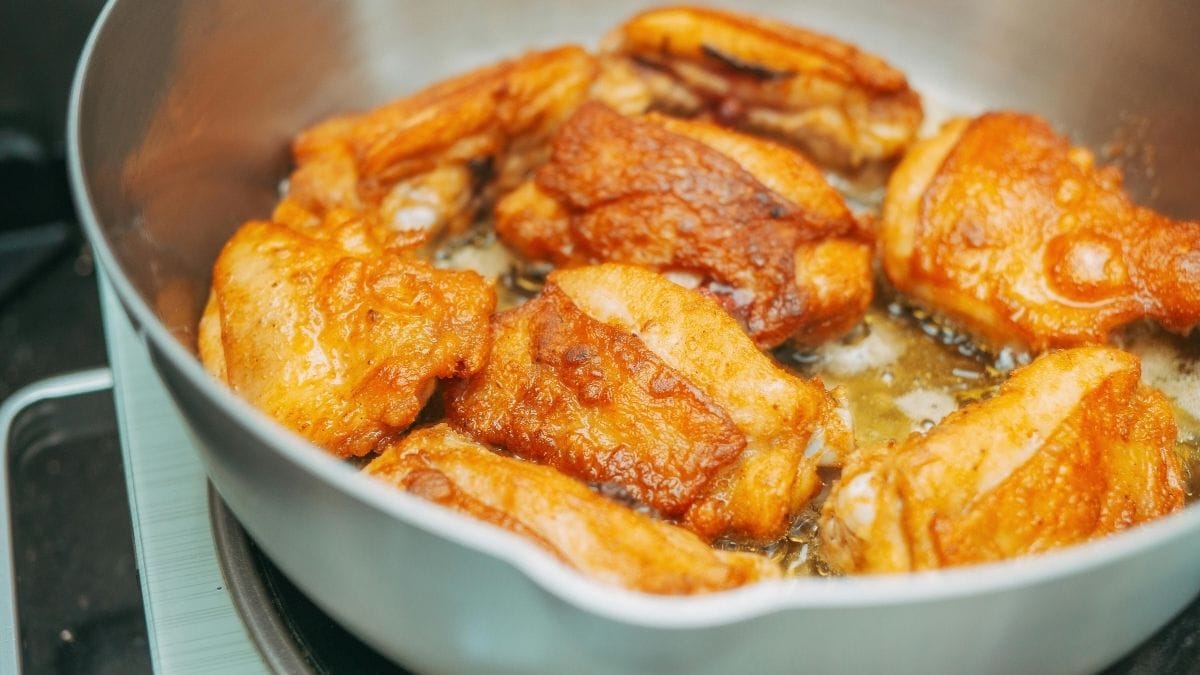
Dark poultry meat contains way more iron than white meat. Three ounces of dark turkey gives you 2.3 mg of iron, while chicken thighs deliver 1.3 mg per serving.
Turkey does more than boost your iron. It’s packed with tryptophan, an amino acid your brain uses to make serotonin. This helps regulate your mood—and that matters when anemia leaves you feeling tired and down.
Want less fat but still need iron? Use ground turkey. Swap it for ground beef in any recipe. You’ll get iron with less saturated fat. Use it in chili, tacos, spaghetti sauce, or stuffed peppers.
Simple ways to eat more dark poultry: Roast chicken thighs (remove the skin) two to three times per week.
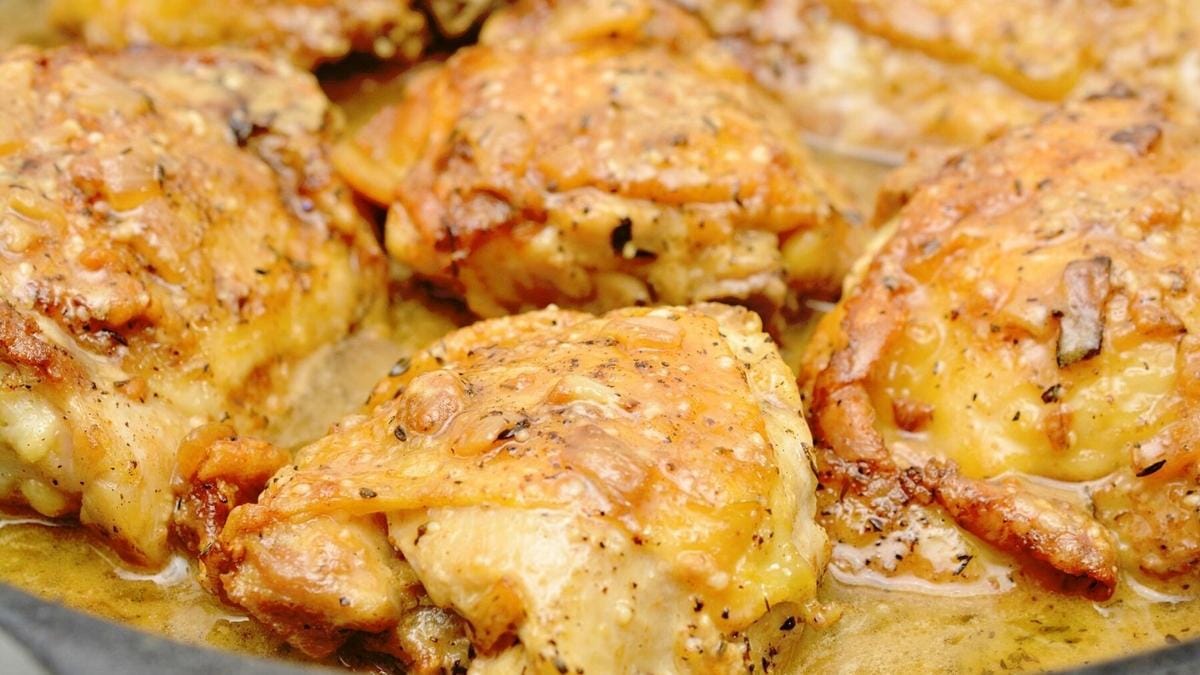
Season them with garlic, paprika, and olive oil. Keep turkey jerky in your bag for a convenient iron-rich snack when you’re busy. Add ground turkey to your weekly meal prep rotation.
The key is choosing dark meat over white meat every time. Your iron levels will thank you.
4-Legumes and Beans—The Plant-Based Iron Stars
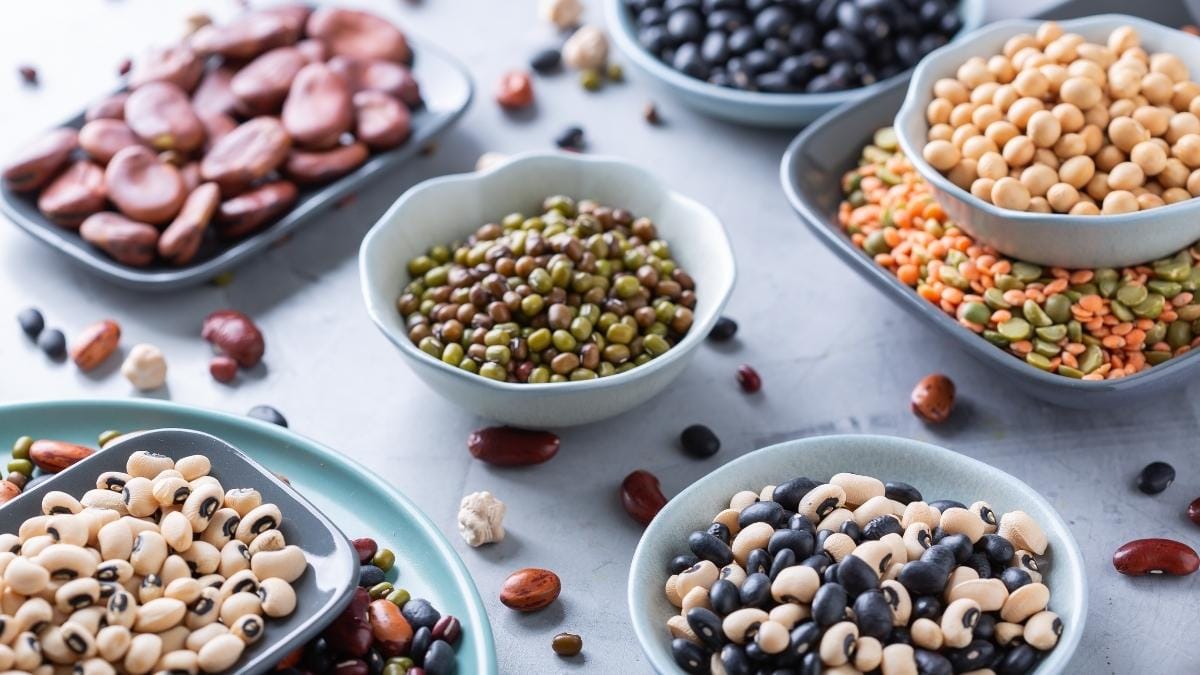
One cup of cooked lentils gives you 6.6 mg of iron. Chickpeas deliver 4.7 mg per cup, and black beans provide 3.6 mg. These are the best vegan iron sources you can find.
Here’s the catch—your body doesn’t absorb plant-based iron as easily. Legumes contain non-heme iron, which absorbs at lower rates than meat. But there’s a simple fix.
Pair your beans with vitamin C and absorption jumps up to three times higher. Add tomatoes to your lentil soup. Squeeze lime on black bean tacos. Toss bell peppers into chickpea curry. This one trick makes plant-based iron work almost as well as meat.
Legumes do more than fight anemia. They’re packed with fiber, protein, folate, and magnesium. Your energy levels, digestion, and overall health all improve when you eat them regularly.
Easy meals that maximize iron absorption: Make lentil soup with diced tomatoes and finish with lemon juice. Build black bean tacos topped with fresh salsa and lime. Cook chickpea curry loaded with bell peppers. Snack on hummus with red bell pepper strips.
The secret is always pairing legumes with vitamin C-rich foods in the same meal.
5-Dark Leafy Greens and Fortified Cereals
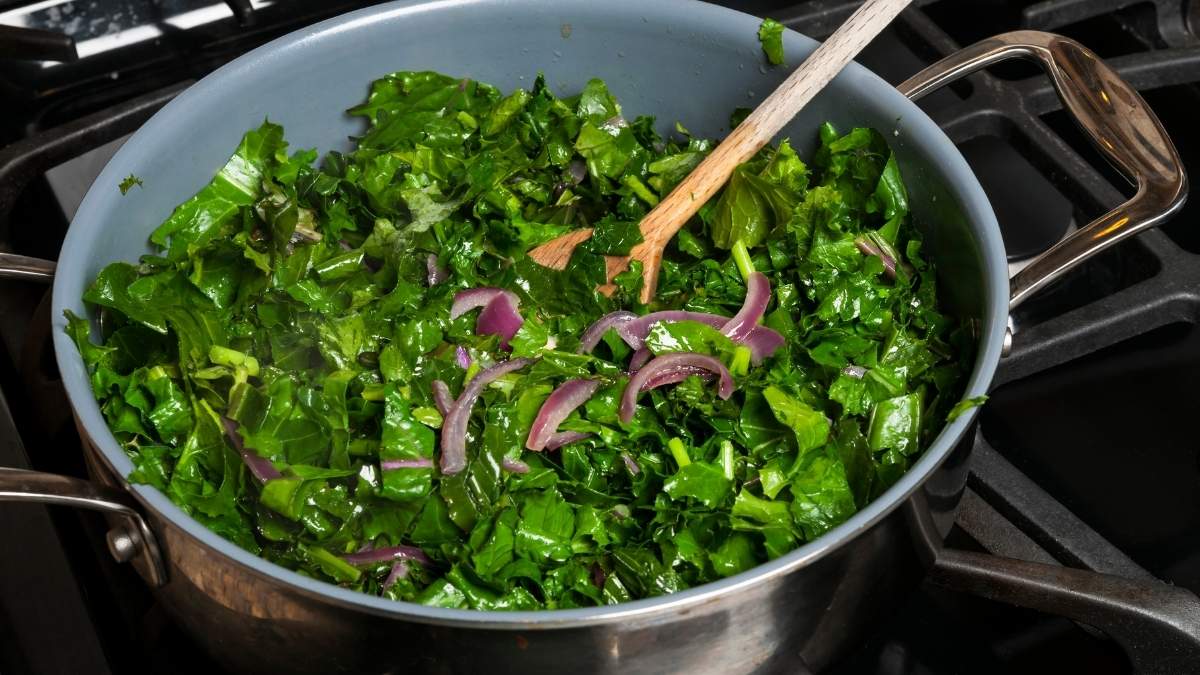
One cup of cooked spinach delivers 6.4 mg of iron. Kale and Swiss chard (4 mg per cup) also pack serious iron. But here’s what most people miss—you need vitamin C to absorb it. Eat these leafy greens with tomatoes, bell peppers, or citrus for maximum benefit.
Iron-fortified cereals give you up to 18 mg per serving—that’s 100% of your daily needs. Check the label for “iron-fortified” on the box. Pour orange juice instead of milk for an extra vitamin C boost that helps absorption.
Cook your spinach and chard before eating them. Raw leafy greens contain oxalic acid, which blocks iron from absorbing. Cooking breaks down this acid and makes the iron available to your body.
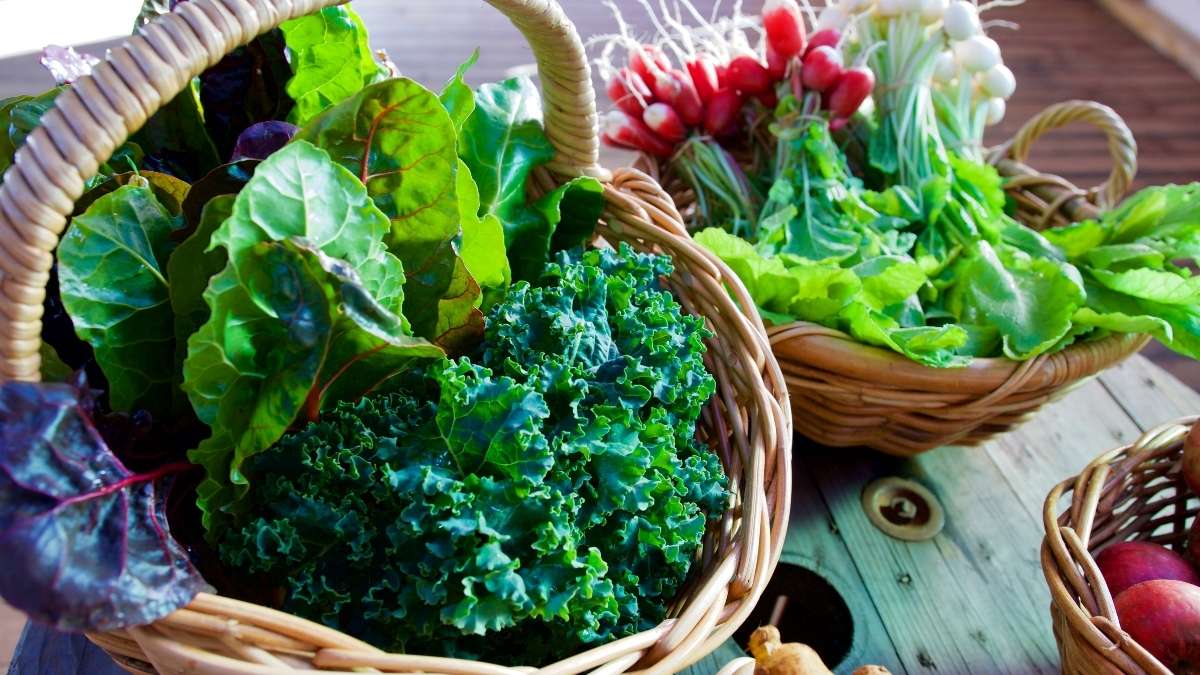
Simple ways to eat more greens: Toss a handful of spinach into your morning smoothie—you won’t taste it. Sauté kale with garlic as a five-minute side dish. Add wilted spinach to scrambled eggs. Stuff spinach leaves into sandwiches or wraps.
Start your day with iron-fortified cereal and orange juice. This combo gives you a massive iron boost before you even leave the house.
The Game-Changer: Iron-rich Foods for Anemia
Vitamin C can triple your iron absorption—and even reverse the blocking effects of tea and calcium. Add just 50 mg of vitamin C to each meal for the best results. That’s one orange, half a bell pepper, or a cup of strawberries.
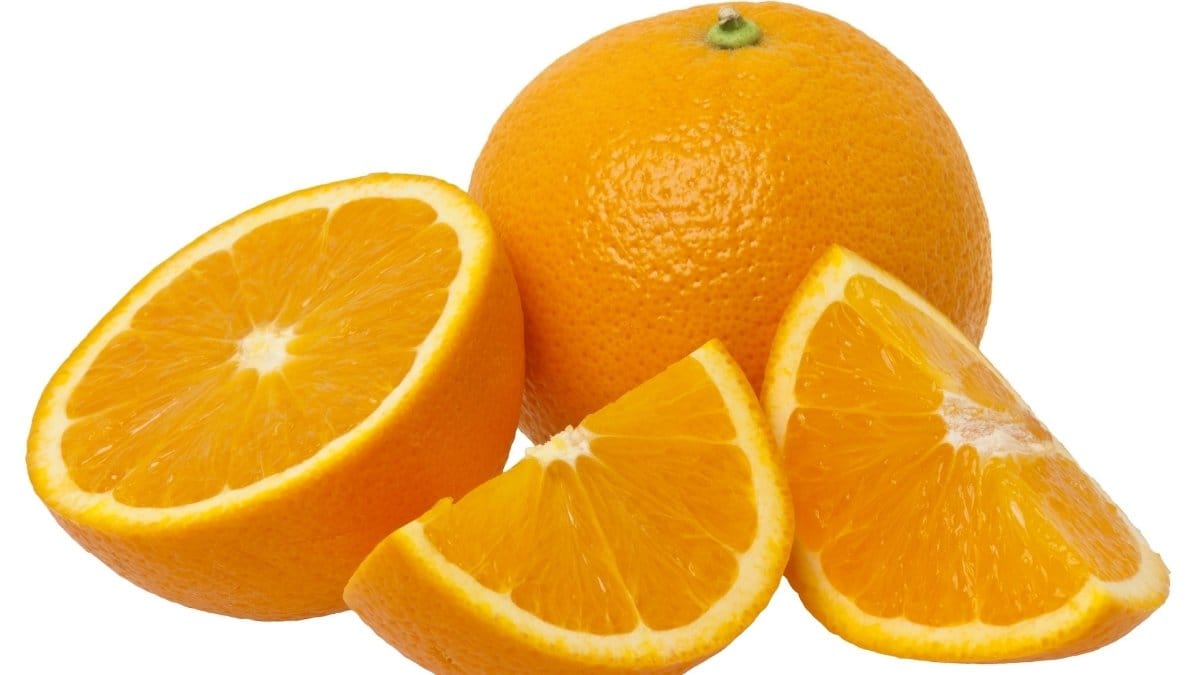
Here’s how vitamin C works its magic. It grabs onto iron molecules and keeps them from clumping into chunks your body can’t absorb. It also converts iron into a form that passes through your intestinal walls easier.
A 2024 study proved vitamin C makes a real difference. People who took vitamin C with iron saw their hemoglobin levels rise by 0.14 g/dL and their iron stores increase by 3.23 μg/L. These aren’t huge jumps, but they add up over weeks and months.
Best vitamin C sources to pair with iron-rich foods for anemia: Citrus fruits (oranges, grapefruit, lemons), red bell peppers, strawberries, tomatoes, broccoli, and kiwi.
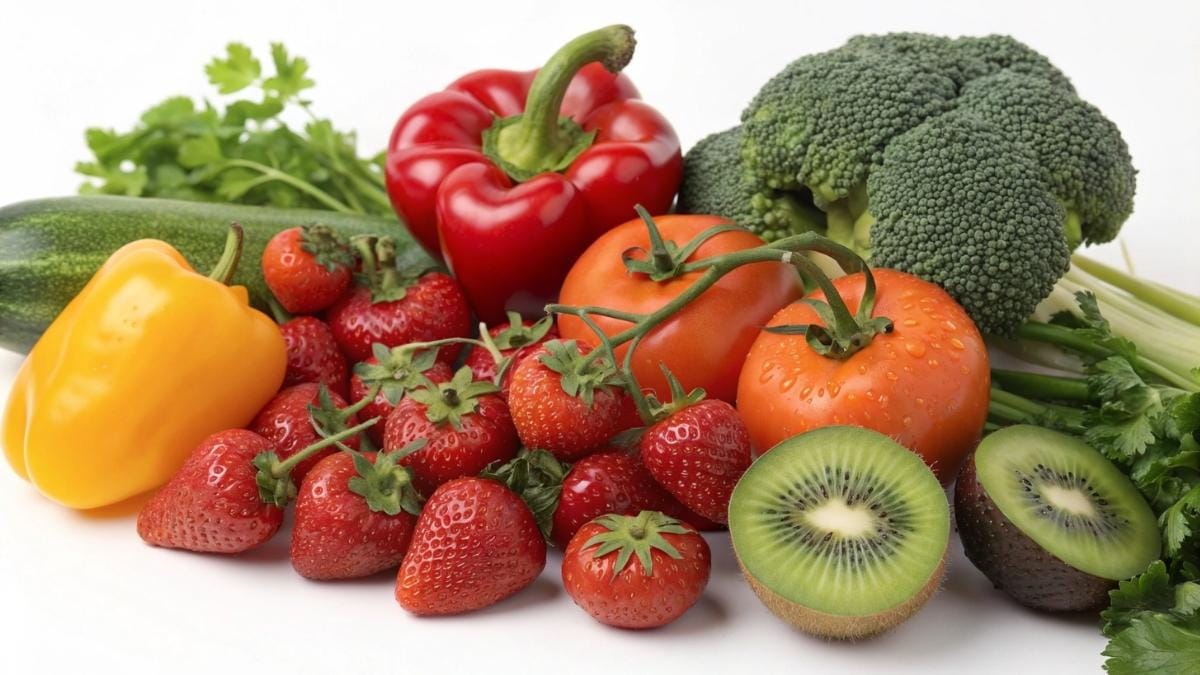
Easy meal combinations that maximize iron absorption: Make a spinach salad with strawberries and lemon vinaigrette. Build black bean burritos with salsa and lime. Cook lentil soup with diced tomatoes. Pour iron-fortified orange juice over your breakfast cereal.
Bonus tip—cook with cast iron pans. Your food absorbs iron from the cookware itself. Studies show this can increase the iron content of your meals by 1.5 to 3.3 times.
Your 7-Day Iron-Boosting Meal Plan
This meal plan does the thinking for you. Every breakfast, lunch, dinner, and snack pairs iron with vitamin C to maximize absorption. Follow it for one week and you’ll feel the difference.
Day 1: Breakfast: Iron-fortified oatmeal with strawberries, orange juice Lunch: Tuna burger with spinach salad and lemon vinaigrette Dinner: Grilled lean beef with roasted broccoli and tomatoes Snack: Hummus with red bell pepper strips
Day 2: Breakfast: Scrambled eggs with sautéed spinach, grapefruit juice Lunch: Chickpea and chicken sausage hash with sweet potatoes Dinner: Beef chili with beans and peas Snack: Trail mix with raisins
Day 3: Breakfast: Iron-fortified cereal with sliced kiwi Lunch: Lentil soup with tomatoes and lemon juice, whole grain bread Dinner: Baked salmon with steamed kale and citrus glaze Snack: Dark chocolate (70%+ cacao) with orange slices
Four rules to follow all week: Pair every iron source with vitamin C. Eat at least one meat, poultry, or fish serving daily (unless vegetarian). Wait one to two hours after meals before drinking coffee or tea. Cook with cast iron pans when you can.
Vegetarian? Make these swaps: Double your legume portions. Add tofu to stir-fries. Choose fortified grains at every meal. Always include a vitamin C source.
How Long Until You See Results?
Most people feel better within one to two weeks of eating iron-rich foods consistently. You’ll notice more energy, better sleep, and clearer thinking first. But full recovery takes three to six months because your body needs time to rebuild iron stores.
In weeks 4-8, you’ll see bigger changes. Exercise won’t leave you gasping for air. Your skin color improves. Climbing stairs feels easier.
By month 3-6, your hemoglobin levels normalize. Blood tests confirm your iron stores are back to healthy ranges. All symptoms disappear.
Important: These foods work alongside iron supplements, not instead of them. Your doctor will recheck your blood levels to track progress. Keep a weekly journal of how you feel—small improvements add up.
Be patient. Anemia didn’t develop overnight, and recovery takes consistent effort.
Lastly:
You now have the five best iron-rich foods for anemia: red meat, shellfish, dark poultry, legumes, and leafy greens. Animal sources absorb 3-7 times better than plants, but vegetarians can triple absorption by adding vitamin C to every meal.
Avoid these mistakes: drinking tea or coffee with meals, eating calcium with iron, and skipping vitamin C. These errors can block up to 90% of iron absorption.
Start today. Pick 2-3 foods from this list, pair them with vitamin C, and move your coffee to between meals. Within weeks, your energy improves. Track your progress with your doctor through blood tests.
Consistent iron-rich foods plus smart pairing strategies give your body what it needs to boost hemoglobin fast.