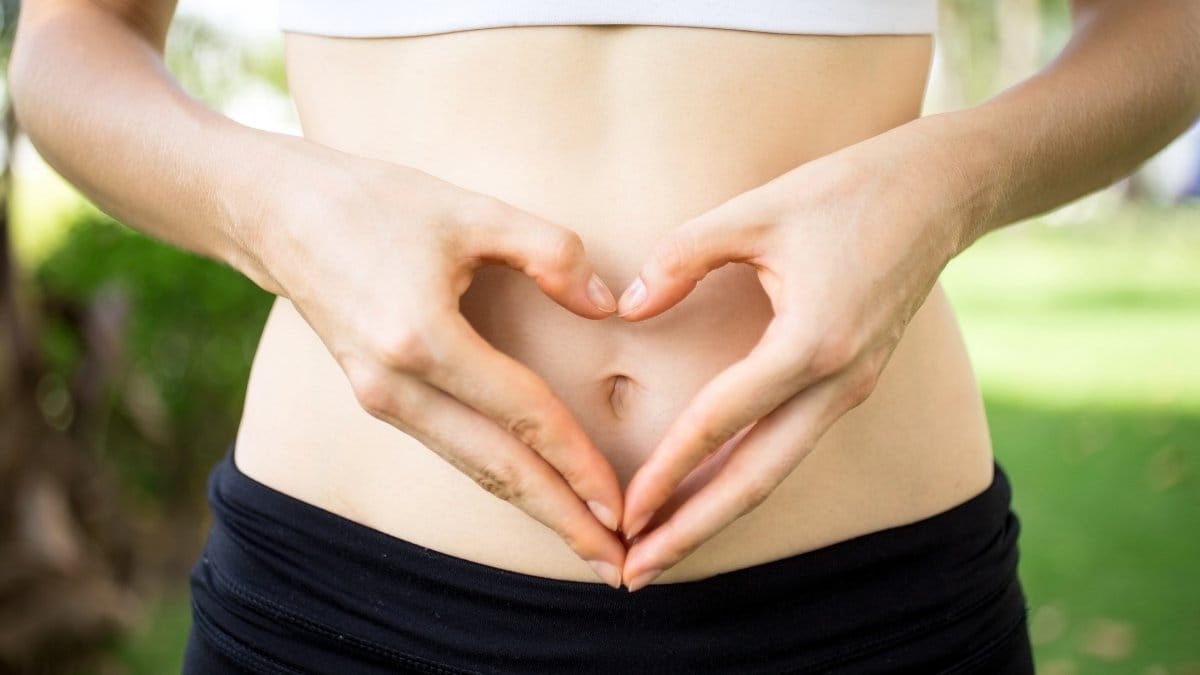
Your gut controls more than you think. Over 100 trillion microorganisms live inside you right now. They manage your immune system, mood, weight, and even your skin.
Here’s the problem: Nearly 1 in 5 adults deal with digestive issues like bloating, constipation, or stomach pain. Most people spend hundreds on supplements that don’t work.
There’s a better way. Real food works better than pills. This guide shows you 15 superfoods for gut health that science actually backs. You’ll learn which fermented foods heal your gut fastest, why sea moss became popular in 2025, and how prebiotic foods feed the good bacteria you need.
No expensive supplements. Just food that works.
Why Gut Health Matters in 2025
Your gut does three big jobs: it protects you from getting sick, controls your mood, and manages your weight. When your gut bacteria are healthy, you feel better everywhere.
Here’s what changed in 2025. Scientists now look at your gut microbiome health as a whole system, not just counting bacteria. Over 170,000 people joined gut health communities last year, searching for answers. They’re tired of feeling bloated and tired.
Modern life destroys good gut bacteria. Processed foods, stress, and antibiotics wipe out helpful bacteria like Bifidobacterium and Akkermansia. Your body needs these to work right.
The good news? Eating superfoods can cut your heart disease risk by 30%. Fix your gut, fix your health. It’s that simple.
Top Fermented Foods for Gut Health
Fermented foods are the fastest way to heal your gut. They ranked as the number one superfood for 2025 because they actually work. When you eat them daily, your body makes more good bacteria and fights inflammation better.
Here’s proof: People who ate fermented foods every day for 10 weeks lowered 19 inflammatory proteins in their blood. That means less pain, bloating, and stomach problems. Each fermented food gives you different helpful bacteria, so eating variety matters.
The Best Fermented Foods to Eat
1. Kimchi
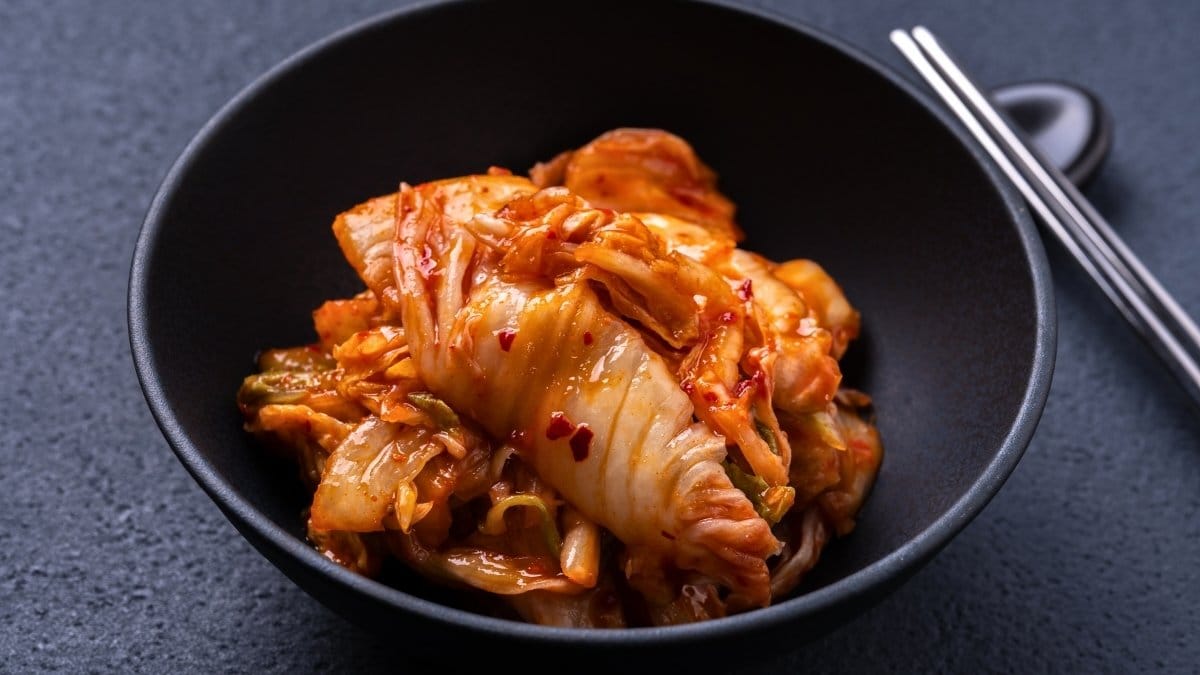
This spicy Korean cabbage packs the most probiotic power. It fills your gut with healthy bacteria that crowd out the bad ones. Start with one tablespoon per day if you’re new to it.
2. Kefir
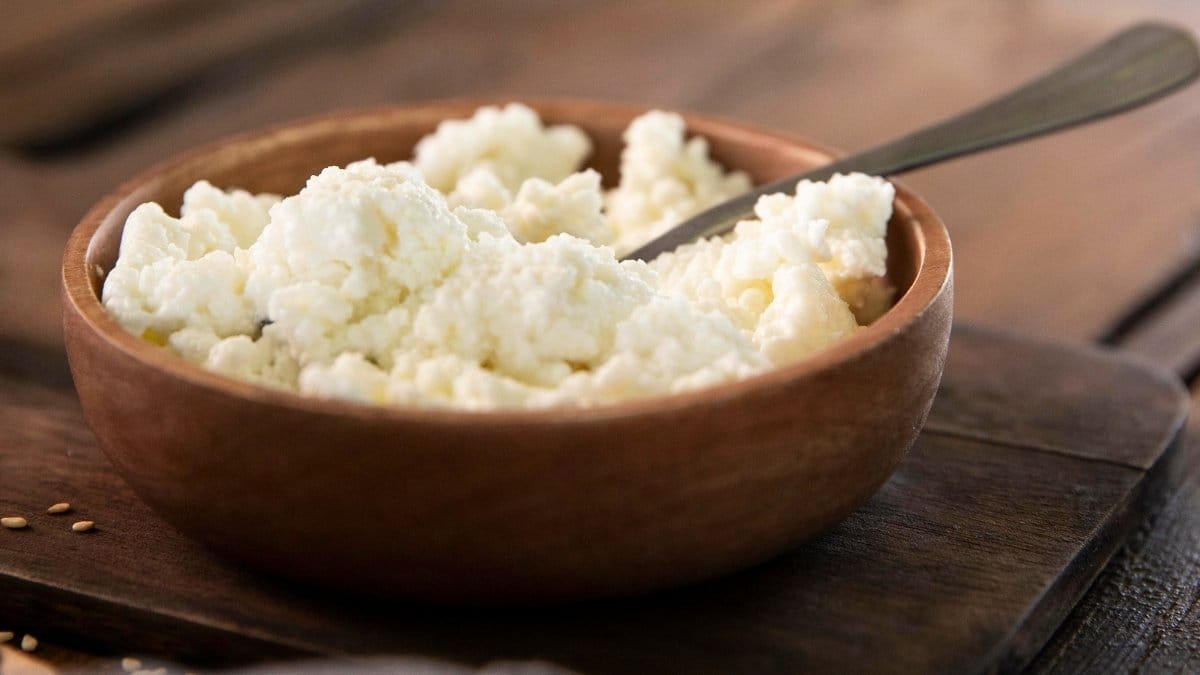
Think of it as drinkable yogurt on steroids. Kefir reduces inflammation and helps digest food faster. Mix it in smoothies or drink it plain. It tastes tangy but works fast.
3. Yogurt
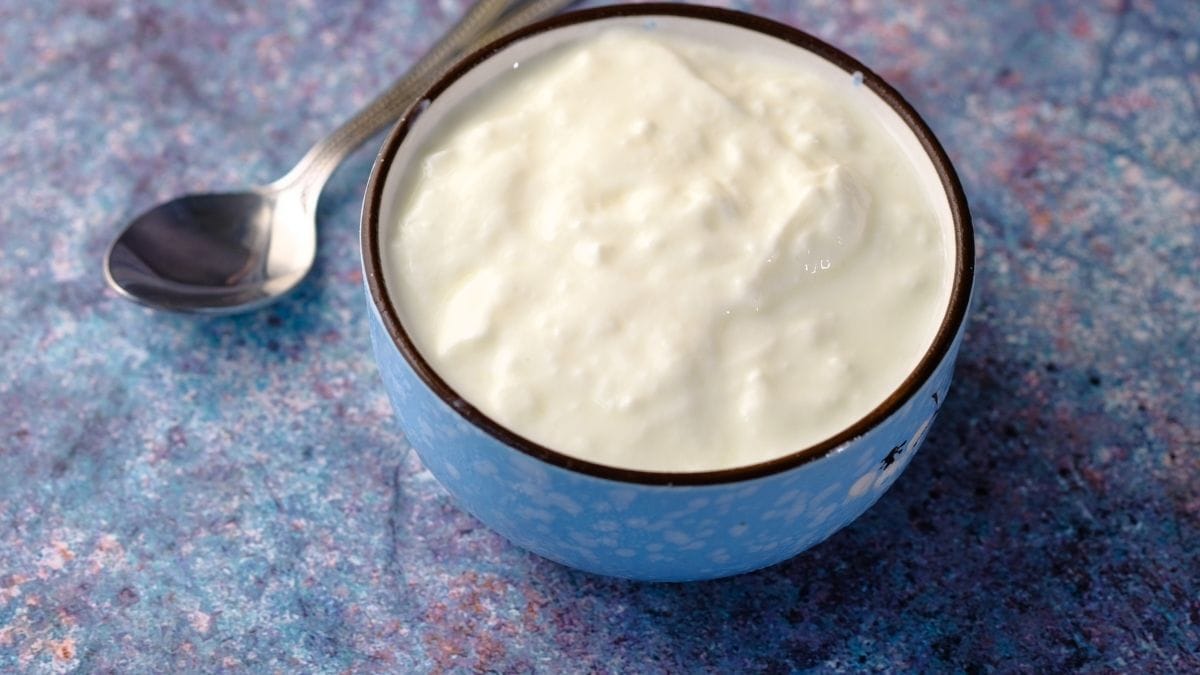
The easiest one to start with. Fermentation makes the calcium and potassium easier for your body to absorb. Look for “live active cultures” on the label. Skip the sugary kinds.
4. Sauerkraut
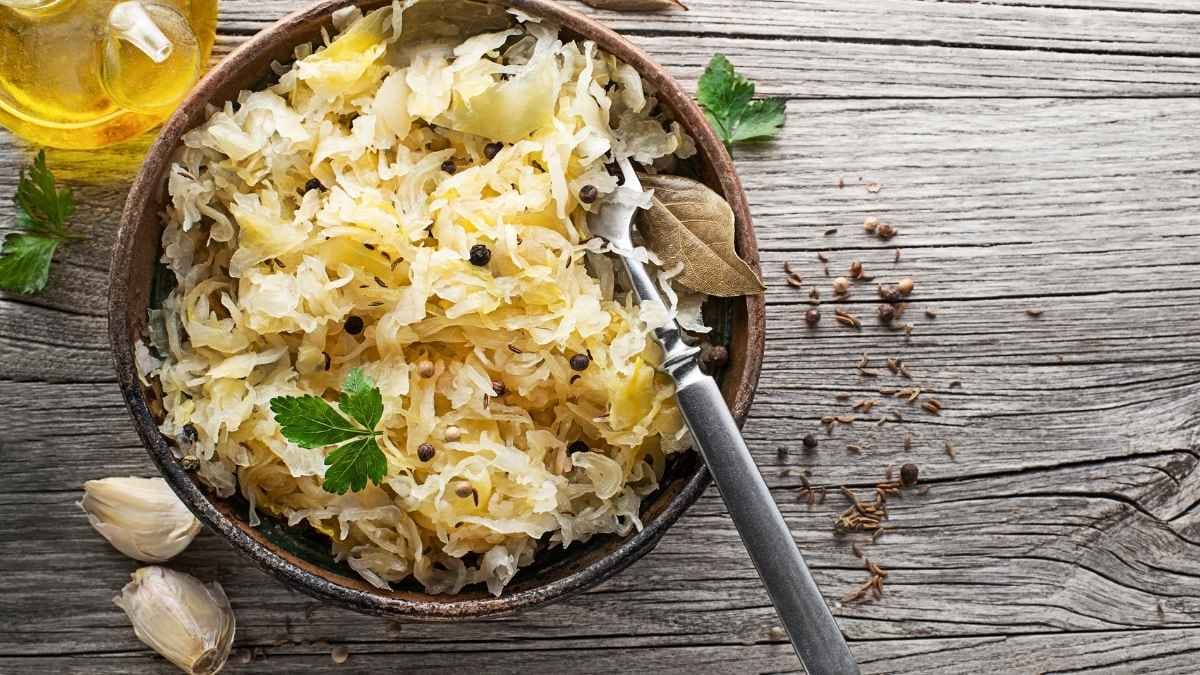
Plain fermented cabbage that’s cheap and effective. Two tablespoons with meals helps your stomach break down food. Buy it from the cold section, not the shelf.
5. Kombucha
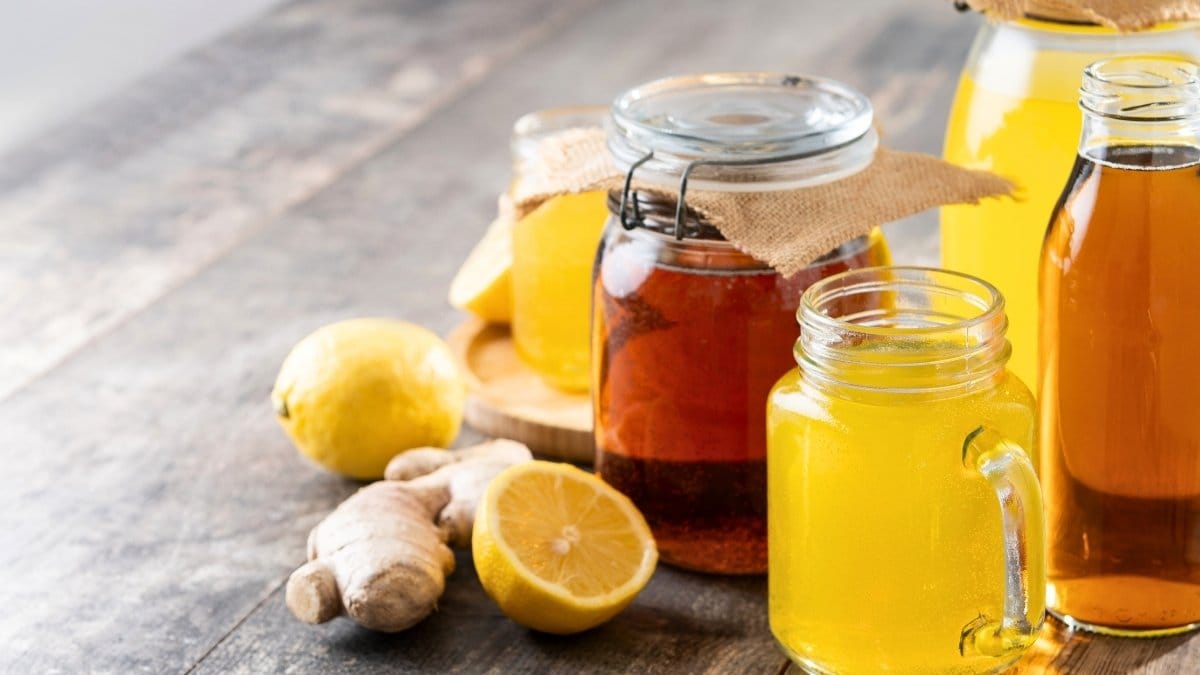
A fizzy tea drink loaded with probiotics. It’s easier to drink than eat if you hate the taste of fermented foods. Watch the sugar content though.
6. Miso

This Japanese paste makes great soup. Add it after cooking, not during, or you’ll kill the good bacteria. One tablespoon in hot water works as a quick gut-healing drink.
Pick two fermented foods this week. Eat them every day. Your gut will thank you in 10 days.
Sea Moss: Does the TikTok Hype Match the Science?
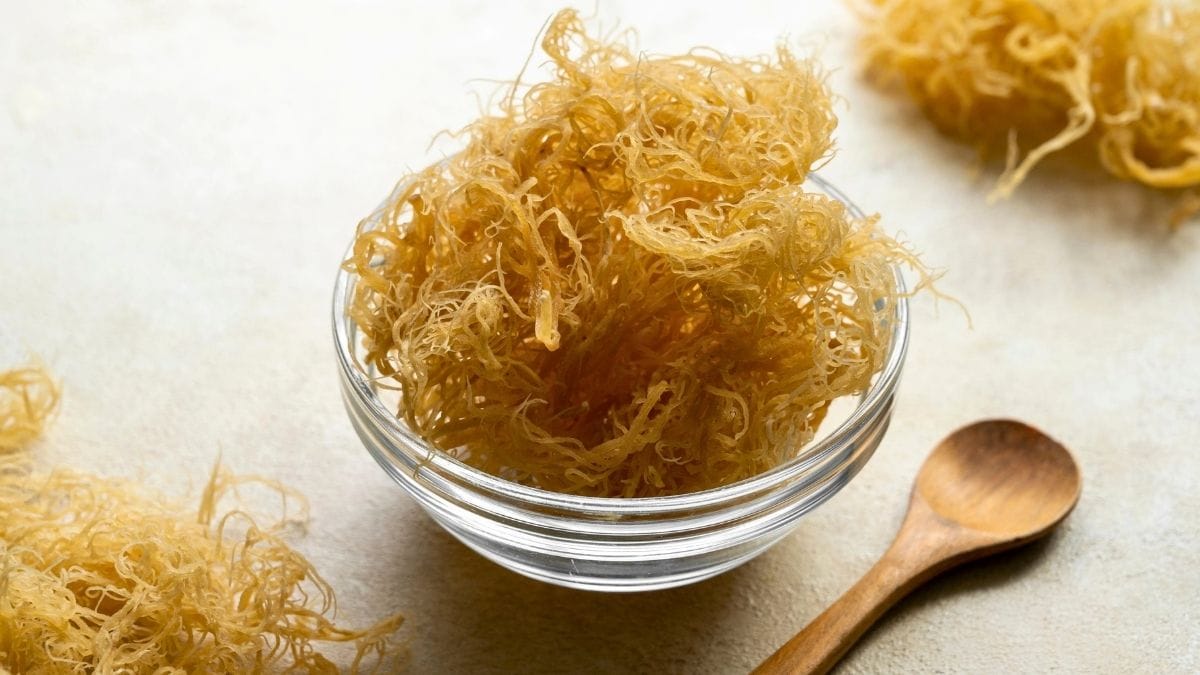
You’ve seen it all over social media. Everyone’s adding sea moss gel to their morning smoothies. But does it actually work for gut health?
Yes, but with important warnings. Sea moss (also called Irish moss) became popular in 2025 for good reason. It contains 92 essential minerals your body needs and works as a prebiotic fiber that feeds your good gut bacteria. Think of it as fertilizer for the healthy bacteria already living in your gut.
The research backs this up. People who ate 2 grams of sea moss daily improved their gut microbiome diversity and dropped inflammation by 22%. That’s significant. Sea moss also brings live bacteria that help replace the good bacteria you’ve lost from stress and bad food.
How to Use Sea Moss Safely
Start with sea moss gel, not pills. Blend one tablespoon into your morning smoothie with banana and berries.

You won’t taste it. The gel form is safer because supplements aren’t FDA-regulated and often contain mystery ingredients.
Buy from trusted sources only. Here’s the catch: Sea moss absorbs everything from the ocean, including heavy metals and excess iodine. Bad quality sea moss can hurt your thyroid or poison you with metals. Look for organic, tested brands that show lab results.
If you have thyroid problems, talk to your doctor first. Too much iodine can make things worse. Start small—one tablespoon three times per week, then increase if you feel good.
Sea moss works for gut health when you buy quality and use it right. Don’t believe every TikTok claim, but don’t ignore real research either.
Prebiotic Foods That Feed Your Good Bacteria
Probiotics get all the attention, but prebiotics do the heavy lifting. Prebiotic foods are special fibers your body can’t digest—but your good gut bacteria eat them like candy. When you feed these bacteria, they multiply and push out the bad bacteria making you sick.
Here’s what matters: You need both prebiotics and probiotics working together. Eating fermented foods without prebiotics is like planting seeds without water. They won’t grow. These five prebiotic superfoods give your gut bacteria exactly what they need to thrive.
1. Bananas (Slightly Green)

The resistant starch in bananas feeds good bacteria directly. Eat them when they’re still a bit green for maximum prebiotic fiber. Once they turn fully yellow, you lose some benefits. One banana daily works.
2. Asparagus
Contains inulin, a powerful fiber that makes you poop regularly. Four to five spears give you enough prebiotic fiber to feel a difference. Roast it, steam it, or eat it raw in salads.
3. Nuts (Especially Walnuts)
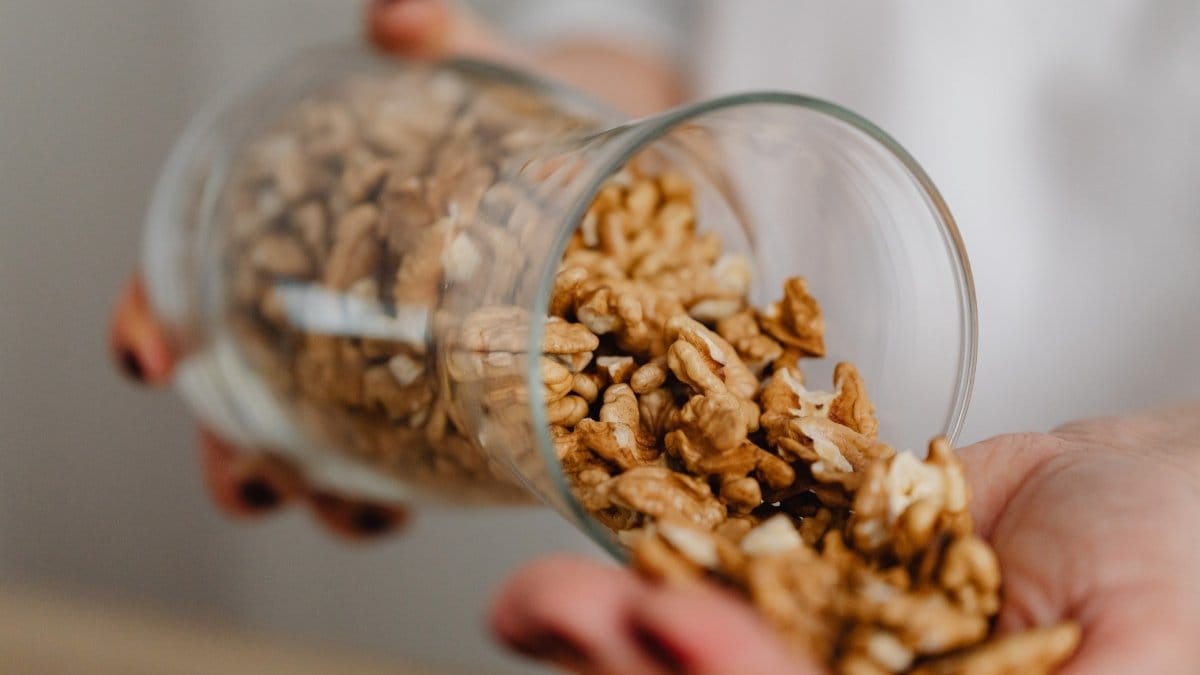
Packed with fiber and polyphenols that feed gut bacteria. Eating 50 grams (about a handful) of walnuts daily for 8 weeks boosts your probiotic bacteria levels. Almonds, pistachios, and pecans work too.
4. Oatmeal
The beta-glucan fiber in oats acts as prebiotic food. Eat steel-cut or rolled oats, not instant packets full of sugar. Top with berries for extra benefits.
5. Leafy Greens (Kale and Spinach)
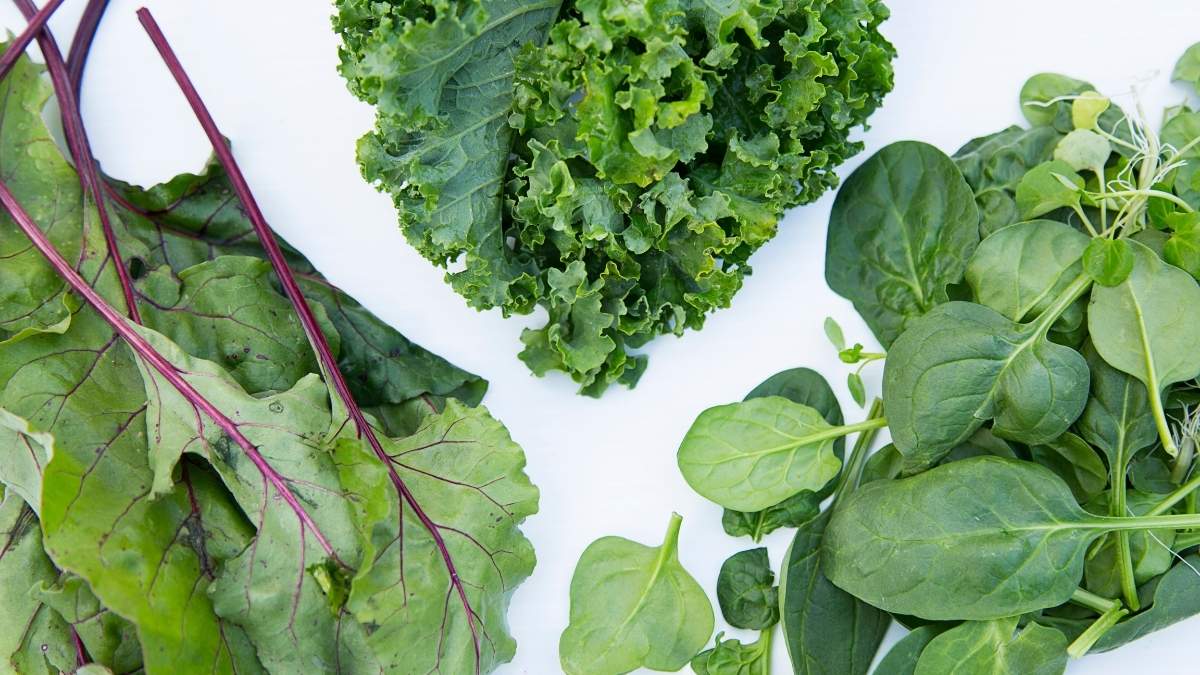
Natural prebiotics that grow healthy gut bacteria. Two cups daily in salads or smoothies feeds your microbiome. They’re cheap, easy, and available everywhere.
Eat at least two prebiotic foods daily. Your good bacteria need fuel to fight for you.
Polyphenol-Rich Foods That Heal Your Gut
Polyphenols are plant compounds that work like bodyguards for your gut. They feed good bacteria, protect your gut lining from damage, and stop inflammation before it starts. The best part? They taste better than most gut health foods.
These antioxidant foods made the 2025 superfoods list because research proves they work. Berries especially showed powerful effects on digestion and brain function. Here are the four you should eat weekly.
1. Berries (All Types)
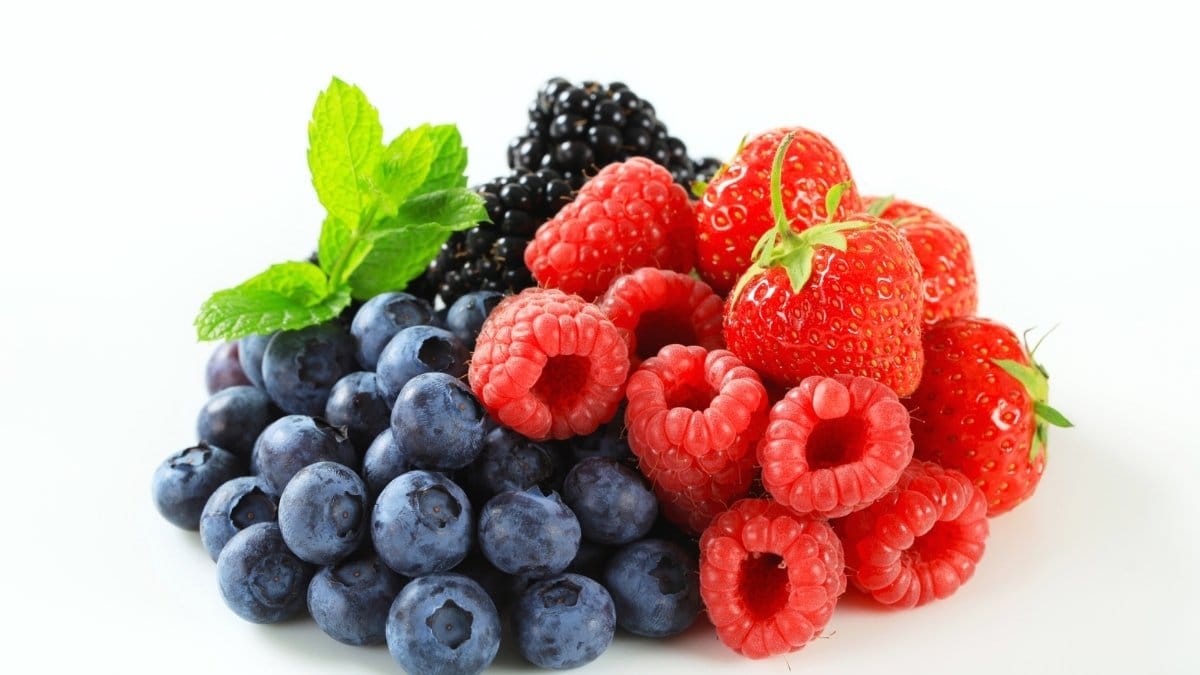
Blueberries, raspberries, and cranberries pack the most polyphenols per bite. They improve memory, reduce brain fog, and help your gut digest food better. Eat one cup daily, fresh or frozen. Frozen berries cost less and work just as well.
2. Pomegranates
The seeds contain polyphenols that feed gut bacteria and repair your gut lining. Half a pomegranate or four ounces of pure juice (no sugar added) gives you enough to see benefits. The juice works if you hate picking out seeds.
3. Dark Chocolate (70% Cacao or Higher)

Real dark chocolate feeds good bacteria and fights inflammation. Eat one to two squares daily, not the whole bar. Milk chocolate doesn’t work—it has too much sugar and not enough cacao.
4. Green Tea
Contains polyphenols that balance gut bacteria and reduce bloating. Drink two cups daily between meals, not with food. The polyphenols absorb better on an empty stomach.
Add one polyphenol food to your daily routine. Your gut and brain will both improve.
Anti-Inflammatory Foods That Stop Gut Pain
Inflammation causes most gut problems—bloating, cramps, nausea, and that burning feeling after meals. These anti-inflammatory foods calm your digestive system down and help heal damage you already have. They work fast, usually within days.
Your gut needs these foods if you deal with regular stomach pain or digestive issues. Inflammation in your gut spreads to your whole body, causing joint pain, brain fog, and constant fatigue. Stop the inflammation at the source.
1. Ginger
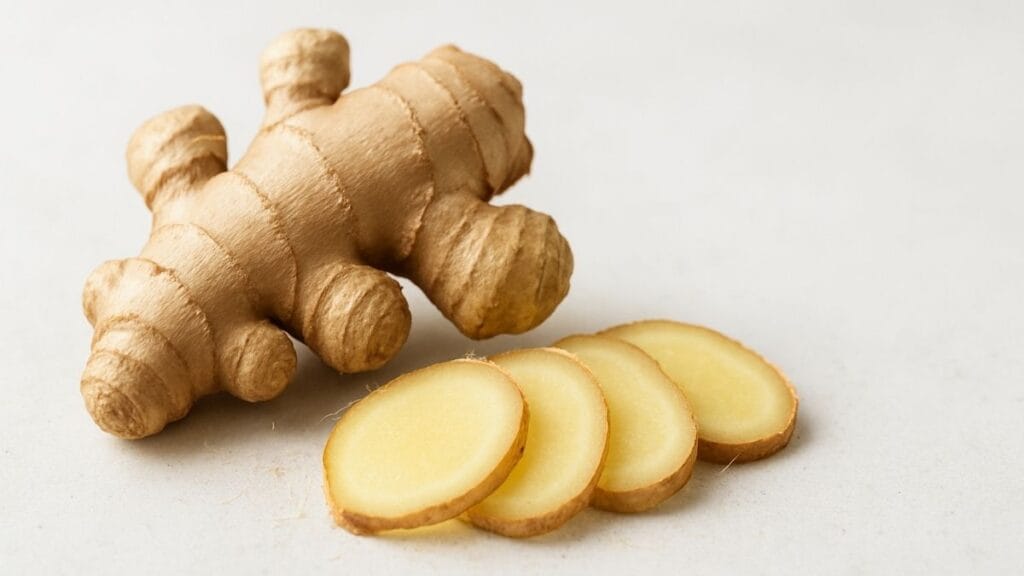
This root kills bad bacteria and stops inflammation in your gut. Ginger heals nausea, bloating, gastritis, and even ulcers naturally. Eat a half-inch piece of fresh ginger 30 minutes after meals for best results. Make ginger tea or add it to stir-fries. It works better fresh than powdered.
2. Turmeric – The curcumin in turmeric acts like medicine for your gut lining. Mix one teaspoon of turmeric powder with black pepper (this helps your body absorb it) in warm milk or smoothies. Take it daily. Without black pepper, your body wastes most of it.
3. Bone Broth – Made the 2025 superfoods list because it seals holes in your gut lining. Drink one cup daily on an empty stomach for maximum healing. The collagen and amino acids repair damage from inflammation and bad food. Make it yourself or buy high-quality organic broth.
4. Omega-3 Foods (Salmon, Sardines, Walnuts) – These fats reduce inflammation throughout your digestive system. Eat fatty fish twice weekly or take fish oil if you hate seafood. Plant sources like walnuts and flaxseeds work too, but fish works faster.
Start with ginger tea after your next meal. Feel the difference within hours.
Seeds and Nuts That Build a Stronger Gut
Small seeds pack huge benefits for your gut microbiome. They’re loaded with fiber, healthy fats, and minerals that feed good bacteria and reduce inflammation. Best part? You can sprinkle them on anything you already eat.
These seeds work as both prebiotic fiber and anti-inflammatory foods. That’s rare. Most foods do one or the other, not both. Keep these four in your pantry for daily gut support.
1. Pumpkin Seeds (Pepitas)
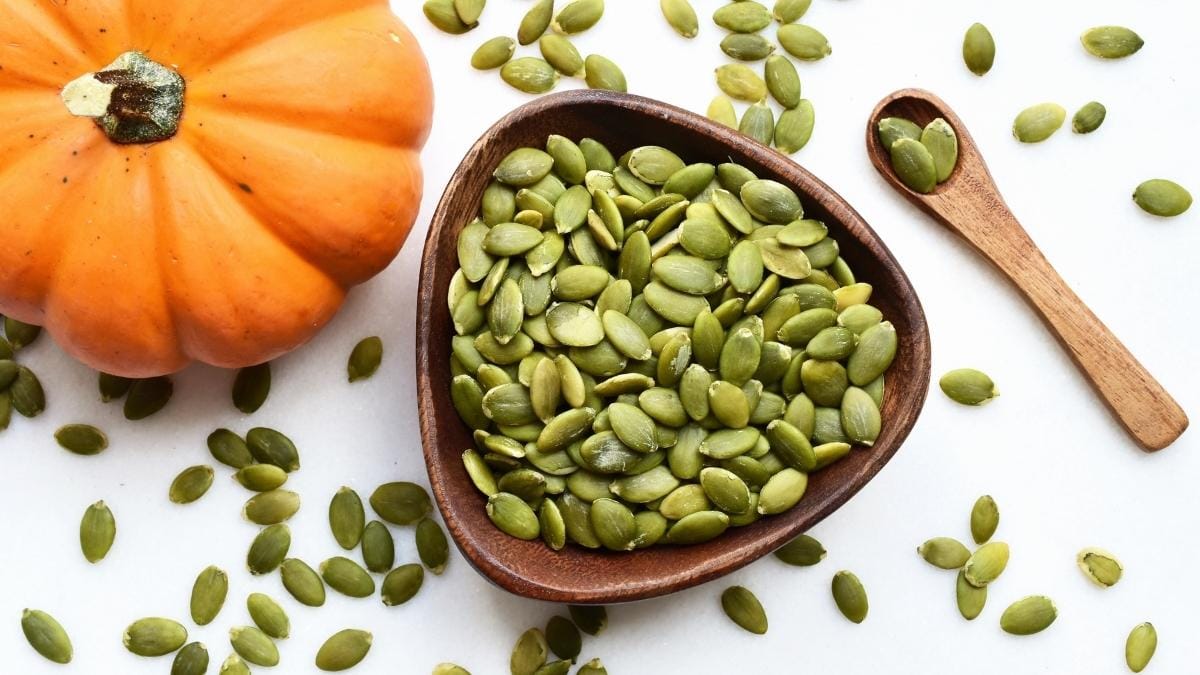
These green seeds control blood sugar and cut inflammation. A 2025 study showed they reduced inflammation by 20% when eaten daily. Eat a quarter cup as a snack or toss them on salads. They’re cheap and crunchy.
2. Chia Seeds
Tiny but mighty for digestion. Two tablespoons give you 10 grams of fiber that feeds gut bacteria and keeps you regular. Mix them in water, yogurt, or smoothies. They expand and form a gel that soothes your gut lining.
3. Flax Seeds
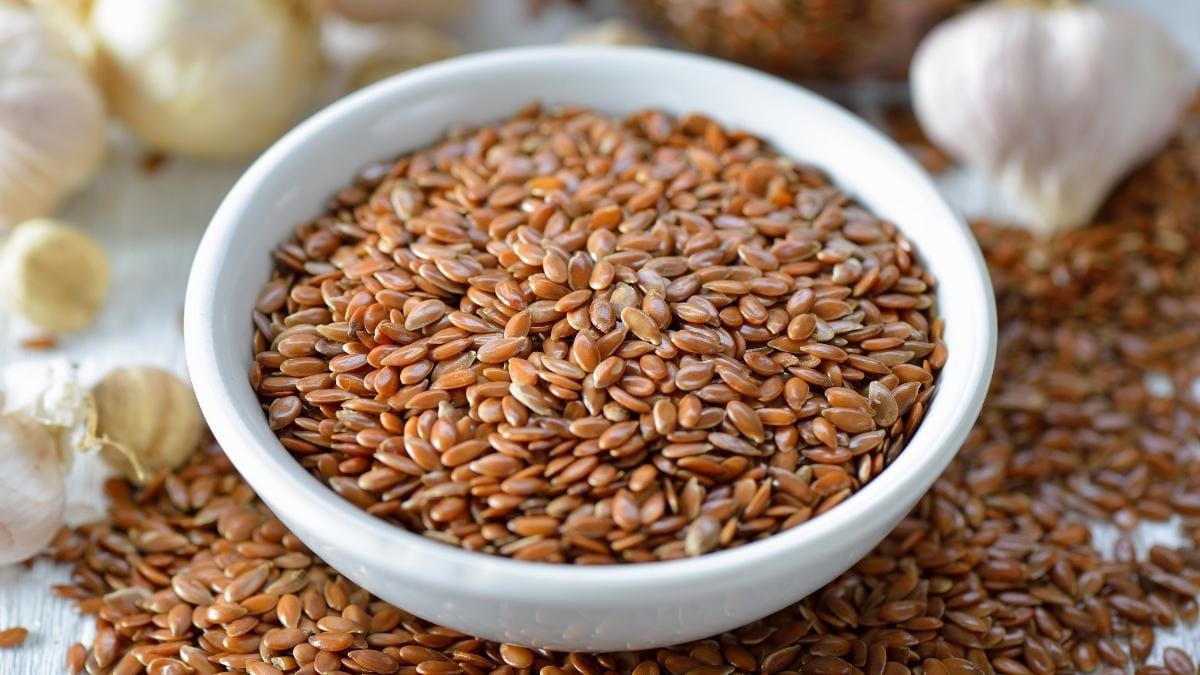
Rich in omega-3s and fiber for gut health. Grind them fresh before eating—your body can’t break down whole flax seeds. Add two tablespoons of ground flax to oatmeal or smoothies daily. Pre-ground flax loses nutrients fast.
4. Tiger Nuts
Not actually nuts, but small root vegetables packed with prebiotic fiber. They contain resistant starch that feeds good bacteria better than most foods. Eat them as a snack or blend into tiger nut milk. They taste sweet and chewy.
Add seeds to one meal today. They’re the easiest gut health upgrade you’ll make.
Your Simple Daily Gut Health Meal Plan
Reading about superfoods is easy. Actually eating them every day? That’s where people quit. You don’t need to eat all 15 superfoods daily—just pick 2 to 4 and rotate them throughout your week. Here’s exactly how to do it without thinking too hard.
The secret is combining probiotics with prebiotics in the same meal. This creates a synbiotic effect where the good bacteria (probiotics) get immediate food (prebiotics) to grow stronger. It’s like hiring workers and giving them tools at the same time.
Sample Daily Meal Plan
Breakfast (7-8 AM): Blend kefir, one cup of blueberries, two tablespoons of chia seeds, and half a banana. This gives you probiotics from kefir, prebiotics from banana, antioxidants from berries, and fiber from chia. Takes 3 minutes to make.
Mid-Morning Snack (10 AM): Ginger tea with a handful of almonds. The ginger settles your stomach while nuts feed gut bacteria. Steep fresh ginger slices in hot water for 5 minutes.
Lunch (12-1 PM): Build a salad with spinach, grilled salmon, pumpkin seeds, and two tablespoons of kimchi on the side. You get omega-3s, prebiotic greens, seeds for fiber, and probiotics from kimchi. Add olive oil and lemon for dressing.
Afternoon Snack (3 PM): One tablespoon of sea moss gel mixed in water or two squares of dark chocolate with green tea. Pick one based on your mood. Both reduce inflammation.
Dinner (6-7 PM): Miso soup (add miso after cooking), roasted asparagus, and any protein you like. The miso gives probiotics, asparagus provides prebiotic fiber. Simple and satisfying.
Evening (Optional): Pomegranate seeds or a small cup of bone broth if you’re still hungry.
Quick Prep Tips
Meal prep Sunday: Wash berries, cut ginger slices, portion nuts into small bags, make a big batch of bone broth. Spend one hour prepping, save 10 hours during the week.
Keep these ready: Pre-made kefir in the fridge, frozen berries, ground flax in the freezer, kimchi jar opened, sea moss gel in a container. If it’s ready to grab, you’ll actually eat it.
Safety Tips Before You Start
These superfoods are generally safe, but you need to know the risks. Your body might react differently than someone else’s because everyone’s gut microbiome is unique. What works amazing for your friend might upset your stomach.
Start slow with fermented foods. If you’ve never eaten kimchi or kefir before, start with one tablespoon daily. Too much too fast causes bloating, gas, and stomach cramps as your gut adjusts to new bacteria. Increase slowly over two weeks.
Sea moss quality matters more than anything. The FDA doesn’t regulate sea moss supplements, so companies can sell junk. Sea moss absorbs heavy metals like lead and mercury from polluted ocean water. Only buy organic sea moss gel or whole food from tested, reputable brands that show lab results. Skip the pills and powders completely.
Watch for these warning signs: If you experience severe stomach pain, bloody stools, constant diarrhea for more than 3 days, or allergic reactions (rash, swelling), stop immediately and see a doctor.
Talk to your healthcare provider first if you: Take blood thinners (ginger and turmeric affect clotting), have thyroid problems (sea moss has high iodine), are pregnant or nursing, take immunosuppressants, or have serious digestive diseases like Crohn’s or ulcerative colitis.
Your gut health matters, but your overall safety matters more. Listen to your body.
On Last Thought:

Here’s your action plan: Pick 2-3 superfoods from this list and eat them every day this week. Don’t try all 15 at once—that’s too much. Start simple with yogurt and berries, or kefir and bananas.
Track how you feel for 30 days. Write down your energy, digestion, and mood daily. You’ll notice changes within two weeks. Remember, there’s no perfect gut microbiome—yours is unique to you.
Your gut controls your health. Feed it right, and everything else improves.