
Every three seconds, someone breaks a bone from osteoporosis. But here’s what most people over 50 don’t know: the right calcium-rich foods for seniors can cut your fracture risk in half.
The numbers are scary. 54 million Americans over 50 have weak bones. Half of all women and one in four men will break a bone because of this.
And many seniors don’t get enough calcium—especially if you’re Black or Asian American. Here’s the good news. You’ll learn exactly which nine foods build stronger bones.
We’ll show you how much calcium you really need and how to eat these foods every day. You’ll discover simple tricks to absorb more calcium and avoid common mistakes that waste it.
No complicated plans. Just real food that protects your bones starting today.
Daily Calcium Requirements for Older Adults
You need different amounts of calcium based on your age and gender. Women over 51 need 1,200 mg every day.
Men need 1,000 mg from age 51 to 70, then 1,200 mg after 71. These numbers come from the National Institutes of Health’s 2024 guidelines.
Here’s the tricky part. Your body can only absorb 500 to 600 mg at one time. So you can’t just drink all your milk at breakfast and call it done.
You need to spread your calcium across three or four meals. Dairy gives you about 30% absorption. Some vegetables have less because they contain oxalates that block calcium.
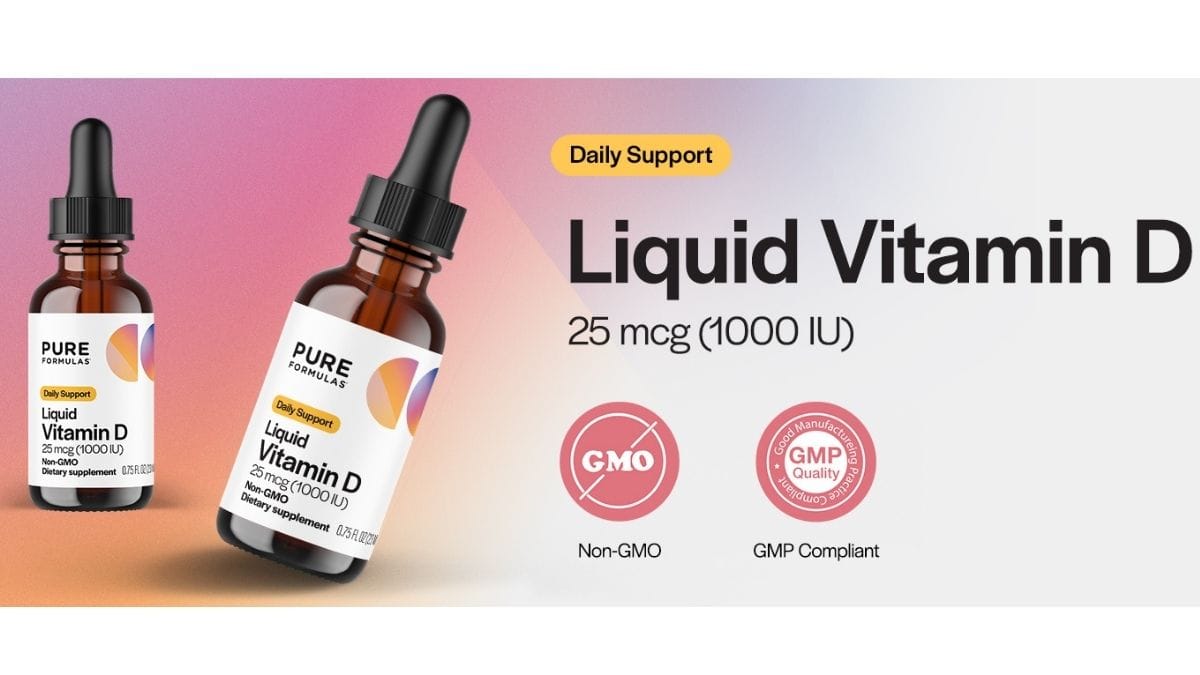
Calcium doesn’t work alone. You need 800 to 1,000 IU of vitamin D daily to absorb it. Magnesium and vitamin K help too. Your bones also need protein, but don’t overdo it.
Some people struggle more than others. If you earn under $20,000 yearly, you’re 11.6% more likely to lack calcium.
People who avoid dairy, have digestive problems, or take certain medications face higher risks too.
9 Calcium-Rich Foods to Eat Daily for Stronger Bones
Food beats supplements every time. Research from 2024-2025 shows that calcium from real food protects your bones better than pills.
Here are nine foods that pack the most calcium, with exact amounts and simple ways to eat them every day.
Greek Yogurt: The Calcium Champion (300mg per cup)

One cup of Greek yogurt gives you 300mg of calcium. Regular yogurt has even more at 450mg. Your body absorbs about 30% of the calcium from dairy—that’s better than any other food source.
Greek yogurt works great for seniors because it’s easy to digest and loaded with protein. The probiotics help your gut stay healthy too. Aim for one to two cups daily.
Eat it for breakfast with berries and almonds. Mix it with honey and cinnamon for a snack. Use it instead of sour cream at dinner.
Just pick low-fat varieties to avoid too much saturated fat. Watch out for added sugars—buy plain yogurt and sweeten it yourself.
Canned Fish with Bones: Omega-3s Plus Calcium (181-325mg per 3 oz)
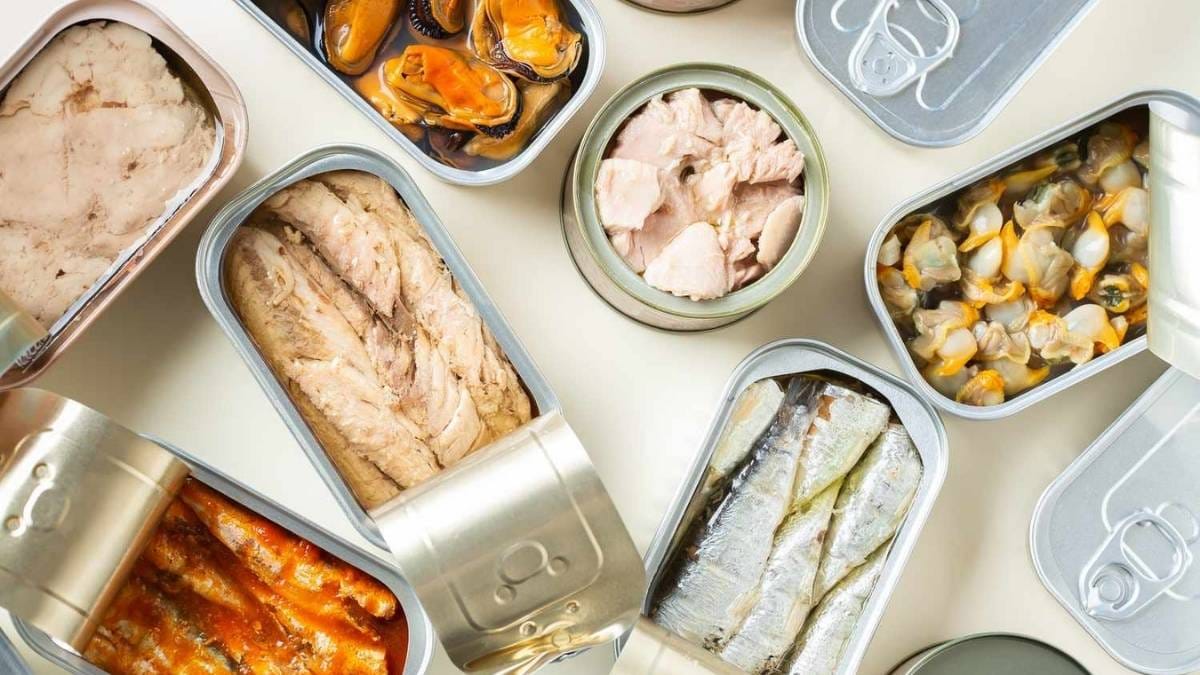
Three ounces of sardines with bones pack 325mg of calcium. Canned salmon with bones gives you 181mg. You have to eat the soft bones—that’s where all the calcium hides.
These tiny fish do double duty. They give you omega-3 fatty acids and vitamin D, which helps your body absorb calcium. Studies from 2025 show that calcium plus omega-3s work together to build stronger bones.
Mash sardines on whole grain toast for lunch. Toss canned salmon into salads. Mix either one into pasta with olive oil and garlic.
Make salmon patties with oats for dinner. Drain and rinse the fish first to cut down on sodium.
Dark Leafy Greens: Plant-Based Calcium Powerhouses (268mg per cup cooked)

One cup of cooked collard greens delivers 268mg of calcium. Kale has 177mg and bok choy has 158mg. These greens beat spinach because they’re low in oxalates—chemicals that stop your body from absorbing calcium.
Here’s what matters. Spinach looks healthy but contains oxalates that block calcium absorption. Skip it. Stick with collards, kale, or bok choy instead.
Sauté these greens with garlic as a side dish. Add them to soups and stews. Blend raw kale into smoothies.
Use collard leaves as wraps instead of tortillas. Steam them lightly instead of boiling to keep more calcium in the food.
Fortified Almond and Soy Milk: Dairy-Free Options (300-450mg per cup)

Fortified almond milk gives you 450mg of calcium per cup. Fortified soy milk has 300mg. These plant milks save you if you can’t digest dairy.
Check the label for the word “fortified.” Regular plant milk without added calcium has almost none. Shake the container well before you pour—calcium sinks to the bottom.
Pour it in your morning coffee or tea. Use it on cereal. Blend it into smoothies. Cook your oatmeal with it instead of water.
Different brands have different amounts of calcium, so read the nutrition label every time.
Calcium-Set Tofu: Versatile Protein Source (350mg per ½ cup)
Half a cup of firm tofu made with calcium gives you 350mg. Plus you get 10g of protein. Look for “calcium-set” or “made with calcium sulfate” on the package. Other types of tofu won’t help your bones.
Press the tofu to squeeze out water before you cook it. This makes it firmer and helps it absorb flavors better.
Scramble it like eggs for breakfast. Cut it into cubes for stir-fries. Grill slices for salads. Blend silken tofu into smoothies for extra creaminess. Always check the ingredient list to make sure it says “calcium sulfate.”
Fortified Orange Juice: Morning Calcium Boost (300mg per cup)

One cup of fortified orange juice has 300mg of calcium. It also gives you vitamin C and potassium. The best kind contains calcium citrate malate—your body absorbs this form easily.
Shake the container before you pour. Drink one glass with breakfast. Mix half juice with half sparkling water for a lighter drink. Freeze it into popsicles for a treat. Use it in marinades for chicken or pork.
Stop at one cup per day. Orange juice has a lot of sugar, even though it’s natural.
Chia Seeds: Tiny Seeds, Big Calcium (179mg per 2 tablespoons)
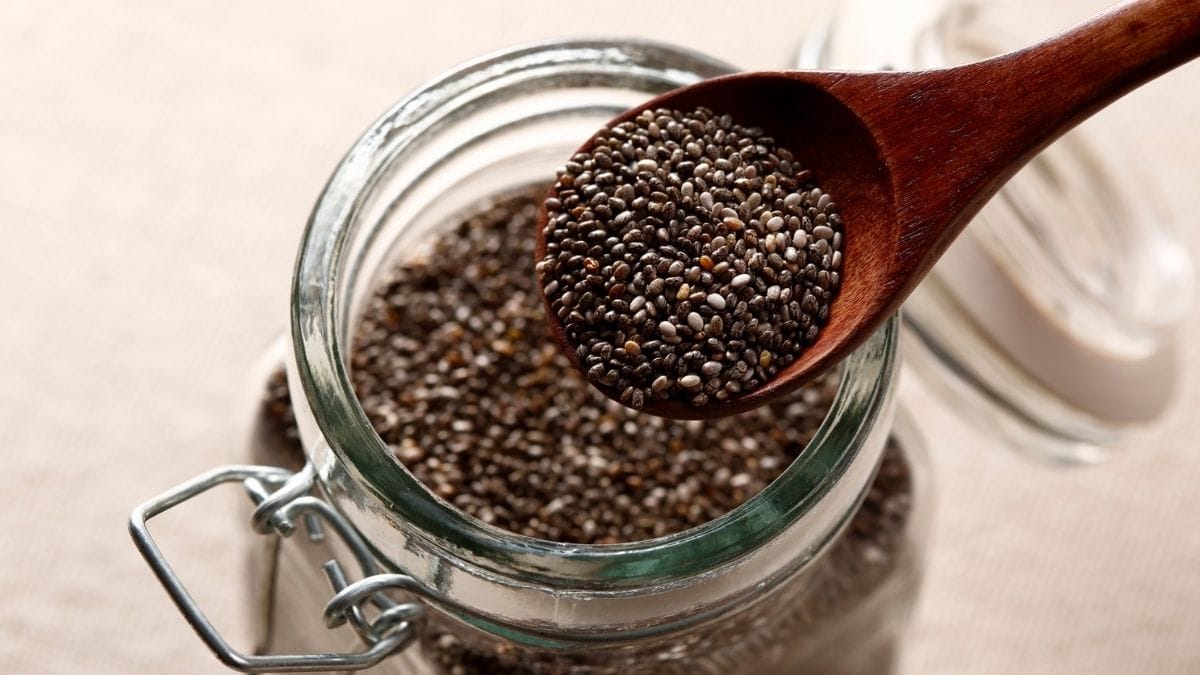
Two tablespoons of chia seeds pack 179mg of calcium. That’s 14% of what you need daily. These little seeds also give you fiber, omega-3s, and protein. You don’t have to cook them.
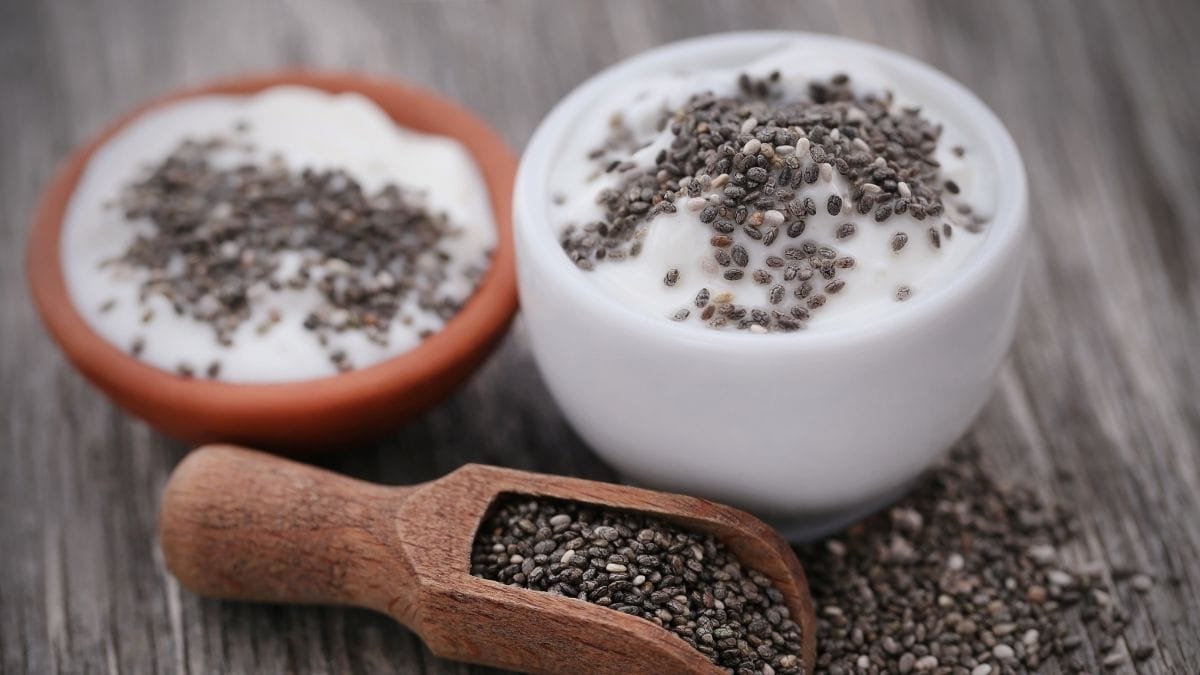
Sprinkle chia seeds on yogurt or oatmeal. Add them to smoothies. Make chia pudding by mixing them with milk and letting it sit overnight. Stir them into soups to make them thicker.
Chia seeds turn soft when they soak up liquid. This makes them easy to chew, even if you have dental problems.
Cheese: Concentrated Calcium Source (200-300mg per ounce)
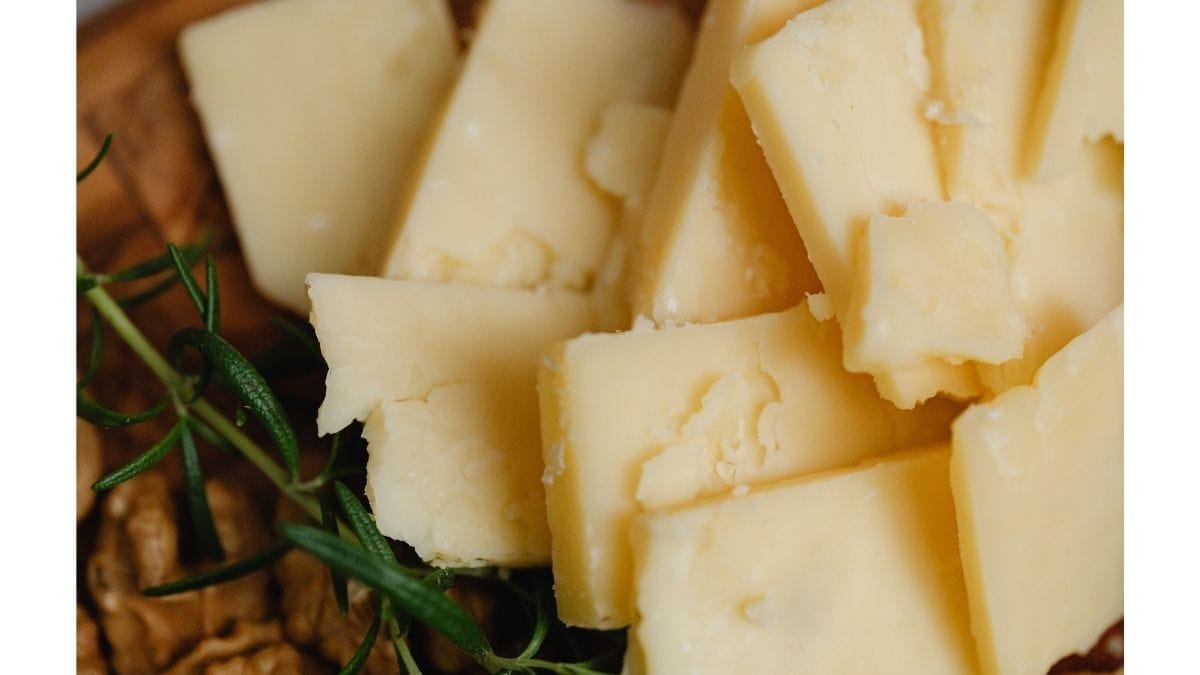
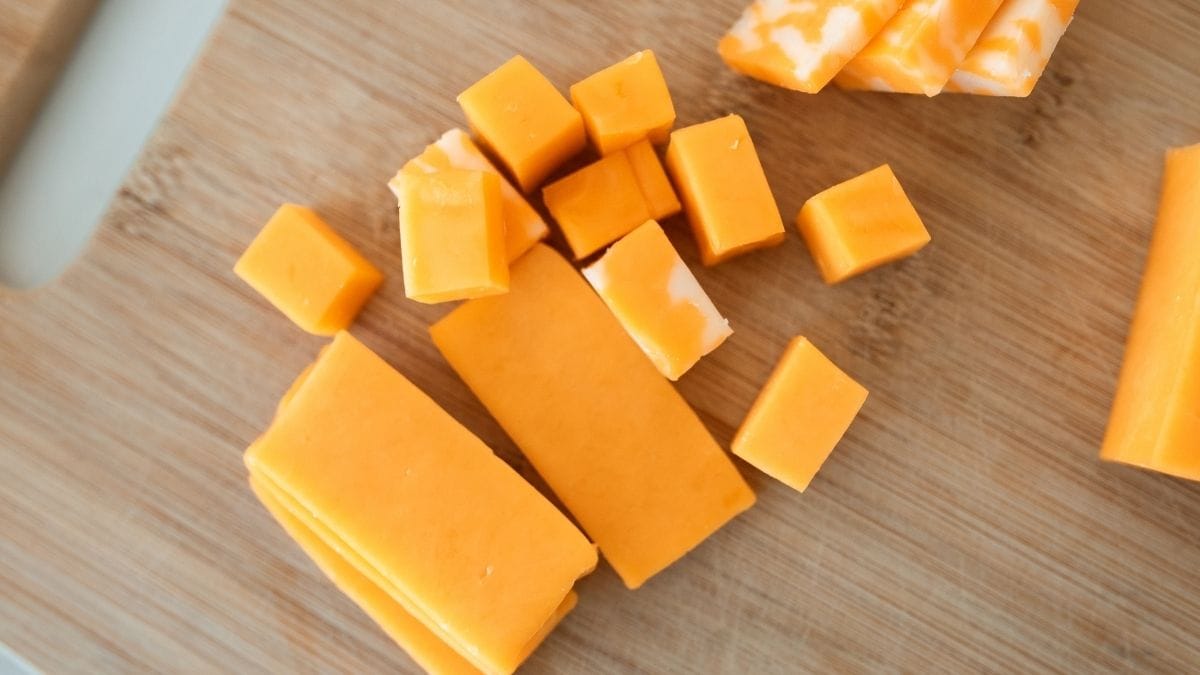
One ounce of cheddar cheese has 200mg of calcium. Mozzarella has 222mg and parmesan has 336mg. A little cheese goes a long way because it’s so concentrated.
But cheese comes with a catch. It’s high in saturated fat and sodium. Don’t go overboard.
Grate cheese on vegetables. Snack on low-fat string cheese. Add a slice to your sandwich. Melt it on whole grain crackers. Pick low-fat versions to protect your heart while you strengthen your bones.
White Beans: Plant-Based Calcium and Fiber (126mg per cup)
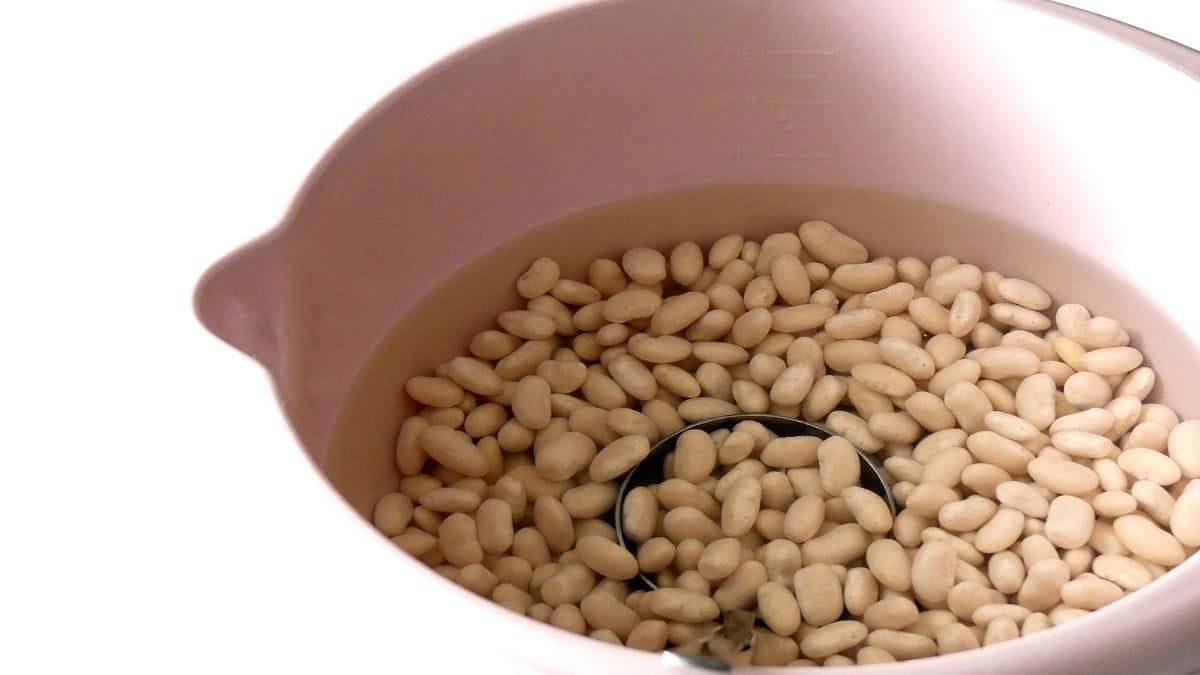
One cup of cooked white beans gives you 126mg of calcium. You also get 12g of fiber. These beans cost less than most calcium sources, making them budget-friendly.
White beans contain phytates that can block calcium absorption. Here’s the fix: soak dried beans overnight, then cook them in fresh water. This removes most of the phytates.
Add white beans to soups and chilis. Mash them into dips like hummus. Toss them into salads for extra protein. Puree them into pasta sauce for a creamy texture without dairy.
Sample Week: How to Eat Calcium-Rich Foods Daily
Here’s exactly what to eat for seven days. This plan uses all nine calcium-rich foods and gives you about 1,200mg daily. The calcium is spread across meals so your body can actually absorb it.
Day 1: Total 1,289mg
Start with Greek yogurt (300mg) topped with chia seeds (90mg) and berries.
For lunch, eat a collard green salad (268mg) with chickpeas and olive oil. Grab a fortified almond milk latte (450mg) as your snack. Finish with grilled salmon with bones (181mg) and roasted vegetables for dinner.
Day 2: Total 1,134mg
Make oatmeal with fortified soy milk (300mg) and sliced almonds. Lunch is white bean soup (126mg) with whole grain bread.
Snack on a low-fat cheese stick (200mg) and an apple. Dinner brings stir-fried tofu (350mg) with bok choy (158mg).
Day 3: Total 1,460mg
Blend a smoothie with fortified orange juice (300mg), kale (177mg), and chia seeds (90mg).
Eat a sardine sandwich (325mg) on whole wheat for lunch. Have Greek yogurt (300mg) as your snack. Make chicken with collard greens (268mg) for dinner.
Day 4: Total 1,452mg
Scramble tofu (350mg) with vegetables for breakfast. Lunch is a kale Caesar salad (177mg) with parmesan cheese (168mg).
Drink fortified almond milk (450mg) as a snack. Bake salmon (181mg) and serve it with white beans (126mg) for dinner.

Day 5: Total 1,372mg
Build a Greek yogurt parfait (300mg) with granola. Roll collard green wraps (268mg) filled with hummus for lunch.
Snack on chia pudding (179mg) made with fortified milk (225mg). Keep dinner simple with cheese pizza (200mg) and a side salad.
Day 6: Total 1,207mg
Pour fortified milk (300mg) over fortified cereal (300mg) for breakfast. Make a salmon salad (181mg) with mixed greens for lunch.
Eat low-fat yogurt (300mg) as your snack. Warm up with white bean chili (126mg) and cornbread for dinner.
Day 7: Total 1,612mg
Start with a smoothie bowl using Greek yogurt (300mg) and chia seeds (90mg). Stir-fry tofu (350mg) with bok choy (158mg) for lunch.
Drink fortified orange juice (300mg) as a snack. Make sardine pasta (325mg) with kale (89mg) for dinner.
Make it easier on yourself. Prep chia pudding on Sunday for the whole week. Wash and chop your greens ahead of time.
Stock up on canned fish and beans—they last forever. Freeze individual smoothie ingredient packs in bags so you can just dump and blend each morning.
Addressing Senior-Specific Bone Health Challenges
Your situation matters. Not everyone can eat the same foods or follow the same plan. Here’s how to get enough calcium when you face common senior challenges.
If You Can’t Digest Dairy
Take lactase enzyme pills before eating dairy.

Buy lactose-free milk and yogurt—they have the same calcium without the lactose. Switch to fortified plant milks. Eat aged cheeses like cheddar or parmesan because they naturally contain very little lactose.
If You Take Multiple Medications
Calcium carbonate needs stomach acid to work, so take it with meals. Calcium citrate doesn’t need stomach acid—pick this one if you take acid reducers for heartburn.
Take calcium two to four hours away from thyroid pills or antibiotics. Show your pharmacist your full medication list to check for problems.
If Money Is Tight
Canned fish with bones costs less than fresh. Dried beans give you calcium for pennies per serving. Buy store brands of fortified foods instead of name brands.
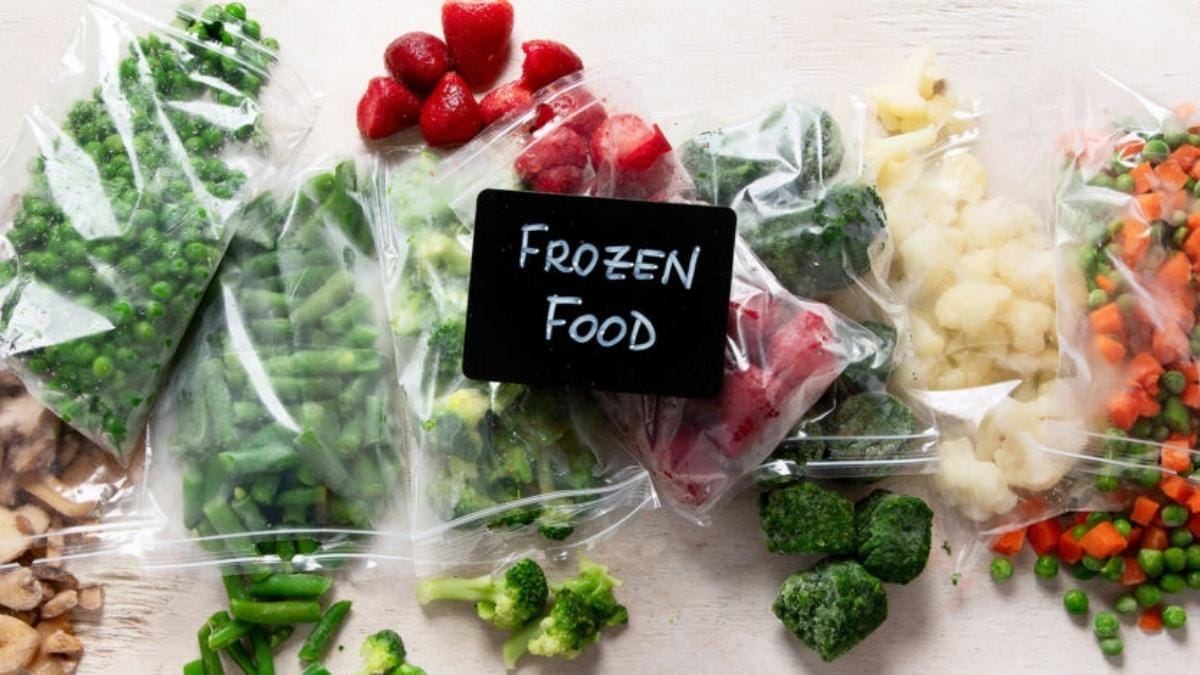
Frozen greens cost less, last longer, and have the same nutrients as fresh. Regular dairy milk beats expensive plant milk alternatives on price.
If Chewing Is Hard
Eat Greek yogurt and smoothies. Try soft tofu or mashed white beans. Cook collard greens until they’re very soft. Make chia pudding. Drink fortified liquids like milk or juice.
If You Live Alone
Single-serve Greek yogurt won’t go bad. Canned fish and beans sit on your shelf for months. Frozen greens let you use just what you need. Shelf-stable fortified milk doesn’t spoil.
Final Thought:
Strong bones after 50 don’t happen by luck. You build them meal by meal with the right calcium-rich foods.
Add these nine foods to your daily routine, spread your calcium across the day, and pair it with vitamin D. That’s how you fight osteoporosis and prevent fractures.
Research from 2024-2025 proves that real food works better than supplements for bone health. Start small this week—pick one or two calcium-rich foods to try.
Schedule a bone density test if you’re a woman over 65 or a man over 70. Track what you eat for three days to find gaps. Make one calcium-rich food swap this week. Your bones will stay stronger for decades.