
You start forgetting names. You walk into a room and forget why. That feels scary. And you wonder if this is just “normal aging” or something more serious.
Many adults deal with brain fog, slower recall, or worry about dementia. You may search online and see long food lists with bold claims.
But which foods for cognitive health with age actually help? Which ones are backed by real research?
In this guide, you’ll learn about brain-boosting foods that experts link to better cognitive function. We’ll look at patterns shown to help prevent cognitive decline.
You’ll see simple changes you can make this week. No hype. Just practical food choices that support your brain as you age.
How Diet Affects Brain Health With Age
Your brain runs on what you eat. That’s not a slogan. It’s biology. Nutrients help build brain cells and protect them from damage over time.
Large studies funded by the National Institutes of Health show that healthier eating patterns are linked to a lower risk of cognitive decline.
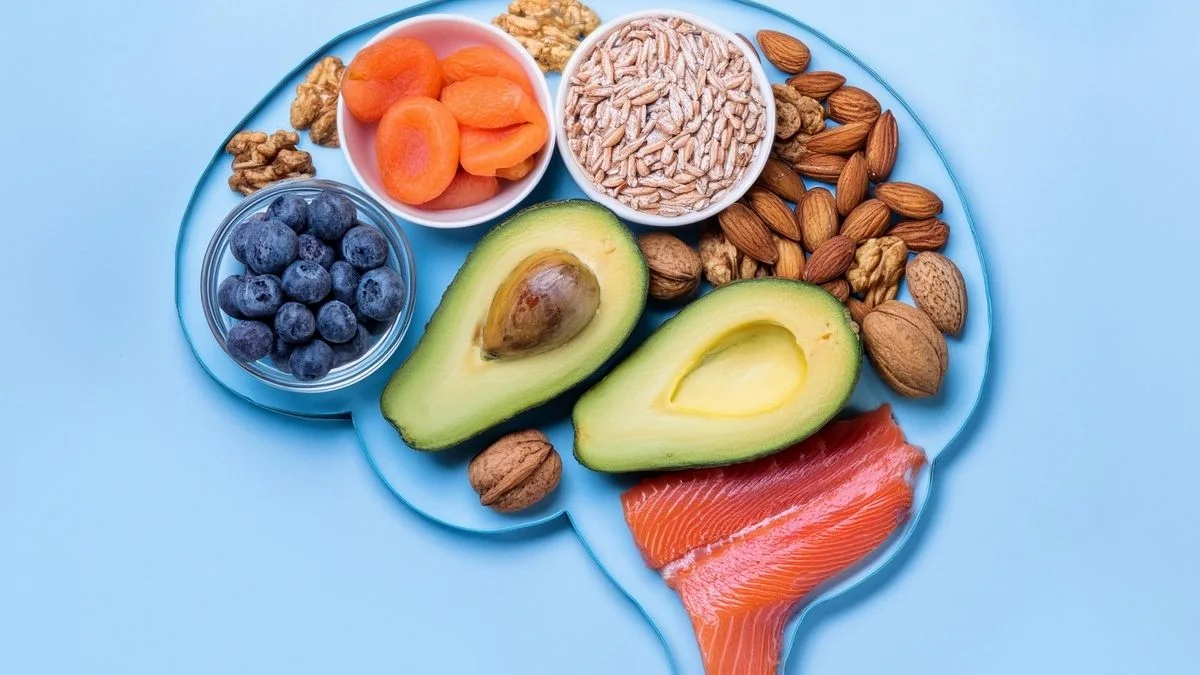
Diets like the Mediterranean diet and the MIND diet score high in fruits, vegetables, whole grains, fish, and healthy fats. People who follow them more closely tend to have slower memory decline as they age.
On the flip side, diets high in ultra-processed foods, added sugars, and saturated fats are linked to worse cognitive outcomes. These foods increase inflammation. And inflammation can affect the brain.

If you want better diet and brain health, focus on whole foods. Fill half your plate with plants. Add fish and healthy fats. This is one of the most practical ways to help prevent cognitive decline and gain MIND diet benefits.
Omega-3 Rich Foods for Memory & Brain Function
Your brain is made up of nearly 60% fat. A large part of that fat is DHA, a type of omega-3. DHA and EPA help build and protect brain cells.
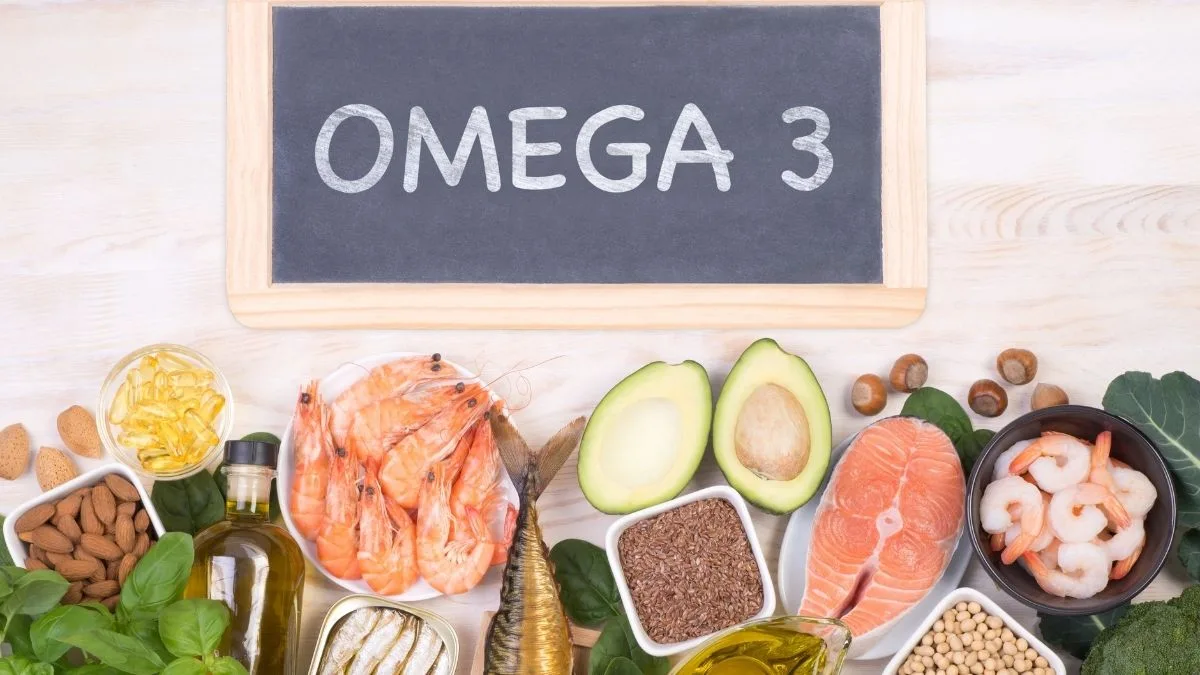
Studies show that people who eat fatty fish regularly have a lower risk of dementia. Fish like salmon, sardines, mackerel, and trout are top sources. Aim for two servings per week. That’s about 3–4 ounces per serving.
If you don’t eat fish, plant sources like walnuts, flaxseeds, and chia seeds provide ALA, another omega-3.
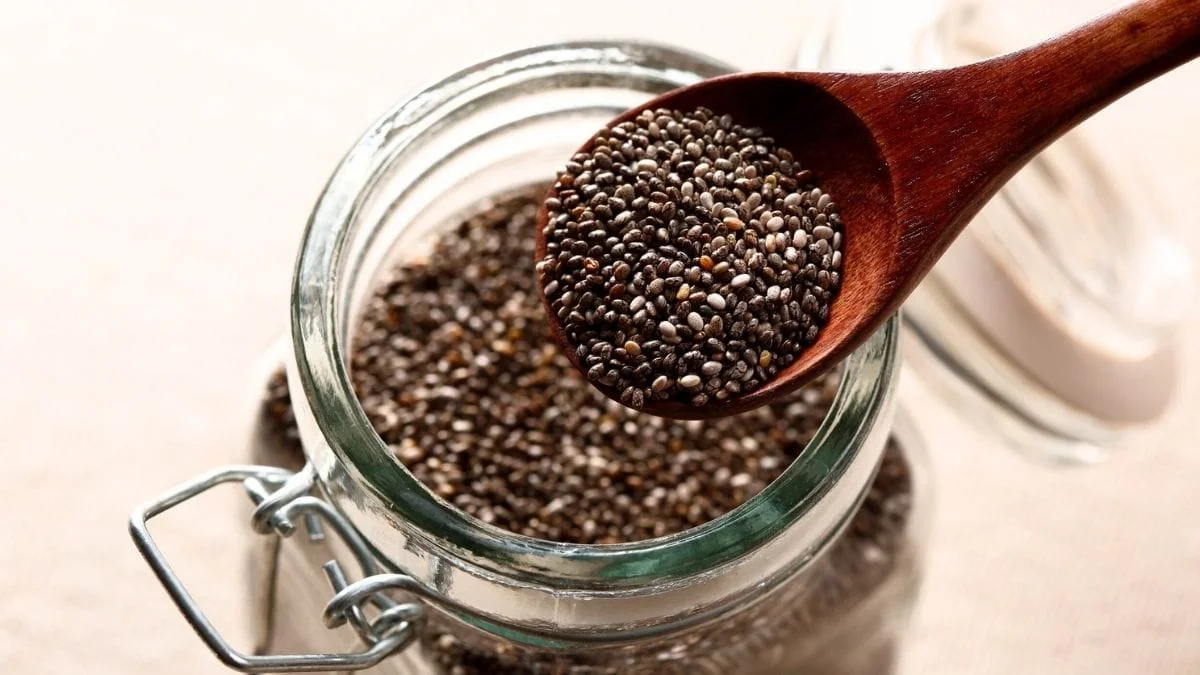
Your body converts some ALA into DHA and EPA, but not very efficiently. So fish remains the stronger option.
Supplements can help in some cases. But they are not magic. Experts often recommend food first.
Adding omega-3 rich foods is one of the simplest brain-boosting foods strategies. Swap one red-meat meal for fatty fish. Sprinkle ground flax on yogurt. These small shifts support memory and long-term brain function.
Antioxidant-Rich Fruits & Berries That Protect the Aging Brain
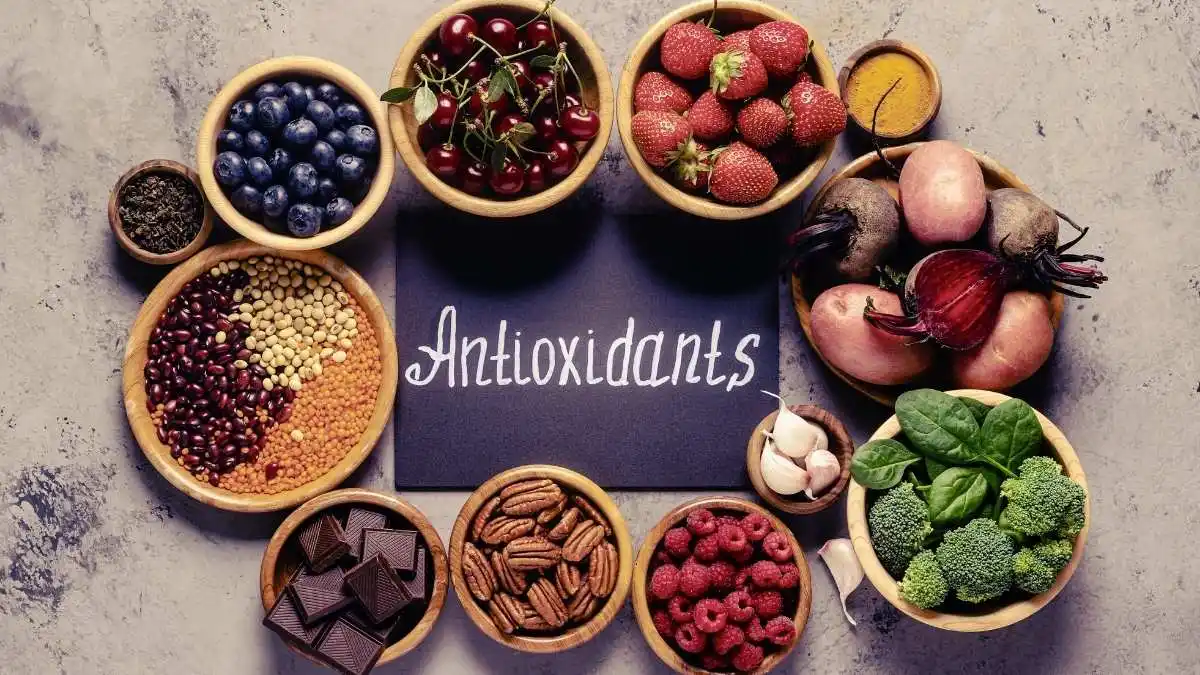
As you age, your brain faces oxidative stress. This is damage caused by unstable molecules called free radicals. Over time, this damage can affect memory and thinking.
Antioxidant rich foods help fight that stress. Berries are at the top of the list. Blueberries and strawberries contain flavonoids that support brain cell communication.
Some studies suggest that higher berry intake is linked to slower cognitive aging.
A simple target is ½ to 1 cup of berries most days. Fresh or frozen both work. Add them to oatmeal. Blend them into a smoothie. Or eat them as a snack.
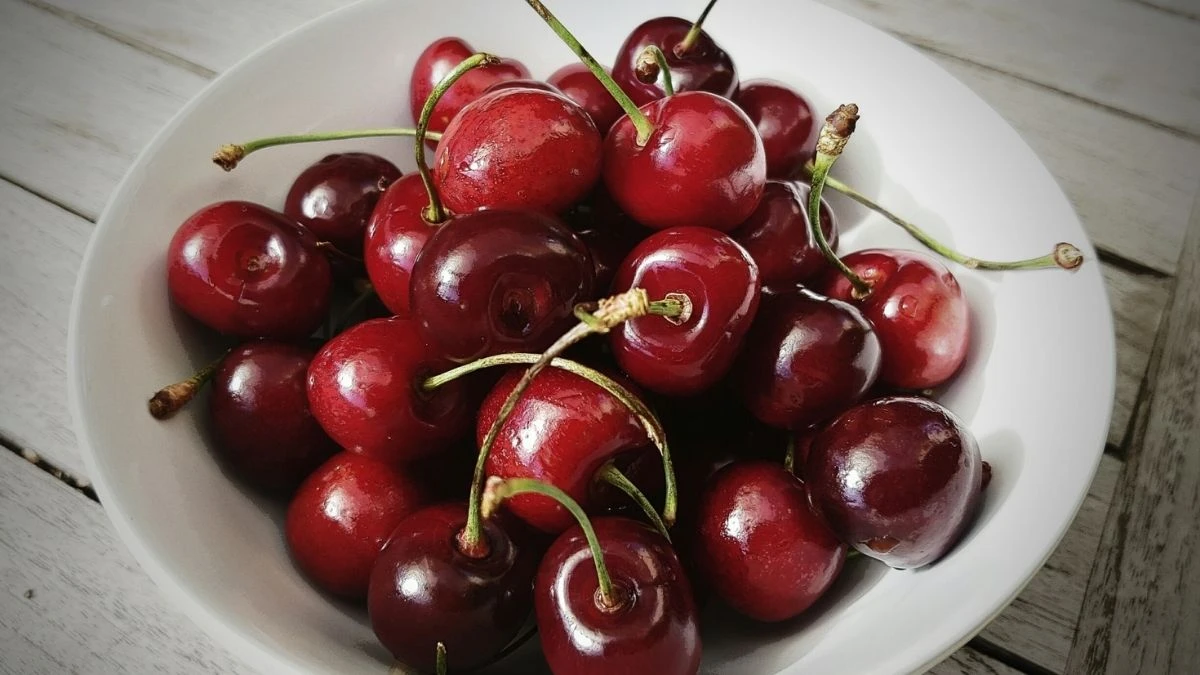
You don’t need exotic powders. Regular fruits can help. Dark grapes and cherries also contain helpful compounds.
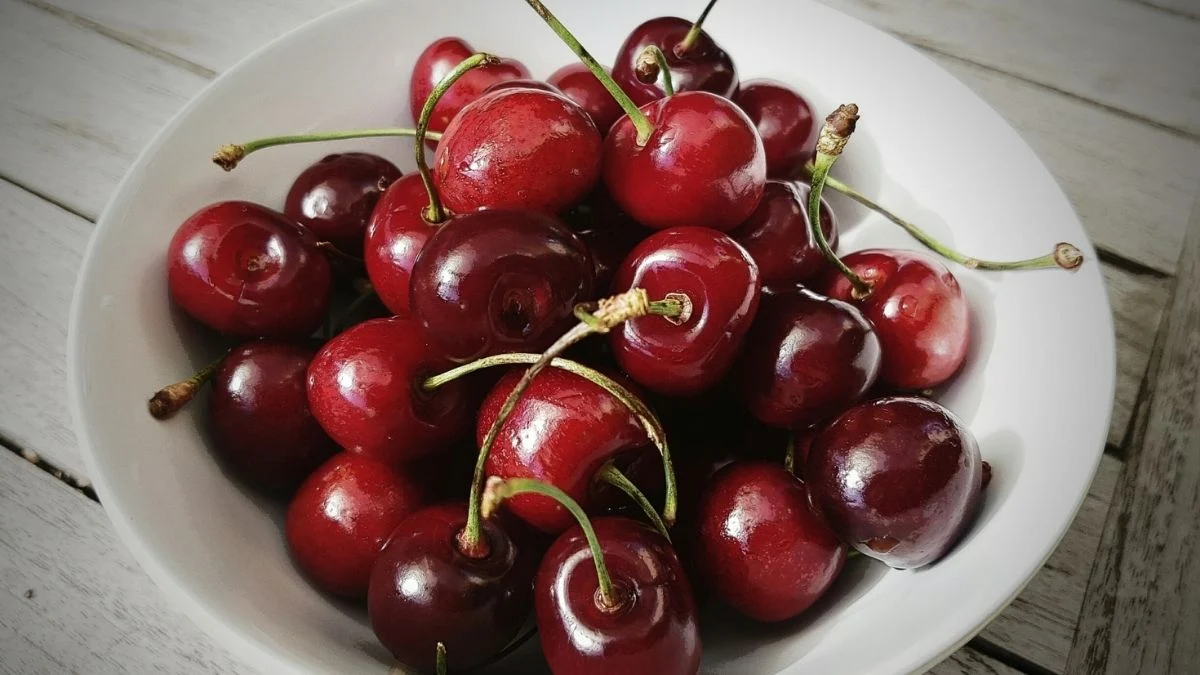
If you’re looking for berries for cognition, start small. Add one serving a day. Over months and years, that habit may support memory and protect your brain from age-related decline.
Nuts, Seeds & Healthy Fats for Brain Longevity
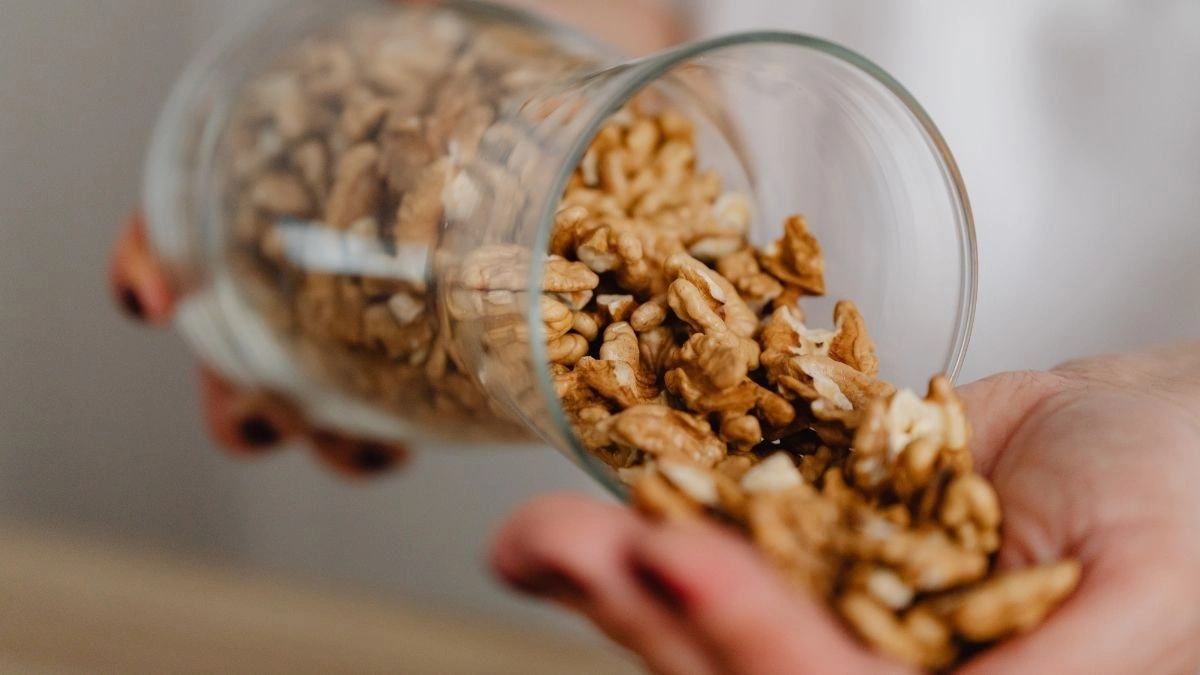
Your brain needs healthy fats to stay flexible and function well. Nuts and seeds provide those fats along with vitamin E, which acts as an antioxidant.
Walnuts stand out. They contain ALA omega-3s and polyphenols. Some research links regular walnut intake with better cognitive test scores in older adults. It’s not a cure. But it’s a helpful piece of the puzzle.
A practical portion is about 30 grams per day. That’s a small handful. You can mix walnuts, almonds, and pistachios. Seeds like pumpkin and sunflower also add nutrients.
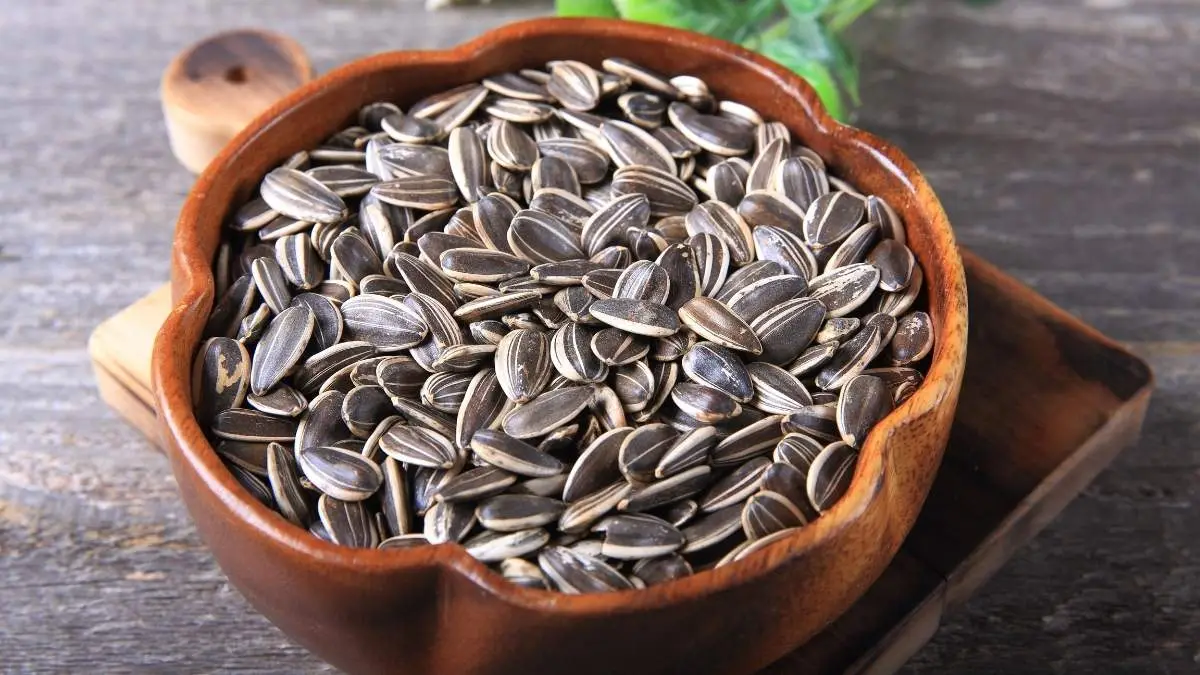
These foods are calorie-dense. So portion size matters. Replace less healthy snacks with them instead of adding extra calories.
If you want nuts for cognitive health, think swap, not stack. Replace chips with a handful of nuts. Use seeds on salads. These healthy fats for brain support add up over time.
Vegetables & Greens With Cognitive Benefits
Leafy greens may be one of the strongest plant foods for the brain.
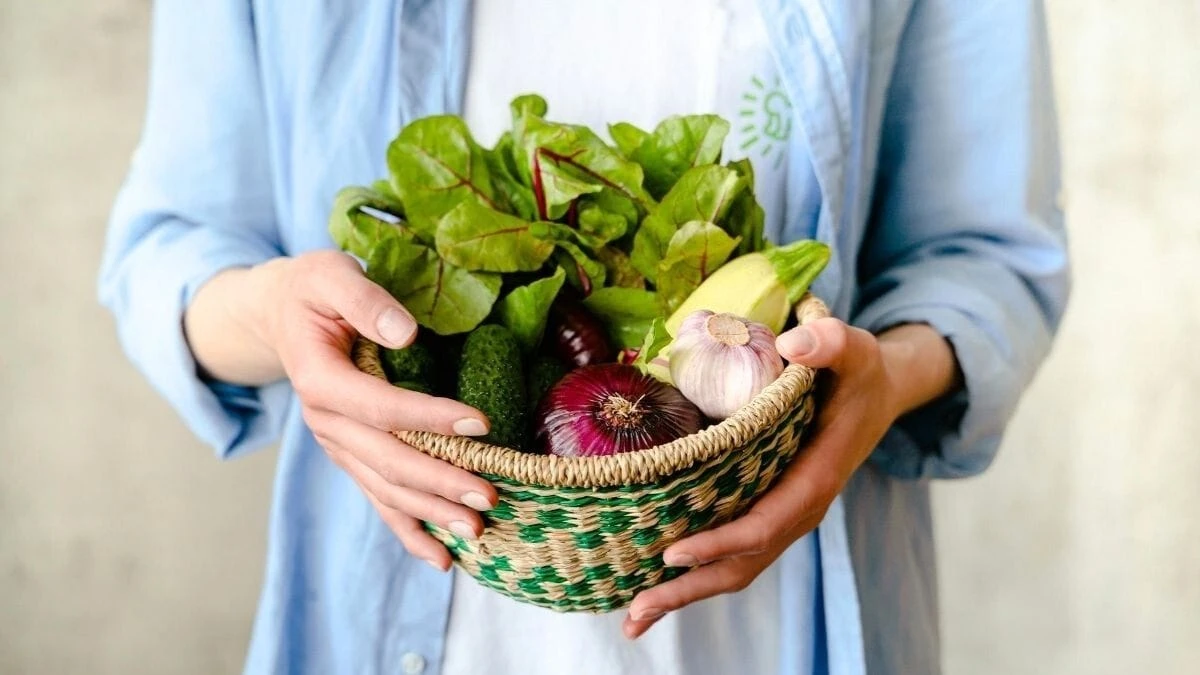
Spinach, kale, and collard greens contain vitamin K, folate, lutein, and beta carotene. These nutrients support brain cell health.
Some long-term studies show that people who eat leafy greens daily have slower cognitive decline compared to those who rarely eat them. The difference can equal being several years younger in brain age.
Cruciferous vegetables like broccoli and Brussels sprouts add antioxidants and fiber. They also help reduce inflammation, which plays a role in brain aging.
Aim for at least one serving of leafy greens per day. That could be a cup of raw spinach or ½ cup cooked greens. Add them to omelets, soups, or smoothies.

If you want more vegetables for cognitive health, start by adding one extra serving at dinner. The leafy greens benefits grow with consistency, not perfection.
Beverages That May Support Brain Health
What you drink matters too. Moderate coffee and tea intake is linked in several studies to a lower risk of cognitive decline.
Coffee contains caffeine and polyphenols. These compounds may improve alertness and protect brain cells.
Some research from Harvard suggests that drinking about 2–3 cups of coffee per day is linked to a lower risk of dementia compared to very low intake.
Tea, especially green tea, provides catechins. These are plant compounds with antioxidant effects. They may support blood flow to the brain.

Moderation is key. Too much caffeine can affect sleep. And poor sleep harms cognitive function.
If you’re curious about coffee brain benefits, start by keeping intake steady and moderate. Swap sugary drinks for unsweetened tea. These simple beverage changes can support long-term brain health.
Other Brain-Healthy Foods: Eggs, Turmeric & Dark Chocolate
Some smaller foods pack real value. Eggs are rich in choline. Your body uses choline to make acetylcholine, a neurotransmitter important for memory. Egg yolks also contain lutein, which supports brain health.
Turmeric contains curcumin.
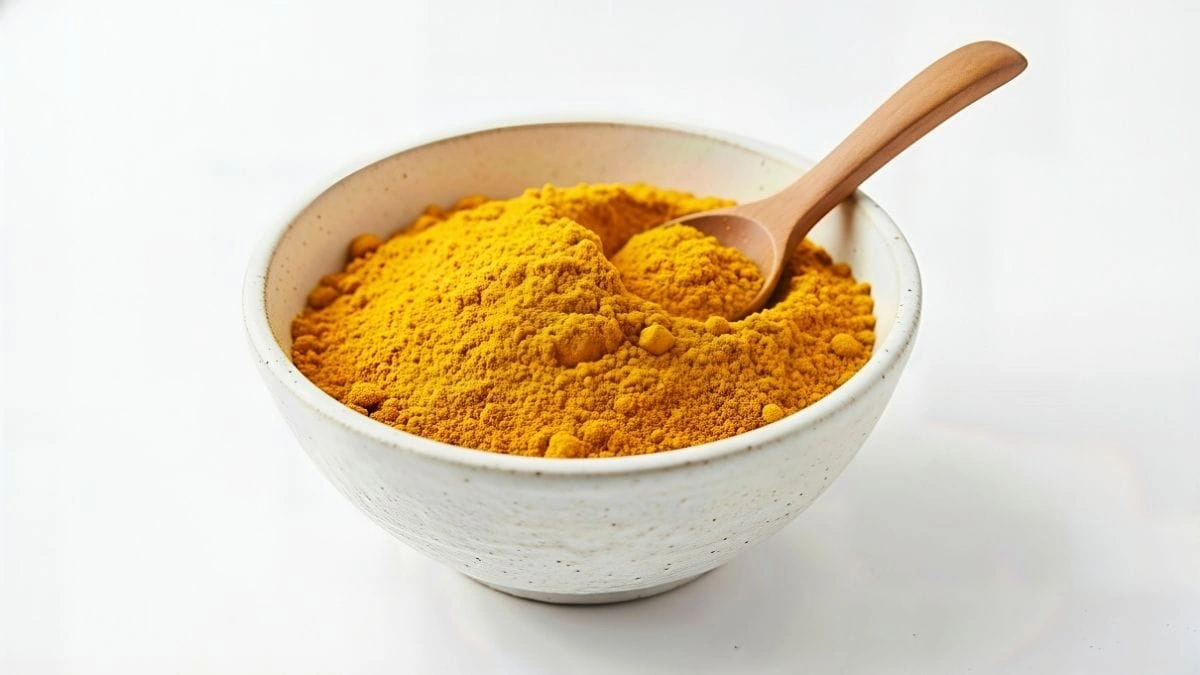
This compound has anti-inflammatory properties. Some early research suggests curcumin may support memory, though results are mixed. Using turmeric in cooking is safe for most people and adds flavor.
Dark chocolate with at least 70% cocoa contains flavonoids. These may improve blood flow to the brain. But portions should stay small due to calories and sugar.
These foods are helpful additions. They are not miracle cures.
If you want turmeric brain benefits or dark chocolate antioxidants, think balance. Add spice to soups. Enjoy a small square of dark chocolate. Keep it simple and consistent.
Putting It Together: A Simple Brain-Healthy Eating Plan
You don’t need a complicated plan. Start with the basics of a Mediterranean or MIND-style pattern.
Build meals around vegetables, especially leafy greens. Add fatty fish twice a week. Include nuts most days. Choose whole grains over refined ones. Use olive oil as your main fat.
Here’s a simple day:
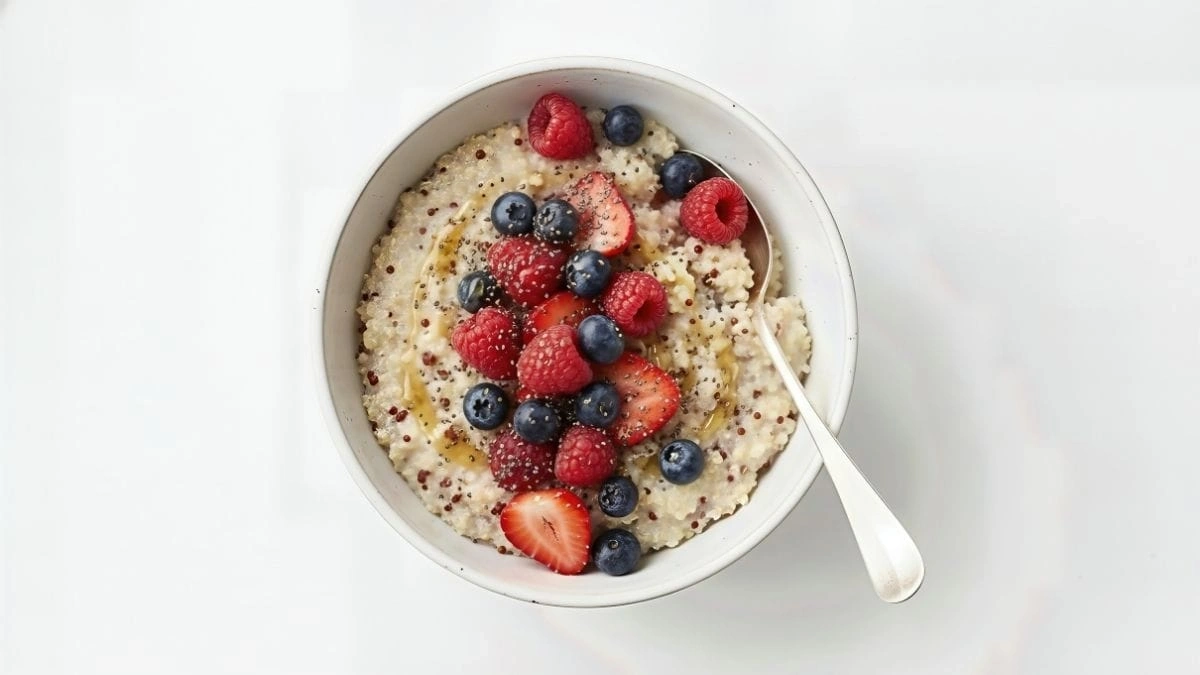
Breakfast: Oatmeal with blueberries and walnuts.
Lunch: Spinach salad with salmon and olive oil.
Snack: Greek yogurt with flaxseeds.
Dinner: Grilled vegetables, beans, and whole grains.
For your weekly list, include:
– Leafy greens
– Berries
– Fatty fish
– Nuts and seeds
– Olive oil
This kind of brain-healthy eating plan supports long-term cognitive function. Small, steady changes work better than strict rules.
Lastly:
Your brain needs omega-3s, antioxidants, leafy greens, and healthy fats. These foods work together over time.
Start with one change this week. Add berries. Swap in fish. Choose nuts as a snack. Small habits now can strengthen your foods for cognitive health with age for years ahead.