
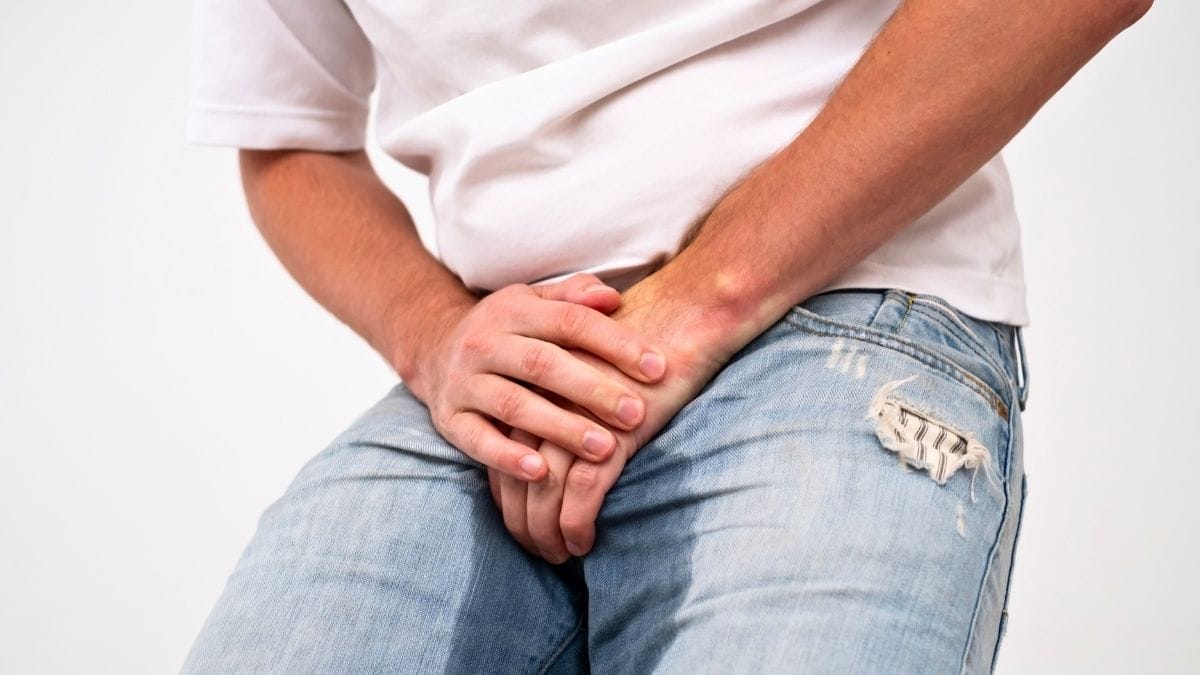
Millions of adults quietly rearrange their whole day around a problem they never talk about. They skip long car trips. They find the bathroom before anything else. They stop going out as much.
Bladder leaks with age are more common than most people admit. About 30% of older women and 15% of older men deal with urinary incontinence. But most suffer in silence because they think nothing can be done.
That thinking is wrong.
Losing Bladder control problems with age are real, but they are not permanent for most people. There are specific things you can start doing today — no prescription needed, no surgery required.
This guide covers why your bladder changes, what type of problem you likely have, and the exact steps that actually help. Let’s get into it.
Why Bladder Control Gets Harder as You Age
First, understand this: what is happening to your bladder has a clear biological reason. It is not weakness. It is not your fault.
Your bladder wall stiffens as you get older. Collagen builds up in the muscle tissue, which makes the bladder less flexible and harder to control. The NIH has documented this clearly in peer-reviewed research.
Your bladder also holds less urine over time. Studies in the Journal of Urology showed that peak flow rate drops with age in both men and women. The bladder holds less and empties less completely.
Your brain also sends weaker signals. A 2023 study in Aging Cell found that the brain-bladder connection weakens with age, so your brain gets a less accurate read on how full your bladder actually is.
For women, estrogen loss after menopause thins the tissue around the urethra. For men, an enlarged prostate pushes against the urethra and disrupts normal flow.
Understanding why this happens is step one. Now let’s talk about what you can do.
Quick Tips:
- Do not assume this is permanent. Most bladder control problems are treatable with the right steps.
- Talk to your doctor if symptoms came on suddenly — that always needs a check-up.
The 4 Types of Bladder Problems — Find Yours First
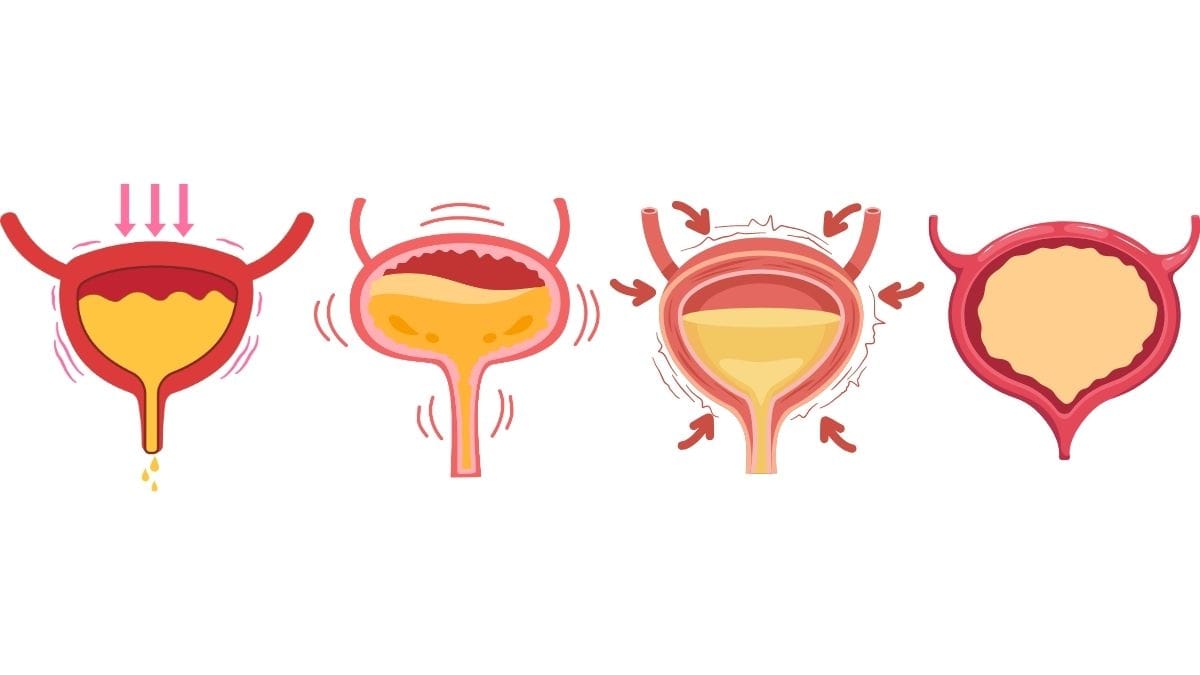
Not all bladder leaks are the same. The type you have changes which fix works best for you. Getting this wrong means wasting time on the wrong solution.
Stress incontinence means you leak when you cough, sneeze, laugh, or exercise. This happens because your pelvic floor muscles are too weak to hold urine back under pressure. It is most common in women.
Urgency incontinence means you get a sudden, powerful urge to go —
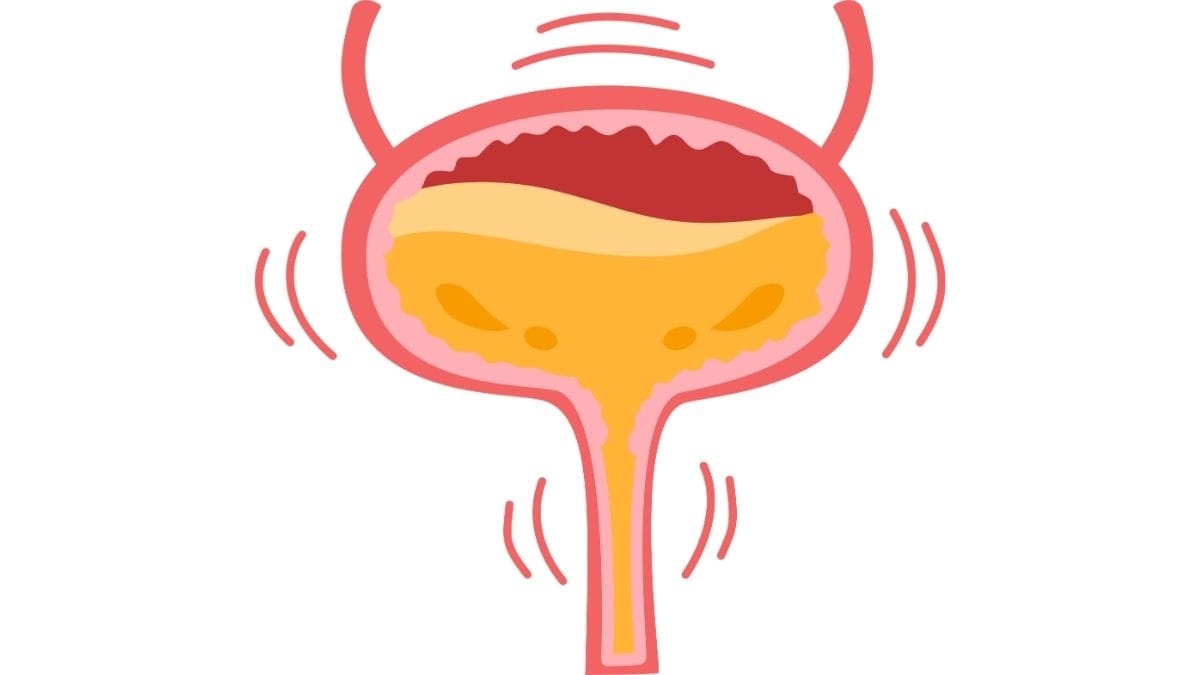
and sometimes you cannot hold it long enough to reach the bathroom. This is also called overactive bladder. The bladder muscle contracts when it should not.
Mixed incontinence is both stress and urgency combined. This is very common in older adults and often the hardest to pin down at first.
Overflow incontinence means the bladder never fully empties.
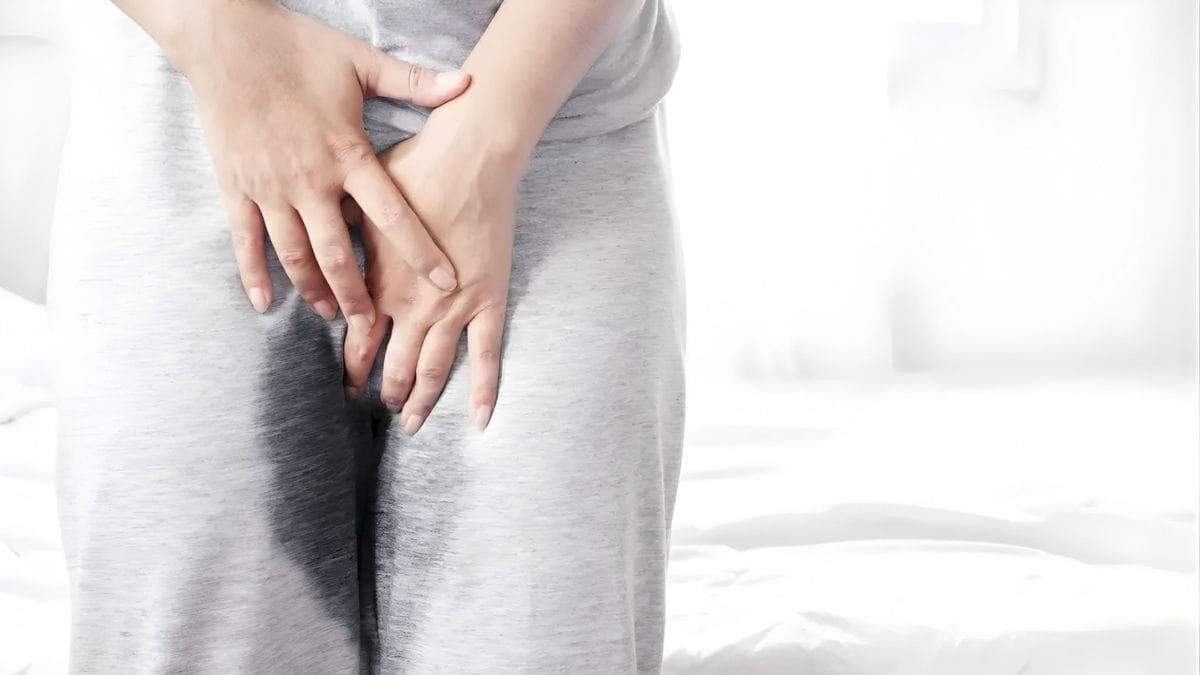
Urine dribbles out because there is no more room. This is more common in men with prostate problems or in people with nerve damage from diabetes.
Johns Hopkins Medicine confirms that treatment differs significantly by type. Know yours before you act.
Quick Tips:
- Keep a 3-day log of when you leak and what you were doing. Patterns reveal your type fast.
- If you are unsure, your GP can confirm the type with a simple in-office evaluation.
Pelvic Floor Exercises — The Most Proven Step You Can Take Right Now
If you do only one thing after reading this article, make it this. Pelvic floor exercises, also called Kegel exercises, are the most evidence-backed treatment for bladder leaks that exists.
Your pelvic floor is a group of muscles at the base of your pelvis. Think of them as a hammock holding your bladder, bowel, and uterus in place. When those muscles weaken, leaks happen.
Here is how to do a Kegel correctly. Squeeze the muscles you would use to stop urinating mid-flow. Hold for 3 to 5 seconds. Then fully release. That is one rep. Do 10 to 15 reps, three times a day.
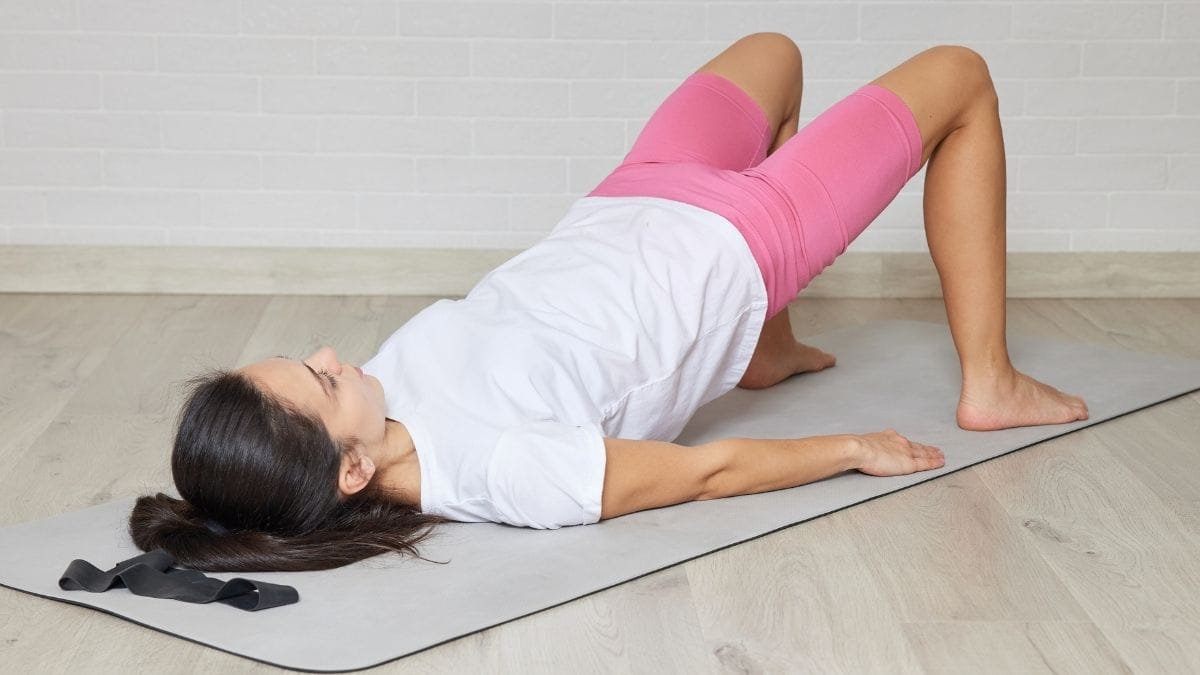
The research is strong. A Cochrane review found improvement rates between 48% and 80.7%. A 2025 study in Maturitas showed that women aged 65 and older doing a 12-week online program reduced daily leakage episodes from 2.5 down to 1.3 — and kept those results six months later.
Age does not reduce how well this works. Older women see results just as good as younger women.
Quick Tips:
- Many people squeeze the wrong muscles. If your stomach or backside tightens, you are not doing it right. Focus only on the pelvic muscles.
- See a pelvic floor physiotherapist at least once to confirm your technique before practicing on your own.
Bladder Training — How to Retrain Your Bladder Step by Step
Your bladder can be trained. That is not a figure of speech. It is a medical technique with real results behind it.
Bladder training means you gradually extend the time between bathroom trips. The goal is to teach your bladder to hold more urine without triggering panic urgency.
Start by keeping a bladder diary for 3 days. Write down the time you urinate, how much, and whether there was a leak. This is free.
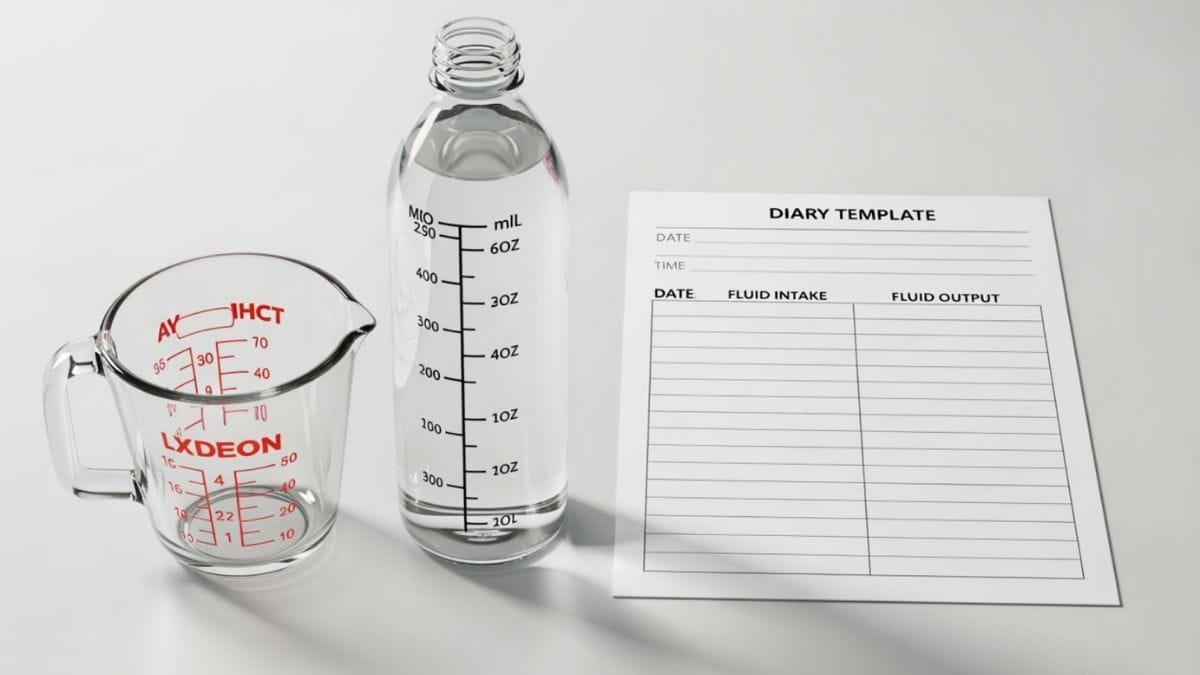
The NIDDK (National Institute of Diabetes and Digestive and Kidney Diseases) has a printable version on their website. Look at your average time between trips. Then add 15 minutes to that. Hold to the new schedule for one to two weeks, then extend again.
When an urge hits before your scheduled time, use urge suppression. Stop moving. Sit or stand still. Squeeze your pelvic floor muscles several times. Take slow, steady breaths. Let the urge fade. Then walk to the bathroom calmly.
Research confirms that combining bladder training with lifestyle changes and pelvic floor exercises improves incontinence even in homebound older adults. Give it 4 to 8 weeks. Results are real, but they take time.
Quick Tips:
- Do not sprint to the bathroom at the first urge. That trains your bladder to demand more, not less.
- Timed voiding — going every 2 hours on a schedule — is a simpler option if suppression feels too hard at first.
What You Eat and Drink Is Affecting Your Bladder Right Now

What goes into your body affects your bladder more directly than most people expect.
The first and most surprising fact: cutting back on water makes leaks worse, not better. Concentrated urine — dark yellow, strong-smelling — irritates the bladder lining. That irritation increases urgency. Mayo Clinic recommends aiming for around 60 ounces of fluids per day for most people.
Caffeine is one of the strongest known bladder irritants. Research shows that dropping below 100 milligrams of caffeine per day — roughly one cup of drip coffee — can reduce urgency incontinence symptoms. Caffeine hides in tea, cola, energy drinks, and some over-the-counter pain medications too.
Alcohol disrupts the brain-bladder signal. It also dehydrates you, which concentrates your urine and makes things worse. Carbonated drinks — even the caffeine-free versions — irritate the bladder through carbonation alone.

Acidic foods like citrus, tomatoes, and spicy foods worsen symptoms in many people. But note this honestly: a 2025 review of 51 studies found that food triggers are highly individual. What bothers one person may not bother another.
The smartest move is an elimination approach. Cut one suspected food for one week. If symptoms improve, that is your trigger.
Quick Tips:
- A 2022 study of 500 people found that those following a Mediterranean-style diet reported fewer overactive bladder symptoms — more vegetables, less processed food.
- Spread your fluids across the day. Cut back 2 to 3 hours before bed to reduce nighttime trips.
6 Lifestyle Changes That Make a Real Difference
These changes do not get talked about enough, but they work.
Lose even a small amount of weight. Extra body weight puts constant pressure on the bladder and pelvic floor. Losing even 5 to 10 pounds can noticeably reduce leaks in people with stress incontinence.
Quit smoking.
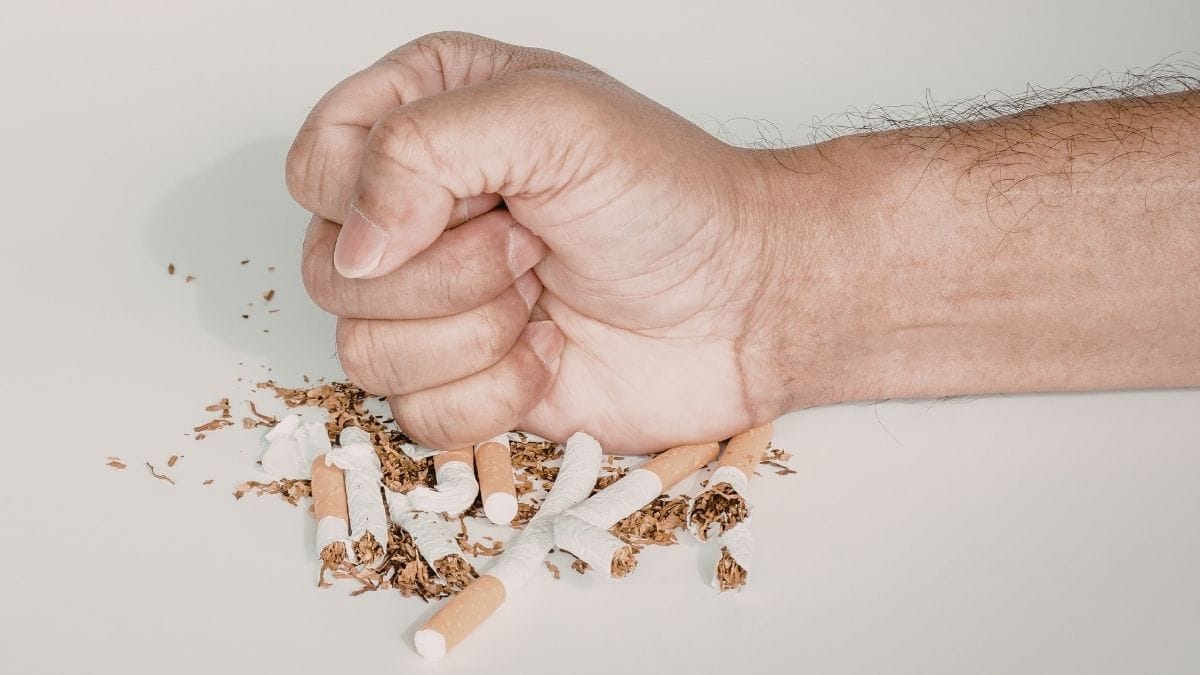
Smoking causes a chronic cough, and that repeated cough strains the pelvic floor muscles every single day. Smoking also irritates the bladder lining directly.
Prevent constipation. Straining during bowel movements weakens pelvic floor muscles over time. Eat fibre-rich foods — vegetables, whole grains, beans — and drink enough water.
Limit fluids close to bedtime. If you wake up multiple times at night to urinate, try cutting fluids 2 to 3 hours before sleep. Keep your daytime intake normal.
Stay active.

Walking, swimming, and yoga all help maintain muscle tone throughout the body, including the pelvic floor. You do not need intense workouts.
Be careful with heavy lifting. It spikes abdominal pressure and stresses the pelvic floor. If you must lift, squeeze your pelvic floor muscles first before you lift, and hold during the effort.
The National Institute on Aging confirms that weight loss, quitting smoking, and choosing water over other drinks all help with bladder control.
Quick Tips:
- Start with the one change that is most realistic for you right now. Doing one thing consistently beats doing five things halfway.
- Ask your doctor if any medication you currently take might be worsening your bladder symptoms. Several common drugs do.
When to Stop Self-Managing and See a Doctor
Self-management works well for many people. But some signs mean you need professional help — and the sooner the better.

See a doctor if you notice blood in your urine. That is always a reason to get checked, no exceptions. Also go if urination is painful, if you suddenly lose control you did not lose before, or if you feel like your bladder never fully empties.
Go if you are using the bathroom more than 8 times per day or waking up more than twice a night. Also go if you have tried the lifestyle steps in this article for 6 to 8 weeks and nothing has improved.
Your GP is the right first stop. They can refer you to a urologist (for men and women) or a urogynecologist (for women specifically). A doctor can confirm your incontinence type through urodynamic testing and then offer real options.
Those options include Mirabegron, a medication for urgency incontinence with fewer mental side effects than older drugs. Botox injections into the bladder muscle work for people who do not respond to medication. Electrical nerve stimulation and surgical options exist for more severe cases.
Here is the most important number in this article: about 80% of people with urinary incontinence can improve or be cured with proper treatment.
Quick Tips:
- Do not wait years before asking for help. The longer you wait, the more habits form around the problem and the harder it becomes to retrain.
- Older anticholinergic medications can affect memory and cognition in older adults. Ask specifically about Mirabegron as a safer alternative.
CONCLUSION
Bladder control problems with age are common, not shameful, and very often fixable.
Start with pelvic floor exercises. Cut caffeine. Try bladder training. These three steps alone help most people see real change.
Do 10 Kegels right now. That is where it starts.