A 18-year Harvard study confirmed something important. What you eat in your 40s and 50s shapes how healthy you are at 70. That’s not an opinion. It’s data from over 74’000 real people.
Most people are confused about food. One article says eat more fat. Another says avoid it. You don’t know who to trust. So you do nothing. And that’s the real problem.
This article cuts through all that. It gives you 11 specific foods that Harvard’s research links to healthy aging. You’ll learn what each food does in your body. And you’ll get simple, realistic ways to eat them — even on a budget in 2026.
What Harvard’s 30-Year Study Actually Found
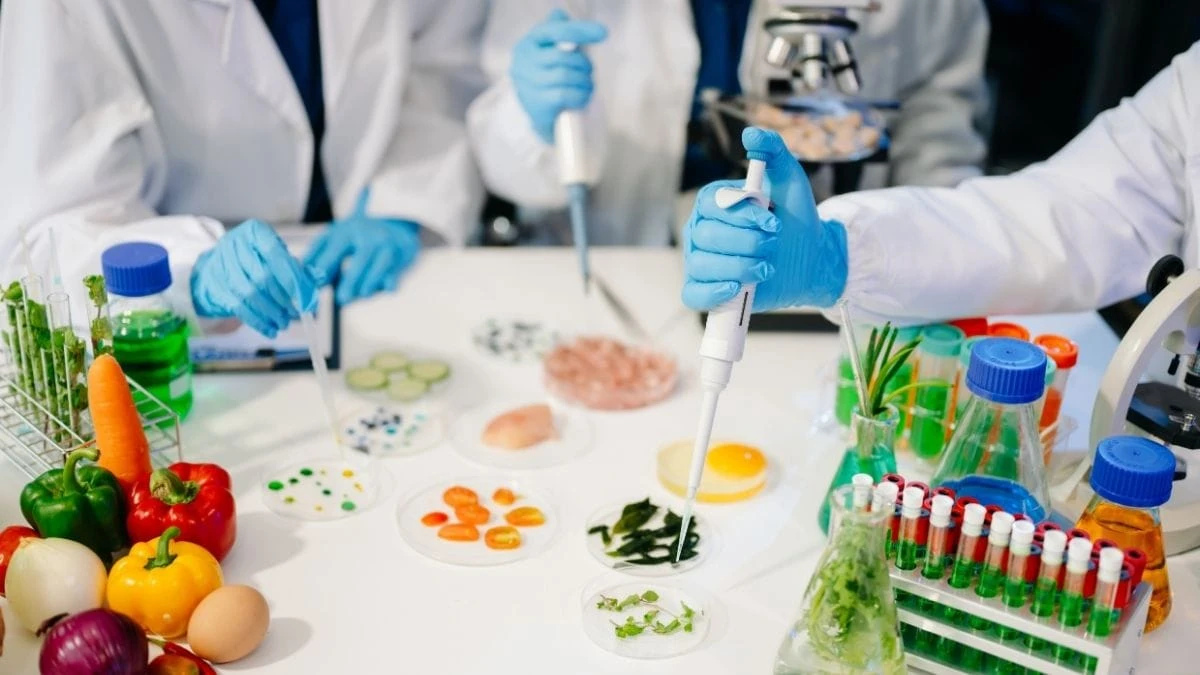
This study is different from most nutrition research. It didn’t last a few weeks. It followed 74’000 people for 18 years. Researchers looked at what they ate in middle age. Then they tracked who aged well — and who didn’t.
The results were clear. People who ate more plant-based foods, healthy fats, and whole foods had much better odds of aging well. “Aging well” meant reaching 70 without major disease, with good brain function and physical health.
Here’s the number that stands out. People who followed the healthiest eating patterns had an 86% greater chance of aging well by age 70.
By age 75, they were 2.2 times more likely to still be healthy. Only 9.3% of all participants actually achieved this. The study was published in Nature Medicine on March 24, 2025.
The 11 Foods Harvard Research Points To
Harvard’s research doesn’t give you an exact list of 11 foods. But their studies, dietary index, and expert statements consistently point to the same food groups. This list pulls from all of that — and keeps it simple.
Here’s what the evidence says you should eat regularly.
1. Dark Leafy Green Vegetables (Spinach, Kale, Swiss Chard)
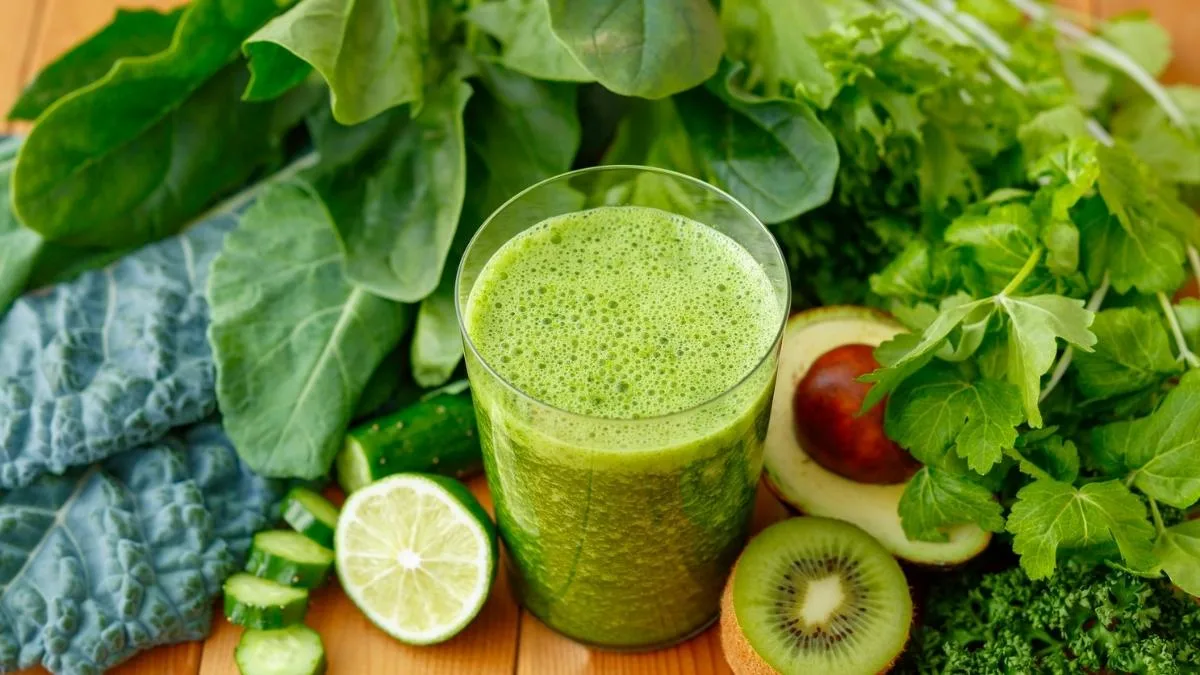
These are some of the most nutrient-dense foods you can eat. They are packed with vitamin K, folate, and polyphenols. Polyphenols are natural compounds that fight inflammation in your body.
Harvard’s Frank Hu — a professor of nutrition and epidemiology — says polyphenols from plant foods may support healthy aging directly.
Harvard also recommends about five servings of vegetables per day, with extra helpings of leafy greens to lower the risk of diabetes.
The good news? You don’t need fresh. Frozen spinach and kale hold the same nutrition. Add a handful to scrambled eggs in the morning. Blend it into a smoothie. You won’t even taste it. Start small and build the habit from there.
2. Berries (Blueberries, Strawberries, Raspberries)
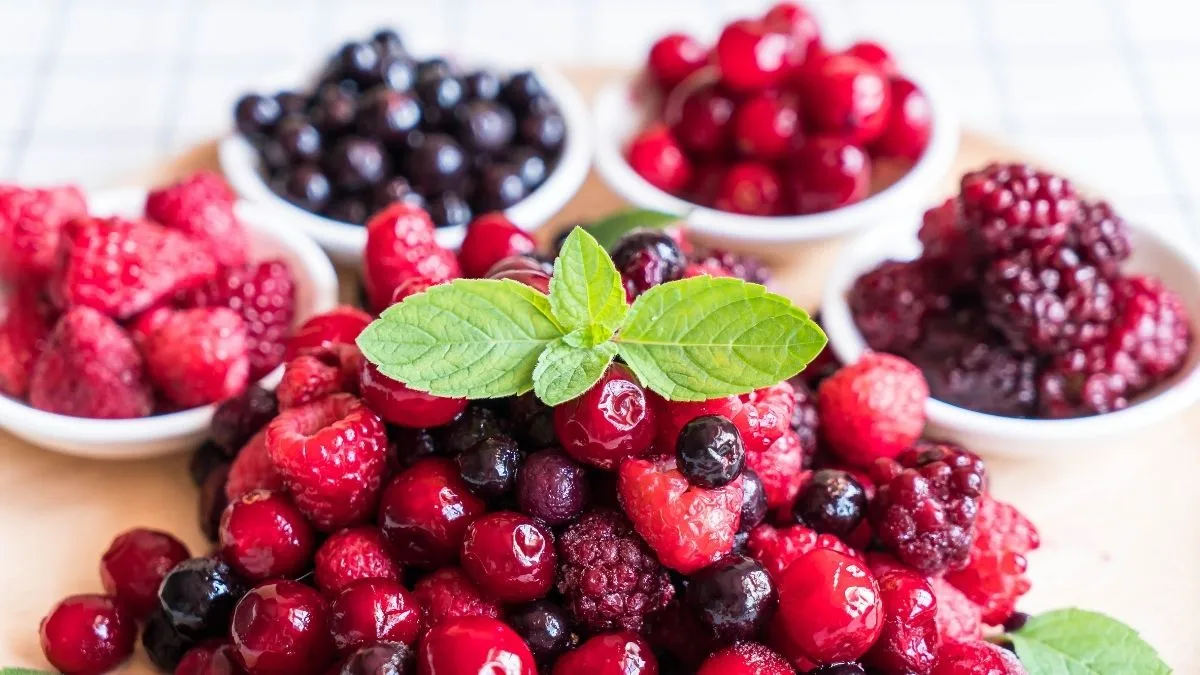
Berries are loaded with flavonoids. These are plant compounds linked directly to healthy aging. A Harvard-led study published in May 2025 in the American Journal of Clinical Nutrition tracked 86,400 adults for over 24 years.
The findings were specific. Women who ate the most flavonoid-rich foods had a 15% lower risk of frailty, a 12% lower risk of physical decline, and a 12% lower risk of poor mental health. That’s a real difference.
Berries are also cheap. A half-cup of frozen blueberries costs less than $1. Frozen berries keep all their nutrients — same as fresh. Add them to oats, yogurt, or just eat them plain. This is one of the easiest swaps you can make this week.
3. Whole Grains (Oats, Brown Rice, Quinoa, Whole Wheat)
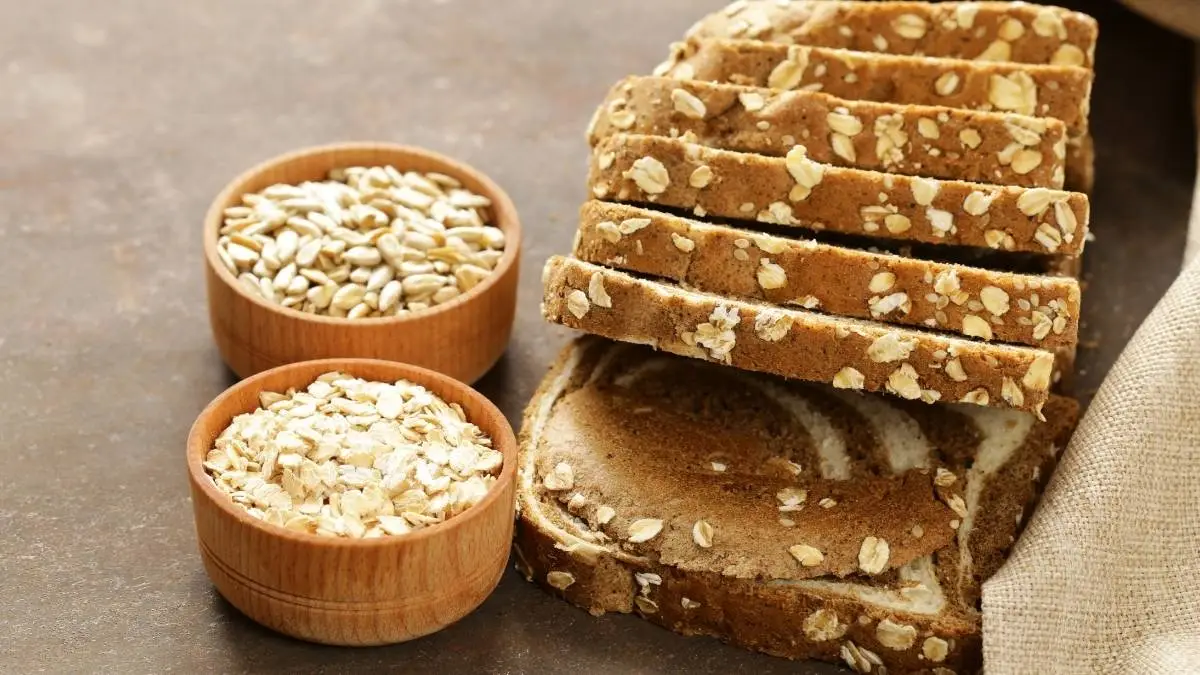
Whole grains affect your blood sugar differently than white bread or white rice. They digest more slowly. That keeps blood sugar stable, which matters a lot for long-term health.
Harvard recommends five to six servings of whole grains per day. They link whole grain eating to lower risk of heart disease, diabetes, and colon cancer. Oats, quinoa, barley, and brown rice all count.
The swap is simple. Use brown rice instead of white. Eat plain rolled oats for breakfast instead of sugary cereal. You don’t have to change everything at once. Just replace one refined grain per day. That one change adds up fast over weeks and months.
4. Nuts (Walnuts, Almonds, Pistachios)
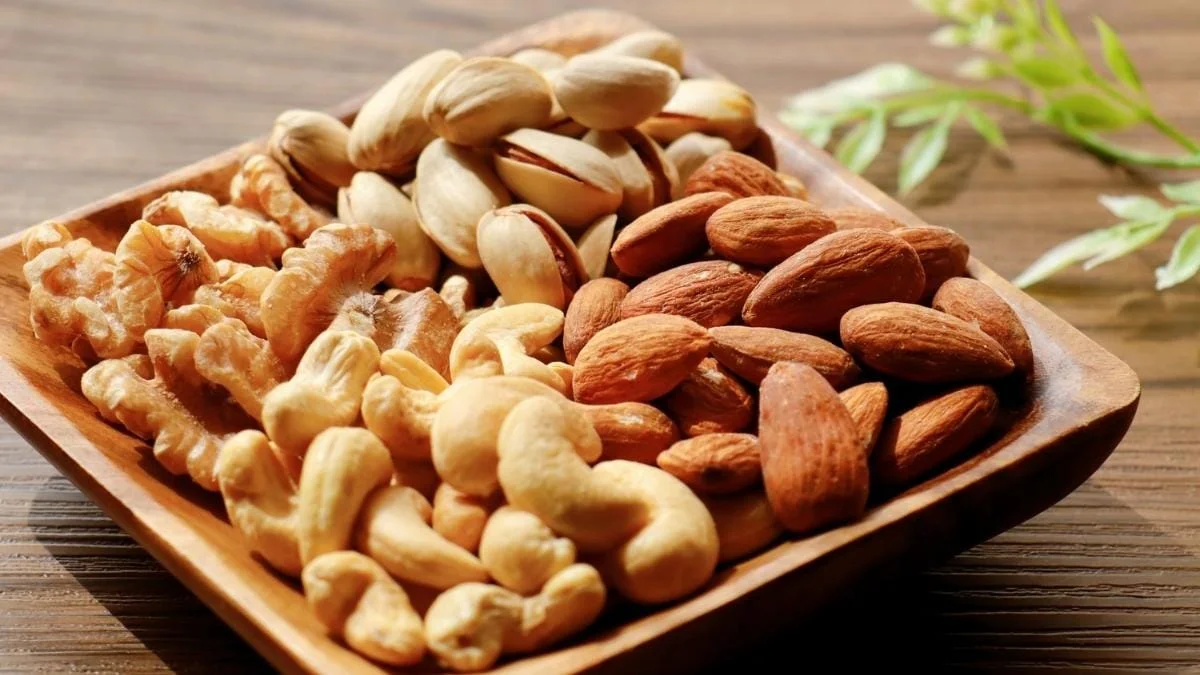
Nuts are a high-quality protein source. They also carry healthy fats, fiber, and antioxidants. Harvard says a daily serving of nuts may help protect against diabetes and heart disease.
Walnuts get special attention in research. Harvard researchers found that just 28 grams — about seven walnuts — were linked to lower levels of proteins associated with faster brain aging. Walnuts also contain omega-3 fatty acids, which support both heart and brain health.
Nuts are easy to carry and need no prep. Keep a small container at your desk. Swap them in place of chips or packaged snacks.
Buy in bulk to save money. Unsalted, raw, or dry-roasted versions are best. This is one of the quickest habits to build because it requires zero cooking.
5. Legumes (Lentils, Chickpeas, Black Beans, Kidney Beans)
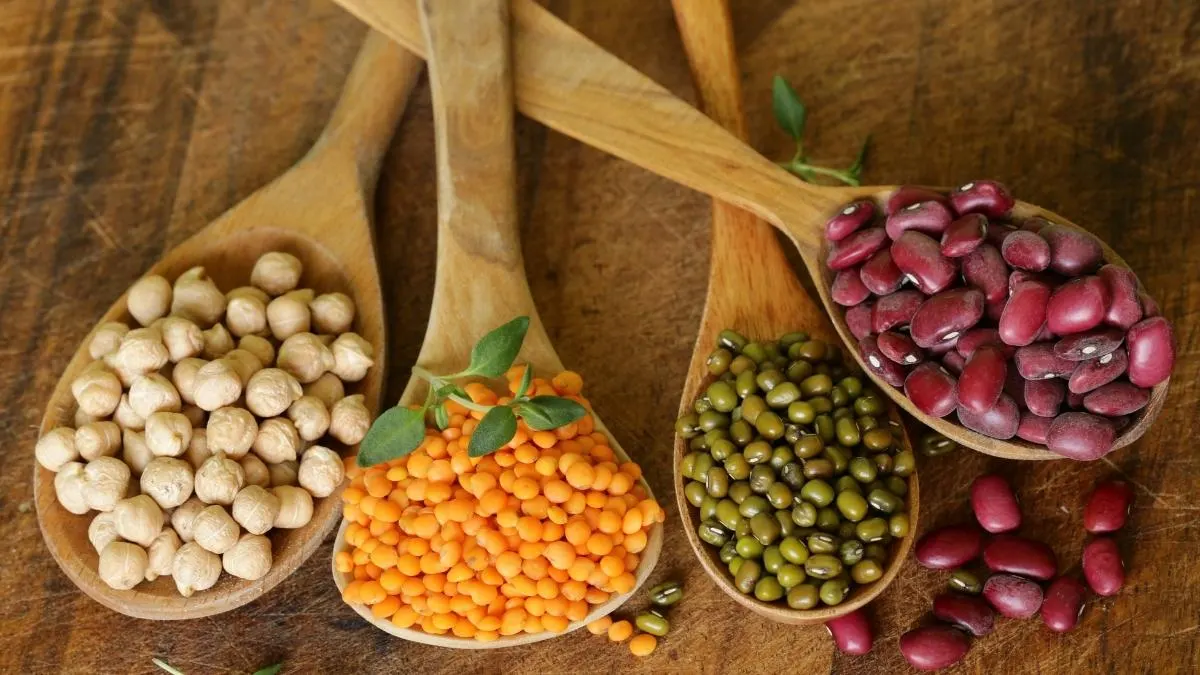
Legumes are one of the most underrated foods in nutrition. They are high in plant protein, fiber, folate, and iron. Harvard’s 30-year Nature Medicine study found that higher intakes of legumes were directly linked to greater odds of healthy aging.
They are also one of the cheapest foods you can buy. A bag of dried lentils costs very little and makes multiple meals. Canned chickpeas and black beans are just as good — just rinse them first to reduce sodium.
Add chickpeas to salads. Cook lentils in a big pot on Sunday and use them all week. Mix black beans into rice or soups. Legumes fill you up, keep blood sugar stable, and feed the good bacteria in your gut. Few foods deliver this much benefit for this little money.
6. Fatty Fish (Salmon, Mackerel, Sardines)

Fatty fish is one of the best sources of omega-3 fatty acids — specifically EPA and DHA. These protect your heart, reduce body-wide inflammation, and support brain function as you age.
Harvard lists fish as one of the healthiest protein sources available. Their 30-year study also found that people who ate low to moderate amounts of healthy animal foods — including fish — had better aging outcomes than those who avoided them completely.
You don’t need to cook fresh fish every night. Canned sardines and salmon are just as nutritious, cost far less, and require no prep at all.
Eat them on crackers, mix them into salads, or add them to pasta. Two to three servings of fatty fish per week is the research-backed target.
7. Fruits (Apples, Oranges, Bananas, Citrus)
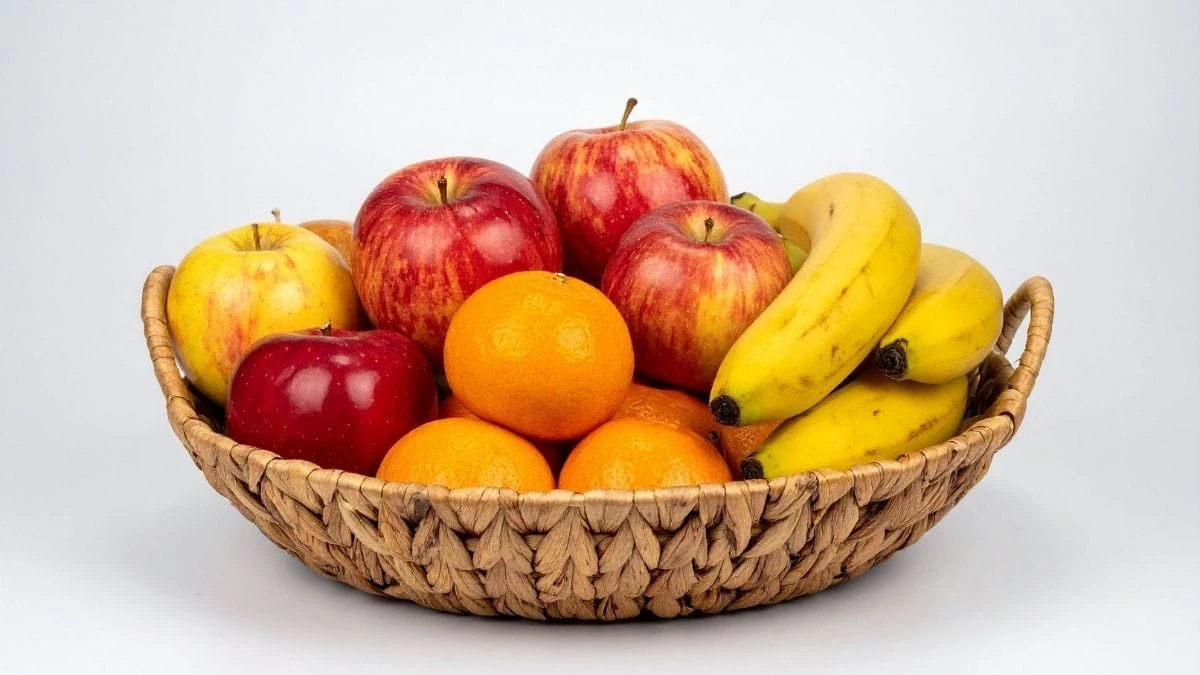
Whole fruits protect your heart and may lower the risk of certain cancers. Harvard recommends about four servings per day.
Flavonoid-rich fruits like apples and oranges were specifically named in Harvard’s May 2025 study as promoters of healthier aging.
The key word is whole. Fruit juice doesn’t give you the same benefit. Juice removes most of the fiber and concentrates the sugar. Eating a whole apple is very different from drinking apple juice.
A simple trick: keep fruit on your countertop, not hidden in the fridge. People eat what they see. If a bowl of apples and oranges is sitting out, you’ll grab one.
If it’s buried in the produce drawer, you’ll forget it’s there. Visibility changes behavior more than willpower ever will.
8. Olive Oil and Healthy Unsaturated Fats
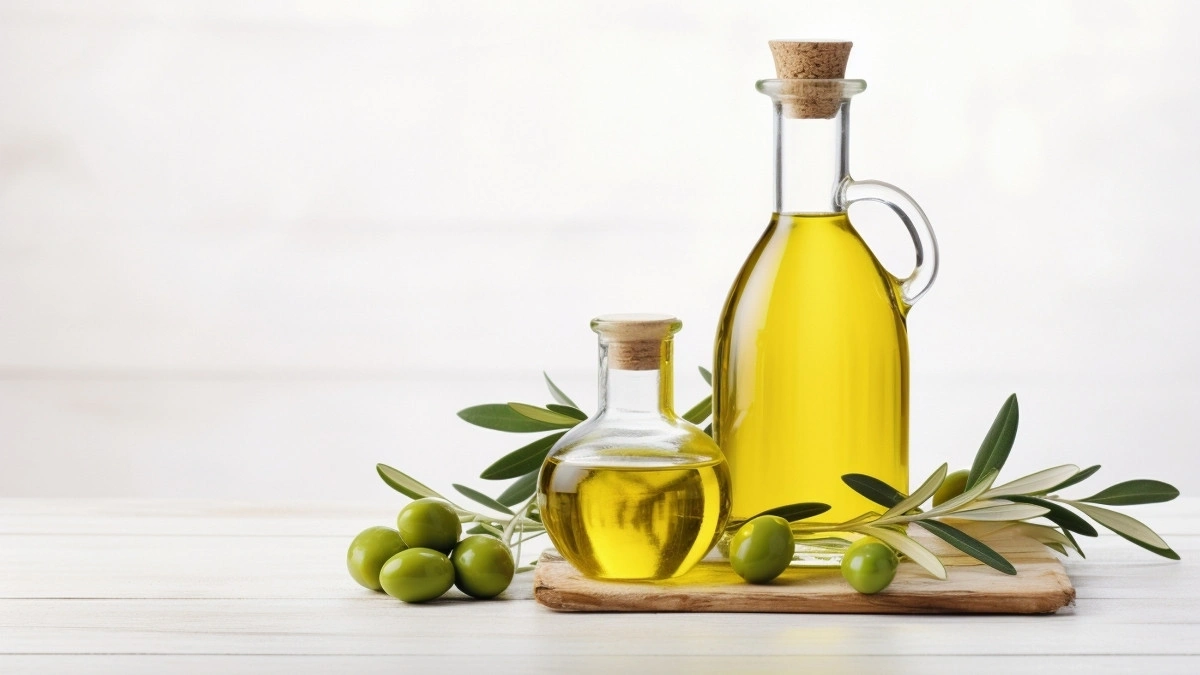
Not all fats are bad. The type of fat matters more than the amount. Harvard’s research is clear — diets high in unsaturated fats like olive oil and avocados are linked to lower mortality.
Harvard’s Frank Hu found that replacing saturated fat (butter, red meat fat) with unsaturated fat is one of the most effective dietary changes for long-term health.
The 30-year Harvard study also found that higher intake of unsaturated fats was directly linked to better aging outcomes.
Use extra-virgin olive oil for cooking. Drizzle it on vegetables before roasting. Use it as a salad dressing base. Replace butter where you can.
You don’t need to track grams or count calories. Just swap the fat source. Small, consistent changes in cooking habits compound into real health results over years.
9. Low-Fat Dairy or Alternatives (Plain Yogurt, Kefir)
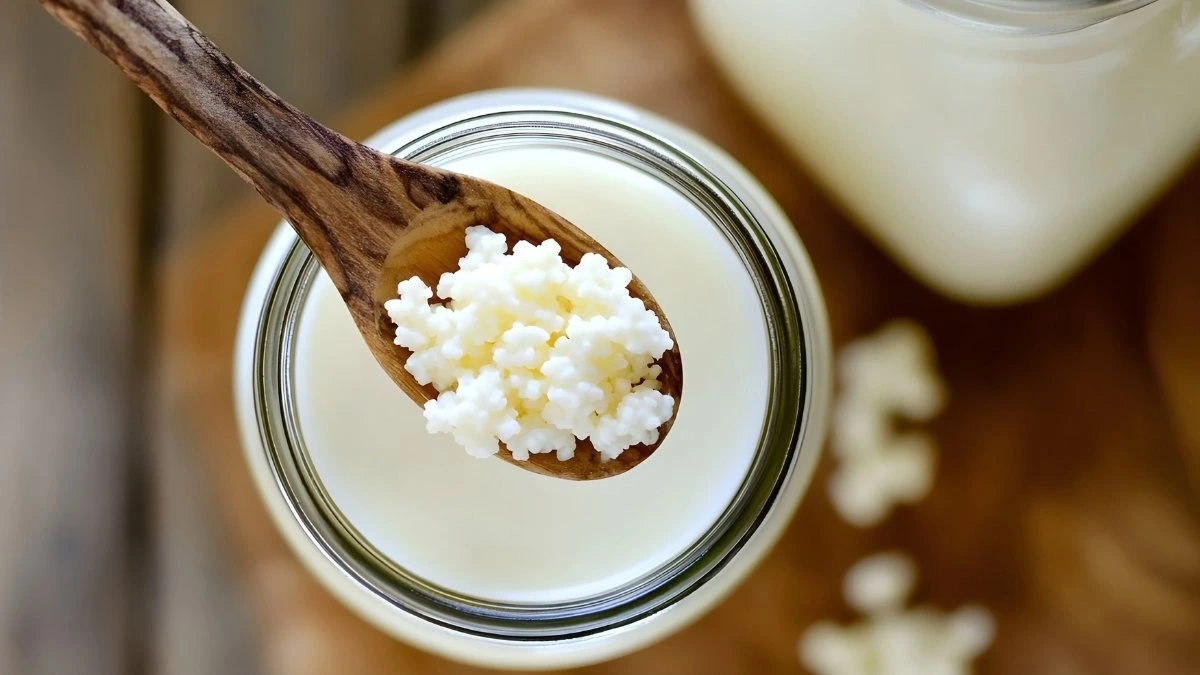
Low-fat dairy was one of the foods linked to greater odds of healthy aging in Harvard’s 30-year study. Calcium and vitamin D from dairy support bone strength, which protects your mobility and independence as you get older.
Plain Greek yogurt does double duty. It gives you protein and probiotics in one food. Probiotics support gut health, which is increasingly linked to immune function and even mental health. Kefir is another good option if you want more variety.
The rule here is simple: choose plain and unsweetened. Flavored yogurts often contain as much sugar as a candy bar. Buy plain yogurt and add your own fruit. This one swap saves you a significant amount of added sugar per week without giving anything up.
10. Green Tea

Green tea contains a compound called EGCG. It is one of the most studied anti-inflammatory compounds found in food.
Harvard researchers found that drinking three to four cups of green tea daily was linked to lower levels of proteins in the blood that are associated with faster brain aging.
This finding came from a study published in Clinical Nutrition in October 2025 by researchers connected to Harvard T.H. Chan School of Public Health.
The brain-aging connection is significant because cognitive decline is one of the biggest fears people have about getting older.
One tip: brew green tea at around 80°C — not fully boiling water. Boiling water damages the catechins that make green tea beneficial. Avoid bottled sweetened green teas. They don’t carry the same benefit and add unnecessary sugar to your day.
11. Colorful Vegetables (Tomatoes, Carrots, Bell Peppers, Broccoli)
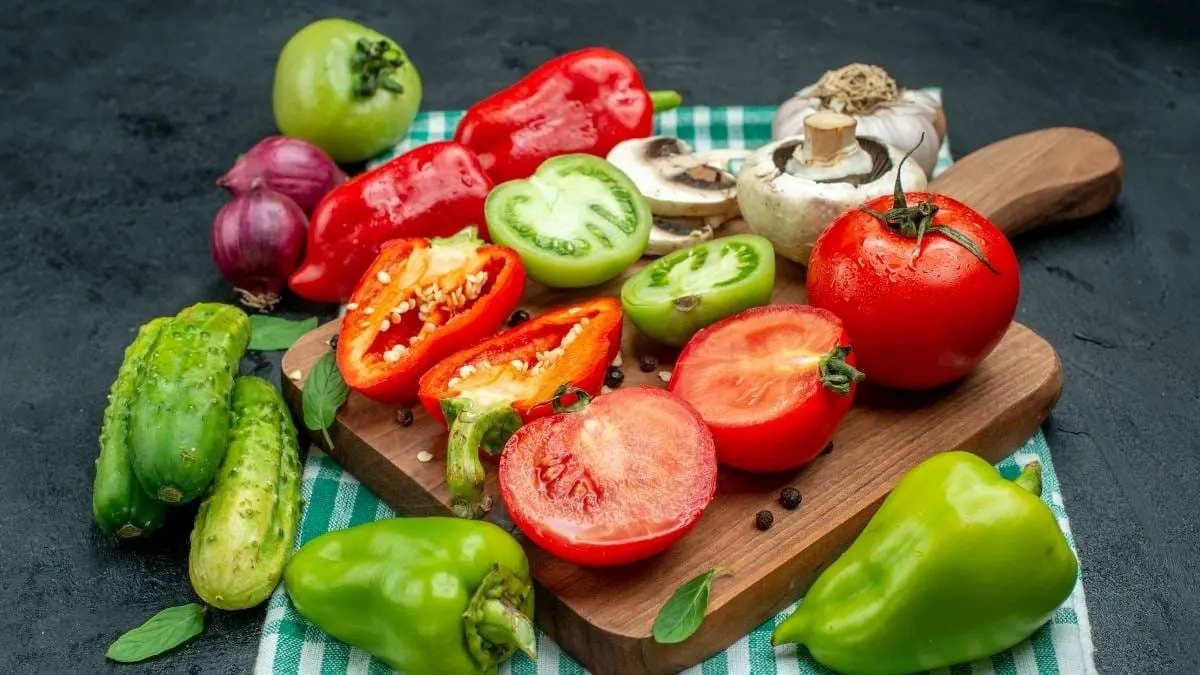
Beyond leafy greens, your body needs a wide range of vegetables in different colors. Each color group delivers different protective compounds.
Red tomatoes carry lycopene. Orange carrots give you beta-carotene. Green broccoli provides sulforaphane. Yellow peppers contain quercetin.
Harvard co-author Marta Guasch-Ferré said it directly: “Maintaining a healthy diet rich in fruits, vegetables, whole grains, unsaturated fats, nuts, and legumes during mid-life was linked to a higher likelihood of healthy aging.”
The goal is variety, not perfection. Try to get three different colored vegetables on your plate at dinner. Frozen mixed vegetables work just as well as fresh — and they’re cheaper. A bag of frozen stir-fry vegetables covers three or four colors in one go. Easy, affordable, and backed by real research.
What to Cut Back On
The Harvard study wasn’t just about what to eat more of. It also showed what works against you. People who ate the most trans fats, sodium, sugary drinks, and red or processed meats had the lowest odds of aging well.
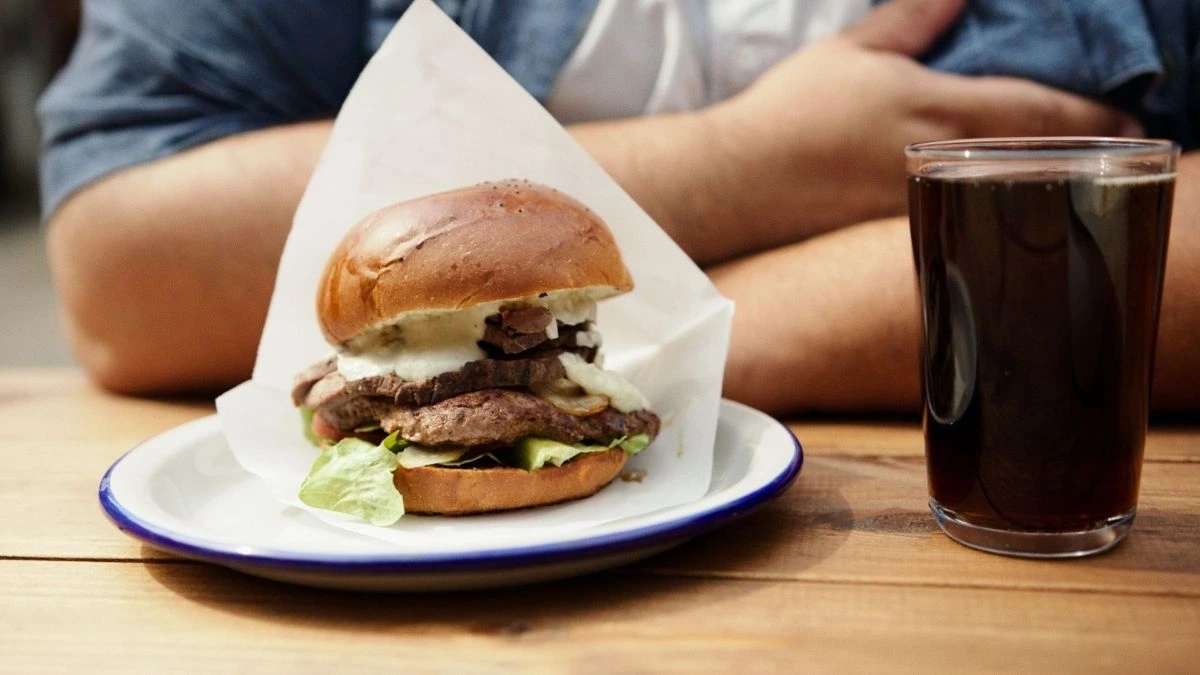
Ultra-processed foods were a specific problem. Processed meats like hot dogs, bacon, and deli slices — along with sugary sodas and diet beverages — were linked to lower chances of healthy aging in the study.
You don’t need to cut everything overnight. The better approach is to crowd out the bad with the good.
When your plate fills up with legumes, vegetables, and whole grains, there’s less room for processed food. Focus on adding first. The crowding-out happens naturally as your habits shift.
How to Build These Foods Into Real Life in 2026
Knowing what to eat is only half the job. Actually eating it is the other half. Here’s a realistic starting point.
On Sunday, cook a pot of lentils and a pot of brown rice. Slice fruit and store it in a glass container at eye level in your fridge. Buy a bag of frozen berries, a bag of mixed frozen vegetables, and a can of sardines. That covers half the list right there.
Lead researcher Tessier said it clearly: “It doesn’t have to be fresh fruits and vegetables — frozen or canned are usually lower cost and with longer shelf life.” Budget is not an excuse.
For tracking food quality, use Cronometer (free) instead of relying on social media advice. The Harvard Healthy Eating Plate at nutritionsource.hsph.harvard.edu is your visual guide. These foods don’t require a special diet. They just require a plan.
Final Thought;
These 11 foods come from 30 years of real data on 105,000 real people. This isn’t a trend. It’s science. You don’t have to eat perfectly. You have to eat consistently.
Pick two foods from this list today. Add them to your next grocery run. Start there.