
You have 400 followers, a full inbox, and a group chat that never stops. And you still feel like nobody really knows you.
That gap is real. It is not in your head.
Right now, 1 in 6 people worldwide feel persistently lonely. The loneliness epidemic 2026 is not about people who have no friends. It is about people who have plenty of contacts but zero real connections. That includes you, maybe.
This article will show you exactly why “keeping in touch” stopped working. You will get a clear, step-by-step protocol for building real connections in a digital age.
No extreme detoxes. No deleting your apps forever. Just honest, practical steps that you can start this week. Meaningful relationships are still possible. Here is how.
The Loneliness Number Nobody Wants to Talk About

Here is what your doctor is probably not telling you.
The World Health Organization released its major report in June 2025. It found that 1 in 6 people worldwide experience persistent loneliness. That loneliness is linked to roughly 871,000 deaths every single year. That is about 100 people every hour.
In the United States, AARP’s December 2025 study found that 4 in 10 adults aged 45 and older feel lonely. That number was 35% back in 2010. It is getting worse, not better.
The health cost is serious. Social isolation is linked to a 50% higher risk of dementia, a 29% higher risk of heart disease, and a 32% higher risk of stroke.

The U.S. Surgeon General said lacking real social connection carries the same health risk as smoking 15 cigarettes a day.
Nearly 3 in 5 Americans told a major Cigna survey that no one truly knows them. Not one person.
But if we are more connected than ever, why is this getting worse? The answer is sitting in your pocket right now.
3 Helping Tips:
- Check in with one person this week — not a reaction, an actual message
- Be honest with yourself: how many of your “close friends” have you actually spoken to this month?
- Look up the WHO “Knot Alone” campaign for free resources on social connection and health
Seven Hours a Day — Where Your Relationships Are Actually Going
Your phone is not stealing your time. You are giving it away. Here is how much.
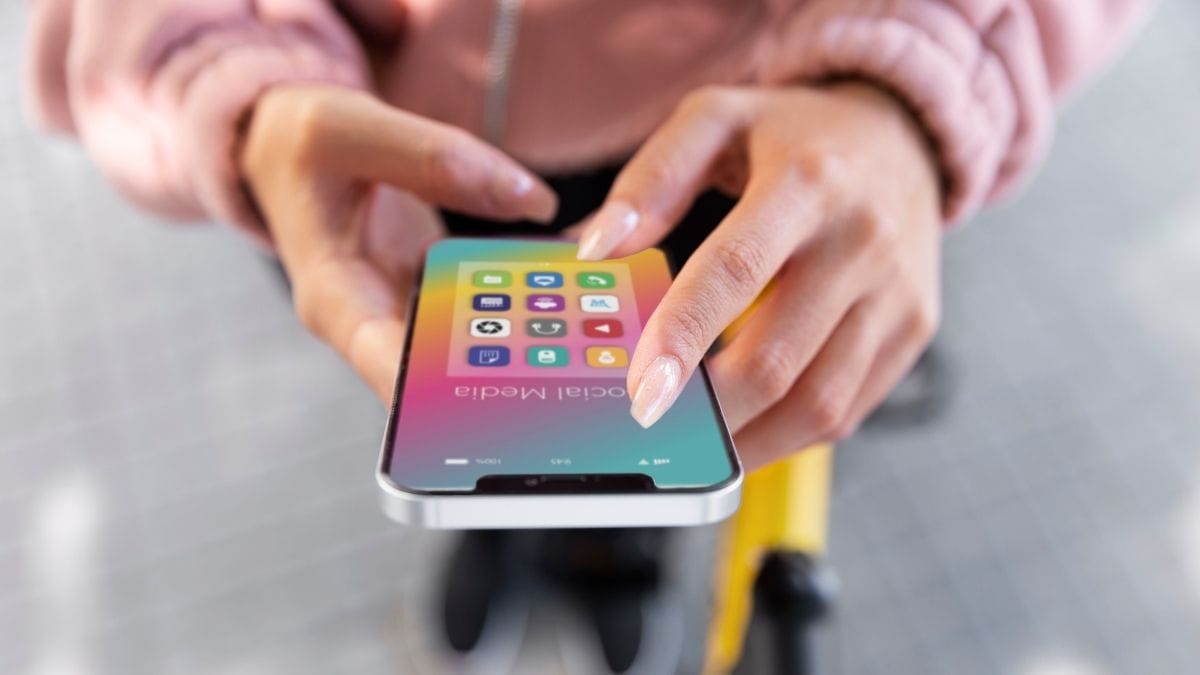
The average adult worldwide spends 6 hours and 54 minutes on screens every day. In the United States, that number hits 7 hours and 2 minutes.
Gen Z averages over 9 hours daily. The average person also checks their phone 96 times a day — that is once every 10 minutes.
Two hours and 21 minutes of that daily screen time goes to social media alone. That is time that used to go to walks, phone calls, shared meals, and real conversations.
An Oregon State University study from October 2025 looked at over 1,500 adults aged 30 to 70. People in the top 25% of social media use were more than twice as likely to feel lonely. The effect held true no matter the age, gender, or job.
Here is the shift happening right now: In 2026, researchers are calling it “friction-maxxing.” People are actively choosing the harder, slower, more human option. Classes, community events, analog hobbies. Real effort. Real connection.
The fix does not require deleting your apps. It requires something smaller and harder: intention.
3 Helping Tips:
- Check your actual screen time right now using iOS Screen Time or Android Digital Wellbeing
- Notice how much of your scrolling is passive — you are not talking to anyone, just watching
- Replace one 30-minute scroll session this week with a phone call to someone you care about
Why “Keeping in Touch” Stopped Working
You liked their photo. You sent a birthday GIF. You reacted to their story.

But when did you last actually talk?
There is a big difference between contact and connection. Sending a heart emoji is contact. Showing up when someone is struggling is connection. Most of us have been doing a lot of the first and almost none of the second.
Here is the trap. When you follow someone on Instagram, you feel like you know what is going on in their life. But you only know their highlight reel. You are watching a performance, not a person.
A licensed therapist named Mandi Behzadi put it clearly. She said screen fatigue is not just eye strain. It creates a mental fog that kills memory, patience, and the ability to be present.

Presence is the one thing real connection cannot live without.
A 2025 APA poll found that 5 in 10 American adults feel not just divided but genuinely disconnected from the people around them.
So what does actual reconnection look like? Here is the protocol.
3 Helping Tips:
- Ask yourself: do you know what your closest friend is genuinely struggling with right now?
- Practice putting your phone face down during any in-person conversation this week
- Send one voice note instead of a text today — it carries more real feeling
The Reconnection Protocol — 6 Steps You Can Start This Week
Here is what most relationship advice gets wrong. It treats reconnection as a feeling you wait for. It is not. It is a set of decisions you make before the feeling arrives.
The Relationship Portfolio
A modern approach to turning casual acquaintances into meaningful, lasting bonds.
Audit Your Portfolio
Isolate your top 5 people. Your inner circle shouldn’t just be a digital notification list—invest in real, phone-down time.
Proactive Scheduling
Ditch “we should hang out.” Send a text with a specific day, time, and place. Scheduling is the ultimate predictor of friendship survival.
Phone-Free Zones
Keep your phone face down during meals. Small points of friction significantly cut down on impulsive social checking.
The 80/20 Rule
Let the other person talk 80% of the time. Ask open questions and avoid formulating your reply while they are speaking.
Friction-Maxxing
Choose the less convenient option on purpose. Call instead of messaging; show up instead of reacting. Inconvenience builds bonds.
Recurring Rituals
Adult friendships require a routine. A weekly walk or a standing lunch creates consistency, which turns acquaintances into true friends.
The first step will feel awkward. That is normal. That awkward feeling means it is real.
3 Helping Tips:
- Write your top 5 people down right now — not in your phone, on a piece of paper
- Send one specific invite today, not “sometime soon” — give a real day and time
- Choose one recurring slot in your week and protect it for an in-person connection
How to Use Technology Without Letting It Use You
The problem was never the technology. It was the arrangement.
You let it move into the center of your life. You never negotiated the terms. Here is how to fix that without throwing your phone away.
Start by knowing your actual numbers. Use iOS Screen Time or Android Digital Wellbeing to see how many hours you really spend and on which apps. Most people are shocked. That number is your starting point.
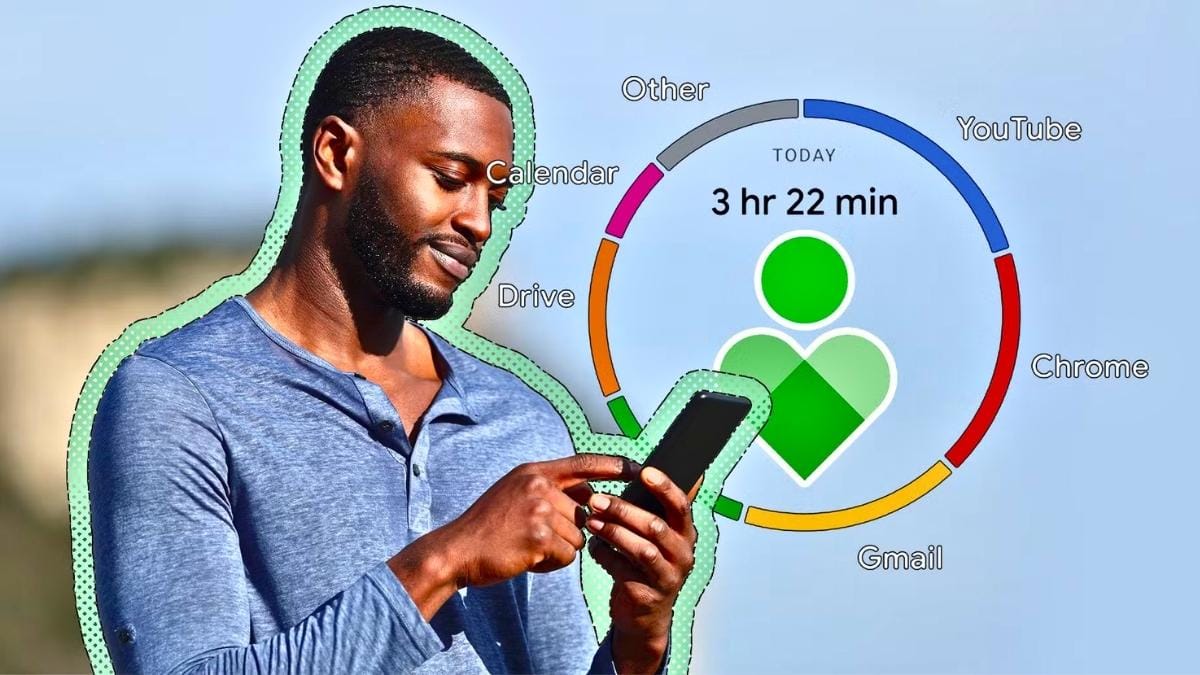
Next, keep only critical notifications on. Calls and messages from close people only. Turn off everything else. Research from 2025 and 2026 shows that constant notifications spike stress hormones and fragment your ability to focus on the person in front of you.
The 30-minute cap works. Studies show that limiting social media to 30 minutes a day — not zero, just 30 minutes — meaningfully increases your sense of well-being. Apps like One Sec and ScreenZen add a short pause before you open a social media app.
That one pause is often enough to break the habit loop.
Use technology to plan real meetings. Not to replace them.
3 Helping Tips:
- Delete social media apps from your phone — keep them only on desktop to create natural friction
- Set a 30-minute daily cap on your top social media app starting today
- Use your phone calendar to schedule one in-person plan this week before you close this article
What Research Says Actually Heals Loneliness — Not What You Think
Most people try to solve loneliness by consuming more content. The research says the opposite is what works.
The WHO’s 2025 report is clear. Community-based, in-person strategies outperform digital ones every time.
Grassroots efforts — run clubs, repair cafes, hobby groups, men’s sheds — sustain connection better than any app ever built. The activity itself gives people a natural reason to keep showing up.
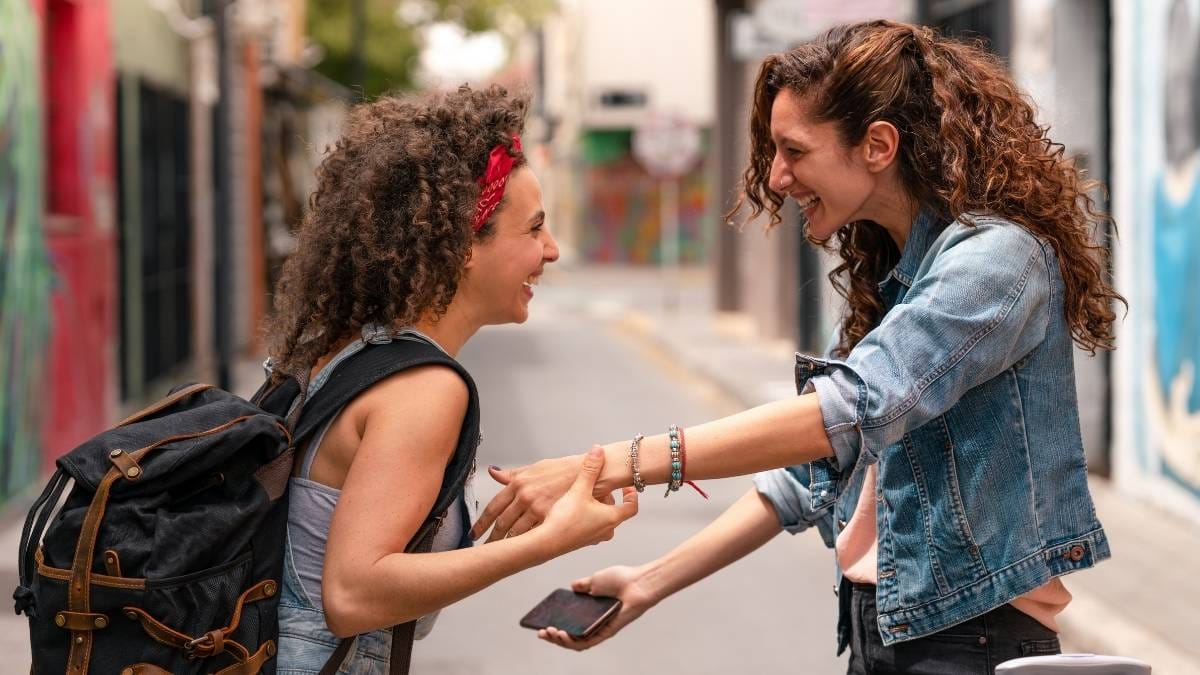
Strong social connections do more than make you feel better. WHO data shows they reduce inflammation, lower your risk of serious health problems, and add years to your life. Lonely people are twice as likely to develop depression.
There is also strong research on “weak ties.” These are the casual acquaintances — your neighbor, the person at your regular coffee shop, the colleague you chat with.
Reconnecting with this wider circle also reduces loneliness. You do not need deep friendships everywhere. You just need more real human contact in your day.
One more thing: vulnerability is not weakness. It is the actual mechanism of closeness. When you share something real, you give others permission to do the same.
Reconnection is not a mood you wait for. It is a practice you build.
3 Helping Tips:
- Find one interest-based group in your area this week — a class, club, or run group — and go once
- Say something honest in your next conversation. Not a complaint — something real about how you are doing
- Make eye contact and use someone’s name in your next interaction. Small things build real bonds
Conclusion:

You are not alone in feeling alone. The data is global and the problem is real.
But the fix is not on a screen.
Show up. Schedule intentionally. Put the phone down.
Pick one person. Text them a real day and time. Building real connections in a digital age starts with one move. Make it today.