
Your breakfast might look healthy. But it could be wrecking your energy, blood sugar, and health before 9 AM.
Millions of people eat cereal, granola bars, flavored yogurt, and fruit juice every morning.
They think these foods are good choices. They’re not. Most are packed with added sugar, refined carbs, and artificial ingredients that nutritionists now warn against.
Recent CDC data shows that 61.9% of youth calories come from ultra-processed foods. Adults aren’t far behind. And breakfast is where a lot of that damage starts.
This article will show you exactly which breakfast foods to stop eating, why they’re harmful, and what to eat instead. Every swap here is simple, realistic, and works in 2026.
8 FOODS
STOP NOW
1: Sugary Breakfast Cereals
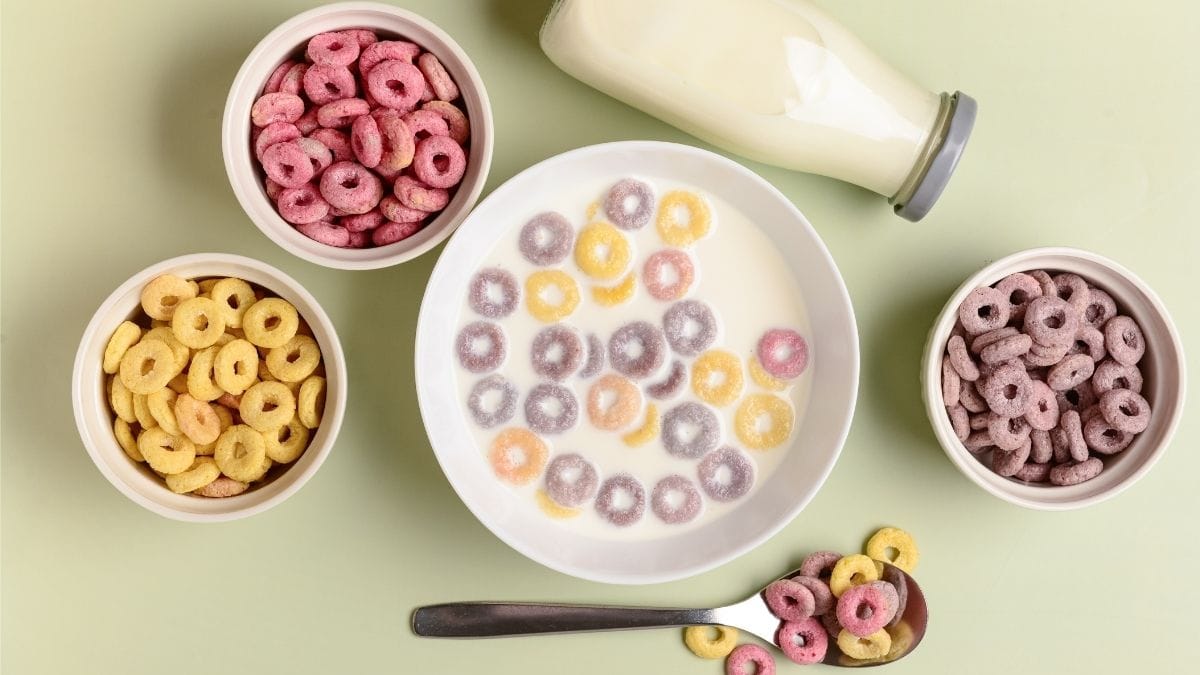
Cereal boxes are designed to look healthy. Bright colors, claims about fiber and vitamins, cartoon characters for kids. But flip the box around and read the label.
A May 2025 study from Harvard looked at 1,200 cereals marketed to children between 2010 and 2023. The results were bad. Sugar, fat, and sodium all went up over time. Protein and fiber went down.
Nutritionist Mary Curristin from ART Health Solutions says cereals high in sugar and low in protein cause blood sugar spikes and crashes.
She recommends choosing cereals with at least 3 grams of fiber and less than 5 grams of sugar per serving. Most popular cereals fail both tests.
The fix is simple. Switch to steel-cut oats or plain muesli. Add fresh berries and a spoonful of nut butter.
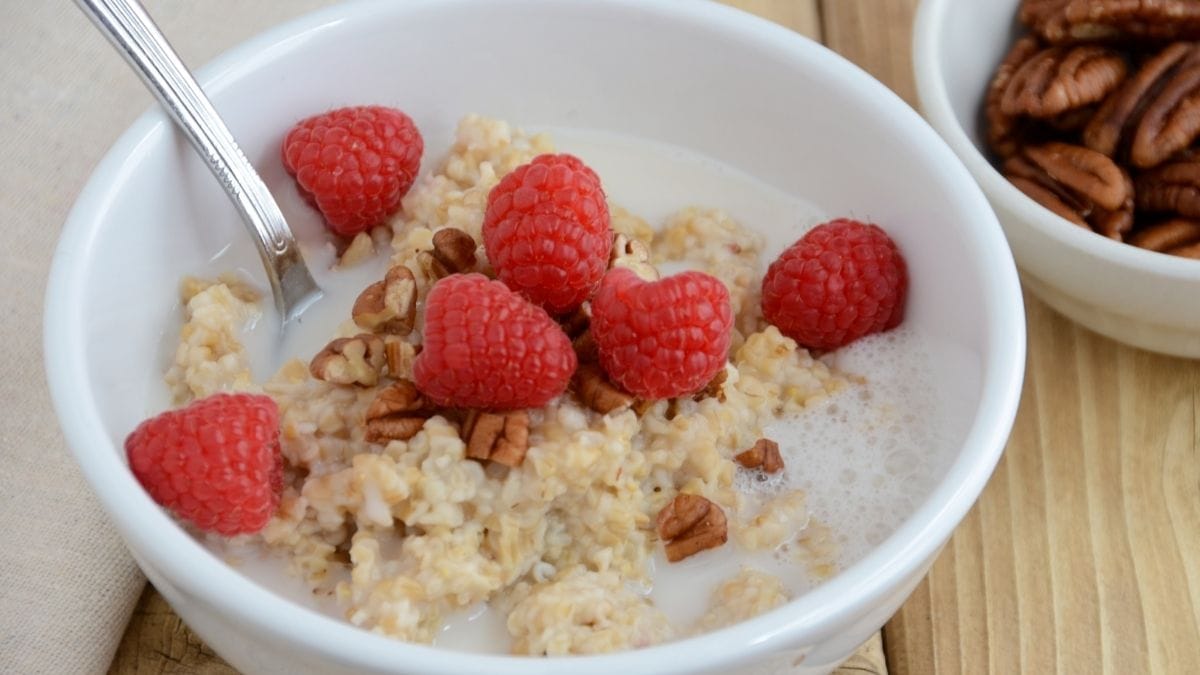
You can prep it the night before in five minutes. It keeps you full. It doesn’t crash your energy.
2: Flavored Yogurt, Including Low-Fat Versions

Low-fat sounds like a good thing. But when companies remove fat from yogurt, they replace it with sugar. Sometimes a lot of it.
Nutritionist Jordan Anthony points out that flavored yogurts often contain added sugars, artificial flavors, and very few real probiotics.
Some flavored yogurt cups have as much sugar as a can of soda. That’s not a health food. That’s dessert with a good marketing budget.
“Organic” or “natural” labels don’t fix the problem either. Those versions often have just as much sugar. The only difference is where the sugar came from.
The swap here is easy. Buy plain Greek yogurt.

Add your own berries or a small drizzle of honey. You control what goes in. You get real protein, real probiotics, and natural sweetness without the sugar overload. This one change alone can cut a lot of hidden sugar from your morning.
3: Granola and Store-Bought Granola Bars
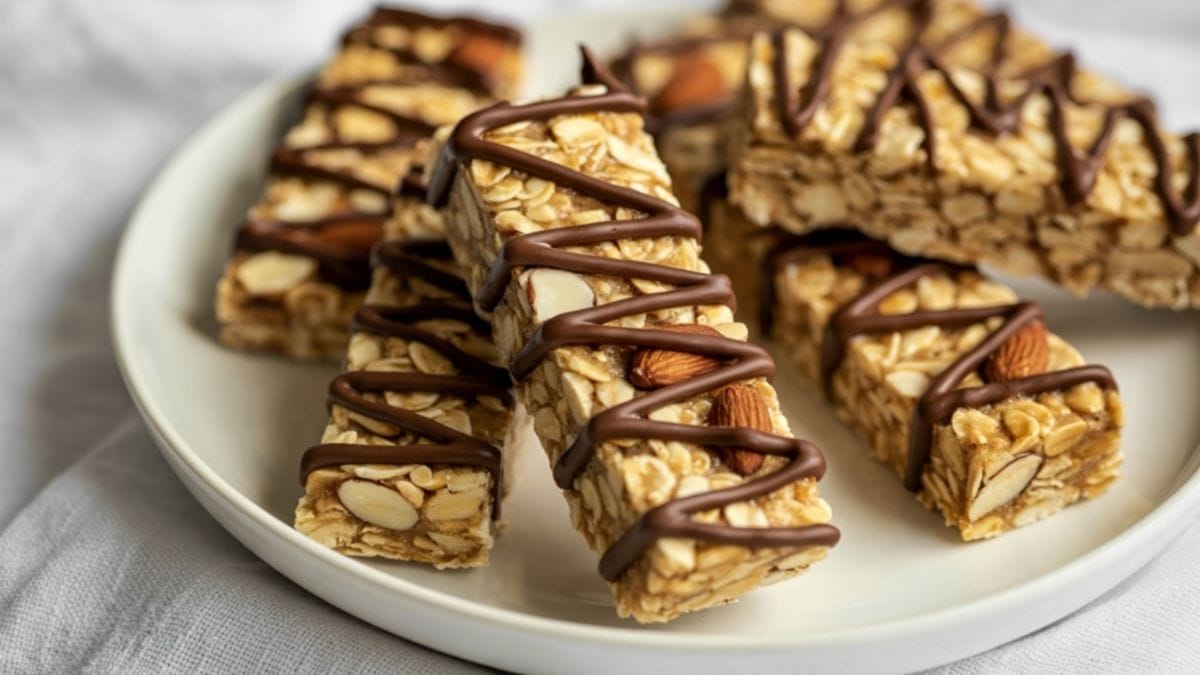
Granola sounds like health food. It has oats. It has nuts. It feels wholesome. But most store-bought granola is held together with sugar, syrup, or both.
Dr. Erin Barrett, a nutritional biochemist and director of scientific affairs at Shaklee, says granola often contains minimal fiber and is loaded with sweetened fruits or jams.
The American Heart Association says men should eat no more than 36 grams of added sugar per day, and women no more than 25 grams. One cup of some granolas already has 10 or more grams of added sugar.
Granola bars are worse. Registered dietitians say most bars have too much sugar and not enough protein to count as a real breakfast.
The other trap is portion size. The label says one serving is a quarter cup. Nobody eats a quarter cup of granola.
Make your own at home with oats, raw nuts, seeds, and a small amount of honey. Use it as a topping, not a bowl.
4: Packaged Pastries, Muffins, and Croissants

A muffin from a coffee shop feels like a reasonable breakfast. It’s not a donut, right? Wrong. Most coffee shop muffins have 400 to 500 calories. They’re made with white flour, sugar, and industrial fats. They have almost no protein or fiber.
Registered dietitians put it plainly. Baked goods like pastries are loaded with fat and sugar. The refined carbs digest fast. Your blood sugar spikes, then crashes hard. That’s why you feel great for 30 minutes and exhausted an hour later.
Even bran muffins are often just cake dressed up with a healthy-sounding name. The bran doesn’t cancel out the sugar and white flour.
If you need something quick, try a boiled egg with one slice of whole-grain toast.

Or make a simple bar at home using oats, a mashed banana, and a handful of nuts. No flour. No added sugar. It takes 20 minutes to bake and lasts all week.
5: Fruit Juice, Even the “100% Natural” Kind
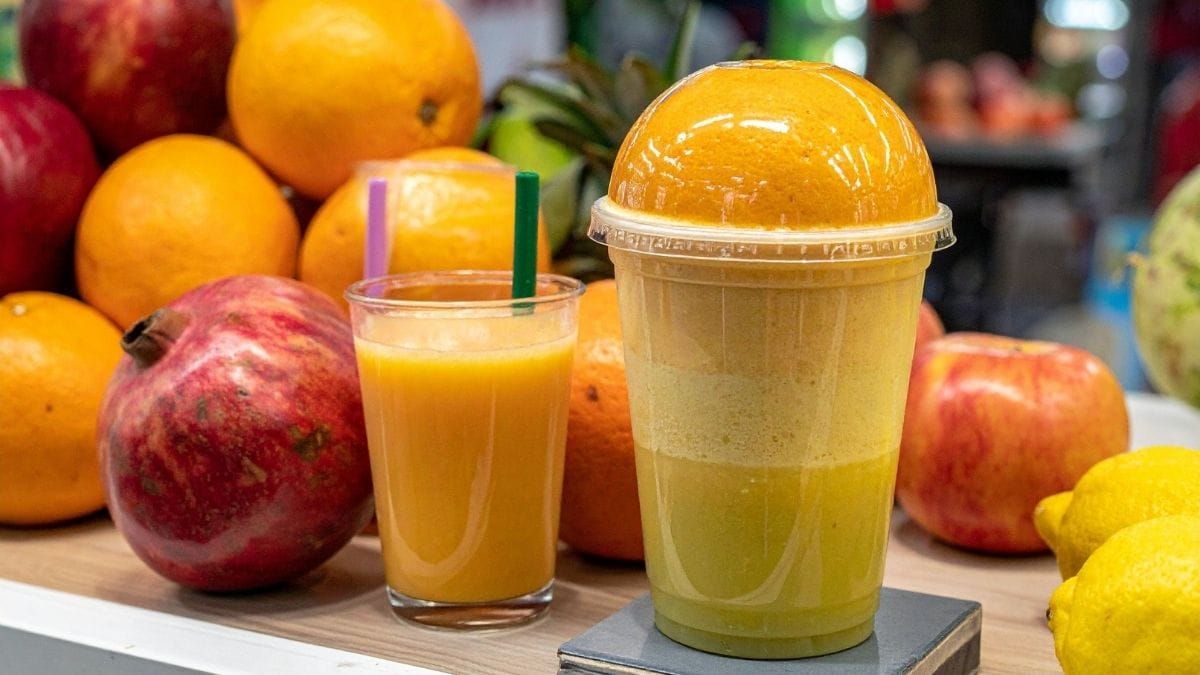
Fruit juice feels healthy. It comes from fruit. The label says 100% natural. But here’s the problem. Juice removes the fiber from fruit. And fiber is the part that slows down sugar absorption.
Without fiber, the sugar in juice hits your bloodstream fast. The result is the same as drinking soda in terms of blood sugar impact. One glass of orange juice contains the sugar from three or four whole oranges, but none of the fiber.
The 2025–2030 US Dietary Guidelines recommend cutting sugary beverages and drinking water or unsweetened drinks instead. That advice includes juice.
Drinking your calories in the morning also sets you up to eat more later. Liquid calories don’t make you feel full the way solid food does.
The swap is simple. Eat the whole fruit instead. An apple, an orange, or a handful of berries gives you the same vitamins. Plus the fiber. Plus the feeling of actually eating something.
6: Flavored Instant Oatmeal Packets
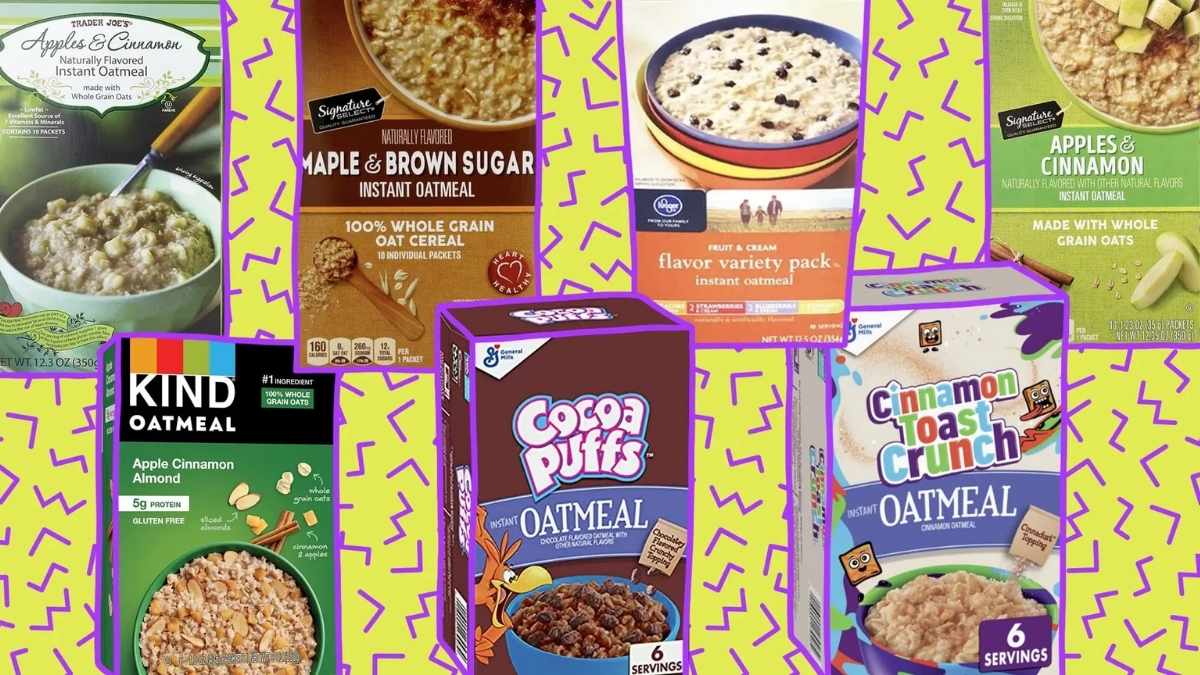
Plain oatmeal is genuinely good for you. High fiber. Good for your heart. Keeps you full. But the flavored instant packets are a different product.
Pick up a packet of maple and brown sugar oatmeal and read the label. Most have 10 to 15 grams of added sugar per packet. That’s before you add milk or toppings.
If you cooked plain oats yourself and added a small drizzle of honey, you’d get a fraction of that sugar.
Instant oats are also processed more heavily than steel-cut or rolled oats. This raises their glycemic index, meaning they spike your blood sugar faster.
The other issue is protein. Oats alone don’t have much. Without a protein source, you’ll be hungry again by mid-morning.
The fix is overnight oats. Mix plain rolled oats with plain Greek yogurt, a handful of nuts, and some fresh fruit. Prep it the night before. In the morning, it’s ready. It has fiber, protein, and real flavor without the added sugar.
7: Processed Breakfast Meats — Bacon, Sausage, and Deli Meat

Bacon and sausage are a morning habit for a lot of people. But both are classified as processed meats.
And in 2015, the World Health Organization classified processed meats as Group 1 carcinogens. That’s the same category as cigarettes, in terms of the strength of the evidence, not the level of risk.
Commercial breakfast sausages are also loaded with sodium and often contain added sugars. Nutritionist Jacek Szymanowski notes that eating processed meats regularly worsens inflammation in the body. Over time, that adds up.
Turkey bacon and chicken sausage sound better. But many brands are still processed the same way. Always check the ingredient list, not just the name on the front.
The better option is eggs. Scrambled, poached, or boiled, eggs give you clean protein without the additives.
If you want meat, look for plain, unprocessed options with short ingredient lists. Canned tuna or sardines are also surprisingly good morning protein sources.
8: What a Better Breakfast Looks Like in 2026
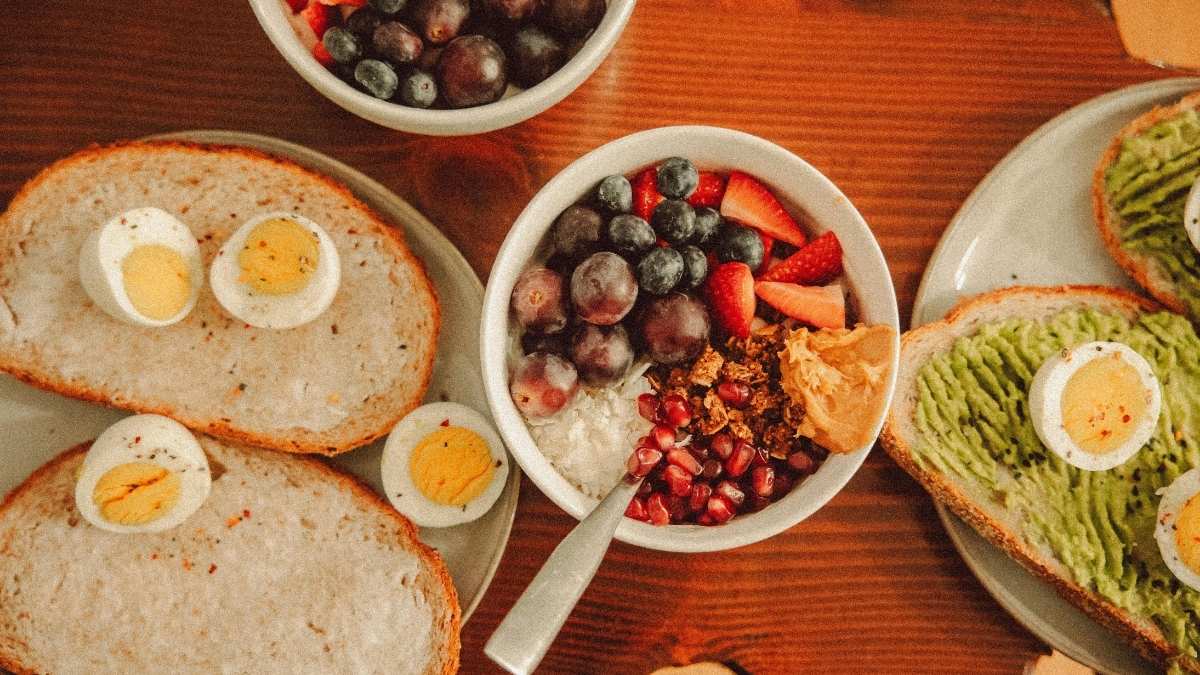
Good breakfast has three parts. Protein. Fiber. Healthy fat. Get all three and you’ll stay full, focused, and steady until lunch.
A November 2025 study in the European Journal of Nutrition found that eating 30 grams of protein at breakfast raised satiety hormones and reduced hunger throughout the day.
Registered dietitian Teresa Fung from Harvard T.H. Chan School of Public Health also recommends shifting more protein to the morning, when your body needs fuel most.
Here’s a simple framework. For protein, try eggs, plain Greek yogurt, cottage cheese, or leftover beans.
For fiber, add whole fruit, vegetables, or plain oats. For healthy fat, use avocado, nuts, seeds, or a small amount of olive oil. Drink water, black coffee, or unsweetened tea.
You don’t need to cook for an hour. Overnight oats, boiled eggs, and a piece of fruit take five minutes to pull together. Start with one swap. Build from there.
Conclusion:
Most breakfast damage comes from daily habits built around sugar, refined carbs, and packaged convenience foods. No single food ruins your health. But eating these foods every morning does add up over time.
Start with one swap this week. That’s enough.