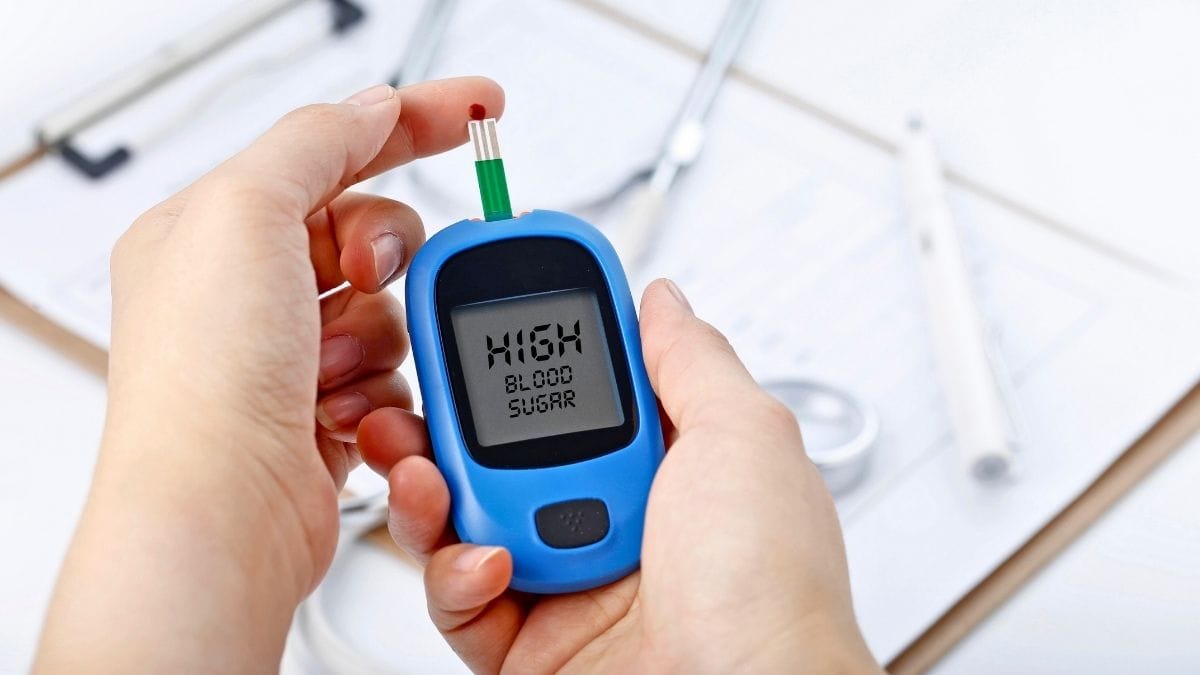
More than 1 in 9 adults worldwide has diabetes right now. And over 4 in 10 of them don’t even know it yet. That number should stop you for a second.
If your doctor flagged your blood sugar, you’re not alone. And no, you don’t have to panic or reach for pills immediately. Food is powerful.
The right foods slow down how fast sugar enters your blood. They help your body use insulin better. They work quietly every single day.
This article covers 7 real foods backed by clinical research. You’ll learn what each food does inside your body, how much to eat, and exactly how to add it to your meals.
No complicated diet plans. No expensive products. Just clear, honest information you can act on today.
Why Food Matters More Than You Think for Blood Sugar
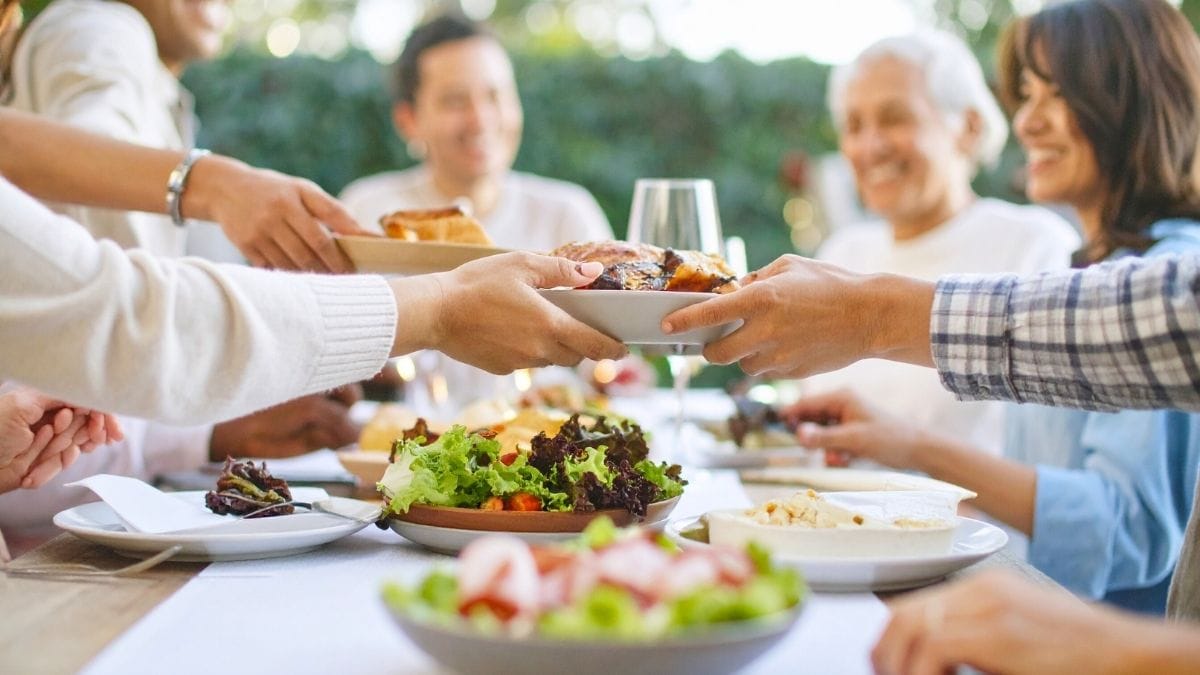
Here’s something most people don’t realize. What you eat doesn’t just fill your stomach — it directly controls how much sugar enters your blood and how fast. That’s a big deal.
The American Diabetes Association (ADA) 2024 guidelines are clear. Healthy eating patterns are the foundation of blood sugar management. Not just for diabetics — for everyone.
Low-GI foods release sugar slowly into your blood. High-GI foods dump it in fast. That spike is what causes problems over time.
But here’s what’s also true — research consistently shows that dietary changes can reduce blood sugar meaningfully without medication.
Even the order you eat food matters. Eating protein or fat before carbohydrates can lower your glucose response. Small habits, real results. That’s what this article is about.
Food 1 Oats: The Breakfast That Actually Works
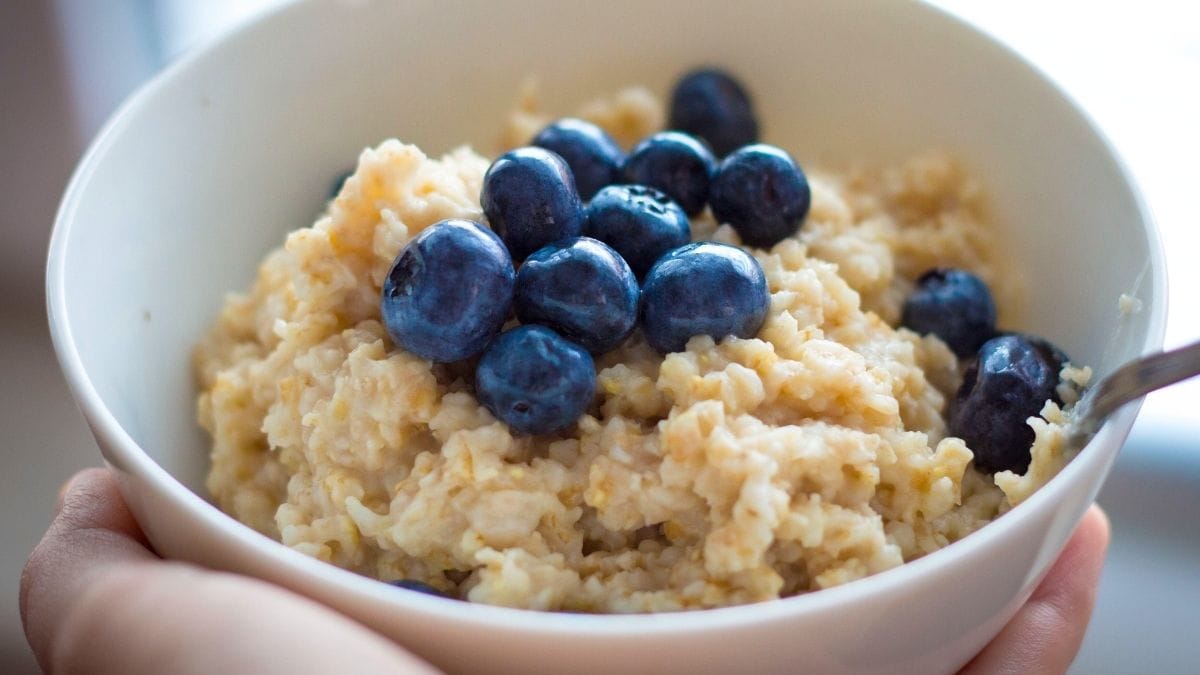
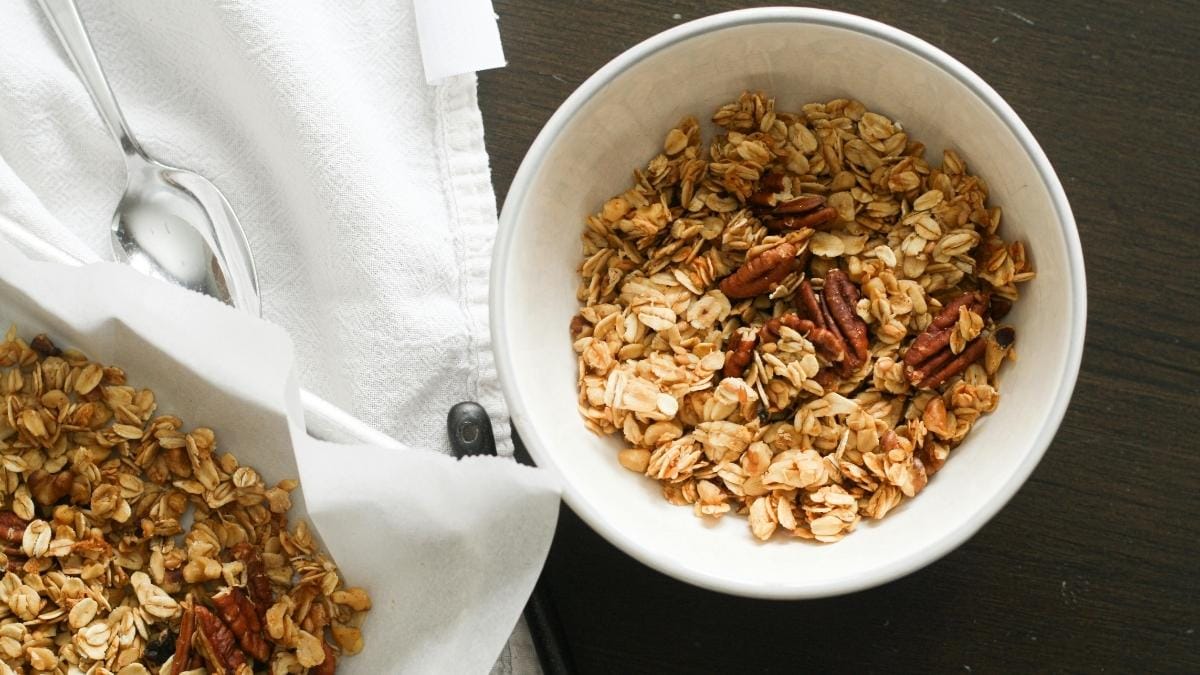
Oats have one secret weapon — beta-glucan. It’s a type of soluble fiber. When you eat it, it forms a thick gel inside your gut that slows down how fast glucose enters your blood.
Multiple studies have shown that regular oat consumption reduces fasting blood sugar and HbA1c levels in people with Type 2 diabetes. These are the two main numbers your doctor watches.
But not all oats are equal. Steel-cut oats have a glycemic index of about 42. Rolled oats sit around 55. Instant oats? Around 83. The more processed the oat, the faster it spikes your blood sugar.
Avoid flavoured oat packets. They almost always contain added sugar. Buy plain steel-cut or rolled oats instead.
Best way to eat them: ½ cup dry oats cooked in water. Top with blueberries, a few almonds, and a pinch of cinnamon. Prepare them overnight so there’s zero effort in the morning. That’s a genuinely blood-sugar-friendly breakfast.
Food 2 Leafy Green Vegetables: Cheap, Underrated, Proven
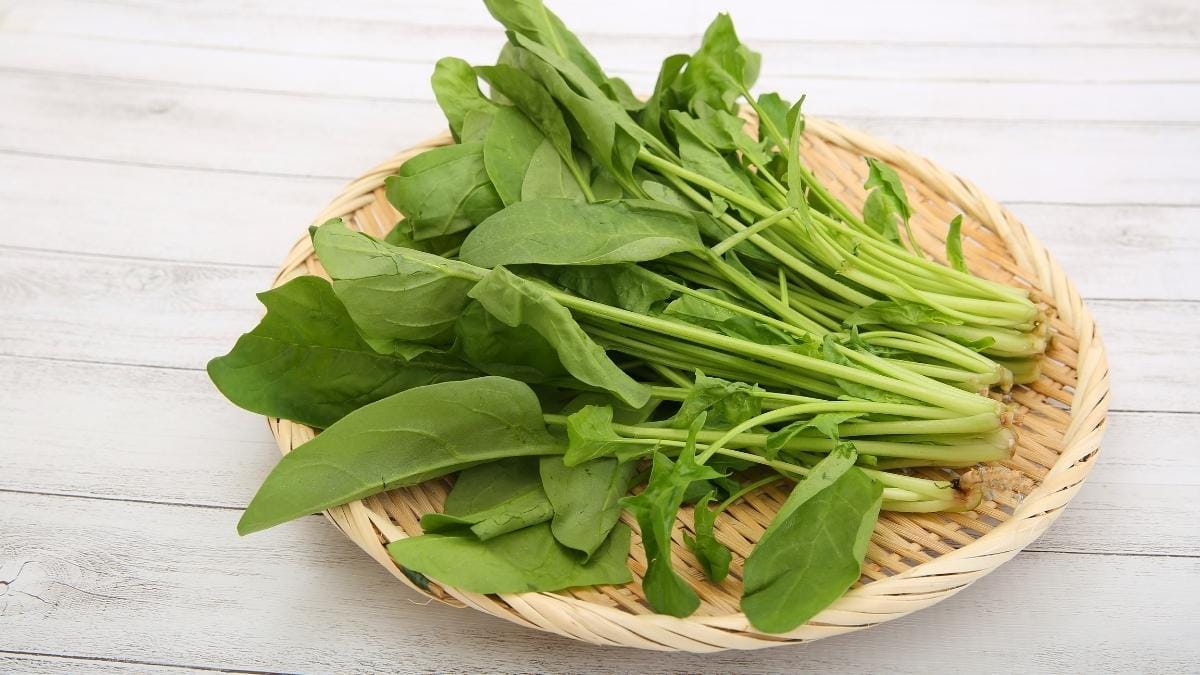
Spinach. Kale. Swiss chard. Fenugreek leaves. These vegetables are some of the most effective blood sugar foods you can eat — and also some of the cheapest.
They are extremely low in digestible carbohydrates. That means they don’t spike your blood sugar at all. You can eat a large portion and your glucose response stays calm.
They’re also rich in magnesium. This matters because magnesium is directly linked to how well your body responds to insulin. Research consistently shows that low magnesium levels go hand-in-hand with poor blood sugar control.
A review published on Healthline found that green leafy and cruciferous vegetables are linked to a lower risk of developing Type 2 diabetes.
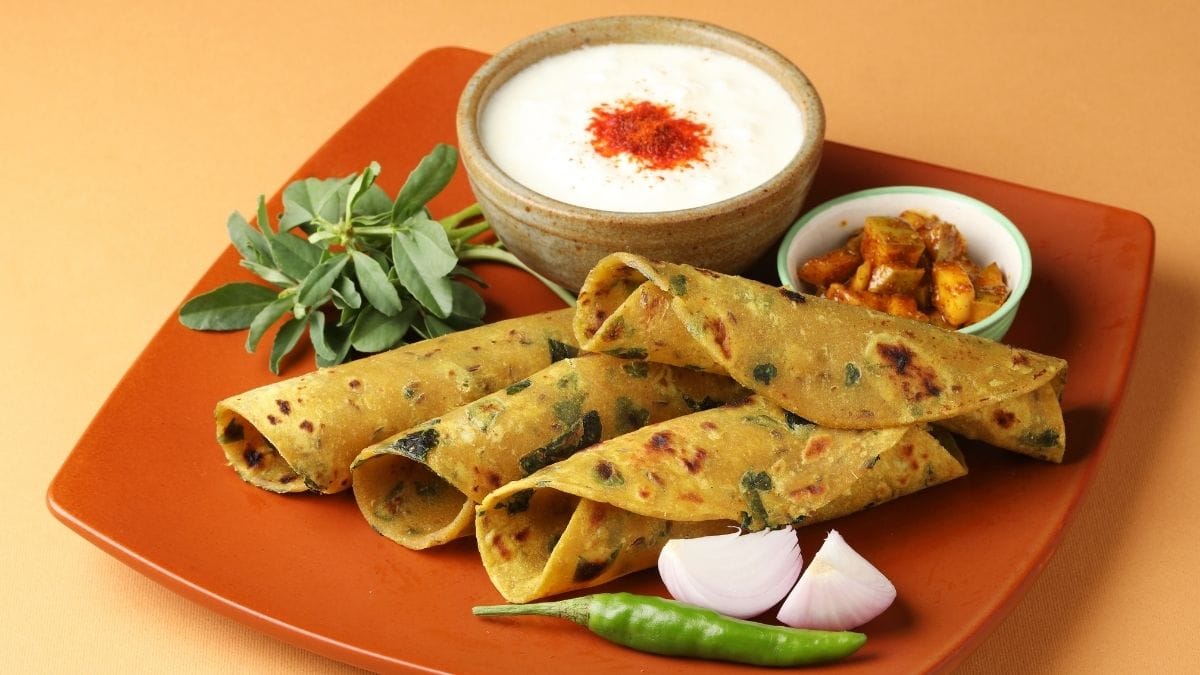
For South Asian readers — methi (fenugreek) is especially useful. It’s already part of daily Pakistani and Indian cooking.
Both the leaves and seeds have documented blood sugar benefits. Add them to daal, curries, or parathas. You’re already eating the right things. Just do it more consistently.
Food 3 Broccoli: The Sulforaphane Powerhouse
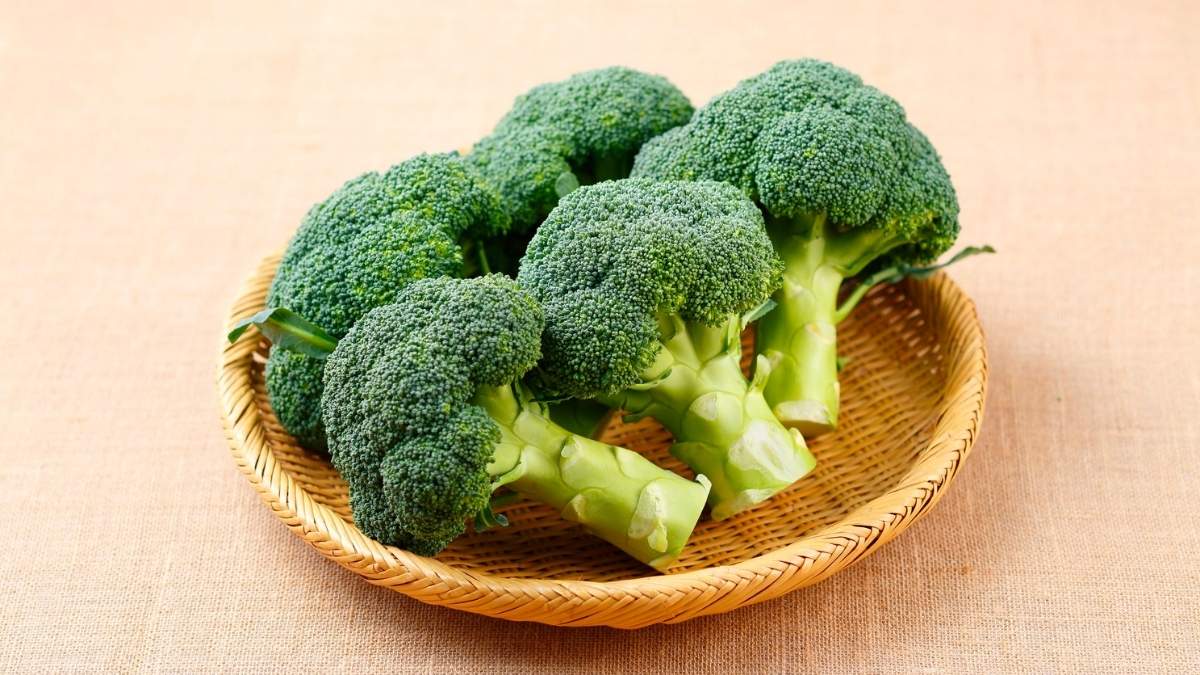
Broccoli contains a compound called sulforaphane. Most people have never heard of it. But researchers have.
Sulforaphane activates a cellular pathway that helps your body use insulin more effectively. Clinical research has shown it can significantly reduce fasting blood glucose levels.
Broccoli also contains chromium — a trace mineral that supports insulin action at the cellular level.
Here’s the part most people miss: how you cook broccoli changes everything. Boiling destroys sulforaphane almost completely. If you boil your broccoli, you’re losing the exact compound that helps your blood sugar.
Eat it raw, lightly steamed, or roasted instead. These methods preserve sulforaphane.
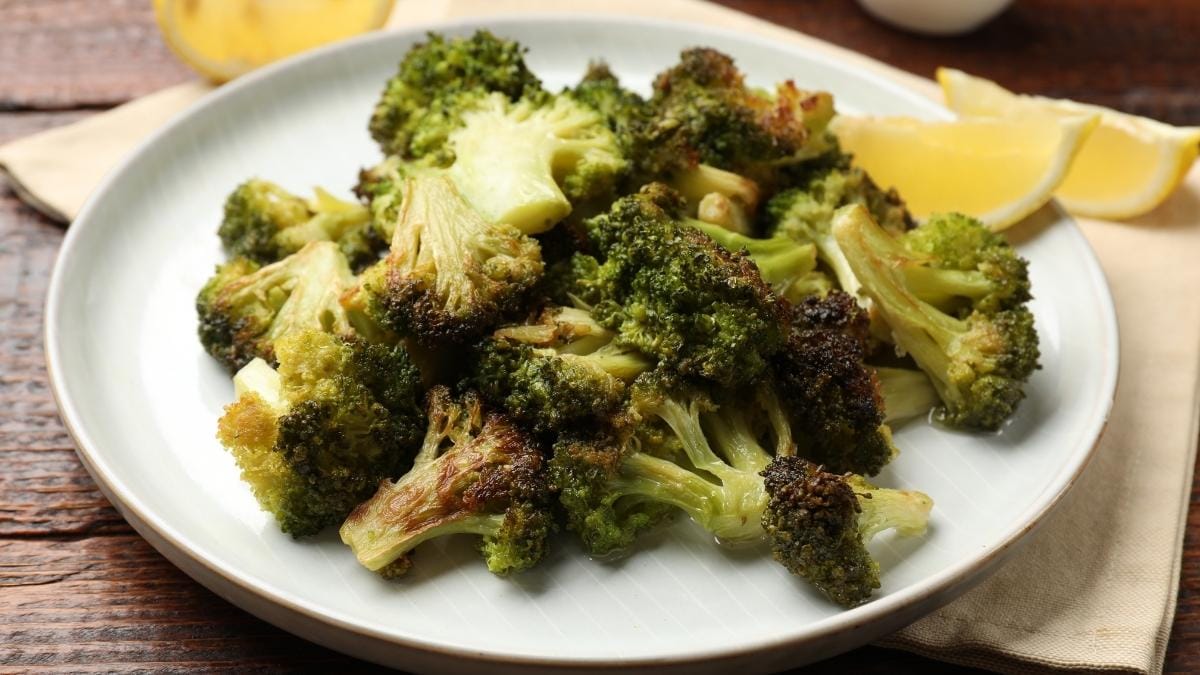
Broccoli sprouts are even more powerful than the full vegetable. They contain significantly higher concentrations of sulforaphane. You can find them in some grocery stores or grow them at home in a jar within days.
Aim for 1 cup of steamed or roasted broccoli, 4 to 5 times a week. It’s a small habit that your body will actually notice.
Food 4 Legumes: Lentils, Chickpeas, and Beans
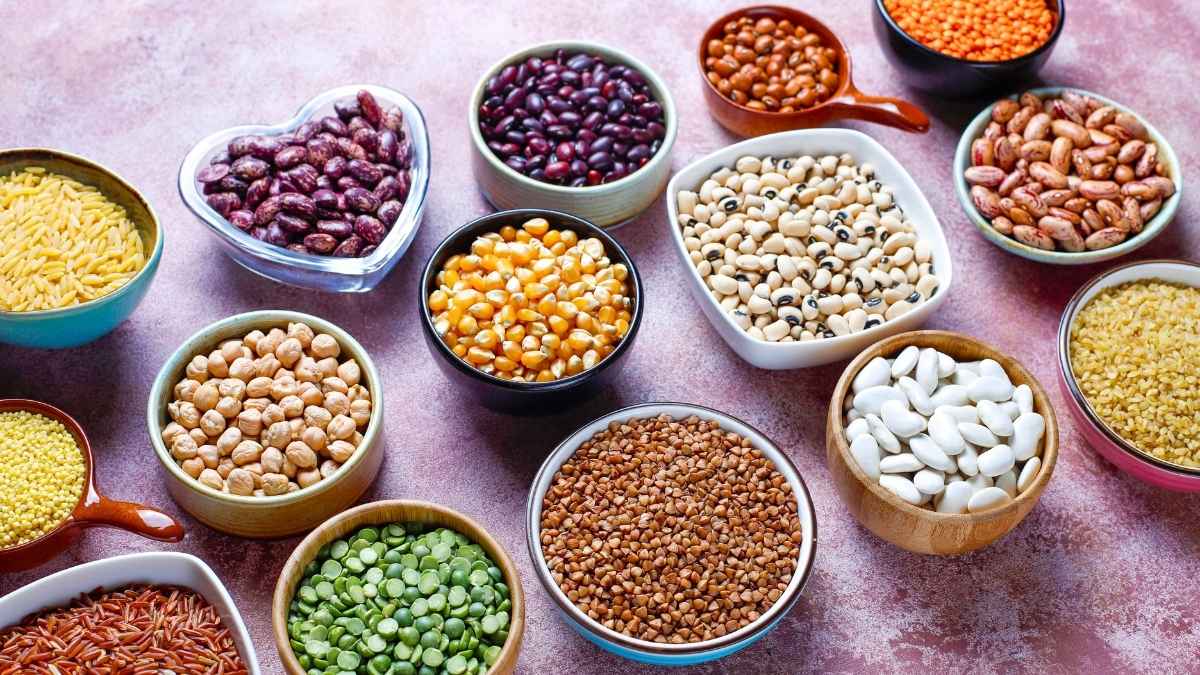
Legumes do three things at once that directly help blood sugar. They’re high in protein. They’re high in fiber. And they have a low glycemic index. That combination slows glucose absorption more effectively than almost any other food group.
A landmark study published in JAMA Internal Medicine (2012) found that a low-GI diet rich in legumes improved both glycemic control and cardiovascular risk in people with Type 2 diabetes. That’s two problems solved with one food group.
ZOE research also shows that eating legumes earlier in the day reduces your blood sugar response to meals eaten later. That’s a real, practical benefit.
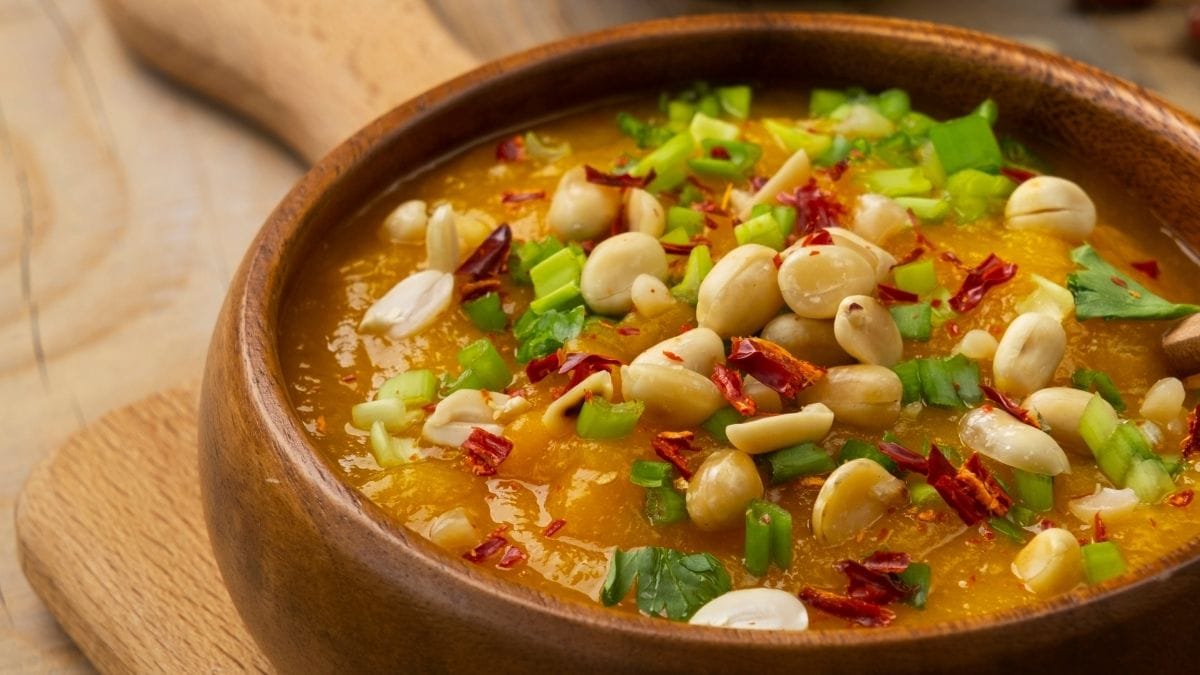
And here’s the thing — if you’re South Asian, you’re already eating these foods. Masoor daal, chana, rajma, chole.
These aren’t exotic health foods. They’re everyday meals that happen to be excellent for blood sugar. You don’t need to change what you eat. You may just need to eat more of it.
One serving is ½ cup of cooked lentils or chickpeas. Simple.
Food 5 Berries: Blueberries, Raspberries, Strawberries
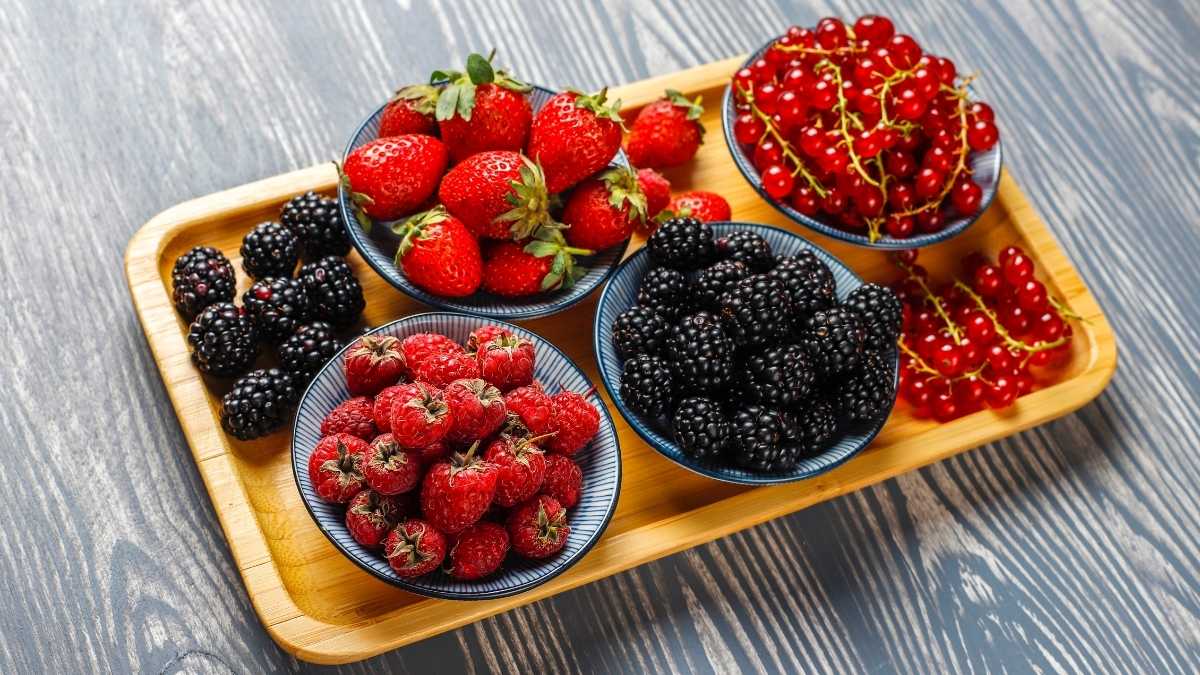
Berries are sweet. But they won’t spike your blood sugar the way sweets do. That’s because of a compound called anthocyanins.
Anthocyanins are what give berries their deep red, blue, and purple colors. They’ve been directly linked to lower blood sugar levels and better insulin sensitivity in research.
A 2024 study published in the journal Nutrition and Diabetes tracked a large UK Biobank cohort. It found that people who ate more flavonoid-rich foods — including berries — had a significantly lower chance of developing Type 2 diabetes.
A separate randomized controlled trial (published in Obesity, 2019) showed that red raspberries specifically reduced post-meal blood sugar in people already at risk of diabetes.
Berries also have a low GI and are high in fiber. Both of those slow glucose absorption.
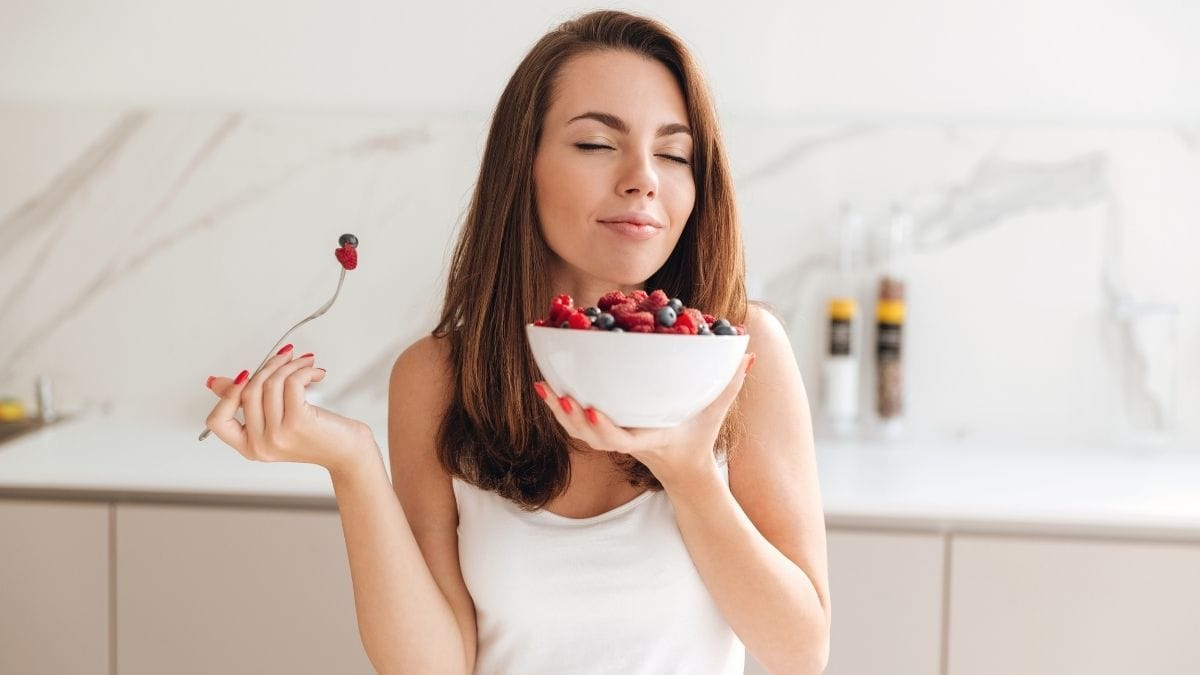
One important rule: eat whole berries, not juice. Fruit juice removes the fiber and sends the sugar straight into your blood.
Add ½ cup to your oatmeal, stir into plain yogurt, or eat as a mid-morning snack. Easy and effective.
Food 6 Nuts and Seeds: Almonds, Chia Seeds, Flaxseeds
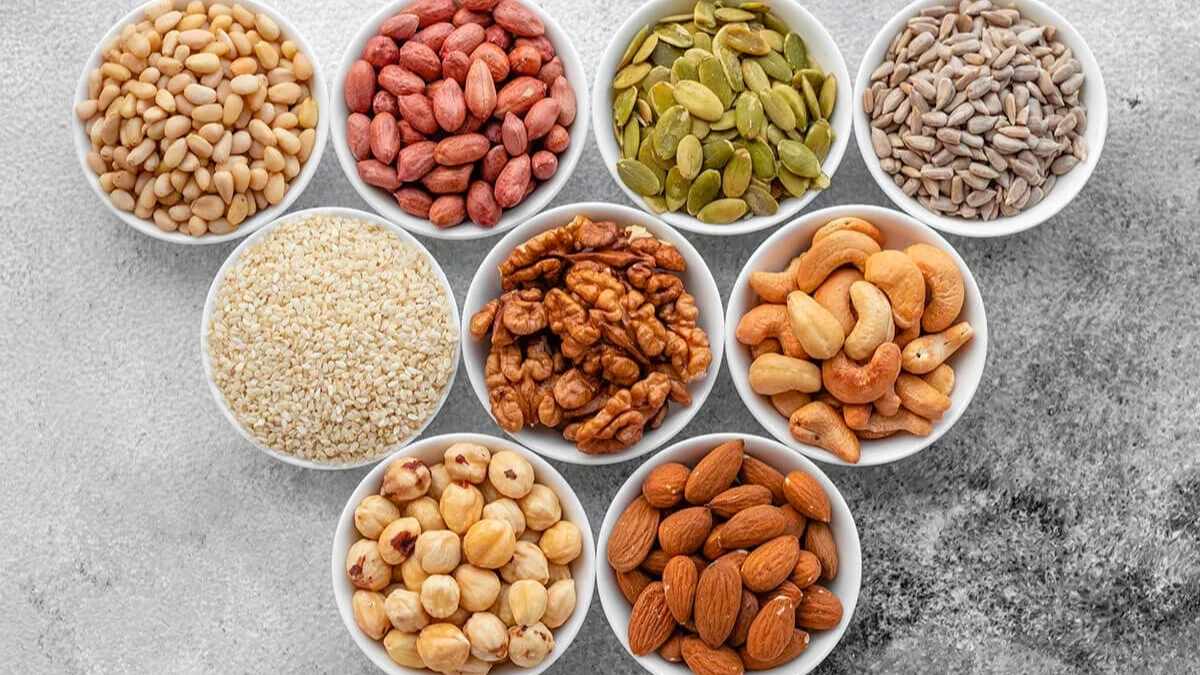
Nuts are often overlooked for blood sugar. But the research is solid.
A review cited by Healthline found that eating tree nuts regularly reduced fasting blood sugar in people with Type 2 diabetes. Nuts contain healthy fats, fiber, and magnesium — three things that stabilize blood sugar and reduce glucose spikes after meals.
Timing matters with nuts. Eat them before or at the start of a meal, not after. This reduces your overall glucose response to the meal.
Chia seeds and flaxseeds are also worth adding. A crossover study from the European Journal of Clinical Nutrition (2017) showed both seeds reduced post-meal blood glucose in healthy individuals. You can stir them into water, yogurt, or a smoothie.
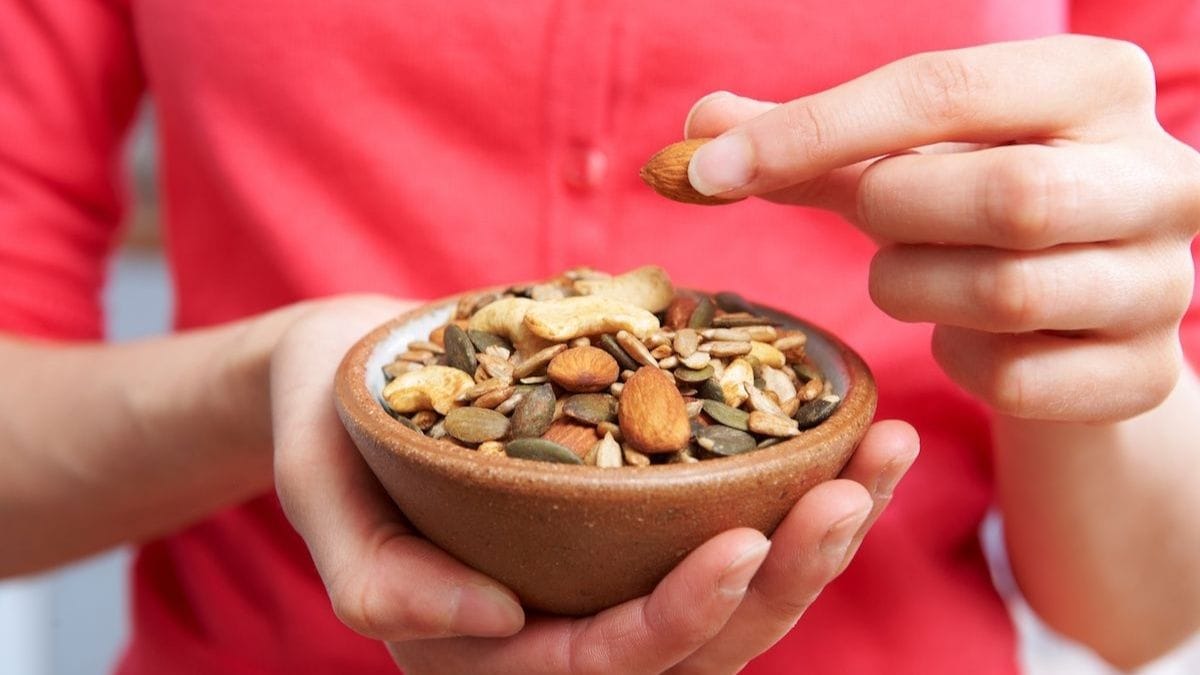
Pumpkin seeds work too. One clinical trial found that adding 65 grams of pumpkin seeds to a meal significantly lowered blood sugar responses.
Daily amount: a small handful of almonds (about 23 nuts) or 1–2 tablespoons of chia or flaxseeds. Small, consistent. No special diet plan needed.
Food 7 Cinnamon: The Spice With Real Research Behind It
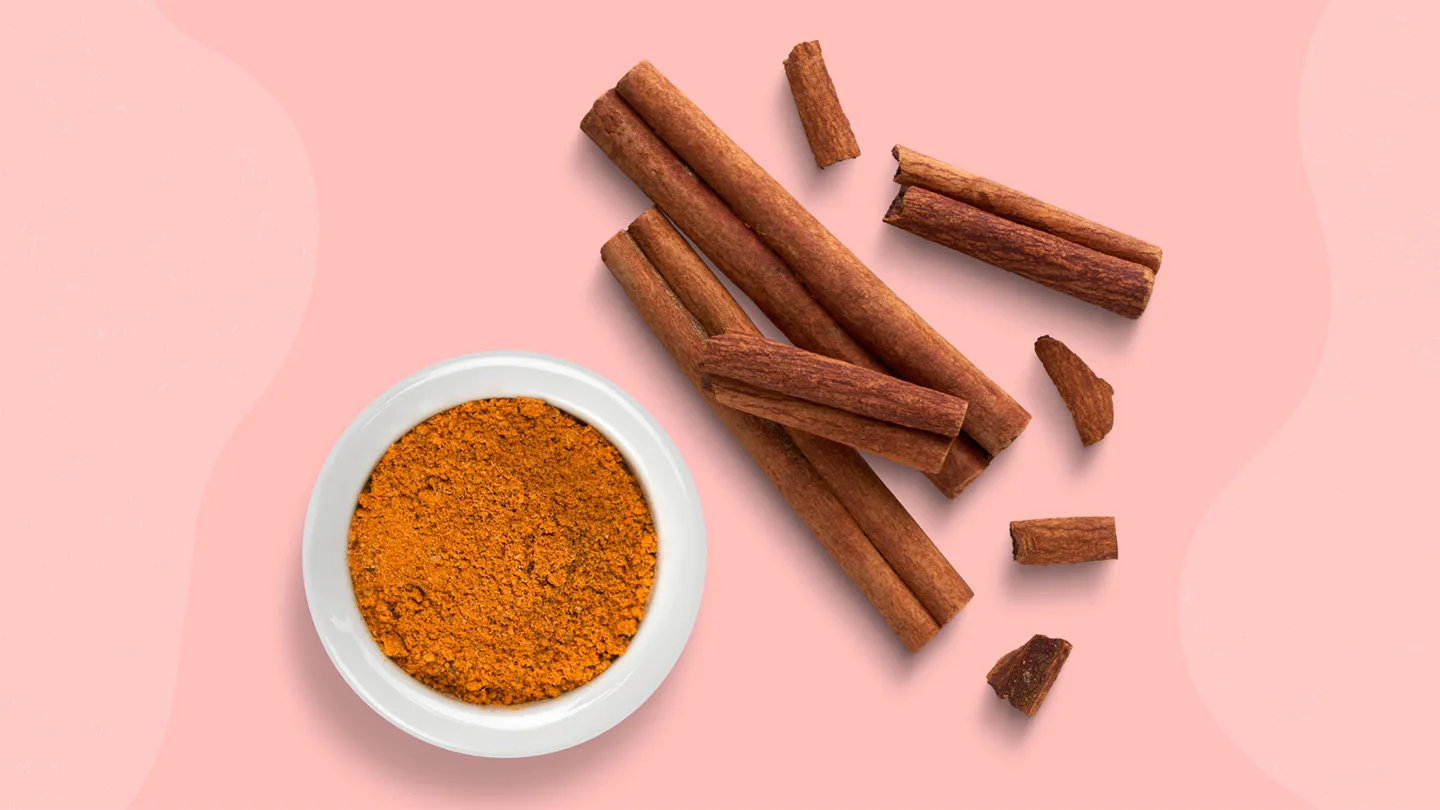
Cinnamon is not just a flavoring. It has real biological effects on blood sugar.
It improves insulin sensitivity. It mimics some of insulin’s effects at the cellular level. A 2024 analysis of 24 clinical trials found that cinnamon lowers fasting blood glucose and may work as a helpful add-on for people already taking diabetes medication.
But there’s one thing you need to know before buying any cinnamon from the store. There are two types.
Ceylon cinnamon — also called “true cinnamon” — is the one you want. Cassia cinnamon, the common supermarket type, contains coumarin. In large daily doses, coumarin can harm your liver.
Check the label. Buy Ceylon cinnamon. It’s available in most health food stores and online.
The amount that showed benefit in studies is ½ to 1 teaspoon per day. Stir it into your oatmeal. Add it to coffee or tea. Mix it into plain yogurt. It’s affordable, easy, and already in most kitchens. You just need to use it daily.
How to Use These 7 Foods Together: A Simple 1-Day Meal Plan
You don’t need to eat all 7 foods every single day. That would be overwhelming and unnecessary. Rotate them through your week. Here’s what one good day looks like:
Breakfast: Steel-cut oats + ½ cup blueberries + a small handful of almonds + ½ teaspoon Ceylon cinnamon.
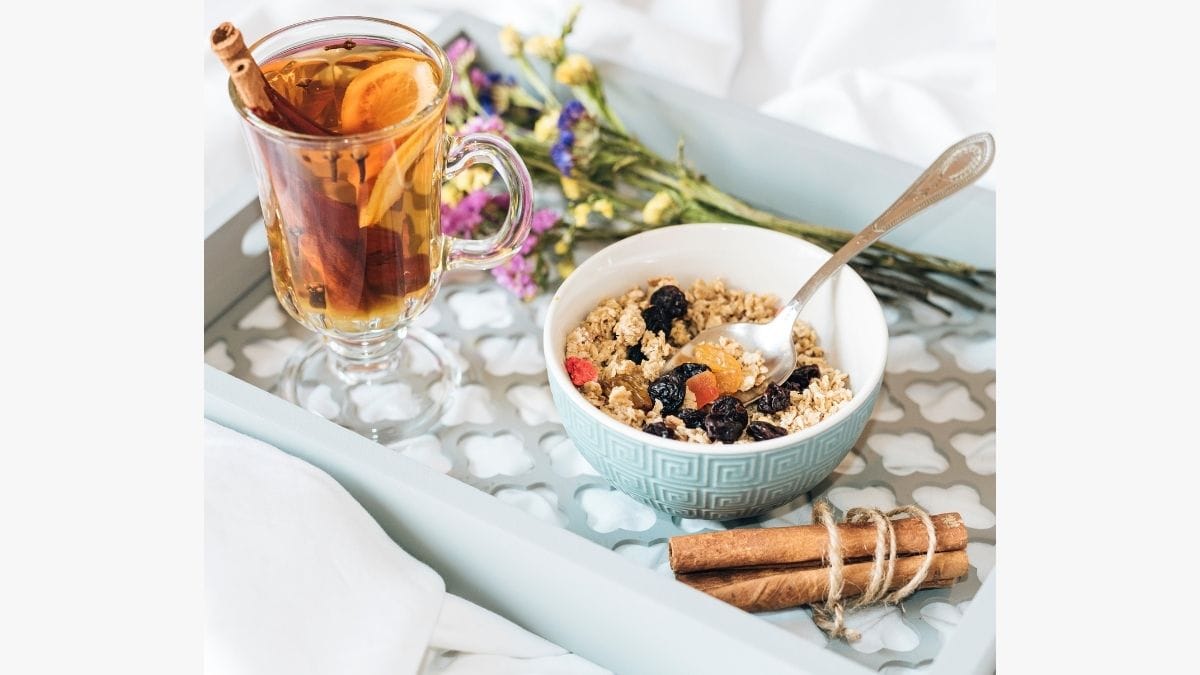
Lunch: Masoor daal or lentil soup + a side of sautéed spinach with garlic.
Snack: A small handful of walnuts or 1 tablespoon of chia seeds stirred into water or yogurt.
Dinner: Grilled or baked chicken or fish + 1 cup roasted broccoli + a small salad with chickpeas.
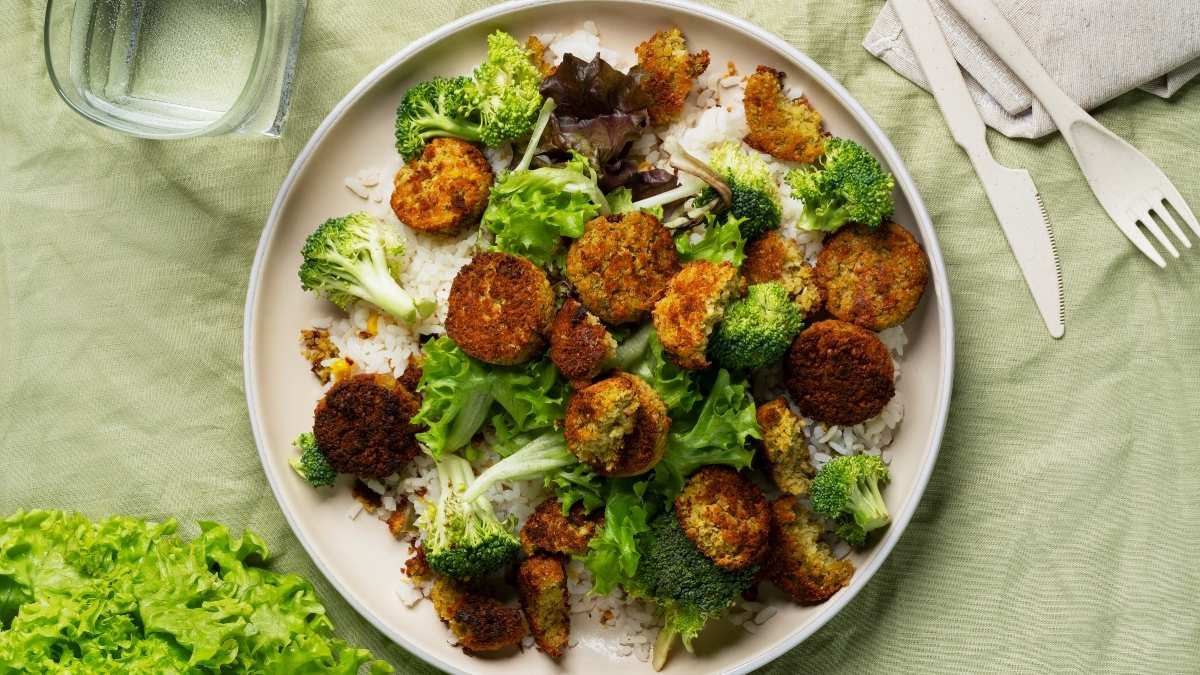
This plan uses 6 of the 7 foods in one day. It’s not complicated. It’s not expensive. And it fits into how most people already cook.
One final note — and this is important. These foods support your health. They do not replace medication your doctor has prescribed. If you’re on medication, keep taking it. Use these foods alongside it, not instead of it.
Final Thought
You now have 7 real, affordable, research-backed foods — oats, leafy greens, broccoli, legumes, berries, nuts and seeds, and cinnamon. Each one works. Each one is easy to find.
Start with just two this week. Add them to meals you already eat. Controlling blood sugar naturally through food is not complicated — it just takes knowing where to start.