Every year, more than 600,000 people in the United States have a stroke. That works out to roughly one person every few minutes. That is not a distant statistic. That could be your parent, your partner, or the person sitting next to you right now.
Most people freeze when it happens. They watch. They wait. They tell themselves it will pass. That waiting is what turns a recoverable stroke into permanent brain damage.
You do not need a medical degree to save someone’s life in this moment. You need to know what to look for, what to do in the next 60 seconds, and what never to do.
This article gives you all three. Read it once. Then share it with someone you care about.
Why the First 60 Seconds Decide Everything

When a stroke happens, blood stops reaching part of the brain. The brain does not store oxygen. It has no backup. The moment blood flow stops, brain cells start dying.
Here is the number that should stay with you: every single minute a stroke goes untreated, approximately 1.9 million brain cells die. That is not a slow process. That is faster than you can make a phone call.
The main treatment for the most common type of stroke is a clot-dissolving drug called tPA. It works. But it only works if given within 4.5 hours of when symptoms started. The closer to the first hour, the better the result.
Patients treated within 3 hours of their first symptom have far less disability three months later than those who waited. Starting tPA treatment just 15 minutes faster led to 26 more patients per 1,000 able to walk without help at discharge.
Speed is not about being calm or brave. Speed is about biology.
2 Tips:
- Set the time on your phone the moment you notice something is wrong. Doctors will need it.
- Do not wait for symptoms to get worse. One sign is enough to call 911.
The FAST Check — Run This in Under 60 Seconds
FAST is the official stroke check from the American Heart Association. It still stands as the recommended tool in 2025. It takes less than a minute and anyone can do it.
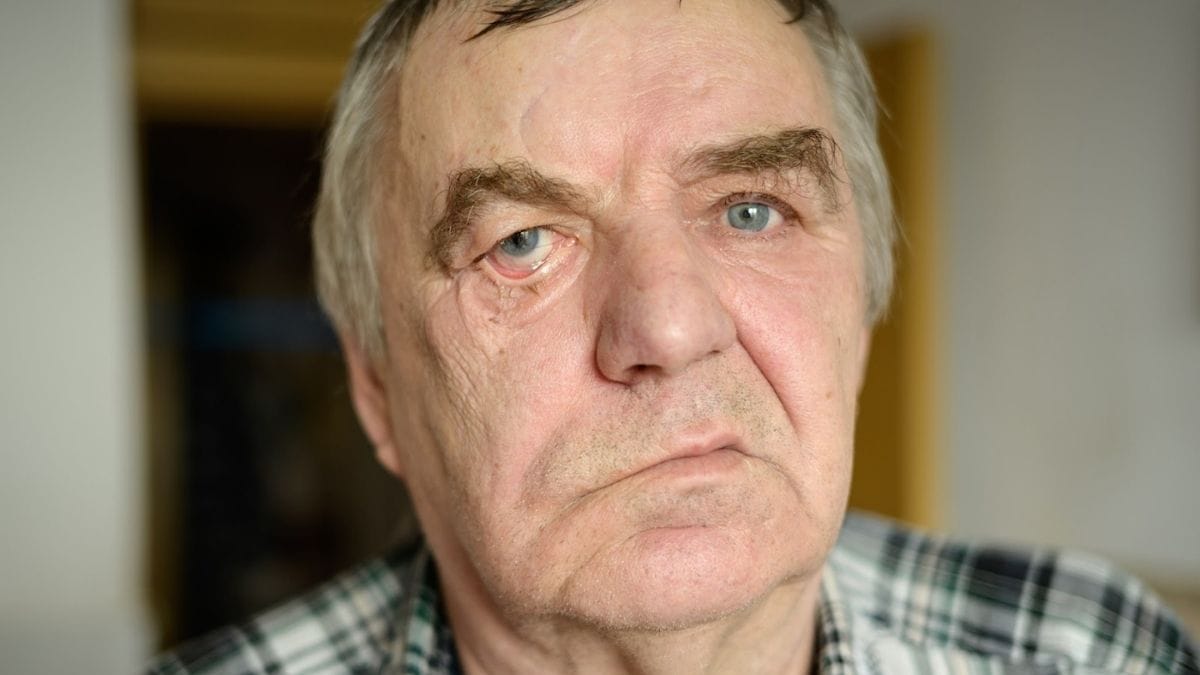
Spot a Stroke F.A.S.T.
Here is a real example. Your father stops mid-sentence and sounds confused. He says he is fine. You ask him to say “The sky is blue.” The words come out slurred. That is an S. Call 911. That is the whole job.
2 Tips:
- Practice the FAST check on someone healthy so it feels natural before an emergency.
- Do not argue with the person having a stroke. They may insist they are fine. Call anyway.
The Updated Check — Adding B and E to FAST
FAST is good. But it misses roughly 20% of strokes, especially those affecting the back of the brain. That is why medical teams now often use BE-FAST, which adds two more checks before the original four.
B — Balance.

Is the person suddenly stumbling? Do they seem uncoordinated for no reason? Sudden balance problems are easy to dismiss as dizziness. Do not dismiss them.
E — Eyes.

Are they complaining of sudden blurry vision? Double vision? Sudden blindness in one eye? These are stroke symptoms, not eyestrain.
Research shows BE-FAST captures over 95% of ischemic strokes. However, a 2025 study at the International Stroke Conference found that adding more letters can make people less likely to remember and act fast.
The practical advice: get FAST down cold first. Then add B and E on top of it. If you see any of the six signs, the response is the same — call emergency services immediately.
2 Tips:
- Sudden stumbling in an otherwise steady person is a bigger red flag than in someone who trips often.
- If the person is alone and calls you saying their vision went blurry — that is a 911 call, not a “get some rest” situation.
Stroke Signs People Get Wrong or Miss Completely
FAST covers the most visible symptoms. But strokes can show up in quieter, easier-to-miss ways. These are the ones people explain away until it is too late.
Sudden severe headache.
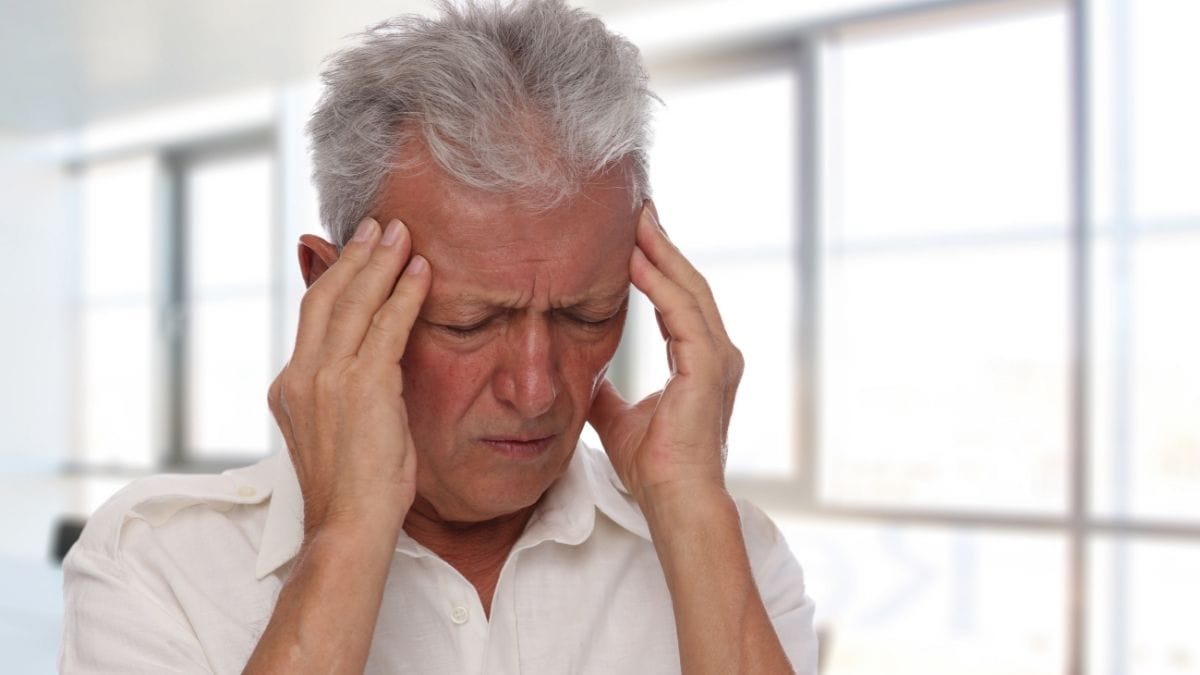
Stroke survivors often describe it as the worst headache of their lives — sudden, intense, nothing like a normal headache. This points to a hemorrhagic stroke, where a blood vessel in the brain bursts. It is just as urgent.
Sudden confusion. The person is awake but cannot follow a simple sentence. They do not know where they are. They behave strangely. This is not a panic attack or stress. It can be a stroke.
One-sided numbness.

Sudden numbness or weakness on one side of the face, arm, or leg is a major red flag. One-sided symptoms almost always mean something is wrong with the brain.
Mini-strokes are not small. A TIA (Transient Ischemic Attack) causes the same symptoms, but they go away within minutes.
Do not let that fool you. About 2–3% of TIA survivors have a full stroke within 30 days. A TIA is a warning — treat it like the emergency it is.
2 Tips:
- A headache that appears suddenly and feels different from any headache before deserves a 911 call, not a painkiller.
- If stroke symptoms go away on their own, still go to the emergency room. A mini-stroke is a medical emergency.
What To Do Right Now — Step by Step
When you think someone is having a stroke, here is what you do.
2 Tips:
- Save your local emergency number in your phone under a name like “STROKE 911” so family members can find it fast.
- If the person refuses help, call anyway. You are not overreacting.
Who Gets Strokes — And Why Younger Adults Are Now at Risk
Stroke is not just a condition for people over 70. The numbers are changing, and not in a good way.
Every year, about 600,000 people in the United States have a stroke. As many as 80% of those strokes were preventable. That means most of them did not have to happen.
The stroke death rate for adults aged 45 to 64 dropped between 2002 and 2012. Then it climbed 7% by 2019 and jumped another 12% through 2021. Strokes are rising in middle-aged adults. This is a real shift.

Nearly half of U.S. adults have high blood pressure right now. Many do not know it. High blood pressure is the single most controllable cause of stroke. One in five adults has at least one major risk factor — high cholesterol, smoking, obesity, or diabetes.
Non-Hispanic Black adults face nearly twice the stroke risk of Non-Hispanic White adults. Strokes touch every age group and every community. Knowing the signs is not optional anymore.
2 Tips:
- Ask your doctor to check your blood pressure at your next visit, even if you feel fine.
- If you smoke, that alone puts you in a significantly higher stroke risk group. Talk to your doctor about quitting options.
CONCLUSION:
Every minute costs millions of brain cells. The FAST check takes under 60 seconds. You do not need training — just four letters: Face, Arms, Speech, Time. Write them down. Share this with someone you love. Recognizing a stroke fast is not a medical skill. It is a human one.