
Your body may be biologically 5 to 8 years older than your actual age. And your daily routine is the main reason why.
Most people think aging is about genetics or time. That is not the full story. Your sitting habits, food choices, and sleep patterns are silently triggering a process called “inflammaging.” It is chronic, low-grade inflammation that burns through your cells every single day.
You cannot see it. You cannot feel it right away. But it is happening.
This article will show you what inflammaging is, the two daily habits driving it the fastest, and simple steps you can take today to slow it down. No expensive treatments. No gym required. Just real changes backed by real science from 2025 and 2026.
What Is Inflammaging — And Why It Matters More Than Your Genes

Imagine two people, both aged 45. One feels sharp, strong, and full of energy. The other feels stiff, foggy, and tired all the time. Same age. Very different bodies. The difference is often inflammation.
Inflammaging is not the kind of inflammation you get from a cut or a cold. That type heals and goes away. Inflammaging is different. It stays. It is a slow, constant burn inside your body that wears down your cells over time.
It does not come from an injury or infection. It comes from your daily habits.
According to a 2025 review published by the NIH, this chronic inflammation drives cardiovascular disease, nerve damage, and metabolic disorders.

Researchers at the University of Florida also confirmed in 2026 that scientists are now focused on “healthspan” — how long you stay healthy — not just how long you live.
Here is the most important part: inflammaging is not permanent. It responds to lifestyle changes. Your biology is not fixed. Your habits decide how fast or slow your cells age.
Now let’s look at the two specific daily habits fueling that fire.
Explain 1- You Are Sitting Too Long Every Day (And It Is Aging Your Cells)

Here is something most doctors skip at your annual checkup: sitting is quietly aging your cells. Not because you are lazy. The human body was simply not built for hours of stillness.
A 2025 study of 12,504 adults in the NHANES database found that sitting 8 or more hours per day was linked to a 58% higher risk of accelerated biological aging. That is compared to people who sat fewer than 4 hours daily.
There is also a tipping point. A 2025 study published in Aging Clinical and Experimental Research found that once women crossed 7 hours of daily sitting, the risk of faster biological aging jumped sharply. Every extra hour beyond that was linked to about a 12% higher aging risk.
And here is what shocks most people: exercising for 30 minutes does not cancel out 10 hours of sitting. A 2025 Alzheimer’s and Dementia study tracking 404 adults over 7 years confirmed that sedentary time caused brain shrinkage and memory decline even in people who exercised regularly.
The fix is not a marathon. It is simply breaking your stillness every hour.
The Simple Movement Strategy That Works

You do not need a standing desk or a gym. You need “exercise snacks.” That means standing up and moving for 2 to 5 minutes every 45 to 60 minutes.
Walk to the kitchen. Do 10 bodyweight squats. Stand during a phone call. These small breaks are proven to interrupt the cellular damage that sitting causes.
A 2025 genetics study published in PubMed confirmed that reducing sedentary screen time independently slows epigenetic aging. The researchers specifically recommended “interval activity” — which is exactly this strategy.
Wearable devices like Oura Ring, Apple Watch, or Garmin can send you alerts when you have been still too long. They turn this into a habit automatically.
Simple desk-based movements work too. Calf raises at your desk. Standing while reading emails. A 10-minute walk after lunch. All of these count.
Your cells respond to movement fast. Start today, not next week.
Explain 2- Ultra-Processed Foods Are Aging You at the Cellular Level

Read the ingredient list on your breakfast cereal or afternoon snack. If it looks like a chemistry textbook, your body is treating it like a threat. And that threat is slowly aging you.
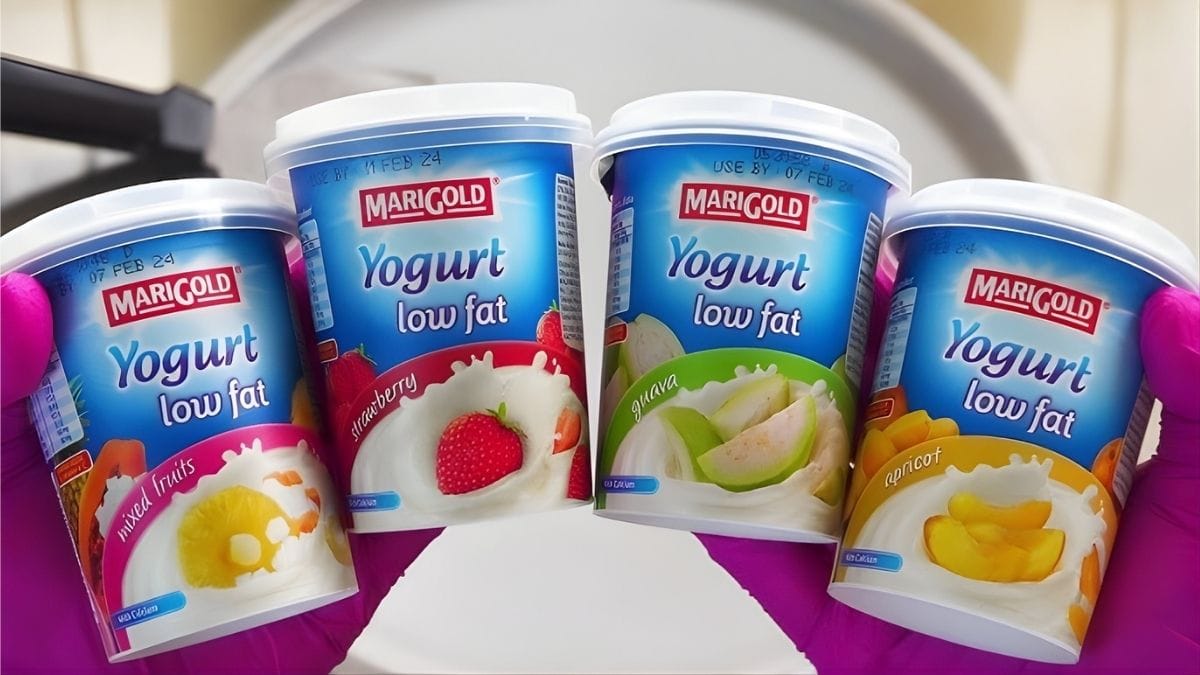
Ultra-processed food is not just fast food. It includes things marketed as healthy — flavored yogurt, protein bars, “whole grain” crackers, diet soft drinks, and meal replacement shakes. These are classified as ultra-processed using a system called NOVA, which groups foods by how much industrial processing they have been through.
A large SUN cohort study found that adults eating the most ultra-processed food had telomere shortening equal to 4 extra years of biological aging. Telomeres are the protective caps on your DNA. When they shorten, your cells age faster.
A 2025 meta-analysis covering over 1.1 million people found that the highest ultra-processed food consumers had a 15% higher risk of dying from any cause. And for every 10% increase in processed food, mortality risk climbed another 10%.
Right now, about 57% of American adults’ daily calories come from ultra-processed food. Most people do not even realize it.
The Foods That Are Secretly Ultra-Processed
Most people know chips and soda are bad. But here is what catches people off guard.
Flavored yogurts with fruit on the bottom are full of additives and stabilizers.
Most protein bars have ingredient lists longer than a prescription label. Packaged “whole grain” cereals are often loaded with artificial flavors and preservatives. Diet sodas contain artificial sweeteners that, according to UK Biobank data from 2025, independently accelerate biological aging.
The NOVA system is the easiest way to check. If a food has more than five ingredients, includes names you cannot pronounce, and would not exist in a kitchen 100 years ago — it is likely ultra-processed.
You do not need a perfect diet. You need a less processed one. Start by swapping one packaged item per day with a whole food.
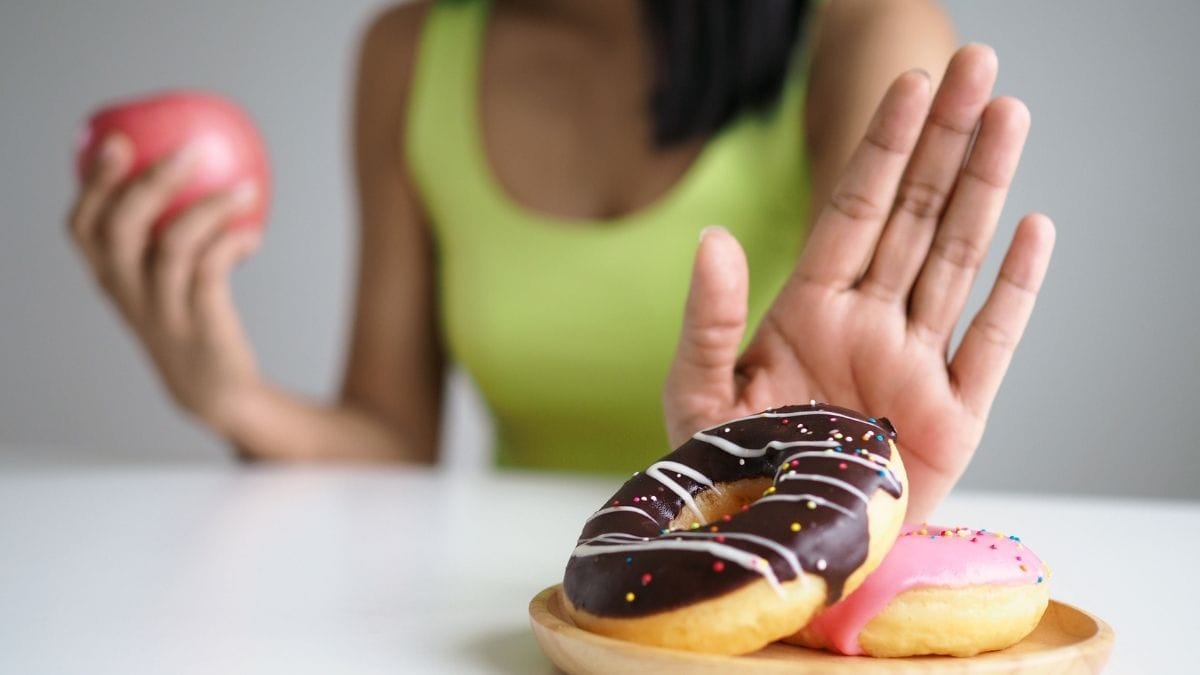
An apple instead of a protein bar. Eggs instead of a breakfast pastry. Water or green tea instead of a diet soda.
Small, consistent swaps change your biological age over time. The science backs this up.
The Fix — What To Actually Do Today
Knowing the problem is only useful if you do something about it. The good news is that both of these aging accelerators respond fast to lifestyle changes — sometimes within weeks.
Here is what to do right now.
The Healthspan Protocol
None of this costs money. It costs attention.
Why Most People Never Fix This (And How To Make Sure You Do)
Most people who read articles like this feel motivated for a day, maybe a week. Then they go back to their old patterns. Here is why — and how to stop it.
The first trap is thinking exercise covers everything. “I go to the gym three times a week, so I’m fine.” But research proves that exercising for 30 minutes does not cancel out 8 hours of sitting. These are two separate problems.
The second trap is thinking it’s too late. It is not. A peer-reviewed study published by the NIH found that people who improved their habits between ages 38 and 45 — by quitting smoking or becoming more active — showed measurably slower increases in inflammatory biomarkers. Change at any age works.

The third trap is trying to change everything at once. That almost always fails. Pick one change. Do it for two weeks. Then add another.
Do not build a routine. Build an identity. Tell yourself: “I am someone who moves every hour.” That sticks longer than a to-do list.
Final Thought
Aging faster than you should is not locked in. It is driven by two fixable habits: sitting too long and eating ultra-processed food. Both fuel inflammaging — a real biological process aging your cells daily.
Start with one small change today. Your biological age is not fixed. It responds to what you do next.