
What if better fitness could fit into the small gaps in your day? That is the idea behind the micro-fitness method. It means doing short bursts of movement, often 1 to 5 minutes, several times a day.
These small sessions are often called exercise snacks. The goal is simple: move more often instead of waiting for one long workout.
It can support regular workouts, or help you get started if you do not exercise yet. For many people, daily movement feels easier than finding time for the gym.
Why Tiny Bursts of Exercise Can Work
Some research reviews have found exercise snacks benefits may include support for fitness, blood pressure, and even focus. Short stair climbing sessions have also been linked with better aerobic fitness in some studies. That does not mean one minute changes everything. It means repeated effort can add up.
Think of it this way. One glass of water does not fix hydration for a week. But drinking water often helps. Movement can work in a similar way.
This is where “consistency beats intensity” fits. You may not need hard workouts every day. You may benefit from frequent micro workouts for health, especially if you have a sedentary lifestyle and sit for long periods.
7 Easy Micro-Fitness Moves Anyone Can Start Today
You do not need equipment for these micro workouts. Start simple.
7 Micro-Moves
Zero Equipment Required
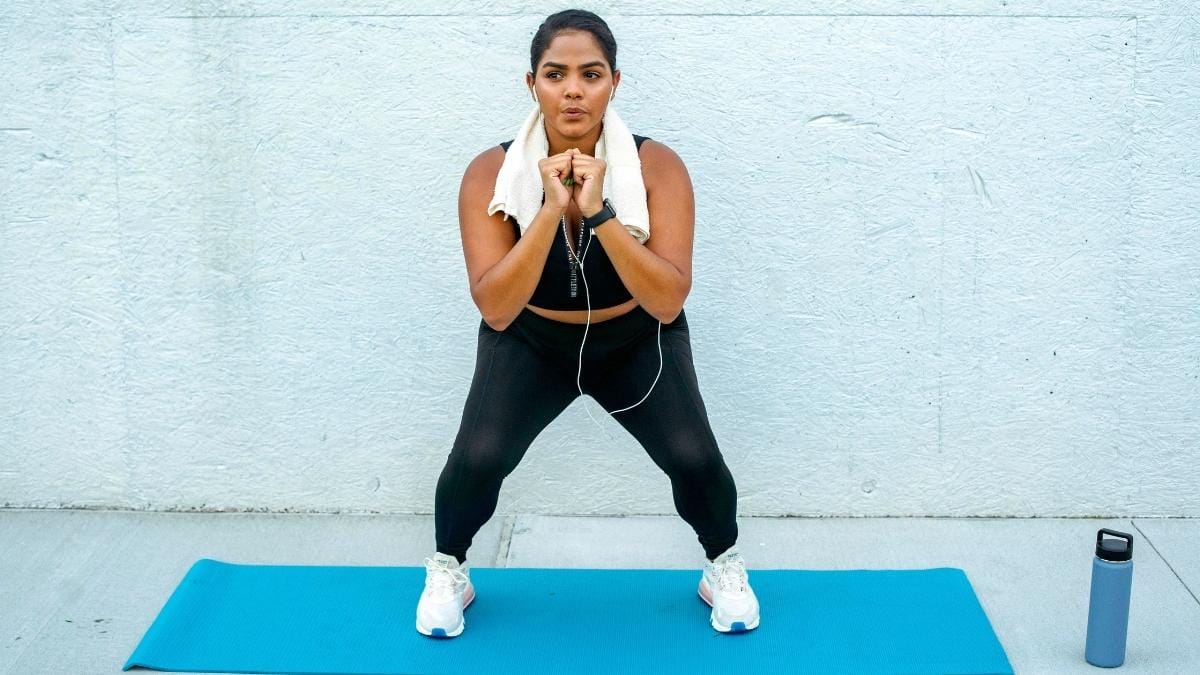
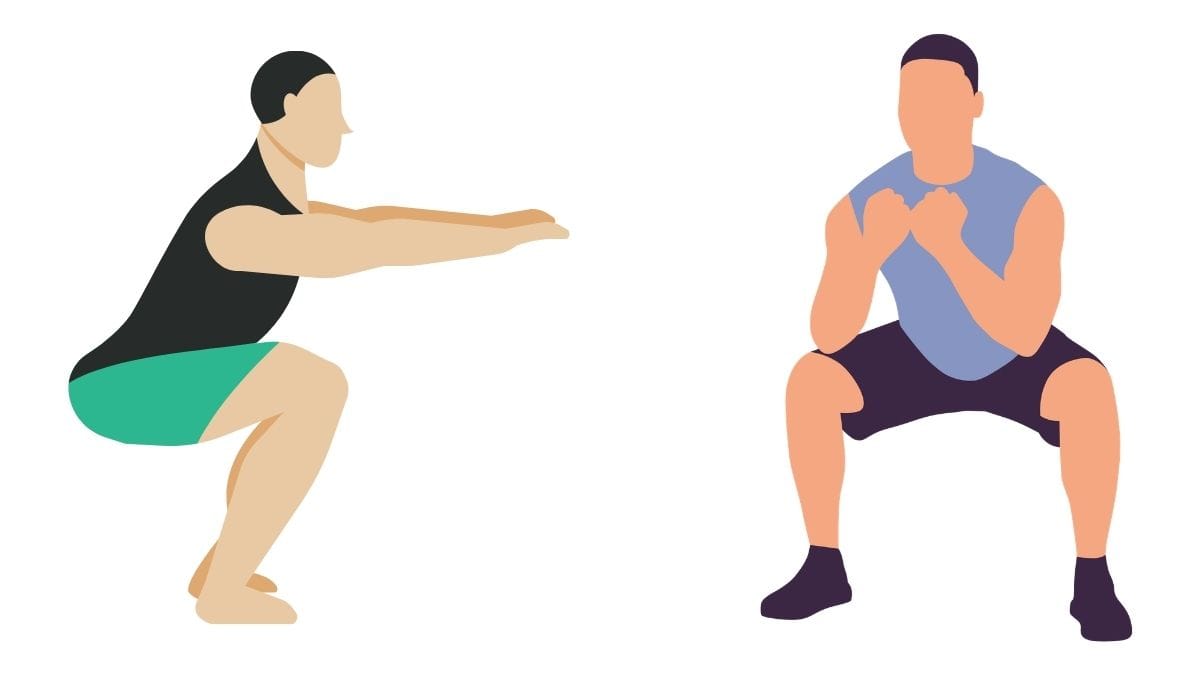
Air Squats
Legs & BalanceDo 20 bodyweight squats in about 30 seconds. Beginners can scale down to 5.
Stair Climb
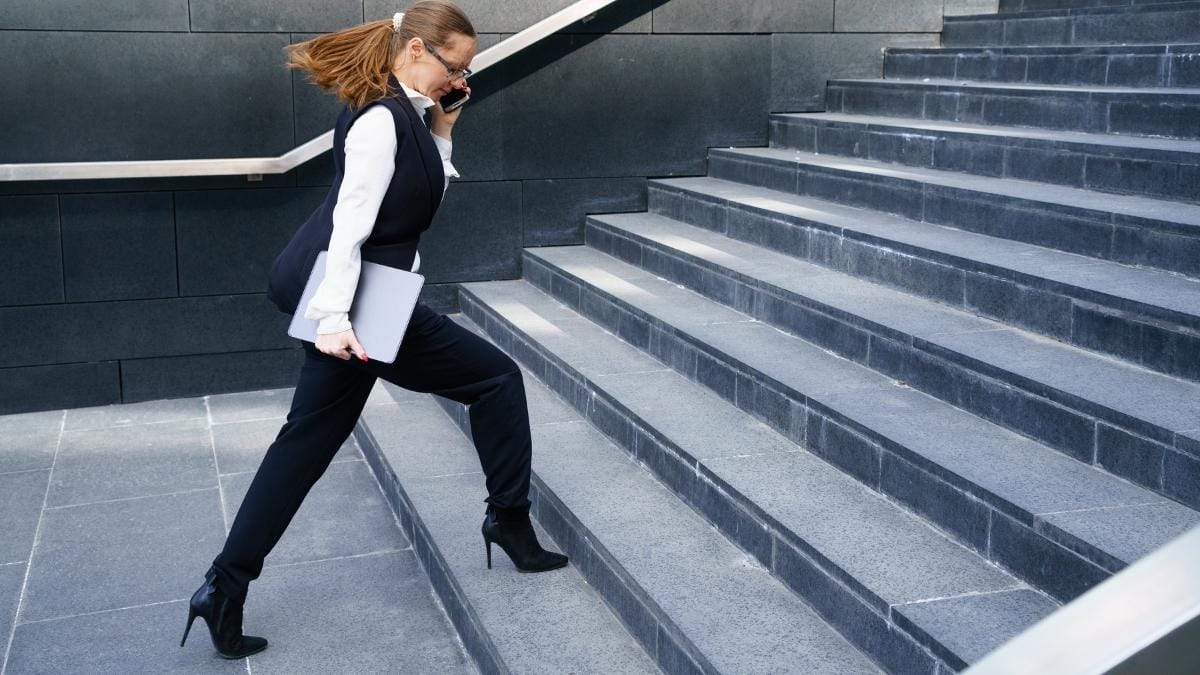
Heart & StaminaWalk up and down stairs for 60 seconds. Use just one flight if needed.
Wall Push-Ups
Arms & ChestPerform 10 reps against a wall. A safer, easier alternative to floor push-ups.
Post-Meal Walk
Glucose ControlTake a 1-minute brisk walk immediately after eating to support digestion.
Short Plank
Core StrengthHold a plank for 30 seconds. Drop to 10 seconds if you are just starting out.
Calf Raises
CirculationRise up on your toes while standing or waiting in line to pump blood flow.
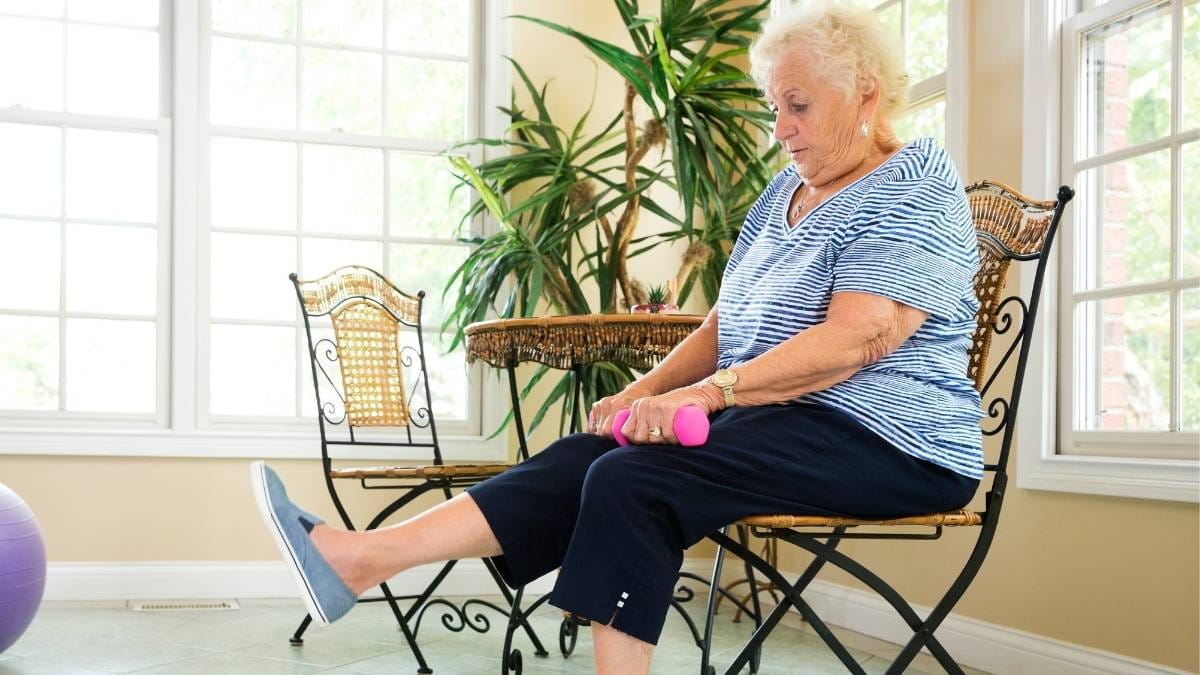
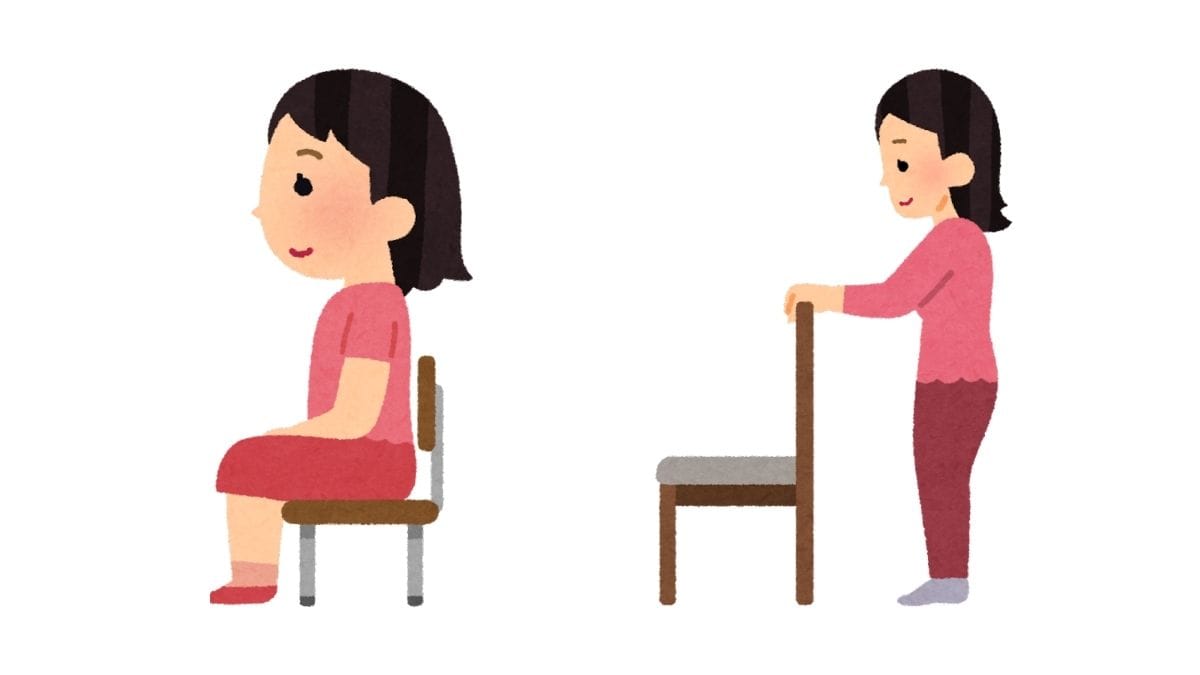
Sit-to-Stands
MobilityStand up from a chair and sit back down 10 times. Perfect for older adults.
These exercise snacks examples are easy to repeat. Spread them through the day to build a daily movement routine.
How to Build a Micro-Fitness Routine Into Your Day
The easiest way to make movement stick is attach it to habits you already have. This is called habit stacking.
After morning coffee, do 10 squats.
After a bathroom break, climb stairs for one minute.
During phone calls, walk instead of sitting.
After meals, take a 2-minute walk.
Set an hourly reminder to move.
This turns movement into a routine, not a decision.
Office Worker Plan
Do six movement snacks daily. Squats, stairs, walking breaks, and calf raises work well.
Over-50 Beginner Plan
Use gentle walking, chair sit-to-stands, and shoulder mobility drills. Start slow.
Busy Parent Plan
Move during chores, school pickup, or while food cooks.
Apps and wearables can help too. Stand reminders from a watch can prompt action. A timer can do the same.
A micro-fitness routine does not need to be perfect. It needs repetition. That is how movement habits form over time.
What the Research Says About Real Benefits
Researchers have looked at exercise snack science in several ways. One area is blood sugar. Short walks after meals may help your body manage glucose better than sitting still.
Another area is fitness. Brief stair climbs or movement breaks have shown possible gains in cardiorespiratory fitness, especially in inactive adults. That matters if long workouts feel hard.
There is also evidence that movement breaks may support strength and function. This can be useful as people age. Even simple sit-to-stands may help mobility.
Some workplace research has also explored focus and mental performance. Moving during the day may help some people feel more alert.
There is one thing to keep in mind. Results vary. Micro-fitness is helpful, but it is not magic. It works best when done often.
The big idea is simple. Health benefits of movement breaks may come from frequency. When you move often, those small actions may build into bigger benefits over time.
Common Mistakes That Make Micro-Fitness Fail
One mistake is doing too much on day one. If you go from no exercise to 20 movement snacks, you may quit fast. Start with three.
Another mistake is being random. If you move only when you remember, the habit may not stick. Put exercise snacks on a schedule.
A common problem is sitting for four hours, then doing one minute of movement and thinking it balances everything. It does not work that way. The goal is to break up sitting often.
Another mistake is thinking micro-fitness replaces all exercise. It may help a lot, but longer walks and strength work still matter too.
Practical fix? Start with 3 movement snacks a day. Build toward 6 to 8. That makes your exercise snacks routine more realistic and easier to keep.
Who Benefits Most From Micro-Fitness?
The micro-fitness method can help many people, but some groups may benefit even more.
Desk workers sit for long hours. Movement breaks can help reduce that inactive time.

Older adults may benefit from simple moves like walking snacks and sit-to-stands. These can support mobility and confidence.
People returning to exercise often need a low-pressure start. Mini workouts can feel less intimidating than a gym routine.
People with low energy may like short bursts because they feel doable. One minute can feel easier than 30.
People trying to support metabolic health may also find post-meal walking useful.
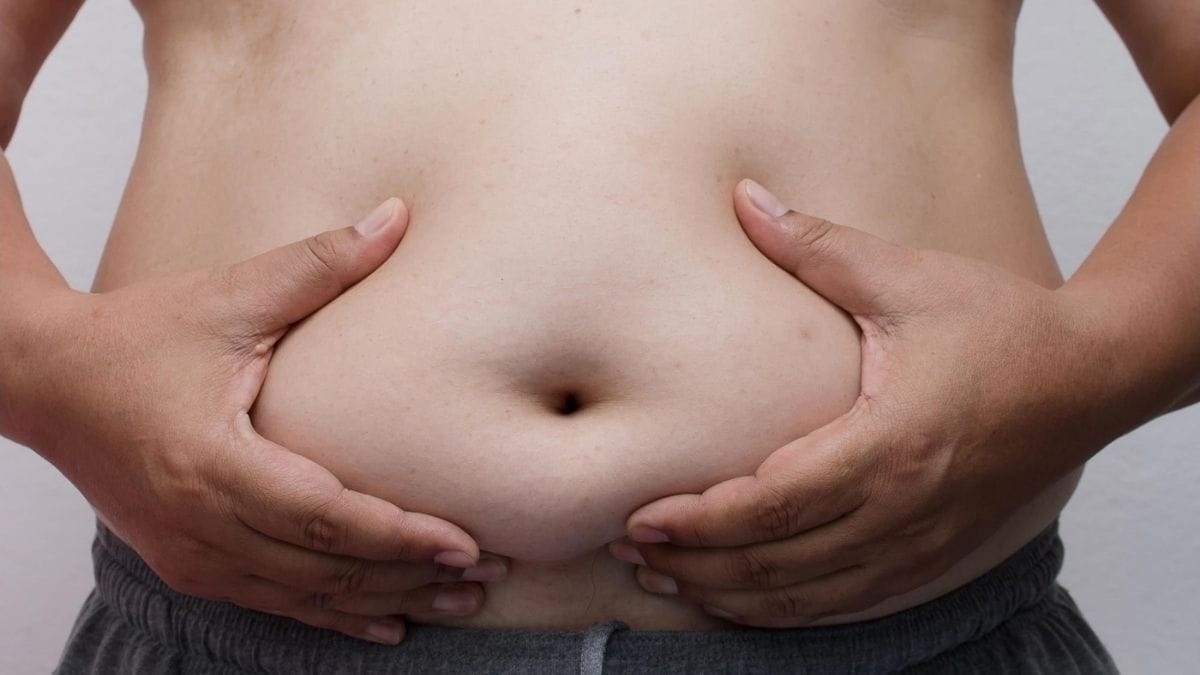
This approach can be practical because it meets people where they are. You do not need perfect fitness first.
That is why micro-fitness for beginners, exercise snacks for seniors, and fitness for busy people are getting attention. Small actions often feel easier to repeat. And repeated action is where change usually starts.
7-Day Micro-Fitness Challenge
Try this simple 7-day micro-fitness plan.
7-Day Ramp Up
Do not chase perfection. Just practice consistency.
If six movement snacks feels too much, stay at three for another week. That is fine. The point is to build a habit.
This beginner exercise snacks challenge works because it starts small. You do not need a gym. You need repetition.
And once the habit feels normal, you can grow it.
Lastly:
The micro-fitness method shows fitness does not have to happen in one long workout. Short exercise snacks may support energy, mobility, and blood sugar when done often. Start with one minute. Repeat it through the day. Build slowly. Small movement can add up more than you think.