
I met a 52-year-old man who lowered his blood sugar—not with pills or supplements—but by changing a few daily habits. That caught my attention fast. Most people think diabetes is permanent. Or they believe medication is the only way forward.
And that belief keeps them stuck.
If you’ve been told your sugar is “borderline” or creeping up, you might feel worried. You may think things will only get worse. But that’s not always true.
In this article, you’ll learn how to reverse early diabetes naturally using simple habits. No extreme diets. No expensive supplements. Just practical, proven lifestyle changes for prediabetes that you can start today.
Can You Really Reverse Early Diabetes Naturally?
Short answer: yes, but only in the early stage. And only if you act on time.
Prediabetes means your blood sugar is higher than normal but not yet diabetes. A1C between 5.7% and 6.4% falls in this range. Type 2 diabetes usually starts at 6.5% and above.
Reversal does not mean a permanent cure. It means your blood sugar returns to normal without medication. Many people reach this point with consistent habits.
The main issue is insulin resistance. Your body stops using insulin properly. Sugar stays in your blood instead of entering cells.
Research shows that losing just 5–7% of body weight can reduce diabetes risk by about 58%. That’s a big shift from small changes.

Most people can see improvement within 3 to 12 months. But it depends on how consistent you are.
So yes, you can reverse early diabetes naturally. But you need to fix your daily routine, not look for shortcuts.
Point #1: Cutting Liquid Sugar First (Easy Win)
If you want a quick win, start here.
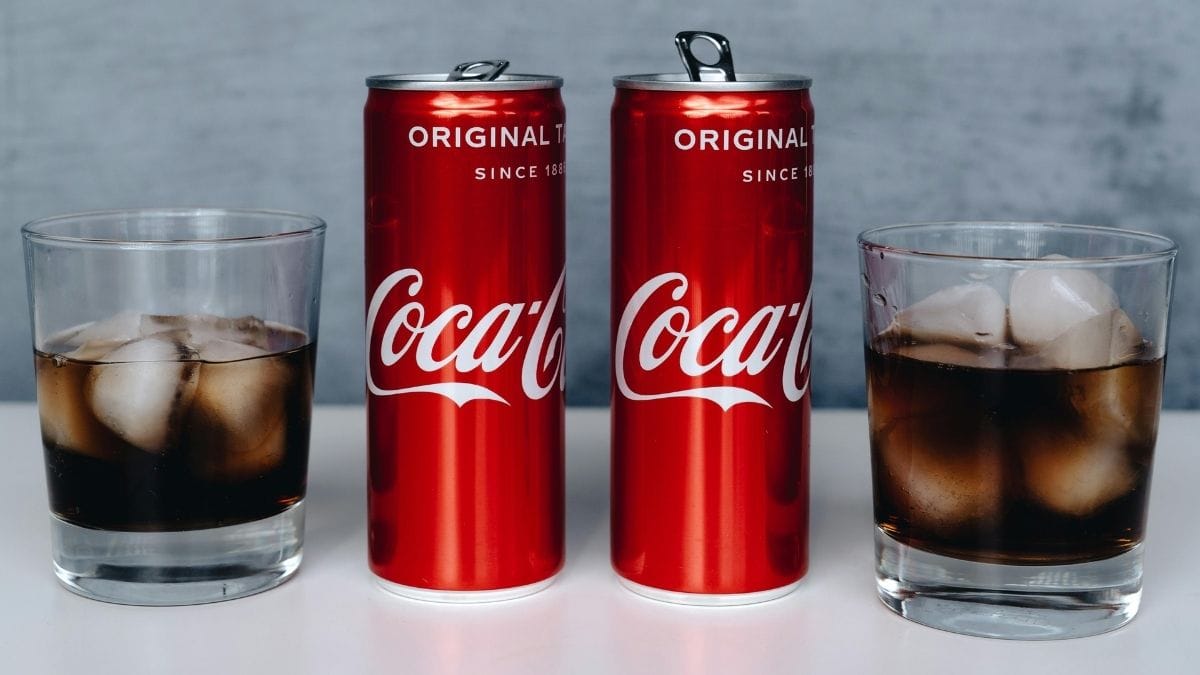
Liquid sugar hits your system fast. Faster than solid food. That means sharp blood sugar spikes.
Soda, packaged juices, sweet tea, energy drinks—all of these are major triggers.
One soda can contain 8–10 teaspoons of sugar. That’s more than your body can handle at once.
The fix is simple. Replace these drinks.
Switch to water. Or unsweetened tea. Even black coffee is better than sugary drinks.
Many people see improvement just from this one change. Their energy gets better. Their sugar levels stabilize.
This is one of the most effective lifestyle changes for prediabetes.
You don’t have to change everything at once. Just remove the biggest problem first.
Point #2: Fixing Meal Timing (The Hidden Blood Sugar Hack)
Most people focus on what they eat. Few think about when they eat.
But timing matters more than you think.
Your body handles sugar better earlier in the day. Insulin works more efficiently in the morning. Late-night eating does the opposite.
If you eat heavy meals at night, your blood sugar stays high for longer. That adds stress to your system.
A simple fix is a 10–12 hour eating window. For example, eat between 7 AM and 7 PM. Avoid food after that.
Also, try to eat dinner at least 2–3 hours before sleep. This gives your body time to process glucose.
Studies show that time-restricted eating can improve blood sugar control. Even without changing food quality.
This is one of the easiest routine fixes for blood sugar control.
You don’t need a new diet. Just adjust your timing.
Point #3: Walking After Meals (Most Underrated Habit)

This is one of the simplest habits. And one of the most powerful.
Walking for 10–15 minutes after meals can lower blood sugar spikes. Your muscles use glucose for energy. That reduces the sugar in your blood.
You don’t need a gym. You don’t need special gear. Just move.
Research shows post-meal walking can reduce glucose spikes by 20–30%. That’s a big effect from a small action.
It’s also better than doing one long workout later. Because blood sugar rises right after eating. That’s when action matters most.
Start with your biggest meal. Usually dinner.
Walk at a normal pace. No need to rush. Just stay consistent.
If you do only one thing from this article, do this.
It’s one of the easiest ways to lower blood sugar without medication.
Point #4: Strength + Light Activity (Not Extreme Exercise)
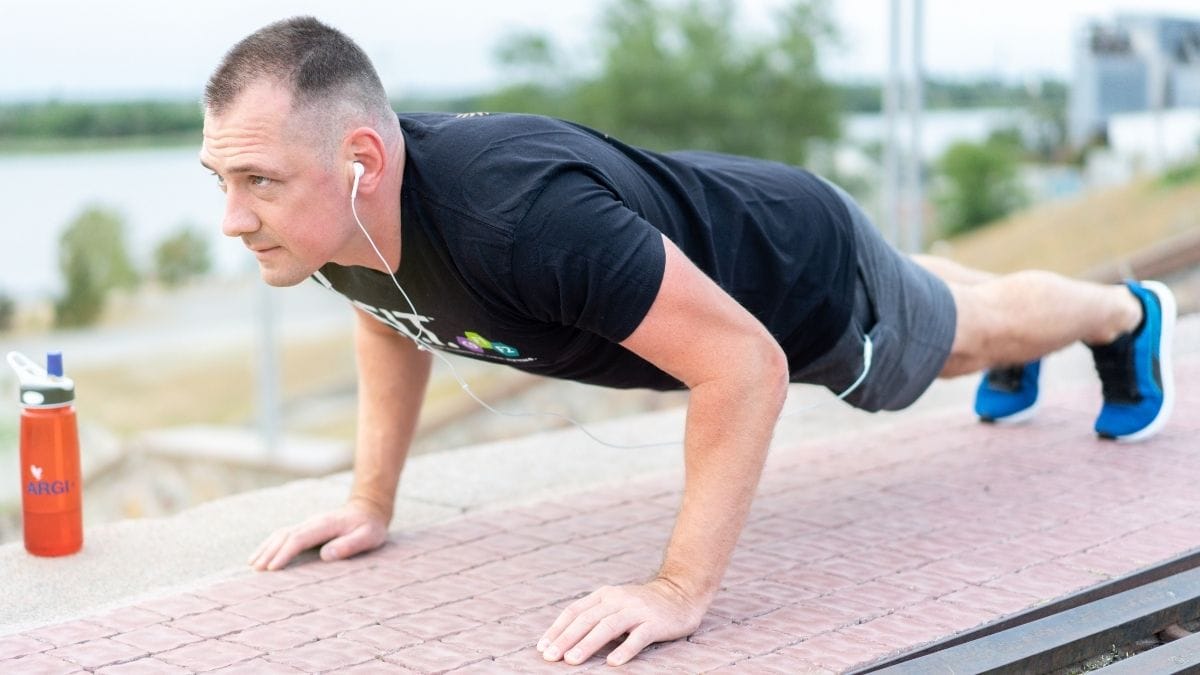
You don’t need intense workouts to fix your blood sugar.
Your goal is simple: build muscle and move more.
Muscle helps store glucose. The more muscle you have, the better your body handles sugar.
Start with strength training 2–3 times a week. Basic movements are enough. Squats, push-ups, light weights.
You don’t need a gym. Home workouts work fine.
Also, stay active during the day. Don’t sit for long hours. Stand, stretch, walk when you can.
Even light activity improves glucose control.
Research shows resistance training improves insulin sensitivity. And daily movement reduces sugar spikes.
Consistency matters more than intensity.
Do something small every day. That’s how results build.
Point #5: Prioritizing Sleep (Often Ignored)

Sleep is not just rest. It directly affects your blood sugar.
When you sleep less, your body becomes more resistant to insulin. That means sugar stays in your blood longer.
Even a few nights of poor sleep can reduce insulin sensitivity by 20–25%.
That’s a big impact from something people ignore.
Aim for 6–8 hours of sleep each night. But timing matters too.
Try to sleep and wake up at the same time daily. This keeps your body clock stable.
Also, avoid late meals and screen use before bed. Both can disrupt sleep quality.
Better sleep leads to better glucose control. It’s that simple.
If your routine is off, start fixing your nights.
What Results Are Realistic (And What’s Not)
Let’s be clear. This is not a magic fix.
You are not “curing” diabetes. You are managing and possibly reversing it in early stages.
Some people bring their A1C back to normal. Others improve but still need support.
Results depend on your starting point and consistency.
If your levels are only slightly high, changes can work faster. If they are higher, it may take longer.
Expect progress over months, not days.
Also, some people will still need medication. And that’s okay.
The goal is improvement, not perfection.
Focus on steady changes. That’s what works long term.
When You Should Still See a Doctor
Lifestyle changes are powerful. But they are not a replacement for medical care.
If your A1C is above 7%, you should consult a doctor.
Also watch for symptoms like fatigue, blurred vision, or frequent urination.
These may mean your blood sugar is too high.
Regular testing is important. Check your levels every few months.
This helps you track progress and adjust your routine.
Use lifestyle changes as your base. But stay informed and monitored.
That balance works best.
Conclusion:
You don’t need supplements to take control of your health. Small daily habits can help you reverse early diabetes naturally. Start simple. Walk after meals. Cut sugary drinks. Fix your sleep. Stay consistent. One habit at a time can lead to real, lasting change.