
That sharp sting when you sip cold water is not something you just have to live with. And it is probably not random.
A large multi-country study found that over half of adults suffer from dentine hypersensitivity. Most of them reported living with it for more than two years.
That is a long time to be in pain — especially when daily habits are making it worse without you knowing.
The problem is not just what you eat or drink. It is how you brush, what toothpaste you use, and even what happens while you sleep. These habits quietly wear down your enamel every single day.
This article breaks down the everyday habits that are most likely making your tooth sensitivity get worse. You will also get clear, simple steps to fix each one starting today.
What Is Actually Happening Inside Your Tooth?
Your tooth has layers, and it is the second one — dentin — that causes the pain.
The outer layer is enamel. It is hard and protective. But once it wears down, it does not grow back. Ever.
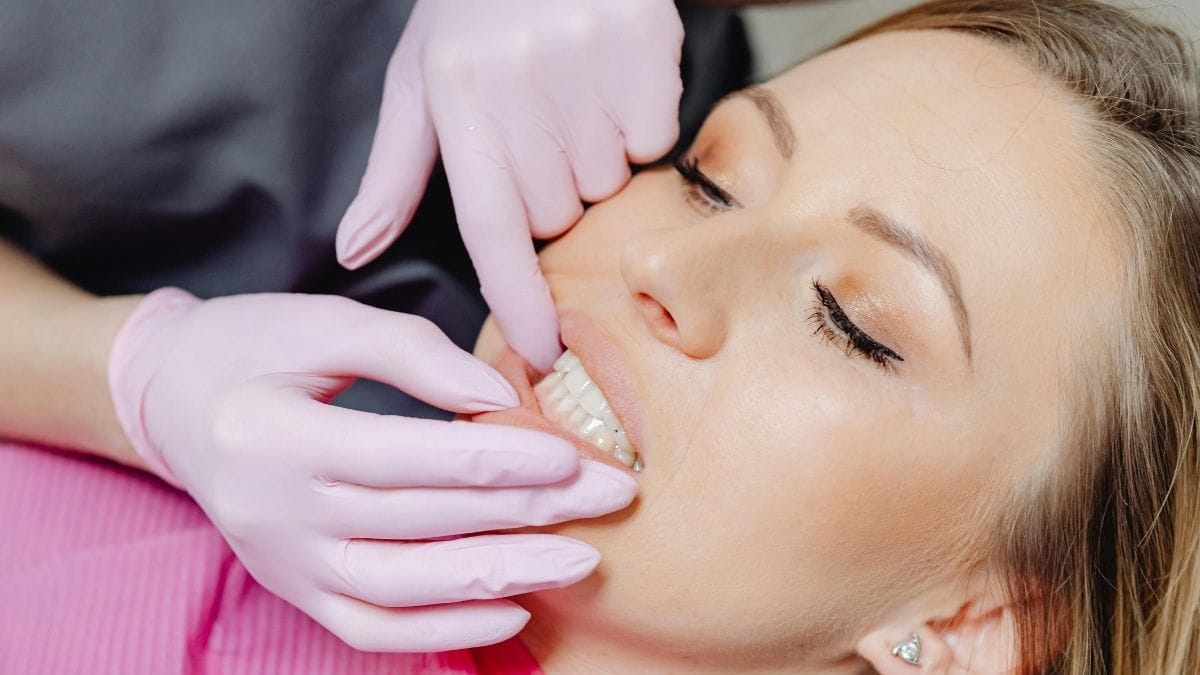
Beneath enamel is dentin, which is full of tiny tubes connected directly to the nerve. When those tubes get exposed to cold, heat, acid, or sugar, your nerve feels it immediately.
There is a natural shield called the smear layer. It is made from saliva proteins and mineral debris. It forms over exposed dentin and acts as a barrier.
But the Pharmaceutical Journal found that when acidic foods or hard brushing damage this layer repeatedly, it cannot rebuild fast enough.
Gum recession makes things worse too. Dr. James Keddington, DDS, at the University of Utah School of Dentistry, says one of the most common causes of sensitivity is gum tissue pulling back and exposing the root surface. Once the root is exposed, there is no enamel protecting it at all.
Now that you know what is going wrong, here are the habits most likely making it happen.
Quick Tip: Protect What You Still Have
- Rinse your mouth with plain water after every meal to help your smear layer recover faster.
- Ask your dentist to check for gum recession at your next visit, even if you feel no pain yet.
Brushing Too Hard Is Stripping Your Enamel — Not Cleaning Better

Most people think brushing harder means cleaner teeth. Dentists say the opposite.
Hard brushing does not remove more plaque. It removes enamel. Over time, that friction also pushes gum tissue back, which exposes the sensitive root surface below. The damage adds up slowly, so you may not notice it for years.
HealthPartners dental team points out that it does not take much pressure to remove plaque at all. Some dentists suggest holding your toothbrush with just two fingers to naturally limit the force you apply.
The right technique matters just as much as the right brush. Use small circular motions. Do not scrub side to side. And only use a soft-bristled brush. Medium and hard bristles are too aggressive for everyday use.
One more thing: check your bristles. If they are fraying before the three-month mark, you are pressing too hard. Replace your brush every three months.
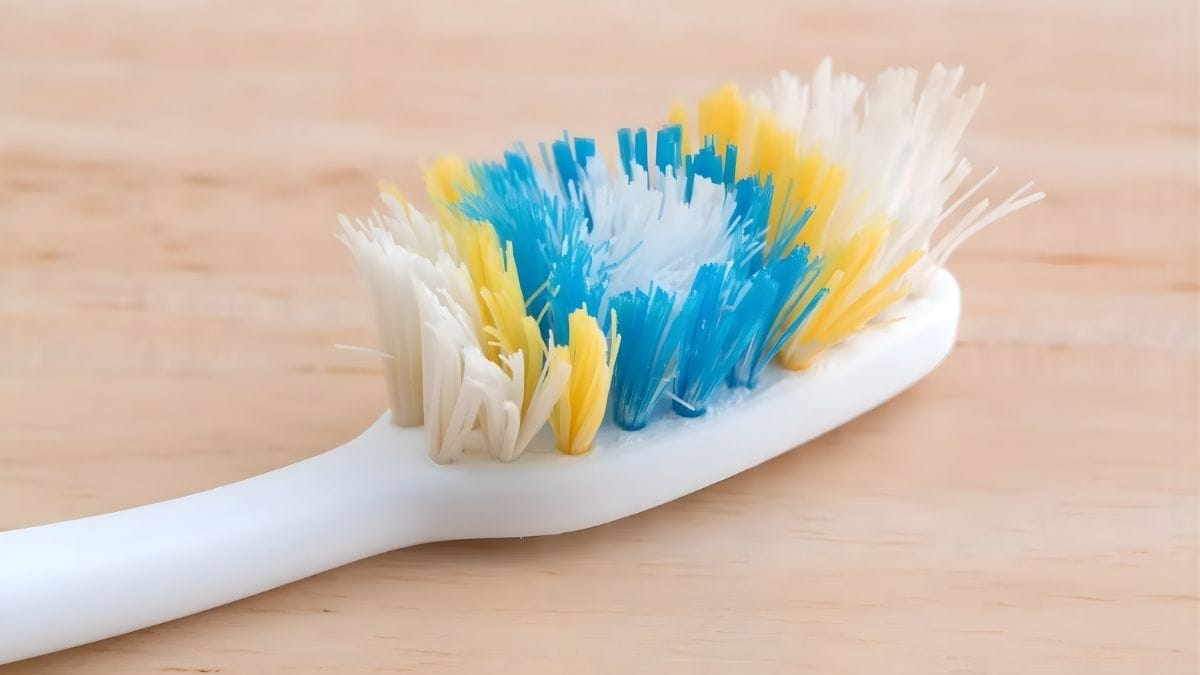
The fix here costs nothing. Switch to a soft-bristled brush today and hold it lightly. That one change can stop a lot of unnecessary enamel damage.
Quick Tip: Brush Smarter, Not Harder
- Hold your toothbrush with just your index finger and thumb — this naturally reduces pressure.
- If your bristles splay out within six weeks, buy a new brush and go lighter next time.
Acidic Foods and Drinks Are Quietly Dissolving Your Enamel
Some of the most common drinks people think are harmless are actually some of the worst for enamel. Sparkling water, sports drinks, coffee with lemon, apple cider vinegar, citrus juice — all of these are acidic.

Acid does not destroy enamel instantly. It softens it first. And if you brush right after eating or drinking something acidic, you are scrubbing softened enamel off your own teeth.
A study across seven European countries found that around 30% of adults already showed signs of acid erosion. Once enamel is gone, it cannot come back. The Pharmaceutical Journal confirms that risk of sensitivity goes up directly as enamel wears down.
A French study of over 2,400 adults found a clear link between soft drink consumption and sensitive teeth. You do not have to cut out acidic food completely. The goal is to reduce how long acid sits on your teeth.

Drink acidic drinks through a straw. Rinse with plain water after. Wait 30 minutes before brushing. That rule alone can make a real difference.
Quick Tip: Time Your Brushing Right
- Set a 30-minute timer on your phone after drinking juice, soda, or sparkling water before you brush.
- Keep a glass of water at your desk to rinse after snacks — it takes five seconds and helps a lot.
Teeth Whitening Products Can Make Sensitivity Significantly Worse
Whitening is one of the most popular dental trends right now. But it comes with a side effect that most product labels downplay — it can make tooth sensitivity much worse.
Whitening agents like hydrogen peroxide and carbamide peroxide work by temporarily demineralizing enamel to lift stains.
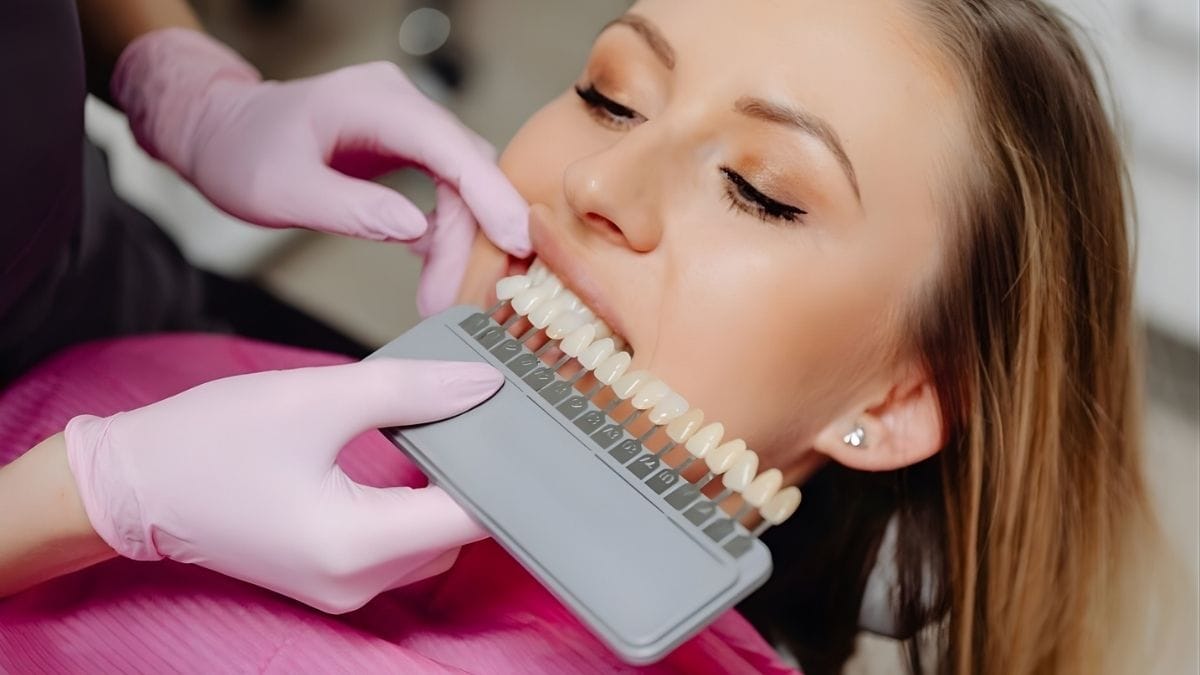
Dr. James Keddington at the University of Utah confirms that if a person already has exposed dentin or cementum, this demineralization makes sensitivity significantly more noticeable during treatment.
Whitening toothpastes are a separate problem. They are abrasive. And according to Kenosha Breeze Family Dental, anyone with sensitive teeth should avoid them because they wear enamel down further over time.
If you have been using whitening strips or whitening toothpaste and your sensitivity has been getting worse — that connection is not a coincidence.
Pause the whitening. Switch to a sensitivity toothpaste right now. Once your sensitivity improves, talk to your dentist before starting whitening again. A dentist can assess your enamel and suggest a safer approach.
Quick Tip: Whiten Without Wrecking Enamel
- Check if your toothpaste says “whitening” on the label — if it does and you have sensitive teeth, replace it with a sensitivity formula.
- Always get a dentist check-up before starting any whitening treatment, especially strips or trays.
Grinding Your Teeth at Night Is Wearing Them Down Without You Knowing

Here is the strange part about teeth grinding: most people who do it have no idea.
They find out because their partner hears the sound at night. Or their dentist spots flattened tooth surfaces during a routine check. By that point, the enamel damage is already done.
Bruxism — the medical term for grinding and clenching — affects an estimated 6 to 12% of adults worldwide. Inspire Pearls notes that many people are unaware they grind until a dentist finds wear signs like flattened cusps or jaw tension. One of the direct results is increased tooth sensitivity from enamel loss.
Stress is a major trigger. Research highlighted by the Journal of Oral Rehabilitation found a strong link between elevated stress levels and bruxism. Stress causes muscle tension throughout the body, and the jaw is no exception — especially during sleep.
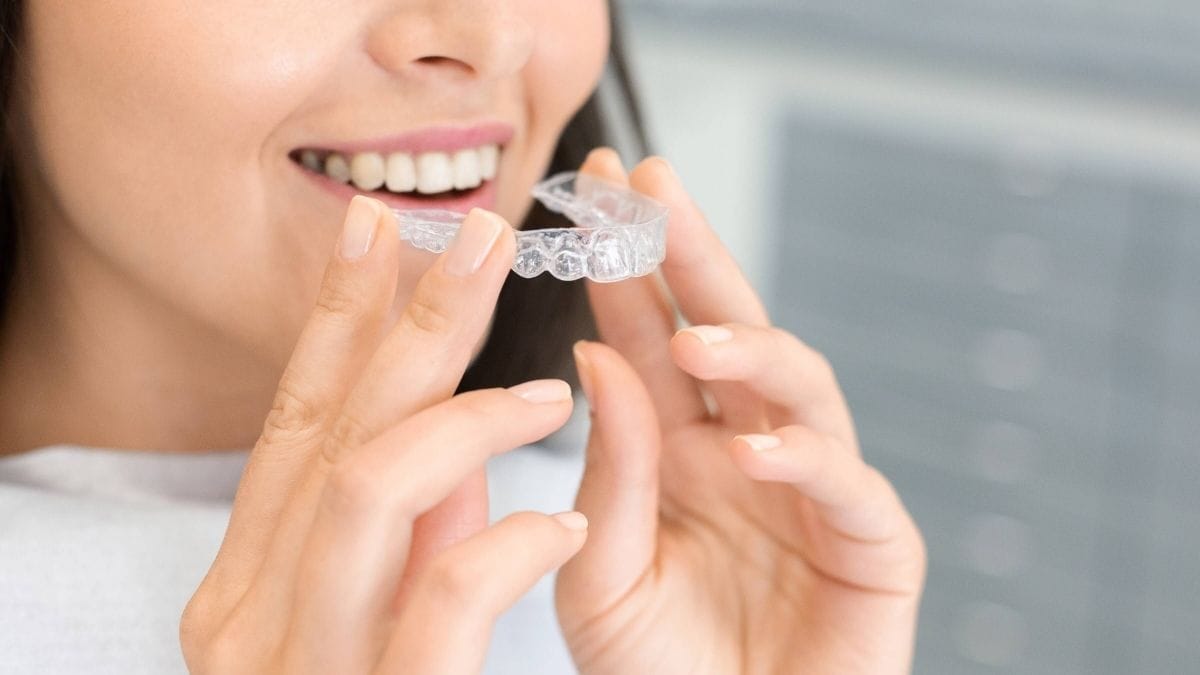
Signs to watch for: morning headaches, sore jaw, or teeth that feel dull or flat. If those sound familiar, ask your dentist about a night guard. A custom-fitted guard protects your enamel every night while you sleep.
Quick Tip: Catch Grinding Before It Gets Worse
- Ask a family member or partner if they have ever heard you grinding at night — many people find out this way first.
- Tell your dentist about morning jaw soreness even if it feels minor — it is one of the clearest early signs.
Your Mouthwash or Toothpaste May Be Making Things Worse
This one catches people off guard. The products you are using to protect your teeth might actually be adding to the problem.
Some mouthwashes contain alcohol and acids that irritate already-exposed dentin.
Cleveland Clinic recommends avoiding these and asking your dentist for an alcohol-free, pH-neutral formula instead. If your mouth stings or burns after rinsing, that is a warning sign.
Toothpaste is the other issue. Tartar-control and whitening formulas tend to be highly abrasive. If your enamel is already thin, these pastes wear it down faster. Signature Smiles of Texas confirms that these toothpastes can cause sensitivity in people with weakened enamel.
What should you use instead? Look for toothpaste with two things: fluoride to help rebuild enamel, and either potassium nitrate or stannous fluoride to calm nerve signals. These are the active ingredients that actually help.
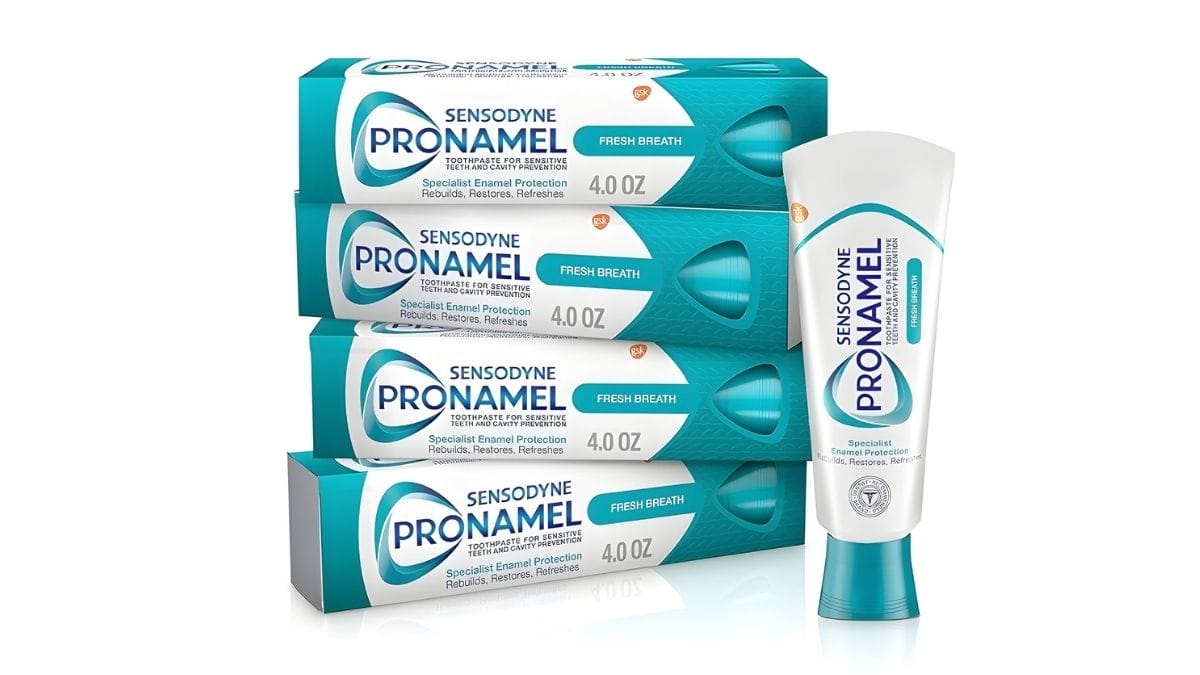
There is also a number worth knowing: RDA, or Relative Dentin Abrasivity. Dentists recommend a score below 70 for daily use. Anything above 100 is risky for sensitive teeth. You can search your toothpaste’s RDA score online in seconds.
Quick Tip: Read Your Toothpaste Label
- Search the name of your toothpaste plus “RDA score” online — if it is above 100, switch to a lower-abrasion formula.
- Look for “stannous fluoride” or “potassium nitrate” on the active ingredients list — these are the ones that actually reduce sensitivity over time.
What You Can Start Doing Today — A Simple 5-Step Plan
You now know what is making things worse. Here is what to change, starting today, in order of impact.
🦷 Enamel Rescue Protocol
Soft Bristles
Hold with two fingers. A cheap soft brush stops abrasion instantly!
Wait 30 Mins
After acidic food/drink, enamel is soft. Rinse with water, don’t brush yet!
Sensitivity Paste
Use daily for 2-4 weeks. Must contain fluoride & potassium nitrate.
Pause Whitening
Stop any whitening products until you talk to your dentist about safer options.
Check Grinding
Jaw soreness or headaches? A night guard stops grinding damage!
Downey Dental Arts also recommends applying a thin layer of desensitizing toothpaste directly to sensitive spots before bed. Do not rinse it off. Let the active ingredient sit on the tooth overnight.
Quick Tip: Build the Habit Fast
- Put your new soft-bristled brush next to your sink tonight so there is no reason to delay.
- Set a phone reminder at bedtime to apply a small amount of sensitivity toothpaste directly to the most painful area — consistency is what makes it work.
Conclusion
Tooth sensitivity getting worse is almost never random. It is usually tied to habits you repeat every single day. The good news is that most of these habits are fixable without expensive treatment.
Start with the small changes first. If sensitivity has lasted more than two weeks, see your dentist. Catching it early will stop tooth sensitivity from getting worse.