

Your brain is the most energy-hungry organ in your body. What you eat decides how well it works every single day.
Most people grab coffee or buy supplements when they feel slow and foggy. They don’t realize their grocery cart is the most powerful brain tool they have.
Over 100 million adults worldwide are expected to develop dementia by 2050. Diet is one of the few things you can actually control right now.
This article covers 10 real, research-backed superfoods. You’ll learn what each one does, why it works, and how to eat it today.
1- Wild-Caught Salmon and Fatty Fish
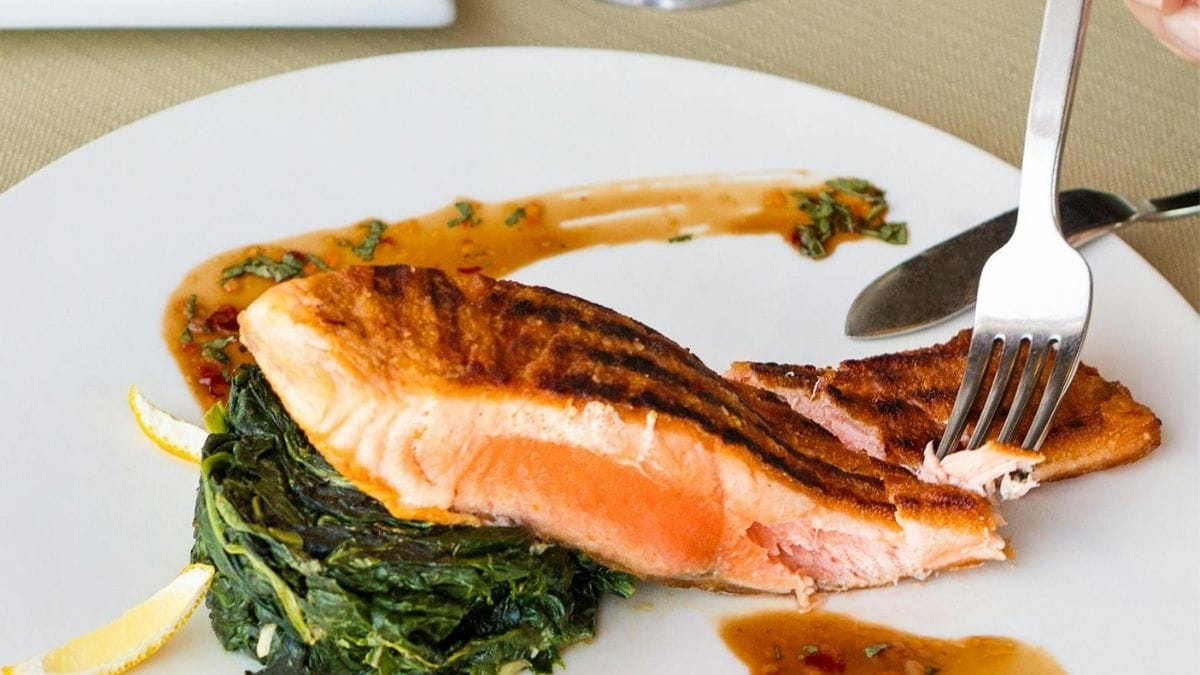
Salmon is one of the best things you can eat for your brain. Here’s the simple reason why.
Your brain is made mostly of fat. DHA, a type of omega-3 fatty acid found in salmon, makes up nearly two-thirds of the omega-3s in your brain. Your brain needs it to function properly.
Studies show omega-3s help improve memory, lift your mood, and slow cognitive decline as you get older. Some research also suggests omega-3s may lower beta-amyloid — a protein tied to Alzheimer’s disease.
You don’t have to eat salmon every day. Aim for two servings of fatty fish per week. Good options include salmon, mackerel, and sardines. If fresh salmon is too expensive, canned sardines in olive oil work just as well and cost far less.
Quick action: Add one can of sardines to a salad this week.
2- Blueberries
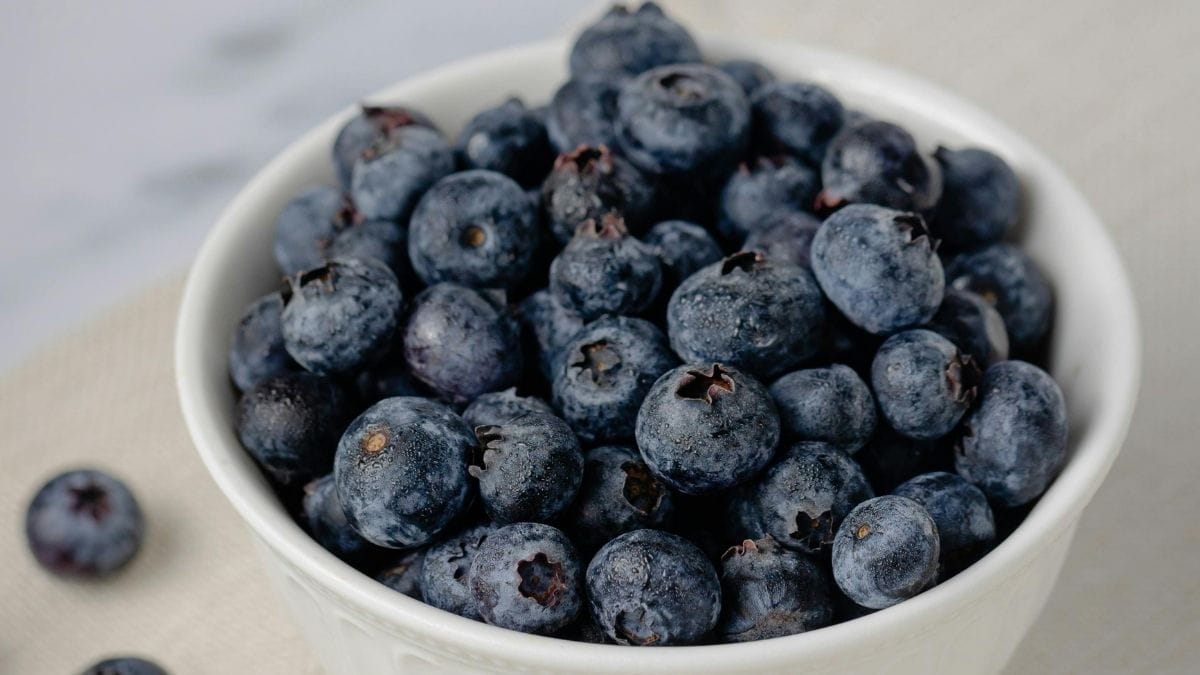
Blueberries are small but they punch way above their weight for brain health.
They are packed with anthocyanins. These are the compounds that give blueberries their deep blue color. They are also powerful antioxidants that protect your brain from damage caused by stress and inflammation.
These antioxidants help your brain stay flexible. That means your brain can form new connections, learn new things, and adapt to change more easily. Studies link regular blueberry eating to better memory and slower brain aging.
A 2025 meta-analysis published in Biogerontology, which included Harvard Medical School researchers, reviewed multiple clinical trials and confirmed that blueberries genuinely support cognitive function.
You don’t need fresh ones. Frozen blueberries keep all their brain-protecting power and cost less. One cup per day is the amount used in most studies.
Quick action: Toss a cup of frozen blueberries into yogurt or oatmeal tomorrow morning.
3- Turmeric
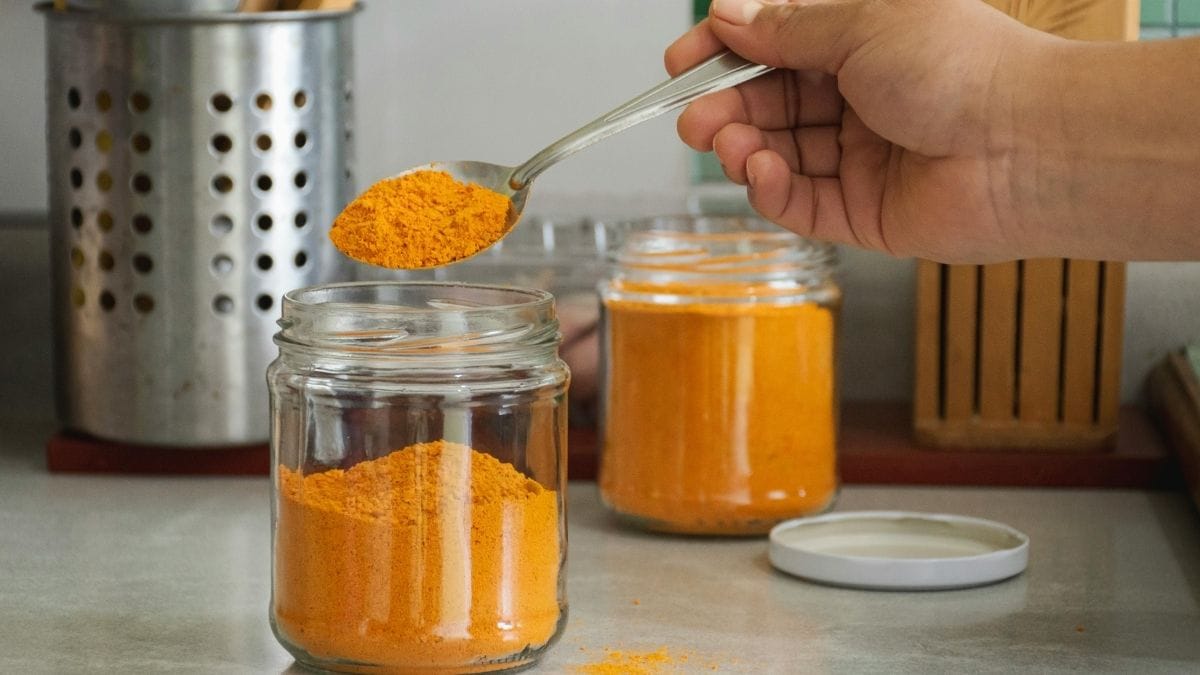
Turmeric is a bright yellow spice used in cooking for thousands of years. It contains a compound called curcumin.
Curcumin fights inflammation and oxidative stress — two of the biggest causes of brain cell damage over time. A 2025 systematic review published in Discover Food (Springer Nature), which analyzed 95 original research studies, found measurable brain benefits from compounds that work through the same pathways as curcumin.
Here’s the catch. Your body absorbs curcumin poorly on its own. But add a pinch of black pepper and absorption increases by up to 2,000%. That’s because black pepper contains piperine, which helps curcumin enter your bloodstream.
This is one of the most practical tips in this whole article. A small change with a big payoff.
Add half a teaspoon of turmeric and a pinch of black pepper to scrambled eggs, soup, or a warm drink called golden milk.
Quick action: Add turmeric and black pepper to your eggs tomorrow.
4- Walnuts
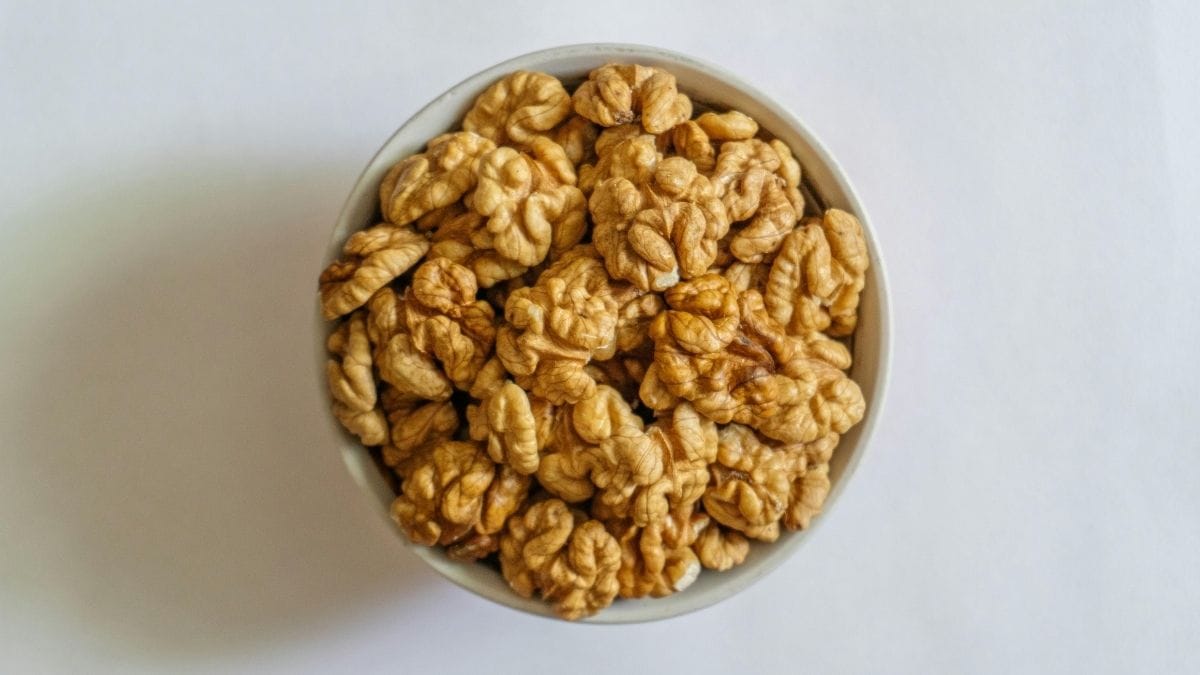
Look at a walnut closely. It actually looks like a tiny brain. That’s a fun coincidence — but the science behind it is real.
Walnuts are the only nut with a meaningful amount of ALA, a plant-based omega-3 fatty acid. They also contain polyphenols and vitamin E, which protect neurons from damage.
A 2025 review published in the Pakistan BioMedical Journal confirmed walnuts have neuroprotective effects, especially for people dealing with long hours of mental work. Students and professionals both benefit.
You only need a small amount. About seven whole walnuts — roughly 28 grams — is the daily serving used in clinical studies. That fits in the palm of your hand.
Pair walnuts with a square of dark chocolate for a snack that is genuinely backed by research. Both foods support brain blood flow and memory.
Quick action: Swap your afternoon chips for walnuts and one square of dark chocolate.
5- Dark Chocolate (70%+ Cacao)
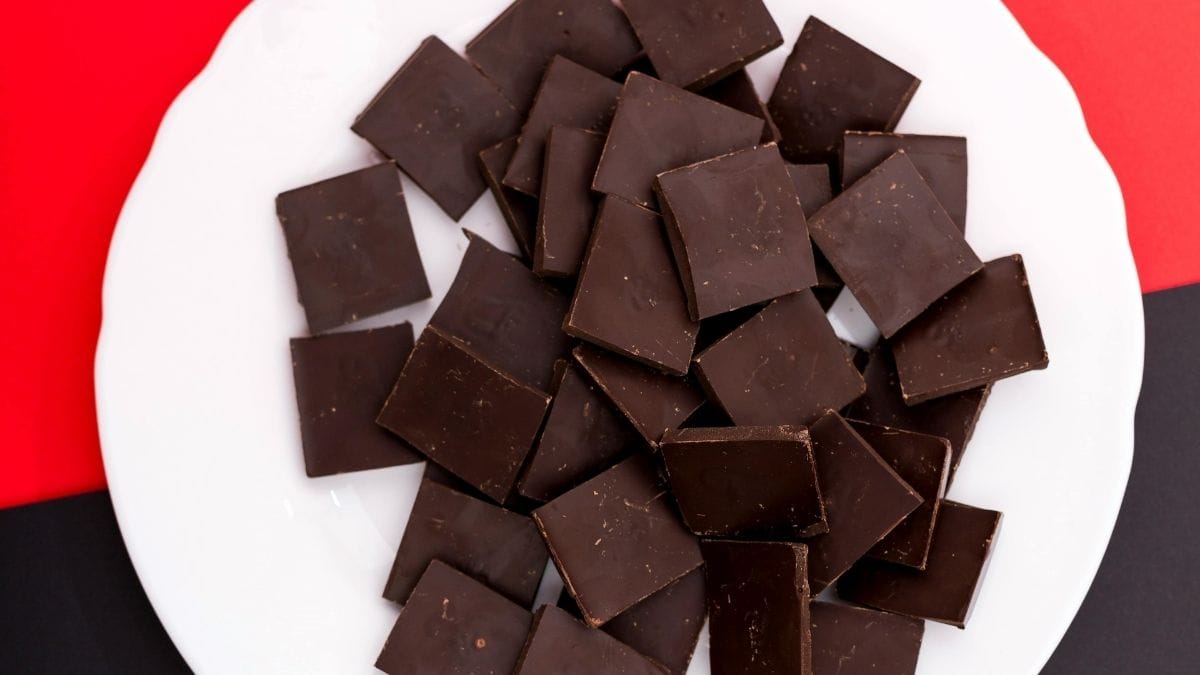
Dark chocolate is not just a treat. When you choose the right kind, it is a real brain food.
It boosts blood flow to the brain. Better blood flow means more oxygen and nutrients reach your brain cells. Studies show this can improve memory, attention, and reaction time. Dark chocolate is also rich in magnesium, which helps calm and relax your brain. And it has one of the highest antioxidant levels of any food.
The flavonoids in dark chocolate specifically support the hippocampus — the part of your brain that handles memory.
One important warning. Milk chocolate does not count. Most commercial candy bars won’t help either. You need 70% cacao or higher. Stick to one or two small squares — about 20 to 30 grams — per day.
More is not better here. Keep it to a small portion as your afternoon snack.
Quick action: Buy one bar of 70%+ dark chocolate this week and eat it in small daily pieces.
6- Eggs
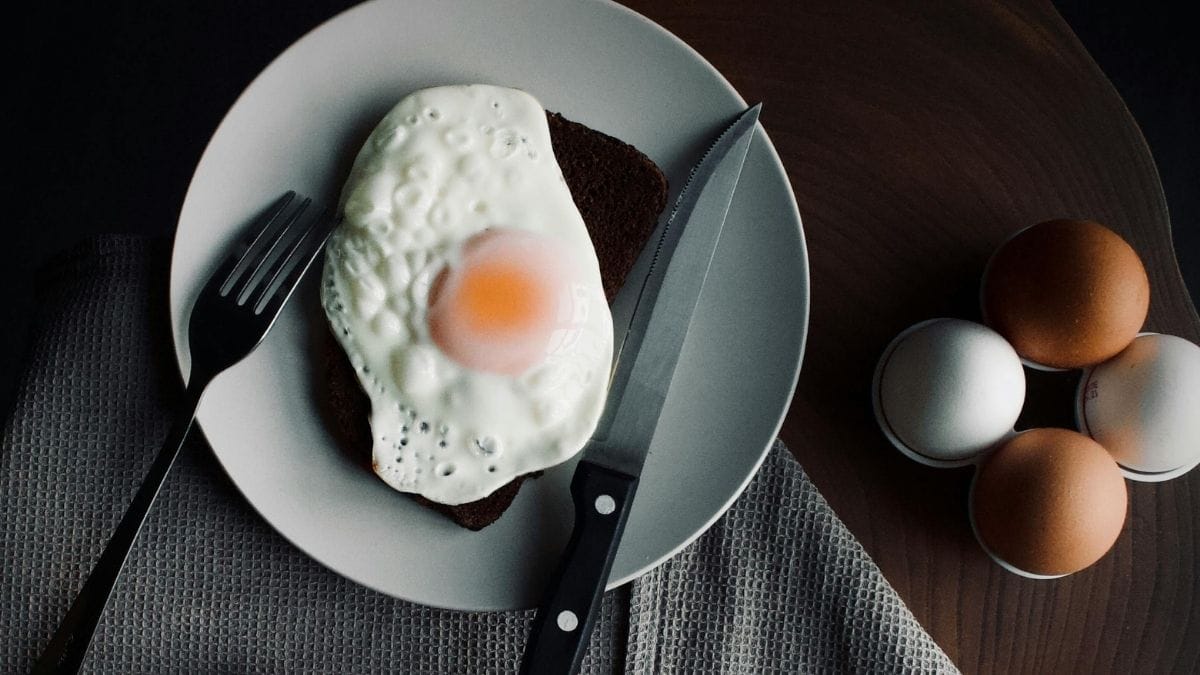
Eggs are one of the cheapest and most complete brain foods you can buy.
They are rich in choline. Most people have never heard of choline, but your brain uses it every day to make acetylcholine — the neurotransmitter that controls memory and learning. Many people are low in choline without knowing it.
Eggs also contain B vitamins, including B12, which protects the myelin sheath. The myelin sheath is like the insulation around electrical wires in your brain. When it breaks down, neural signals slow down and cognitive problems can follow.
Eat two whole eggs per day. Don’t skip the yolk. That’s where the choline lives. The whites alone won’t give you the brain benefit.
Don’t worry about cholesterol. Current dietary guidelines have significantly updated the concern over dietary cholesterol from eggs. The benefits for brain health are well-supported.
Quick action: Eat two whole eggs with breakfast every day this week.
7- Leafy Greens (Spinach, Kale, Broccoli)
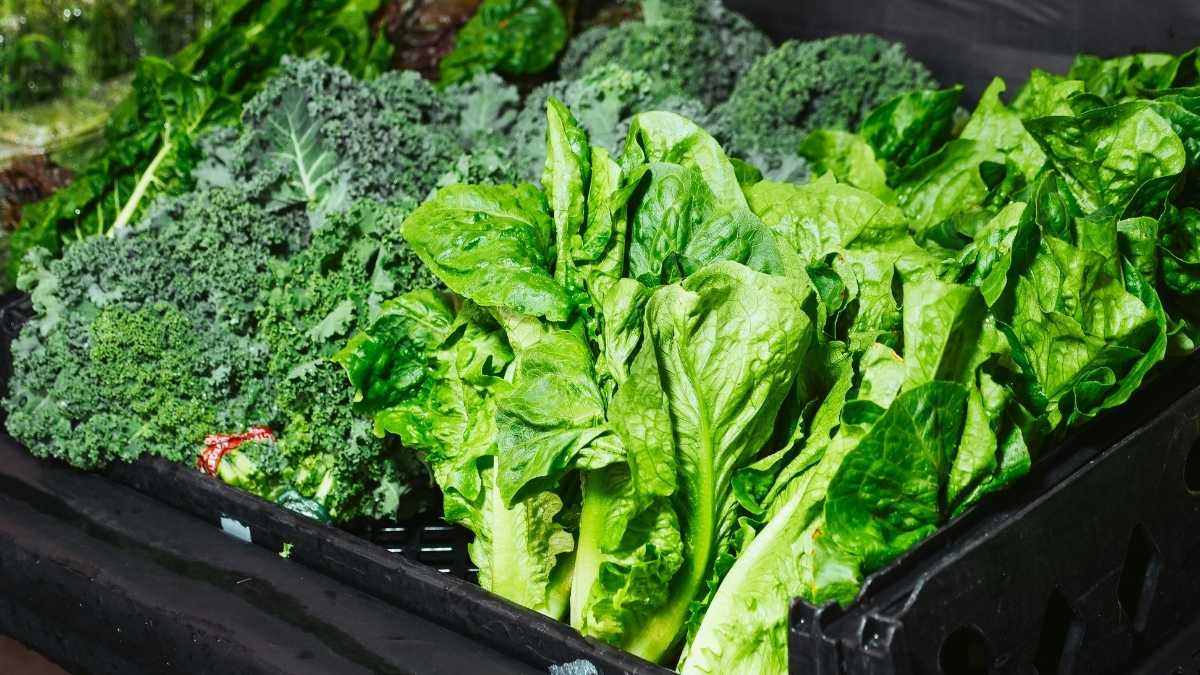
If there’s one food group the strongest brain-health research consistently highlights, it’s leafy greens.
Spinach, kale, and broccoli are loaded with vitamin K, folate, and beta-carotene. These nutrients directly support cognitive function and protect the brain from damage over time.
The MIND diet — the one most strongly tied to cognitive protection in large NIH studies — recommends eating leafy greens at least six times per week. That’s nearly every day.
Here’s one specific reason folate matters. It helps lower homocysteine in your blood. High homocysteine levels are a documented risk factor for cognitive decline and dementia.
Dress your greens with olive oil. This is not just about taste. Vitamins K and E are fat-soluble. Your body absorbs them much better when paired with a healthy fat like olive oil.
Quick action: Make a spinach salad with olive oil your daily lunch side starting this week.
8- Green Tea

Green tea gives you a mental boost that coffee can’t quite match.
Here’s why. Green tea contains both caffeine and L-theanine. Caffeine gives you energy. L-theanine calms you at the same time. Together, they create what researchers call calm alertness — you feel focused and sharp without the jitteriness or crash that often follows coffee.
Human trials have consistently shown improvements in attention, reaction time, and memory from this specific caffeine-plus-L-theanine combination.
Green tea also contains EGCG — a powerful antioxidant that protects brain cells from damage.
Aim for two to three cups per day. Matcha is the most concentrated form of green tea and contains the highest EGCG levels. Don’t add sugar or milk. Both reduce the absorption of the beneficial compounds.
Loose-leaf tea is better than tea bags, but any real green tea without additives will work.
Quick action: Replace one cup of coffee tomorrow with a plain cup of green tea.
9- Fermented Foods (Kefir, Yogurt, Kimchi)

Your gut and your brain are in constant communication. This is not a metaphor. It’s biology.
The gut microbiome — the trillions of bacteria living in your digestive system — sends signals to your brain through the vagus nerve. A healthy, diverse microbiome reduces neuroinflammation. Neuroinflammation is one of the biggest drivers of cognitive decline.
NIH-published research confirms that probiotics and dietary fiber positively influence brain function by supporting gut microbes. Fermented foods are one of the easiest ways to feed those good bacteria.
A 2025 review in the Pakistan BioMedical Journal specifically named fermented foods as neuroprotective — especially for people doing high amounts of sustained mental work.
Add one serving daily. Plain kefir, unsweetened yogurt, kimchi, or sauerkraut all work. Always check the label. No added sugar. The beneficial bacteria need to be alive in the product.
Quick action: Add plain kefir to your breakfast routine starting tomorrow.
10- Pumpkin Seeds
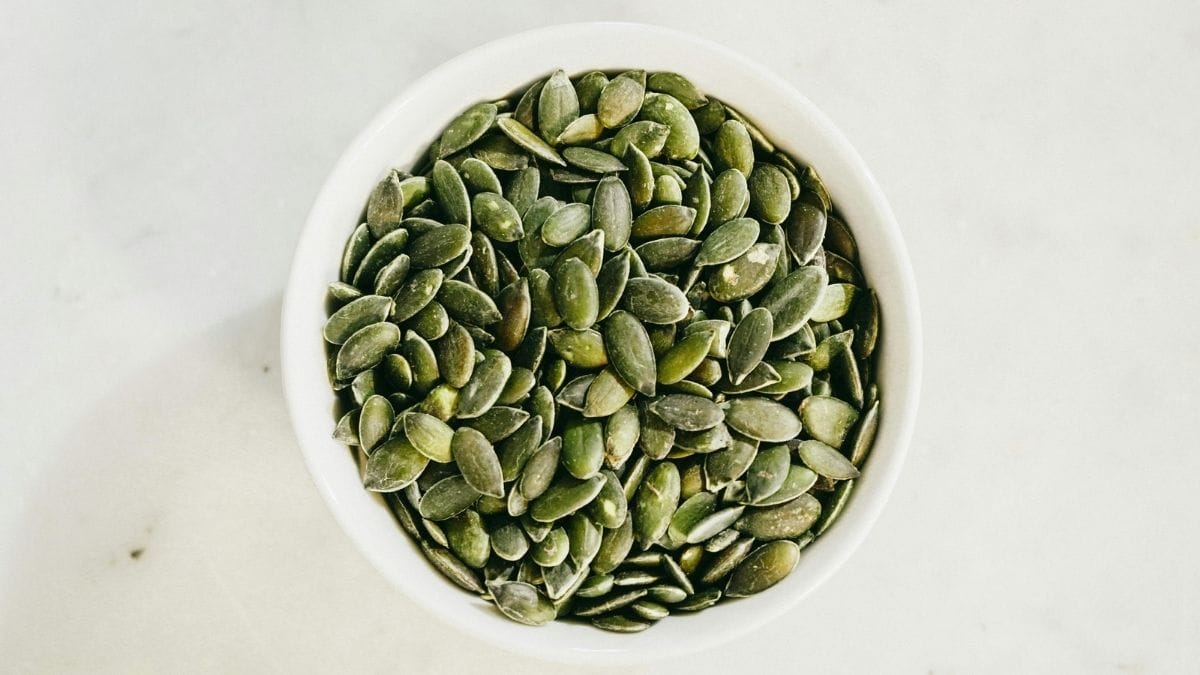
Pumpkin seeds are the most underrated brain food on this list.
Gram for gram, they pack more brain-supporting minerals than almost any other food. They are rich in zinc, which is critical for nerve signaling and memory. They are rich in magnesium, which supports learning and memory consolidation during sleep. And they contain iron, which helps your blood carry oxygen to your brain — low iron is a common and overlooked cause of brain fog.
They also contain tryptophan, the building block of serotonin. Serotonin affects your mood, and your mood directly affects your focus and cognitive output.
A 30-gram handful is all you need. That’s about two tablespoons. Roast them lightly with a pinch of salt if you find them bland raw. Scatter them over a salad or eat them alone as a snack.
Quick action: Buy a bag of pumpkin seeds and use them as your daily desk snack.
How to Eat All 10 Superfoods in One Day
You don’t need to overhaul your life. Here’s a simple, realistic one-day plan.
Nutritional Blueprint
Breakfast
Two whole eggs scrambled with turmeric & black pepper. Served with a side of blueberries and green tea.
Lunch
Fresh salmon salad over a bed of spinach, topped with pumpkin seeds and an olive oil dressing.
Afternoon Snack
Seven whole walnuts paired with one square of antioxidant-rich 70%+ dark chocolate.
Dinner
Nutrient-dense broccoli & kale stir-fry, served alongside a refreshing glass of plain kefir.
Most of these foods are budget-friendly. Frozen blueberries, canned sardines, eggs, spinach, pumpkin seeds, and plain kefir are all affordable at any grocery store.
Research from the Pakistan BioMedical Journal (2025) confirms that combining multiple superfoods produces stronger benefits than eating any single one alone. The synergy is real. And remember — nearly 40% of dementias may be preventable through lifestyle changes like diet.
Final Thought:
Your brain performs exactly as well as you feed it. These 10 superfoods are backed by real research, available at any grocery store, and easy to add to your daily meals. Start with two this week. Build from there. Your future self will think more clearly for it.