
You slept eight hours last night. You had your coffee. And you still feel like you are dragging yourself through the day.
That is not laziness. And it is probably not a sleep problem.
For millions of people, the real issue is chronic inflammation — a slow, invisible fire burning inside the body that quietly drains energy at the cellular level.
Chronic fatigue syndrome affects an estimated 17 to 24 million people worldwide. And nearly 40% of otherwise healthy adults report persistent, unexplained fatigue.
The good news? What you eat every day either feeds that fire or helps put it out.
This article covers seven real, affordable, research-backed foods that lower inflammation, support your body’s energy production, and help you stop feeling exhausted all the time. No supplements required. No extreme diet changes.
Just food that actually works.
Why Inflammation Is Quietly Stealing Your Energy
Most people think inflammation means a swollen knee or a sore throat. That kind of inflammation is actually helpful — it heals you and goes away.
Chronic inflammation is different. It stays. It has no obvious symptoms. It burns at a low level inside your blood and tissues for months or even years. And it does something specific that most people never hear about.
It breaks your mitochondria.
Your mitochondria are the tiny parts of your cells that make energy. Think of them like phone batteries. When chronic inflammation is active, it works like dozens of background apps you forgot to close — draining the battery even when you are doing nothing.
Scientists call this mitochondrial suppression. Persistent inflammatory chemicals called cytokines interfere with ATP production — the process your cells use to make usable energy. Less ATP means less energy. Full stop.
Your gut makes this worse. When your gut bacteria are out of balance, they release inflammatory chemicals into your bloodstream. That adds more fuel to the fire.
Here is the good news. A diet built around the right foods lowers those inflammatory chemicals. Clinical research confirms it. And the seven foods below are where you start.
Food 1 — Fatty Fish (Salmon, Sardines, Mackerel)
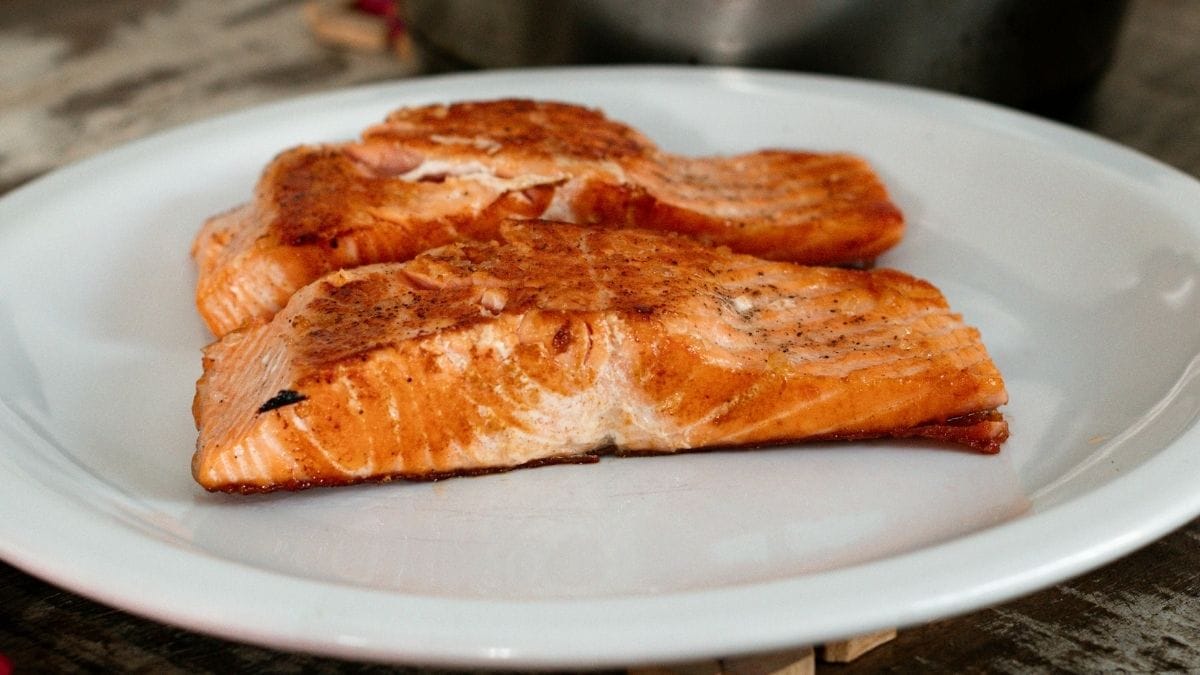
Your body cannot make EPA and DHA on its own. These are the two omega-3 fatty acids found in fatty fish, and they are the most direct food-based tools you have for turning off inflammatory signals.
EPA and DHA work by reducing the levels of specific inflammatory chemicals — including IL-6 and TNF-α — that are elevated in people with chronic fatigue. A February 2026 Scientific American review confirmed that omega-3 fatty acids have some of the strongest real-world evidence of any anti-inflammatory compound tested in human trials.
There is also a mitochondrial connection. A 2021 study found that CoQ10 and NADH — both found in animal proteins including fatty fish — significantly reduced fatigue scores in ME/CFS patients when taken together. Fatty fish gives you both nutrients in one meal.
You do not need expensive fresh salmon to get this benefit. Canned sardines and mackerel have the same EPA and DHA levels. A can costs about $1.50. An omega-3 supplement costs $30 a month.
This week: Eat fatty fish three times. Sardines on whole-grain crackers works fine. Track how your afternoon energy feels after 14 days.
Food 2 — Turmeric (Always With Black Pepper)
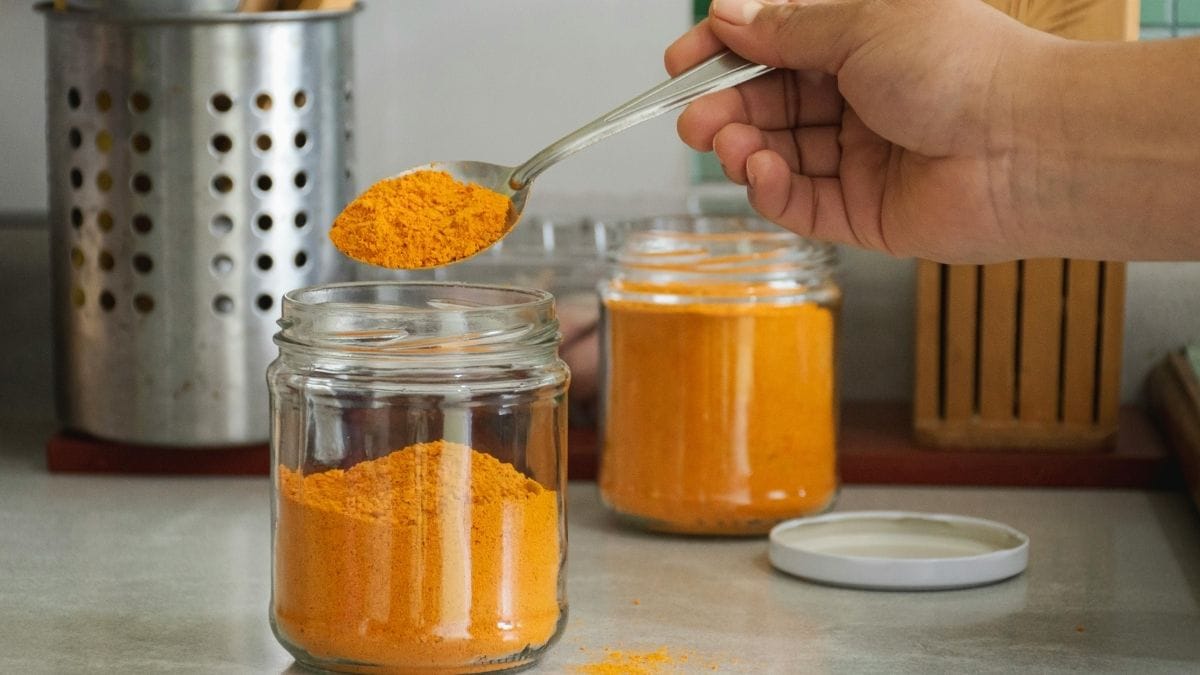
Most people sprinkle turmeric into their food and get almost no benefit. Not because turmeric is weak. Because they are eating it wrong.
Turmeric’s active compound is curcumin. Curcumin blocks something called NF-kB — one of the main switches your body uses to trigger the inflammatory response. When you block NF-kB, you reduce the chain reaction that leads to fatigue-causing inflammation.
Curcumin is one of only three compounds that Scientific American identified as having strong, consistent human trial evidence for fighting chronic inflammation. The other two are omega-3s and vitamin D.
Here is the problem. Curcumin is poorly absorbed by the body on its own. Studies show that piperine — the compound in black pepper — increases curcumin absorption by up to 2,000%. That is not a typo.
So turmeric without black pepper is mostly a waste.
Always combine them. Half a teaspoon of turmeric with a small pinch of black pepper works. Add both to scrambled eggs, soups, or rice. Or make golden milk with warm dairy-free milk, turmeric, black pepper, and a little honey.
This week: Add turmeric and black pepper to one meal daily for two weeks.
Food 3 — Blueberries (Fresh or Frozen)
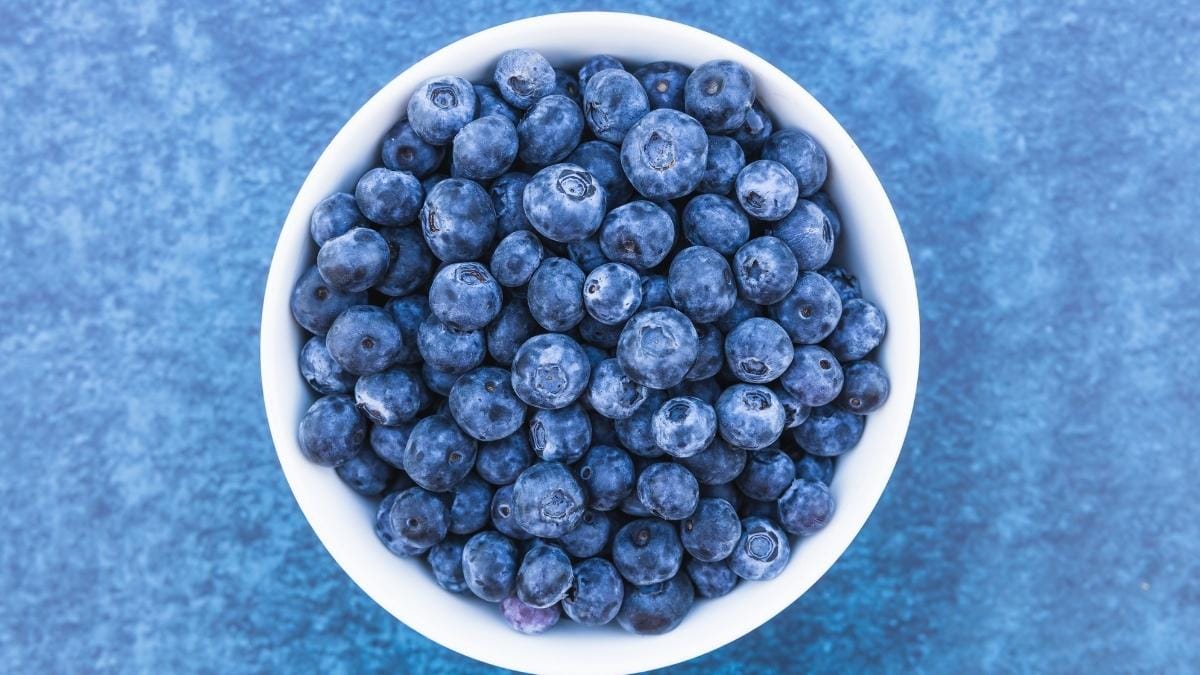
What makes blueberries special is not vitamin C. Almost every fruit has vitamin C. What blueberries have that most fruits do not is anthocyanins — a specific type of polyphenol that directly reduces inflammatory markers in the body.
Blueberries also have something unique. Research published in NIH shows they contain anti-fatigue compounds that improve motor function and cognitive performance. Brain fog is one of the most disabling symptoms people with chronic fatigue report. Anthocyanins specifically help with this.
A completed clinical trial at Appalachian State University (NCT05184855) found that one cup of blueberries per day for two weeks measurably reduced post-exercise inflammation markers in human participants. That is real-world, controlled evidence.
And here is a practical truth most people do not know. Frozen blueberries have equal or higher polyphenol levels compared to fresh. They are cheaper, easier to store, and just as effective. You do not need the expensive fresh ones.
Add one cup to overnight oats, a smoothie, or plain yogurt every morning. That is it. No complicated recipe needed.
This week: Buy a bag of frozen blueberries and add them to breakfast daily.
Food 4 — Leafy Greens (Spinach, Kale, Swiss Chard)
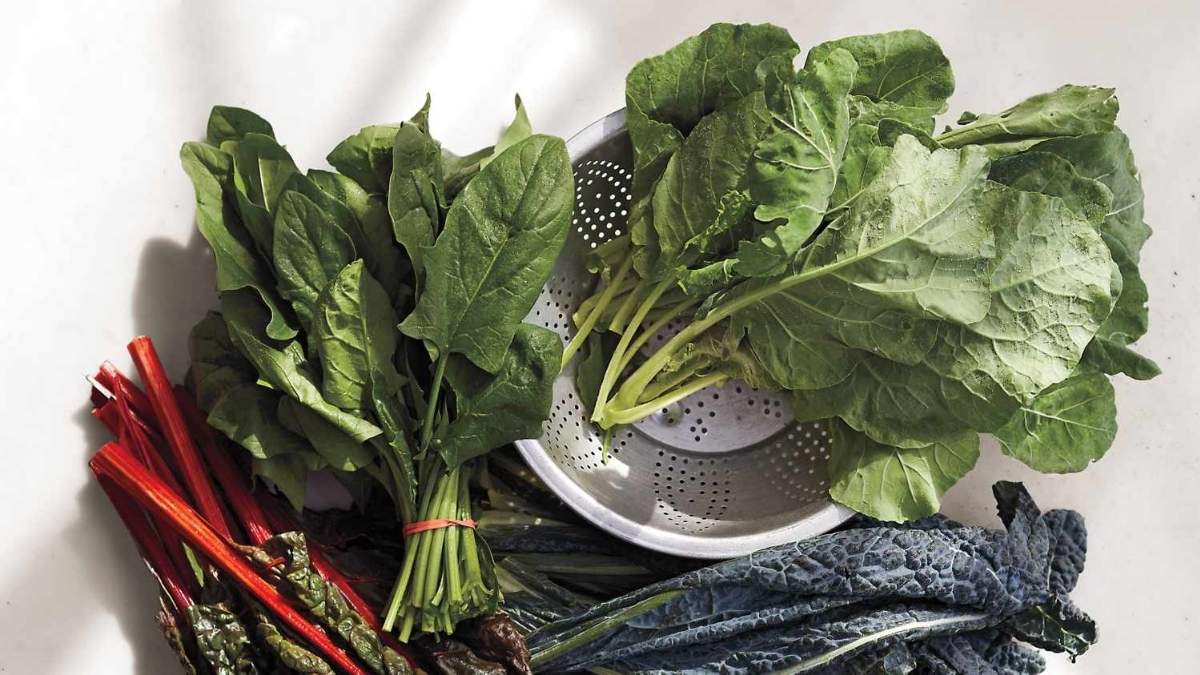
Most people add leafy greens for iron. That is a good reason. But the bigger anti-fatigue reason is magnesium.
Magnesium is involved in over 300 chemical reactions in the human body. One of its most important jobs is helping your cells produce ATP — the same energy molecule that chronic inflammation disrupts. Low magnesium means lower ATP output. Lower ATP means more fatigue.
Studies consistently link magnesium deficiency to tiredness, muscle weakness, and poor sleep quality — all symptoms that overlap with chronic fatigue. Dark leafy greens are the best food source of magnesium available.
Leafy greens also contain quercetin, a plant compound that reduces inflammation and supports healthy blood flow. Swiss chard ranks among the highest nutrient-dense foods on standard nutrition scales.
There is also the iron angle. Spinach and chard are rich in non-heme iron. Low iron without full anemia is one of the most missed causes of persistent tiredness in otherwise healthy adults.
One important tip: eat leafy greens with something containing vitamin C. Lemon juice is perfect. It increases non-heme iron absorption significantly. A spinach salad with lemon dressing does more for your energy than one without it.
This week: Eat two large handfuls of dark leafy greens daily. Add lemon juice.
Food 5 — Ginger (Fresh or Dried)
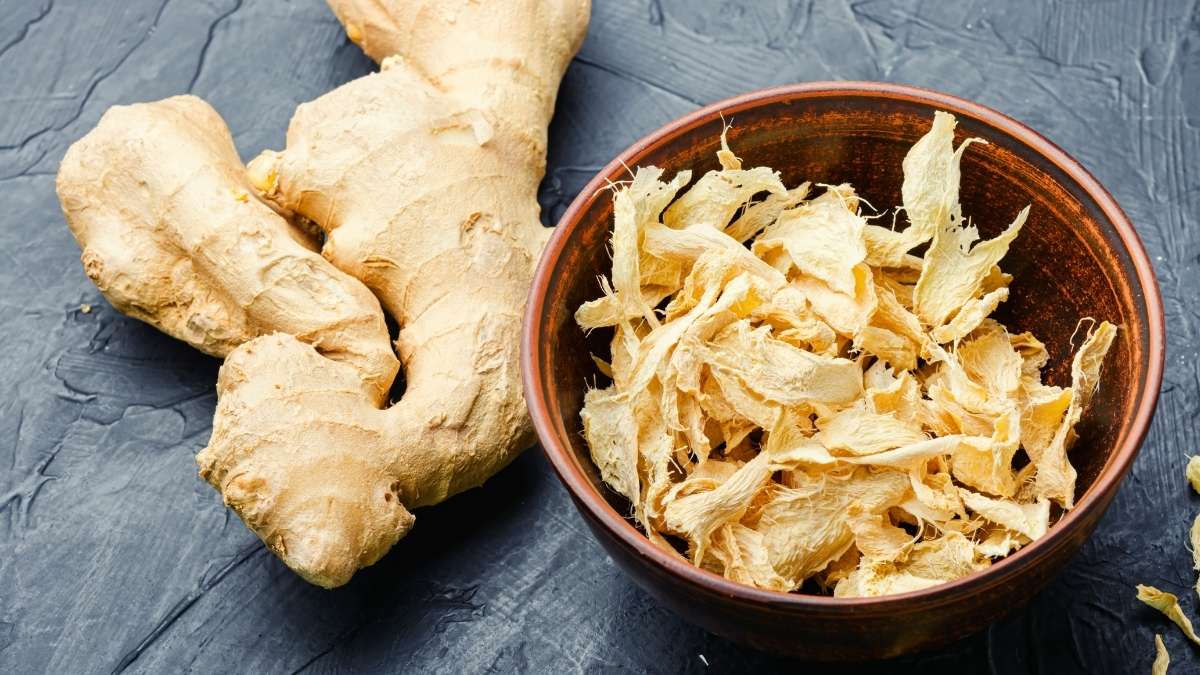
Ginger has been used in traditional medicine for thousands of years. But this is not about tradition. It is about measurable chemistry.
Fresh ginger contains gingerols. Dried ginger contains shogaols. Both compounds block COX-2 and NF-kB — the same inflammatory pathways that prescription anti-inflammatory drugs like ibuprofen target. The difference is that ginger does this without the side effects that come with long-term drug use.
A 2024 peer-reviewed review published in the journal Nutrients (PMC10818822) looked specifically at nutritional interventions for fibromyalgia and chronic fatigue syndrome. Anti-inflammatory dietary protocols that included ginger improved patient functionality, pain levels, and sleep quality.
Ginger also directly supports gut health. It promotes healthy gut movement and reduces intestinal inflammation. This matters because between 35 and 90 percent of people with chronic fatigue also experience IBS-related gut symptoms. Calming the gut reduces the systemic inflammation loop.
Fresh ginger is stronger for gingerols. Dried ginger is stronger for shogaols. Both are useful. You do not need to choose.
Steep a two-inch piece of fresh ginger in hot water with lemon every morning. Or grate fresh ginger into stir-fries, soups, and dressings.
This week: Make ginger tea every morning for seven days.
Food 6 — Fermented Foods (Kefir, Kimchi, Sauerkraut, Plain Yogurt)
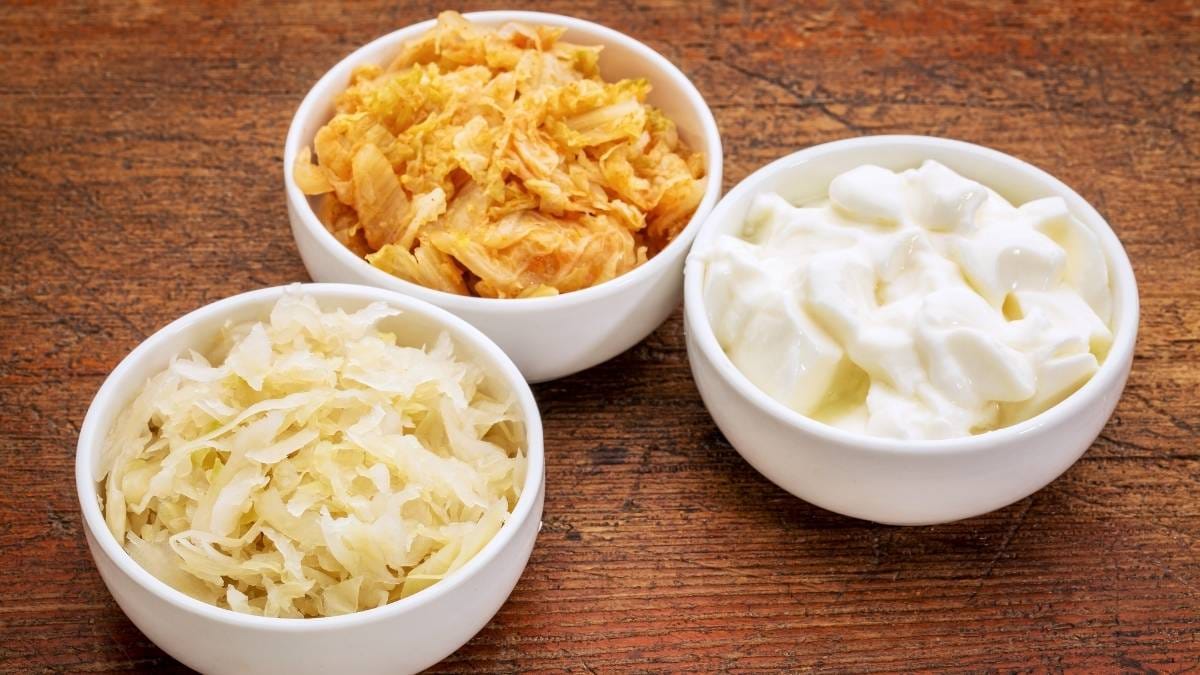
Your gut does not just digest food. It makes neurotransmitters. It regulates your immune system. And when it is out of balance, it sends inflammatory signals throughout your entire body — including to your brain.
This is called the gut-brain axis. And it is directly connected to fatigue.
When the beneficial bacteria in your gut are depleted — by stress, antibiotics, processed food, or poor diet — inflammatory compounds called metabolites increase in the bloodstream. More metabolites means more systemic inflammation. More inflammation means less energy.
Fermented foods restore the beneficial bacteria that keep this system in balance. According to 2025 ME/CFS treatment protocols, probiotics and fermented foods are specifically recommended for restoring microbial balance in chronic fatigue patients. A systematic review on probiotic interventions in ME/CFS patients found measurable improvements in gut symptoms, which are among the most debilitating co-occurring issues in chronic fatigue.
One warning: many store-bought yogurts marketed as probiotic are loaded with added sugar. Sugar feeds the bad bacteria you are trying to reduce. It cancels out the benefit. Always choose plain, unsweetened versions.
Start with one cup of plain kefir per day or a small serving of kimchi or sauerkraut with lunch.
This week: Add plain kefir or sauerkraut to one meal daily.
Food 7 — Extra Virgin Olive Oil (EVOO)
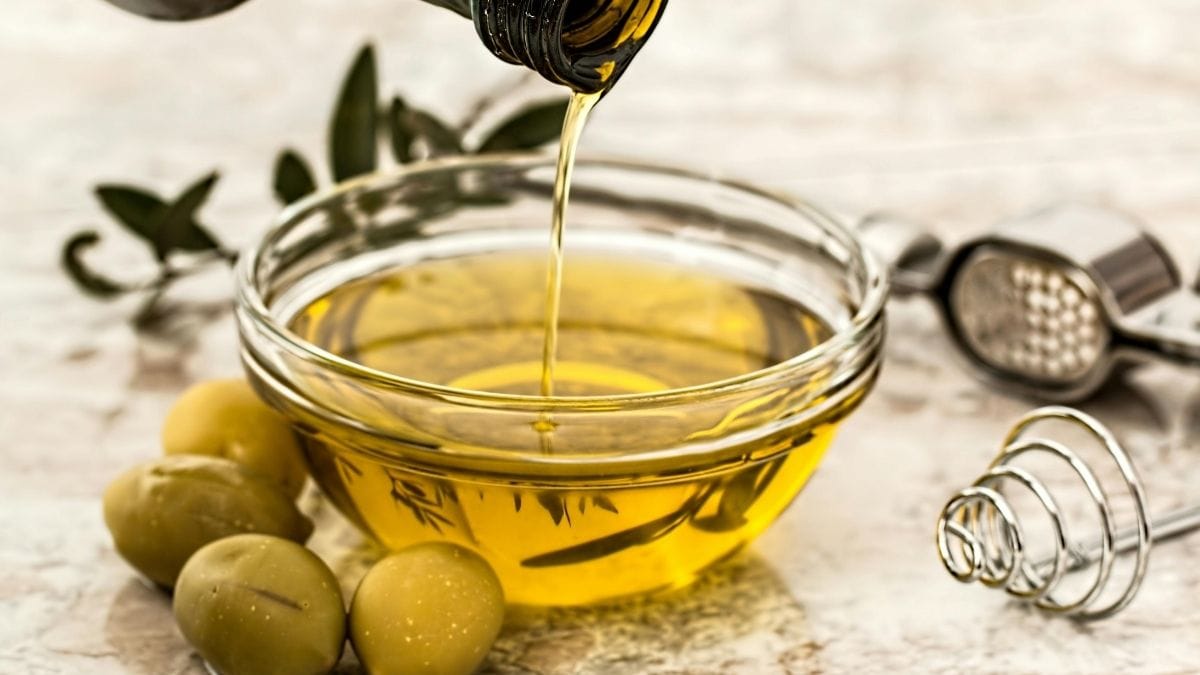
Extra virgin olive oil has a compound most people have never heard of. It is called oleocanthal. And it works like a natural version of ibuprofen.
Oleocanthal inhibits COX-1 and COX-2 enzymes — the exact same enzymes that ibuprofen blocks to reduce inflammation. The difference is that you get this effect every time you use quality EVOO in your kitchen, with no side effects from long-term use.
EVOO is also a cornerstone of the Mediterranean diet, which is specifically recommended in current ME/CFS treatment literature as a beneficial dietary pattern for managing chronic fatigue. It is not just the oleocanthal. Olive oil also increases the absorption of fat-soluble anti-inflammatory compounds from the other foods on this list. When you dress your spinach in EVOO and lemon, you increase how much quercetin and other plant compounds your body actually absorbs.
Two tablespoons of quality EVOO per day is the evidence-based target. Use it raw when possible — high heat breaks down oleocanthal and reduces the benefit. Drizzle it on salads, cooked vegetables, or soup after serving.
How to identify real EVOO: It should have a harvest date on the bottle. It should smell slightly grassy or peppery. If it is completely neutral in smell, it likely has been refined and lost most of its active compounds.
This week: Replace vegetable oil or butter with EVOO for every meal this week.
CONCLUSION
These seven foods are not a cure. But they are real tools backed by real research.
Fatty fish, turmeric, blueberries, leafy greens, ginger, fermented foods, and olive oil all reduce the inflammatory load that steals your energy.
Pick two. Start today. Add one more every two weeks. Give it 30 days.