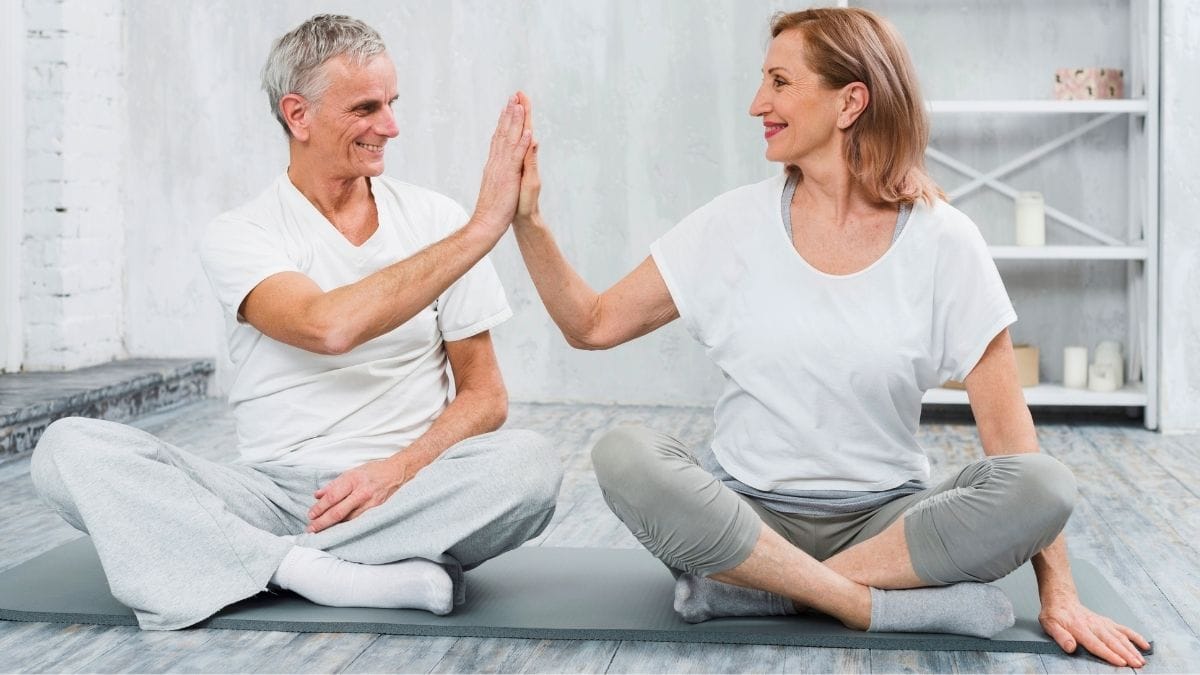
You don’t need to run a mile or lift heavy weights to get stronger after 60. But doing nothing is the most dangerous choice you can make.
Many adults over 60 want to stay active. But they fear getting hurt. Or they don’t know where to start. Or they think their best fitness years are gone.
They’re not. This article gives you real, science-backed moves that are gentle on your joints and proven to work. You’ll learn which exercises actually help, how much time you need, and where to find free resources to begin today. Low-impact exercise for seniors isn’t a compromise — it’s the smart way to stay fit after 60.
Why Exercise After 60 Is Non-Negotiable
Most older adults aren’t moving enough. In 2024, only 38.4% of adults aged 65 and older met federal aerobic activity guidelines, according to the CDC. That means most people in this age group are not getting the minimum their body needs.
Here’s what that gap costs you. Physical inactivity speeds up muscle loss, raises your chance of falling, and increases the risk of heart disease, diabetes, and depression.

And 1 in 4 adults over 65 falls every year. Falls are the leading cause of injury death in older adults.
The global picture matters too. By 2030, one in six people on earth will be 60 or older. That’s 1.4 billion people — up from 1 billion in 2020. Research from 2024 also found two big aging peaks at ages 44 and 60. This decade is when your body changes fast.
But movement fights back. Regular low-impact exercise for seniors reverses many of these trends. Healthy aging over 60 is not a myth. It’s a choice backed by solid science.
The Hidden Enemy: Muscle Loss After 60
There’s something happening in your body right now that most people ignore. After age 50, you lose 1–2% of your muscle mass every single year. Your muscle strength drops 1.5% between ages 50 and 60. This is called sarcopenia. And it’s a big deal.

Sarcopenia raises your fall risk. It makes daily tasks harder — like carrying groceries or getting up from a chair. It leads to fractures, loss of independence, and a lower quality of life.
The good news? You can fight it. Strength training is the only method proven to slow sarcopenia down. And you don’t need a gym. A 2026 meta-analysis found that resistance training improved grip strength, walking speed, and the ability to stand from a chair in older women with sarcopenia.
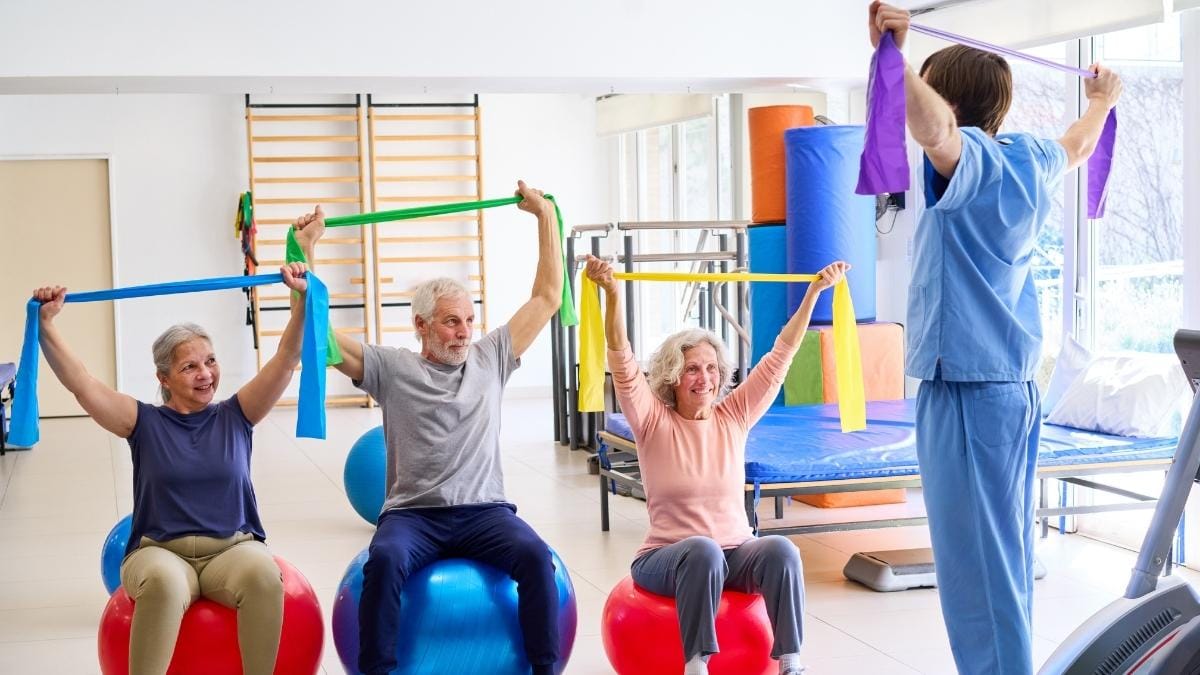
Two to three 30-minute sessions per week is enough to see real changes. Resistance bands, bodyweight squats, and wall push-ups all count. Even yoga counts. You just need to start doing gentle workouts for older adults consistently.
The Best Low-Impact Exercises for Adults Over 60
Here are five exercises that are easy on your joints and proven to help.
Senior Fitness Guide
1. Walking
The simplest start. Free, requires no equipment, and counts as moderate aerobic activity.
2. Tai Chi
Slow, controlled movements that drastically reduce fall risk and improve steadiness in just 3-4 weeks.
3. Water Exercise
Aquatic workouts like water Tai Chi put absolute zero pressure on your body while keeping you active.
4. Chair Yoga
Can be performed seated or standing. No prior experience is needed to start feeling the benefits.
5. Resistance Bands
One of the most effective, portable, and affordable options to fight muscle loss and stay strong at home.
How Much Exercise Do You Actually Need?
150 minutes sounds like a lot. It isn’t. Here’s how it breaks down.
The CDC says adults 65 and older need at least 150 minutes of moderate activity per week. That’s 30 minutes a day, 5 days a week. Plus 2 days of muscle-strengthening and balance work. The WHO says the same thing — and adds that some activity is always better than none.
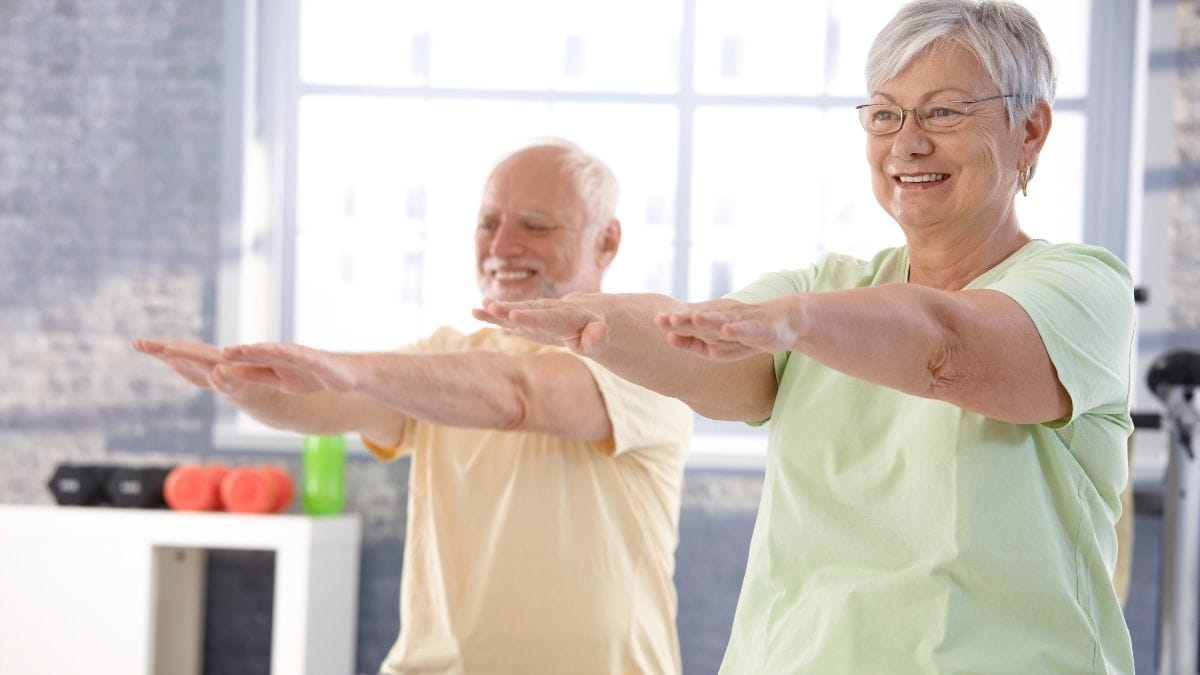
You don’t have to do it all at once. Three 10-minute walks count as 30 minutes. Research also shows that low-intensity exercise leads to better long-term consistency than intense workouts. You stick with it longer. That matters more than how hard you push.
Here’s a simple weekly plan to stay fit after 60:
- Monday / Wednesday / Friday: 30-minute walk or swim
- Tuesday / Thursday: 20 minutes of resistance bands or chair yoga
- Weekend: Light stretching or Tai Chi
Start with 10 minutes a day. Build from there. Consistency always beats intensity when it comes to a senior fitness routine.
The Brain and Mood Benefits You Didn’t Expect
Exercise doesn’t just help your body. It protects your brain too.
Regular physical activity helps your brain stay sharp longer and lowers the risk of chronic conditions. It also reduces symptoms of anxiety and depression — the two most common mental health issues in adults over 60, according to the WHO.
A review of 23 long-term studies found that physically active older adults reported nearly 40% better healthy aging outcomes compared to inactive ones. That’s a huge difference — and it came from regular movement, not gym memberships.
Exercise after 60 also helps fight cognitive decline. Research from 2022–2025 shows that moderate aerobic activity done 3–7 times a week supports memory, focus, and problem-solving in older adults.
Group exercise adds another layer. Moving with others reduces loneliness and builds connection — both of which independently cut depression risk. And a 2024 study found Tai Chi reduces fear of falling. That fear makes people move less, which ironically makes falling more likely. Breaking that cycle is a real brain and mood win.
How to Start Without Hurting Yourself
The best exercise is one you’ll keep doing. So let’s make sure your first week goes well.
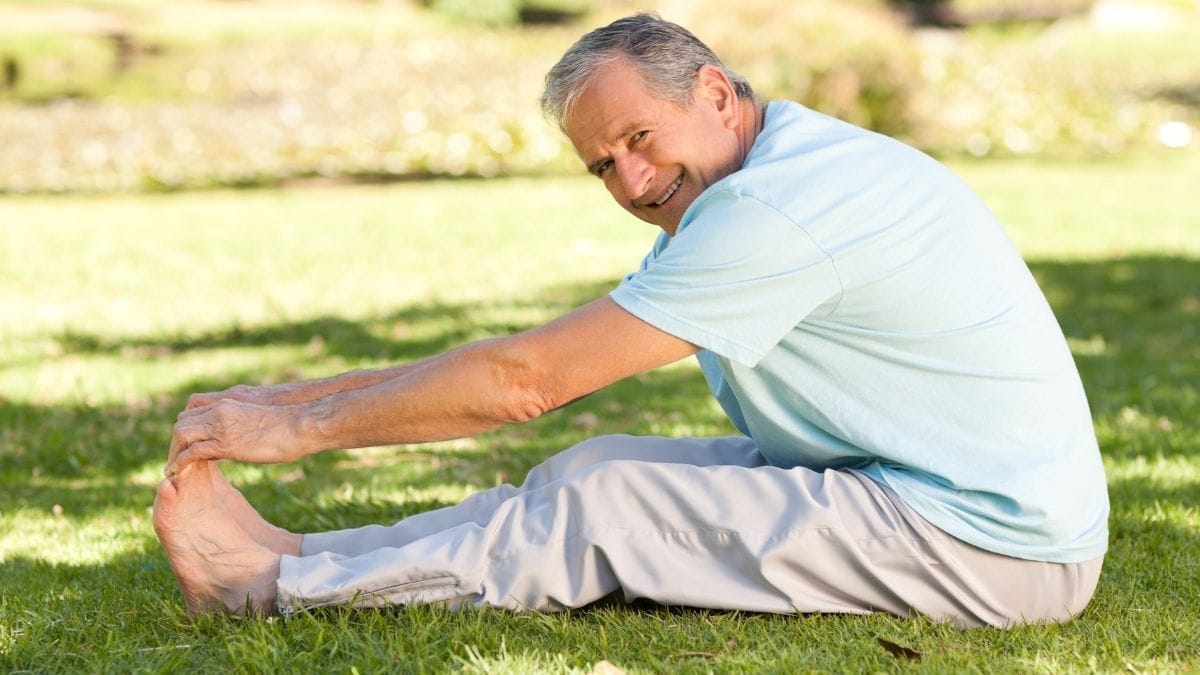
Always warm up for 5 minutes first. Try arm circles, ankle rolls, and marching in place. This gets blood flowing before you ask your muscles to work.
Talk to your doctor if you have heart disease, osteoporosis, or recent surgery. In most cases, they’ll give you the green light. But it’s worth checking.
Use the talk test while you move. Moderate intensity means you can say a sentence but can’t sing a full song. If you can’t speak at all, slow down.
Wear proper shoes — even at home. Good support cuts fall risk significantly.
Add time slowly. Five extra minutes per week is enough. Pain means stop. Soreness means you worked. Learn the difference.
Free resources to start safe exercise for seniors:
- CDC Move Your Way tool — free online at cdc.gov
- SilverSneakers — covered by many Medicare plans in the US
- YouTube channels — search “Sitting Fox” or “SilverSneakers” for beginner videos
You’re Closer Than You Think
Staying fit after 60 doesn’t require hard workouts. It requires consistent, gentle movement that fits your life.
Walking, Tai Chi, resistance bands, and water exercise are all proven, safe, and effective. Pick one from this list. Do it for 10 minutes tomorrow. Your healthiest decade doesn’t start when you feel ready — it starts when you begin.