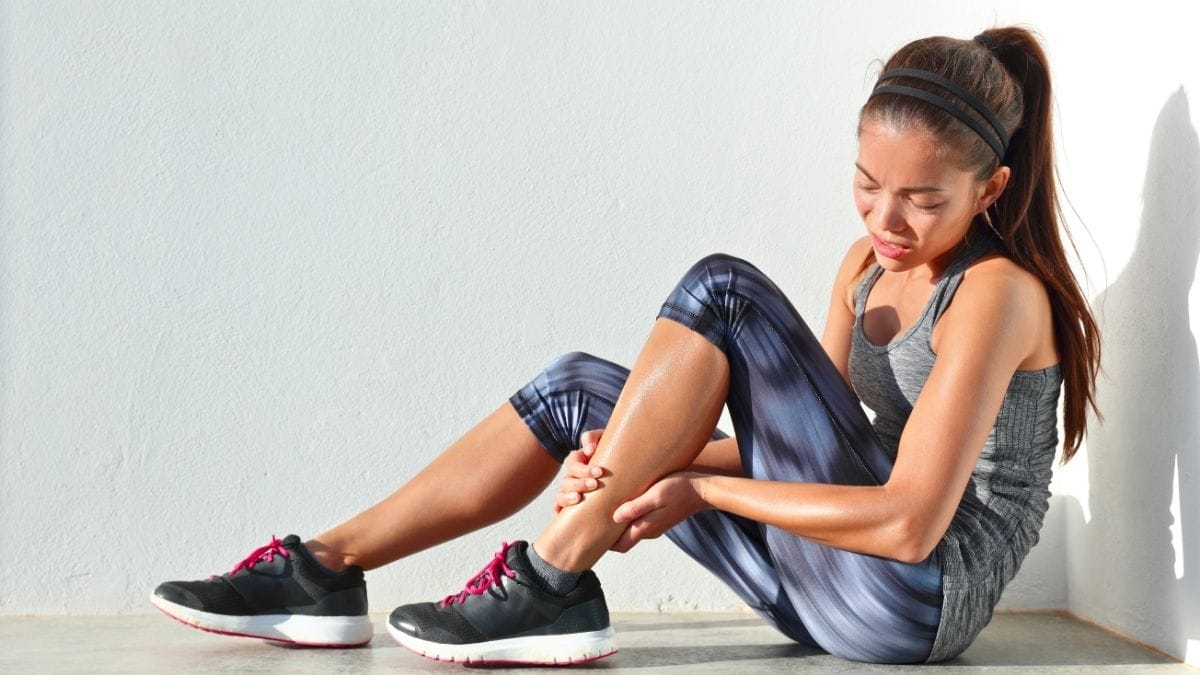
You crushed your workout yesterday. Now you can’t walk down stairs without gripping the wall.
That pain is called DOMS, which stands for delayed onset muscle soreness. It peaks 24 to 72 hours after exercise. It’s caused by tiny muscle tears, inflammation, and reduced blood flow to the affected area. Most people just wait it out. That’s the wrong move.
The good news? You don’t have to suffer through it. A few simple after-workout habits, done right after training and before bed, can cut your next-day soreness by a lot. These habits are backed by real science. They take almost no time. And they work whether you’re a gym regular or just getting started with your post-workout routine.
Here are 7 habits that actually make a difference.
Habit 1: Roll It Out Before You Leave the Gym
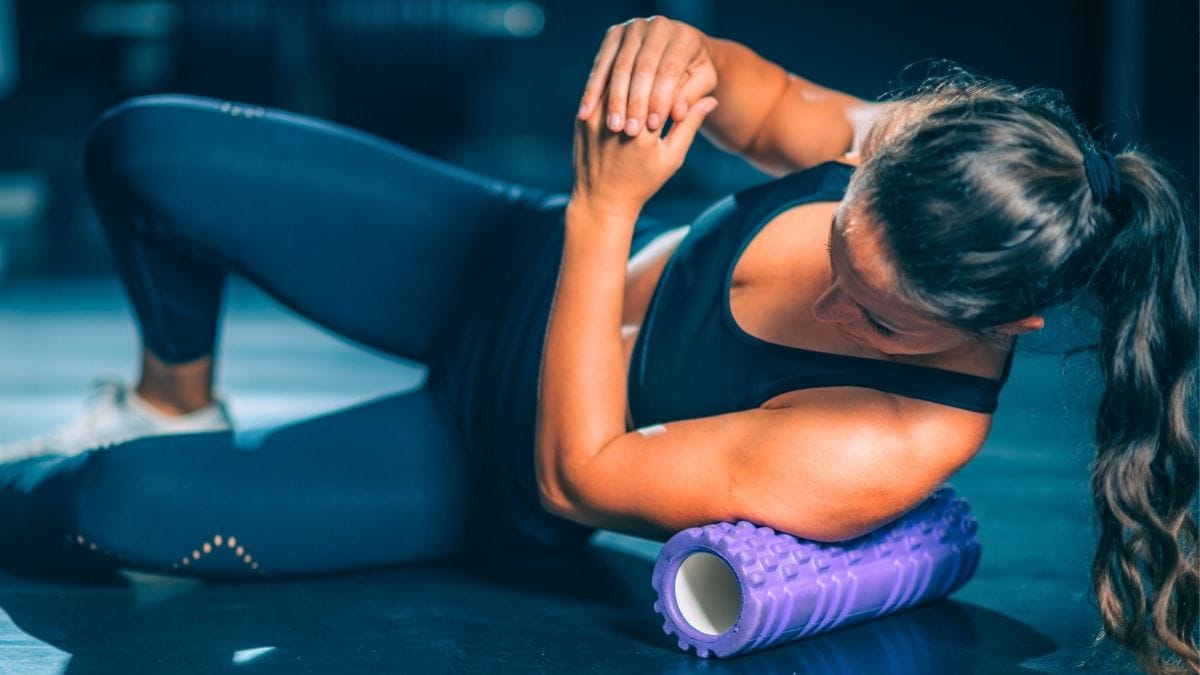
Before you grab your bag and walk out, spend 5 minutes with a foam roller or massage gun. This one step can save you a lot of pain tomorrow.
Foam rolling works by releasing tension in the connective tissue wrapped around your muscles. It’s called myofascial release.
When you roll slowly over a tight spot, you’re breaking up that tension and getting blood flowing again. A 2025 study of 60 people found that foam rolling caused a significant drop in muscle stiffness.
Massage guns work the same way, just faster. A review of 39 studies found that percussion guns reduce DOMS and improve flexibility. They’re especially useful if you’re short on time.
Spend 60 to 90 seconds on each muscle group. Hit your quads, hamstrings, calves, glutes, and lats. Ten seconds of casual rolling doesn’t cut it. Go slow, find the tight spots, and hold pressure there.
Rolling out loosens the tissue. But what you put in your body in the next 30 minutes may matter even more.
Habit 2: Eat Protein AND Carbs Within 45 Minutes After Training
Your muscles just got torn apart, microscopically. They need raw materials to rebuild.
Most people grab a protein shake and call it done. That helps. But skipping carbs is a mistake. Protein repairs muscle fibers. Carbs refill your glycogen stores, which is the fuel your muscles burned during training. Without carbs, your body may use protein for energy instead of repair.
The American College of Sports Medicine and the International Society of Sports Nutrition recommend 1.6 to 2.2 grams of protein per kilogram of bodyweight each day. For a 75kg person, that’s 120 to 165 grams daily, spread across 4 to 5 meals.
Research also shows that eating both protein and carbs after exercise reduces DOMS and speeds recovery more than carbs alone.
You don’t need a complicated meal. Try Greek yogurt and a banana, rice and chicken, eggs on toast, or a protein shake with oats.
Think of this meal as the construction crew arriving at the job site. Without them, nothing gets fixed.
Habit 3: Drink More Water Than You Think You Need
You probably drank water during your workout. That’s not enough.
Most people finish training already mildly dehydrated. And dehydration makes soreness worse. Here’s why: muscle tissue is about 75% water. When you’re low on fluids, nutrients can’t move efficiently to your damaged muscle fibers. Recovery slows down.
Even a 2% drop in body water is enough to hurt your physical performance. After training, drink at least 500ml of water right away. Then keep drinking every 30 minutes for the next two hours.
Water alone isn’t always enough. When you sweat, you lose electrolytes like sodium, potassium, and magnesium. Plain water doesn’t replace those. Add an electrolyte tablet, drink coconut water, or try a tart cherry and electrolyte combo drink.
One more thing: skip the alcohol after training. It blocks muscle protein synthesis and delays recovery more than most people realize.
Hydration isn’t exciting. But being too sore to train tomorrow is worse. Keep a water bottle on your nightstand. It’s a small habit with a visible payoff.
Habit 4: Add One Anti-Inflammatory Food or Drink to Your Evening
Your body treats a hard workout a lot like a minor injury. The inflammatory response that follows is normal, but you can manage how intense it gets.
Some inflammation is good. It signals your body to start repairing. But too much of it for too long slows recovery and makes soreness last longer. The goal isn’t to stop inflammation. It’s to keep it from going too far.
Tart cherry juice is the most studied food for DOMS. A 2025 meta-analysis found it reduced key inflammatory markers including IL-6 and IL-8 after exercise.
In one study, people who drank tart cherry juice had soreness scores of 21mm vs. 33mm in the placebo group, 24 hours after hard plyometric exercise. Another trial showed it reduced post-run muscle pain when used for 7 days.
If tart cherry juice isn’t your thing, try these instead: turmeric with black pepper, salmon or walnuts, blueberries, or green tea.
You don’t need a cabinet full of supplements. One targeted food choice each evening is enough to make a real difference overnight.
Habit 5: Do 10 to 15 Minutes of Light Movement Instead of Sitting Still
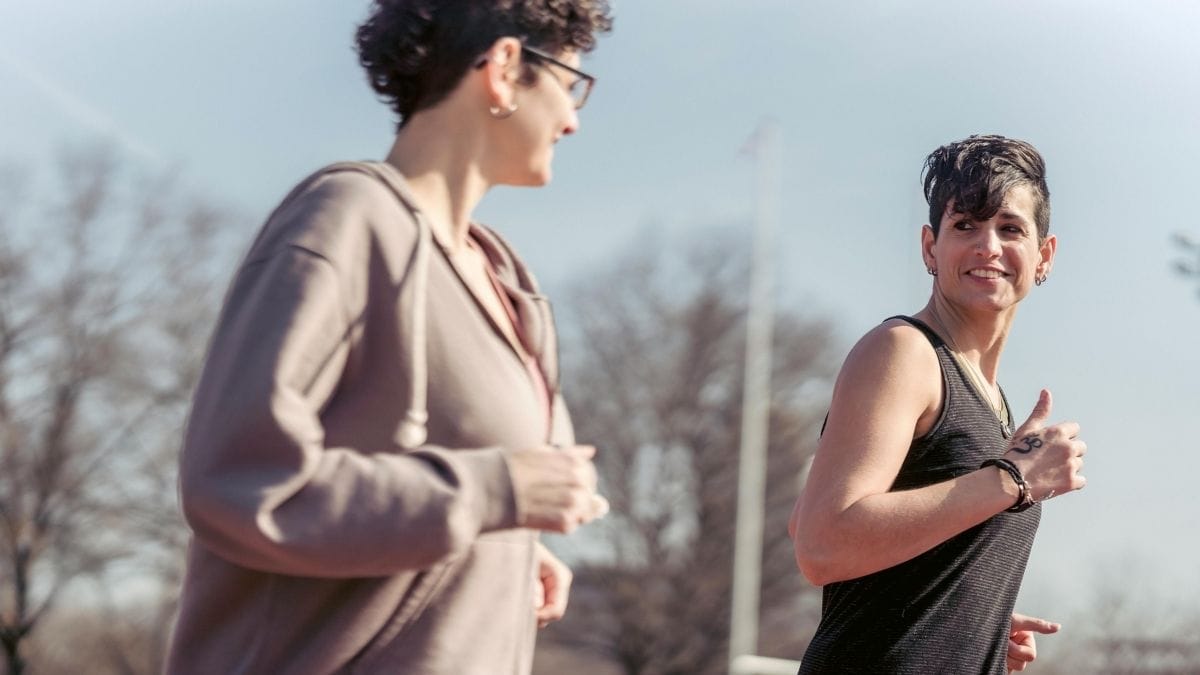
It sounds wrong. You’re sore. You want to lie down. But total rest is actually one of the worst things you can do.
When you sit still for hours after training, blood flow slows. Metabolic waste, which is the byproduct of muscle breakdown, stays stuck in the tissue longer. That makes soreness worse and recovery slower.
Light movement keeps blood circulating. It moves nutrients toward damaged muscle and waste products away from it. A meta-analysis of 99 studies found that active recovery produced a measurable decrease in DOMS, alongside methods like massage and cold therapy.
Active recovery doesn’t mean another workout. It means a 15-minute walk, slow cycling, easy yoga, or a gentle stretch session. If you lift, try a casual bike ride. If you run, do some light yoga. If you do general fitness, just go for a walk after dinner.
And when soreness peaks the next day at 24 to 48 hours, keep moving. Don’t freeze up.
A 15-minute walk after dinner does more for tomorrow’s soreness than an extra hour on the couch.
Habit 6: End Your Shower With 60 to 90 Seconds of Cold Water
You don’t need a bathtub full of ice. You need the last 60 seconds of your shower.
Cold water causes your blood vessels to tighten. This reduces local inflammation fast. When you warm back up afterward, your vessels open again and flush waste products out of the muscle. That cycle of constricting and then flushing is exactly what your sore muscles need.
A 2025 randomized controlled trial that compared cold water immersion, vibration therapy, massage, and other methods found cold water immersion to be one of the most effective recovery interventions for DOMS.
A large meta-analysis of 99 studies confirmed the same thing: cold water immersion and contrast therapy both produced real, measurable reductions in soreness.
Here’s how to do it without dreading it: finish your normal hot shower, then switch to cold for 60 seconds. Start with 30 seconds if that feels like too much. Build up over a week.
One important note: if you lift for muscle size, wait at least 2 hours after training before using cold. Doing it immediately may slightly blunt muscle growth signals.
It’s uncomfortable for exactly the right amount of time. And the next morning, your body will quietly thank you.
Habit 7: Protect Your Sleep Like It’s Part of Your Training Plan
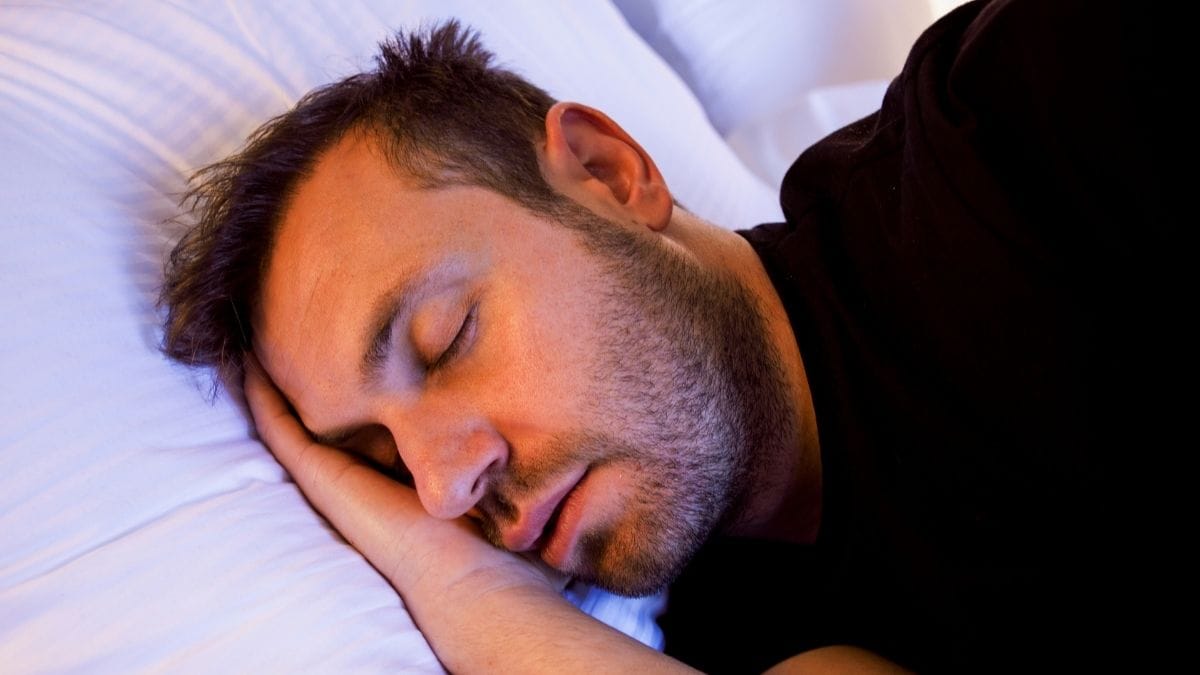
Everything else on this list is a supporting player. Sleep is the main event.
During deep sleep, specifically stage N3, your body releases a surge of growth hormone, testosterone, and IGF-1. These are the hormones that actually rebuild your muscle tissue.
Without enough deep sleep, that process gets cut short. Research published in the Journal of Clinical Medicine in 2025 found that even one night of poor sleep can drop testosterone by nearly 25%.
It gets worse. Sleep deprivation raises cortisol, which is the stress hormone that breaks down muscle. It also impairs glycogen replenishment and blocks protein synthesis. According to the American Academy of Clinical Sports Medicine, sleep loss actively inhibits muscle recovery and increases injury risk.
Even naps help. A study on female boxers found that a 90-minute nap significantly reduced DOMS and pain perception compared to no nap at all.
Aim for 7 to 9 hours. Keep your room cool and dark. Stop using your phone an hour before bed. Go to sleep and wake up at the same time every day. Try magnesium glycinate if falling asleep is hard.
No supplement, no cold shower, no foam roller replaces what 8 hours of quality sleep does to a sore body. It’s the most powerful recovery tool you own, and it’s free.
Conclusion
Foam roll after your workout. Eat protein and carbs. Drink water. Have one anti-inflammatory food. Move lightly. Take a cold shower. Sleep well. None of these are extreme. They stack on top of each other and compound over time.
Pick two of these tonight. Build the habit before you build the full system. These after-workout recovery habits won’t make you bulletproof, but they will make Monday’s leg day feel a lot less like punishment.