
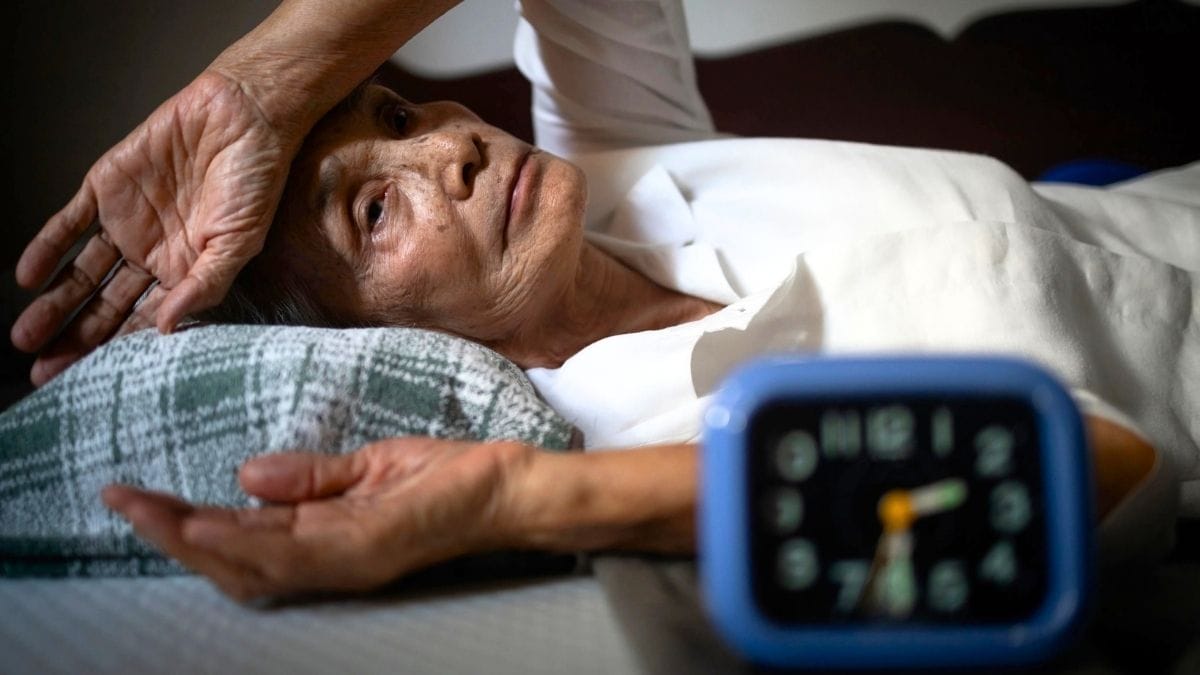
If you wake up at 3 a.m. and can’t get back to sleep, you’ve probably told yourself: “This is just what happens when you get older.”
That’s not the full story.
Yes, your body changes as you age. But most sleep problems in older adults are caused by specific, fixable things. not just the number on your birthday cake.
A July 2024 AARP study found that 7 in 10 adults aged 40 and older report at least one sleep problem. That’s a lot of people suffering for no good reason.
Here’s the truth: researchers now have clear, science-backed fixes that work for adults over 40, 50, and 60. No prescriptions required.
This article shows you exactly what’s happening in your body and what you can do about it starting today.
What Actually Changes When You Sleep as You Age
Your sleep does change with age. That part is real. But “change” doesn’t mean “broken forever.”
As you get older, your body clock shifts earlier. You feel sleepy sooner in the evening. You wake up earlier in the morning. This is called a circadian phase advance. It’s not a disease. It’s a drift.
Your deep sleep also gets lighter. You spend less time in slow-wave and REM sleep. You wake more easily at night. Melatonin the hormone that signals your brain it’s time to sleep — also drops as you age.
But here’s the important part. A 2024 worldwide study found that the top sleep problems in older adults include sleep apnea (46%), poor sleep quality (40%), insomnia (29%), and daytime sleepiness (19%).
These are diagnosable, treatable conditions. Not just “aging.”
Think of your internal clock like a watch that’s drifted a few hours. It’s not broken. It just needs resetting.
Quick Tips:
- Write down your sleep times for one week to spot your real pattern
- Don’t assume every bad night is permanent — look for a cause first
The Myth That’s Keeping You Stuck
Here’s something frustrating. Most older adults know poor sleep is bad for them. The AARP 2024 study found that 92% of adults believe bad sleep hurts their mental health. And 91% say it hurts their physical health.
But 4 in 10 of those same adults do nothing about it. They assume it’s not serious enough to treat.
That gap between knowing and doing is the real problem.
And the stakes are higher than most people think. A 2025 study from the University of Hong Kong found that poor sleep in older adults disrupts the brain’s waste removal system. called the glymphatic system.
When that system doesn’t work properly at night, it affects memory.

Bad sleep doesn’t stay as just bad sleep. It leaks into your memory, your mood, your balance, and your risk of falls.
The good news: once you stop blaming age, you can start fixing the real problem.
Quick Tips:
- Talk to your doctor about sleep at your next regular visit — don’t wait for a crisis
- Track one week of sleep in a simple notebook before assuming it’s just age
Fix #1 — CBT-I: The Non-Drug Treatment That Actually Works
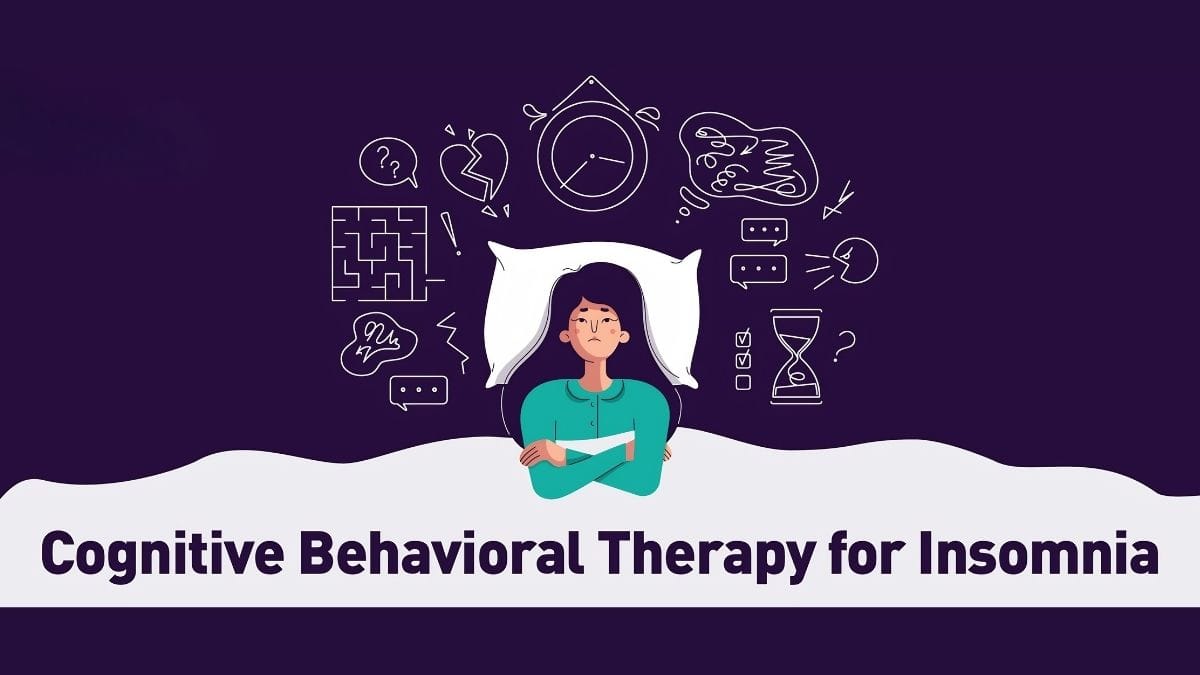
CBT-I stands for Cognitive Behavioral Therapy for Insomnia. That sounds complex. But the idea is simple. It retrains how your brain thinks about sleep and the bed.
It uses five tools: sleep restriction, stimulus control, sleep hygiene, relaxation training, and fixing unhelpful thoughts about sleep. No pills. No side effects.
Multiple studies confirm it works as well as sleep medication, but without the risk of dependency.
2024 study of older adult veterans found that CBT-I improved sleep quality, reduced fatigue, and cut daytime sleepiness. And you don’t need a therapist in person anymore.
A 2025 trial published in npj Digital Medicine tested a digital CBT-I program on adults aged 55 to 95. Those using it saw significant sleep improvements at 6 months and 12 months after treatment.
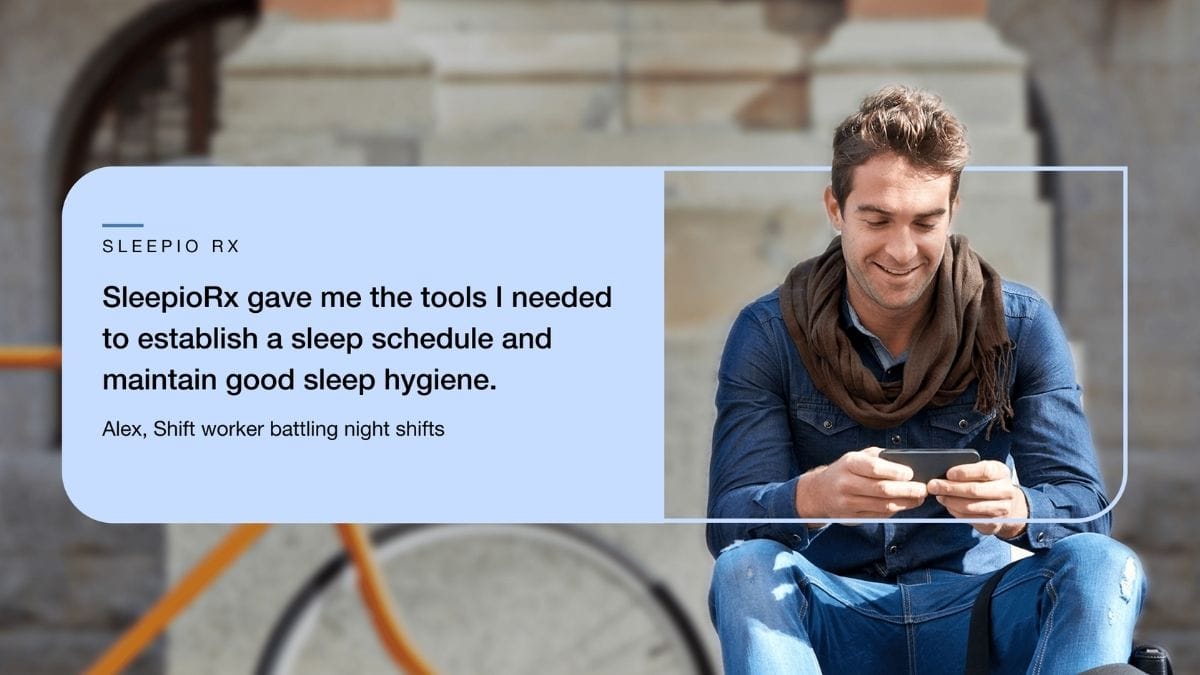
One FDA-cleared app called SleepioRx delivers this digitally with no human coaching needed.
Quick Tips:
- Search “CBT-I Coach” — it’s a free app from the VA that walks you through the method
- Ask your GP: “Can you refer me to a CBT-I program or digital tool?”
Fix #2 — Get Morning Light to Reset Your Body Clock
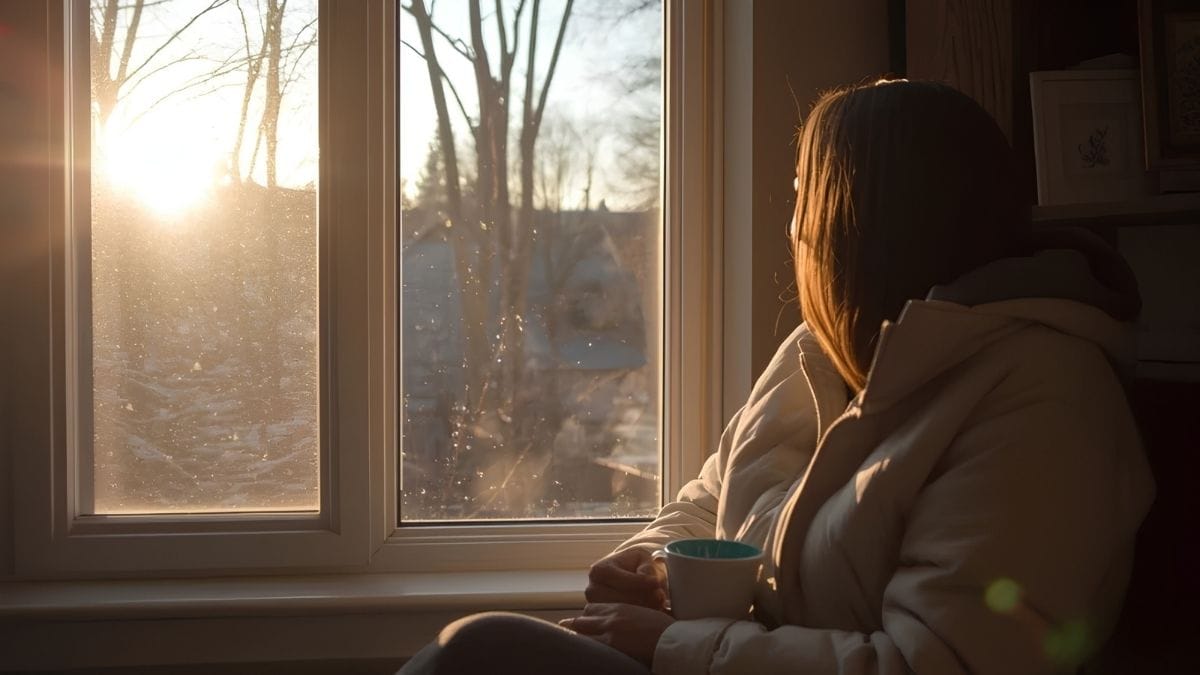
Because your body clock drifts earlier with age, bright morning light is one of the most powerful ways to push it back. And it costs nothing.
Here’s how it works. Light hits your retina. Your retina sends a signal to the suprachiasmatic nucleus. your brain’s master clock. That signal tells your brain it’s morning, which helps set the right time for sleep later that night.
A study found that just 90 minutes of bright light therapy over 5 days significantly improved sleep quality in older adults.
Another study showed that morning light at 2,500 lux increased sleep efficiency, reduced nighttime wake-ups, and shifted sleep onset 60 minutes earlier after 5 weeks.
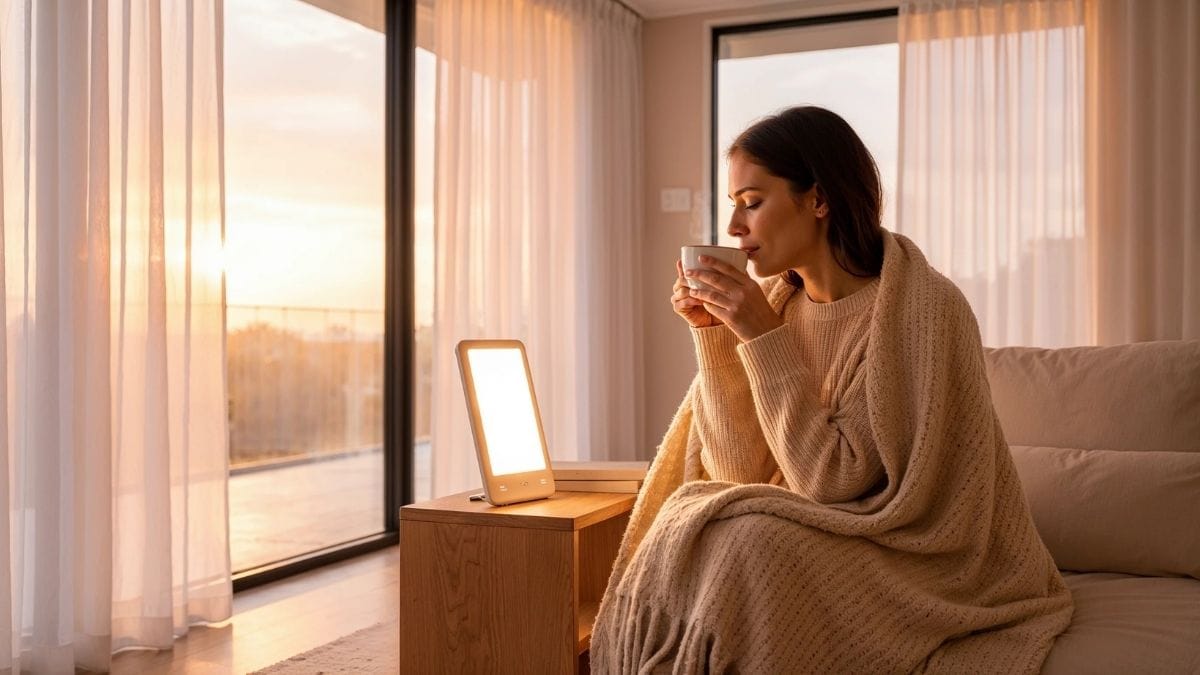
You don’t need a special lamp. Go outside within 60 minutes of waking up. Twenty minutes is enough. On dark winter days or if you can’t get outside, a 10,000 lux light therapy box works just as well.
Quick Tips:
- Set a phone alarm called “Morning Light” — treat it like medication for two weeks
- Sit by a window with bright light during breakfast if going outside isn’t possible
Fix #3 — The Right Exercise Improves Sleep Fast
Exercise is free. It has no side effects. And it is one of the most ignored sleep fixes for older adults.
A 2025 meta-analysis looked at aerobic exercise, resistance training, Tai Chi, and water-based activities in adults over 60. The results were clear.
All of them improved sleep latency (how fast you fall asleep), sleep efficiency, total sleep time, and how long you stayed awake after initially falling asleep.
Tai Chi and yoga are especially good choices. They’re low-impact and also reduce the mental tension and anxiety that keep many older adults awake at night.

Timing matters too. Try not to exercise hard within two hours of bedtime. It raises your core body temperature and can delay sleep. Morning or early afternoon exercise works best.
Even a brisk 30-minute walk five days a week counts. If mobility is an issue, chair-based Tai Chi is a real, studied option.
Quick Tips:
- Try a free YouTube chair Tai Chi session three mornings this week
- Log your exercise days next to your sleep notes — you’ll see the connection quickly
Fix #4 — Sleep Hygiene That Actually Makes a Difference
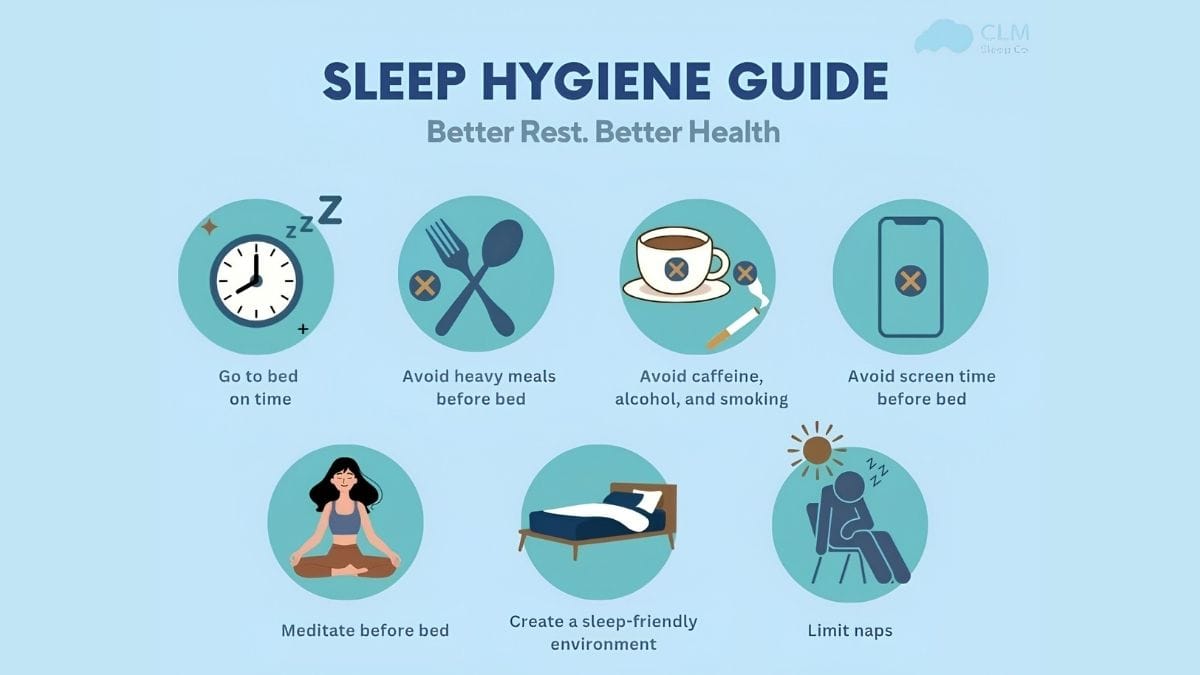
Most people hear “sleep hygiene” and roll their eyes. That’s fair — it’s usually vague advice that doesn’t help. But there are specific habits that science actually backs for older adults.
Temperature: A 2023 study found that higher room temperature, noise, and elevated CO₂ each independently reduced sleep efficiency. Keep your bedroom cool — around 65 to 68°F (18 to 20°C).
Alcohol: 2024 research shows alcohol worsens snoring and sleep apnea, disrupts sleep cycles, and blocks melatonin. Even one glass with dinner can hurt the quality of your deep sleep.
Naps: Keep them under 30 minutes and done before 5 p.m. Long late-day naps reduce sleep pressure and make it harder to fall asleep at night.
Screens: Blue light from phones and tablets blocks melatonin. Switch to Night Mode or stop screens 60 minutes before bed.
You don’t need to fix all of these at once. Pick the one that matches your worst habit and test it for two weeks.
Quick Tips:
- Put your phone to charge in another room tonight — it’s the easiest screen fix
- Swap your evening drink for herbal tea for two weeks and track what changes
Fix #5 — When You Actually Need to See a Doctor
Some sleep problems can’t be fixed with light and exercise. They need medical attention. And the sooner you get it, the better.
Obstructive sleep apnea is the most common sleep disorder in older adults — affecting nearly half. Restless legs syndrome and REM sleep behavior disorder also increase with age. These need a proper diagnosis.
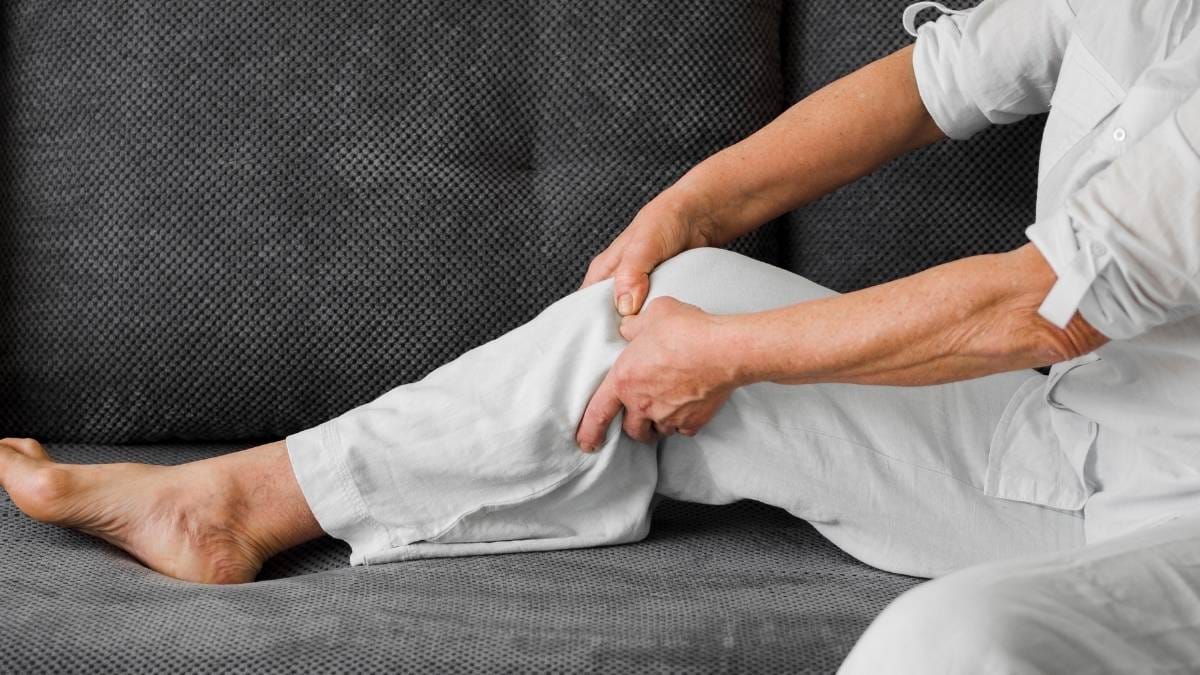
Watch for these red flags: loud snoring, gasping while sleeping, leg movements at night, acting out dreams, or daytime tiredness that doesn’t improve no matter what you try.
Medication is another big factor. Research shows that polypharmacy — taking multiple medications — is a major cause of poor sleep in older adults. Some blood pressure drugs, antidepressants, and even antihistamines disturb sleep.
Ask your doctor two direct questions: “Are any of my current medications affecting my sleep?” and “Can I be referred for a sleep study?” That’s not being dramatic. That’s being smart.
Quick Tips:
- Bring a one-week sleep log to your doctor — it makes the conversation much more useful
- Ask your pharmacist to review your medications for ones that may affect sleep
CONCLUSION
Poor sleep is not the price you pay for getting older.
CBT-I, morning light, regular exercise, smarter habits, and a medication check are five fixes that real research backs — right now, in 2025 and 2026.
Pick one. Start tonight. Set a consistent wake time and step outside tomorrow morning.