Your fork is doing more damage, or more healing, than any pill in your cabinet.
You wake up stiff. Your knees ache by noon. Your arms feel weaker than they did five years ago.
The good news? You don’t need a strict diet. You don’t need expensive supplements. You just need to know how to build your plate the right way, using real, affordable food that your body can actually use.
In this guide, you’ll learn exactly how to divide your plate at every meal. Each section gives you one clear action step. Start with one meal today. That’s all it takes to begin.
The Protein Foundation — How Much You Actually Need
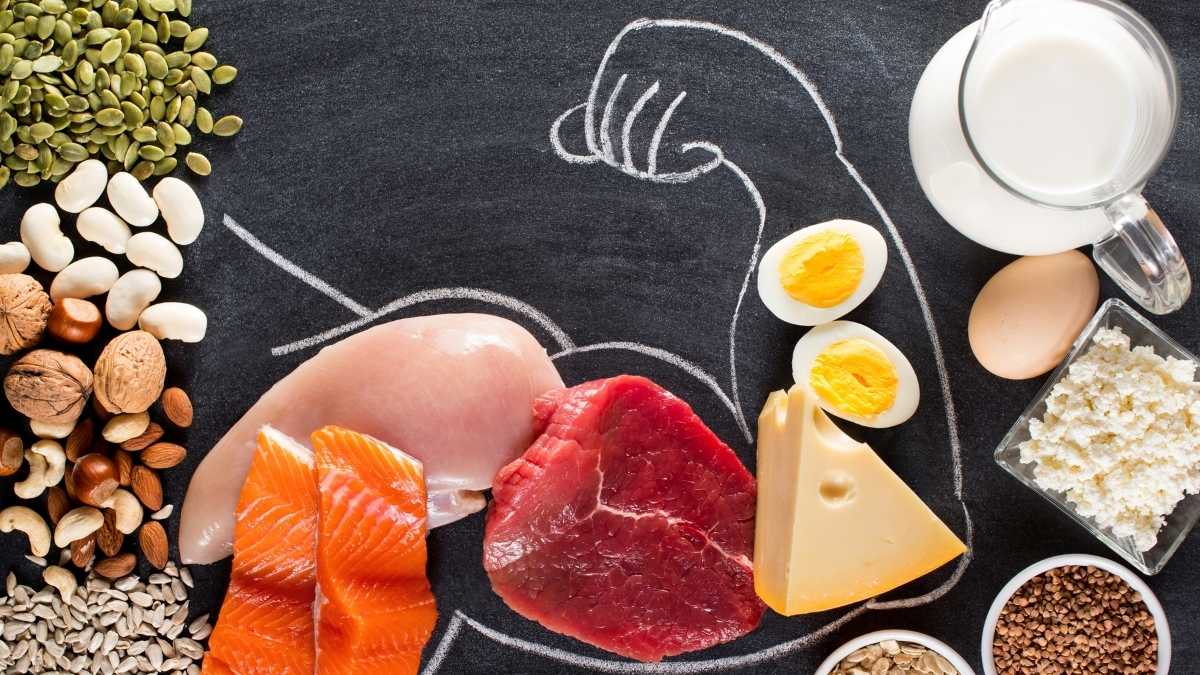
Most seniors are eating too little protein. Not because they don’t care, but because nobody updated them on the rules.
The standard protein advice was written for younger adults. But researchers now recommend that people over 60 eat between 1.0 and 1.3 grams of protein per kilogram of body weight every day. For some with muscle loss, that goes up to 2.0 grams. That’s 40% more than what old guidelines suggested, and studies show it leads to 40% less muscle loss over time.
Here’s a simple real-life example. A 150-pound woman needs about 68 to 82 grams of protein per day. That breaks down like this: 20 to 25 grams at breakfast (two eggs plus Greek yogurt), 25 to 30 grams at lunch (salmon or chicken), and 20 to 25 grams at dinner (lentils or lean meat).
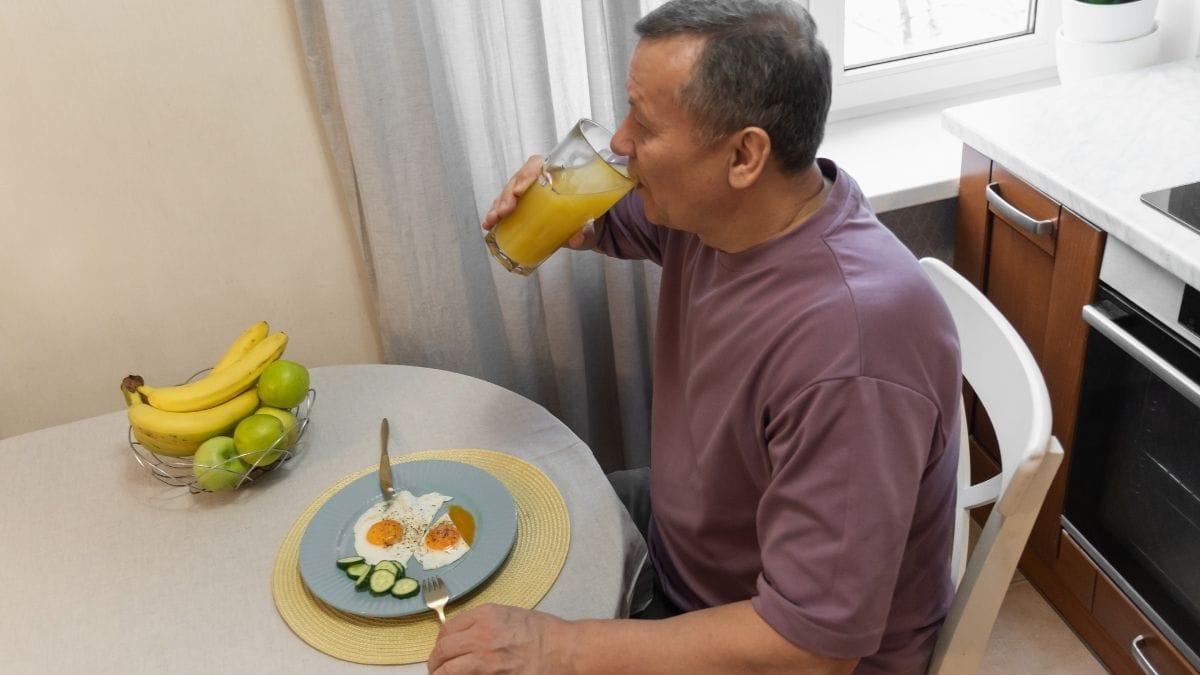
Spreading protein across all three meals matters. Your muscles can’t store protein for later. What you don’t eat in the morning is gone.
Make Protein Work Smarter on Your Plate
- Spread protein across all three meals. Eating most of it at dinner leaves your muscles without fuel for most of the day, and muscle protein synthesis slows down as a result.
- Choose whole-food protein first: salmon, eggs, Greek yogurt, lentils, tofu. They bring extra nutrients that support your joints and muscles. Powders are fine as a backup, not a replacement.
- If you have kidney disease, talk to your doctor before raising your protein intake. Higher amounts are not right for everyone, and getting that guidance first is important.
The Anti-Inflammatory Half of Your Plate — Color Is Your Medicine
Look at your plate right now. How many colors are on it? If the answer is one or two, that plate is working against you.
A large study published in the Journals of Gerontology followed older adults and found that those who stuck closely to a Mediterranean-style diet had a 43% higher rate of pain improvement compared to those who didn’t. That same diet also reduced the number of body locations where people felt pain.
Another 2024 review found that the Mediterranean diet lowers the risk of developing osteoarthritis and reduces how bad the symptoms feel.
The VA’s Anti-Inflammatory Meal Planning guide from June 2025 lays it out clearly: build your plate around dark leafy greens, cruciferous vegetables, mushrooms, peppers, root vegetables, berries, cherries, oats, barley, quinoa, and legumes.
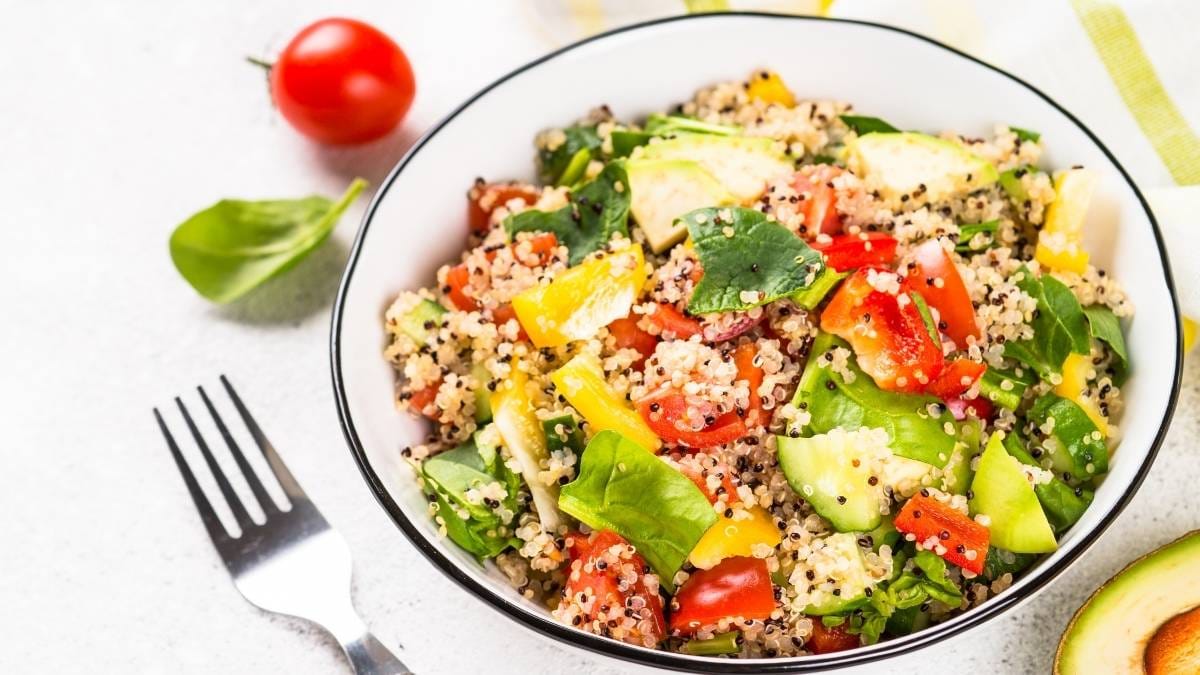
Different colors carry different antioxidants. Each one blocks inflammation in a different way. That’s why variety matters more than any single superfood.
Build the Colorful Half of Your Plate Without Overthinking It
- Aim for at least three different colors at every meal. This isn’t about being perfect. It’s about getting a mix of antioxidants that each fight inflammation in different ways.
- Eat berries or cherries every day. They contain polyphenols and anthocyanins that have shown real benefits in reducing joint stiffness in studies on older adults.
- Eat cruciferous vegetables, including broccoli, cauliflower, and Brussels sprouts, at least three times a week. Steam them or roast them. Both work well and keep the nutrients intact.
Healthy Fats — The Pain-Fighting Quarter of Your Plate
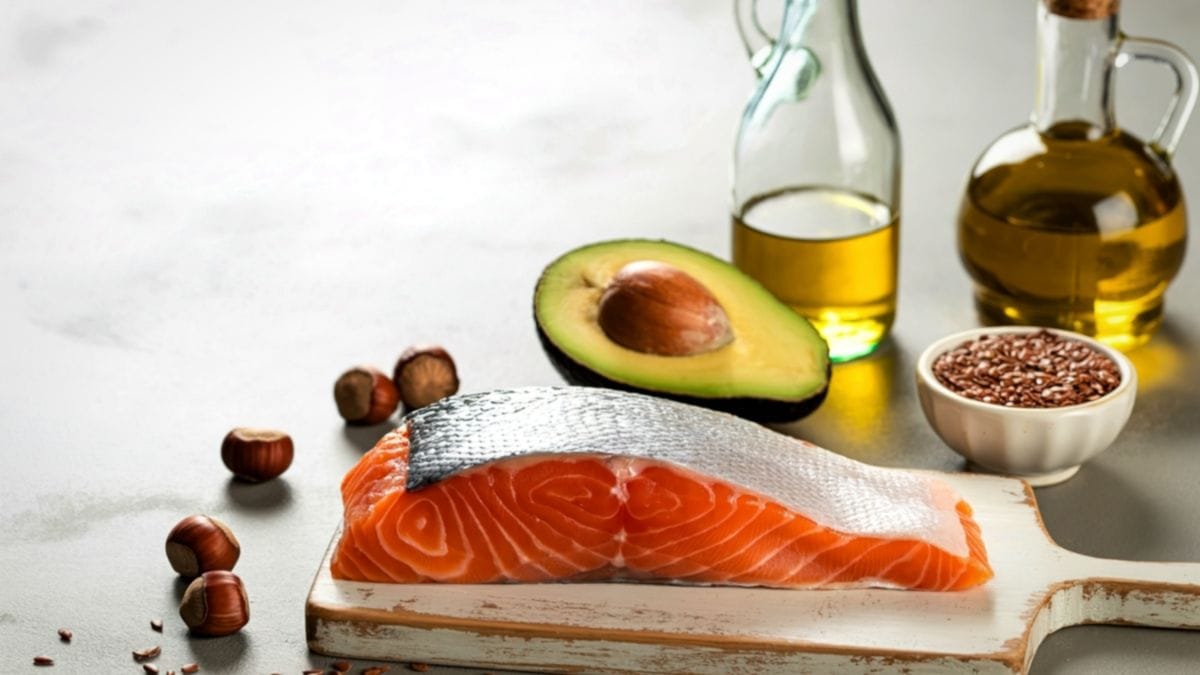
For 30 years, fat was the enemy. That was wrong, and it’s especially wrong for people over 60 whose joints and muscles need it most.
A meta-analysis of 16 studies found that omega-3 fatty acid intake clearly improved lower body strength, sit-to-stand performance, and overall mobility in older adults. These aren’t small benefits. They’re the exact things that keep you independent and out of pain.
EPA and DHA, the active forms of omega-3 found in fatty fish, reduce inflammation and help your body resolve it faster. Research shows they support muscle mass, improve quality of life, and even lower long-term healthcare costs in older populations.
Healthy fats also help your body absorb vitamins A, D, E, and K from vegetables. That means the spinach and broccoli on your plate do more good when there’s a drizzle of olive oil on them.
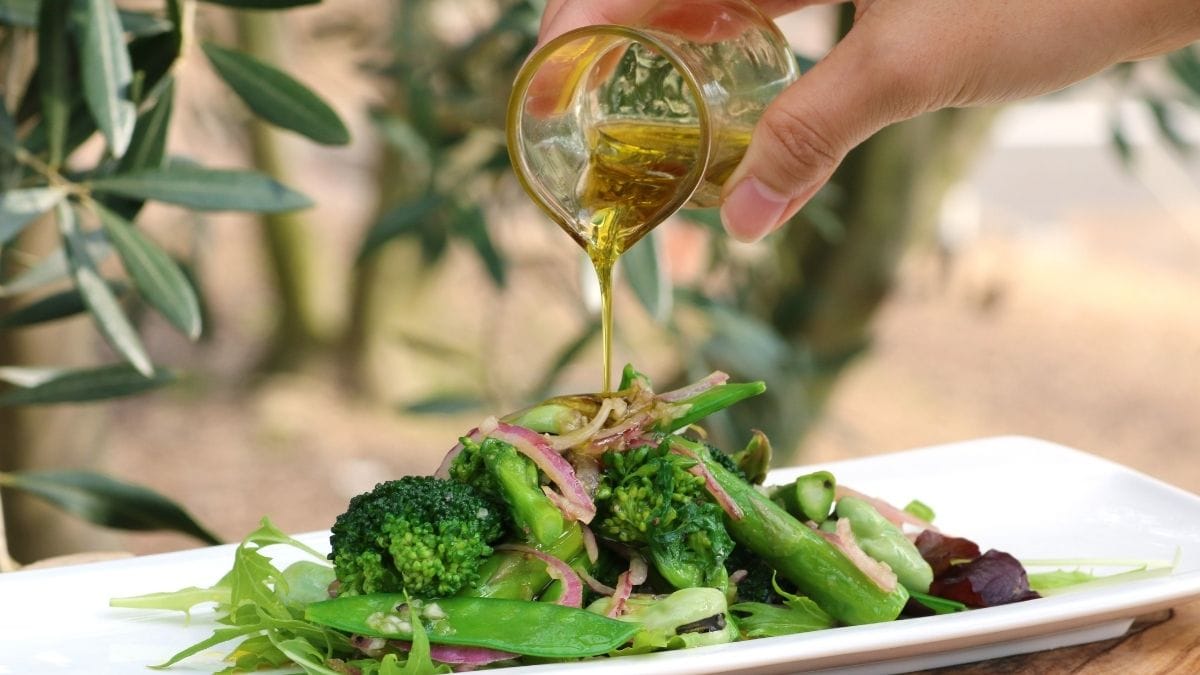
Switch from refined seed oils like soybean or corn oil to extra-virgin olive oil or avocado oil. Many people notice less stiffness within a few weeks.
Add the Right Fats, Not Just Any Fats
- Eat fatty fish including salmon, sardines, and mackerel at least twice a week. These are the most direct food sources of EPA and DHA, the omega-3s with the strongest pain-fighting evidence.
- Drizzle extra-virgin olive oil on your cooked vegetables every day. It helps absorb fat-soluble vitamins and contains oleocanthal, a compound that works like low-dose ibuprofen on inflammation.
- Make walnuts a daily habit. A small handful of about 28 grams is enough. They are one of the few plant foods that provide meaningful levels of ALA omega-3 fatty acids.
The Nutrients Most Seniors Are Missing — Vitamin D and Magnesium
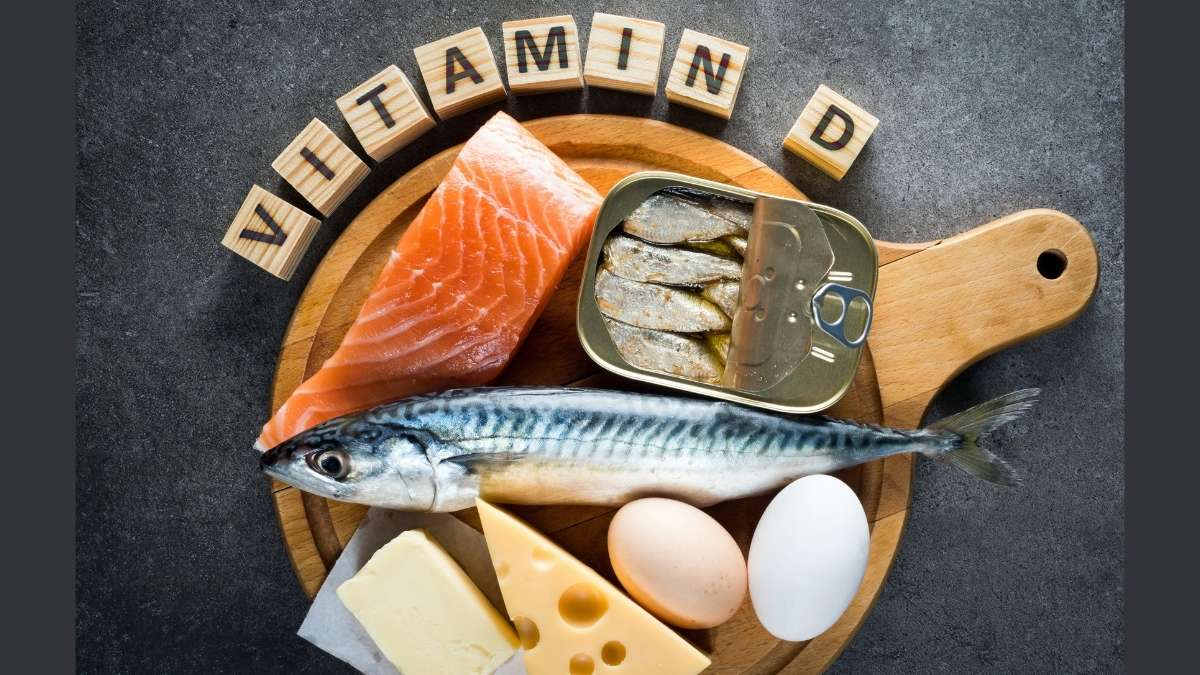
Two nutrients are quietly making your pain worse, and most seniors don’t know they’re low on either.
A study of 950 adults over 60 found that those with the highest dietary vitamin D intake had a 51% lower chance of developing pain over five years compared to those with the lowest intake. That’s a massive difference for a single nutrient. The International Osteoporosis Foundation recommends 800 to 1,000 IU of vitamin D daily for adults over 60 to support muscle strength and bone health.
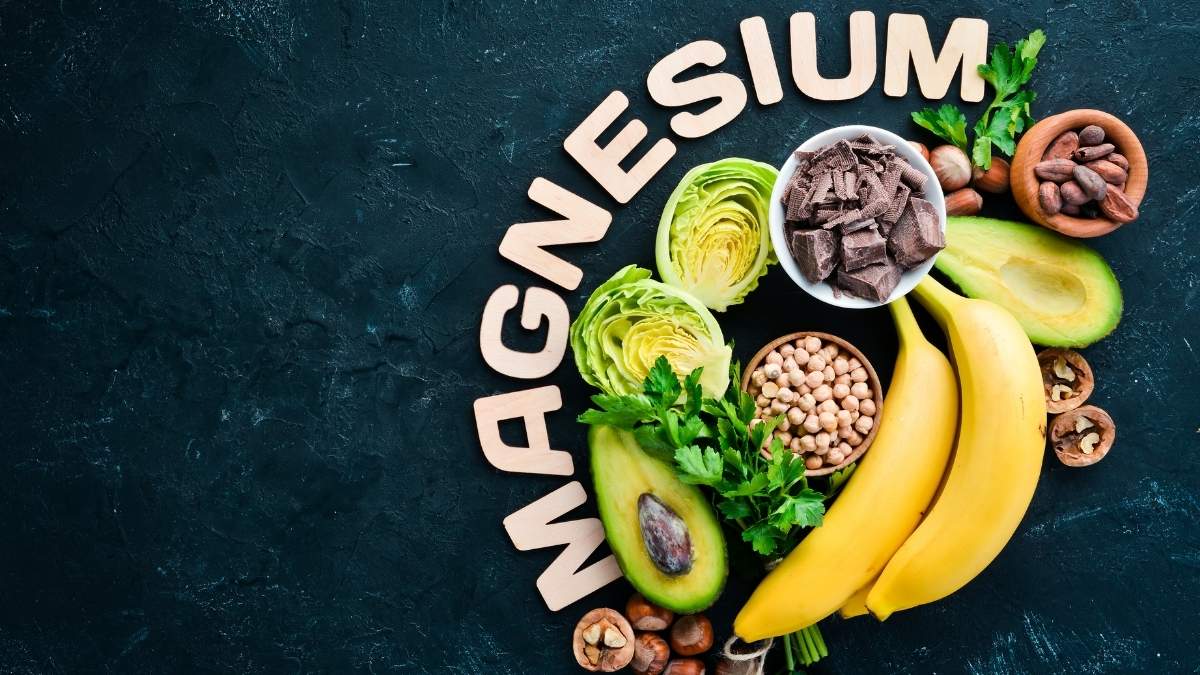
Magnesium is the other one. It runs over 300 chemical reactions in your body. It controls muscle contraction, nerve signals, blood pressure, and bone density. A 2025 meta-analysis found that taking magnesium and vitamin D together reduced key inflammation markers, including CRP and TNF-alpha.
Food sources of vitamin D include fatty fish, egg yolks, and fortified milk. For magnesium, eat pumpkin seeds, dark leafy greens, black beans, almonds, and dark chocolate at 70% or higher.
Don’t Ignore These Two Quiet Defenders
- Ask your doctor to test your serum vitamin D (25-OH-D) at your next checkup. Many seniors are below 30 ng/mL without feeling any obvious symptoms, and the ideal range for over-60s is 40 to 60 ng/mL.
- Add pumpkin seeds to your morning oatmeal or salad. A one-ounce serving gives you about 74mg of magnesium, which is one of the easiest food-based ways to start closing that gap.
- Always take vitamin D with a meal that has fat in it. Vitamin D is fat-soluble, meaning your body absorbs much more of it when fat is present in the same meal.
Foods to Remove From Your Plate — What Quietly Fuels Pain
This isn’t about what you’ve been doing wrong. It’s about what the food industry never told you.
Foods Activating
Inflammation & Pain
Ultra-Processed Foods
Packaged meals & sugary cereals activate inflammatory genes (Harvard Health 2025).
Refined Carbs
White bread & pasta spike blood sugar, releasing cortisol to fuel all-day inflammation.
Sugary Drinks
A key driver of worsening pain in older adults (Seniors-ENRICA study).
Refined Seed Oils
Soybean, corn & sunflower oils create oxidized fats your body treats as a threat.
Start Removing These One at a Time
- Don’t try to fix everything at once. Pick one category per week to reduce. Start with sugary drinks, then processed snacks, then refined grains. That pace sticks far better than a total overhaul.
- Read the ingredient list, not the front label. If the first three ingredients include sugar, corn syrup, or a refined oil like soybean oil, put it back, no matter what the package says about being healthy.
- Swap one refined grain this week. Try steel-cut oats at breakfast, quinoa at dinner, or barley in soup. You don’t have to change everything. Just one meal, one grain, right now.
How to Build Your Plate — The Simple Formula for Every Meal
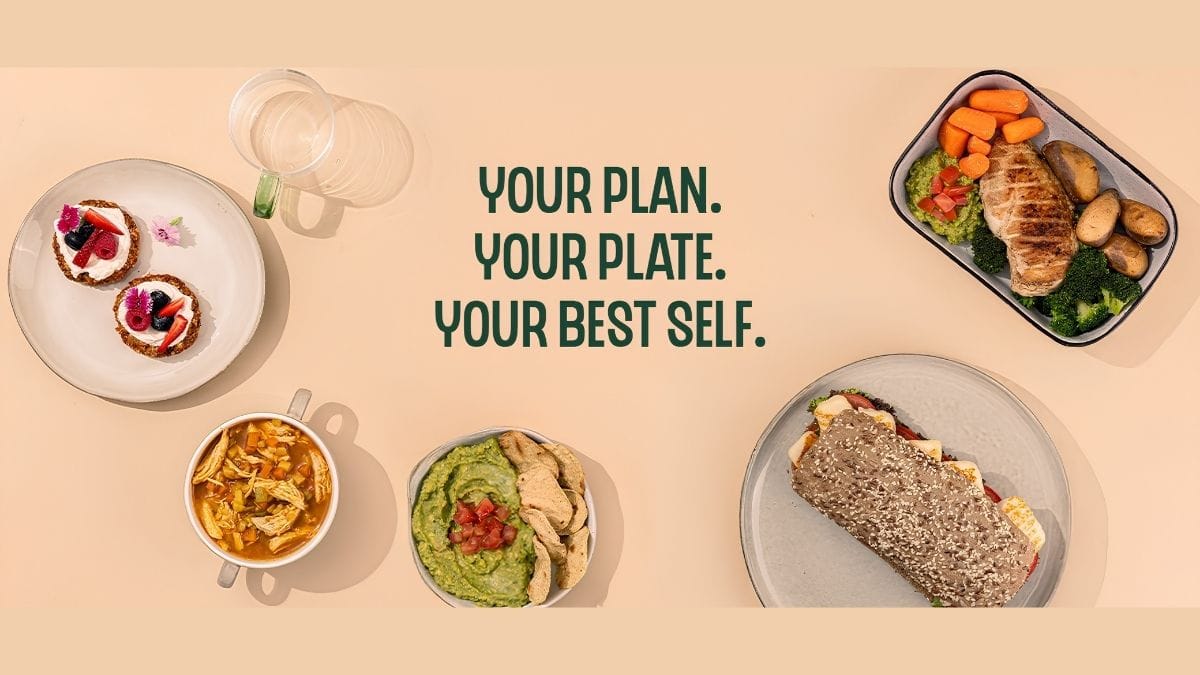
Think of your plate like a clock face split into three sections. This is the whole system.
Half the plate goes to colorful non-starchy vegetables and some fruit. One quarter goes to lean or plant-based protein, including fish, eggs, legumes, or chicken. The last quarter goes to a high-fiber whole grain or starchy vegetable like quinoa, sweet potato, or oats. Then add a drizzle of healthy fat using olive oil, avocado, or walnuts. Finish with spices: turmeric with black pepper, which boosts turmeric absorption by up to 2,000%, along with ginger and garlic.
This formula comes directly from the VA’s Anti-Inflammatory Meal Planning guide, published in June 2025, and lines up with all the Mediterranean diet research that shows measurable pain relief.
A practical day looks like this: breakfast is scrambled eggs with spinach and tomatoes in olive oil, plus oats with berries and walnuts. Lunch is salmon over brown rice with roasted broccoli. Dinner is lentil soup with dark leafy greens and whole grain bread. Eat within a 10 to 12-hour window each day.
Build the Plate Before You’re Hungry
- Keep three ready-to-use proteins available at all times: canned sardines, hard-boiled eggs, and cooked lentils. When hunger hits, you’ll build the right plate instead of grabbing whatever’s easiest.
- Always pair turmeric with black pepper. Without piperine, the active compound in black pepper, your body absorbs very little of turmeric’s curcumin. The two work together, so always use both.
- Plan your meals two days ahead. People who plan in advance consistently eat more vegetables and less processed food. You shop with a goal rather than with hunger driving your choices.
Hydration and Gut Health — The Hidden Drivers of Pain

Here’s something most pain articles skip entirely: dehydration and a damaged gut both make your pain significantly worse.
When you’re dehydrated, the synovial fluid that cushions your joints thickens. That means more friction, more stiffness, and more pain, even if your inflammation markers look fine. A simple daily goal: drink half your body weight in ounces of water. If you weigh 160 pounds, aim for 80 ounces per day.
Your gut matters just as much. When processed foods damage your gut lining, inflammatory particles leak into your bloodstream. That shows up as joint pain, brain fog, and fatigue. Fermented foods including plain Greek yogurt, kefir, sauerkraut, and kimchi help rebuild the healthy bacteria that keep that lining strong.
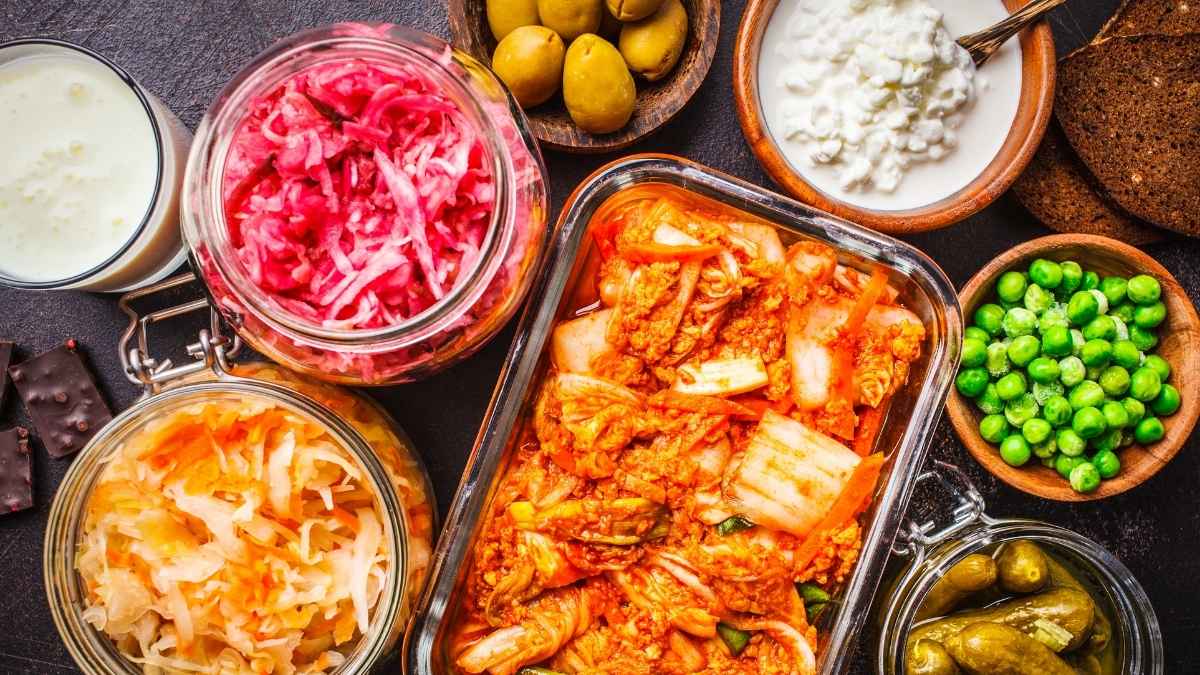
Fiber is equally important. It feeds the good bacteria in your gut, which produce short-chain fatty acids, one of your body’s own natural anti-inflammatory agents. Aim for 25 to 30 grams of fiber daily from beans, vegetables, oats, and fruit.
Gut Health Is Joint Health — Here’s How to Connect Them
- Add one fermented food to your day this week. A small pot of plain Greek yogurt, a tablespoon of sauerkraut, or a glass of kefir at lunch. You only need one daily habit, not all of them at once.
- Drink a glass of water when you wake up and before each meal. That simple structure helps most seniors hit their daily hydration target without having to count ounces or track anything.
- Eat 25 to 30 grams of fiber every day from whole foods: beans, oats, vegetables, and fruit. Fiber feeds the gut bacteria that make your body’s own anti-inflammatory compounds, which is a better deal than any supplement.
Final Thought:
Building a muscle-friendly plate after 60 is not complicated. Focus on protein at every meal, fill half your plate with colorful vegetables, add the right healthy fats, and cut out the processed foods driving your pain. Start with one meal. Change one thing today. The right plate is one of the most powerful tools you have.