

Most people assume that getting tired faster, forgetting things more often, and having stiff joints is just part of getting older. But science says much of it is actually just sitting too much.
Your body is not falling apart. It’s responding to how little you’re moving. And the difference between “aging” and “inactivity” is bigger than most doctors even tell you.
Twenty minutes of walking a day is backed by real studies to slow down exactly what you’re feeling right now. You don’t need a gym. You don’t need equipment. You don’t need a fitness background.
You just need your shoes and 20 minutes. That’s it.
What We Call “Aging” Is Often Just Inactivity in Disguise
You’re not imagining it. Your body is changing. But most of what feels like aging is actually your body’s response to sitting too much.
Starting at age 30, your body loses about 3 to 5% of muscle mass every 10 years. After 50, muscle strength drops by 1.5% each year between ages 50 and 60, then by 3% per year after that. This is called sarcopenia. And here’s what nobody tells you: it’s not inevitable.

Physical inactivity causes 3.2 million deaths globally each year. It also contributes to 30% of diabetes and heart disease cases, according to the WHO.
The symptoms most people blame on age, like low energy, stiffness, and slower recovery, often come from not moving enough. Not from the number of candles on your birthday cake.
The good news? Walking interrupts this process at almost every level. You don’t need to run a marathon. You don’t even need to break a sweat. Walking 20 minutes a day is enough to push back on the decline most people just accept.
What 20 Minutes of Walking Does to Your Heart and Blood Vessels
Your heart doesn’t care how fancy your gym is.
A 2025 study published in the Annals of Internal Medicine found that walking in uninterrupted bouts of 10 to 15 minutes lowers your cardiovascular disease risk by up to two-thirds compared to shorter, scattered movement.
Researchers at Vanderbilt found that just 15 minutes of brisk walking per day was linked to a nearly 20% reduction in total mortality. That’s not from running. That’s from walking fast for 15 minutes.

Dr. Andrew Freeman, Director of Cardiovascular Prevention at National Jewish Health in Denver, explained it simply. Longer walks help by improving blood circulation, lowering blood pressure, and supporting glucose control. All key for heart health.
Regular walking trains your muscles to pull more oxygen from your blood. That reduces your resting heart rate, lowers inflammation, and cuts stress hormones. This data applies to regular people. Not athletes. Not 25-year-olds. People just like you.
Walking Protects Your Brain, Including Your Memory
Forgetting where you left your keys isn’t just funny. After a certain age, it’s worth paying attention to.
The hippocampus is the part of your brain that handles memory. It starts shrinking around age 55 or 60. But here’s what the research found. After one year of walking three times per week, brain scans showed the hippocampus grew back by 2%.
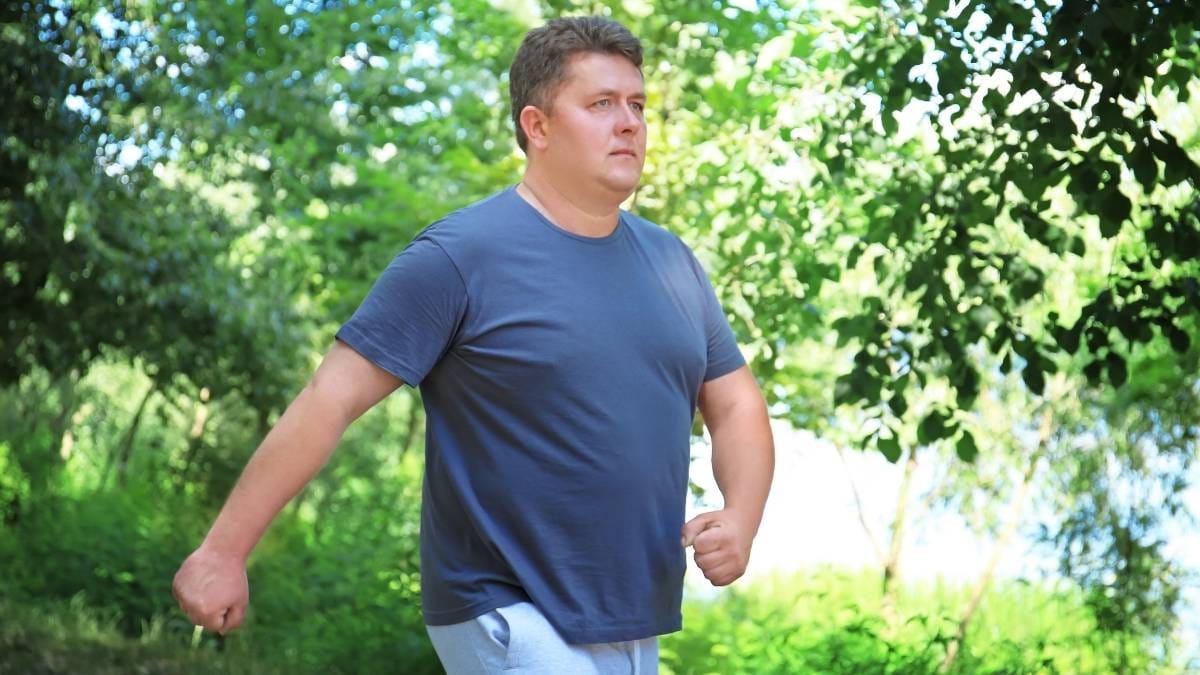
That reversed one to two years of age-related brain loss. Walkers also scored better on memory tests.
A large study tracked more than 78,000 adults aged 40 to 79. Those who walked about 9,800 steps per day reduced their dementia risk by 50% over seven years. Even people who only walked 3,800 steps, roughly 20 minutes of light walking, still cut their dementia risk by 25%.
Walking increases blood flow to your brain. That supports nerve cell growth and helps protect your memory as you get older. You don’t need a fast pace to get these benefits. Consistent is what counts.
Walking Keeps Your Blood Sugar Stable as You Age
Here’s something your doctor may not have said clearly enough. Blood sugar becomes harder to manage as you get older. And most people have no idea there’s a problem until it’s serious.
According to the CDC, more than 6 in 10 adults with prediabetes don’t know they have it. Over 81 million Americans are in that group right now.
A randomized trial published in Scientific Reports in 2025 found that a 10-minute walk immediately after eating significantly reduced post-meal blood glucose spikes. Both short and longer walks improved overall blood sugar control.
Blood sugar levels peak 30 to 60 minutes after a meal. Starting a walk within the first 10 to 15 minutes of finishing your food catches that window. It blunts the spike and keeps your insulin more stable.
Three 15-minute walks after meals work just as well as one 45-minute walk for controlling blood sugar across a full day. A 10-minute walk after dinner is literally medicine. And it costs nothing.
Your Joints, Muscles, and Immune System Also Respond to Walking
Ever notice that you feel stiffer when you sit all day, but looser after a walk? That’s not a coincidence. That’s your joints doing what they’re designed to do when you move.
Walking lubricates your knee and hip joints, the ones most likely to develop osteoarthritis as you age. It also slows the muscle loss that makes daily tasks harder over time.
One study found that people who walked at least 20 minutes a day, five days a week, had 43% fewer sick days than people who didn’t walk at all. That’s nearly half the illness, from a daily walk.
Walking more than 2,440 steps per day is also linked to higher antioxidant levels in your blood and lower levels of C-reactive protein, which is a key marker of inflammation. Lower inflammation means less joint pain, less fatigue, and slower cell damage.
Your immune system, muscles, and joints all respond to the same simple input: movement. Walking is that input.
How to Start and Stick to a 20-Minute Walking Habit Right Now
You don’t need to do all 20 minutes at once. Two 10-minute walks give you the same results. Start there.
Here’s a simple plan to build the habit over four weeks without burning out:
Your 4-Week Progression
⏱️ 10 Minutes
Walk at any pace. Just move.
⏱️ 15 Minutes
Push yourself. Walk at a moderate pace.
⏱️ 20 Minutes
Use the talk test. Hold a conversation but not sing.
The best times to walk are in the morning before eating, or 10 to 15 minutes after a meal. Both have strong research behind them.
You don’t need a $500 smartwatch. Use Apple Health or Google Fit. Both are free and already on your phone. A 2024 British Journal of Sports Medicine study confirmed that tracking time works just as well as counting steps.
Attach your walk to something you already do. After your morning coffee. During your lunch break. After dinner. Habit stacking makes it stick.
You’re not trying to become a runner. Twenty minutes. That’s it.
Conclusion

Your body is not just getting old. It’s responding to how little it’s being asked to move.
Walking 20 minutes a day protects your heart, your brain, your blood sugar, your joints, and your immune system. Real studies back all of it.
Put on your shoes. Go for a 10-minute walk today. Come back tomorrow for 11.