
You drink enough water. You eat your vegetables. You even added fiber. So why are you still constipated?
Here is something most people never get told: not all constipation is the same. There are different types. And the fix for one type can actually make another type worse.
This article will show you the difference between regular constipation and a slow gut, also called slow transit constipation. You will learn how to spot which one you have, and exactly which foods help each one.
What Is Constipation, Really?

Before you change anything you eat, it helps to know what kind of constipation you actually have.
Most people think constipation just means not going enough. Technically, doctors define it as fewer than three bowel movements per week, plus straining, hard stools, or a feeling that something is still there after you go.
But here is what most articles skip: constipation is not one thing. It has three main types.
Normal transit constipation means your colon moves stool at a normal speed, but the stool is still hard and difficult to pass. Slow transit constipation means stool barely moves through your colon at all. Defecatory disorders mean there is a physical problem with actually pushing stool out.
According to the World Gastroenterology Organisation’s 2025 guidelines, about 14% of adults worldwide deal with chronic constipation. Women are twice as likely to have it as men.
Most people treat all three types the same way. That is exactly where things go wrong. Once you know your type, the right path forward becomes much clearer.
What Is Slow Transit Constipation and Why Is It Different?

Slow transit constipation is not just being really constipated. It is a different problem with a different cause, and it needs a different solution.
In regular constipation, your colon’s muscle contractions work normally. The problem is stool that is too dry or hard to move easily. In slow transit constipation, the muscle contractions themselves are weak or not firing often enough. Stool barely moves through your colon at all.
According to a 2024 study published in PubMed Central, slow transit constipation affects an estimated 2 to 4% of the general population. It may sound small, but in the US, it accounts for 10 to 20% of all chronic constipation cases, according to Physiopedia.

The International Foundation for Gastrointestinal Disorders explains it clearly: STC happens when the large intestine does not produce enough strong contractions to push stool forward. These contractions are called high amplitude propagating contractions. When they are low in number, nothing moves.
People with STC often feel bloated, full, or nauseous even when they haven’t eaten much. The urge to go can disappear for days at a time.
Knowing which one applies to you is the step most people skip entirely.
How to Tell Which One You Have
Here is a simple but telling question: when you added more fiber to your diet, did things get better or worse?
For most people with regular constipation, more fiber helps. Stools soften, things move, and relief comes within a few days.
But for people with a slow gut, adding more fiber often increases bloating without improving bowel movements. That is a big clue.
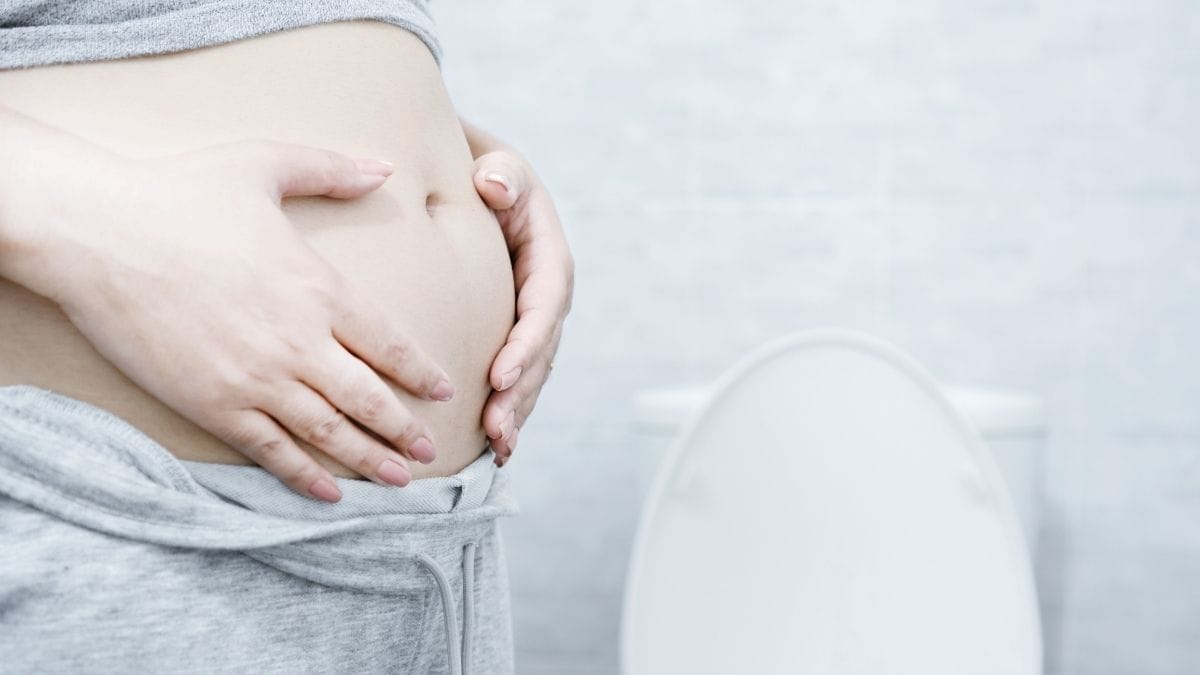
A 2025 review published on PubMed Central confirms that diagnosing STC requires more than symptom tracking. Doctors use Rome IV criteria, the clinical gold standard, which includes having three or fewer spontaneous bowel movements per week, hard stools, and straining. Beyond that, a colonic transit test, sometimes called a Sitzmark study, tracks how long it takes stool to move through your colon.
Here is a quick comparison to help you figure out where you stand:
| Feature | Regular Constipation | Slow Transit Constipation |
|---|---|---|
| Stool movement | Normal pace | Very slow |
| Response to fiber | Usually helps | Often worsens bloating |
| Urge to go | Present but difficult | Often absent for days |
| Bloating | Occasional | Persistent |
You can also use the free Bristol Stool Chart online to track your stool type daily. If you often feel worse after high-fiber meals, or feel bloated even on an empty stomach, your diet plan may need to look quite different.
The Diet That Actually Works for Regular Constipation
If your colon’s contractions are normal but your stool is dry and hard to push, diet is your most powerful tool.
Start with fiber. The Academy of Nutrition and Dietetics recommends 25 grams daily for women and 31 grams for men. But fiber only works when you drink enough water alongside it. Without water, fiber makes things worse.

The best specific foods to add are kiwi, prunes, apples with skin, pears, lentils, chickpeas, and chia seeds.
A July 2025 study published in Gastroenterology found that plant-based diets lowered constipation risk by 20%, and Mediterranean diets lowered it by 16%. A Western diet high in processed meats and refined carbs increased the risk by 22%.
New 2025 dietary guidelines, produced by a panel of dietitians and gastroenterologists reviewing 75 studies, named kiwifruit as the top food for constipation relief.
Dr. William Chey, a gastroenterologist at the University of Michigan, explained it simply: “With kiwifruit, because it’s so well-tolerated, you usually can just step right into that dose.” Start with two kiwis each morning. Work up slowly to six to eight prunes per day.

This works well when your gut’s engine is running fine but just needs better fuel. If the engine itself is slow, the approach changes.
How to Eat When You Have a Slow Gut
Eating for a slow gut is about one thing: stimulating movement, not just adding bulk.
This is the key shift. In slow transit constipation, piling in more insoluble fiber like raw bran or raw vegetables often adds bulk without triggering the contractions needed to actually move things along. It can make bloating worse.
What works instead is targeting gut motility directly.
Magnesium-rich foods are a strong starting point.
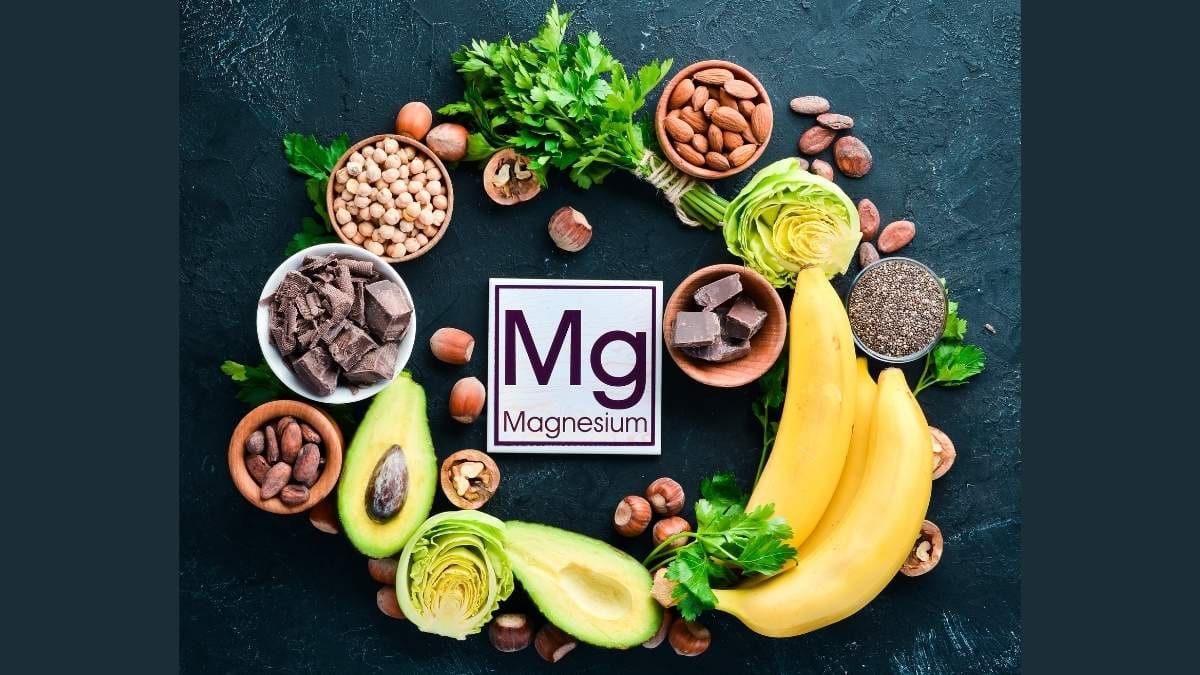
According to Nirva Health, foods like bananas, avocados, leafy greens, seeds, brown rice, and legumes help increase water in the intestines and support muscle function. Magnesium oxide supplements have also been included in 2025 clinical constipation guidelines as an effective option.
Healthy fats help too. Olive oil, fatty fish, nuts, and avocados stimulate bile release from the gallbladder, which helps trigger gut movement.
For fiber, choose soluble sources over insoluble ones. Psyllium husk, oats, and cooked vegetables are much easier on a slow colon than raw bran or large portions of raw legumes.
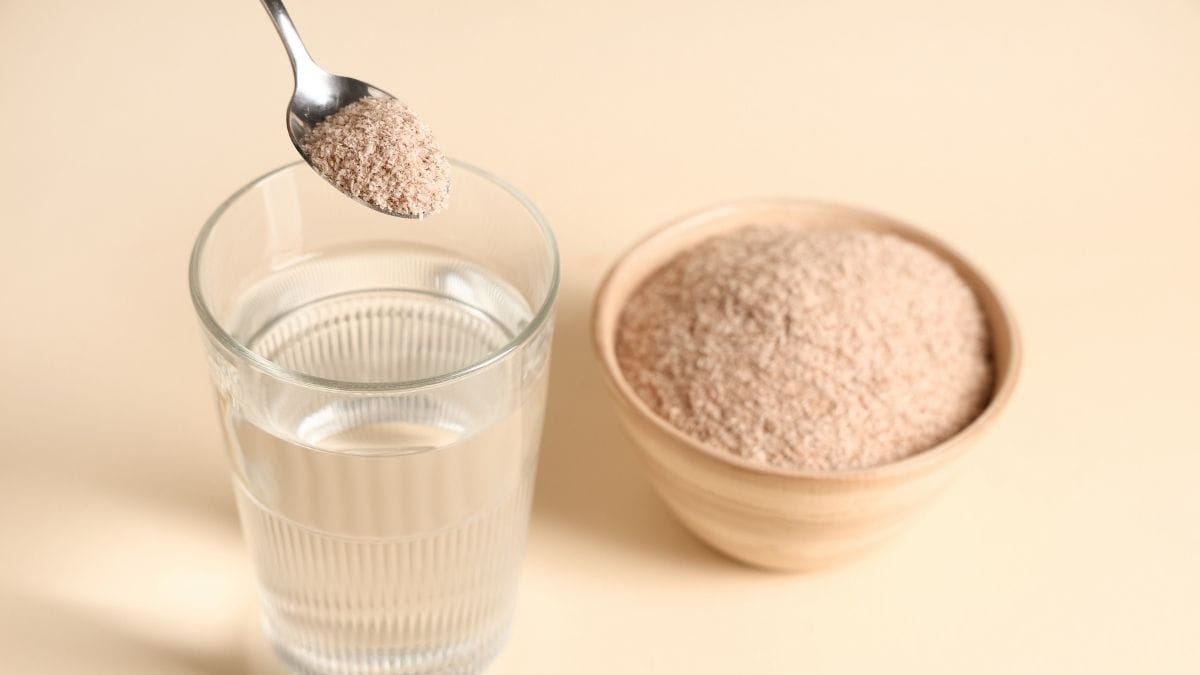
Specific fruits also help. Research highlighted by Gut Healthy Dietitian shows that kiwi speeds gastric transit time, prunes increase beneficial gut bacteria, and raisins support gut microbiome diversity. Eat smaller meals more often. Large meals can overwhelm a slow colon.
A 20 to 30 minute walk after meals activates the gastrocolic reflex, a natural signal that tells your colon to move.
Think of the slow gut as a car with a sluggish engine. You don’t fix it by packing more cargo in the back. You tune the engine first.
Foods and Habits That Make Both Conditions Worse
Some things hurt both types of constipation. Knowing these helps you stop making things harder without realizing it.
Processed foods, red meat, and refined carbs are the main dietary villains.
The same 2025 Gastroenterology study found that diets high in inflammation-promoting foods increased chronic constipation risk by 24%.
Dehydration is the most common diet mistake. Fiber without enough water is like trying to sweep a floor without any water to mop up the dust. It just moves the problem around.
Ignoring the urge to go is especially harmful in slow transit constipation. Over time, it weakens the nerve signals that trigger movement.
Using laxatives regularly without knowing your constipation type is also a problem. Some laxatives only help one type and can mask the real issue.

Finally, stress and poor sleep are underrated. Both directly disrupt the enteric nervous system, the network of nerves that controls your gut. If you are sleeping poorly or under constant stress, your gut feels it.
When to See a Doctor About This
Some symptoms mean you need a doctor, not just a diet change.
See a doctor right away if you notice blood in your stool, a sudden and unexplained change in your bowel habits, or unintentional weight loss. These can signal something beyond constipation.
If you have tried fiber, water, and over-the-counter laxatives for several weeks and nothing has changed, ask your doctor specifically about a colonic transit test.

The Merck Manual notes that when standard treatments fail, the American Gastroenterological Association recommends further evaluation, including specific testing.
STC is often under-diagnosed because standard tests like basic X-rays can miss it. You have every right to ask for more specific testing if your symptoms have been going on for a long time.
Do not settle for “just eat more fiber” if that advice has not worked. You deserve a real diagnosis.
Conclusion:
Not all constipation is the same. Regular constipation responds to fiber, hydration, and a Mediterranean-style diet. A slow gut needs targeted motility support through magnesium, healthy fats, specific fruits, and movement after meals.
Start by tracking your response to fiber this week. If it helps, stay the course. If bloating gets worse, talk to your doctor about a transit time test.
Your gut is unique. Treat it that way, and real relief becomes far more likely.