
You eat meals every day. You’re not starving. So why does your body feel like it’s slowly falling apart?
Most people think protein deficiency is a problem for people who are seriously underweight. But that’s not true. You can eat plenty of food and still not get enough protein. And when that happens, your body starts sending quiet warning signals.
The Dietary Guidelines for Americans say adults need at least 46–56 grams of protein daily. Many people fall short without knowing it. Your muscles, skin, mood, and immune system all pay the price.
Here are 7 signs your body is running low on protein — including one (#4) that almost no one connects to their diet.
1- Your Muscles Are Shrinking Without You Knowing

You might notice your clothes fit differently. Or that climbing stairs feels harder than it used to. You haven’t changed much — but your body has.
When you don’t eat enough protein, your body starts breaking down muscle tissue for fuel. It treats your muscles like a savings account. And when deposits stop, it starts making withdrawals.
This process speeds up as you age. After 30, adults naturally lose 3–5% of muscle mass every decade. Low protein makes that loss happen faster. The National Council on Aging reports that this condition, called sarcopenia, affects 10–20% of older adults.
Weakness in your arms, legs, or grip strength — even without any injury — is a real warning sign. Your body isn’t just “getting older.” It’s running out of building material.
Quick Tips:
- Add 20g of protein to your breakfast and notice if strength improves within 2–3 weeks
- Pair resistance exercise with protein — even a daily walk plus more eggs makes a difference
2- That Hair in the Drain Is a Warning Sign
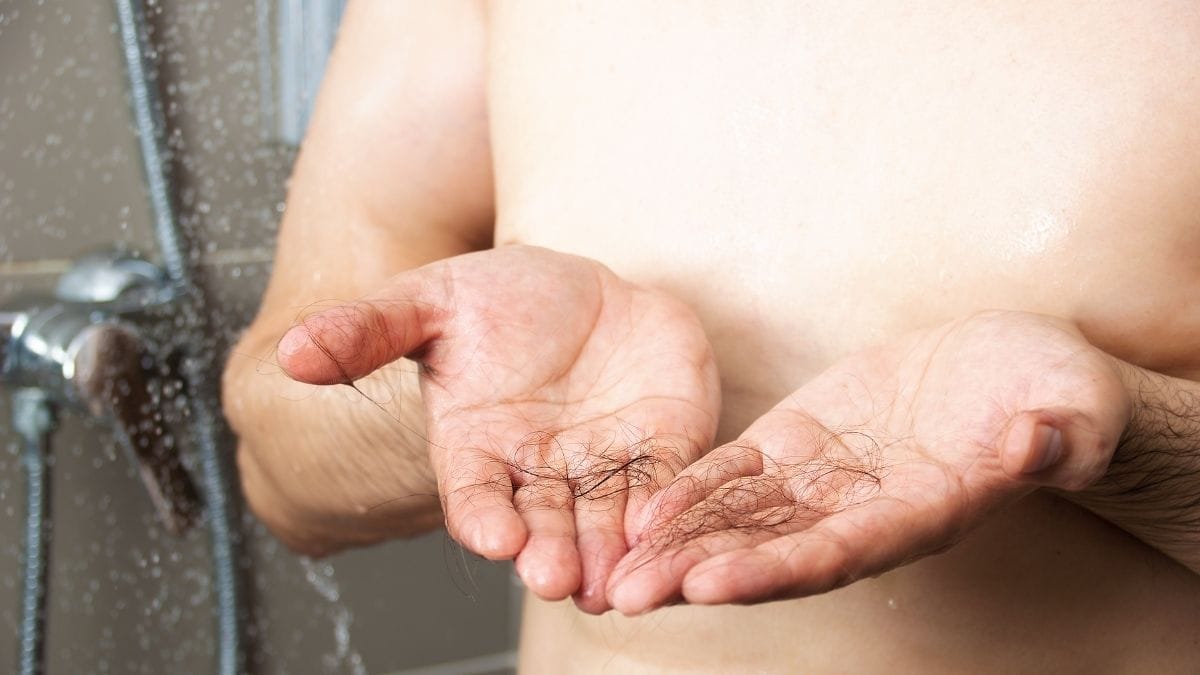
You clean the shower drain and think — is this normal? A little hair loss is fine. But if it’s more than usual, protein might be why.
Your hair is made almost entirely of a protein called keratin. When your body doesn’t have enough protein, it makes choices. It keeps your vital organs running first. Hair growth gets cut back because it’s seen as non-essential.
The result? Your hair thins out. It feels dry or brittle. It breaks more easily. You might even find more hair on your pillow in the morning. Your nails can tell the same story — they get brittle or develop ridges.
This kind of hair loss is different from stress-related loss. It tends to be spread evenly across your whole head, not in patches.
According to WeightWatchers’ registered dietitian Fernanda Almeida, hair, skin, and nails all depend on consistent protein intake. When that drops, the changes show up fast.
Quick Tips:
- If your hair feels weak and your nails snap easily at the same time, check your daily protein intake first
- Eating eggs, lentils, or Greek yogurt daily gives your body the amino acids keratin needs to grow
3- Getting Sick Too Often? Blame Your Protein

You get sick. You recover. Then you get sick again two weeks later. Sound familiar?
Your immune system makes antibodies to fight off viruses and bacteria. Here’s the thing — antibodies are proteins. If your body doesn’t have enough protein coming in, it can’t build enough of these fighters. So infections hit harder and recovery takes longer.
Low protein also means slower wound healing. A small cut that should close in a few days might linger for over a week. This is because skin repair needs protein too.
This all connects to albumin — a protein found in your blood that helps repair tissue and carry nutrients. Low protein diets reduce albumin levels. When albumin drops, your immune response weakens.
According to research reviewed by Nutrixu (November 2025), a sustained protein deficiency can severely compromise the immune system and make adults far more likely to deal with frequent, harder-hitting infections.
Quick Tips:
- If you’re sick often and eating well otherwise, track your protein for 3 days and see where you actually land
- Add one high-protein food to lunch — like tuna, chicken, or cottage cheese — to help rebuild immune defenses
4- Sugar Cravings Are a Protein Problem in Disguise

You’re not a sugar addict. But lately, you can’t stop reaching for cookies, crackers, or anything sweet after meals. Here’s why this is actually a protein problem.
Protein slows down how fast sugar enters your blood. When protein is low, your blood sugar rises and falls fast. Your body reads that drop as an emergency. It screams: eat sugar, now. That craving isn’t weakness. It’s a signal.
Dr. Giles Yeo, a geneticist at the University of Cambridge, explains that protein keeps you fuller longer because your body takes more energy to process it. Skip protein, and hunger — especially sugar hunger — returns fast.
A 2024 preprint study on biorxiv found that animals on a low-protein diet showed changed dopamine signals in response to sugar.
Their brain’s reward system actually responded differently to sweets. That means low protein doesn’t just make you hungry. It changes how your brain reacts to sugar.
If you eat a carb-heavy breakfast and feel hungry 90 minutes later, this is your sign.
Quick Tips:
- Before reaching for a sweet snack, try eating 15–20g of protein and wait 20 minutes — cravings often disappear
- Swap your morning cereal for eggs or Greek yogurt and notice how long you stay full
5- Your Mood and Focus Are Running on Empty

You re-read the same email three times. You snap at someone for no real reason. You feel mentally flat and can’t explain why. This could be a protein issue.
Your brain makes chemicals called neurotransmitters — serotonin, dopamine, norepinephrine. These control your mood, focus, and mental energy. And they’re built from amino acids, which come from protein.
When protein is low, your brain runs short on raw material. It can’t produce enough of these chemicals. So your mood drops. Your focus fades. Your memory feels foggy.
Dr. Timothy Frie of the National Academy of Neuronutrition put it simply: “Protein gaps can manifest as mood swings, memory lapses, and nerve dysfunction long before anyone suspects a deficiency.”
This gets mistaken for burnout, stress, or aging. But it’s often just nutrition. The fix can be as simple as eating more protein-rich food consistently throughout the day — not just at dinner.
Quick Tips:
- Spread protein across all three meals instead of loading it all at dinner — your brain needs a steady supply all day
- If you feel foggy most afternoons, try adding protein to your lunch and see if focus improves within a week
6- Your Skin Is Quietly Asking for More Protein
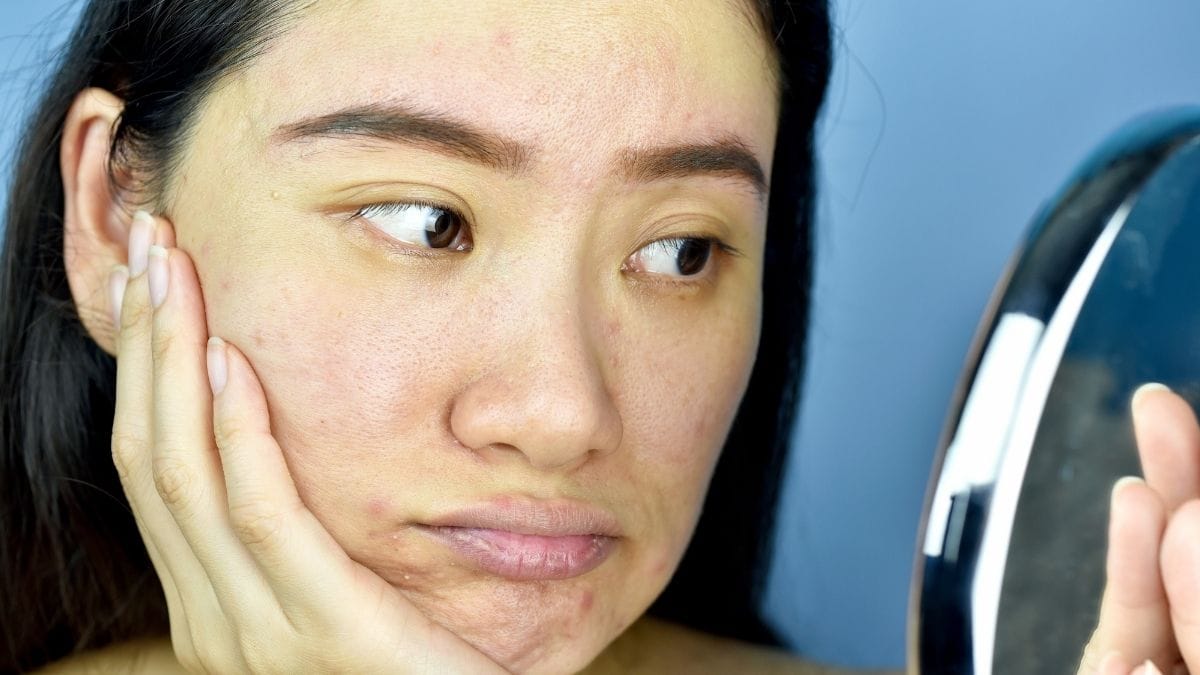
Your skin looks tired. It’s dry even when you drink water. A small scrape from last week still hasn’t fully closed. These aren’t random. They’re connected to protein.
Collagen is the most abundant protein in your body. It gives skin its firmness and bounce. When your protein intake is low, collagen production slows down. Skin starts to look dull, feel rough, or peel.
Cuts and scrapes rely on protein to rebuild skin cells. Without enough, healing slows down. You might also notice more skin sensitivity or small rashes appearing more often.
The common mistake here is drinking more water and blaming dry skin on dehydration. Water helps — but it can’t fix a protein shortage. Continental Hospitals notes that protein deficiency leads to dry, flaky, or peeling skin, plus delayed wound healing.
Fernanda Almeida, RDN, says every single cell in your body depends on protein to function. Your skin cells are no different.
Quick Tips:
- If a small cut takes more than 7–10 days to fully heal, review your protein intake — it may be too low
- Focus on whole food protein sources like fish, eggs, and legumes rather than protein powders for better skin support
7- Still Tired After 8 Hours of Sleep?

You slept 8 hours. You woke up tired. You’ve been tired for weeks. You don’t know why.
Protein helps your body make hemoglobin — the molecule in your red blood cells that carries oxygen. When protein is low, hemoglobin production drops. Less oxygen reaches your muscles and organs. The result is a deep, heavy tiredness that sleep doesn’t fix.
Your body also burns muscle for energy when it can’t get protein from food. That process is exhausting at the cellular level. It’s like running a car on fumes — it moves, but it’s struggling.
NCOA’s research (December 2025) points out that fatigue tied to protein deficiency gets regularly dismissed as just normal aging or a busy schedule. But it’s a nutritional problem with a nutritional fix.
The key difference: protein-related fatigue is chronic and consistent. You’re always tired — not just after a bad night.
Quick Tips:
- If fatigue is chronic and your sleep is fine, log your food for three days and check actual protein grams — not just calorie counts
- Eating a protein-rich snack before bed (like cottage cheese or a boiled egg) can support overnight recovery and reduce morning fatigue
Here’s Exactly How Much Protein You Need
Here’s the part most people skip — and it’s the most important.
The Dietary Guidelines for Americans 2020–2025 set the minimum at 0.8g of protein per kg of body weight.
That’s about 46g for women and 52–56g for men per day. But the updated 2025–2030 guidelines raise that target to 1.2–1.6g per kg — especially for people over 40 or anyone active.
For a 150-pound person, that means anywhere from 55g to 110g daily. Mayo Clinic recommends spreading it out as 15–30g per meal — not saving it all for dinner.
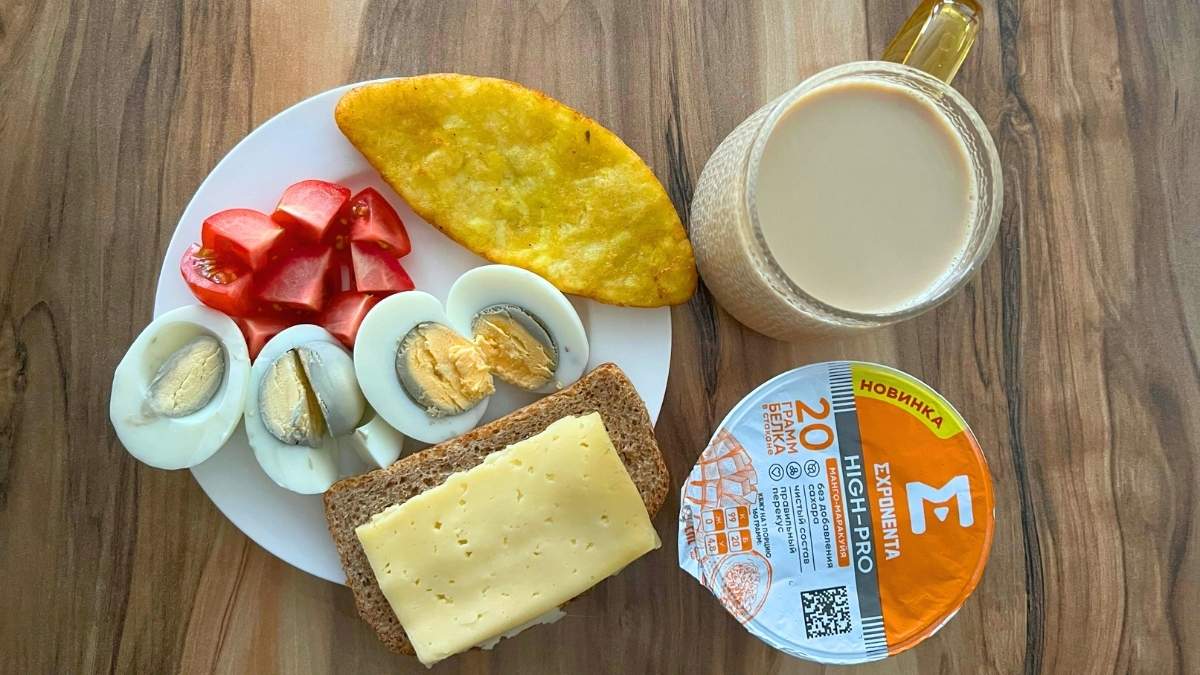
Here’s what that looks like in real food: 3 oz chicken breast gives you about 25g. One cup of Greek yogurt has 15–17g. Two eggs give you 12g. One cup of lentils has 18g. Cottage cheese (1 cup) gives you about 25g.
Quick Tips:
- Use Cronometer or MyFitnessPal free app to track protein for just 3 days — most people are surprised by how low the number actually is
- Aim to hit 20–30g of protein at breakfast first — it sets your blood sugar, mood, and energy for the whole day
A Final Note:
None of these seven signs show up overnight. They build slowly, quietly, and get blamed on everything except protein.
Pick the one sign that hit closest to home. Fix that first. Add protein to breakfast tomorrow. Track for three days. Small shifts in your plate create big shifts in how you feel.