
Your bones are losing density right now. That process starts in your 30s and speeds up after 50. Most people don’t find out until a fracture happens.
The good news? You don’t need hours at the gym to fix this. You don’t need expensive equipment either.
Research shows that short, focused workouts done three times a week can actually build bone density. This article shows you exactly what to do, why it works, and how to start today — even if you’ve never lifted a weight in your life.
What the Research Actually Says About Short Workouts
Here’s where things get exciting for busy people.
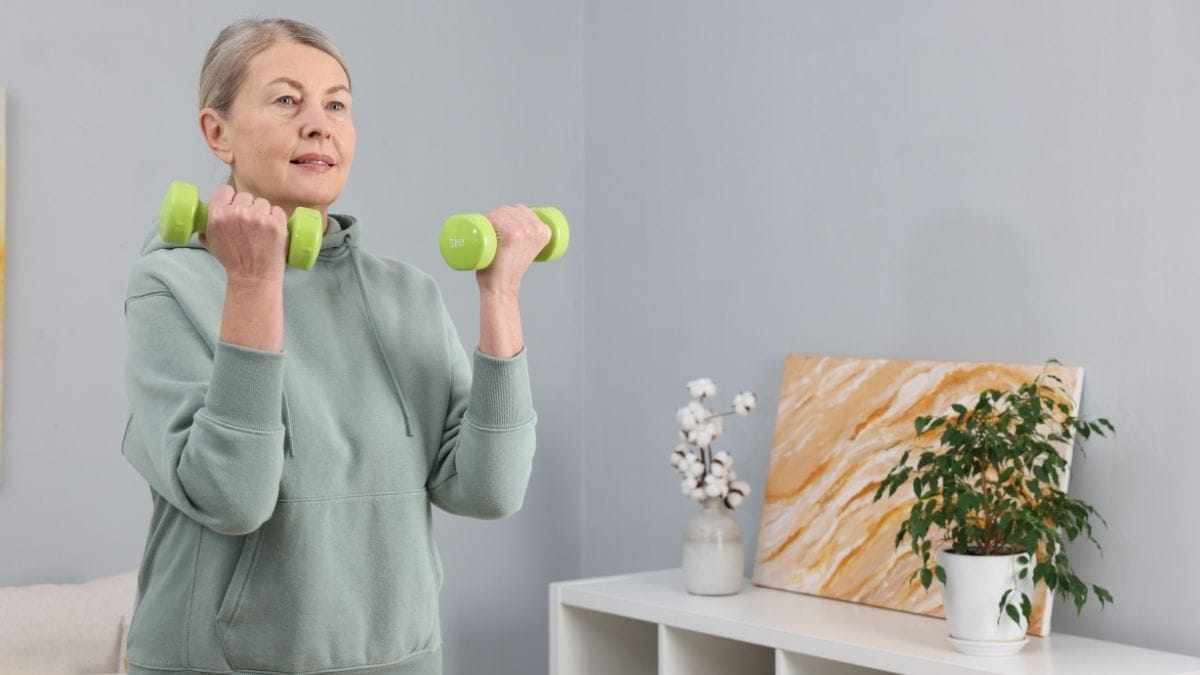
The LIFTMOR Trial is one of the most important bone studies ever done. Australian researchers had postmenopausal women with low bone density do twice-weekly, 30-minute sessions of high-intensity resistance and impact training.
The results? They showed significantly greater improvements in both hip and spine bone density compared to women who did low-intensity exercise.
The exercises were simple. Deadlifts, overhead presses, and squats. Five sets of five reps at high intensity. That’s it.
A January 2026 meta-analysis looked at 22 randomized controlled trials and confirmed that exercise significantly increased bone density at both the lumbar spine and the femoral neck — the two most common fracture sites.
And here’s another key finding. Premenopausal women who did just 10 to 20 high-impact jumps twice a day for four months significantly increased hip bone density. That took less than five minutes per session.
The research is clear. Intensity and consistency matter more than time.
The 15-Minute Bone-Building Workout (No Equipment Needed)
This routine takes 15 minutes and targets the three sites most likely to fracture: your hip, spine, and wrist.
Structure: 2-minute warm-up, 10 minutes of four exercises, 3-minute balance cool-down.
1. Squat Jump (or Bodyweight Squat):
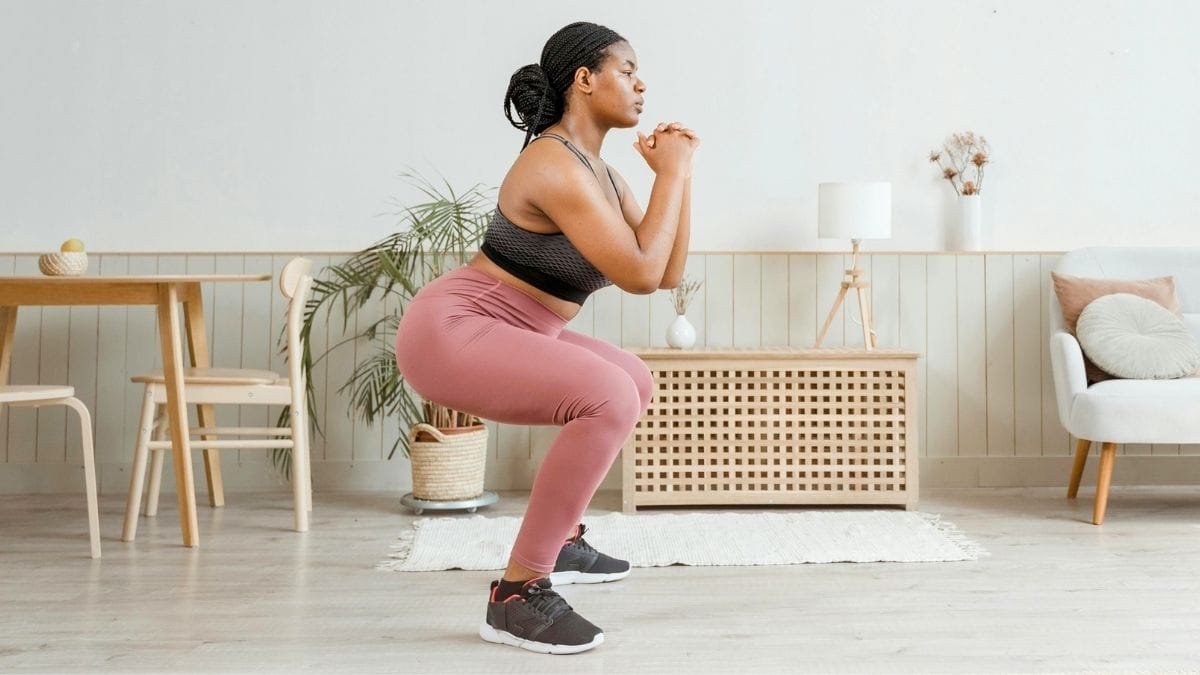
Three sets of 8 reps. Rest 30 seconds between sets. This loads your hip and spine directly. Beginners: hold a wall and squat slowly without jumping.
2. Push-Up (or Incline Push-Up):
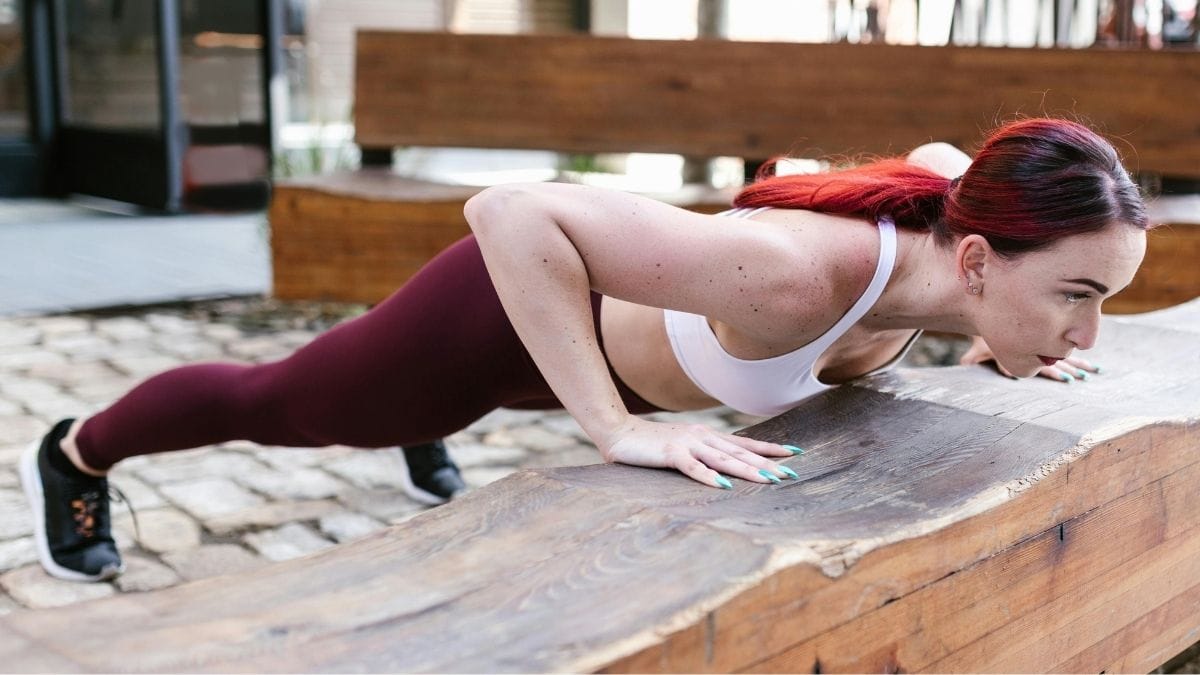
Three sets of 8–10 reps. This loads your wrist and forearm — common fracture spots in falls. Wall or table version works fine for beginners.
3. Hip Hinge (Bodyweight Deadlift):
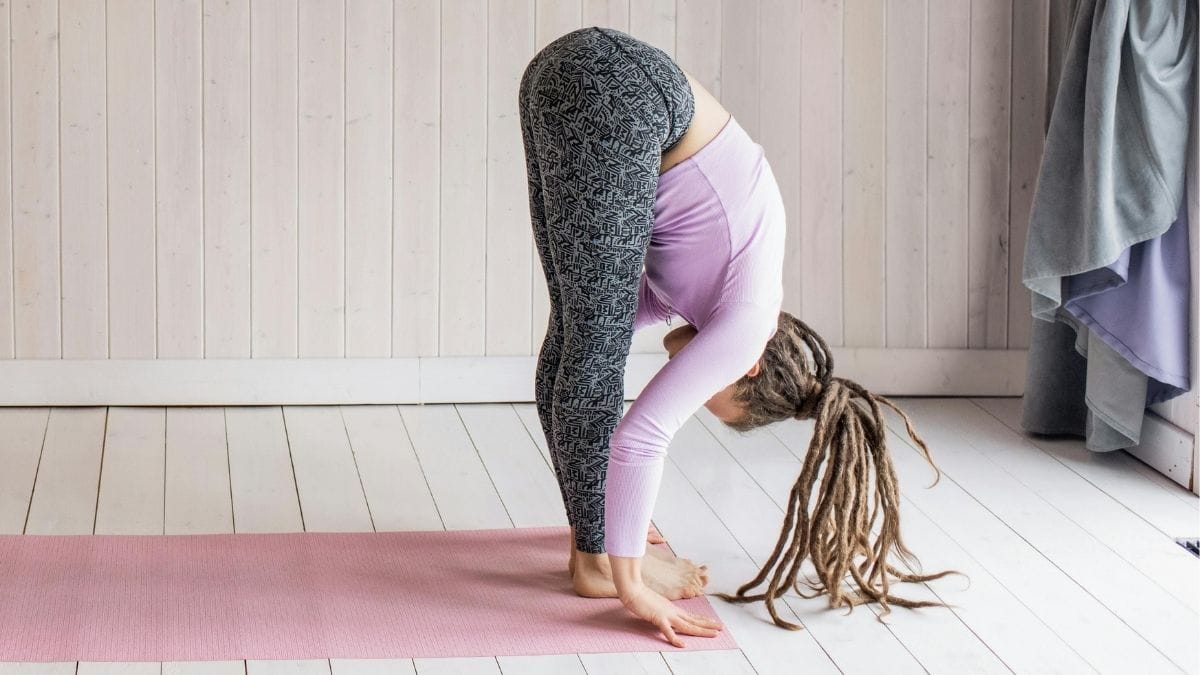
Three sets of 8 reps. Lower slowly over 2–3 seconds, stand up fast. This mirrors the LIFTMOR protocol and directly loads your spine and hips.
4. Lateral Hop (or Side Step-Touch):
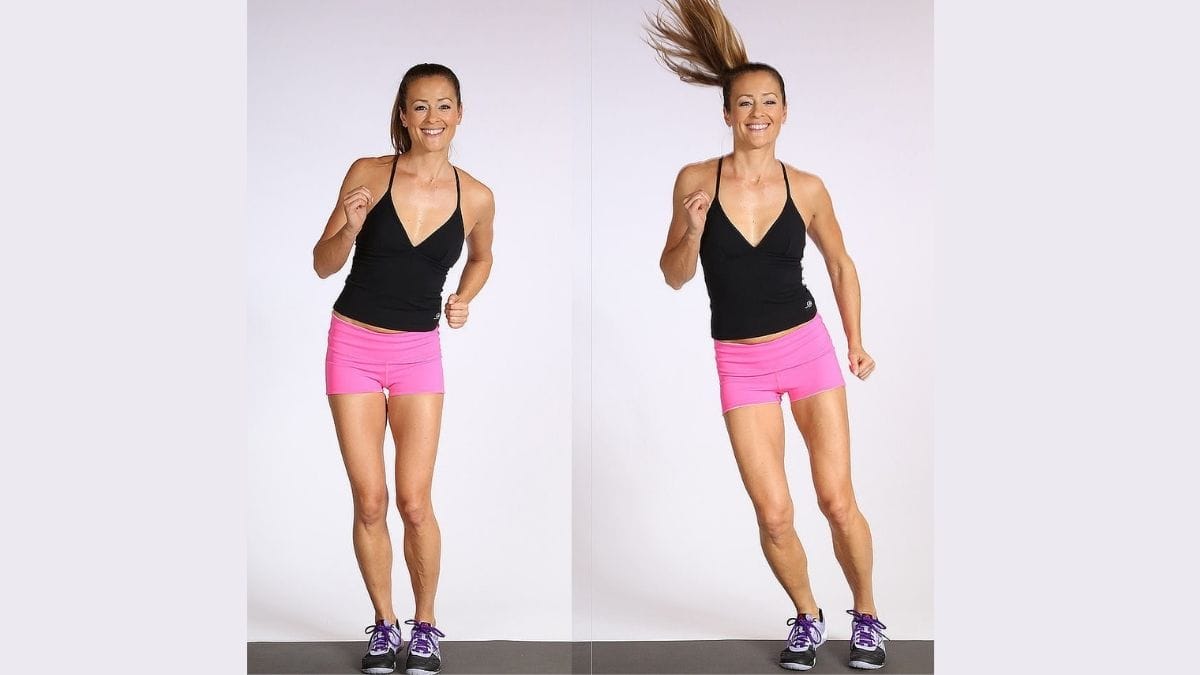
Three sets of 10 reps per side. Moving sideways builds hip bone density that forward-only exercises miss.
Cool-down: Hold a single-leg balance for 30 seconds each leg, three times. This reduces fall risk.
Do this three times a week. That’s all.
Who Should Be Careful Before Starting
Not everyone should jump straight into high-impact moves.
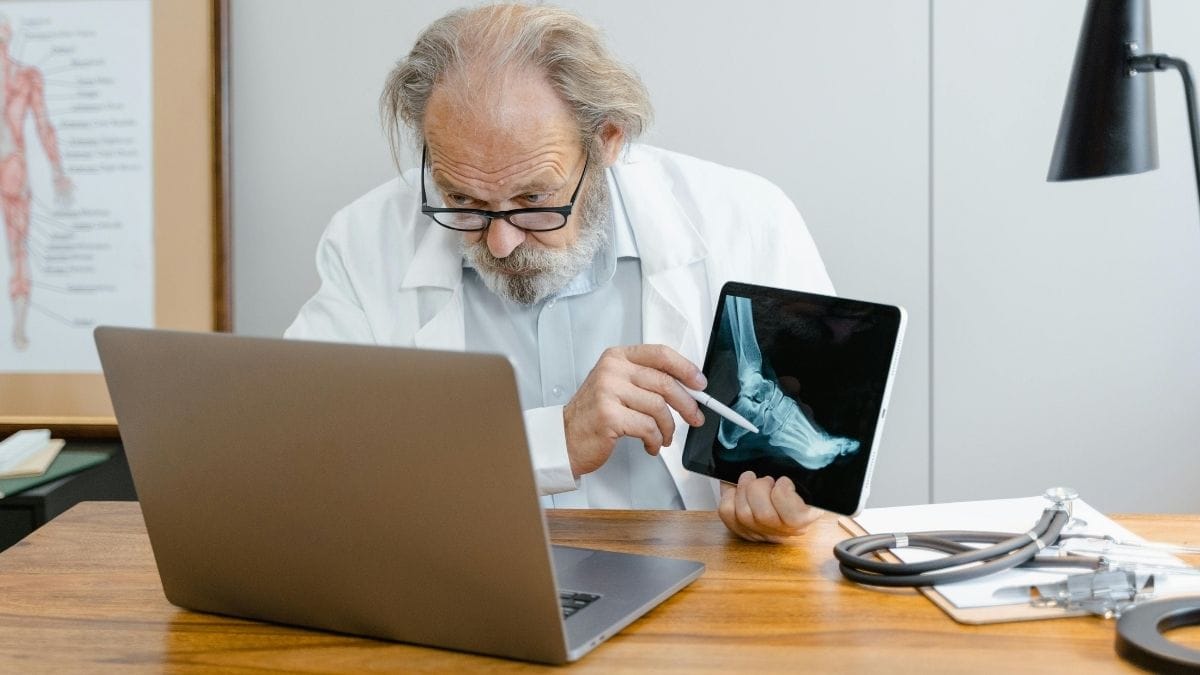
If your doctor has told you that you have osteoporosis — meaning a T-score below –2.5 — talk to them before adding jumping exercises to your routine.
Here’s the right order. Spend the first few months doing only resistance moves like squats, hip hinges, and push-ups. This builds the muscles around your hips and spine. Those muscles act as shock absorbers when you add impact later.
According to research cited by Duke University’s Department of Orthopaedic Surgery, building supportive muscles first protects your joints from the stress of jumping.
Also, skip the rebounder or trampoline if you think it’s helping your bones. Current research does not support the idea that trampoline bouncing increases bone mass.
A good first step for anyone over 45? Ask your doctor about a DEXA scan. It measures your actual bone density and gives you a starting point. From there, you know exactly what you’re working with.
How Long Before You Actually See Results?
Be honest with yourself. This is not a two-week fix.
Bone remodeling is a slow process. Measurable changes in bone density typically take six months to a year of consistent training. That’s not a reason to quit — it’s a reason to start now.
What you’ll notice sooner is better balance, stronger muscles, and more confidence moving around. Those changes happen within weeks and they matter just as much. Stronger muscles mean fewer falls. Fewer falls mean fewer fractures.
Research from Duke’s orthopaedic team confirms that meaningful bone benefits from impact training require at least six months to a year of regular effort.
The long-term payoff is worth it. Globally, one in three women over 50 and one in five men over 50 will experience an osteoporosis fracture. Consistent exercise is one of the most powerful ways to change those odds for yourself.
Track your progress with a DEXA scan every one to two years.
The End:
Bone density is built through load and consistency — not long workouts. Three 15-minute sessions per week, done regularly over months, can produce real, measurable results. Start with one session this week. Your bones respond to what you demand of them. Demand more, and they will deliver.