
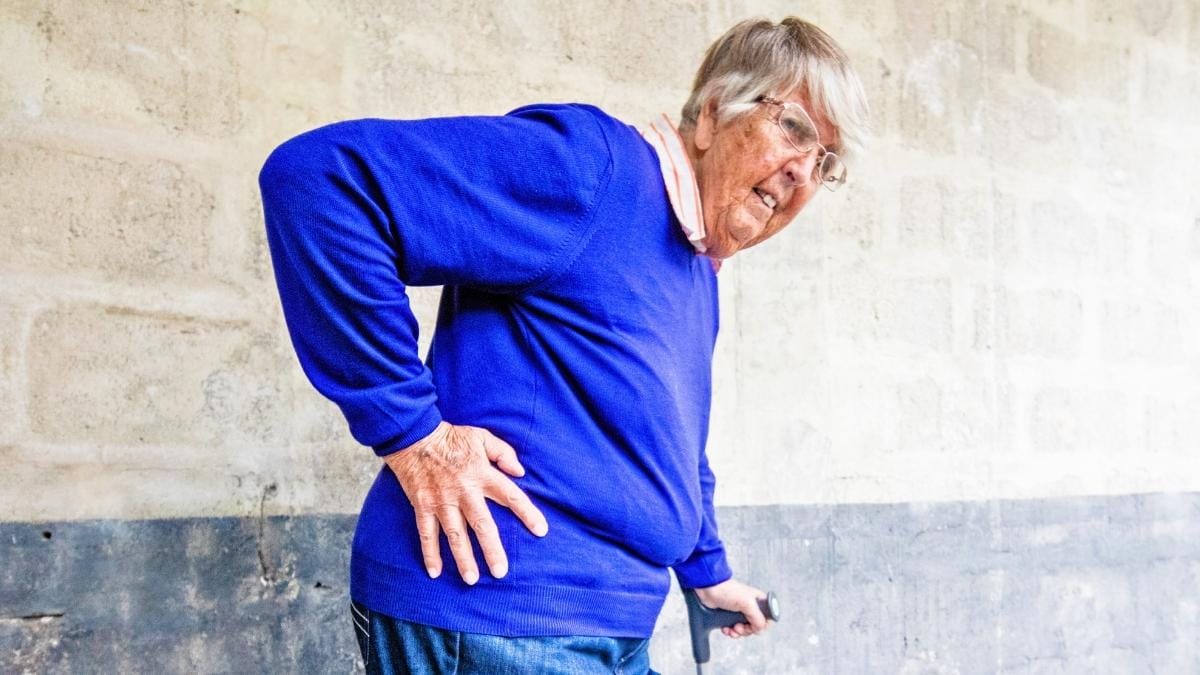
Most people find out they have weak bones only after something breaks. By then, the damage has been building for years. That’s the cruel part about bone loss. It gives you no warning.
You might think 65 is the age to worry about this. But bone loss starts much earlier. It happens quietly in your 40s and 50s, and you feel nothing.
Osteoporosis is called a silent disease for a reason. There are no aches, no signals, no obvious clues. The fracture is often the first sign.
But here’s the good news. There are 7 specific warning signs that mean you may need a bone density test right now, before you turn 65, and before a fracture forces the conversation. If any of these apply to you, it’s time to talk to your doctor.
What Is a Bone Density Test and Why Does Age 65 Mislead People?
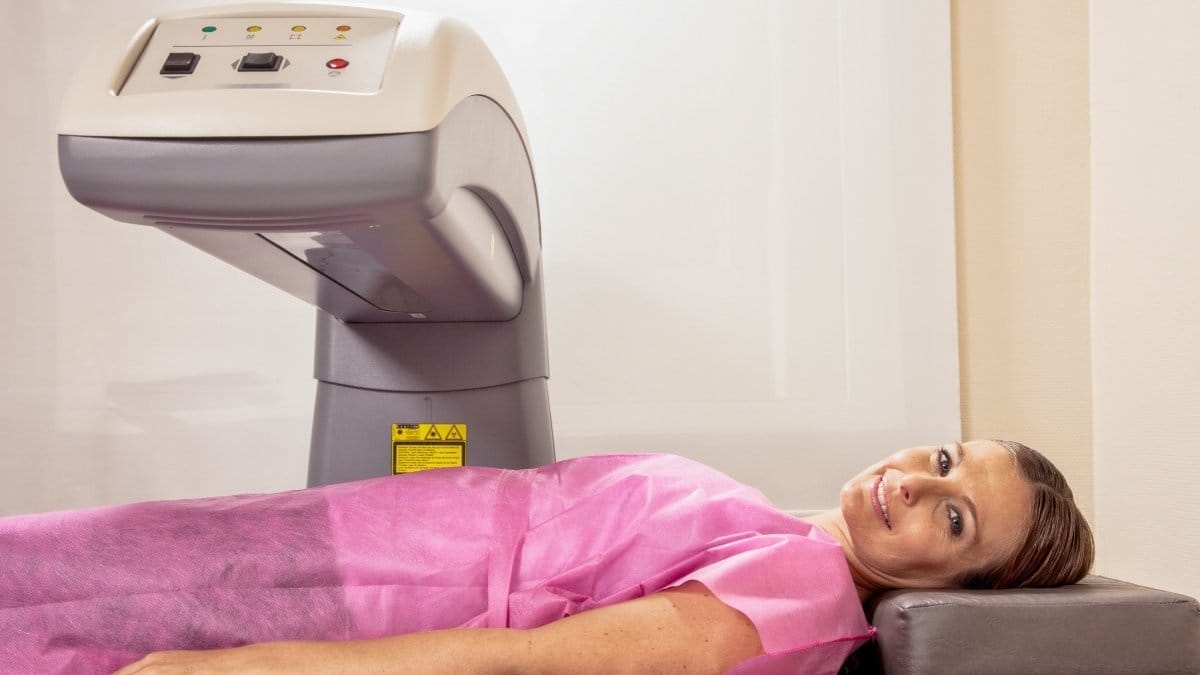
A bone density test, also called a DEXA scan, checks how strong your bones are. You lie on a padded table while a scanner moves slowly over your hips and spine. It takes 10 to 20 minutes. It’s painless and uses a very low dose of radiation, less than a cross-country flight.
The results give you a number called a T-score. That number tells you and your doctor where your bone health stands right now.
Here’s what most people get wrong. Age 65 is the minimum recommended age for routine screening. It is not the age to start paying attention. Bone loss in women speeds up dramatically in the four to five years around menopause, when estrogen drops fast.
If you wait until 65, you may have already lost years of bone strength that could have been protected. As one New York-Presbyterian bone specialist puts it: getting tested earlier gives doctors a real chance to slow the loss before it gets worse.
Point 1- You Went Through Early Menopause Before Age 45

Estrogen is one of your bones’ best protectors. When estrogen drops, bone loss speeds up. That’s a normal part of aging. But when it happens early, the damage starts earlier too.
Early menopause means your estrogen fell before age 45. This can happen naturally, from surgery, or as a side effect of certain medical treatments. No matter the cause, the result is the same. Your bones lose their protection years ahead of schedule.
This is one of the strongest risk factors for needing a bone density test well before 65. Mayo Clinic endocrinologists are clear on this. If you went through menopause in your 40s, a bone density test as early as age 50 may make sense, even if you’ve never broken a bone.
Don’t assume you’re too young. Your bones don’t wait for age 65 to start thinning. And the earlier a problem is caught, the more options you have to fix it.
Bottom line: early menopause is a direct reason to ask your doctor about a test now.
Point 2- A Parent or Sibling Broke a Hip
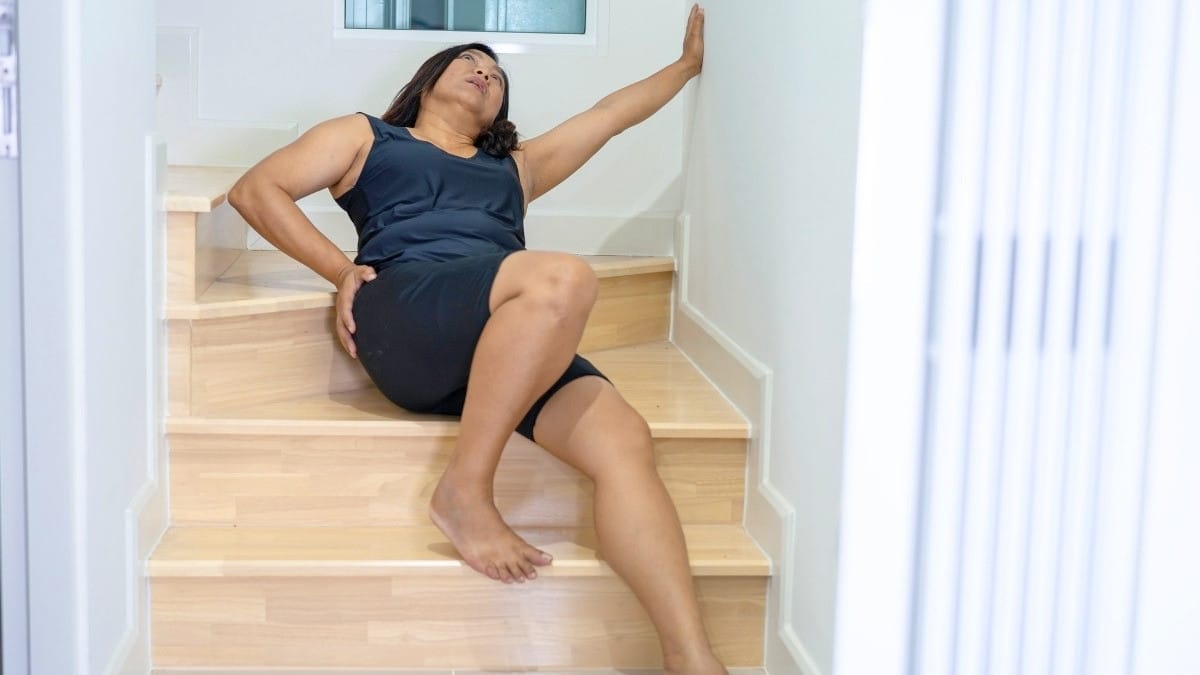
Your family history tells a story about your bones. If your mother or father broke a hip from a minor fall, not a car accident but a simple trip or stumble, that is a warning sign for you too.
Bone density runs in families. If a close relative had osteoporosis or a fragility fracture, your own risk is higher than average. This is true even if you feel completely fine right now.
The problem is that most people don’t connect the dots. They see a parent’s hip fracture as bad luck, not a signal about their own health. But doctors see it differently.
For women under 65, a family history of hip fracture or osteoporosis is one of the clearest reasons to get a bone density test earlier. You don’t need to wait for a fracture of your own to find out you share that risk.
Bottom line: if a parent or sibling broke a hip, bring it up at your next appointment. It may be enough to get you tested today.
Point 3- You’ve Been on Steroids or Certain Medications Long-Term

Some of the most common medications quietly thin your bones over time. Most people taking them have no idea.
Steroids like prednisone are the most well-known offenders. But the list is longer than most people expect. It also includes SSRIs (used for depression and anxiety), proton pump inhibitors or PPIs (used for acid reflux), some diabetes medications, seizure medications, and certain blood thinners.
If you’ve taken any of these for more than three months, your bone health may already be affected. This applies at any age, not just after 60.
The good news is that this risk is manageable. But you have to know about it first. Many people take these medications for years and never once discuss bone health with their doctor.
If you are on long-term medication, ask a simple question at your next visit: “Does this medication affect my bones?” That one question could change what happens next.
Bottom line: long-term medication use is a legitimate reason to request a bone density test at any age.
Point 4- You Broke a Bone from a Minor Accident After 50

Think about what it takes to break a healthy bone. A serious fall. A car accident. Real impact.
Now think about this: breaking a bone from a minor trip, bumping your wrist against a counter, or stepping off a curb wrong. That is called a fragility fracture. And it is one of the clearest signs that your bone density is already dangerously low.
The Bone Health and Osteoporosis Foundation is direct about this. Any fracture after age 50 from minor trauma should prompt immediate bone density screening, not a “let’s wait and see.”
Many people brush these fractures off. They chalk it up to clumsiness or bad luck. But a fracture from a force that shouldn’t have broken a bone is your body sending a loud message.
You do not need to wait for another fracture. One is enough reason to act.
Bottom line: if you’ve broken a bone after 50 from a small accident, skip the waiting and ask for a DEXA scan now.
Point 5- You’ve Lost More Than an Inch of Height
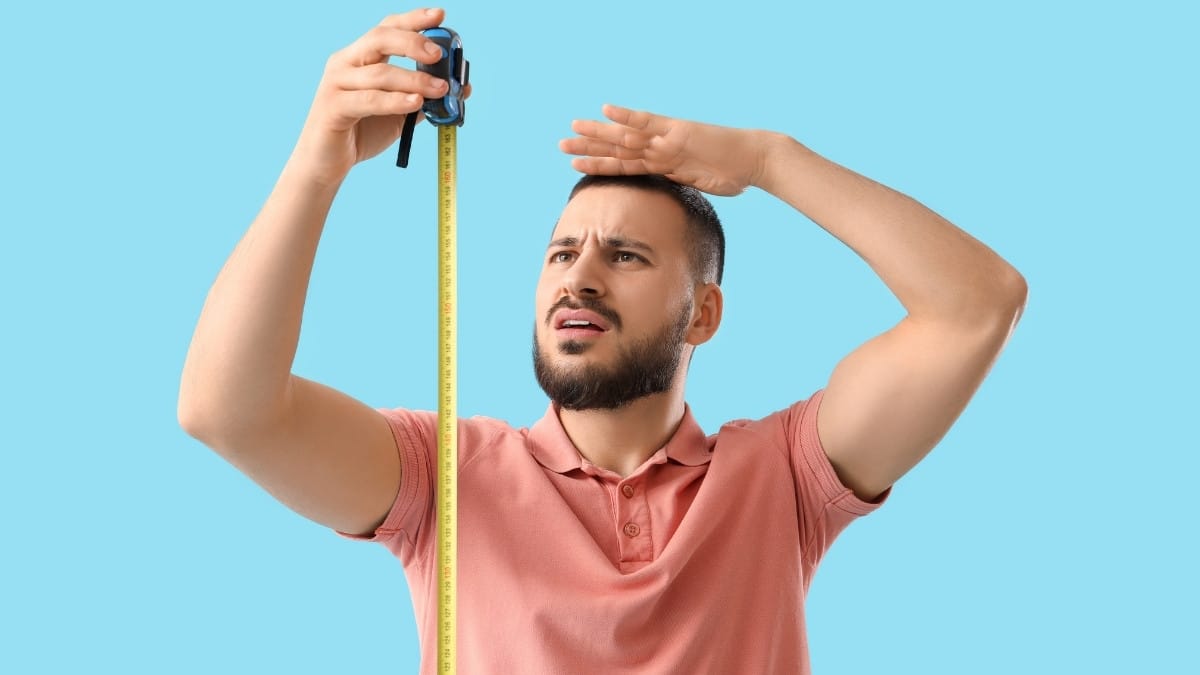
When did you last measure your height?
Most adults stop measuring after their 20s. But gradual height loss is one of the most overlooked early signs of bone loss in the spine. And by the time you notice it, the damage may already be done.
Here is what happens. The bones in your spine, your vertebrae, can develop small compression fractures. These fractures can happen without any sharp pain. Your spine slowly compresses, and you get shorter.
A height loss of 1.5 inches or more is a flag that warrants medical attention. Penn Medicine notes that in some cases, people can lose up to six inches from spinal compression caused by bone loss.
The simple fix is to measure yourself once a year. Stand straight against a wall, no shoes, and write it down. Compare it year over year. Even a one-inch drop is worth mentioning to your doctor.
Bottom line: shrinking is not just a part of getting older. It can mean your spine needs attention now.
Point 6- You Have a Chronic Condition That Affects Bone Health
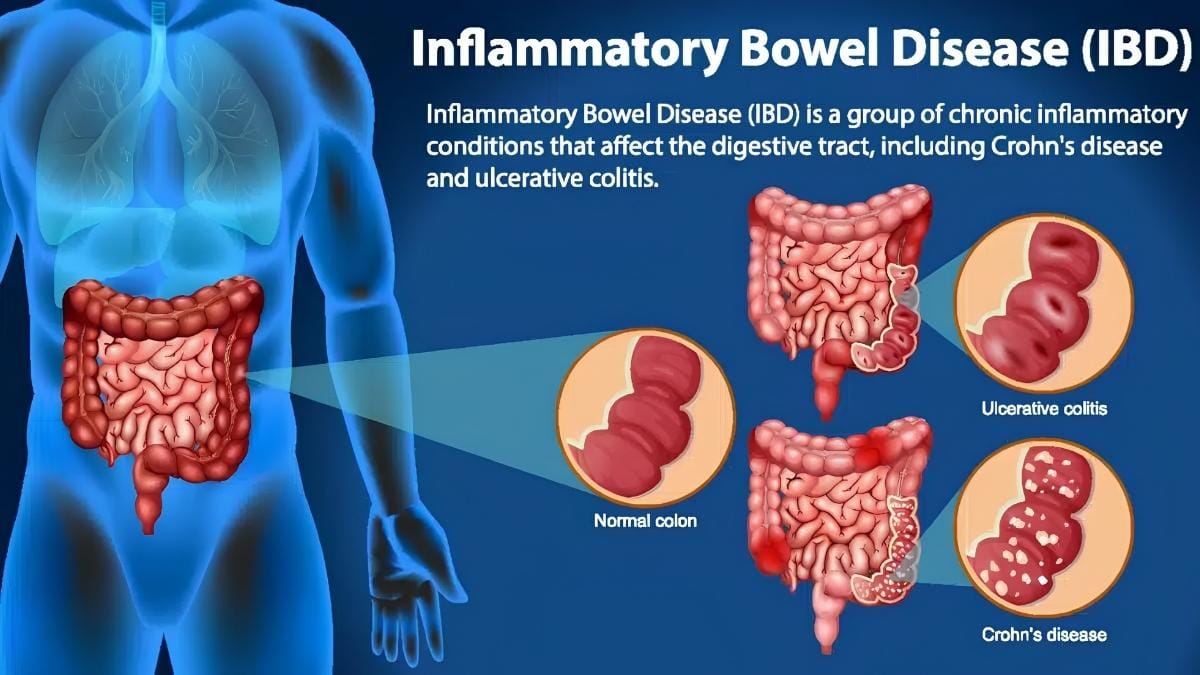
Some health conditions change how your body absorbs the minerals that keep bones strong. If you have one of these conditions, your bones may be losing density faster than normal, even if you eat well and stay active.
The conditions that raise bone loss risk include rheumatoid arthritis, celiac disease, inflammatory bowel disease (like Crohn’s or colitis), Type 1 diabetes, kidney disease, liver disease, lupus, and an overactive thyroid.
What these conditions have in common is that they interfere with calcium absorption, increase inflammation, or disrupt the hormones that manage bone building.
If you’ve been diagnosed with any of these, bone health should already be part of your regular health conversations. But often it isn’t. Doctors focus on the primary condition and bone density falls off the list.
You may need to bring it up yourself.
Bottom line: a chronic condition diagnosis puts you in a higher-risk group. Ask your doctor directly whether you need a bone density test based on your specific condition.
Point 7- You Notice Stooped Posture, Back Pain, or Brittle Nails
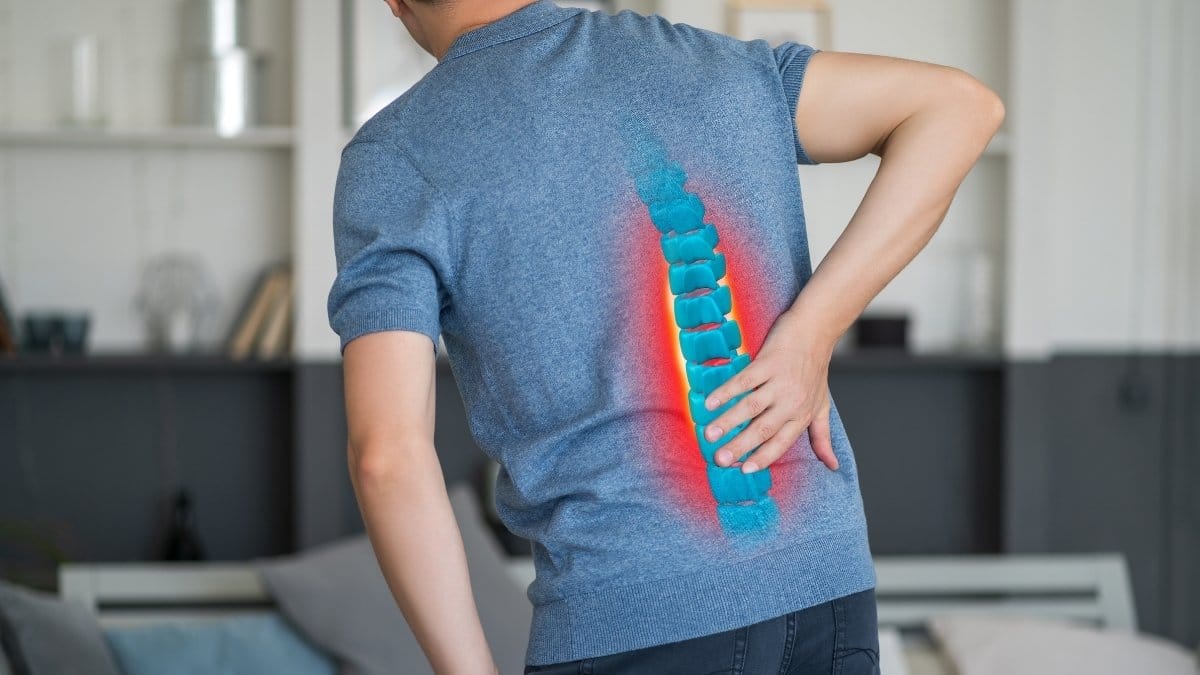
Some signs are hiding in plain sight.
Have you noticed your upper back starting to curve forward? That forward hunch, sometimes called a dowager’s hump, can be a sign of spinal bone loss. It doesn’t always hurt. It can develop so slowly that you barely notice it until someone mentions it or you see a photo of yourself.
Unexplained back or neck pain is another clue. If you have chronic pain without an obvious cause, it may trace back to small compression fractures in your spine.
Then there are the smaller signals. Brittle nails that break easily, nails with vertical ridges, and receding gums can all point to a mineral imbalance in your body. These aren’t definitive proof of bone loss, but they’re worth paying attention to.
None of these signs alone mean you have osteoporosis. But if you have one or more of them, combined with any other signs on this list, it’s worth a conversation.
Bottom line: your body gives quiet hints. Don’t ignore them.
What Happens During a Bone Density Test?
If this list made you nervous, here’s the reassuring part.
A DEXA scan is one of the easiest medical tests you’ll ever take. You lie fully clothed on a padded table. A scanning arm passes slowly over your hips and spine. You don’t go inside a tube. There’s no needle. There’s no pain. The whole thing takes 10 to 20 minutes.
Wear comfortable clothing with no metal zippers, snaps, or buttons. Avoid calcium supplements for 24 hours before the scan. That’s about all the preparation needed.
Your results come back as a T-score. Here’s what it means:
- -1.0 or above: Normal bone density
- -1.0 to -2.5: Osteopenia, which means low bone mass but not yet osteoporosis
- -2.5 or below: Osteoporosis
A low score doesn’t mean disaster. It means you now have a number, a baseline, and a starting point for a plan. That’s far better than finding out after a fracture.
The Bottom Line
Bone loss gives you no warning on its own. But these 7 signs do. Early menopause, family history, long-term medications, a fragility fracture, height loss, a chronic condition, or posture changes.
Any one of these is reason enough. At your next appointment, ask your doctor: “Should I have a bone density test now?” One conversation could protect the next 30 years.