
Something has changed, and you’ve noticed it. A name that should come easily doesn’t.
A word sits just out of reach. Adults over 50 who worry about memory often look for answers in the right place: what they eat every day.
The MIND diet foods for memory are a research-backed eating pattern built around 10 specific foods tied to better recall and a lower risk of Alzheimer’s disease. A landmark study of nearly 1,000 older adults found that even people who followed it only moderately well were associated with about a 30 percent lower risk of Alzheimer’s disease.
This article names every one of those 10 foods, explains what the research actually says about each one, and shows you how to fit them into meals you already make.
What the MIND Diet Foods for Memory Actually Are
You’ve probably heard that what you eat affects your brain. The MIND diet is where that idea gets specific.
MIND stands for Mediterranean-DASH Intervention for Neurodegenerative Delay.
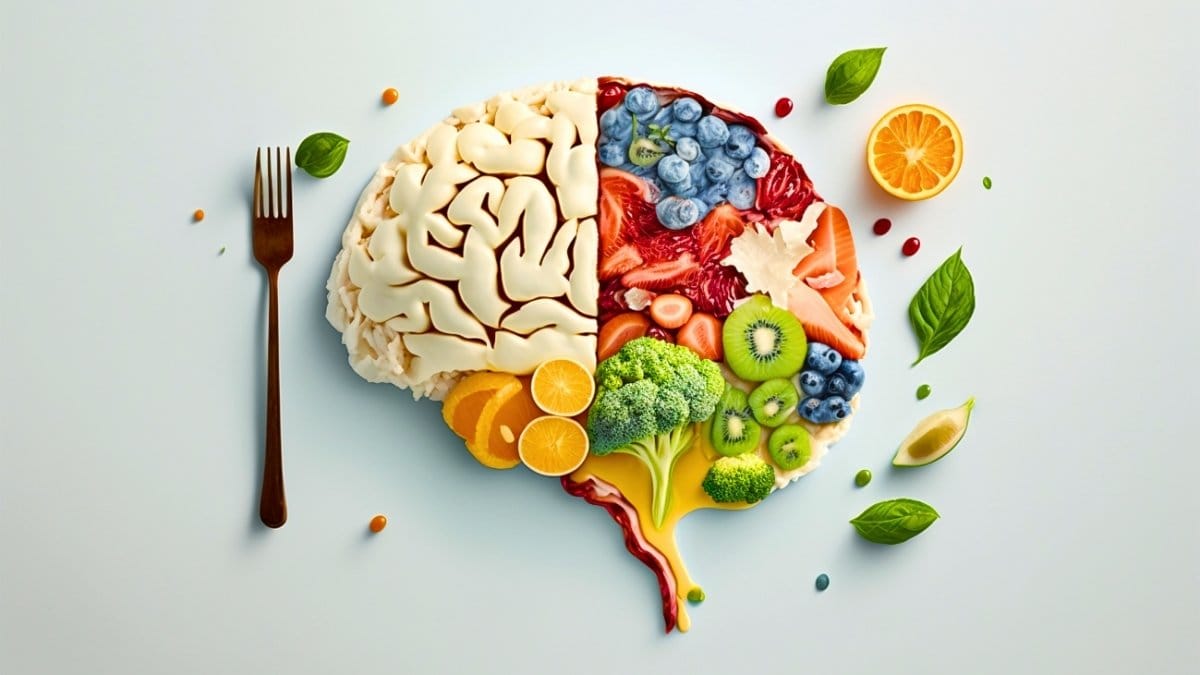
Researchers at Rush University Medical Center created it in 2015 by combining the Mediterranean and DASH diets, then focusing that combination specifically on foods shown to protect brain health as people age.
In the original study, 923 adults between the ages of 58 and 98 were followed for an average of 4.5 years.
People who followed the MIND diet most closely were associated with up to a 53 percent lower risk of Alzheimer’s disease. People who followed it moderately well were associated with about a 30 percent lower risk.
That second number matters because the Mediterranean and DASH diets, both proven for heart health, only showed protective brain benefits when followed strictly. The MIND diet is the only one that held up even when people didn’t follow it to the letter.
A separate 4.7-year study of 960 older adults found that those with the highest MIND diet scores showed cognitive performance equivalent to being 7.5 years younger than those with the lowest scores.
The section right after this one names the three foods the MIND diet asks for every single day, and two of them probably already sit in your kitchen.
If you take medications or manage a chronic condition, check with your doctor before making significant changes to your eating pattern.
The Daily-Plate Foods: Leafy Greens, Whole Grains, and Olive Oil
You don’t have to eat perfectly to protect your brain: even moderate MIND diet followers were associated with about a 35 percent lower risk of Alzheimer’s disease.
If you only change three things about how you eat, make them the foods in this section.
Food 1: Green Leafy Vegetables
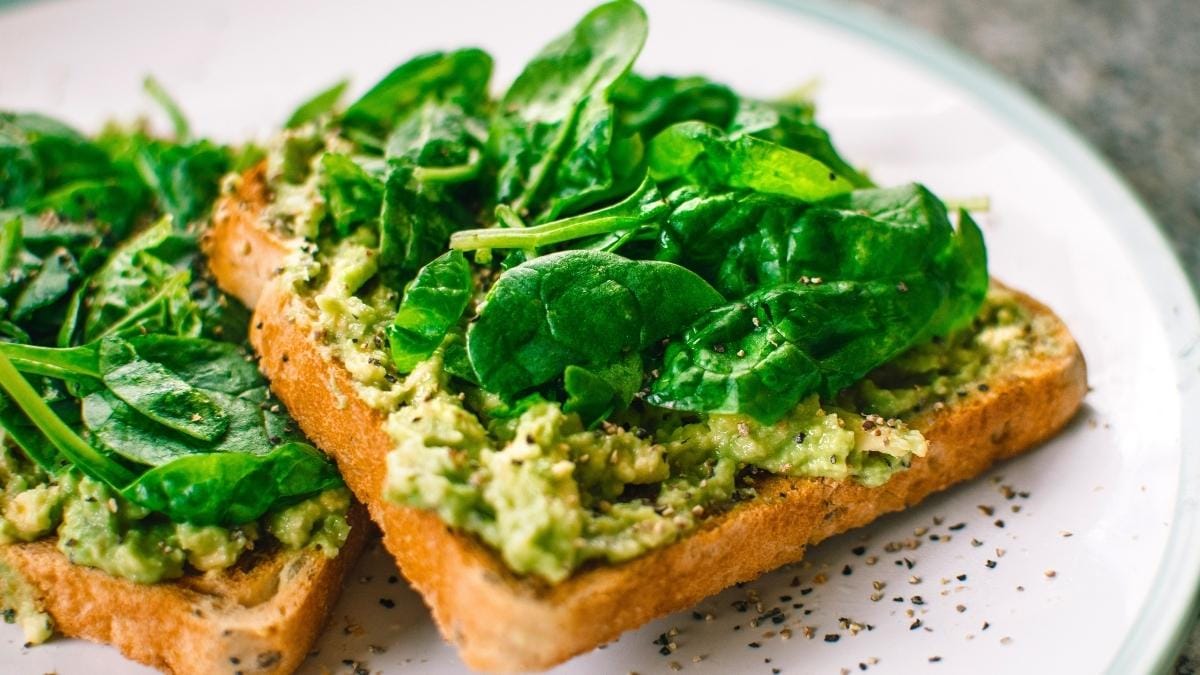
Your brain may show the benefit of eating greens more than almost any other organ in your body. The MIND diet asks for six or more servings of leafy greens per week, with at least one serving every day.
A 5-year study followed 960 adults between the ages of 58 and 99, tracking both their diets and their scores on cognitive tests.
Those who ate the most leafy greens showed a slower rate of cognitive decline than those who ate the least. The difference was equivalent to being 11 years younger, cognitively.
Researchers linked this benefit to specific nutrients in greens: vitamin K [a fat-soluble vitamin involved in brain cell signaling and protection], lutein [a plant pigment associated with slower cognitive aging], folate [a B vitamin that supports healthy brain cell function], and beta-carotene [an antioxidant associated with reduced cognitive decline].
A half-cup of cooked spinach counts as one serving. Toss it into eggs, stir it into soup, or layer it on a sandwich.
Food 2: Whole Grains
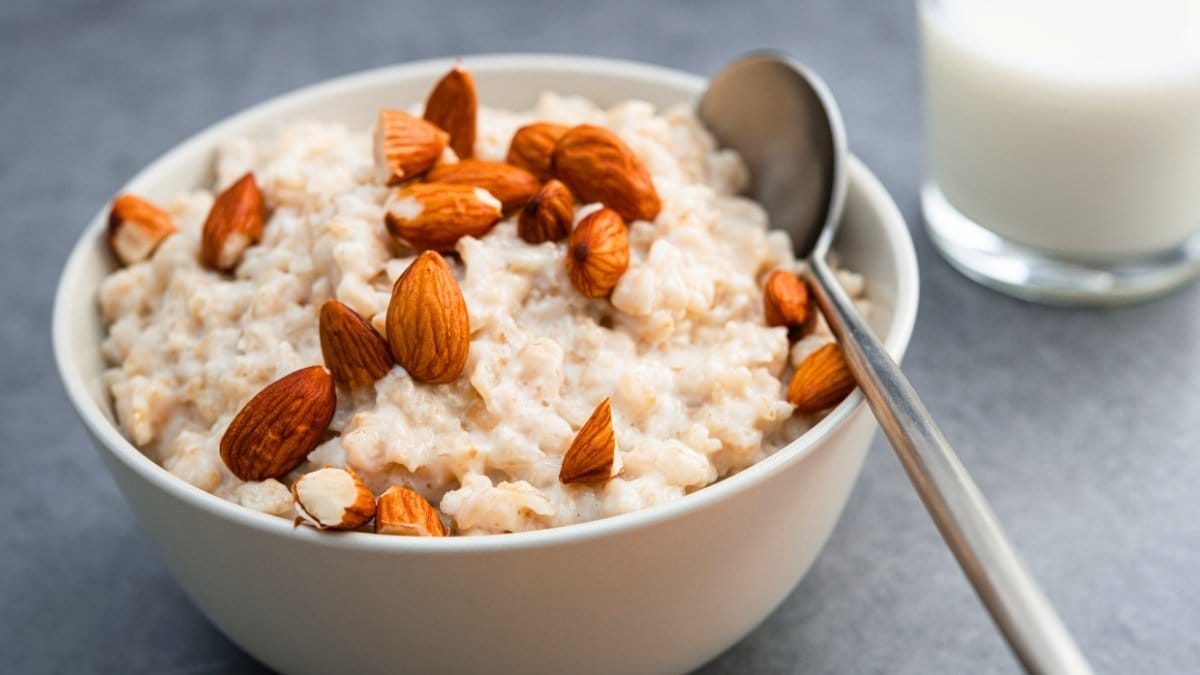
The MIND diet recommends three servings of whole grains every day. That means oatmeal, brown rice, whole-wheat bread, or whole-wheat pasta.
A study in Neurology that followed 3,326 older adults found that whole grain consumption was associated with slower cognitive decline.
Low-glycemic index [foods that release sugar into the blood slowly, helping you avoid energy spikes and crashes] carbohydrates are associated with sustained attention and mental energy.
You’ve probably felt the difference between a steady morning and one that drops off after breakfast. Whole grains are part of what determines which kind of day you have.
One bowl of oatmeal at breakfast and two slices of whole-wheat toast cover all three servings without a second thought.
Food 3: Extra Virgin Olive Oil
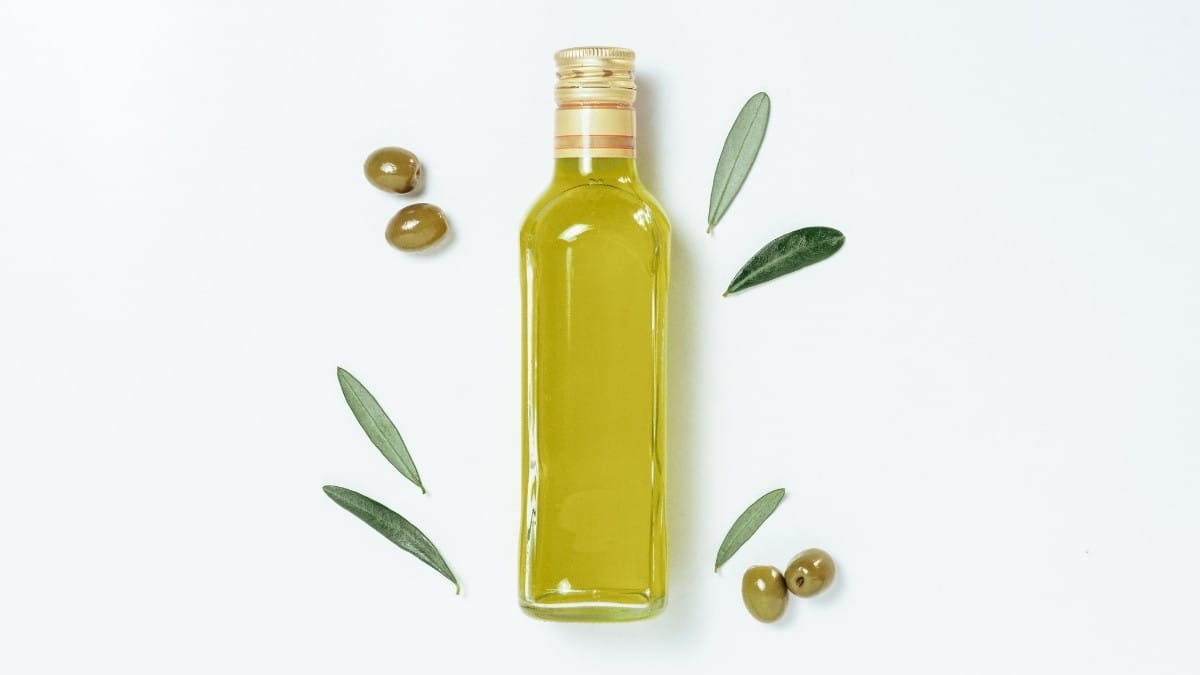
The MIND diet asks you to use olive oil as your main cooking fat, not occasionally, but as your default.
Epidemiological [large-scale studies that track health patterns in populations over time] research has found that consuming olive oil rich in phenolic compounds [natural plant chemicals that act as antioxidants and may reduce brain inflammation] is associated with a lower risk of neurodegenerative diseases and better cognitive performance in older adults.
Phenolic compounds in extra virgin olive oil may reduce oxidative stress [damage caused to cells when harmful molecules called free radicals outpace the body’s ability to neutralize them], a key driver of brain aging.
The next section covers the twice-a-week foods, and one of them is backed by a study result that surprises most people.
The Twice-a-Week Foods: Berries and Poultry
Two servings of each, every week. Both are easy to find, easy to prepare, and already in most people’s kitchens.
Food 4: Berries
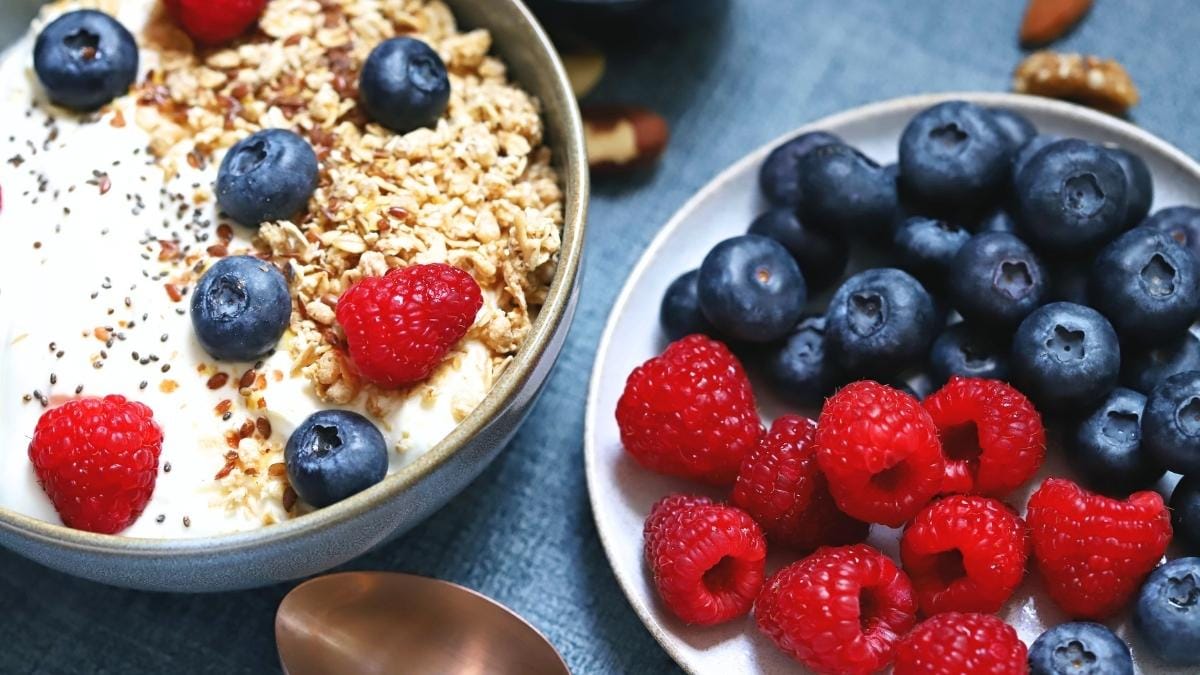
Berries are the fruit the MIND diet names by name. Blueberries and strawberries appear most often in the research, and the target is at least two servings per week.
In a small preliminary study of nine older adults with early memory changes, participants drank wild blueberry juice daily for 12 weeks.
By the end, they showed improved word list recall and improvements in paired associate learning: the kind of memory used when you connect a name to a face.
Researchers linked the effect to anthocyanins [a class of plant pigments found in dark-colored berries that have antioxidant and anti-inflammatory properties].
Note that this was a small, preliminary study with nine participants, and the findings point to a promising direction rather than a firm conclusion.
Larger studies on flavonoid-rich berries and cognitive function in adults aged 60 and older have reported similar patterns.
One cup of fresh or frozen berries counts as one serving. Add them to your morning oatmeal or stir them into plain yogurt twice a week.
Food 5: Poultry
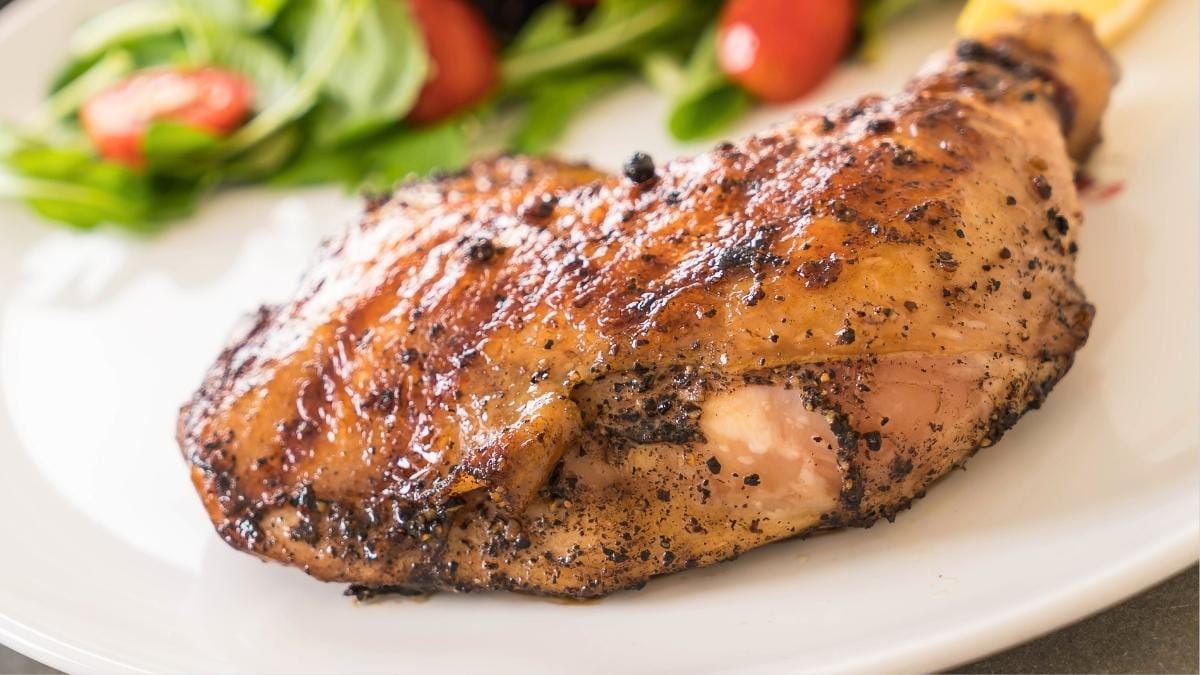
Chicken and turkey count here, and the target is two servings per week, used as a substitute for red meat.
Poultry is a source of folate and B vitamins [a group of nutrients that help convert food into energy and support nervous system function, including vitamin B6 and B12].
Low B-vitamin levels and elevated homocysteine [an amino acid in the blood that, at high levels, is associated with cognitive decline and brain atrophy in older adults] have been linked to faster cognitive decline in studies of aging men and women.
Associative language applies here: the link is between B vitamin levels and cognitive outcomes, not a controlled trial showing that eating poultry directly prevents decline.
A grilled chicken thigh, a turkey sandwich on whole-wheat bread, or a simple stir-fry covers the weekly target.
The next group of foods includes the one scientists say may offer the most brain protection per serving of anything on the MIND diet list.
Callout block: The MIND Diet Quick-Add Guide
Your Weekly Shopping List
Save this for your next grocery run!
The Once-or-More Foods: Fatty Fish, Beans, and Nuts
You’re almost at the full 10, and one food in this section may offer the most protection per serving of anything on the list.
Food 6: Fatty Fish
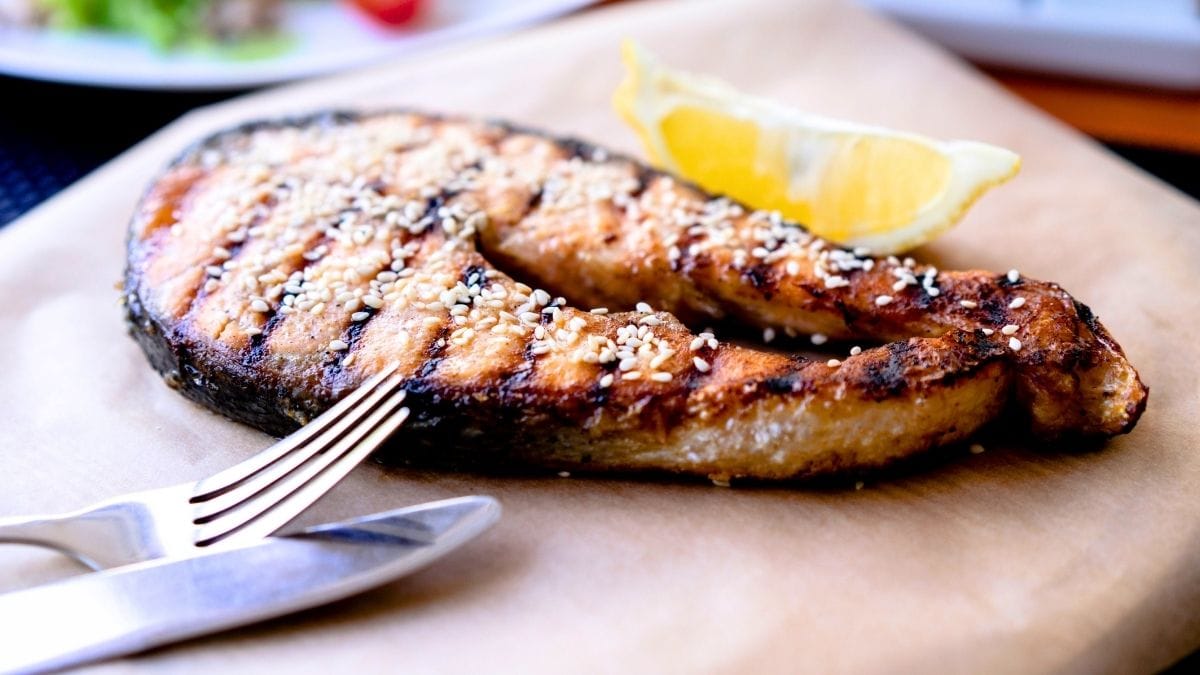
Salmon, tuna, sardines, mackerel, and trout are the fish the MIND diet points to. The target is one or more servings per week.
A cross-sectional study using NHANES data from 3,123 adults aged 60 and older found that fish consumption and dietary omega-3 polyunsaturated fatty acids [healthy fats that support brain cell membrane structure and are linked to reduced inflammation in the brain] were associated with better scores on tests of immediate recall, delayed recall, and executive function.
As an observational study, this shows an association, not a direct cause. Canned tuna in water, a salmon fillet, or sardines on whole-wheat toast all count toward the weekly target.
Food 7: Beans and Legumes
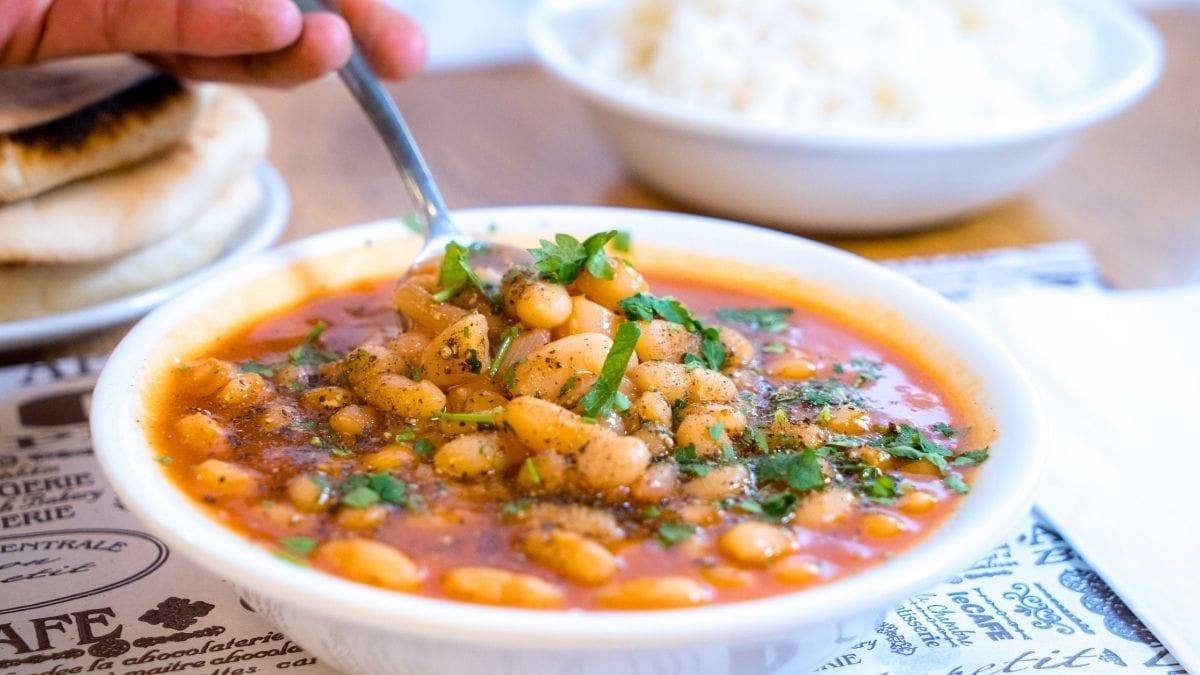
If you eat soup, tacos, or salads a few nights a week, hitting the MIND diet’s bean target is easier than it sounds.
Beans are rich in fiber, which feeds the beneficial bacteria in your gut.
Research has found that the gut-brain axis [the two-way communication network between your digestive system and your brain, linked through nerves, hormones, and immune signals] may play a role in cognitive health.
Animal research on resistant starches from beans and lentils suggests a possible neuroprotective effect, but human studies have not confirmed this finding.
The fiber and B-vitamin content of beans align closely with the nutrients associated with cognitive health throughout the broader MIND diet research.
Foods 8, 9, and 10: Nuts, Walnuts, and Other Vegetables
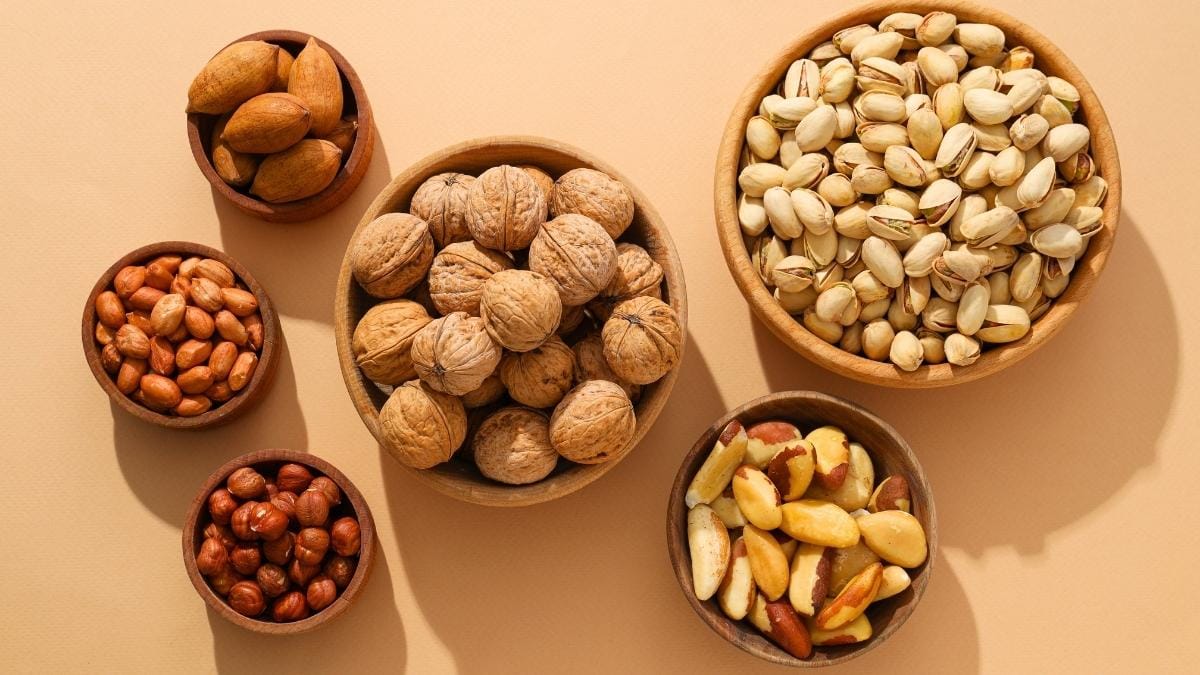
Nuts are the MIND diet’s most versatile daily food. The target is five or more servings per week, a small handful each time, from any type of nut.
A study drawing on data from 15,467 women aged 70 and older found that those who ate five or more servings of nuts per week had cognitive performance scores equivalent to being two years younger than women who rarely ate nuts.
Walnuts stand out because they’re a rich source of alpha-linolenic acid [an omega-3 fatty acid that the body uses as a building block for DHA, the primary omega-3 found in the brain].
Food 10 is simply “other vegetables”: one serving per day of any non-starchy vegetable beyond your leafy greens.

Broccoli, carrots, bell peppers, and zucchini all count, and the next section tells you which foods to pull back on: the list is shorter than most people expect.
The Five Foods the MIND Diet Asks You to Eat Less Of
This list is shorter than most people expect, and nothing on it is banned.
The MIND diet framework identifies five food categories to limit, based on their association with higher saturated and trans fat intake.

- Butter and margarine: less than one tablespoon per day
- Cheese: fewer than one serving per week
- Red meat: fewer than four servings per week
- Fried and fast food: fewer than one serving per week
- Pastries and sweets: fewer than five servings per week
None of these foods are off-limits. The MIND diet is built on pattern, not perfection.
If you currently eat red meat five nights a week, shifting to three and replacing the other two with poultry or fish is a meaningful MIND diet move. If you swap your usual cooking oil for extra virgin olive oil most of the time, that counts.
The research that produced the 35 percent Alzheimer’s risk reduction was from people who didn’t follow the diet strictly. They just followed it more than they had before.
The next section shows how to make those shifts in a single week, without changing everything at once.
Your First MIND Week Without Overhauling Your Kitchen
Most new eating patterns fail because they demand too much change too fast. The MIND diet doesn’t require that.
Here’s a simple, realistic first week based on the 10 foods and their recommended frequencies.
Your Weekly Habit Board
Simple swaps, sorted by how often you do them.
Greens, One MealSpinach or kale in eggs, soup, pasta, or a smoothie.
Olive Oil OnlyMake it your default cooking fat.
3 Whole GrainsOatmeal, whole-wheat bread, brown rice or pasta.
Berries at BreakfastA cup of berries on two mornings.
Swap the MeatReplace one beef or pork meal with chicken or turkey.
Fatty FishCanned tuna or salmon — just five minutes.
Beans, One MealLentil soup, chickpeas in salad, or a bean taco.
Swap Chips for NutsA small handful of walnuts or mixed nuts instead.
That’s a MIND diet week. It fits inside the food you already buy, the meals you already make, and the time you already have. The goal is not a perfect score. It’s a better pattern than last week.
Summary
Start with one change today: add a handful of leafy greens to your next meal.
Add at least one MIND diet food to each meal this week, starting with that daily serving of greens, and build from there.
The research is consistent: following these MIND diet foods for memory, even imperfectly, is associated with real, measurable differences in how sharp the brain stays with age.
You don’t need a perfect diet. You need a better pattern.