
If you hit the afternoon slump every day by 2 PM, reach for your third coffee before lunch, or feel like stress is physically weighing you down, your body might be dealing with chronic low-grade inflammation.
Here’s what’s really happening. Your body is stuck in fight mode. Chronic inflammation runs 24/7, draining your energy and messing with your mood. It raises your risk for heart disease, diabetes, and depression.
But you can break this cycle with the right foods.
In this guide, you’ll learn exactly which foods fight inflammation naturally. We’ll show you how to boost your energy without coffee or sugar.
I am truly hopeful that I am giving you an interesting lesson on how to live a good life.
Why Your Body Won’t Stop Fighting Itself
You wake up tired. You drag through the day. By afternoon, your brain feels foggy and your body feels heavy. This happens because your immune system is stuck in attack mode.
Here’s how it works. Your immune system creates inflammation to fight off germs and heal injuries. That’s normal and helpful. But sometimes, inflammation keeps going even when there’s no threat. This is chronic inflammation.
Stress makes this worse. When you’re stressed, your body pumps out cortisol. High cortisol triggers more inflammation. More inflammation creates more stress. You’re trapped in a loop that wrecks your energy and mood.
Your gut takes the biggest hit. Inflammation damages your gut lining, making it harder to absorb nutrients. The good news? Your gut can heal in about 28 days with the right foods. Research shows people feel real changes within a month.
10 Foods That Stop Inflammation and Boost Your Energy
These aren’t magic pills. But they work because science proves it. Add these foods to your meals, and your body will respond. Here’s what to eat.
1. Fatty Fish (Salmon, Sardines, Mackerel)
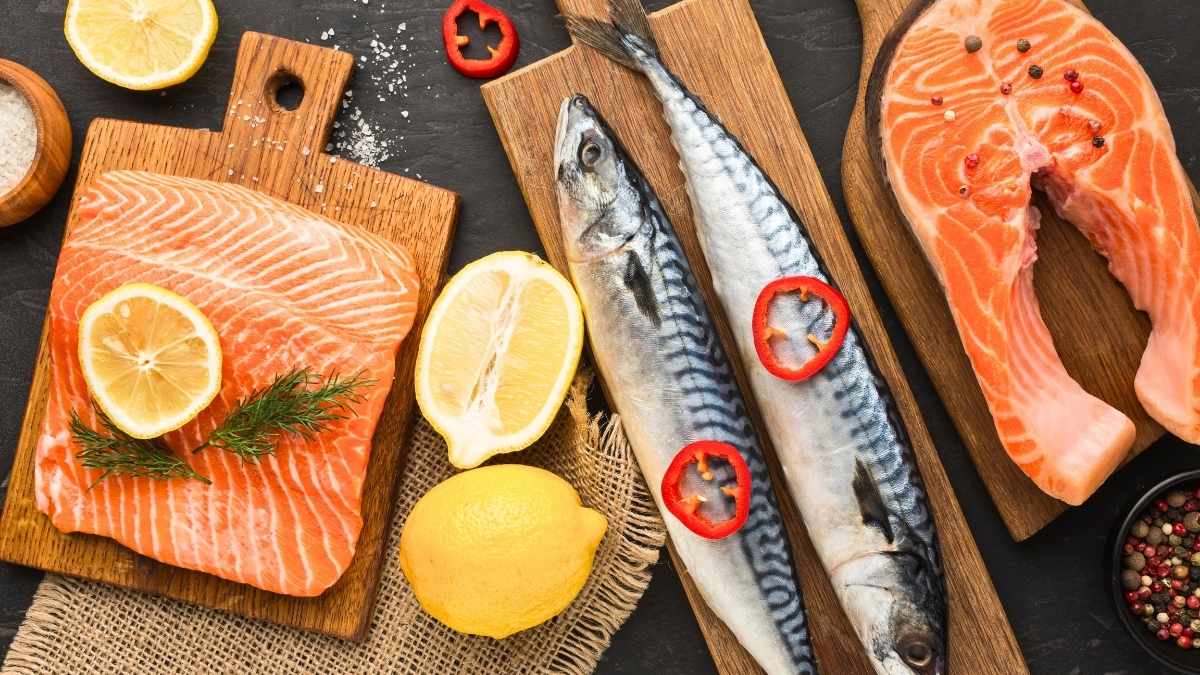
Fatty fish contains omega-3 fatty acids called EPA and DHA. These support your heart and hormone system while giving you more energy. Research on older adults shows omega-3 supplements increase resting metabolism by 14%. They also help you burn more energy during exercise.
Eat fish twice a week. Grill salmon with lemon. Add sardines to salads. Mix canned mackerel into pasta. Your body will thank you.
2. Berries (Blueberries, Blackberries, Raspberries)
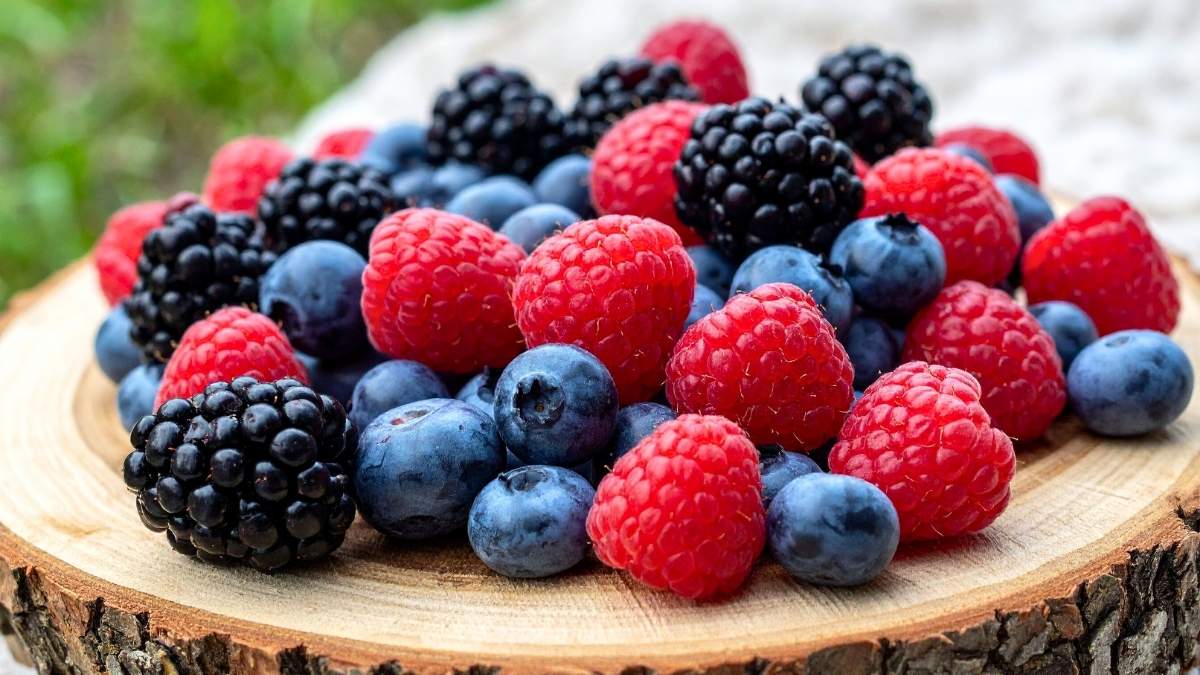
Berries contain anthocyanins—natural compounds that lower your stress hormone cortisol. A 2024 study found that people who drank anthocyanin-rich mulberry milk daily had lower cortisol and better mental health. Blueberries pack 100-200mg of anthocyanins per 100g.
Add berries to your morning oatmeal. Blend them in smoothies. Snack on a handful in the afternoon. They taste good and fight stress.
3. Leafy Greens (Spinach, Kale, Swiss Chard)
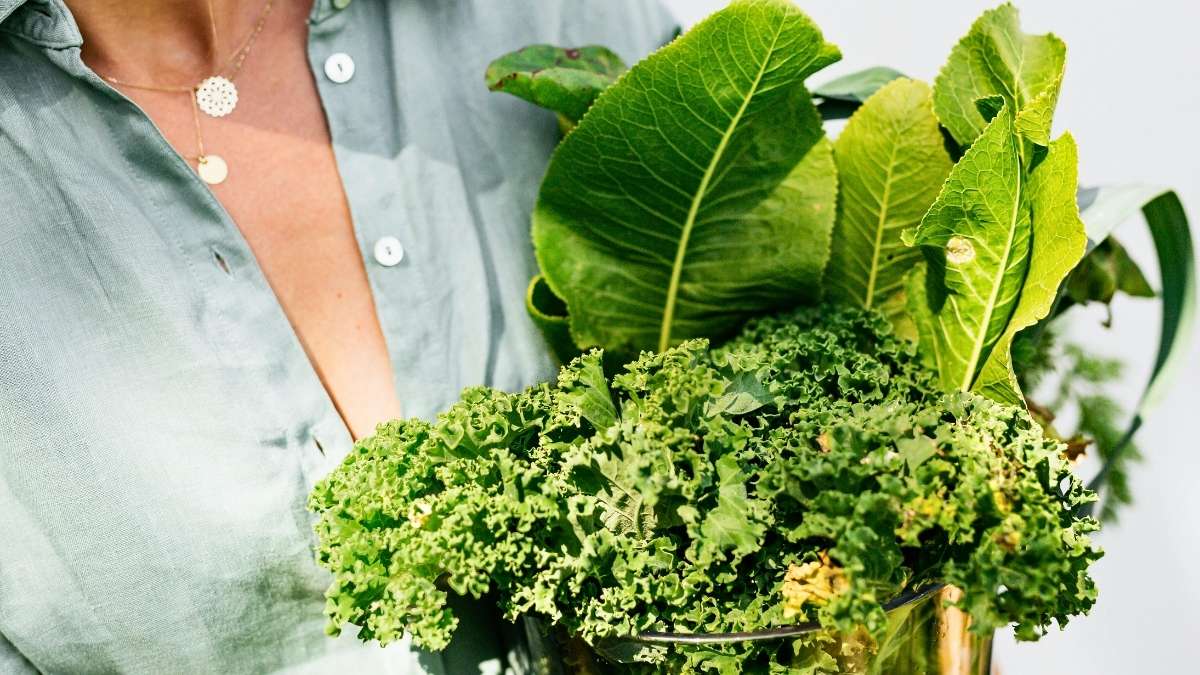
These greens are loaded with magnesium. Magnesium helps your body break down cortisol and makes you feel calmer. They also feed the good bacteria in your gut, which produce compounds that fight inflammation.
Throw spinach in your eggs. Make a kale salad for lunch. Sauté Swiss chard with garlic. Aim for at least one serving daily.
4. Extra Virgin Olive Oil
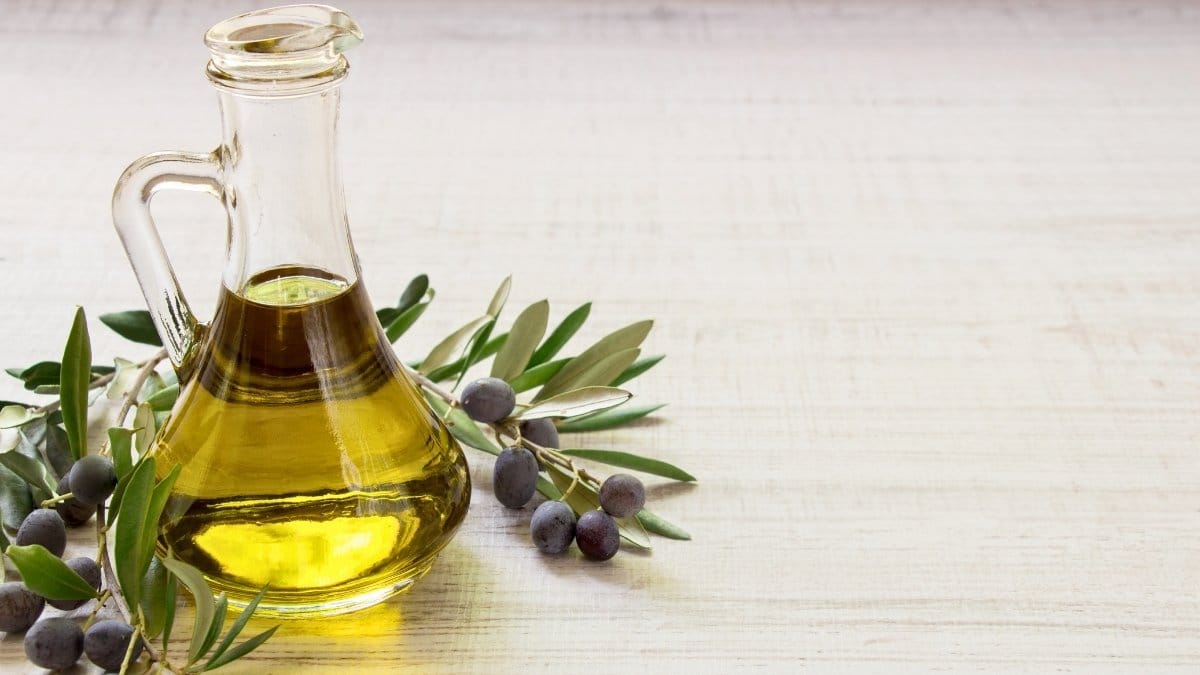
Olive oil contains healthy fats and polyphenols that stop inflammation. It’s the main fat in the Mediterranean diet, which doctors call one of the healthiest eating patterns on Earth.
Drizzle it on salads. Use it for cooking instead of butter. Dip whole-grain bread in it. Buy the real stuff—check the label for “extra virgin.”
5. Nuts and Seeds (Walnuts, Almonds, Chia Seeds)
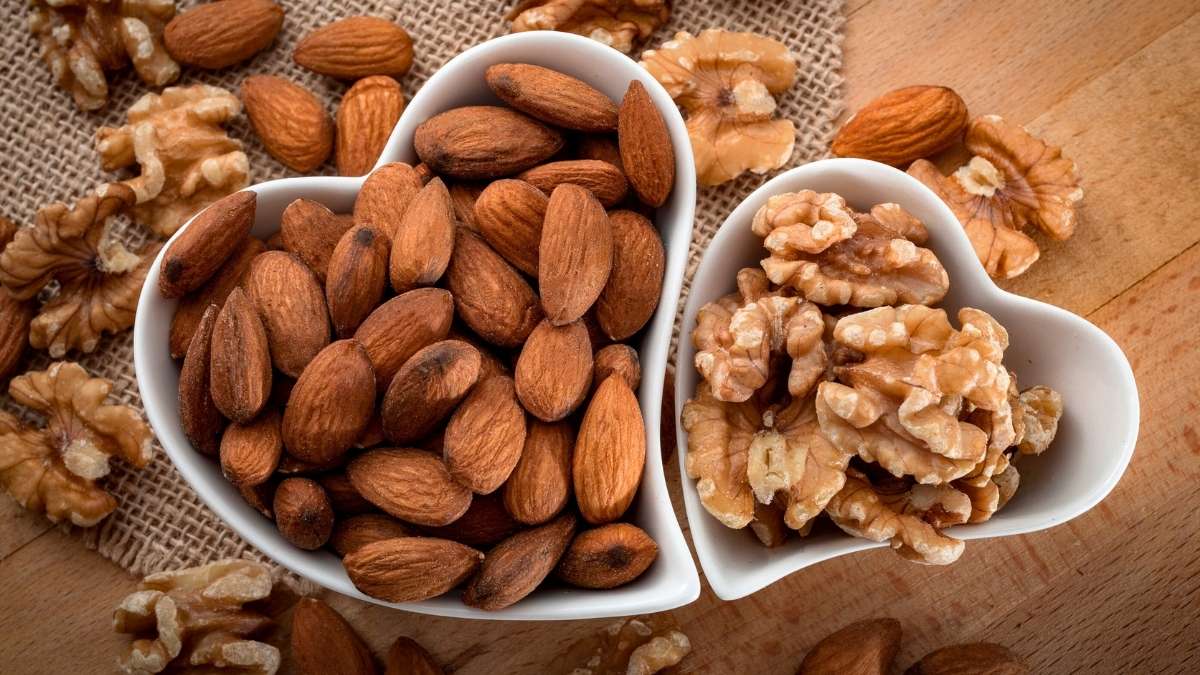
Eating nuts reduces inflammation markers in your blood and lowers your risk of heart disease and diabetes. Walnuts contain plant-based omega-3s called ALA that your body converts to energy.
Keep a bag at your desk. Add almonds to yogurt. Sprinkle chia seeds on everything. A small handful daily is enough.
6. Turmeric and Ginger
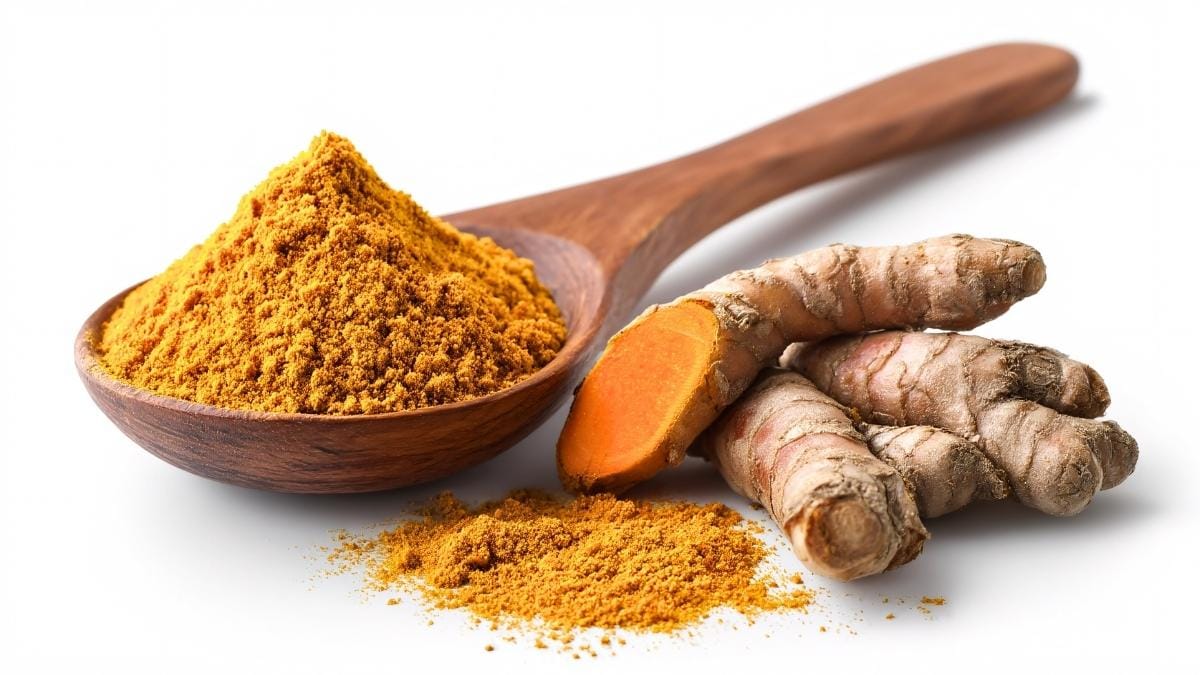
Turmeric works on your hippocampus—the part of your brain that controls stress hormones. Both spices are powerful inflammation fighters that have been used in medicine for thousands of years.
Add turmeric to scrambled eggs or rice. Brew fresh ginger tea. Use both in curry dishes. A little goes a long way.
7. Green Tea
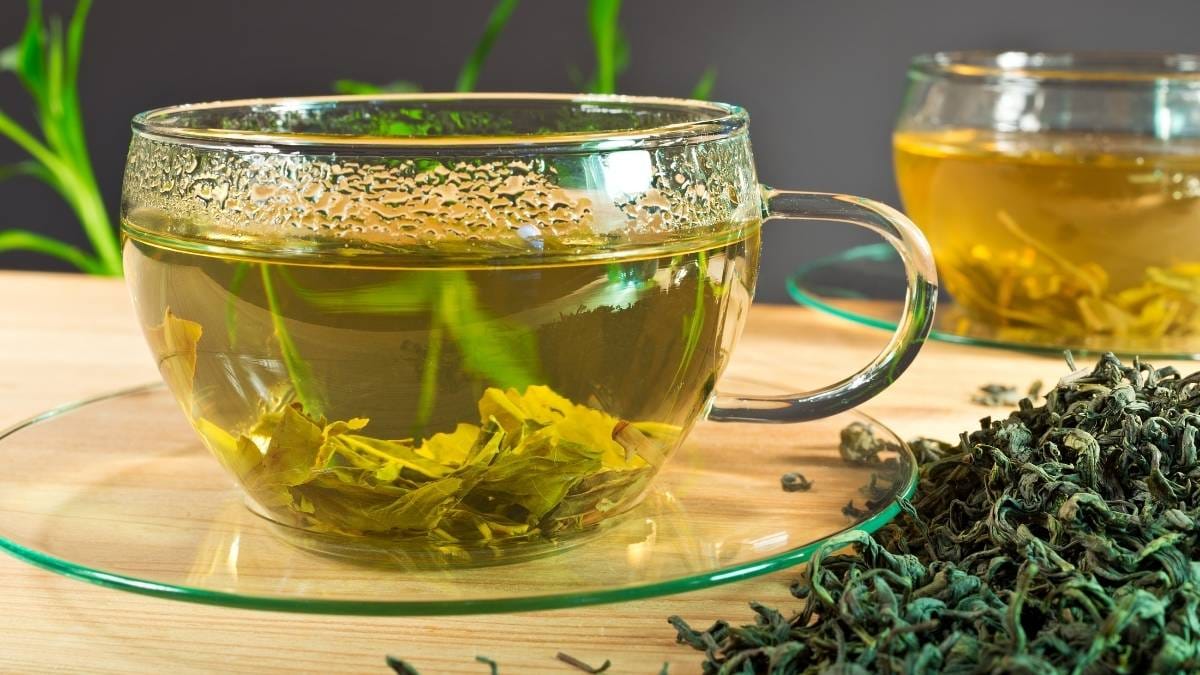
Green tea is packed with polyphenols—compounds that reduce inflammation. Unlike coffee, it gives you steady energy without the jitters or crashes.
Drink 2-3 cups daily. Try it hot or iced. Add a squeeze of lemon for extra antioxidants. Skip the sugar.
8. Dark Chocolate (70%+ Cacao)
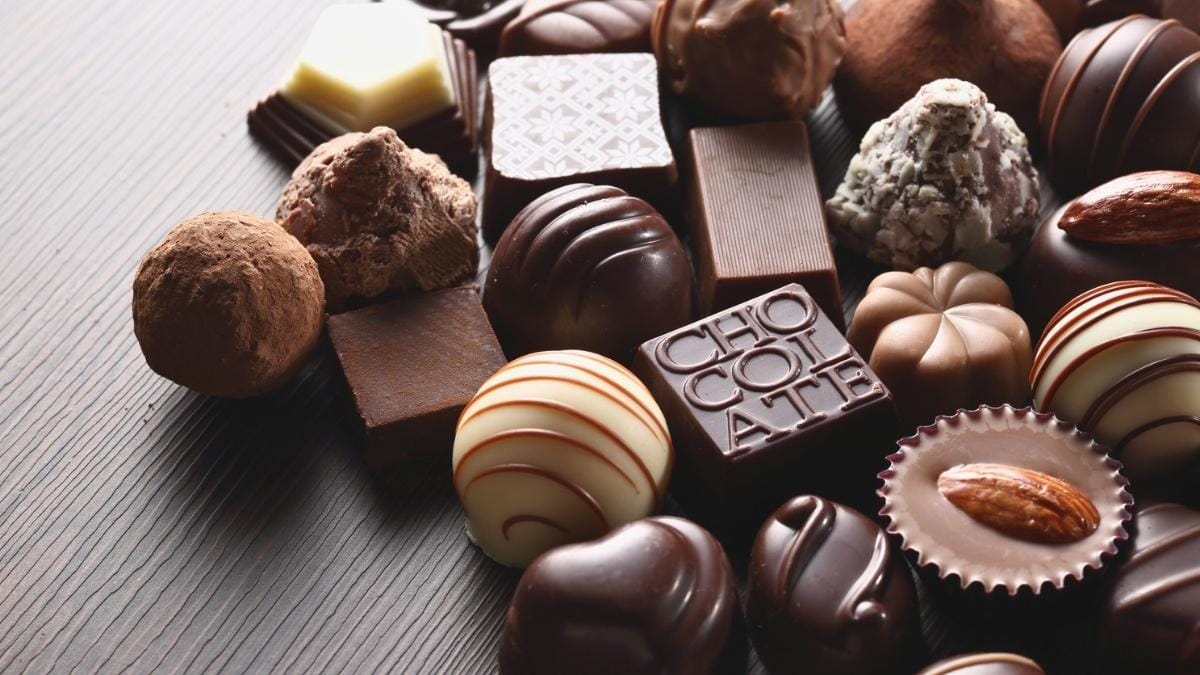
Dark chocolate contains magnesium to help process cortisol and flavonoids that fight inflammation. The key is getting chocolate with at least 70% cacao—not milk chocolate loaded with sugar.
Eat 1-2 squares after dinner. Melt it over strawberries. Mix cacao powder into smoothies. This is the healthiest dessert you’ll find.
9. Fermented Foods (Yogurt, Kimchi, Sauerkraut)
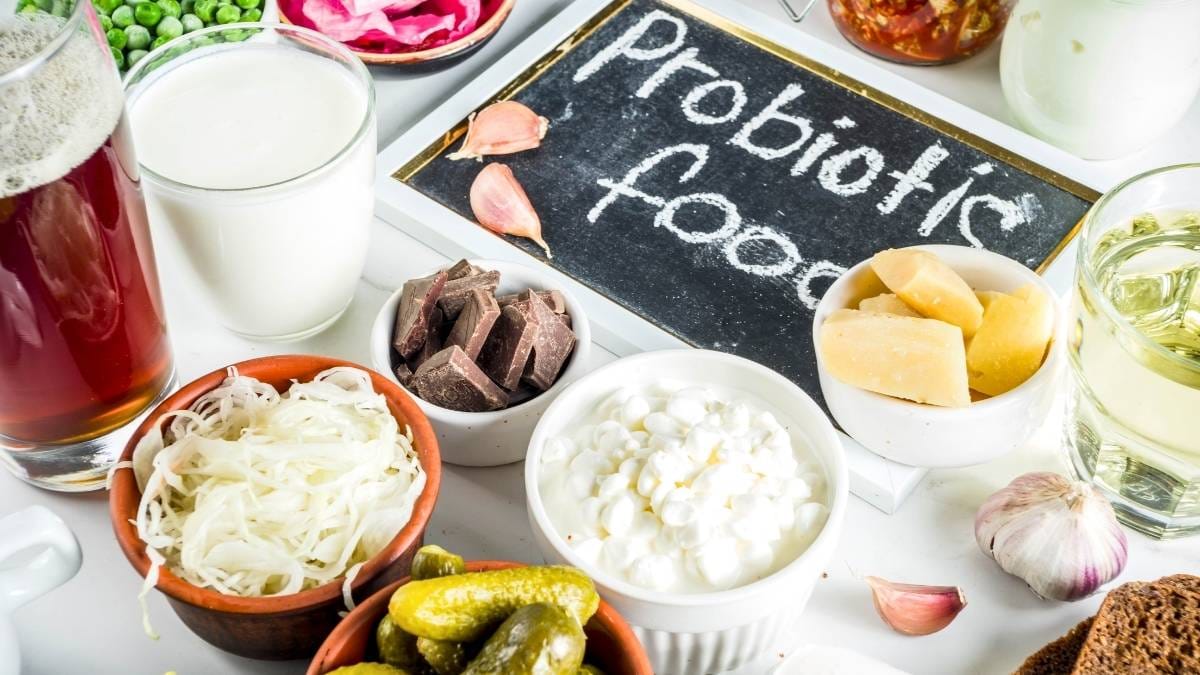
These foods contain probiotics—good bacteria that heal your gut and control inflammation. They boost bacteria like Bifidobacterium that produce anti-inflammatory compounds called short-chain fatty acids.
Eat Greek yogurt for breakfast. Add kimchi to rice bowls. Put sauerkraut on sandwiches. Start small if you’re not used to fermented foods.
10. Whole Grains (Oats, Quinoa, Brown Rice)
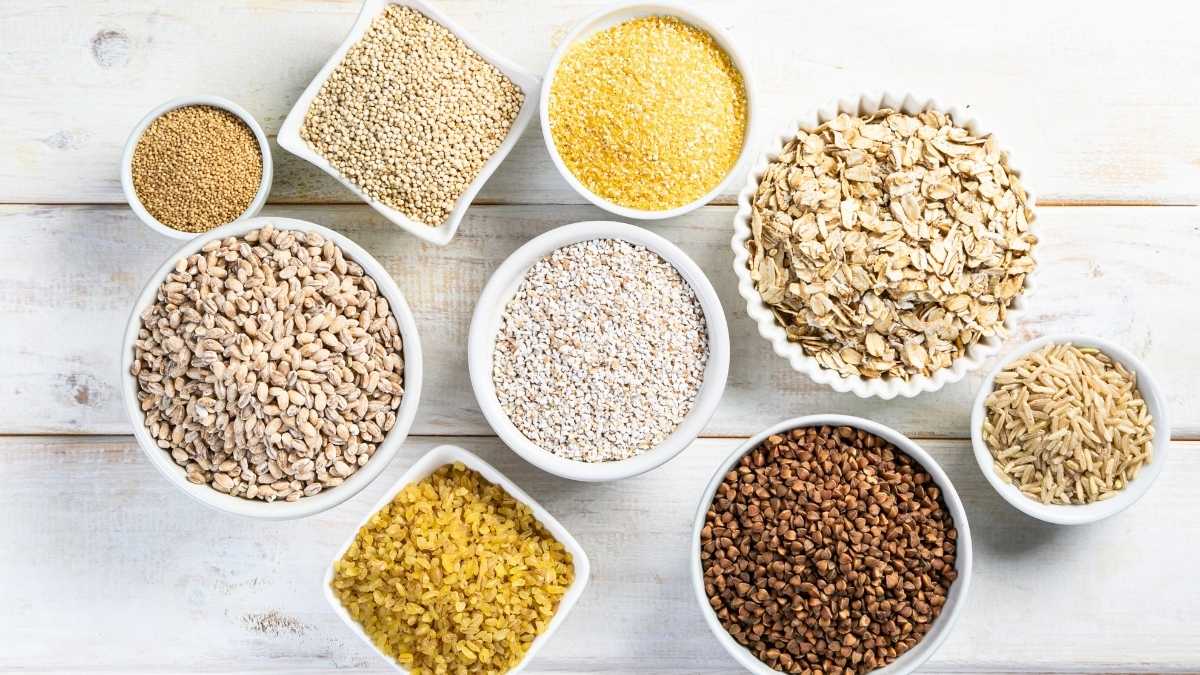
Whole grains give you fiber and nutrients that lower inflammation. They also release energy slowly, so you avoid energy crashes. This keeps your blood sugar stable all day long.
Eat oatmeal for breakfast. Make quinoa bowls for lunch. Choose brown rice over white. Your energy levels will stay consistent.
Foods That Sabotage Your Energy (Stop Eating These)
Let’s be honest. Some of your favorite foods are working against you. Fried foods, sodas, white bread, and red meat trigger inflammation in your body. They give you a quick boost, then crash your energy hard.
Here’s what makes it worse. Trans fats hide in foods you eat every day. Check labels for margarine, microwave popcorn, refrigerated cookie dough, and non-dairy creamers. These fats increase inflammation more than almost anything else you can eat.
Ultra-processed foods are the biggest problem. Packaged snacks, sugary drinks, and fast food contain ingredients your body doesn’t recognize. Sugar has over 50 different names on ingredient lists—cane crystals, corn syrup, and anything ending in “ose” like fructose or dextrose.
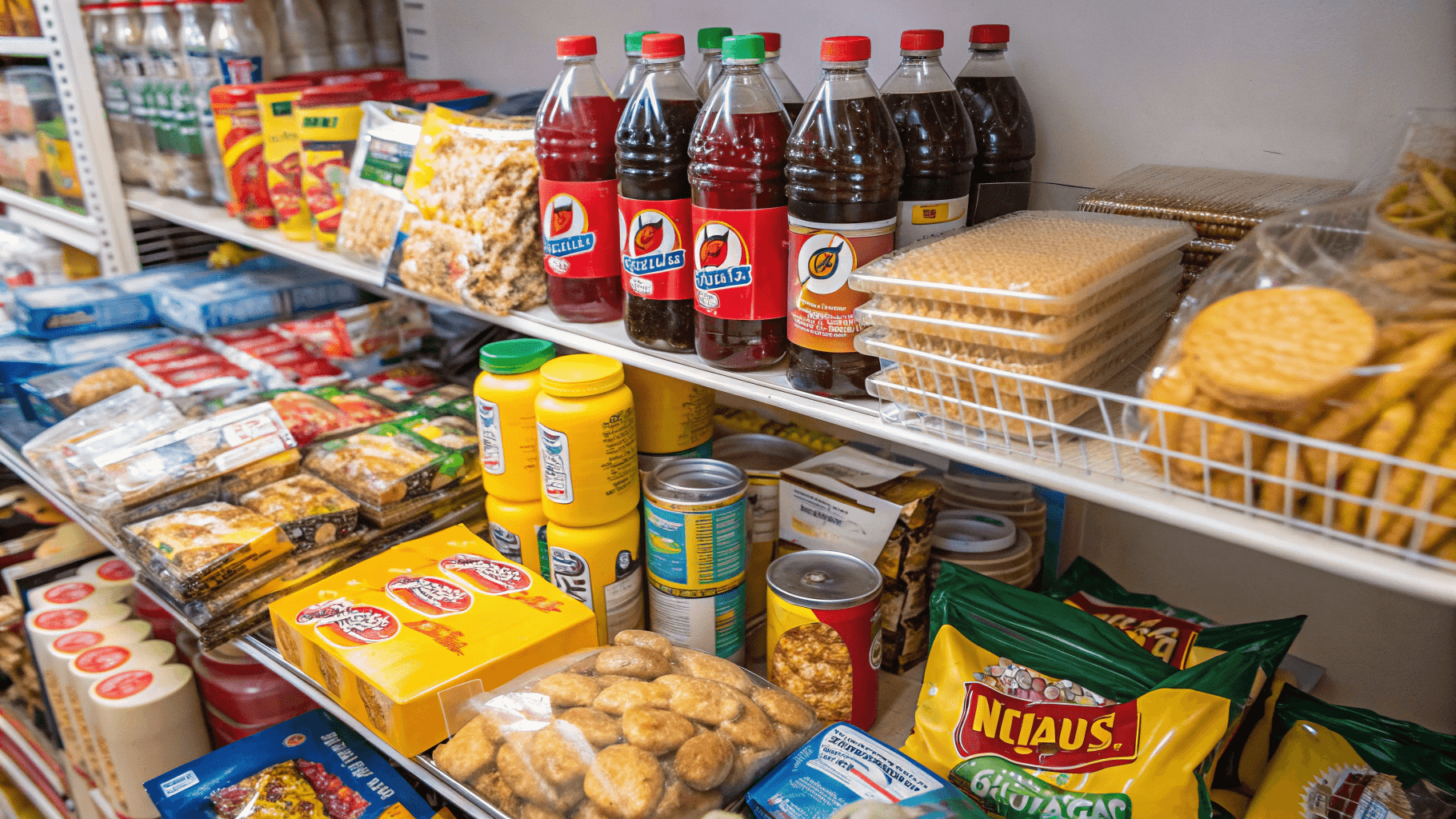
These foods wreck your energy in a cycle. You eat them, your blood sugar spikes, then it crashes. You feel tired and stressed, so you reach for more sugar. The cycle repeats, and inflammation gets worse.
But here’s what works: replace, don’t just remove. Swap chips for nuts. Choose sparkling water instead of soda. Eat baked chicken instead of fried. Use olive oil instead of margarine.
Start with one swap this week. Your body will feel the difference.
How the Mediterranean Diet Fixes Inflammation Fast
You don’t need a complicated meal plan. The Mediterranean diet is the most researched anti-inflammatory eating pattern on Earth. It focuses on fruits, vegetables, nuts, whole grains, fish, and healthy oils like olive oil.
Here’s why it works so well. A 2020 study in the journal Gut found that this diet changes your gut microbiome—the bacteria living in your digestive system. Better bacteria means less inflammation.
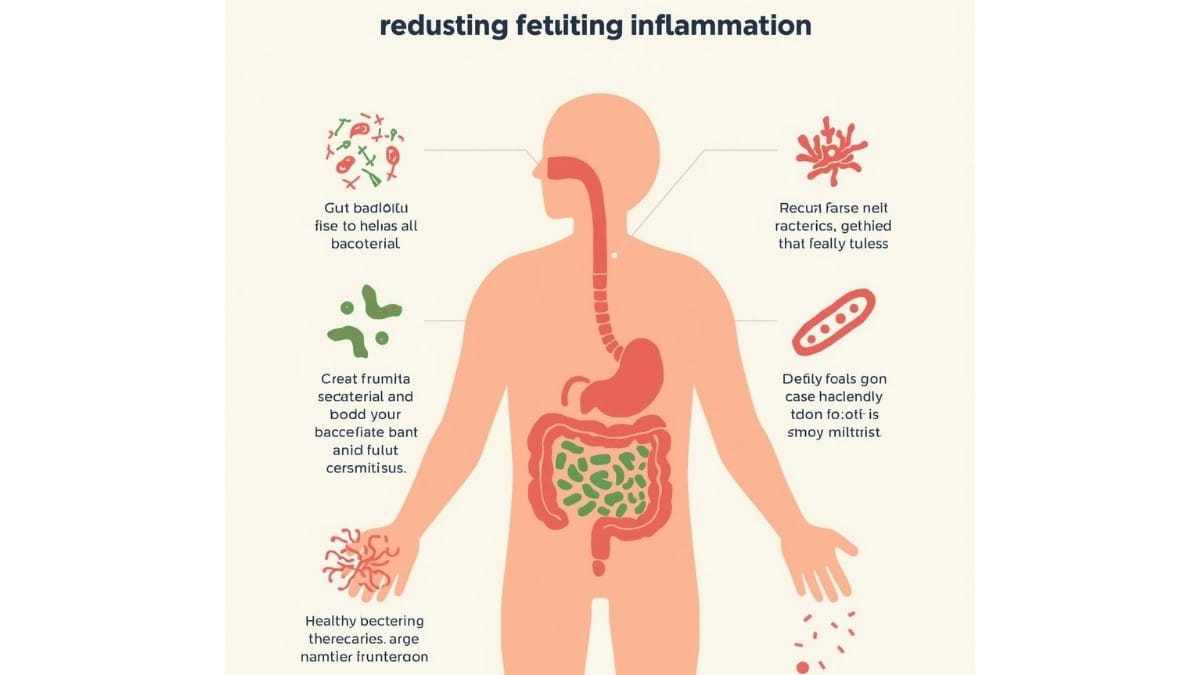
New 2025 research confirms these good bacteria produce short-chain fatty acids that heal your gut lining and stop inflammation.
The proof is strong. A year-long study tracked 612 people eating Mediterranean-style. They had lower inflammation markers in their blood, stronger bodies, and sharper minds. Their CRP and IL-17 levels dropped—these are signs your body measures to track inflammation.
Here’s what a day looks like:
Breakfast: Oatmeal topped with berries and a handful of walnuts.
Lunch: Big salad with dark greens, white beans, almonds, and olive oil dressing.
Dinner: Fill half your plate with colorful vegetables. Add a quarter plate of brown rice or quinoa. Add a quarter plate of salmon or chicken.
This isn’t a diet you quit after a month. It’s a pattern you can follow for life. And it starts working within weeks.
What to Expect: Your 28-Day Transformation
You want to know when you’ll feel different. Here’s the honest timeline based on research. Changes happen faster than you think.
Days 1-7: Your Gut Responds Your stomach feels lighter. Less bloating after meals. Your digestion improves because you’re feeding your body real food instead of processed junk.
Days 7-14: Energy Kicks In You stop hitting the afternoon wall. Sugar cravings drop because your blood sugar stays stable. You reach for snacks less often. Coffee becomes optional, not required.
Days 14-21: Sleep and Mood Improve You fall asleep easier. Your mood evens out because inflammation in your brain decreases. You handle stress better. Small annoyances don’t wreck your whole day.
Days 21-28: Gut Healing Complete This is when the magic happens. Your gut finishes healing from inflammation damage—research shows this takes exactly 28 days. Your body absorbs nutrients better. Energy becomes consistent all day long.
Beyond 28 Days: Long-Term Wins Studies show your metabolism improves within 6-12 weeks. Keep eating two handfuls of berries daily (that’s 80mg of anthocyanins). Your risk for chronic diseases drops. Your body works like it should.
5 Simple Strategies You Can Use Today

1. The Colorful Plate Method Fill your plate with deep reds, oranges, yellows, blues, and greens. These colors come from phytonutrients—natural plant compounds that fight inflammation. Think red peppers, orange carrots, blueberries, and dark leafy greens. More colors equals more protection.
2. Batch Cook Your Staples Spend two hours on Sunday. Roast a big pan of vegetables. Cook a pot of quinoa or brown rice. Wash and portion berries into containers. You’ll have ready-to-eat anti-inflammatory foods all week long. No excuses when you’re tired.
3. Smart Snack Swaps Ditch the chips and cookies. Keep nuts, berries, and dark chocolate at your desk. Slice apples and pair them with almond butter. Cut veggies and dip them in hummus. These snacks sustain your energy instead of crashing it.
4. Drink Smart Water should be your main drink. Add green tea or herbal teas for variety. Coffee is fine—just skip the sugar and fancy syrups. Avoid sodas and energy drinks completely. They spike inflammation fast.
5. Time Your Meals Right Eat breakfast within an hour of waking up. This stabilizes your blood sugar for the whole day. Space meals 4-5 hours apart. Stop eating 2-3 hours before bed. Your body fights inflammation better when it’s not constantly digesting food.
Pick one strategy. Start tomorrow. Build from there.
Why Food Alone Won’t Fix Everything
Here’s the truth. Food is powerful, but your body needs more than just good meals to beat inflammation. Three other factors make or break your results.
Sleep Matters More Than You Think Missing just one night of sleep raises hs-CRP—an inflammatory marker in your blood. Your body repairs inflammation damage while you sleep. Skip sleep, and you can’t heal. Aim for 7-9 hours every night.
Move Your Body Daily You don’t need a gym membership. Walk for 30 minutes. Take the stairs. Do bodyweight exercises at home.

Exercise reduces inflammation and helps you maintain a healthy weight. Losing excess weight is one of the most anti-inflammatory things you can do.
Manage Your Stress Stress creates inflammation. Inflammation creates more stress. You’ve got to break this loop. Try deep breathing for 5 minutes daily. Meditate. Journal. Find what calms you down. Even 10 minutes helps.
Think of it like a three-legged stool. Diet, sleep, and movement. Remove one leg and the stool falls over. Your anti-inflammatory lifestyle needs all three working together.
Lastly:
You now know the best anti-inflammatory foods that give you a natural energy boost and reduce stress through diet. In 28 days, anti-inflammatory eating will transform your energy and stress levels.
Start with one meal today. Swap your usual breakfast for oatmeal topped with berries and walnuts. Add a serving of fatty fish this week. Your body will thank you—and within a month, you’ll feel the difference in your energy, mood, and resilience to stress.