
If you’ve noticed your digestion isn’t what it used to be after hitting 40, you’re not imagining things—and you’re definitely not alone.
Here’s the reality: Nearly 40% of adults over 40 deal with digestive issues after 40. Constipation hits 20-50% of older adults. For women going through perimenopause and menopause? A staggering 94% report digestive problems. That includes 77% with bloating and 54% struggling with constipation.
Most people think it’s just normal aging. It’s not. You can fix this.
Here’s what you’ll learn:
Why your gut slows down after 40 — hormones drop, your body changes, and your lifestyle catches up with you.
Which foods actually improve gut motility.
Simple daily habits that restore digestive regularity — no complicated meal plans or expensive supplements.
When to call your doctor — some symptoms need professional help.
Your digestive system can work better. You just need to know what to feed it and how to move it. Let’s get started.
📊 Digestive Issues After 40: By The Numbers
🥝 7 Foods That Improve Gut Motility
-
Kiwifruit
2 gold kiwis daily. Works as well as fiber supplements with less bloating.
-
Prunes
Start with 3-4, work up to 6-8 daily. Boosts gut bacteria & softens stools.
-
Yogurt & Fermented Foods
1 cup daily with live cultures. Add honey to help probiotics survive.
-
Whole Grains
3 servings daily. Rye bread specifically recommended for constipation.
-
Fruits & Vegetables
Keep skins on. Aim for 25-30g fiber daily (most get only 10-15g).
-
Ginger & Artichoke
Speeds gastric emptying by 24%. Make fresh ginger tea 1-2 cups daily.
-
Water
9 cups (women) / 13 cups (men) daily. Fiber without water makes it worse.
⏰ Your Ideal Daily Digestive Routine
Morning
2 kiwifruit + 1 cup yogurt with honey & berries + full glass of water
Mid-Morning
Fresh ginger tea (steep 10 min) + keep sipping water
Lunch
Whole grain base + leafy greens + veggies + chickpeas + artichoke hearts
Snack
3-4 prunes or cup of berries + more water
Dinner
Protein + vegetables + fermented foods (sauerkraut/kimchi) + whole grains
Evening
Stop eating. Continue sipping water until bedtime.
🏃 4 Lifestyle Changes That Matter
-
Move Daily
30-minute walk enhances motility. Try 100 steps after each meal (2 min).
-
Manage Stress
Chronic stress wrecks gut bacteria. 10 min daily meditation lowers cortisol.
-
Sleep 7-8 Hours
Poor sleep disrupts gut flora and spikes stress hormones.
-
Eat at Regular Times
Consistent schedule trains your body when to digest and eliminate.
🩺 When to See Your Doctor
- Blood in your stool
- Unexplained weight loss of more than 10 pounds
- Severe abdominal pain that doesn’t go away
- Persistent vomiting
- Constipation lasting more than 3 weeks despite dietary changes
- New digestive symptoms appearing after age 50

Why Your Gut Slows Down After 40
Your hormones are working against you. When estrogen and progesterone drop after 40, your gut motility after 40 slows down. Your microbiome gets weaker. You get constipated even if your diet stays the same.
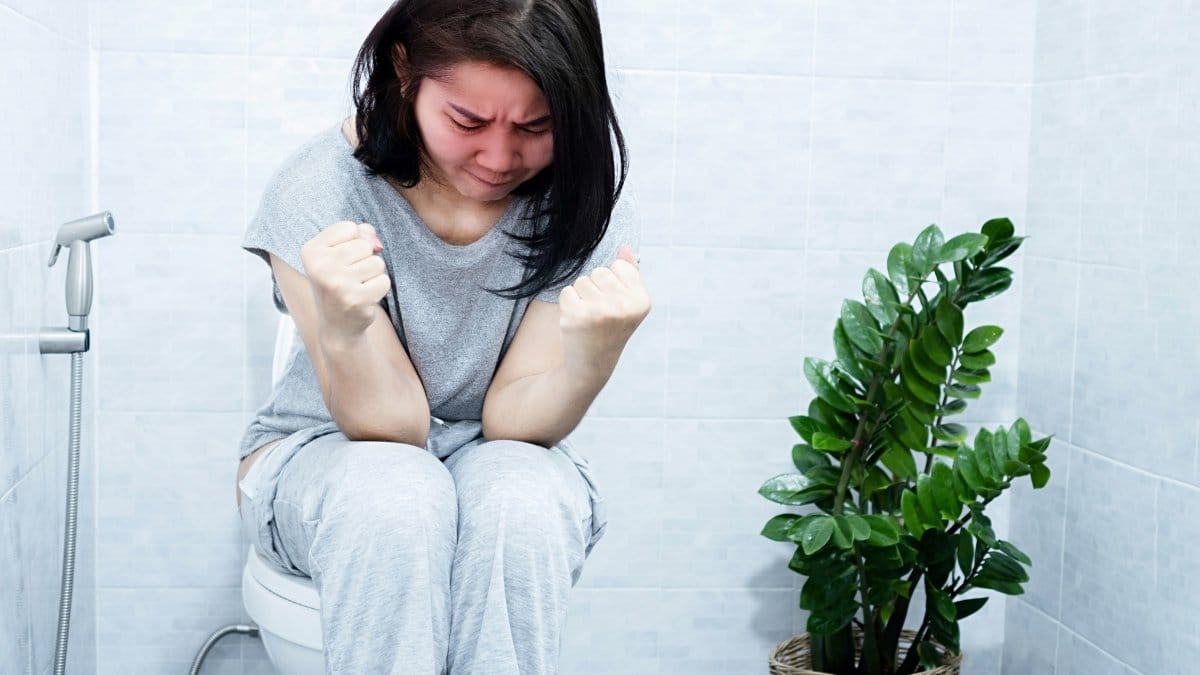
Your gut’s wiring changes too. The nerves and muscles that move food through your system don’t work as well with age. These age-related digestive changes affect almost half of people over 65—a 45% prevalence rate.
Then lifestyle hits hard. Less movement. More medications like blood pressure pills or pain meds. Not enough water. All of this creates the perfect storm for digestive problems.
Here’s the reality check: 20% of all adults deal with chronic constipation. But for nursing home residents? That jumps to 50-70%. And 82% of women in perimenopause report their digestive symptoms getting worse—the hormonal impact on digestion is real and measurable.

7 Foods That Improve Gut Motility After 40
Now let’s talk about what actually works. These foods that improve gut motility aren’t trendy—they’re backed by real science. Here’s what to add to your plate.
1. Kiwifruit – Your New Best Friend
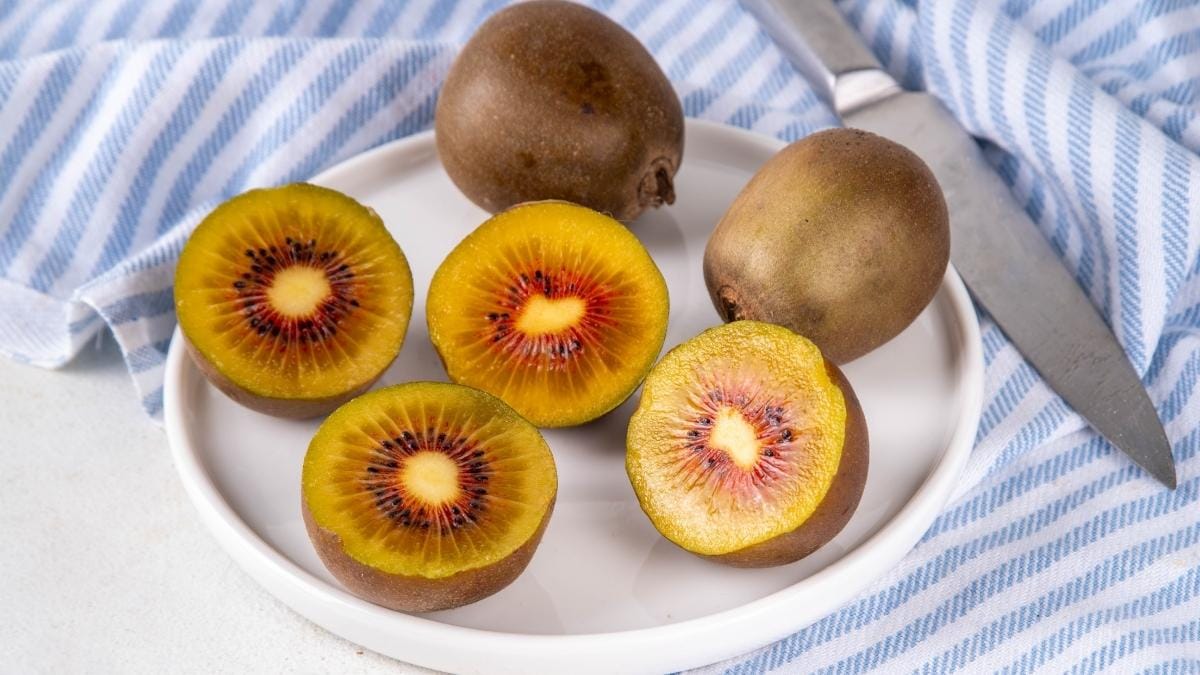
Kiwifruit just made it into official dietary guidelines (October 2025) for treating chronic constipation. That’s huge. Medical organizations don’t recommend foods lightly.
Here’s what the research shows: Two gold kiwifruit daily work as well as psyllium fiber supplements for constipation relief. But here’s the better part—they cause less gas and bloating than prunes or fiber powders. People actually tolerate them better.
The science gets interesting. Fermented gold kiwi boosts serotonin and acetylcholine in your gut—the chemicals that make things move. At the same time, it suppresses dopamine, which slows digestion down.
What to do: Eat 2 gold kiwifruit daily. Or use 2-3 green kiwifruit if that’s what you find. Keep the skin on—that’s where most of the fiber lives. Slice them in half and scoop with a spoon. Done.
2. Prunes – Old School, Still Effective
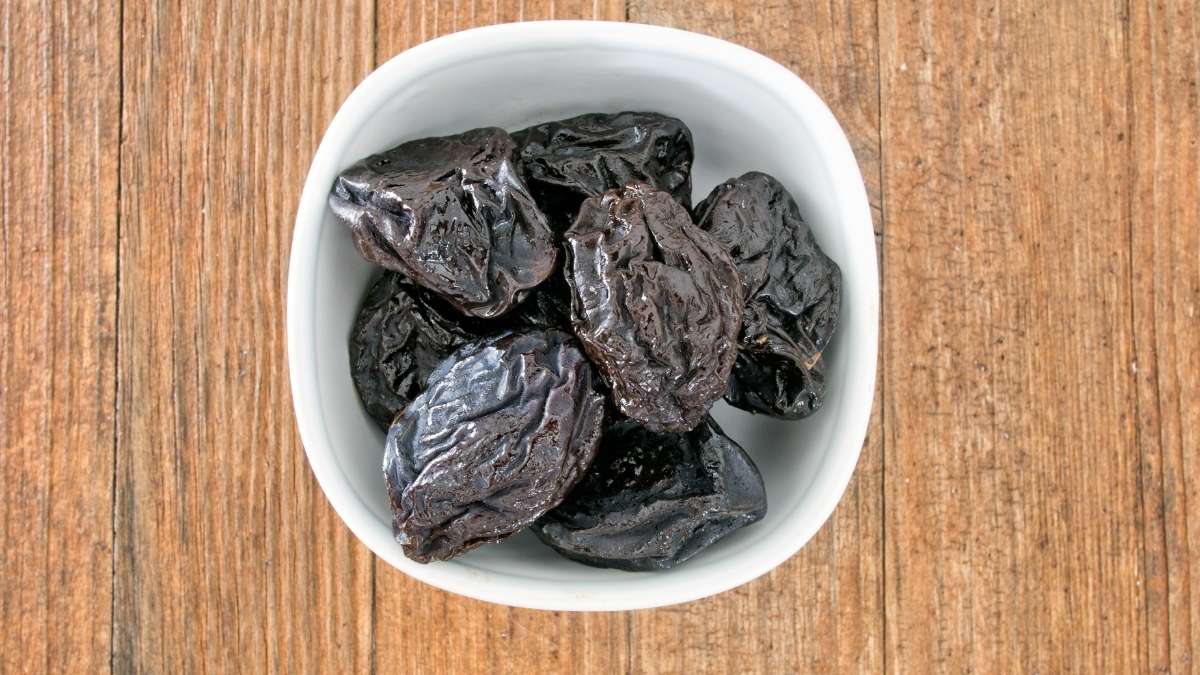
Yes, prunes are the best foods for digestion after 40. Your grandmother was right about this one.
Prunes do two things really well. First, they increase your gut bacteria—especially bifidobacteria, the good guys. Second, they contain sorbitol, a natural sugar alcohol that pulls water into your intestines. More water means softer stools. It’s basic chemistry.
But here’s the catch: start slow. Too many prunes too fast will have you camping out in the bathroom with gas and cramping.
What to do: Start with 3-4 prunes daily for the first week. If you’re doing okay, work up to 6-8 prunes a day. Eat them plain, chop them into oatmeal, or blend them into smoothies.
3. Yogurt and Fermented Foods – Feed Your Gut Bacteria
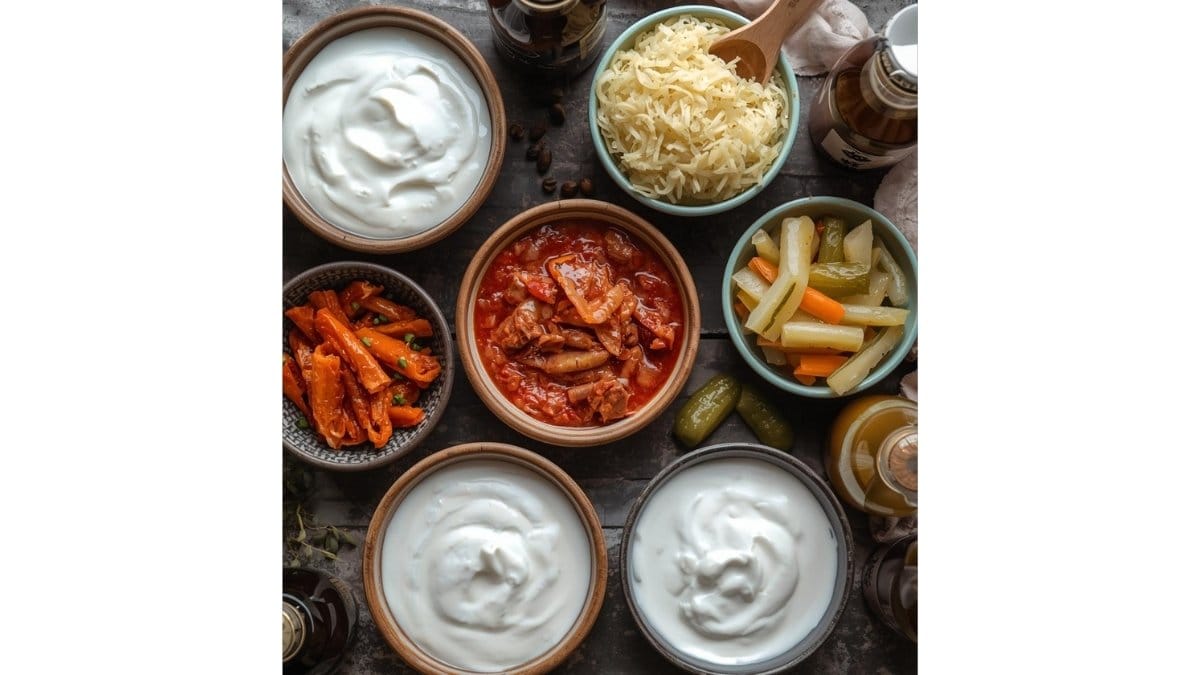
Your gut needs live bacteria to function properly. After 40, you have less of it. That’s where probiotic foods for gut health come in.
Studies on elderly patients show that Lactobacillus rhamnosus GG significantly improves gastric motility and helps you absorb nutrients better. Regular yogurt consumption changes your gut microbiome composition in measurable ways.
Here’s a bonus tip: Add one tablespoon of clover honey to your yogurt.
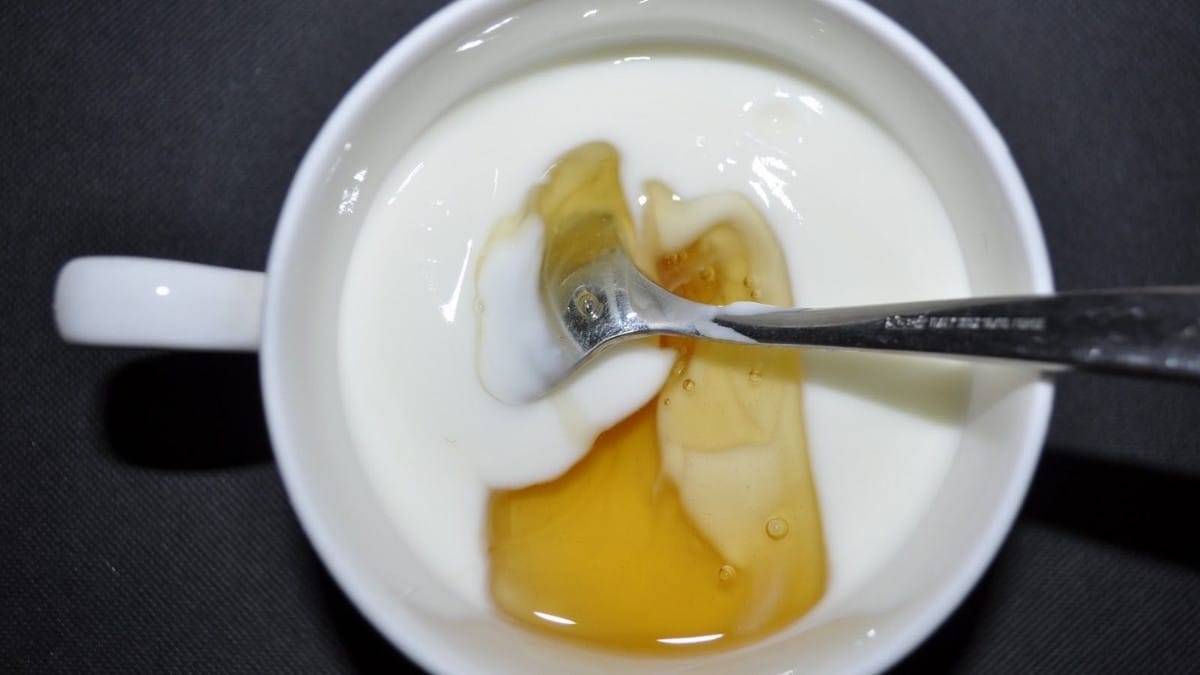
Research shows this helps the probiotics survive the trip through your stomach acid so they actually reach your intestines alive.
What to do: Eat 1 cup of plain yogurt daily. Look for “live and active cultures” on the label—specifically Lactobacillus and Bifidobacterium strains. Add kiwi, berries, or a spoonful of honey. Other good options: sauerkraut, kimchi, kefir, miso.
4. Whole Grains – The Fiber Your Gut Craves
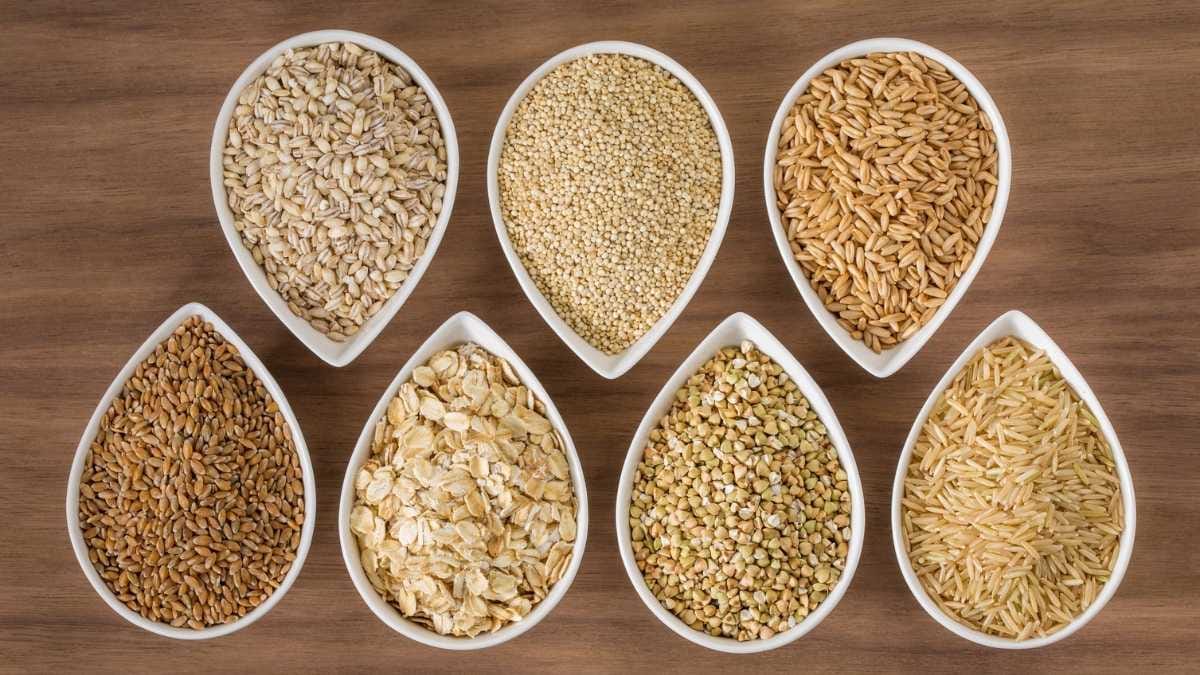
Whole grains contain resistant starch. Think of it as food for your beneficial bacteria. When your good bacteria eat this starch, they multiply and help you produce more stool—and more frequent bowel movements.
The October 2025 dietary guidelines specifically mention rye bread for natural constipation relief. But any whole grain works—oats, quinoa, brown rice, whole wheat.
The difference between whole grains and white bread? Fiber content. Whole grains keep all three parts of the grain intact. Refined grains strip away the good stuff.
What to do: Switch to 100% whole grain bread. Check the ingredient list—”whole wheat flour” or “whole grain oats” should be first. Aim for 3 servings daily. One serving = 1 slice bread, 1/2 cup cooked oatmeal, 1/2 cup brown rice.
5. Fruits and Vegetables – Don’t Skip the Skins
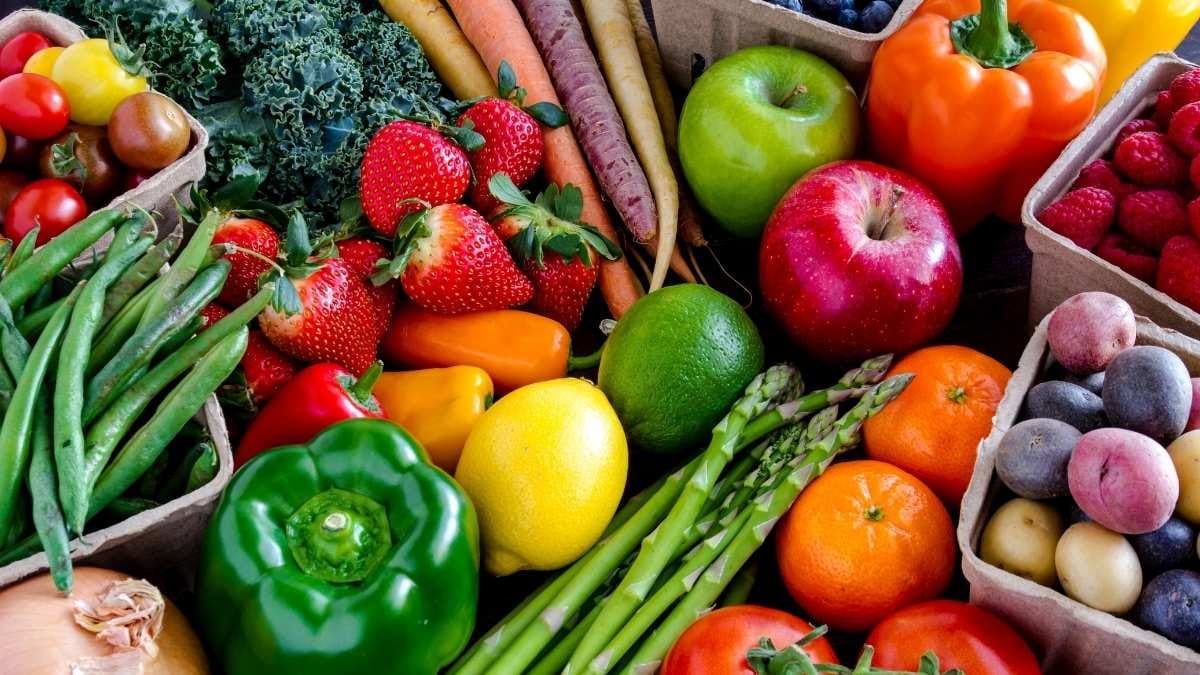
Fiber is food for your gut bugs. Without it, they starve. And when they starve, your digestion stops working right.
You need both types of fiber. Soluble fiber (from oats, apples, carrots) forms a gel that softens your stool. Insoluble fiber (from wheat bran, veggie skins, beans) adds bulk and speeds things through.
Most Americans get 10-15 grams of fiber daily. You need 25-30 grams. That’s double what most people eat.
What to do: Keep skins on apples, potatoes, cucumbers—that’s where the fiber hides.
Eat berries (raspberries have 8g fiber per cup). Add leafy greens to every meal. Throw beans or lentils into soups and salads.
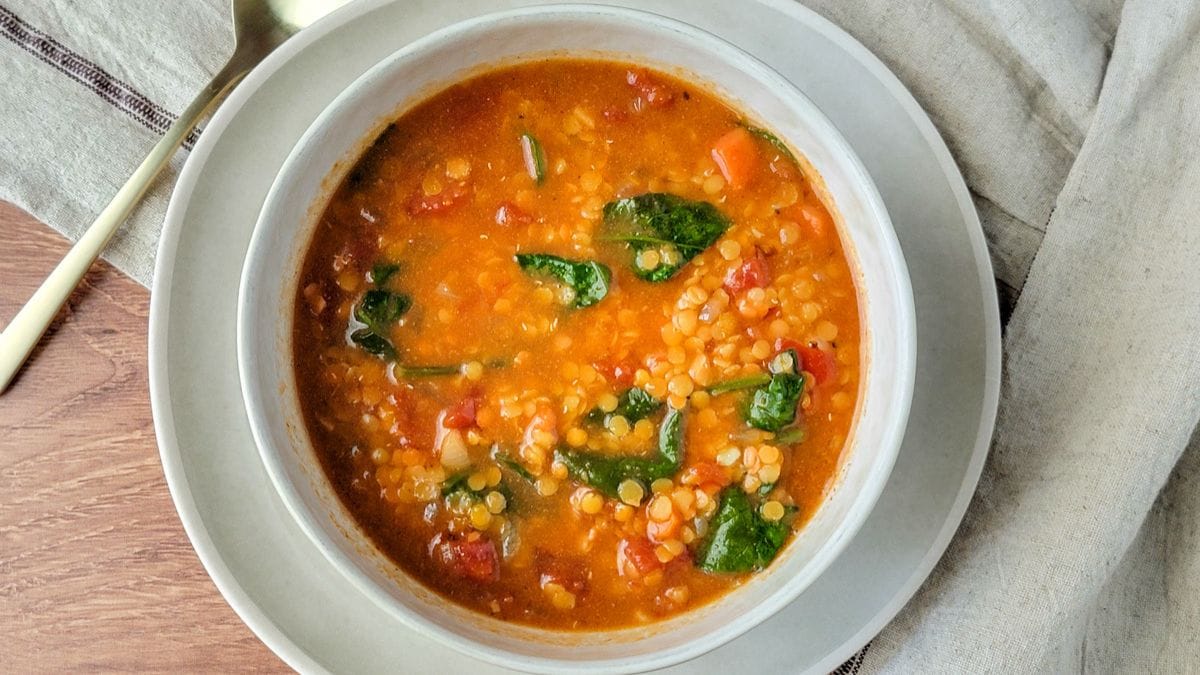
Add fiber gradually over 2-3 weeks, or you’ll get cramping and gas.
6. Ginger and Artichoke – The Science-Backed Combo
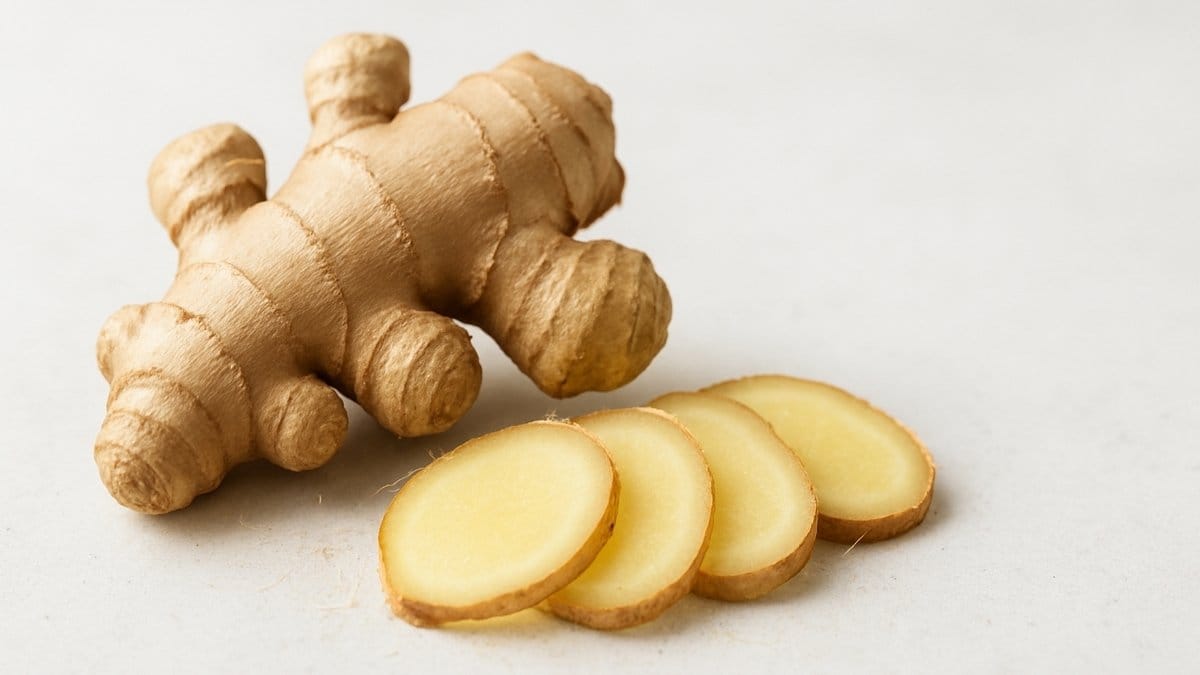
A standardized combination of ginger and artichoke extracts speeds up gastric emptying by 24% compared to placebo. That’s based on actual clinical trials, not guesswork.
Ginger alone reduces indigestion and nausea while speeding up how fast your stomach empties. When you combine it with artichoke extract, the effects get stronger. Studies show significant improvement in functional dyspepsia symptoms—that uncomfortable fullness and bloating after eating.
What to do: Make fresh ginger tea. Slice 1-inch piece of ginger, steep in hot water for 10 minutes. Drink 1-2 cups daily. Add artichoke hearts to salads and pasta dishes. If you want the clinical dose, look for supplements with standardized ginger and artichoke extracts.
7. Water – The One Thing Everyone Forgets
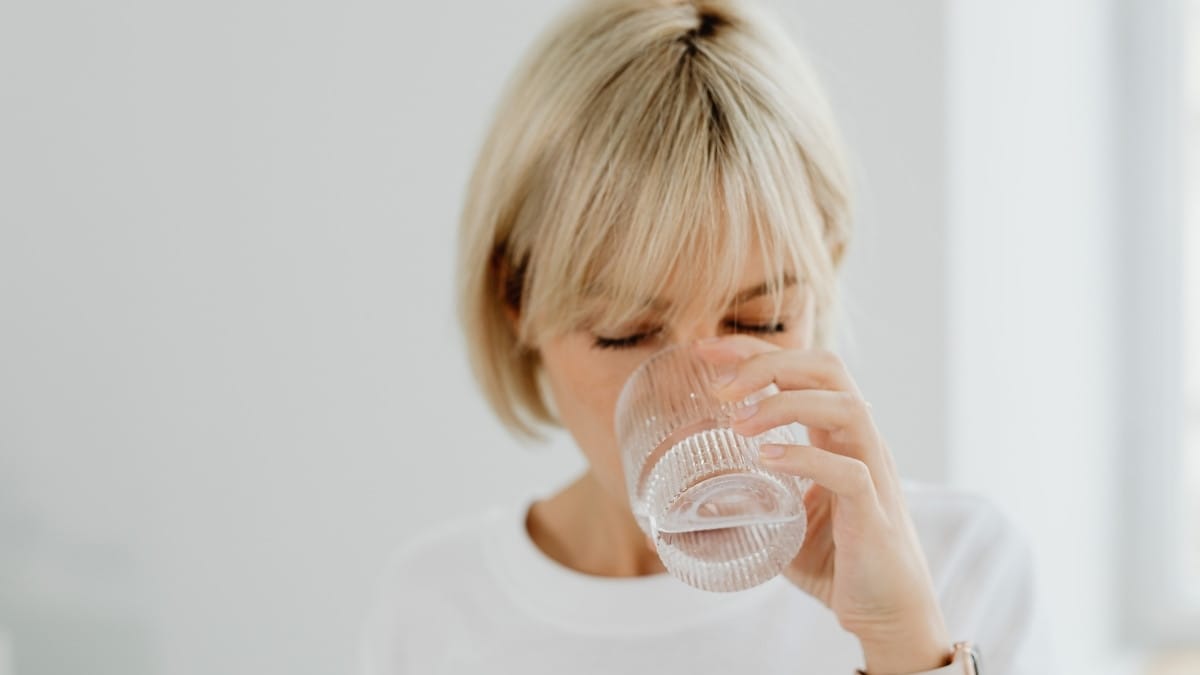
Dehydration is one of the most common causes of constipation, especially in people over 60. Your large intestine pulls water from your stool to keep your body hydrated. Not enough water in your system? You get hard, dry stools that won’t budge.
Here’s the problem: fiber without water makes constipation worse, not better. The fiber needs water to work. It’s like trying to use a sponge when it’s bone dry—it doesn’t do anything.
What to do: Women need about 9 cups of fluids daily. Men need about 13 cups. That includes water, tea, milk, soup—anything liquid. Drink water consistently throughout the day. Keep a water bottle with you. Drink a glass when you wake up and before each meal.
The Lifestyle Changes for Digestion That Actually Matter
Food is half the equation. How you move, sleep, and manage stress affects your gut just as much as what you eat. Here’s what works.
Move Your Body, Move Your Bowels
A simple 30-minute walk daily enhances gut motility, reduces inflammation, and increases your microbiome diversity. You don’t need to run marathons. Just move.

Moderate aerobic exercise and core-strengthening activities improve bowel regularity and reduce bloating. The research is clear on this—exercise for gut health is as important as fiber.
Try this Ayurvedic practice: Walk 100 steps after each meal. That’s about 2 minutes of gentle walking. It helps your body start the digestion process and prevents that heavy, sluggish feeling.
Manage Your Stress or It Will Manage Your Gut
Chronic stress wrecks your gut bacteria balance. The gut-brain connection is real—when you’re stressed, your digestion shuts down. It’s a survival mechanism gone wrong.
Meditation and yoga lower cortisol levels and reduce gut inflammation. Even 10 minutes of deep breathing daily makes a measurable difference.

Your gut literally responds to your stress levels.
Sleep Affects More Than Your Mood
Poor sleep disrupts your gut flora and spikes stress hormones that mess with digestion.
When you don’t sleep, your body produces more cortisol. More cortisol means slower digestion and more constipation.
Aim for 7-8 hours. Keep a regular sleep schedule. Your gut has a rhythm just like you do.

Eat at Regular Times
Your digestive system works better on a schedule. When you eat at consistent times daily, your body learns when to expect food and when to eliminate waste.
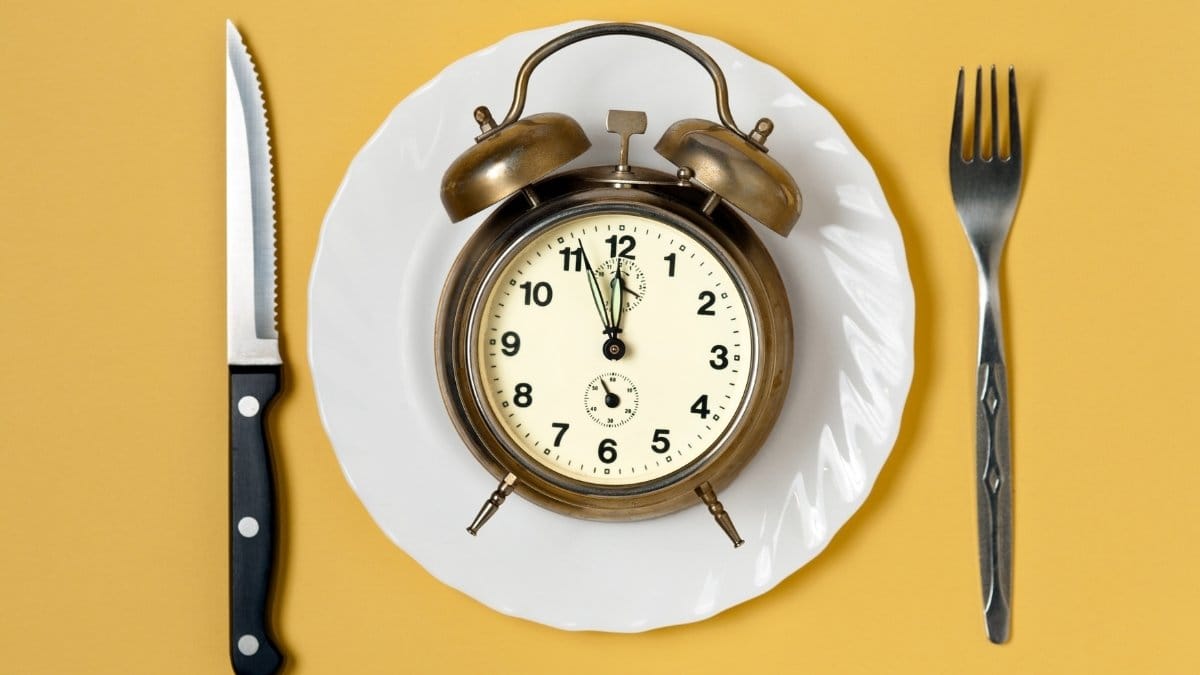
Avoid eating late at night. Your digestion slows down in the evening. Late meals sit in your stomach longer and can cause morning sluggishness and constipation.
Your Daily Digestive Routine: What to Eat and When
You’ve got the information. Now here’s your gut health meal plan—a simple daily pattern that puts all these foods for regularity together.
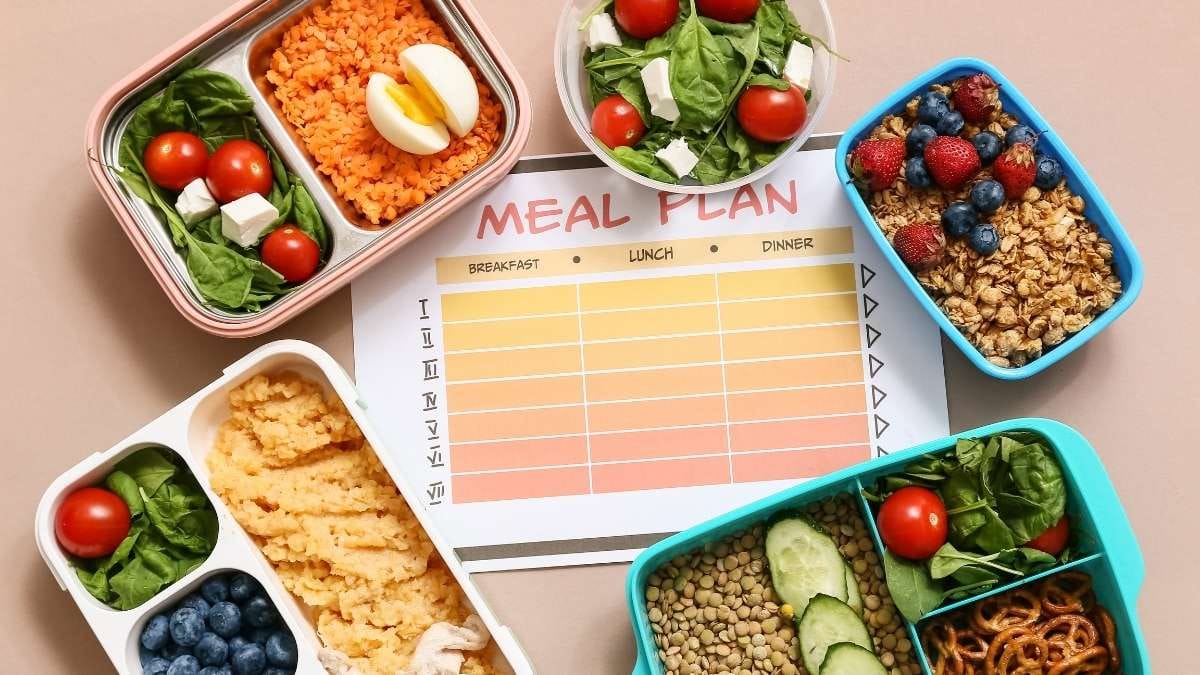
Your Day, Hour by Hour
Morning (7-8 AM): Start with 2 gold kiwifruit. Then have 1 cup plain yogurt with 1 tablespoon honey. Add berries if you want. Drink a full glass of water.
Mid-Morning (10 AM): Make fresh ginger tea. Steep sliced ginger in hot water for 10 minutes. Sip it slowly. Keep drinking water between meals.
Lunch (12-1 PM): Whole grain salad base—quinoa, brown rice, or farro. Load it with leafy greens, broccoli, carrots, and chickpeas. Drizzle olive oil and lemon. Add artichoke hearts.
Afternoon Snack (3-4 PM): Small handful of prunes (3-4 to start) or a cup of berries. More water.
Dinner (6-7 PM): Whatever protein and vegetables you want. Add a side of fermented foods—2-3 forkfuls of sauerkraut or kimchi. Use whole grain bread or brown rice.
Evening: Cut off eating by 8 PM. Keep sipping water until bedtime.
The Rules That Make This Work
Start slow. Don’t add everything at once or your gut will revolt with gas and bloating. Pick 2-3 changes for week one. Add more in week two.
Increase fiber gradually over 2-3 weeks. Your gut bacteria need time to adjust. Too much fiber too fast = misery.
Track what happens. Keep notes on your phone. When did you go? How did you feel? What did you eat? This helps you figure out what works best for your body.
Be consistent for at least 2-4 weeks. Your gut doesn’t fix itself overnight. Give these changes a real chance to work.
What’s Slowing You Down (And When to See a Doctor)
Some foods and habits work against you. Here’s what to limit or avoid if you want better digestion after 40.
The Foods That Make Things Worse
High-fat foods slow everything down.
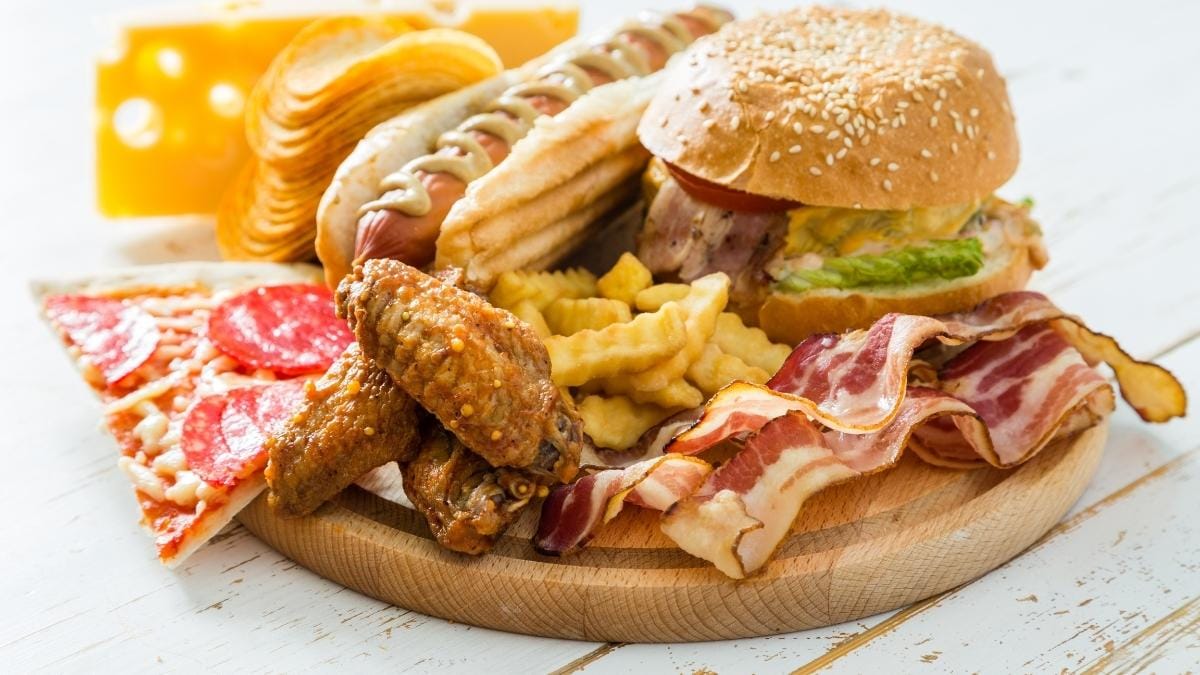
Fried chicken, greasy burgers, processed meats like bacon and hot dogs—they all delay gut motility and contribute to constipation. Your digestive system has to work harder to break down fat.
Caffeine is tricky.
It speeds up gut motility for some people, which sounds good. But it can cause loose stools and make you dehydrated if you drink too much. Alcohol is worse—it irritates your gut lining and increases inflammation.
Processed foods kill your microbiome diversity.
The more packaged, refined foods you eat, the fewer good bacteria you have. It’s that simple.
The Habits That Block Progress
Sitting all day slows your digestion. Not drinking enough water makes fiber useless. Skipping meals confuses your gut’s natural rhythm.
When to Call Your Doctor
See a doctor immediately if you have: Blood in your stool. Unexplained weight loss of more than 10 pounds. Severe abdominal pain that doesn’t go away. Persistent vomiting.
Also call if: Constipation lasts more than 3 weeks despite trying these dietary changes. New digestive symptoms appear after age 50. Something feels seriously wrong—trust your gut on this one.
Your Gut Can Work Better—Starting Today
Digestive changes after 40 are common, but you can manage them. 2 kiwifruit daily, 6-8 prunes, yogurt with probiotics, whole grains, and fiber-rich vegetables. Ginger and artichoke boost motility. Hydration and movement are essential.
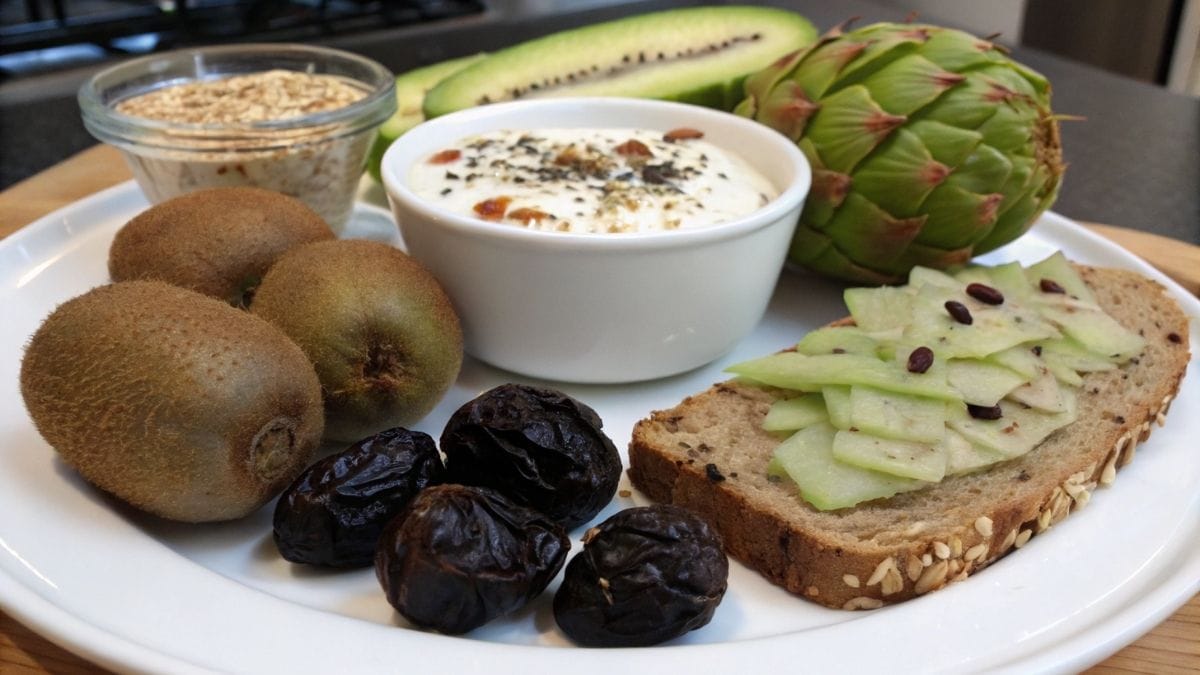
Start with one or two changes this week. Add two kiwifruit to your morning. Swap white bread for whole grain. Take a 30-minute walk daily. Small, consistent changes lead to real improvements in gut motility and digestive comfort.
Managing digestive issues after 40 doesn’t require extreme measures—just strategic food choices, adequate hydration, and gentle movement to restore your gut’s natural rhythm. Give it 2-4 weeks. Your body will respond.