
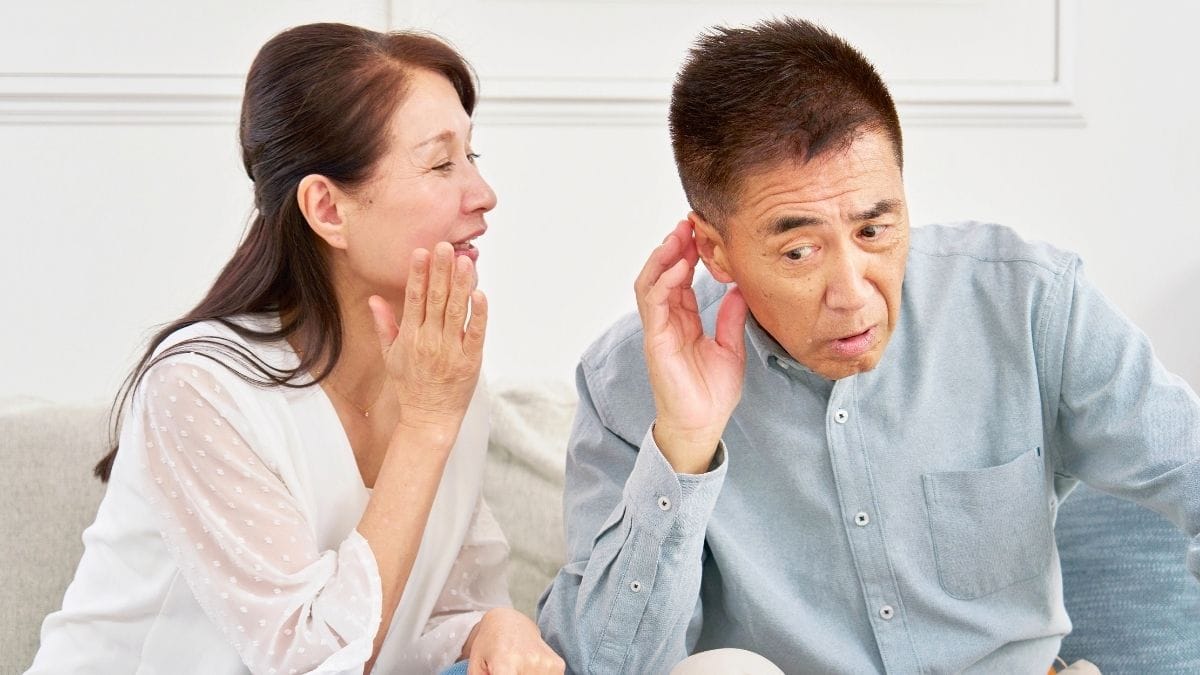
You didn’t wake up one morning unable to hearing fading. It happened slowly, one missed word at a time. And the whole time, your brain quietly covered for you.
About 19.5 million American adults report some trouble hearing. Most of them had no idea until things got bad. That’s the scary part — hearing loss hides well.
Your brain fills in the blanks. It uses context clues and lip-reading without asking you. So you think you’re fine. But you’re not.
By the end of this article, you’ll know the real warning signs, understand why waiting is dangerous, and have three clear steps you can take today. Just read, check yourself, and act.
Why Hearing Loss Sneaks Up on You
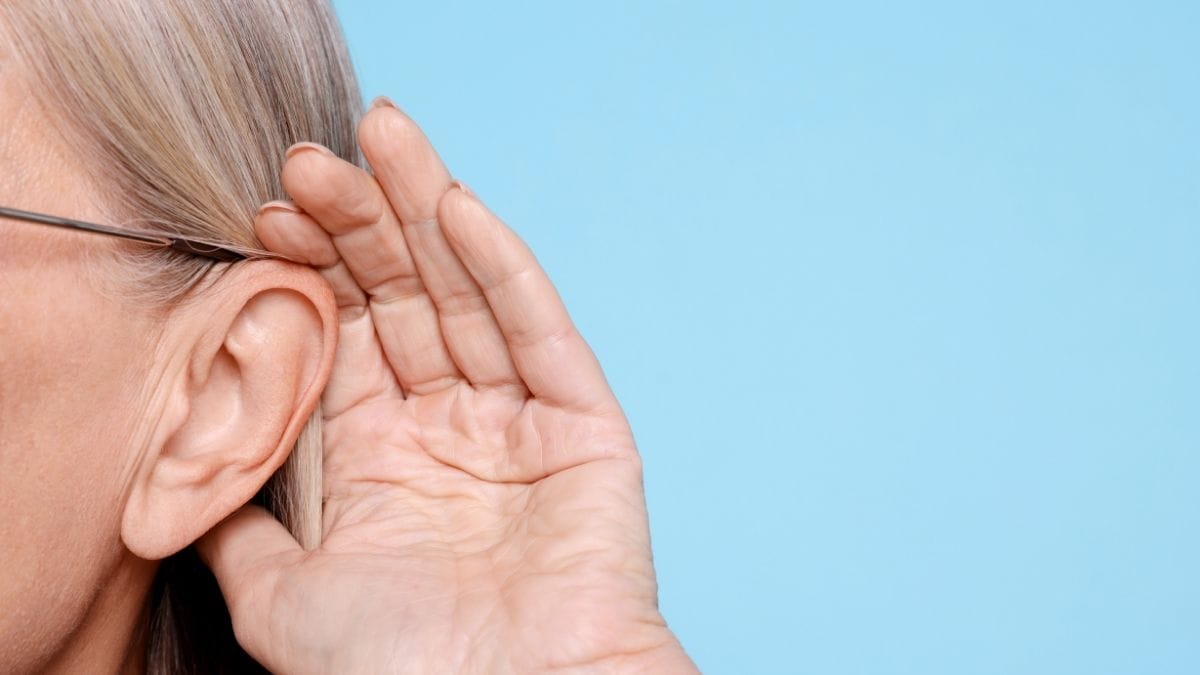
Hearing loss doesn’t come all at once. It fades one frequency at a time. High-pitched sounds go first — things like the letters S, F, T, and H. You stop hearing the crisp edges of words before you ever notice anything is wrong.
Your brain is smart. It fills in what your ears miss using context and habit. You hear someone talking and your brain guesses the missing parts. It works so well that you think your hearing is fine.
Here’s the problem with that. The brain can only cover for so much. And while it’s compensating, the damage keeps building.
More than 1.3 billion people worldwide — nearly 17% of all people on earth — live with some degree of hearing loss. By 2050, that number could hit 2 billion. And yet only 1 in 5 people with hearing loss ever seeks help.
Hearing loss feels invisible. That’s exactly what makes it dangerous.
Tip:
- Ask someone you trust if they’ve ever had to repeat themselves for you. Their honest answer matters more than your guess.
The Early Warning Signs — What to Actually Watch For
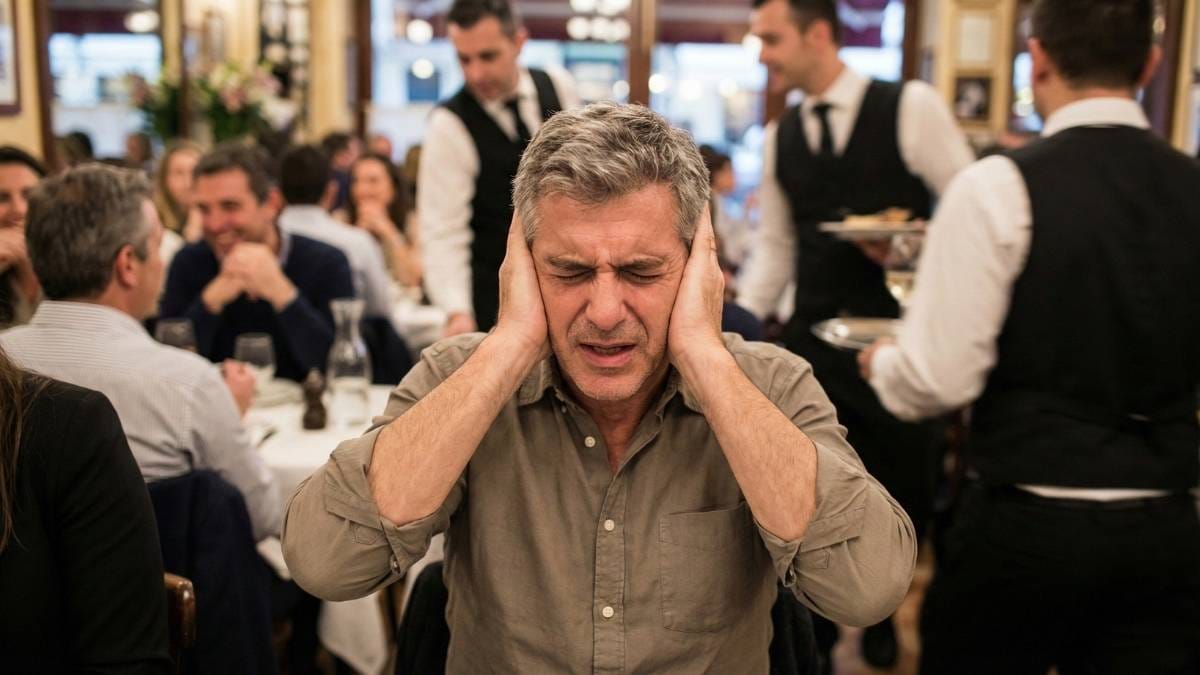
These signs aren’t vague. They happen in your everyday life. And two or more of them together is a pattern, not a coincidence.
You ask people to repeat themselves. Not once. Regularly. Especially on the phone or when someone isn’t facing you directly.
The TV is too loud — for everyone else. If your family keeps turning it down, listen to them.
Noisy places feel impossible. Restaurants, parties, and busy offices are hard because your ears can’t separate speech from background noise anymore.
You hear talking but miss the words. High-frequency sounds — consonants — disappear first. So “I’ll be there in ten” sounds like “I’ll be there in —.”
You hear ringing or buzzing in your ears.

About 15 million Americans have experienced tinnitus. It often shows up alongside early hearing damage.
You feel wiped out after conversations. Your brain is working too hard. That mental fatigue is real.
You avoid group events. If keeping up in conversations feels exhausting, withdrawal is a common response.
Tip:
- Pay attention to phone calls specifically — they remove visual cues and expose hearing gaps faster than face-to-face talk.
Are You at Higher Risk? Causes and Contributing Factors
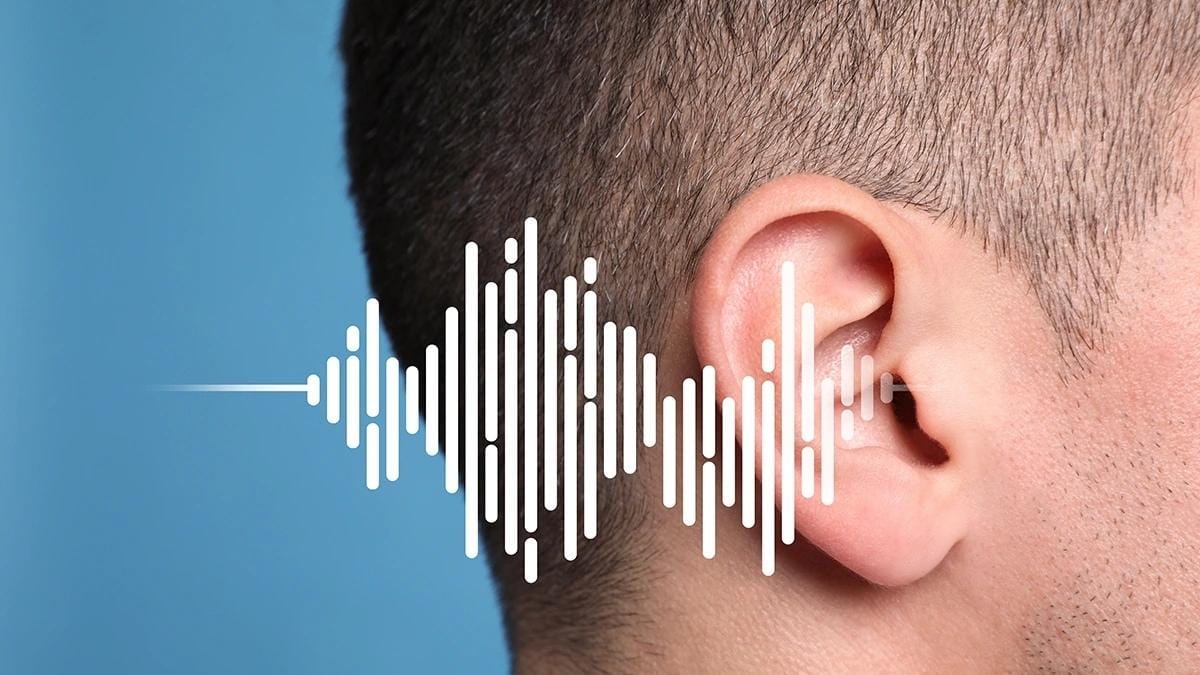
Some people are more likely to lose their hearing — and most don’t know which group they’re in.
Age is the biggest factor. About 22% of adults aged 65 to 74 have disabling hearing loss. For those over 75, it jumps to 55%.
Noise is second. 1 in 7 U.S. adults already shows signs of noise-induced hearing loss. Here’s what surprises people: 41% of those had no loud workplace exposure. Their damage came from concerts, earbuds, and everyday loud hobbies.
Your job matters too. Adults with 5 or more years of loud work exposure have an 18% rate of speech-frequency hearing loss, compared to just 5.5% in quieter jobs.

Men are nearly twice as likely as women to have hearing loss.
Other risk factors include diabetes, heart disease, smoking, and certain medications. Some antibiotics and chemotherapy drugs are ototoxic — meaning they damage the ear. High-dose aspirin can too. If you take any of these, ask your doctor.
Tips:
- Tell your doctor about any history of loud noise exposure at every annual checkup. It changes what they look for.
- If you take long-term medications, search “[drug name] ototoxic” and bring any concerns to your pharmacist.
Why You Shouldn’t Wait — The Real Cost of Doing Nothing
Most people wait. That’s the hard truth.
On average, hearing aid users wait over 10 years after their first diagnosis before getting fitted. Ten years. During that time, the auditory nerve sits understimulated. The brain slowly loses its ability to process speech clearly.
The brain connection is serious. A Johns Hopkins study tracked 539 adults for 12 years. Mild hearing loss doubled the risk of dementia. Moderate loss tripled it. Severe hearing loss made people five times more likely to develop dementia.
But here’s the good news. Treating hearing loss helps. Johns Hopkins also found that hearing aid users had a 32% lower rate of dementia compared to non-users with the same level of loss.
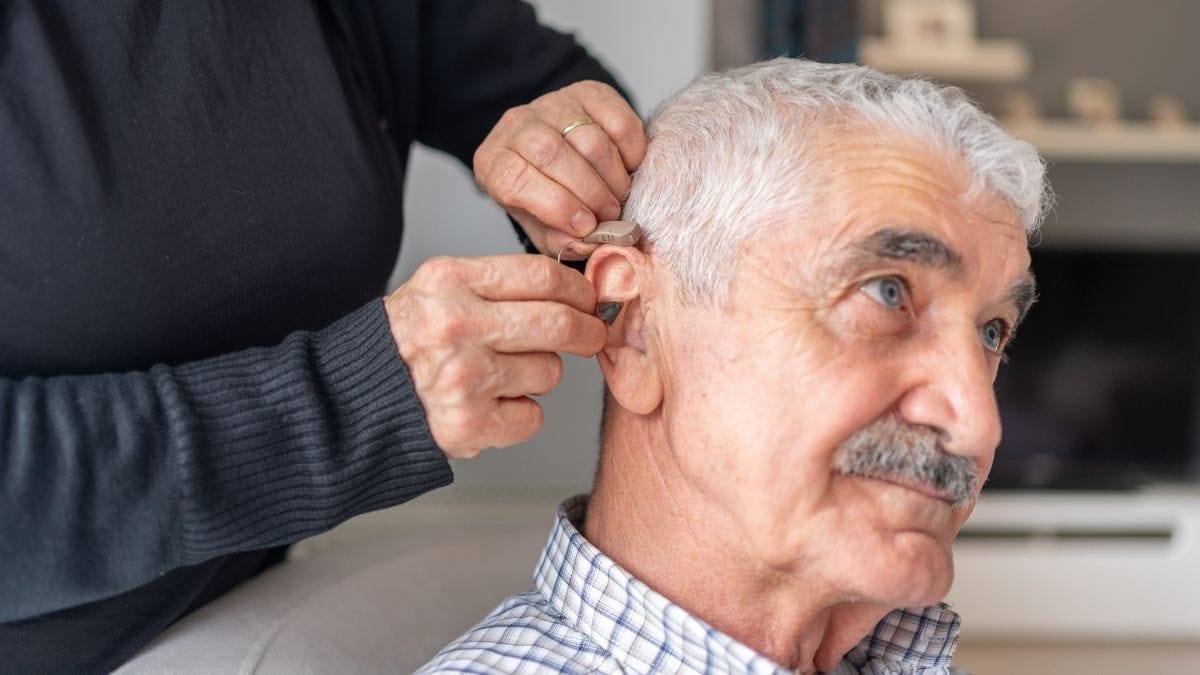
Untreated hearing loss also leads to social withdrawal. Noisy gatherings become too hard. People pull back. And that isolation is itself a risk factor for depression and dementia.
The CDC says untreated hearing loss can raise your dementia risk by up to 50%.
None of this is meant to scare you. A 30-minute hearing test has consequences far beyond sound.
Tips:
- Think of hearing treatment the same way you think of glasses. You wouldn’t skip glasses for 10 years if your vision was blurry.
- Share the dementia statistic with a family member who keeps putting off a hearing check. Sometimes facts move people faster than worry does.
What to Do Right Now — Your Next 3 Steps
You can start today. None of this costs money.
Step 1 — Do the 5-Minute Self-Check. Answer these five questions honestly:
- Do you often ask people to repeat themselves?
- Do family members say the TV is too loud?
- Do you struggle in noisy places?
- Do you miss parts of phone calls?
- Do you hear ringing in your ears regularly?
If you said yes to two or more, that’s worth acting on.
Step 2 — Use a Free Screening Tool.
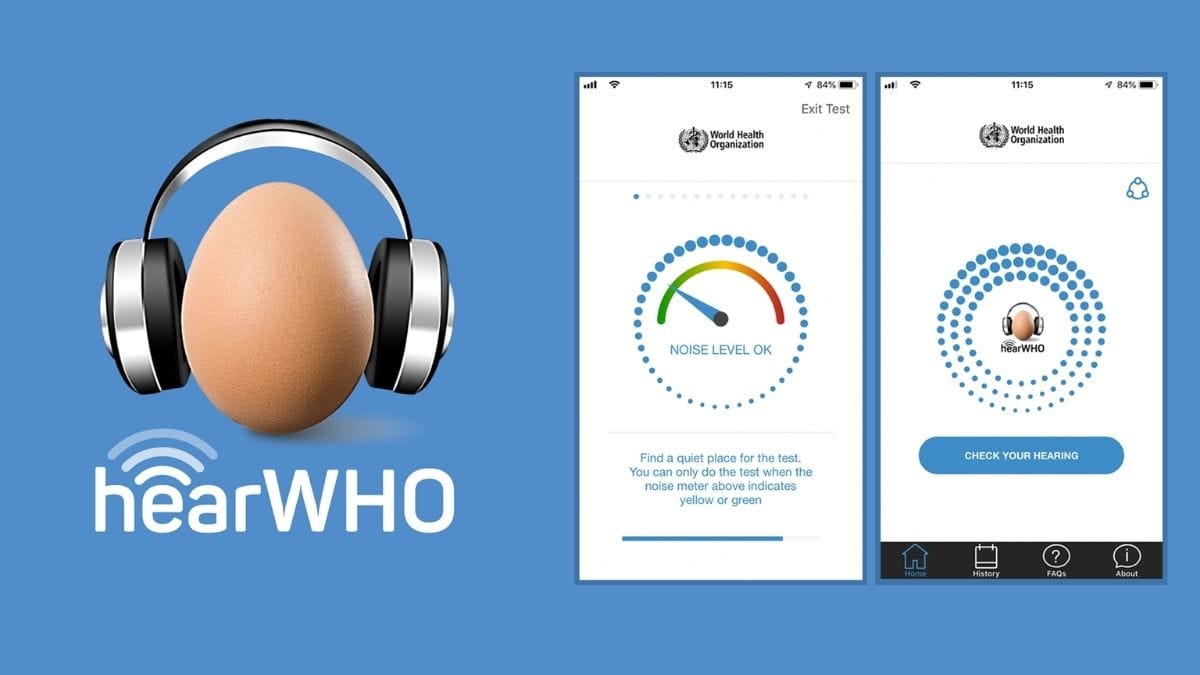
The WHO’s HearWho app is free, clinically validated, and available on iOS and Android. The NIDCD offers a free online hearing screener at nidcd.nih.gov. The Mimi Hearing Test app is also peer-reviewed and free. All three take under 10 minutes.
Step 3 — See an Audiologist. A full hearing test (called an audiogram) takes about 30 minutes. It’s painless. Most insurance plans cover it as a preventive service. Ask specifically for an audiologist — not just a general doctor referral.
Tips:
- Download HearWho before you finish reading this article. Do the test today while it’s fresh in your mind.
- When you call to book, say “I want a full audiogram” — not just a basic hearing check. Be specific about what you’re asking for.
Prevention — What You Can Still Control
The WHO says 50% of all hearing loss cases are preventable. That means a lot of damage doesn’t have to happen.
The 85 dB Rule is simple:
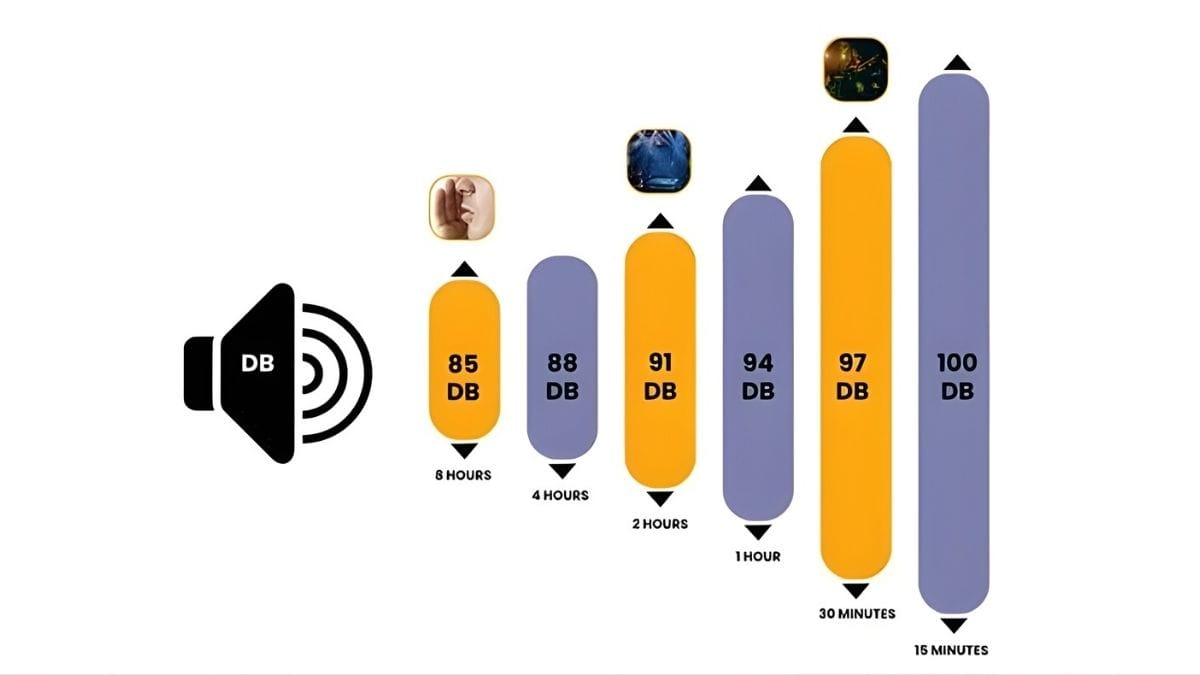
don’t expose yourself to sounds louder than 85 dB for more than 8 hours. That’s roughly the noise level of heavy traffic. A concert can hit 110 dB. A lawnmower sits around 90 dB.
For headphone users, follow the 60/60 Rule: no more than 60% volume, for no more than 60 minutes at a time. Use noise-cancelling headphones so you’re not turning up the volume just to drown out background noise.
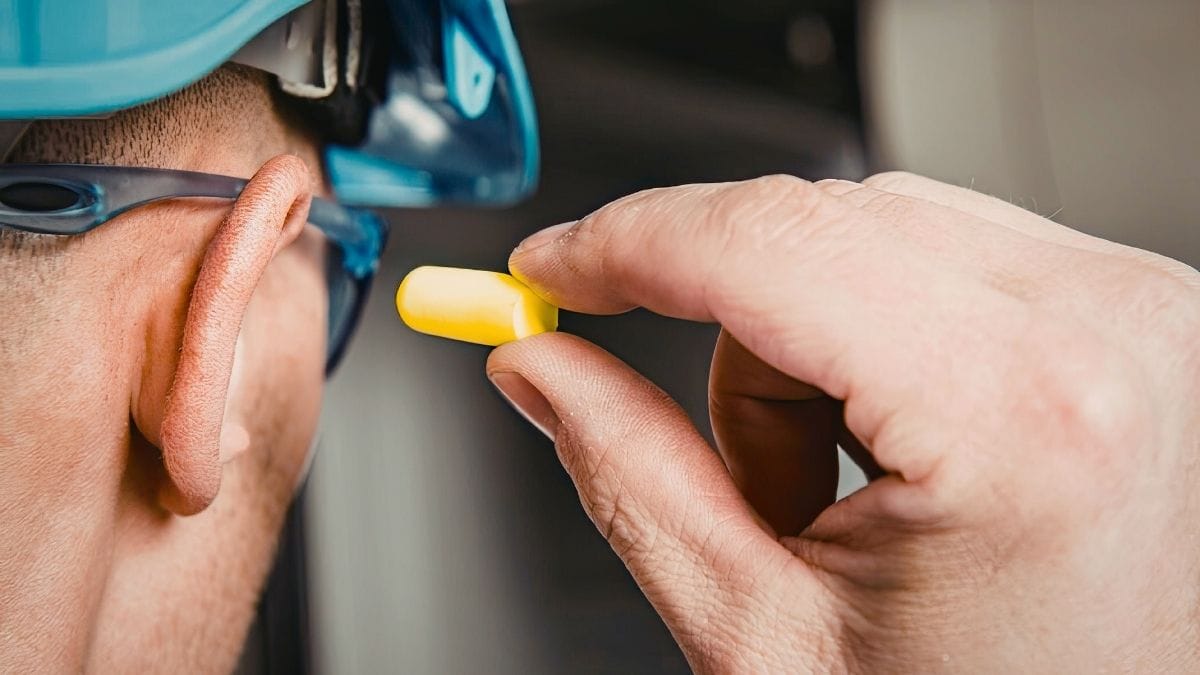
Wear earplugs at concerts, construction sites, and loud sports events.
After age 50, get an annual hearing check the same way you get an eye exam. And if you’re on long-term medications, ask about ototoxic side effects.
Your hearing right now is worth protecting. What you do today decides what you hear in 20 years.
Tips:
- Buy a pair of foam earplugs and keep them in your bag. They cost less than $5 and block the kind of damage that costs thousands to treat later.
- Set a reminder right now to schedule a hearing check if you’re over 50 and haven’t had one in the past year.
CONCLUSION
Hearing loss doesn’t knock. It fades in quietly while you’re busy living your life. The signs are real. The risks of ignoring them are serious. The tools to check yourself are free.
Your hearing health is your brain health. A 30-minute test could be one of the best decisions you make this year. Don’t wait ten years to find out.