
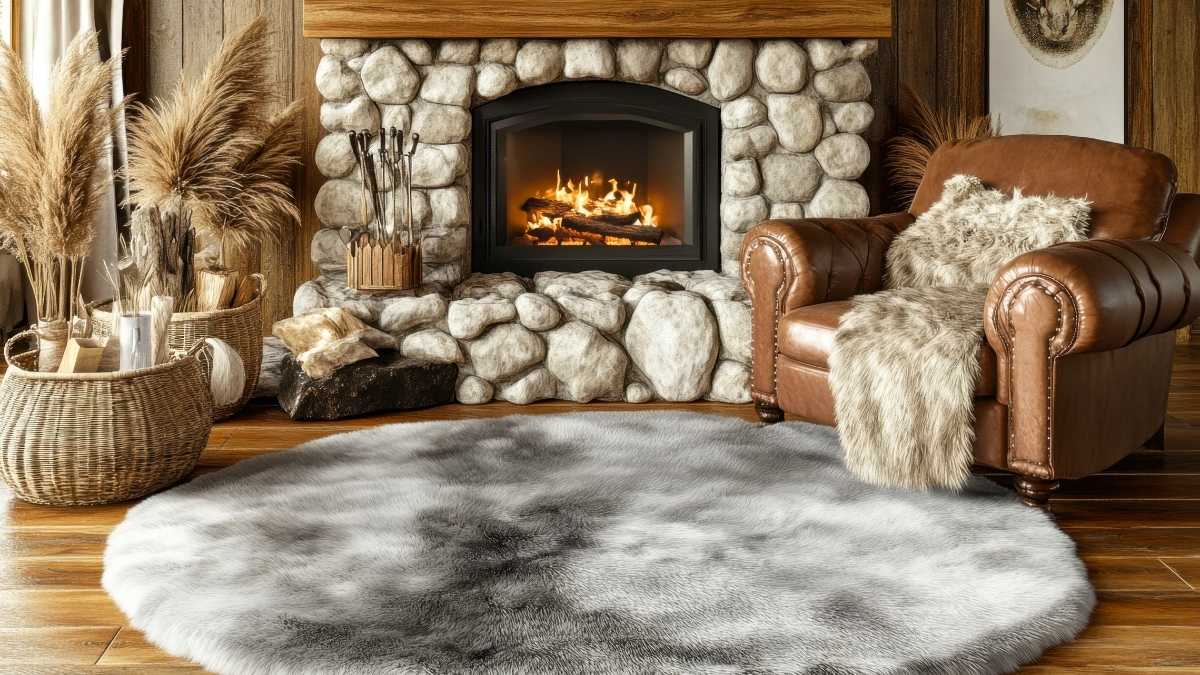
When temperatures drop and daylight dwindles, your home should be the warm sanctuary you crave—not a cold, uninviting space that makes you reach for another sweater.
Most people buy trendy decor that looks good but doesn’t actually make rooms feel warmer. You’re left wondering why your space still feels cold despite spending money on new things.
This guide reveals 11 winter decor essentials that create real warmth—the kind you feel the moment you walk in. You’ll learn what to buy, where to place it, and how much to spend. No clutter. No guessing. Just a cozy winter home that works.
1. Layered Throw Blankets: The Foundation of Cozy Winter Home Decor
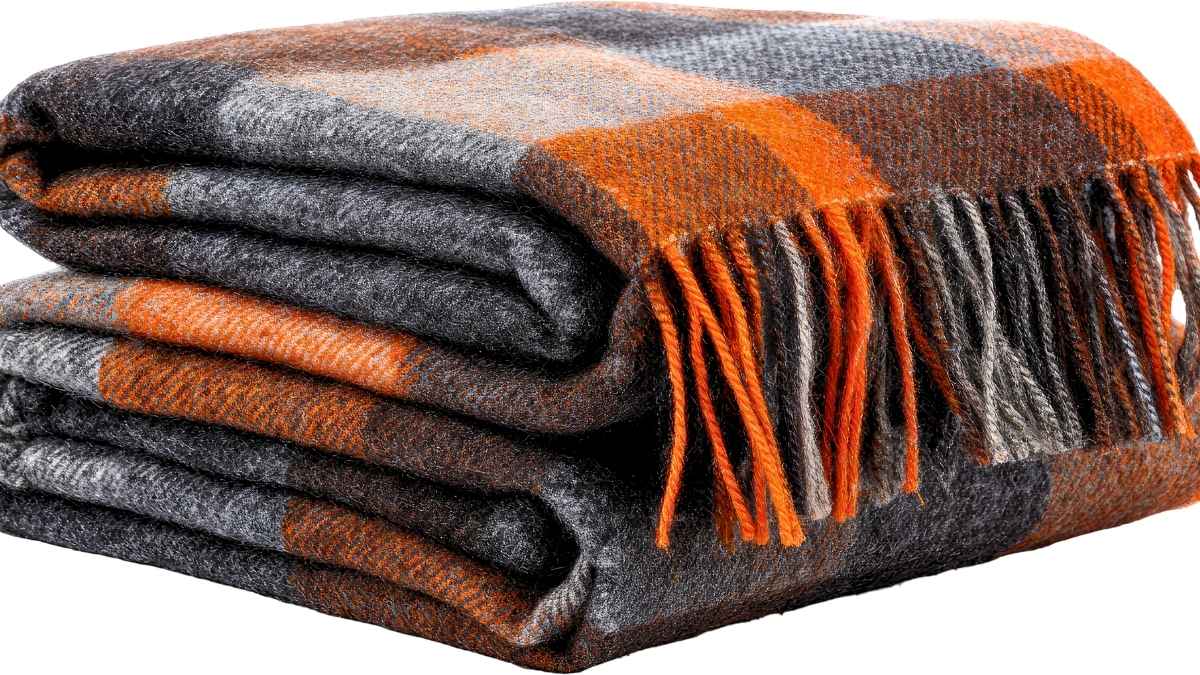
Throw blankets are the fastest way to make any room feel warmer. But here’s what most people get wrong—they buy one blanket per space and wonder why it doesn’t create that cozy feeling they want.
The secret is layering 2-3 blankets in different textures. Mix a chunky knit with faux fur and wool. Each texture catches light differently and adds depth. Your eyes see variety, and your brain reads it as “warm and inviting.”
Place them where you actually sit. Drape one over your sofa arm, another on your reading chair, and keep one at the foot of your bed. The “casually draped” look works because it feels lived-in, not staged.

Go for warm neutrals like mocha mousse (Pantone’s 2025 color), camel, or deep jewel tones like burgundy and forest green. These colors make rooms feel 10 degrees warmer without touching the thermostat.
Best materials: merino wool for warmth, chunky chenille for texture, sherpa-lined for ultimate softness. Quality throws cost $30-$80 and last for years. That’s a small price for instant coziness.
2. Warm-Toned Lighting: Transform Your Space Instantly

Your lighting might be why your home feels cold, even with the heat on. Those bright white LED bulbs create a harsh, hospital-like glow that kills any cozy vibe you’re trying to build.
Switch to bulbs rated 2700K-3000K on the Kelvin scale. That’s the warm candlelight glow that makes a warm winter home feel like a refuge. Check the box before you buy—it should say “warm white” or “soft white.”
Layer your lighting instead of relying on one overhead fixture. Add a table lamp here, a floor lamp there, maybe an Edison bulb fixture for character. This creates pockets of warmth throughout the room.
Dimmer switches change everything. You can adjust the mood based on the time of day. Smart bulbs like Philips Hue or LIFX let you control warmth from your phone—perfect for winter decorating ideas that actually work.

Quality fixtures run $25-$150. Start with one room and see the difference.
3. Plush Area Rugs: Warmth Underfoot

Cold floors make your entire room feel colder. If you have hardwood or tile, you’re losing heat through the floor. Rugs can reduce that heat loss by 10%, which means real warmth and lower heating bills.
Go for high-pile rugs (1.5-2 inches) in living rooms and bedrooms. They feel soft and trap warm air. Save low-pile rugs for high-traffic areas like hallways where you need something easier to clean.
Best materials for cozy winter home decor: wool for natural warmth, shag for plush comfort, faux sheepskin for bedroom accents. Layer a smaller textured rug over a larger neutral base to add depth without buying all new rugs.

Place them where you walk barefoot most—beside the bed, under the coffee table, in front of the sink. Budget $80-$300 depending on size. These winter essentials pay off every cold morning.
4. Velvet and Textured Pillows: Instant Luxury

Pillows are the easiest way to make your stylish home feel expensive without spending much. The trick is mixing textures—velvet, boucle, faux fur, and cable knit all in one space. Velvet reflects light differently than other fabrics, which adds depth and richness to your room.
Use 3-5 pillows in varying sizes: 2 large (22″), 2 medium (18″), and 1 small (16″). Arrange them from back to front, largest to smallest. This creates a layered look that feels intentional, not messy.

For winter decorating ideas that work on a budget, buy seasonal pillow covers instead of new pillows. Swap them out when the season changes. You can coordinate colors for a calm look or use purposeful contrast for drama.
Quality covers cost $15-$45 each. Five new covers transform a room for under $150.
5. Candlelight and Candle Holders: Ambiance That Warms
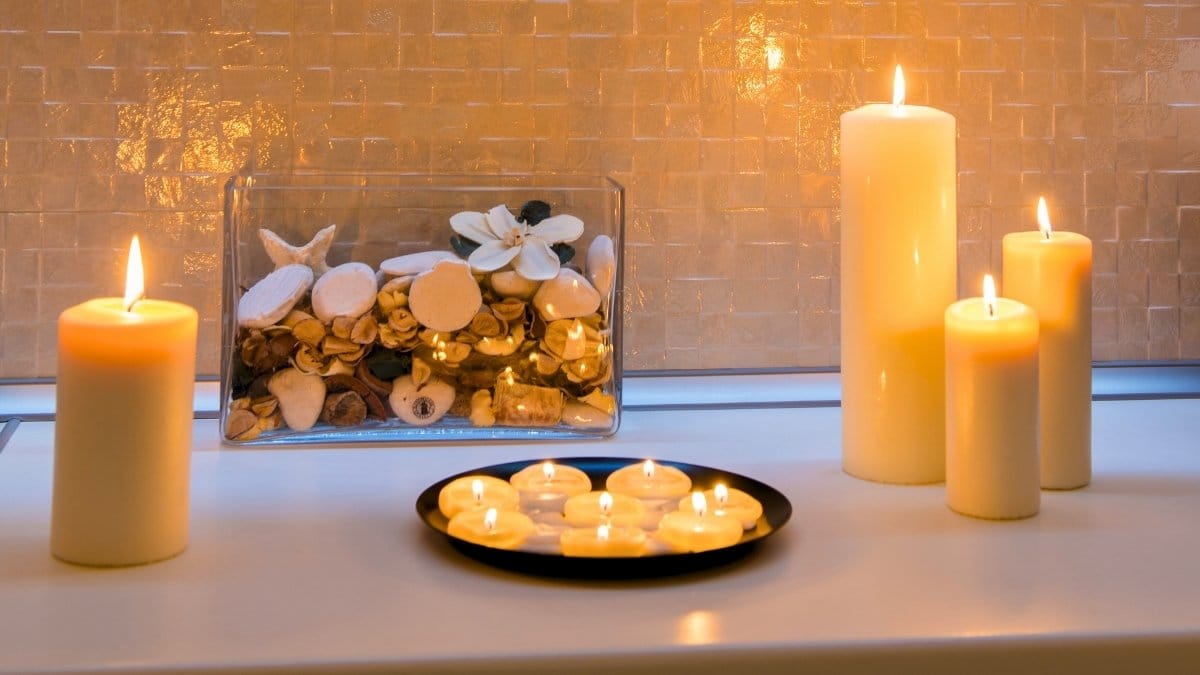
Flickering light tricks your brain into feeling warmer. It’s pure psychology—your mind connects fire with heat, even when candles don’t actually warm the room. This is essential cozy winter home decor that works on multiple levels.
Scent matters too. Winter 2025’s top scents are cedarwood, cashmere, and spiced orange. These smells trigger memories of warmth and comfort. Cinnamon, pine, vanilla, and amber work just as well.
Group candles in odd numbers (3 or 5) at different heights on trays, mantels, or coffee tables. This creates visual interest and a warm atmosphere without looking cluttered.
Safety tip: Battery-operated LED candles now look incredibly real with flickering patterns and 8-hour auto-off timers. Perfect if you have kids or pets. They last for months on one set of batteries.

Budget $10-$40 for quality candles. Real or flameless—both work.
6. Heavy Curtains or Thermal Drapes: Function Meets Style
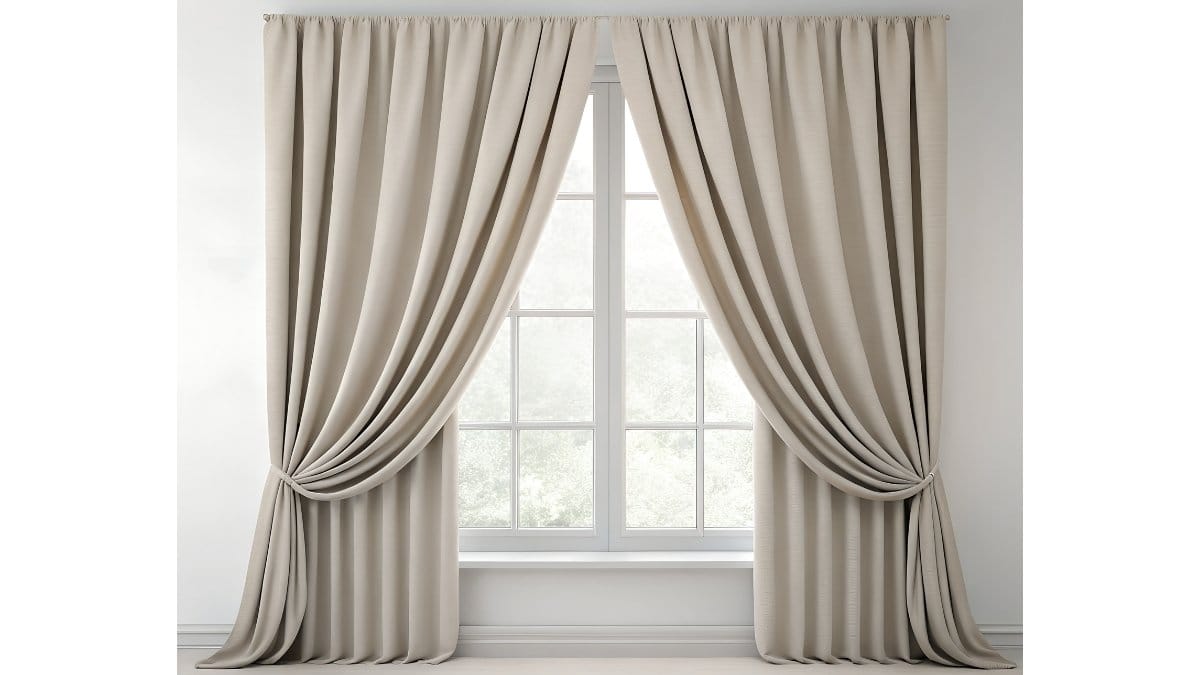
Windows are where you lose the most heat in winter. Thin curtains do nothing to stop cold air from seeping in. Department of Energy studies show that proper window treatments reduce heat loss by 10-25%—that’s real money saved on heating bills.
Heavy curtains are winter decor essentials that work double duty. They keep heat in while making your warm winter home look finished and intentional. Best fabrics: velvet for luxury, thermal-backed cotton for function, lined linen for a lighter look with insulation.
Layer sheers underneath heavy drapes for flexibility. Close the heavy ones at night to trap heat, open them during sunny days for natural warmth.
Mount your curtain rods at ceiling height, even if your windows are lower. This makes rooms look taller and blocks more cold air from the top of the window frame.

Thermal-lined panels cost $40-$120 each. They pay for themselves in energy savings within one winter.
7. Faux Fur Accents: Touchable Texture
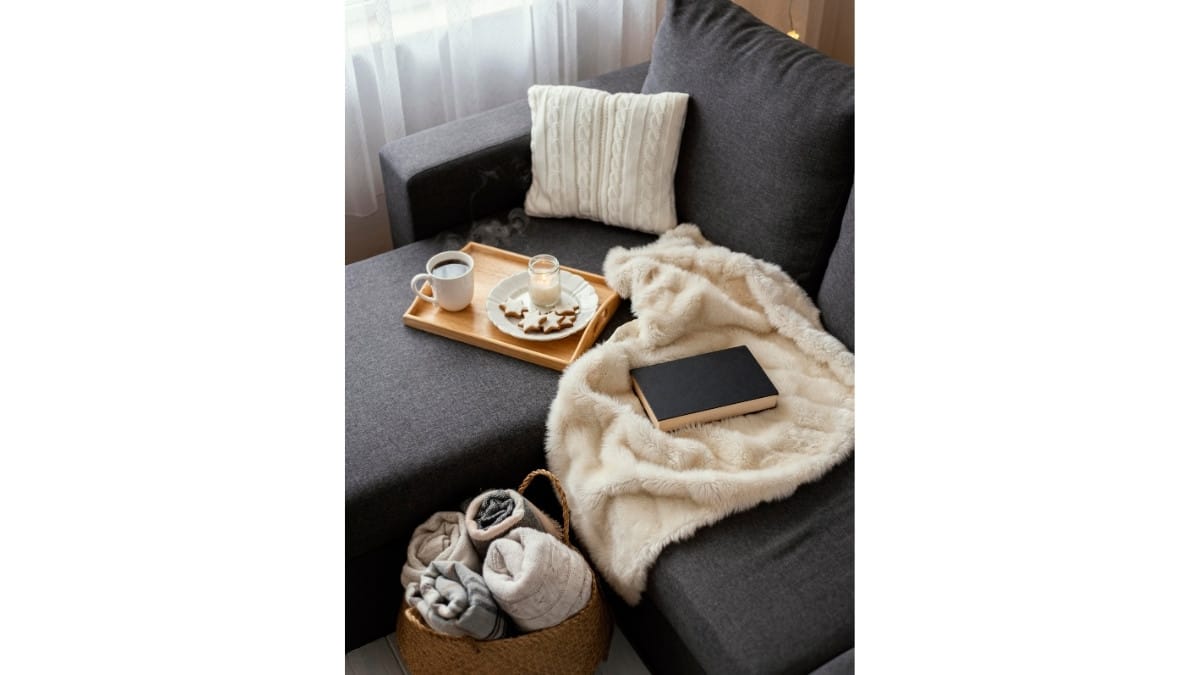
Faux fur screams “cozy” the second someone sees it. High-quality versions now look almost identical to real fur, but they’re ethical and easier to clean. These winter essentials work best as chair throws, ottoman covers, or bed runners—anywhere you want to add instant luxury.
Skip the bright white everyone uses. Try caramel, grey, or charcoal for a more sophisticated look that hides dirt better. These colors blend with cozy winter home decor while still adding that plush texture.
Best placements: draped over accent chairs or laid across bedroom benches. Mix faux fur with velvet pillows and chunky knit blankets for maximum texture variety.

Cleaning tip: Most faux fur is machine washable on gentle cycle. Hang to dry—never put it in the dryer or it’ll mat.
Budget $30-$150 depending on size. A small throw transforms a boring chair instantly.
8. Seasonal Greenery and Natural Elements

Winter doesn’t mean your home has to look dead inside. Greenery adds life and natural warmth even when it’s freezing outside. This is one of those winter decorating ideas that bridges the gap between cozy and fresh.
Real options: eucalyptus branches last 2-3 weeks in a vase, pine stems smell amazing, winter berries add pops of color. Change the water every few days to keep them fresh longer.
Prefer zero maintenance? Faux greenery improved massively in 2024-2025. High-quality fake eucalyptus and pine look real from two feet away. You can’t tell the difference unless you touch them.
Style them in tall vases, simple wreaths (not just for holidays), or garlands along mantels. Dried elements like pampas grass and cotton stems last all winter without water.

Budget $15-$50 for arrangements that last weeks or even months.
9. A Statement Heating Element: Functional Focal Point
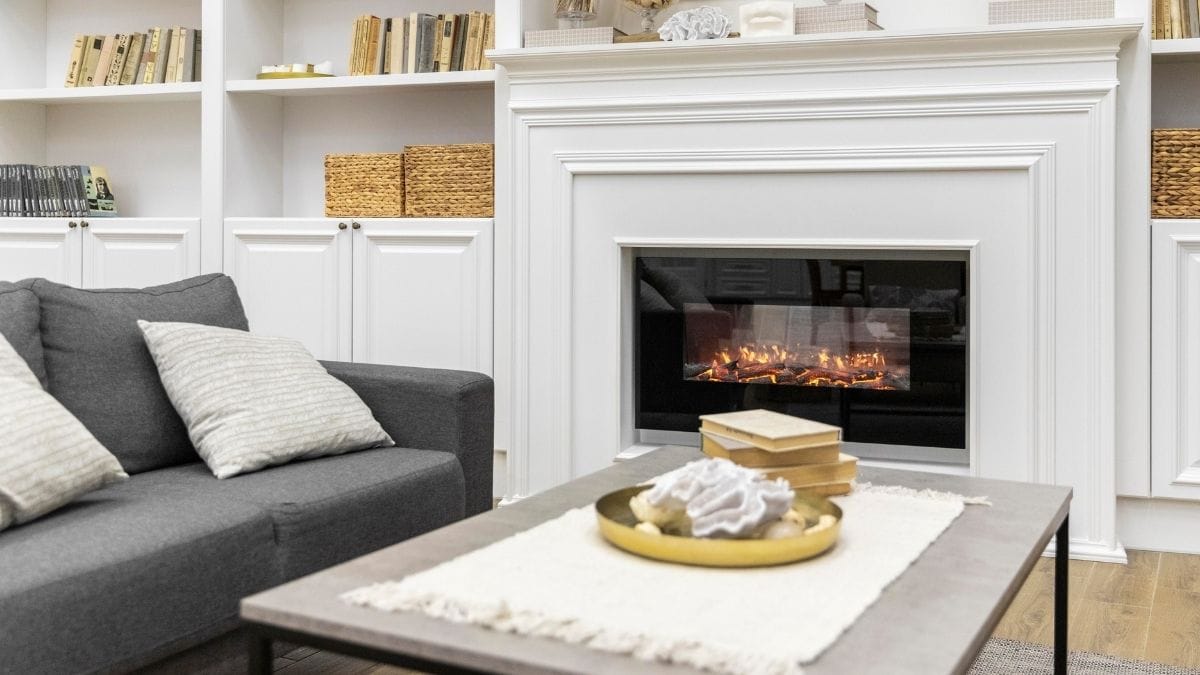
This is the only item on the list that actually heats your room. Everything else creates the feeling of warmth—this delivers real heat. Modern electric fireplaces and designer infrared heaters are winter decor essentials that look good and work hard.
Forget ugly space heaters that ruin your decor. Today’s options include electric fireplaces with realistic flames and remote controls, plus sleek infrared heaters built into stylish cabinets or wall panels. They’re warm and functional without the eyesore.
Infrared heaters warm objects and people directly, not the air. This means you feel heat faster and use less energy. They can cut your central heating costs by 10-15% when you zone-heat the rooms you actually use.
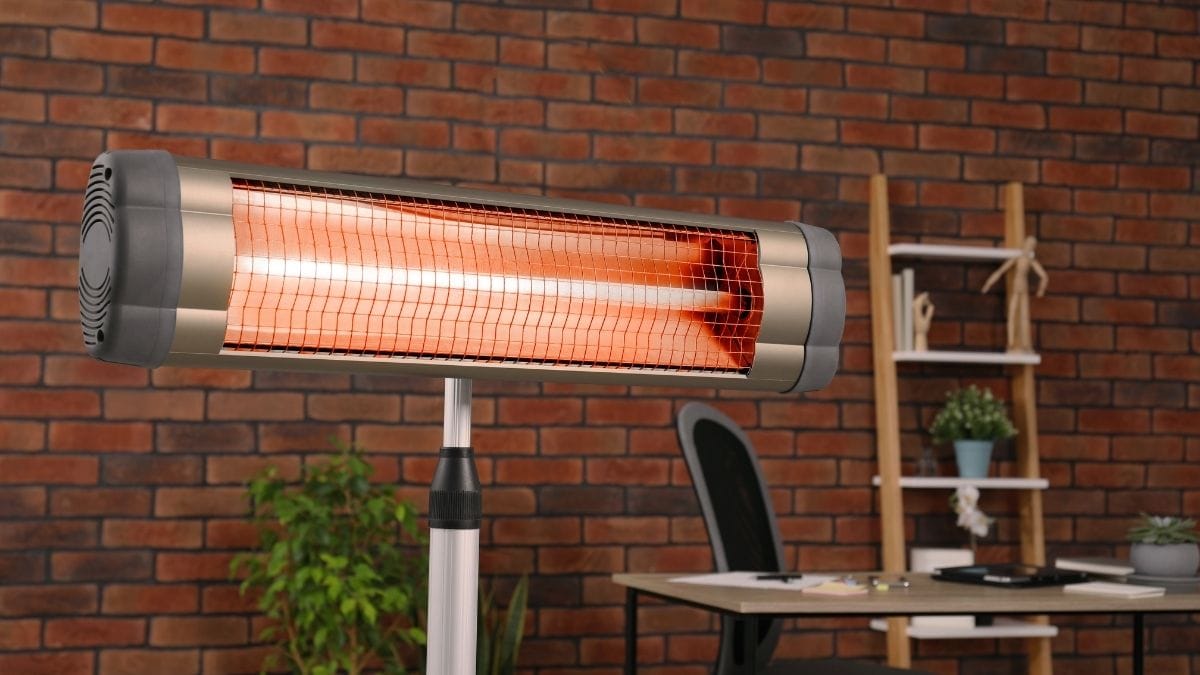
Place them where you spend the most time—living rooms, home offices, bedrooms. They become a focal point that draws people in.
Quality decorative heaters cost $150-$800. The energy savings pay you back over time.
10. Warm Metallic Accents: Reflective Glow
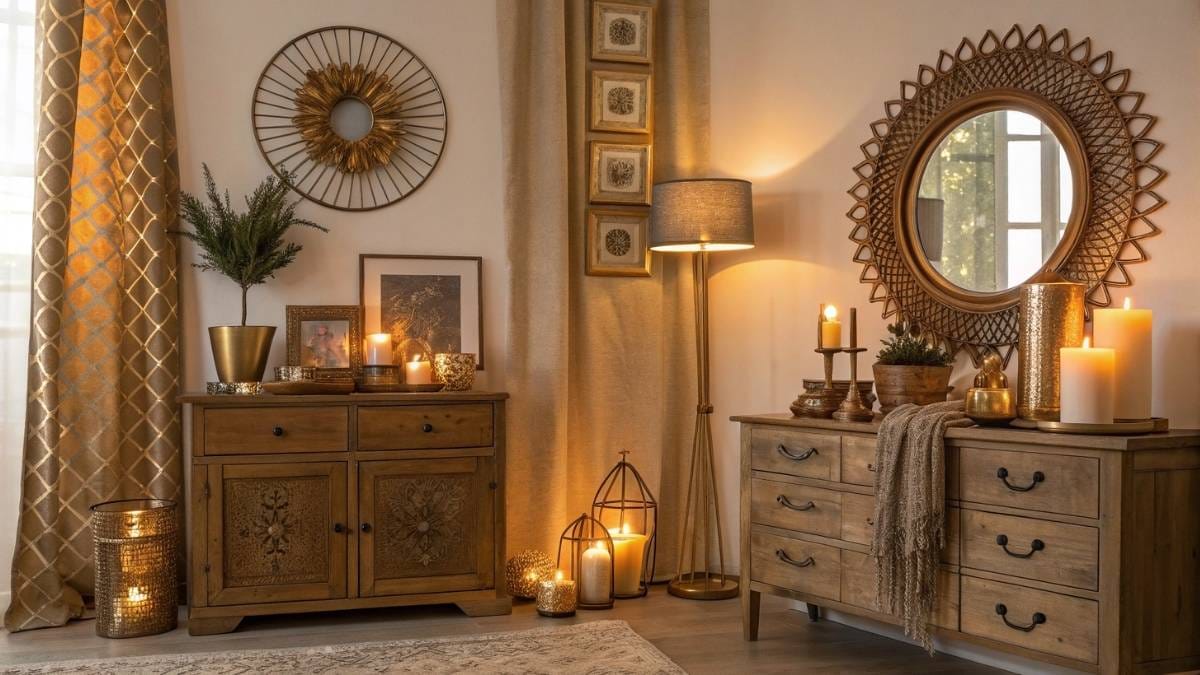
Chrome and silver make rooms feel cold. Switch to brass, copper, or gold for a warm winter home that glows. Warm metals reflect that 2700K lighting we talked about earlier—they bounce the golden light around the room and multiply the cozy effect.
Add these stylish touches through mirrors with gold frames, decorative trays, picture frames, or cabinet hardware. Even small swaps make a big difference. They catch candlelight and lamp light, creating little pockets of warmth throughout your space.
You can mix metals now—it’s totally fine. Pair brushed brass with antique gold for depth. Just stick with warm tones only (no mixing gold with chrome).
Easy swaps that transform spaces: drawer pulls, faucets, light switch covers, curtain rods. These cost $10-$80 each and take minutes to change.
The glow is instant.
11. Natural Wood Elements: Organic Warmth

Wood makes spaces feel warmer because it’s natural and alive. Studies show that wood surfaces create psychological warmth—your brain connects them with nature and comfort. This is one of the easiest winter decorating ideas to add right now.
Start small: wooden bowls on your coffee table, cutting boards displayed in the kitchen, trays for organizing, or a side table. Live-edge pieces (where you can see the tree’s natural edge) add extra character and feel less formal.
You don’t need to match wood tones anymore. Mix walnut, oak, and acacia finishes together. The variety actually makes rooms feel more collected and interesting. These cozy elements work in any style home.
Winter tip: Indoor heating dries out wood. Wipe pieces with mineral oil every few weeks to keep them from cracking.
Decorative wooden pieces cost $20-$200 depending on size and quality.
Final Thought:
Creating a warm winter home isn’t about buying everything at once. These 9 winter decor essentials work together—layered textures, warm lighting, and strategic placement all build on each other. These aren’t trendy tricks that’ll look dated next year. They’re timeless strategies for cozy winter home decor.
Start with 2-3 items that fix your biggest problems. Is your lighting too harsh? Are your floors freezing? Does your sofa look uninviting? Pick what matters most, add pieces slowly, and transform your space into a warm winter sanctuary you’ll actually want to spend time in.
Your home should make cold evenings feel like a gift, not something to endure.