You do a lot of things right. That’s what makes this hard to hear.
Most people over 50 are unknowingly practicing habits that speed up aging without realizing those habits are the problem. This article is for adults over 50 who want to age well and still feel in control of how their body is holding up.
It won’t cover smoking, heavy drinking, or skipping sleep entirely. You already know those are problems.
What it will do is show you five specific habits most people feel good about, and explain exactly how each one is pushing your biological clock forward.
Point 1- Eating on a Fixed Schedule You’re Proud Of
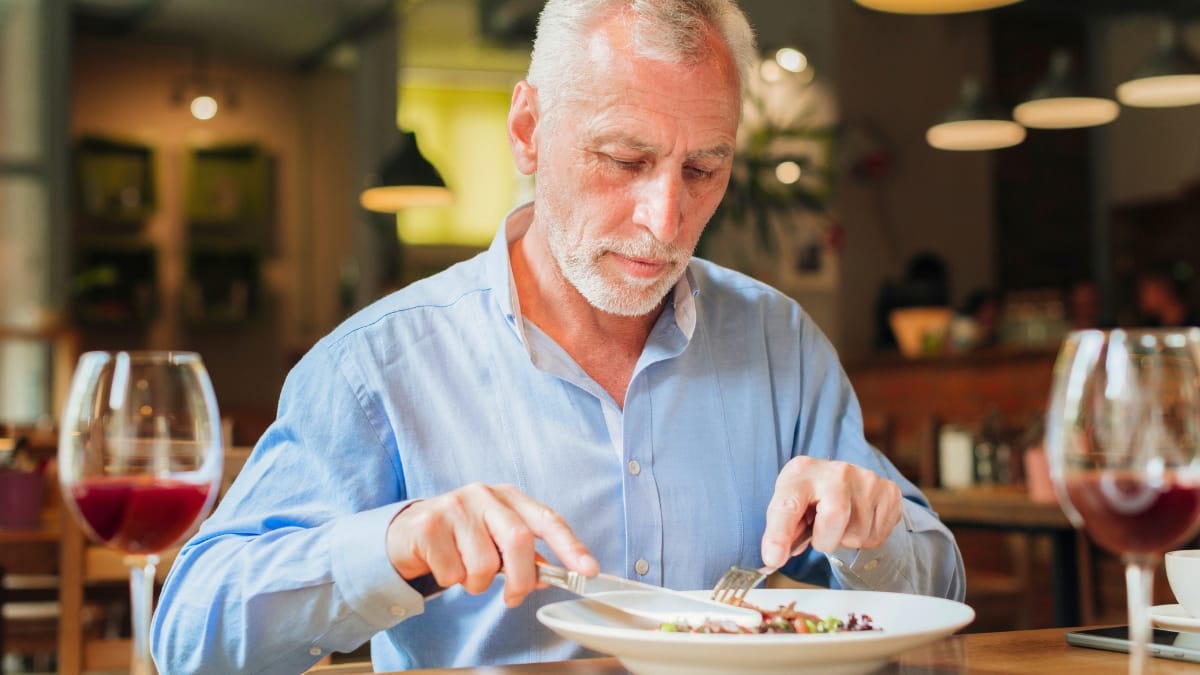
You eat breakfast at seven, lunch at noon, dinner at six. You don’t snack.
That sounds like exactly what every nutrition article tells you to do, and in some ways, it is. Eating on a fixed schedule is one of the habits that speed up aging most quietly after 50.
But consistency in timing is not the same as alignment with your body’s internal clock.
Your body runs on a circadian rhythm (a roughly 24-hour internal biological cycle that governs when your organs expect to process food, rest, and repair themselves). After 50, that rhythm naturally weakens.
Erratic or circadian-misaligned eating patterns are associated with disrupted metabolism and physiology, the same processes that accelerate biological aging.
The fix isn’t rigidity. It’s earlier. Shift your eating window to earlier in the day where you can, finishing your last meal two to three hours before bed, rather than keeping the same late schedule on repeat. Consistency at the wrong time is still the wrong time.
What you do with your body in the hour after that meal matters more than most people expect.
Point 2- The After-Meal Habit That Speeds Up Aging

You cooked, you ate, you earned a rest. Sitting down after a meal feels natural, even sensible. For many adults over 50, it’s a built-in daily ritual. But those quiet 30 to 60 minutes of postprandial sitting are doing something your body registers as damage, not recovery.
The habits most likely to speed up your biological clock after 50 are not the ones you feel bad about. They are the ones you feel proud of.
Postprandial glucose (the rise in blood sugar that happens in the one to two hours after eating) is higher and stays elevated longer in older adults than in younger people.
When you sit still during that window, your muscles don’t pull glucose out of the bloodstream the way they would if you moved. That glucose spike is associated with low-grade inflammation.
Talk to your doctor before changing your post-meal routine if you’re managing diabetes, taking blood sugar medication, or dealing with any chronic condition.
Moving after meals is simple and takes almost no effort:
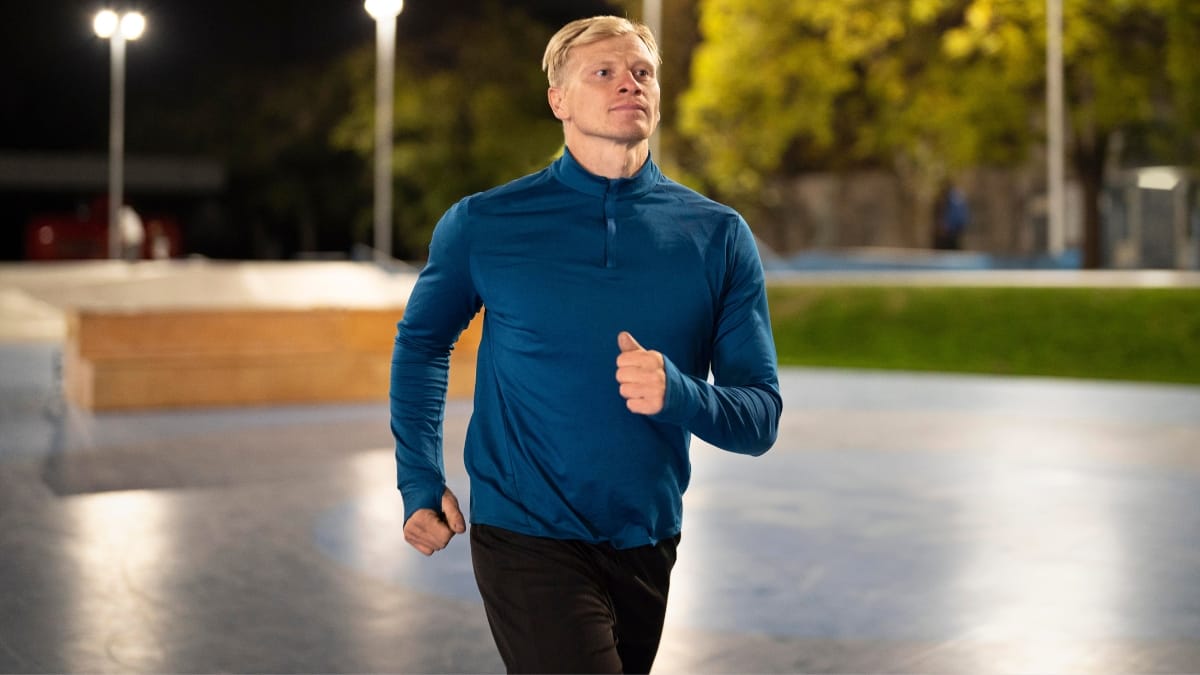
- Walk for 10 to 15 minutes after your largest meal
- Even a slow, easy pace counts, this is not exercise, it’s movement
- You don’t need shoes or a route, laps around the house work
A randomized crossover trial comparing older adults (mean age 67.7 years) who sat after a meal versus those who walked found that postprandial exercise significantly reduced both glucose and insulin levels compared to sitting.
A 2025 meta-analysis found that short activity breaks in middle-aged and older adults may reduce postprandial glucose excursions and lower circulating inflammatory markers.
Inflammation after meals is not a one-time event. In older adults, repeated postprandial inflammation is associated with accelerated biological aging over time.
The next habit operates on a longer cycle, not one hour, but an entire week.
Point 3- Sleeping In on Weekends to Catch Up
You sleep six hours on weekdays, then eight or nine on Saturday and Sunday. You feel like you’re balancing the books. You’re not.
This pattern has a name. Social jetlag (the mismatch between your biological sleep clock and your social schedule, measured by the difference in sleep timing between weekdays and weekends) affects a large portion of the adult population, and most people practicing it believe they’re recovering.

Here’s the counterintuitive part: sleeping in on weekends does not cancel weekday sleep debt. It creates variability in your sleep timing across the week, and that variability is what disrupts your circadian biology, not just the short weekday nights.
A cross-sectional analysis of 6,534 adults from the National Health and Nutrition Examination Survey found that long corrected social jetlag, meaning sleeping significantly later on free days than on work days, was associated with faster phenotypic age acceleration (a measure of how much faster your biological age is advancing compared to your chronological age, calculated from blood chemistry markers).
Circadian Reset Protocol, Weekend Edition
- Set a wake time within 30 minutes of your weekday wake time
- Do this even on Sunday, even if you went to bed later Saturday
- Get outside within 30 minutes of waking, light resets the clock
- If you’re genuinely tired, go to bed 30 minutes earlier Friday night instead of sleeping later Saturday morning
- Do not compensate forward, compensate backward
Sleep timing consistency, not just sleep length, is what your biological clock is tracking.
Your cells are also tracking something else entirely, something that doesn’t feel like a health problem at all, because it looks exactly like staying engaged with life.
Point 4- Keeping a Packed Calendar Because Staying Busy Feels Healthy
A full schedule feels like the opposite of aging. Appointments, social commitments, hobbies, family: you’re engaged.
You’re active. You’re not sitting in a chair watching the world go by. That’s good. But there’s a version of this that crosses a line your body registers as danger.

Chronic low-level stress (a persistent, mild state of heightened alertness that keeps cortisol elevated throughout the day without a clear crisis to resolve) is different from the acute stress of a bad day. Acute stress spikes and drops.
Chronic low-level stress from an overpacked schedule stays on, and sustained cortisol (a hormone released by the adrenal glands that helps the body respond to stress but damages cells when elevated for long periods) elevation is associated with changes in your DNA methylation patterns over time.
Those changes accumulate. Epigenetic clocks like GrimAge and DunedinPACE, which measure biological age through DNA methylation, may reflect the effects of chronic stress as accelerated cellular aging.
A review of epigenetic aging and psychological stress in older adults found that perceived stress was associated with DNA methylation age acceleration across multiple cohorts, with older adults being especially prone to stress-related epigenetic changes.
A separate study of 47 adults found that perceived stress over the past month was positively correlated with GrimAge acceleration, and that the protective effect of stress-coping resilience was larger than the aging effect of stress itself.
Stress resilience, not an empty calendar, is what protects biological age.
The fix isn’t fewer commitments. It’s scheduled recovery. Block at least one unscheduled hour per day. Not productive time. Not exercise. Genuinely unscheduled, where nothing is expected of you and nothing needs to get done.

The next habit ages them in ways that show up in your blood.
Point 5- Doing Cardio and Skipping Strength Training
If you walk, swim, cycle, or take fitness classes most weeks, research consistently links that activity to better heart health and longer life.
This section is not going to tell you to stop. But cardio alone, without resistance training, may leave a gap that shows up in your biological age.
Research suggests sarcopenia (the age-related loss of muscle mass and strength that begins accelerating around age 50) continues even in aerobically active adults. Muscle mass in adults aged 50 to 70 is associated with notable decline per decade, a rate that resistance training may help slow.
Muscle loss is associated with faster biological aging, and the effect is measurable in the blood markers clinicians use to track it.
A 2024 study of 4,814 US men and women from the National Health and Nutrition Examination Survey found that adults who strength trained regularly had significantly longer telomeres (the protective caps at the ends of chromosomes that shorten as cells age and are a direct marker of biological aging) than adults who did not, even after controlling for all other physical activity including cardio. The benefit was independent of cardio.
The fix is addition, not replacement:

- Add two resistance training sessions per week to what you already do
- Bodyweight exercises, resistance bands, and light dumbbells all count
- Focus on legs, back, and core, the muscle groups that decline fastest after 50
- You don’t need a gym, 20 minutes at home twice a week is enough to start
You don’t have to overhaul your routine. You have to add one thing it’s currently missing.
One Habit, One Week
You now know which five habits are moving your biological age in the wrong direction, and none of them required you to do something obviously unhealthy. That’s the point. The habits that speed up aging after 50 hide in plain sight precisely because they feel responsible.
Pick one ritual from this article you do every day, decide today whether you will change it, and make one small swap this week. Not five swaps. Not a plan. One. Research suggests that biological age responds to lifestyle change, and findings indicate it may respond faster than most people expect.