
Seventeen companies in the United States and abroad. More than 58 products in all. Many carried the same promise: that a supplement could prevent, treat, or cure Alzheimer’s disease. In February 2019, the FDA sent a letter to every one of them. The agency said the products were illegally marketed.
A few were as ordinary as coconut oil, green tea extract, and vitamin D. Wanting to protect a parent’s memory, or your own, is a natural wish. So why did the FDA step in?
The answer helps you spot unapproved Alzheimer’s products before they drain your savings or delay real medical care. Here is the plain version, and what you can do about it.
What the FDA Is Actually Warning About
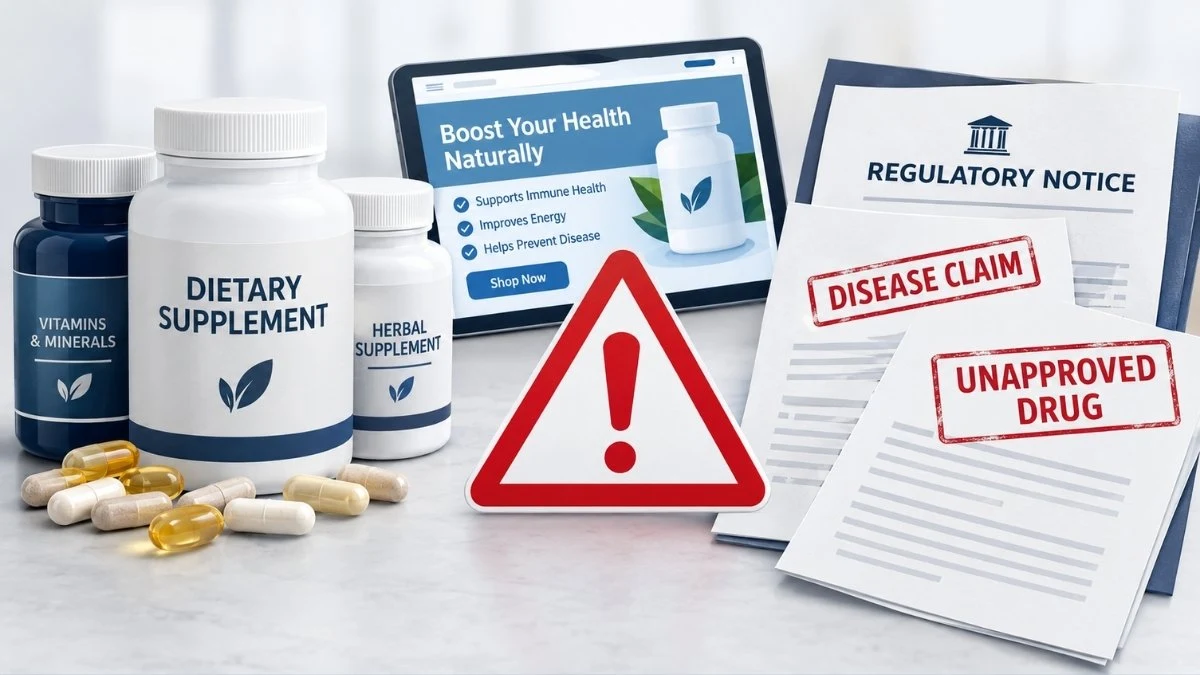
The FDA’s February 2019 action had two parts: 12 warning letters and 5 online advisory letters. Practical Neurology reported that the products ranged from coconut oil and curcumin to melatonin and vitamin D. It also listed colostrum, colloidal silver, and uridine. The report added that each company had 15 days to respond.
The FDA focused on the disease claim on each label or ad. Popular Science explained that makers may sell supplements for health benefits. NBC News reported that Commissioner Scott Gottlieb said supplements cannot claim to prevent, treat, or cure diseases like Alzheimer’s.
A product that makes such a claim counts as a drug. The FDA’s Q&A page calls these products unapproved new drugs and misbranded drugs. Approval means the FDA has reviewed evidence that a drug is safe and works. These products skipped that step, and Practical Neurology reported that they lack proof of safety or benefit.
This was no one-off. NPR reported that the FDA had issued over 40 warnings to similar companies in the previous five years. The agency’s Q&A page adds that it received numerous consumer complaints about the safety of these products. So what harm does the FDA fear most?
Why Unproven Products Can Do Real Harm
The first harm is delay. Practical Neurology reported that FDA Commissioner Scott Gottlieb warned that unproven claims can keep people from therapies that help with symptoms. BrightFocus says approved anti-amyloid drugs may slow decline in early-stage disease, so lost time matters.
Here is an invented example. A man in his 60s notices memory slips and spends a year on a supplement before seeing a doctor. By then, he may have missed the early stage these drugs treat.

The second harm is safety. Gottlieb said some bogus treatments can hurt people and even kill them, Practical Neurology reported. The FDA’s Q&A page says the agency keeps watching these products to cut the number that could be dangerous.
The third harm is money. NPR reported that Gottlieb said these products take advantage of vulnerable people and waste their money. Gottlieb also said the size of the supplement market helps illegal products slip past notice, Popular Science reported. NPR added that a seller the FDA stops can restart on a new website.
Knowing the harm helps. Spotting the warning signs helps more.
Red Flags to Spot on a Label or Ad
A quick check takes two minutes. Read the claim first. Then look at how the seller promotes it.
- A cure or prevention claim. Fortune reported that the FDA’s warnings spelled out that Alzheimer’s has no cure. A product that promises one has crossed the line the agency drew.
- Big results with no proof. Fortune also reported that the agency advises consumers to doubt any product that promises huge results with no proof.
- Social media pitches. NPR noted that ads for these products often appear on social media. Treat any such ad as a cue to ask a doctor first.

Here is a typical example, invented for illustration. An adult son forwards his father a social media ad for a pill that promises to reverse memory loss. The father feels hopeful. The ad makes a cure-style claim, so they call the doctor before buying.
If you spot a product like this, report it to the FDA’s MedWatch program. Fortune reported that the agency encourages consumers to do so.
Keep one limit in mind. A label with no cure claim says nothing about whether the product works or whether it is safe. So here is where real help comes from.
Note: If you have a health condition or take medication, speak with your doctor before changing your diet, exercise, or supplements.
What to Do Instead
Start with your doctor.

Approved drugs exist for early disease, and the FDA has reviewed the evidence behind them. The agency gave full approval to Leqembi in July 2023, Practical Neurology reported, based on the Phase 3 Clarity AD trial.
Spectrum News reported that the trial followed about 1,800 patients. The drug slowed the decline in memory and thinking by about five months compared with a placebo. BrightFocus says anti-amyloid drugs like it aim at a possible cause of the disease.
The FDA approved Kisunla in July 2024, AOL reported. Health Policy Watch said it fits people with mild cognitive impairment or mild dementia. Telemundo 51 reported that drugs in this class can cause brain swelling and bleeding. BrightFocus says to ask your physician whether these drugs fit your case, since each has eligibility and monitoring rules.
Approved options reach beyond these two. BrightFocus says cognitive symptom-management treatments remain common and may suit different stages of the disease. It also lists medicines that treat symptoms such as agitation and sleep disruption. Your doctor can match options to your stage.
BrightFocus says regular exercise and a brain-healthy diet may help slow cognitive decline and lower Alzheimer’s risk. No habit cures the disease, yet these steps are yours to control. A 20-minute walk on three days this week is a simple start.

Lastly
Last, ask your doctor or pharmacist to review everything you take. The FDA’s Q&A page urges anyone using a product from its warning letters to talk with a licensed health care provider. A pharmacist can check each product against your prescriptions.
The next ad that promises to protect your memory will not catch you off guard. Tonight, set every supplement you own on the table and write each name on one list. Bring that list to your next appointment.
Asking why before you buy is a strong habit, and you already have it. Use it with confidence.
References
- U.S. Food and Drug Administration. Questions and Answers: FDA alerts companies to stop the illegal sale of products claiming to treat Alzheimer’s disease. https://www.fda.gov/consumers/health-fraud-scams/questions-and-answers-fda-alerts-companies-stop-illegal-sale-products-claiming-treat-alzheimers
- Practical Neurology. Warnings and Advisories Issued to 17 Companies for Products Illegally Marketed as Treatment for Alzheimer’s Disease.
- https://practicalneurology.com/news/warnings-and-advisories-issued-to-17-companies-for-products-illegally-marketed-as-treatment-for-alzheimers-disease
- NBC News. FDA cracks down on dietary supplements marketed for Alzheimer’s. https://www.nbcnews.com/health/health-news/fda-cracks-down-dietary-supplements-marketed-alzheimer-s-n970006
- Popular Science. Supplements make false claims to prey on people with Alzheimer’s, but the FDA is cracking down. https://www.popsci.com/alzheimers-cures-supplements-fda/
- NPR (via KUNC). FDA Goes After Dietary Supplements That Claim To Cure Alzheimer’s Disease. https://www.kunc.org/science/2019-02-12/fda-goes-after-dietary-supplements-that-claim-to-cure-alzheimers-disease
- Fortune. FDA to Vitamin Makers: Supplements Can’t Cure Alzheimer’s, Cancer, Opioid Addiction. https://fortune.com/2019/02/11/fda-vitamins-dietary-supplements-cure-alzheimers-cancer-opioid-addiction
- Practical Neurology. The FDA Grants Full Approval for Leqembi for the Treatment of Alzheimer Disease. https://practicalneurology.com/news/the-fda-approves-leqembi-for-the-treatment-of-people-with-alzheimer-disease/2470234/
- Spectrum News 1. FDA approval of Alzheimer’s drug Leqembi. https://spectrumnews1.com/wi/milwaukee/news/2023/07/06/fda-approval-alzheimer-s-drug-leqembi
- Health Policy Watch. FDA Approves Eli Lilly’s Kisunla for Early-Stage Alzheimer’s Patients. https://healthpolicy-watch.news/fda-approves-eli-lillys-kisunla-for-early-stage-alzheimers-patients/
- AOL. These groundbreaking Alzheimer’s drugs slow brain decline by treating the actual cause of dementia. https://www.aol.com/news/groundbreaking-alzheimer-drugs-slow-brain-201346022.html
- Telemundo 51. La FDA aprueba medicamento que retrasa avance del Alzheimer. https://www.telemundo51.com/noticias/salud/fda-aprueba-medicamento-que-retrasa-avance-alzheimer-kisunla-eli-lilly/2554547/
- BrightFocus Foundation. FDA-Approved Alzheimer’s Therapies (July 2026 infographic). https://www.brightfocus.org/wp-content/uploads/2026/07/Alz-Treatments-Infographic-WEB-WCAG_JULY2026.pdf